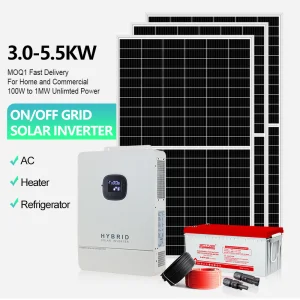
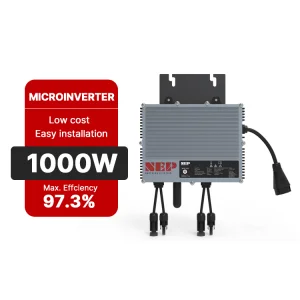
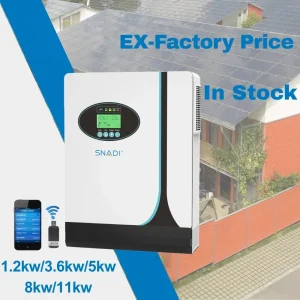
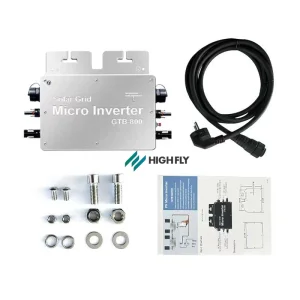
Deploying state-of-the-art telemetry and optimization modules. Secure high efficiency with our premium hardware lineup.
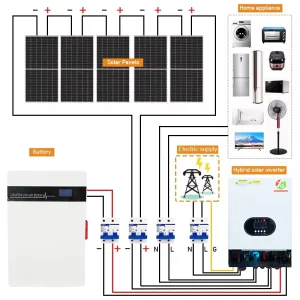
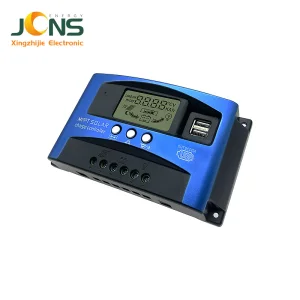
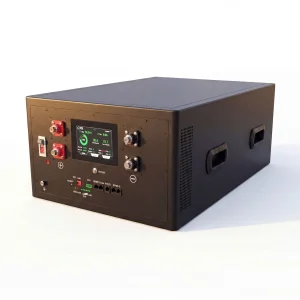
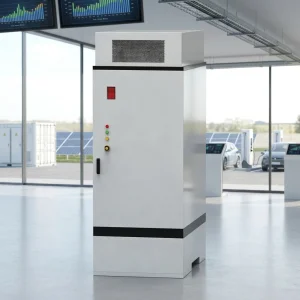
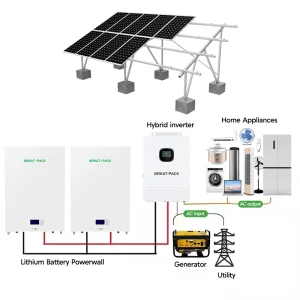
The modern clean energy ecosystem is shifting from centralized power generation to dynamic, distributed network nodes. A high-performance Solar Energy Monitoring System acts as the central intelligence of these operations. It bridges the gap between hardware conversion efficiencies and cloud intelligence. Modern installations are no longer static panels; they are data-driven assets requiring granular observability.
As manufacturing giants scale output, integrating intelligent SCADA (Supervisory Control and Data Acquisition), advanced Edge telemetry, and automated inverter analytics has become standard. Advanced monitoring platforms offer utility developers and assets managers a comprehensive look into performance metrics, state-of-health diagnostics, and power forecasting.
Integrating sensors and controllers via Modbus, CAN-bus, and IoT gateways ensures real-time cloud data pipelines. This keeps microgrids resilient and guarantees maximum power point tracking (MPPT) performance under all atmospheric conditions.
Balances real-time localized PV generation with utility load demands, reducing grid-congestion charges and improving distribution reliability.
Calculates exact degradation rates across lithium cell packs (SoH) and string inverters to flag potential issues before hardware breakdown occurs.
Supports store-and-forward edge technology, retaining local telemetry data during internet outages and uploading it seamlessly when restored.
Commercial and Industrial (C&I) sectors drive the highest demands for automated, cloud-based monitoring solutions.
In Europe, North America, and parts of Asia, C&I enterprises are scaling their on-site solar systems alongside local battery storage (BESS). With rising dynamic electricity rates, peak-shaving and load-shifting algorithms are crucial. Without remote telemetry and predictive control, operators struggle to justify system return-on-investment (ROI).
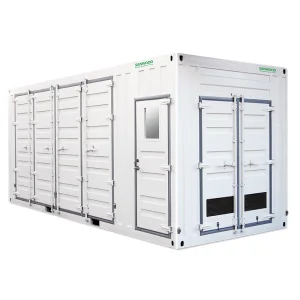
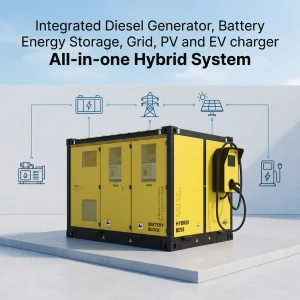
Modern containerized systems (such as the 100kWh/200kWh and FAW 150kWh/313.5kWh industrial storage systems) require comprehensive thermal, electrical, and environmental monitoring to prevent thermal runaway and optimize cell leveling.
AI integration has changed how solar platforms handle data. Rather than simply logging alerts, cloud monitoring suites process billions of parameters—ambient irradiance, wind velocity, ambient cell temperature, and voltage ripples. The platform recognizes underperforming strings, shading anomalies, and tracking motor failures, showing operators clear actionable steps.
This reduces operations and maintenance (O&M) call-outs, keeping technicians focused on confirmed faults and maximizing clean energy yield.
Qingdao Luzz Solar Co., Ltd. is a professional new energy enterprise specializing in the development, manufacturing, and global distribution of photovoltaic (PV) products and integrated energy storage solutions. Located in Qingdao, China, the company benefits from a well-established renewable energy industrial base and advanced manufacturing capabilities.
With the accelerating global transition toward carbon neutrality and sustainable development, Luzz Solar is committed to providing efficient, reliable, and cost-effective clean energy solutions to customers worldwide. Our product portfolio includes high-efficiency solar photovoltaic modules, energy storage systems, and integrated solar application solutions designed for residential, commercial, and utility-scale projects.
Driven by technological innovation and quality excellence, the company continuously invests in R&D and production optimization to improve product performance, energy conversion efficiency, and system reliability. We strictly adhere to international quality standards and implement rigorous quality control throughout the entire production process to ensure stable and long-term product performance.
Qingdao Luzz Solar actively expands its global market presence, with business coverage across Asia, Europe, the Middle East, Africa, and Latin America. By working closely with international partners, we are committed to delivering tailored energy solutions that meet diverse regional needs and support the global energy transition. Guided by the core values of integrity, innovation, cooperation, and sustainability, Luzz Solar strives to become a trusted global partner in the new energy industry.
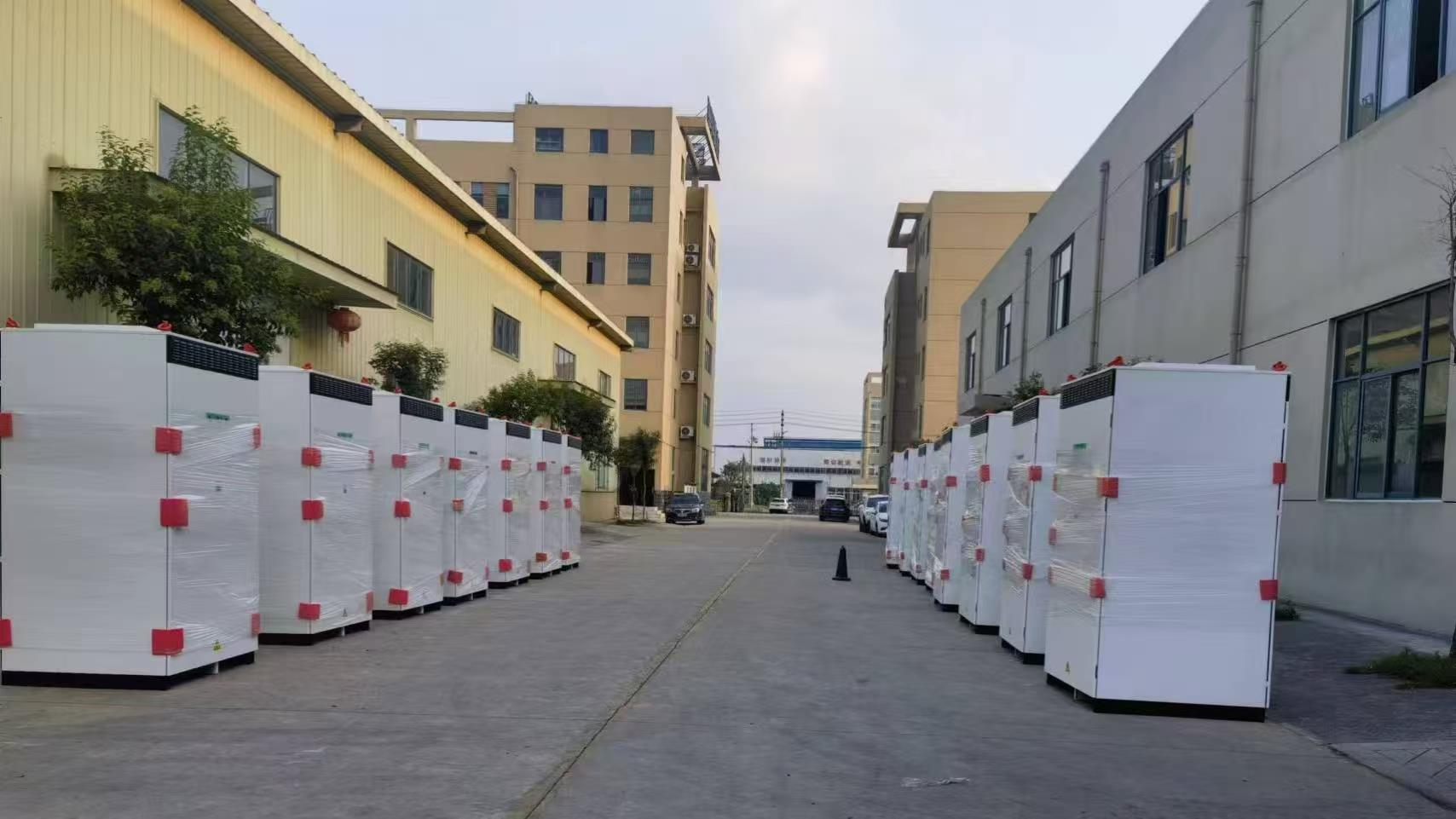
Leveraging Qingdao's major deep-water port infrastructure, we dispatch containerized solutions, split battery racks, and complete solar arrays to clients globally with short lead times and robust transit protection.
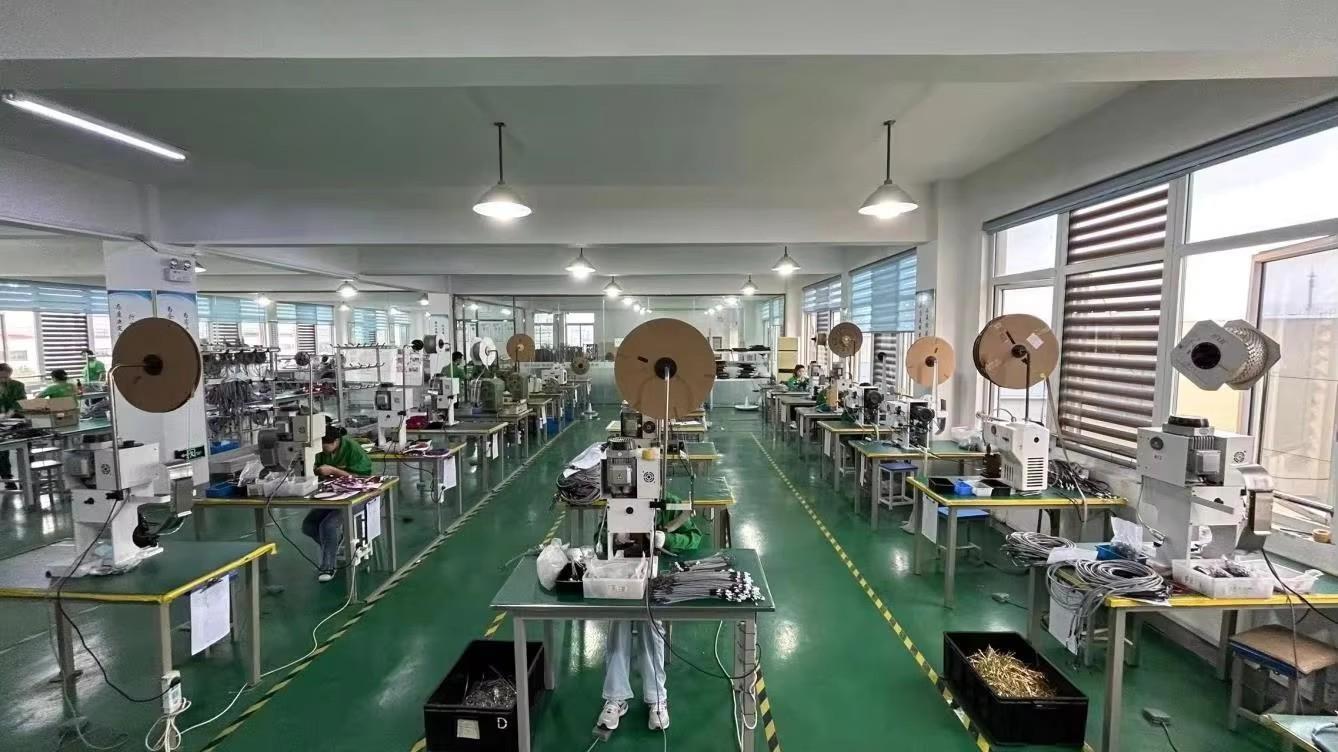
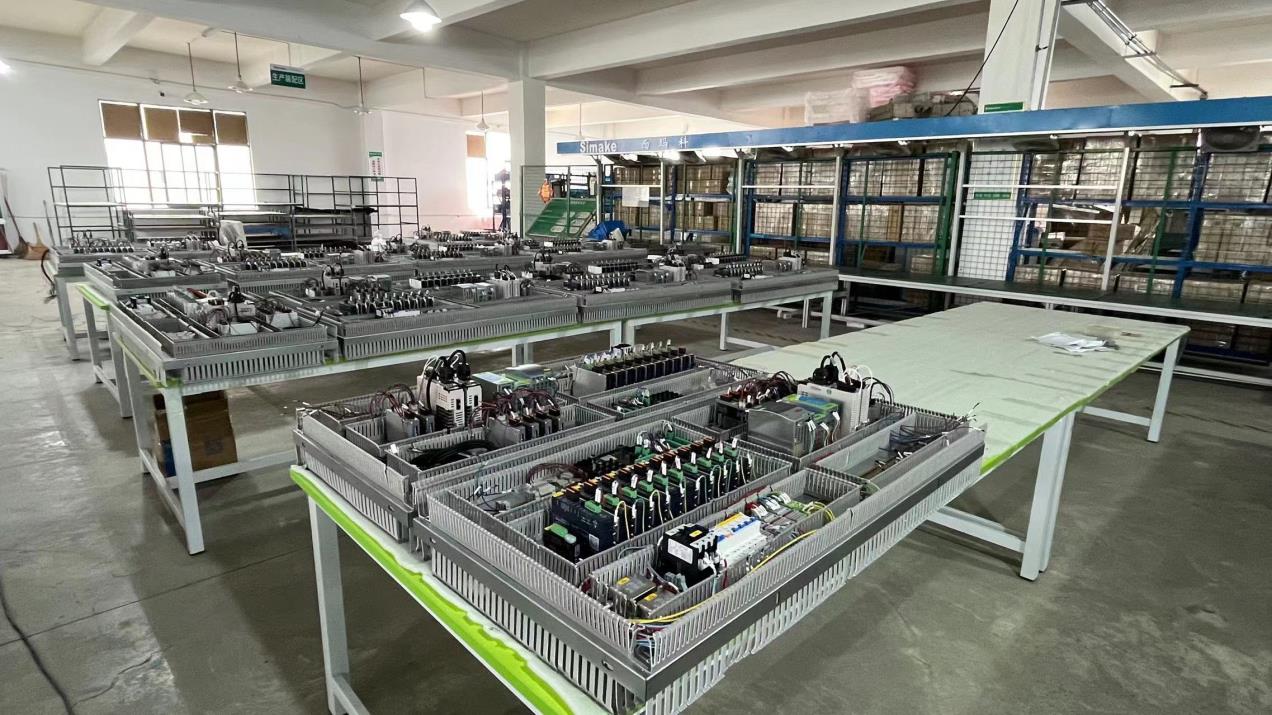
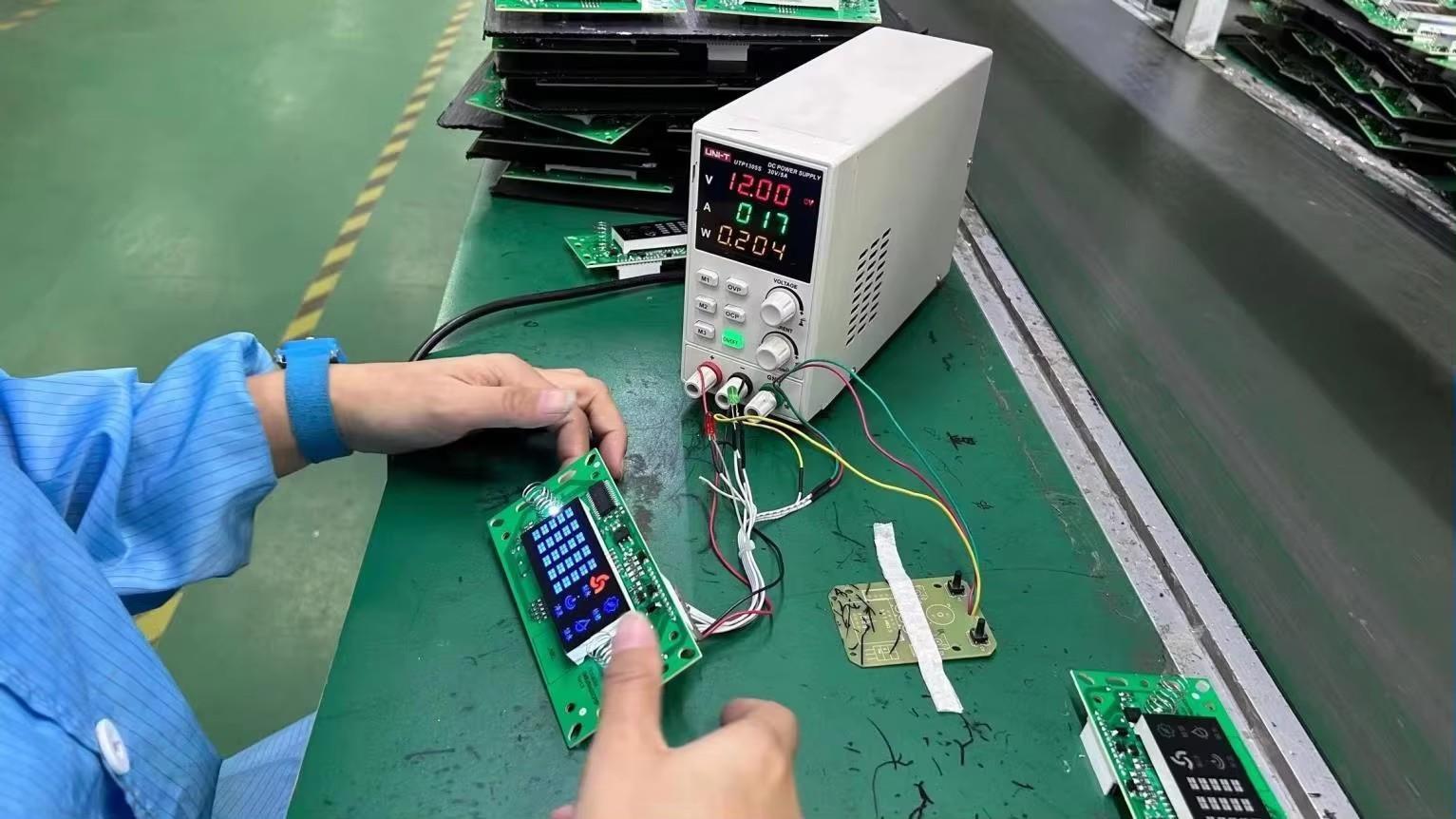
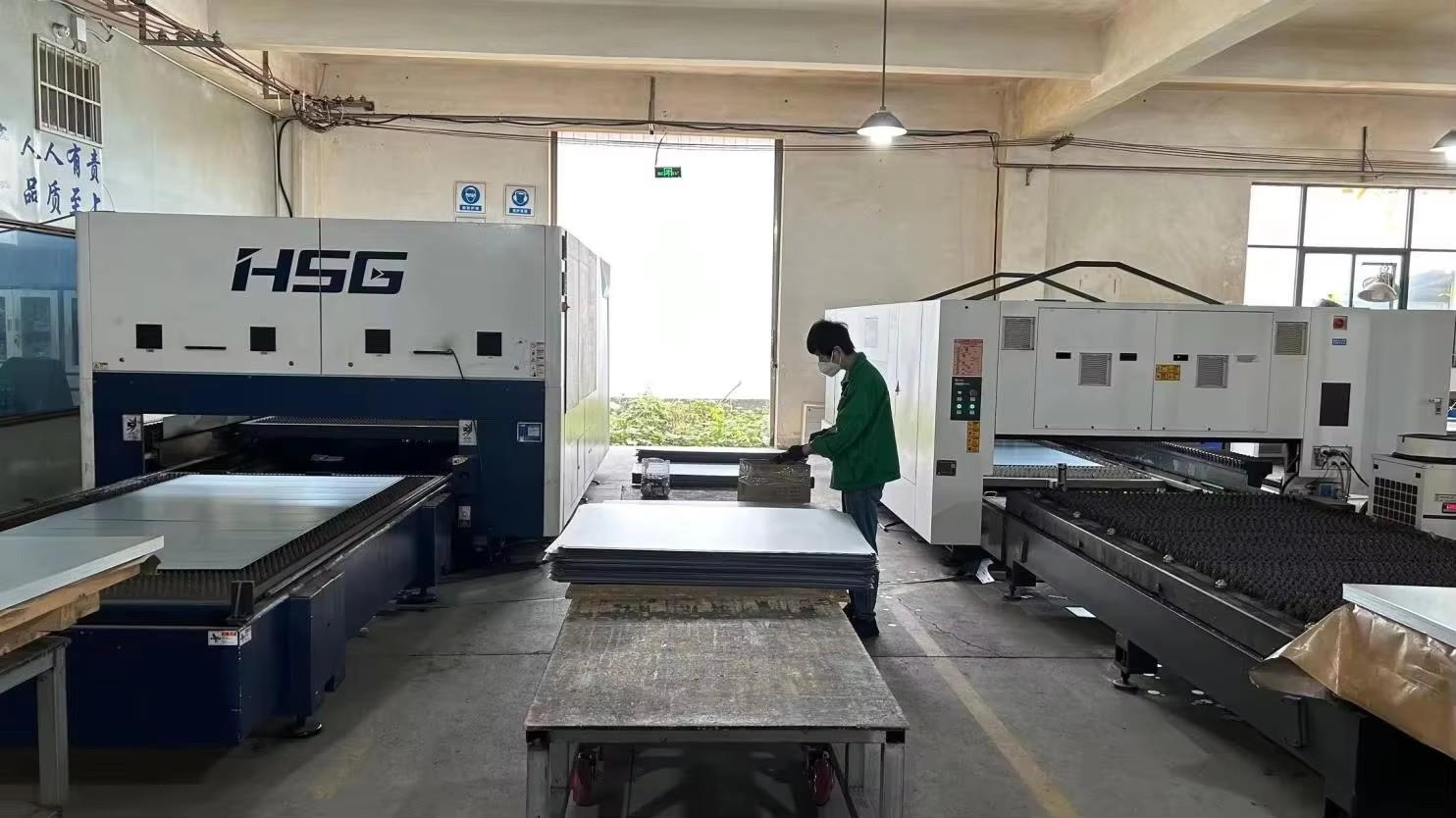
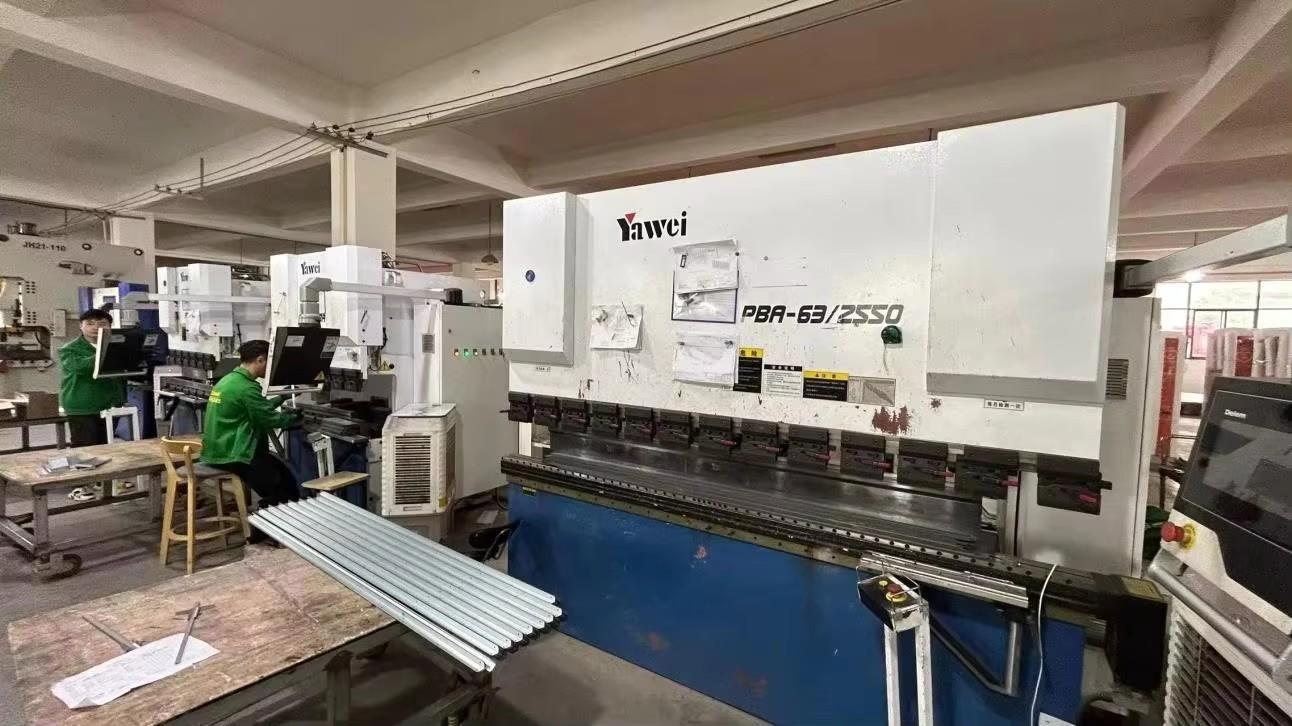
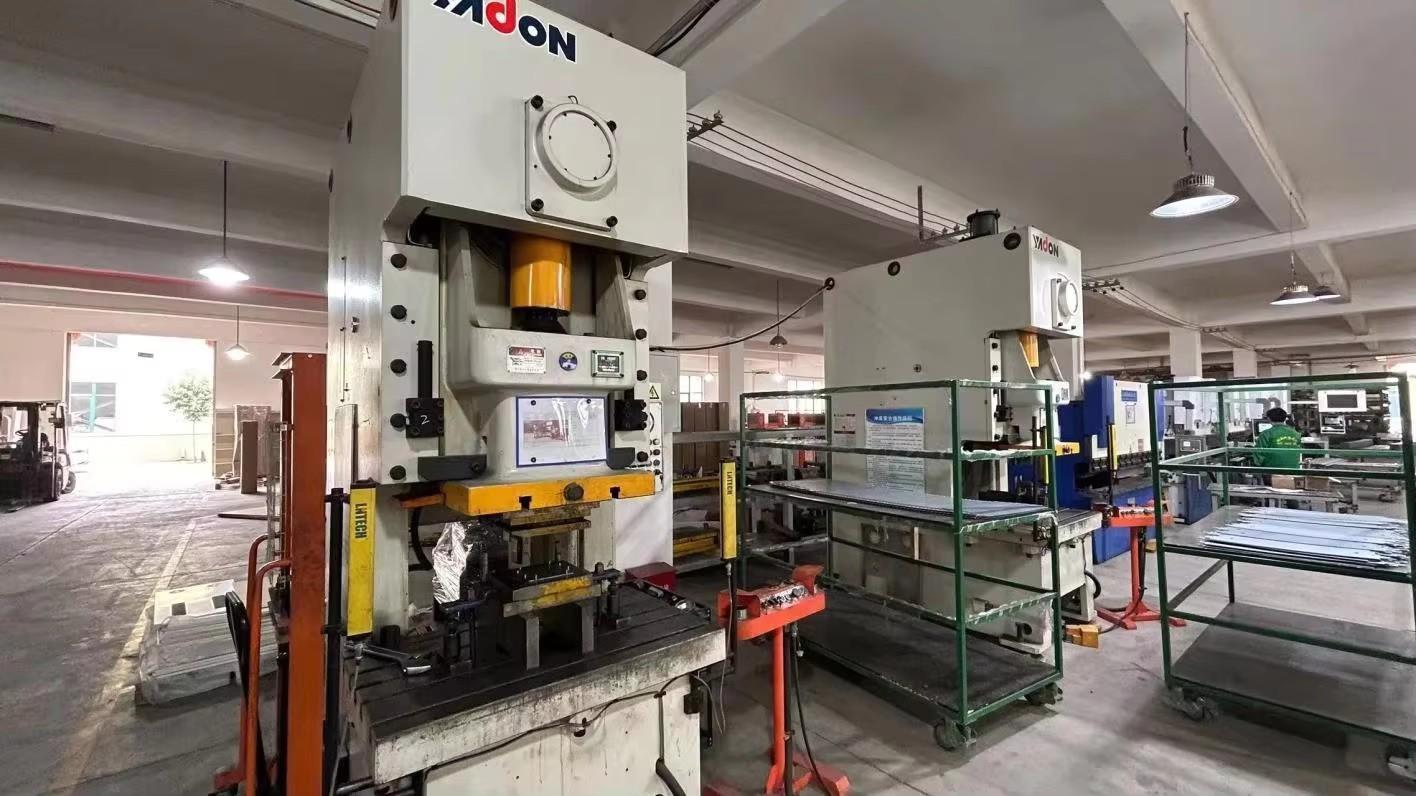
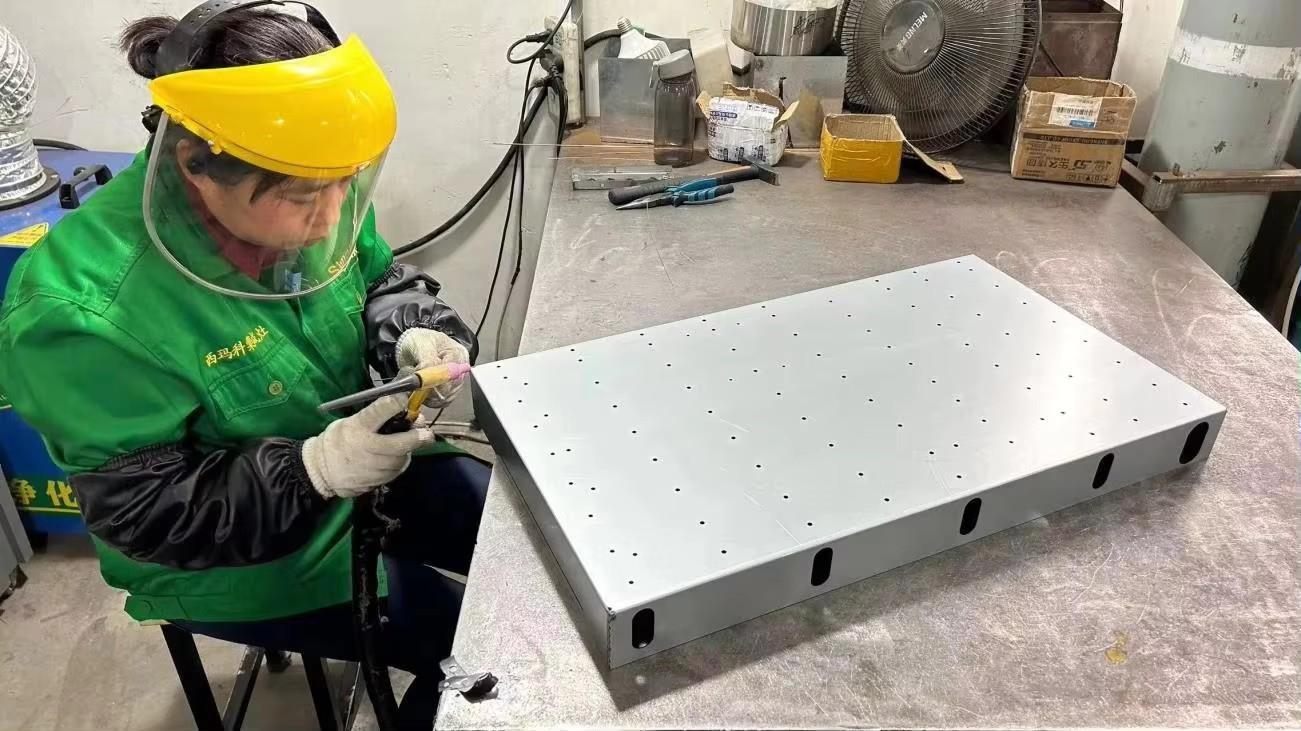
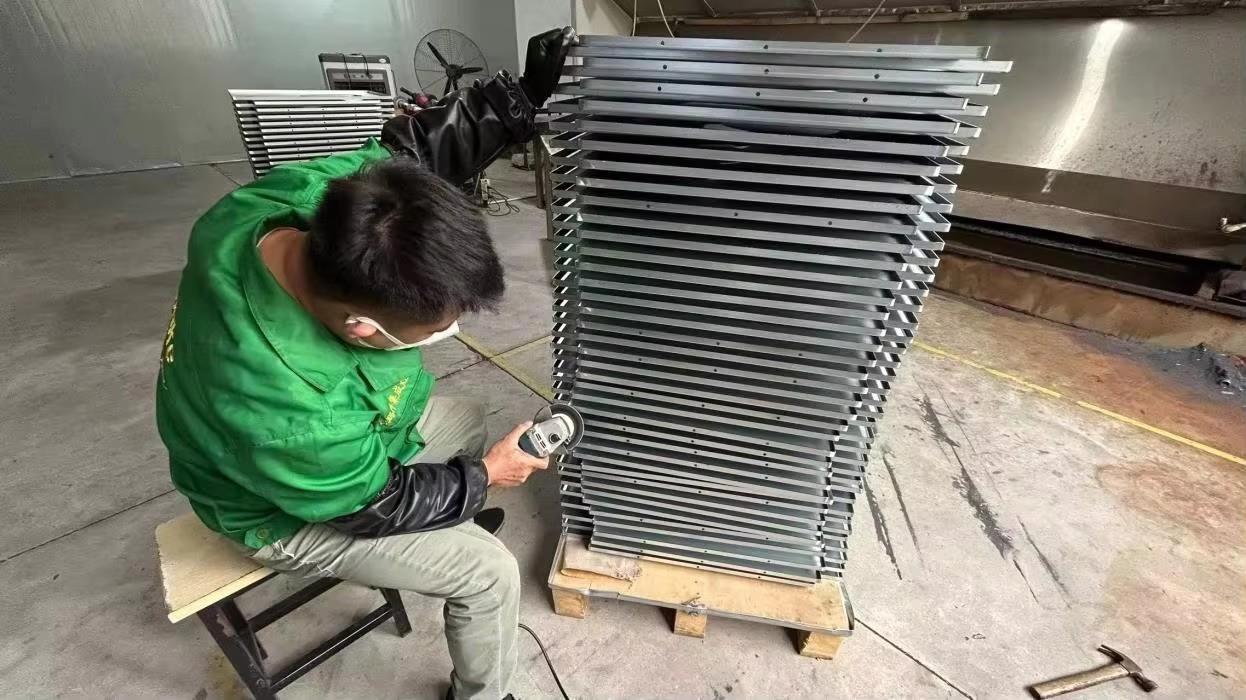
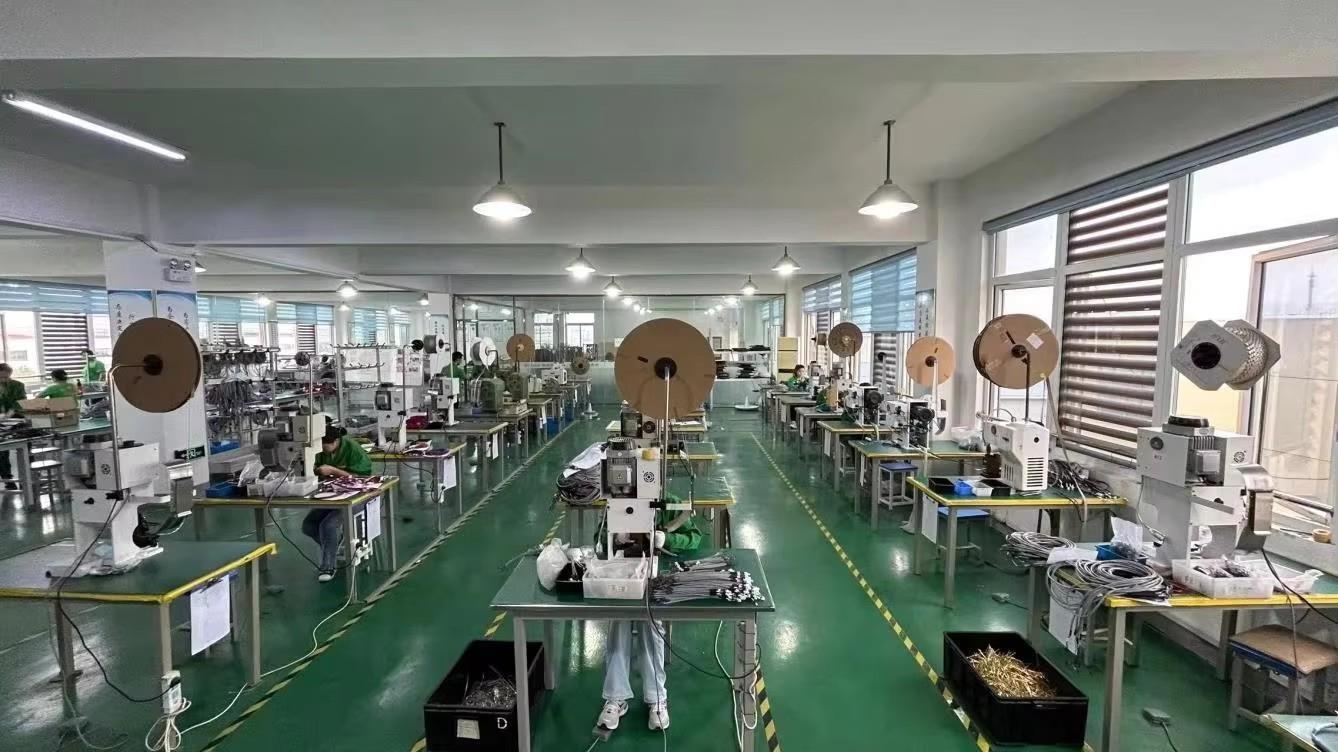
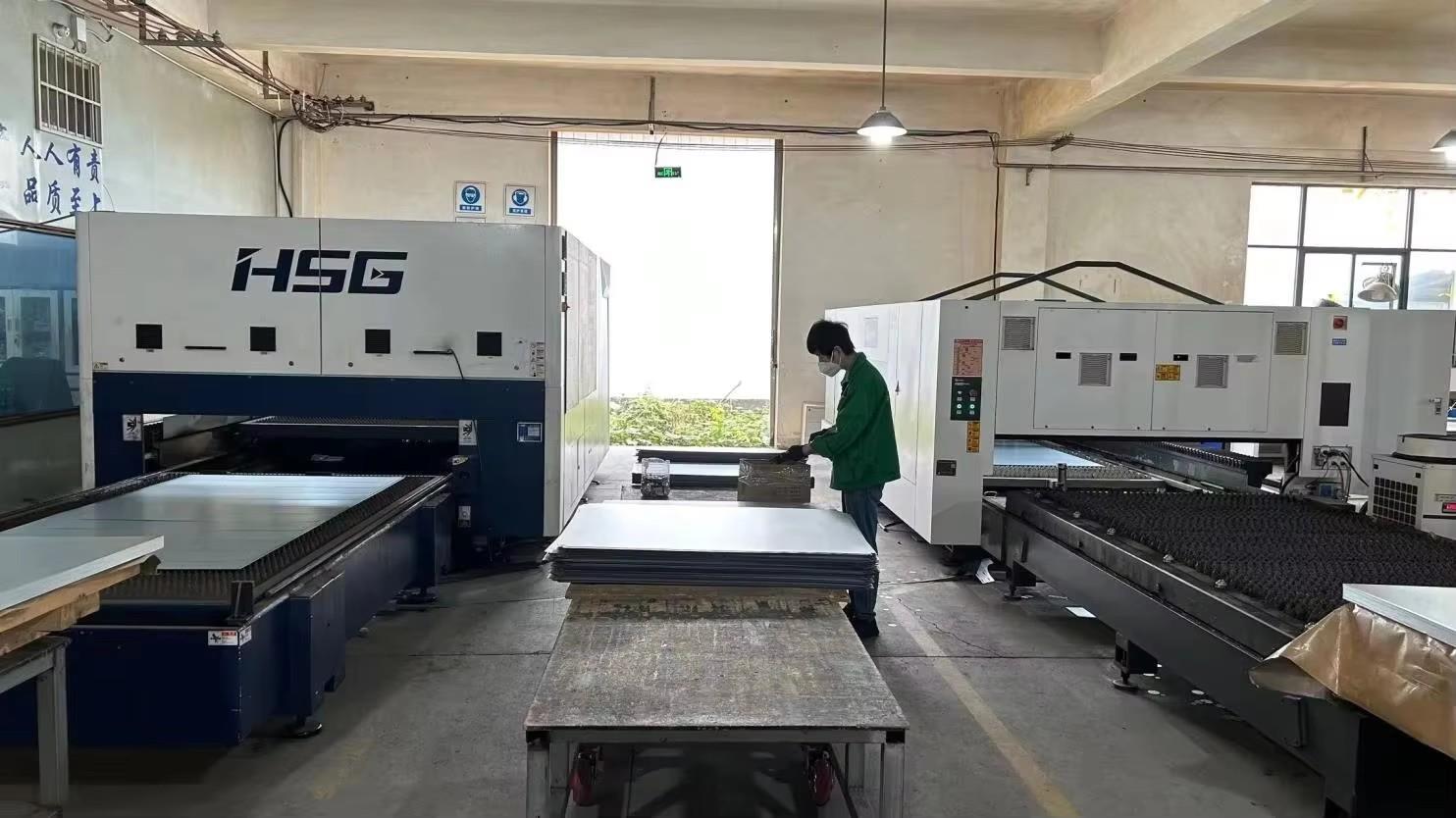
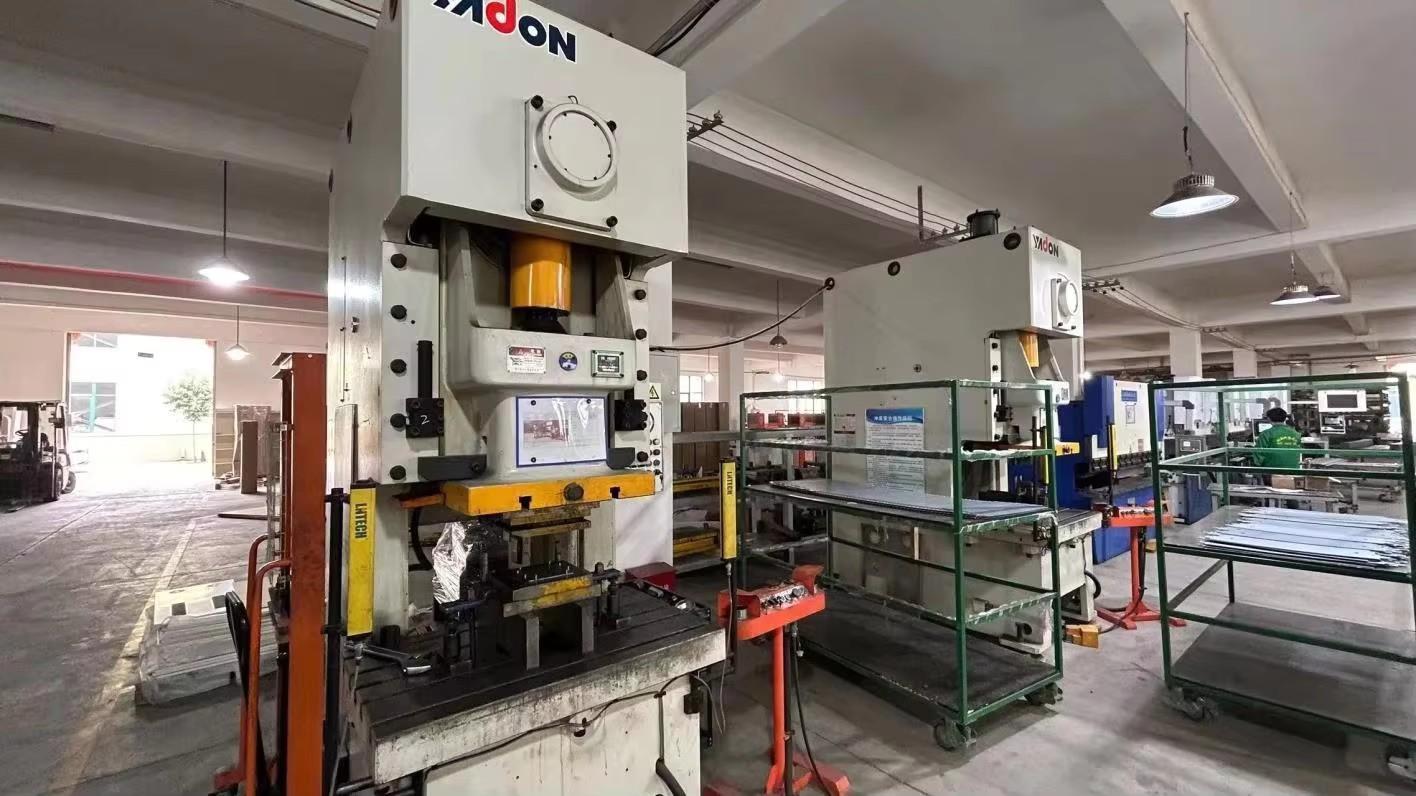
Ensuring reliability from component fabrication to final product assembly. Look inside our production pipeline.
Ensuring your solar tracking and energy storage systems comply with global regulatory requirements.
Our control logic and firmware support grid interconnection standards. This allows dynamic active/reactive power control, ride-through functionality during voltage fluctuations, and automated rapid shutdown safety operations.
Telemetry structures comply with GDPR and local regulations. All transmissions from solar gateways to our servers are encrypted via TLS/SSL, keeping industrial and private data protected from intrusion.
We provide localized technical assistance across Europe, Asia, and Latin America. We support system integrators with commissioning guides, protocol documentation, and field-replacement units (FRUs) to minimize downtime.
At Luzz Solar, we believe the next phase of PV optimization lies in edge computing. Standard cloud telemetry platforms often face latency and data usage constraints. By integrating edge processing into the microinverter and battery management system (BMS), systems can react to microsecond voltage fluctuations without waiting for cloud command loops.
Our R&D efforts focus on integrating LoRaWAN and 5G cellular modems directly into containerized energy storage units, ensuring reliable data connectivity in remote utility installations and agricultural zones.
Developing algorithms compatible with future solid-state batteries, focusing on accurate health analysis (SoH) under high current loads.
Consolidating Modbus RTU/TCP, CAN-bus, and Zigbee signals into a single unified edge processor.
Using machine learning to analyze thermal images and historical cell telemetry, detecting localized issues automatically.
Allowing third-party aggregators to safely control system configurations for grid-stabilization services.
Technical details regarding communication, calibration, and battery management integration.
Ensuring reliable clean energy generation with certified inverters, batteries, and support structures.

 Luzz Solar