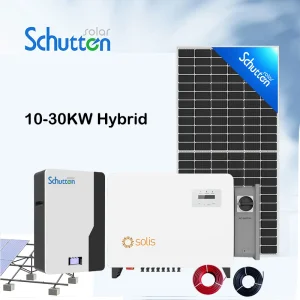
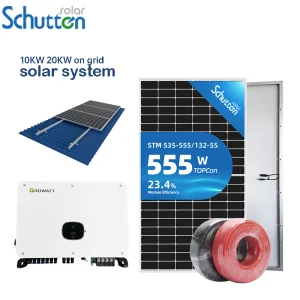
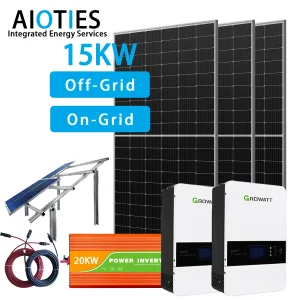
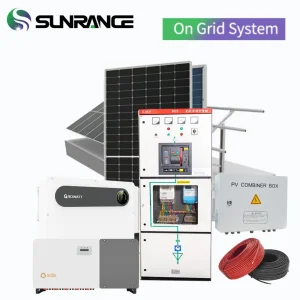
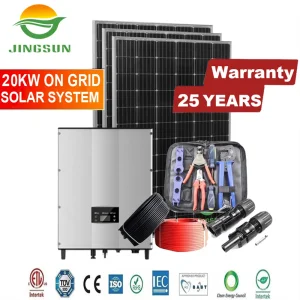
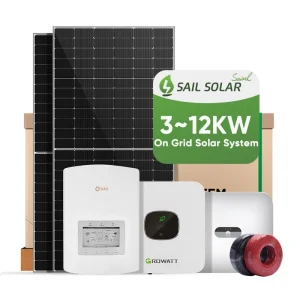
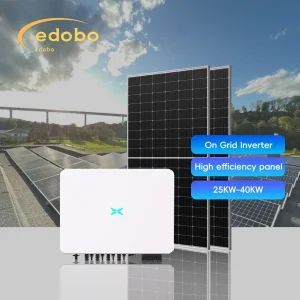
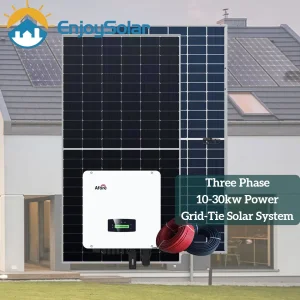
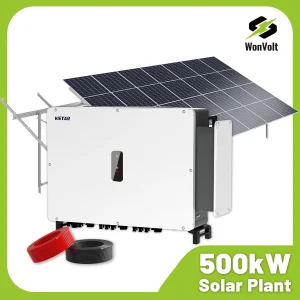
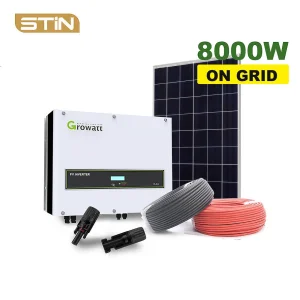
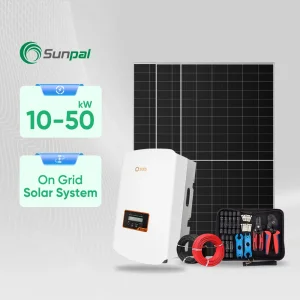
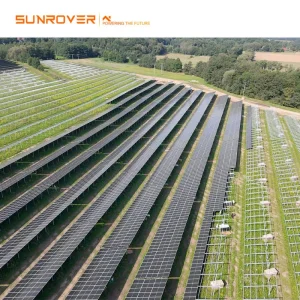
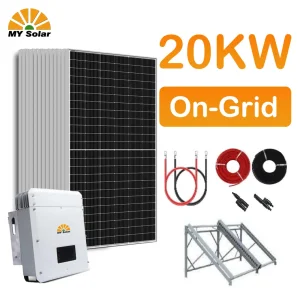
Engineered configuration solutions utilizing Tier-1 inverters and high-conversion solar arrays.
In the global transition toward decarbonization, grid-tied solar systems represent the most economically viable and operationally efficient configuration for commercial, industrial, and utility-scale projects. By operating in perfect synchronization with local utility grids, these systems eliminate the immediate need for complex battery storage arrays, lowering initial capital expenditure (CAPEX) while optimizing energy payback periods.
For modern enterprises and infrastructure developers, a grid-tied photovoltaic (PV) system is not merely an environmental statement; it is a critical instrument for risk mitigation and cost management. Operating under structural frameworks like net metering (Net Billing) and feed-in tariffs (FiT), grid-connected solar power allows users to dynamically draw utility grid power when local generation is insufficient, and seamlessly feed excess clean energy back to the state utility when generation exceeds load requirements. This mutual energy transfer ensures localized systems maintain grid balance while driving Levelized Cost of Energy (LCOE) down to historical lows.
As a Tier-1 solar exporter, we integrate cutting-edge monocrystalline PV arrays with advanced grid-following string inverters. These architectures feature advanced Maximum Power Point Tracking (MPPT) metrics that ensure peak output efficiency even under complex ambient temperatures or partial shading conditions. By deploying optimized grid-tied infrastructure, commercial facilities can systematically achieve grid-parity, mitigate peak-load utility tariffs, and establish a clear path toward localized sustainability goals.
Diverse regional grids demand specialized engineering methodologies. Here is how our grid-tied systems solve economic and geographical challenges globally:
Faced with fluctuating industrial power pricing structures, European commercial operations prioritize immediate self-consumption. Our systems conform to strict CE, EN 50549, and local grid connection regulations, lowering utility dependence and optimizing operational cost control.
Addressing NEC 2020 requirements and UL 1741 standards is critical in this market. Our solar energy kits integrate modular rapid shutdown devices (RSD) and smart module-level electronics to guarantee functional safety alongside reliable, large-scale utility feed-in capabilities.
In developing power markets, microgrids and weak grids are common. Our advanced systems deploy adaptive reactive power regulation and low-voltage ride-through (LVRT) technologies to help stabilize fragile distribution networks while maximizing solar yield.
Solar architectures are shifting rapidly from static power components to dynamic smart-grid nodes. Understanding the technological path forward helps ensure long-term capital assets do not become obsolete.
Moving beyond conventional p-type PERC cells, our manufacturing lines integrate N-type silicon technology. This yields lower temperature coefficients (-0.30%/°C) and superior performance under weak light conditions, boosting total energy yield over the system lifetime.
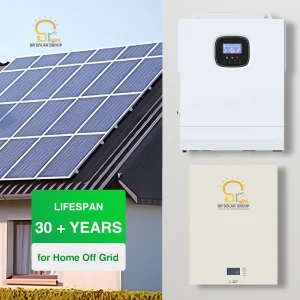
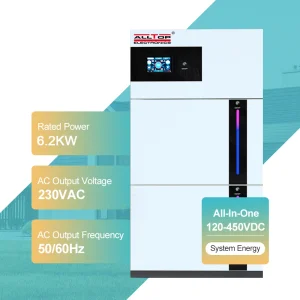
Modern grid connection profiles increasingly require storage readiness. Our current-generation grid-tied systems are engineered for straightforward hybridization. Facilities can integrate high-voltage energy storage systems (ESS) directly into existing setups as local demand patterns change.
Integrating machine learning algorithms into string inverters allows systems to predict generation anomalies and grid fluctuations. Features like active arc-fault protection (AFCI) and real-time remote monitoring minimize operational downtime and lower maintenance costs.
Qingdao Luzz Solar Co., Ltd. is a professional new energy enterprise specializing in the development, manufacturing, and global distribution of photovoltaic (PV) products and integrated energy storage solutions. Located in Qingdao, China, the company benefits from a well-established renewable energy industrial base and advanced manufacturing capabilities.
With the accelerating global transition toward carbon neutrality and sustainable development, Luzz Solar is committed to providing efficient, reliable, and cost-effective clean energy solutions to customers worldwide. Our product portfolio includes high-efficiency solar photovoltaic modules, energy storage systems, and integrated solar application solutions designed for residential, commercial, and utility-scale projects.
Driven by technological innovation and quality excellence, the company continuously invests in R&D and production optimization to improve product performance, energy conversion efficiency, and system reliability. We strictly adhere to international quality standards and implement rigorous quality control throughout the entire production process to ensure stable and long-term product performance. Our close proximity to Qingdao Port guarantees efficient global logistics and stable supply chain operations.
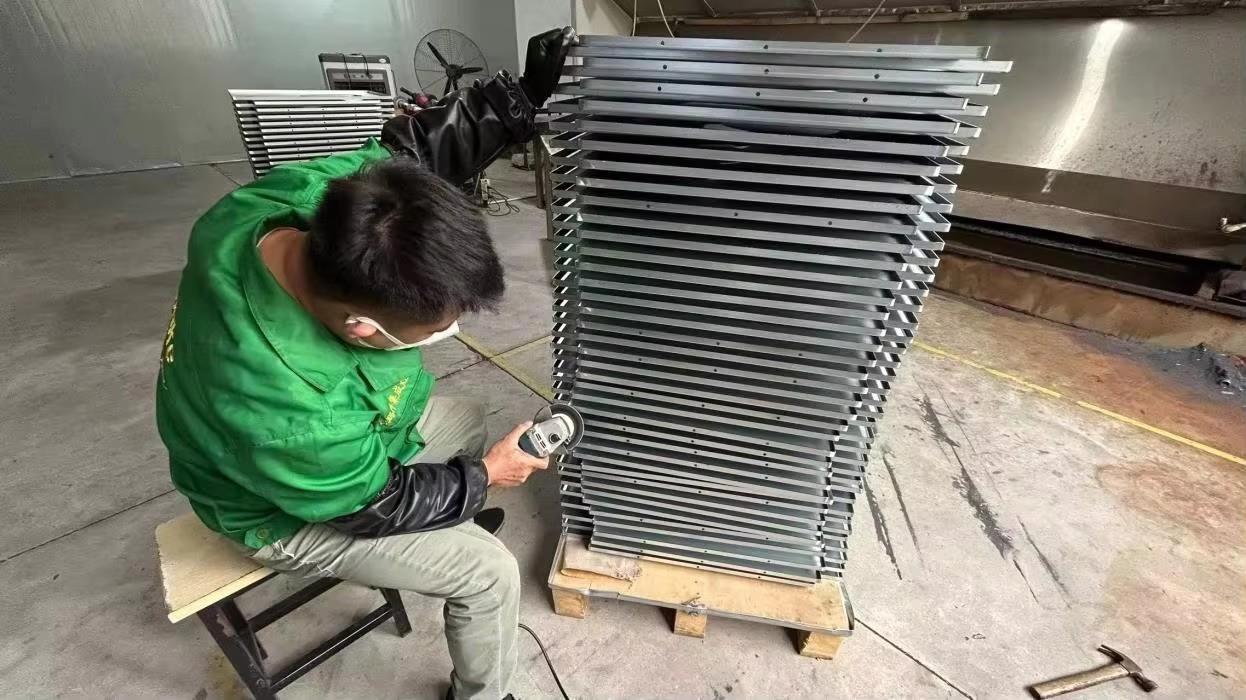
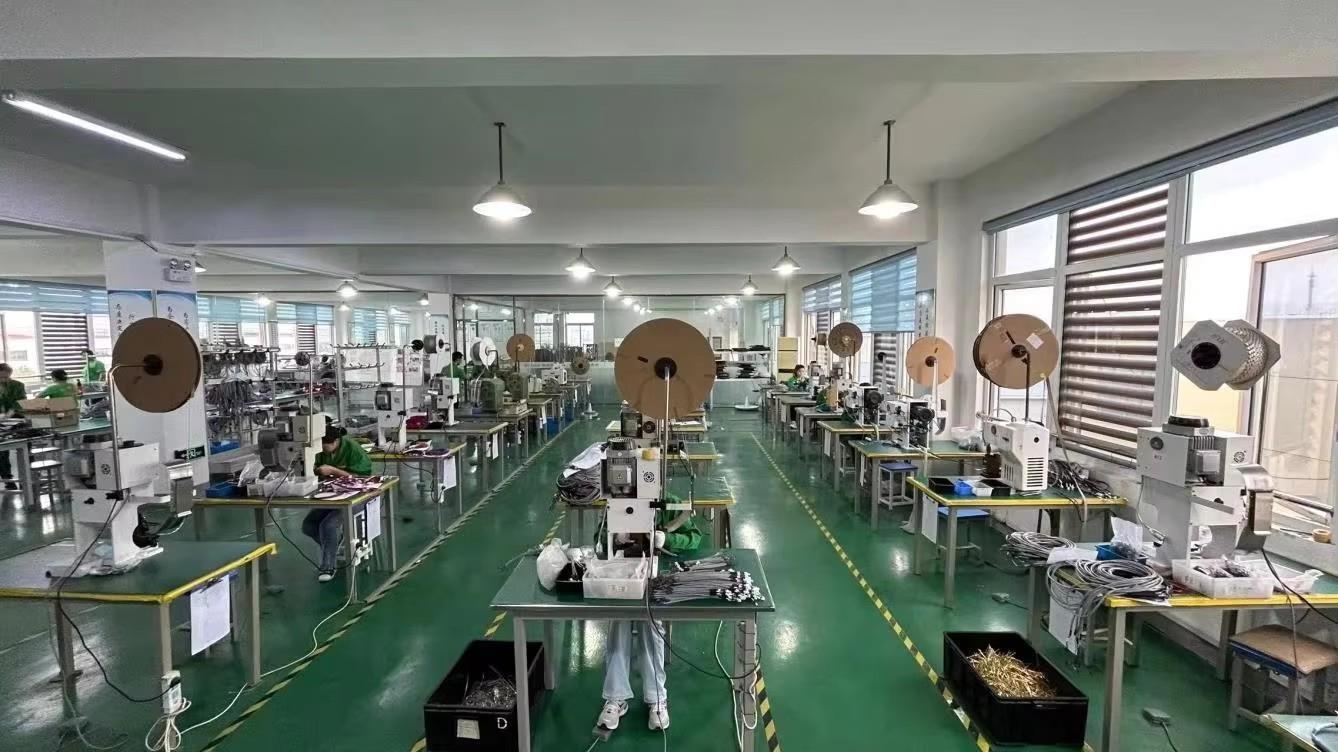
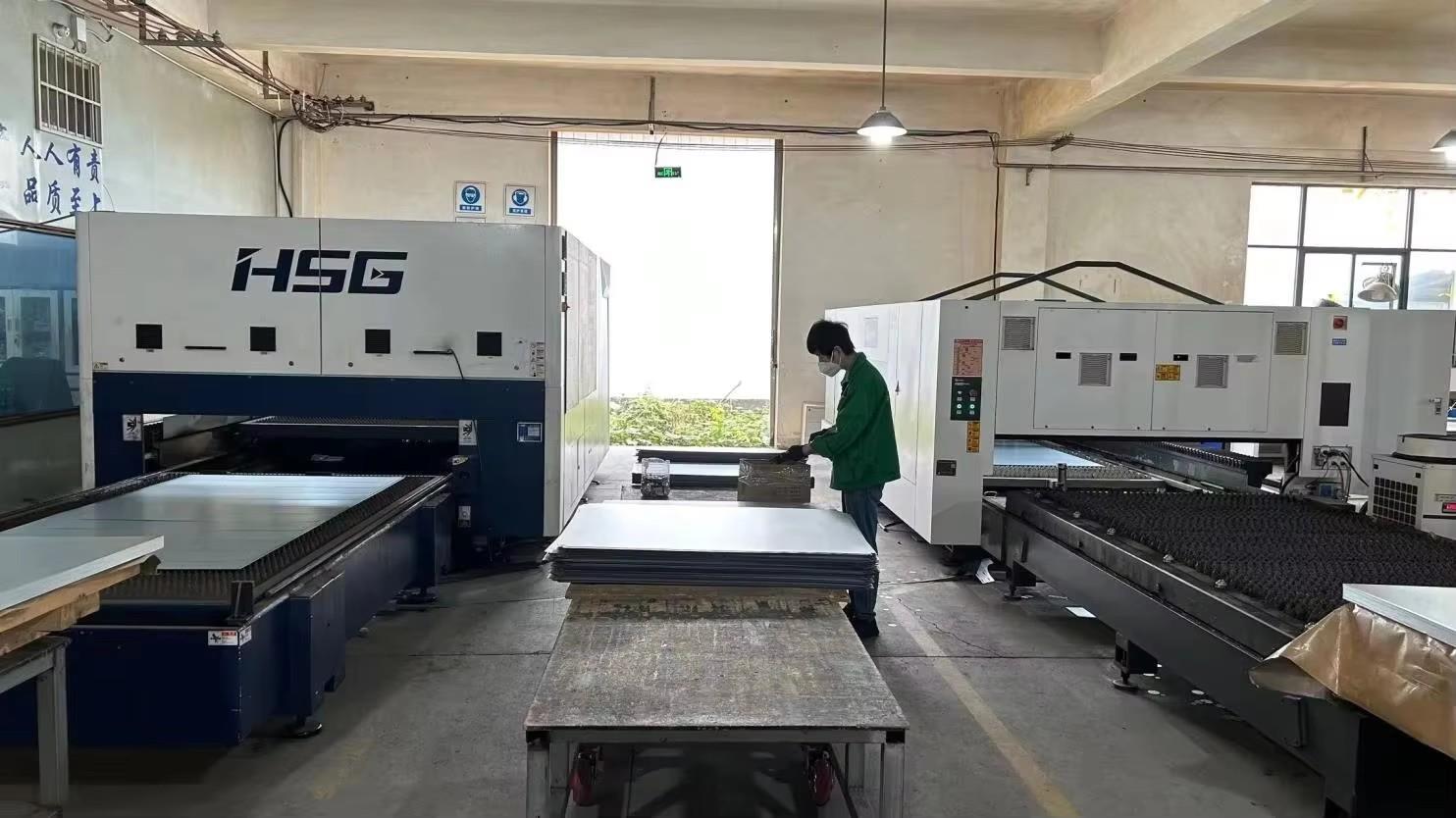
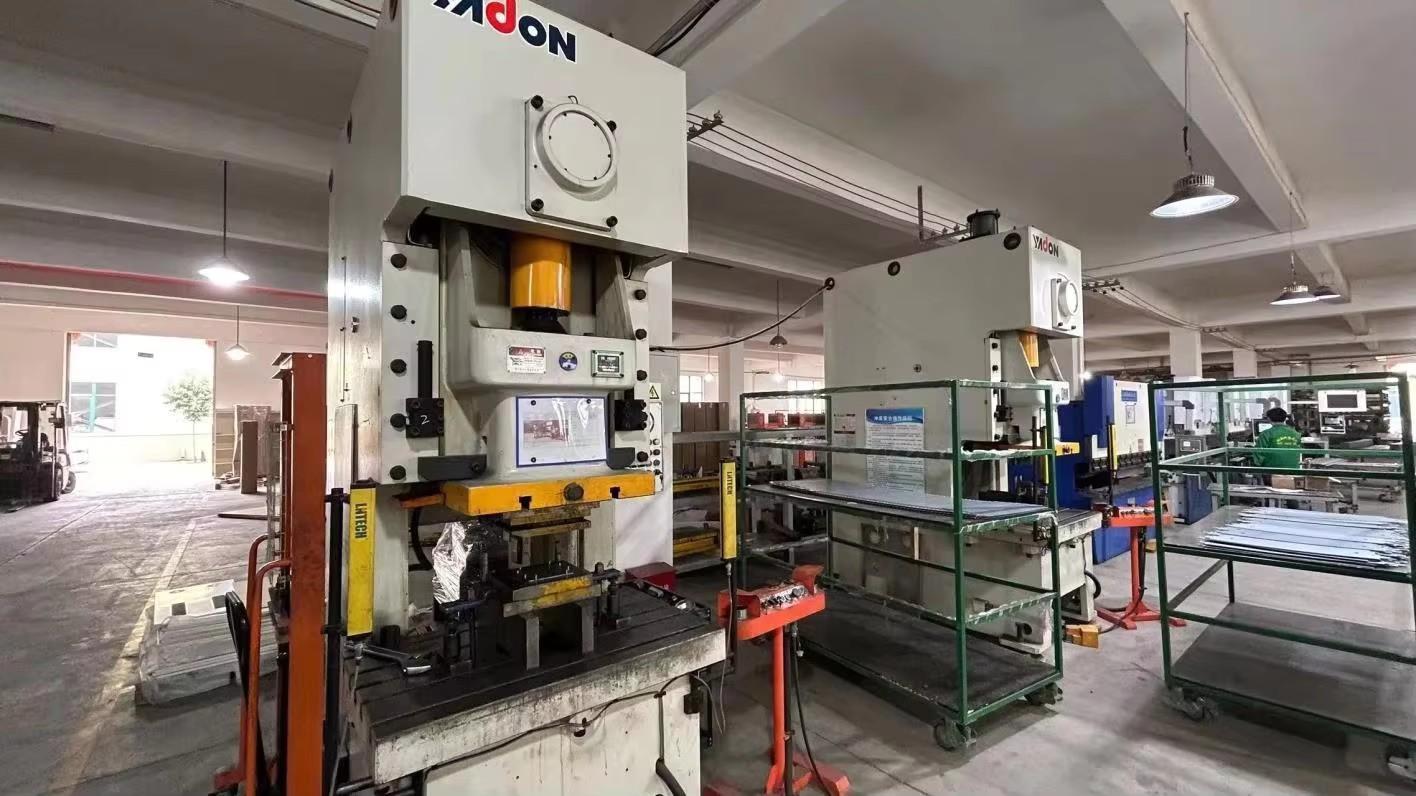
Our modern manufacturing center utilizes automated assembly machinery, high-precision laser welding, and rigorous testing protocols to verify that every component complies with international standards.
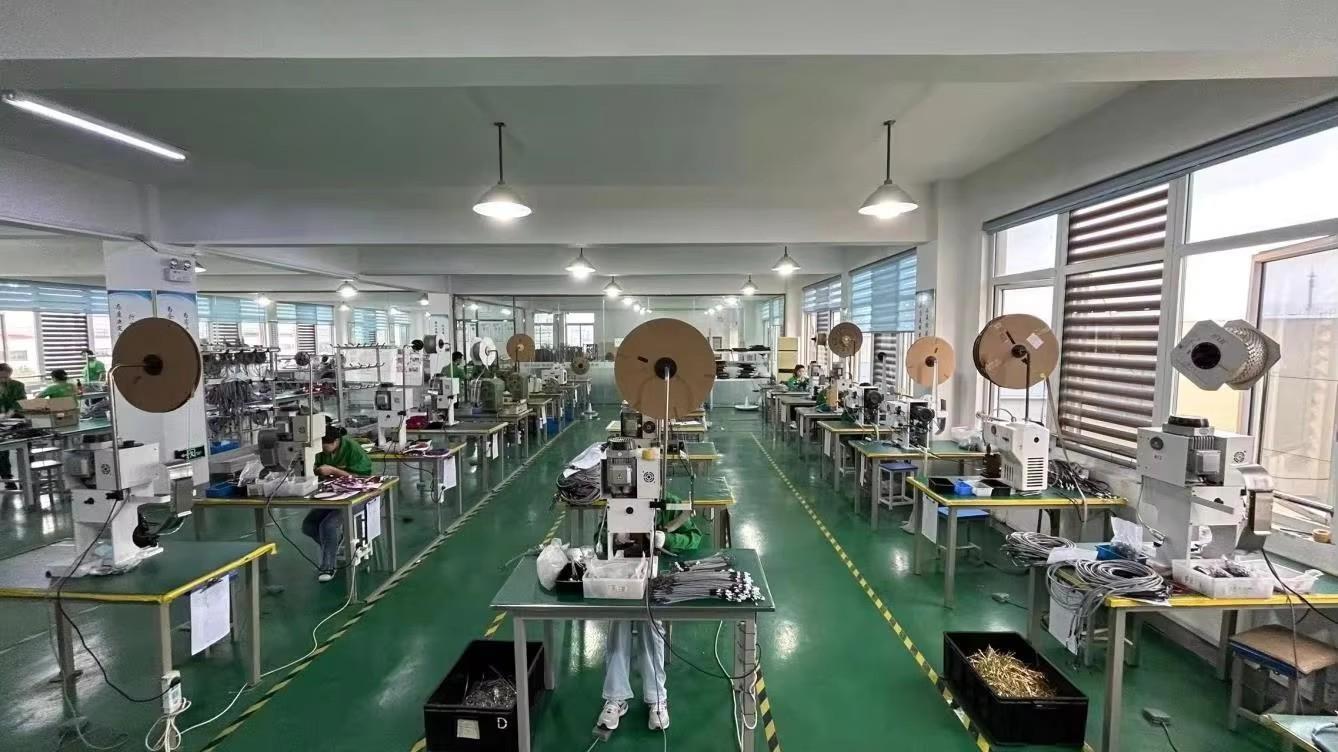
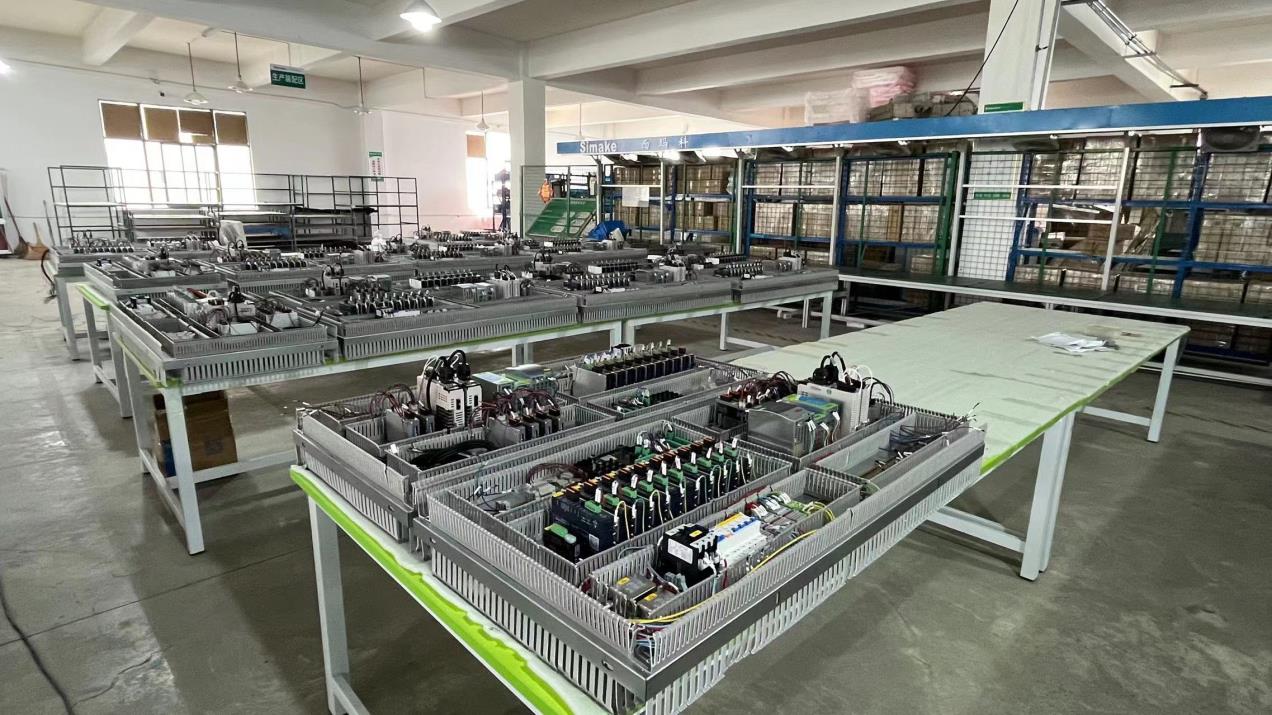
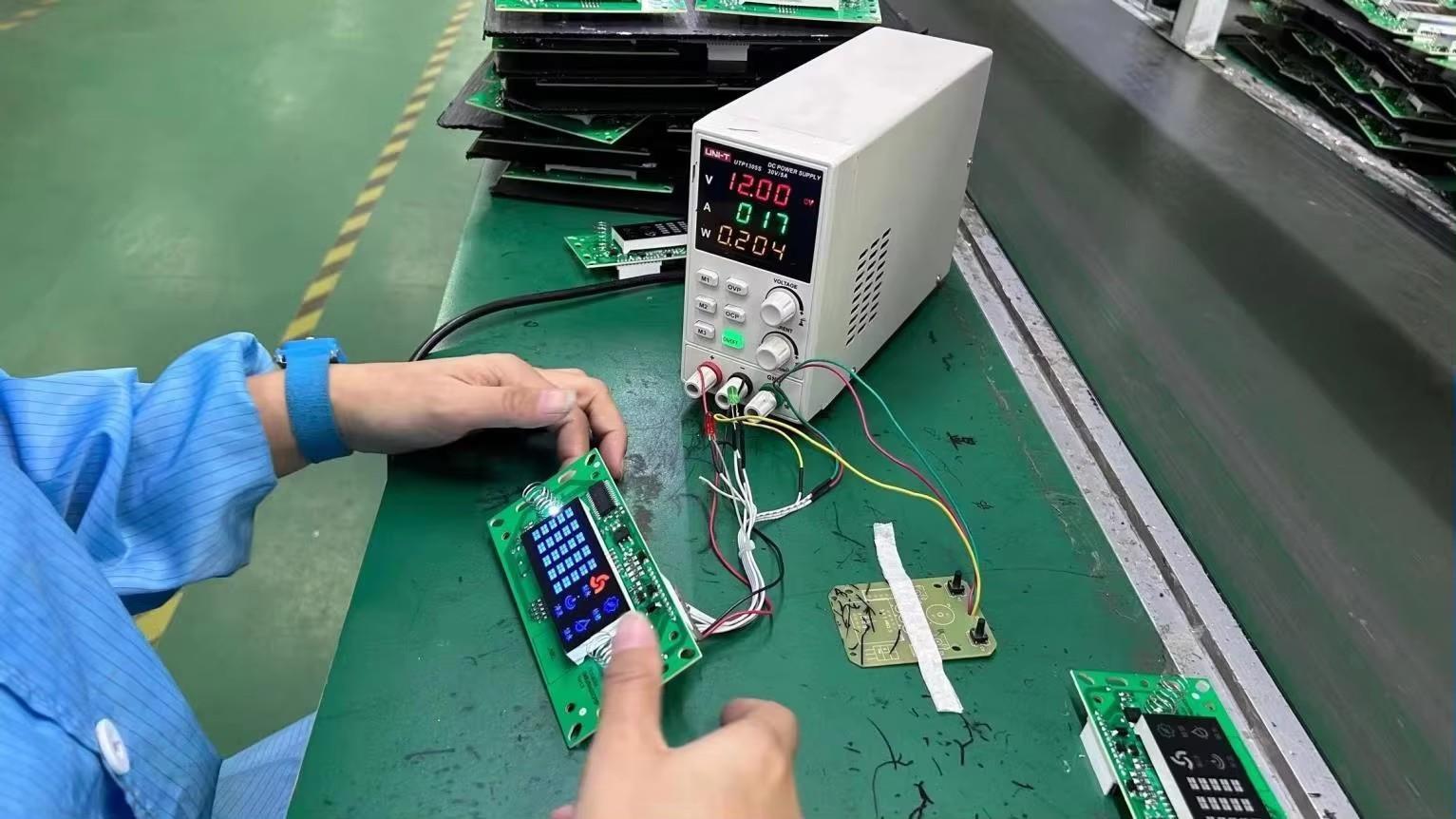
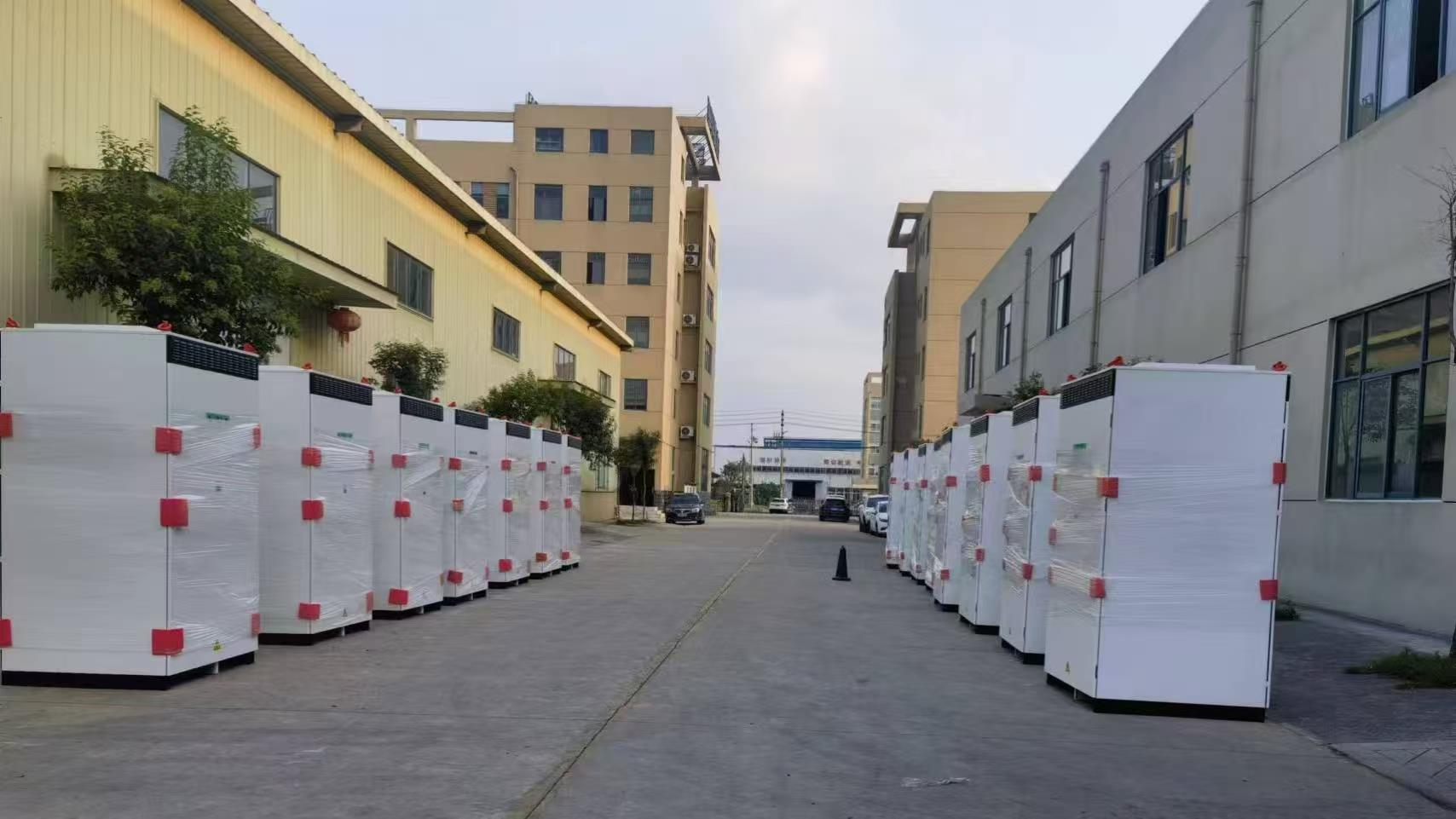
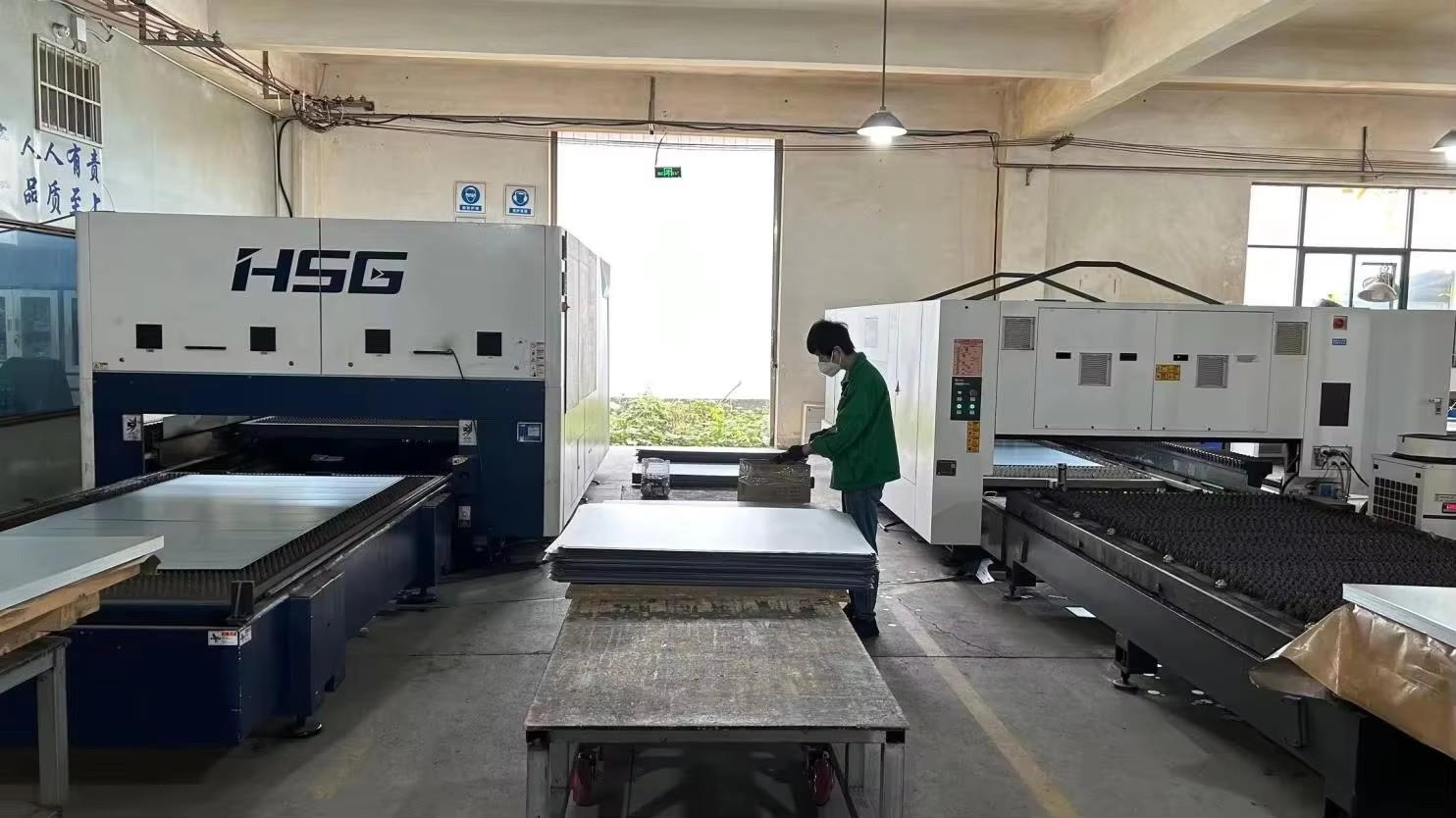
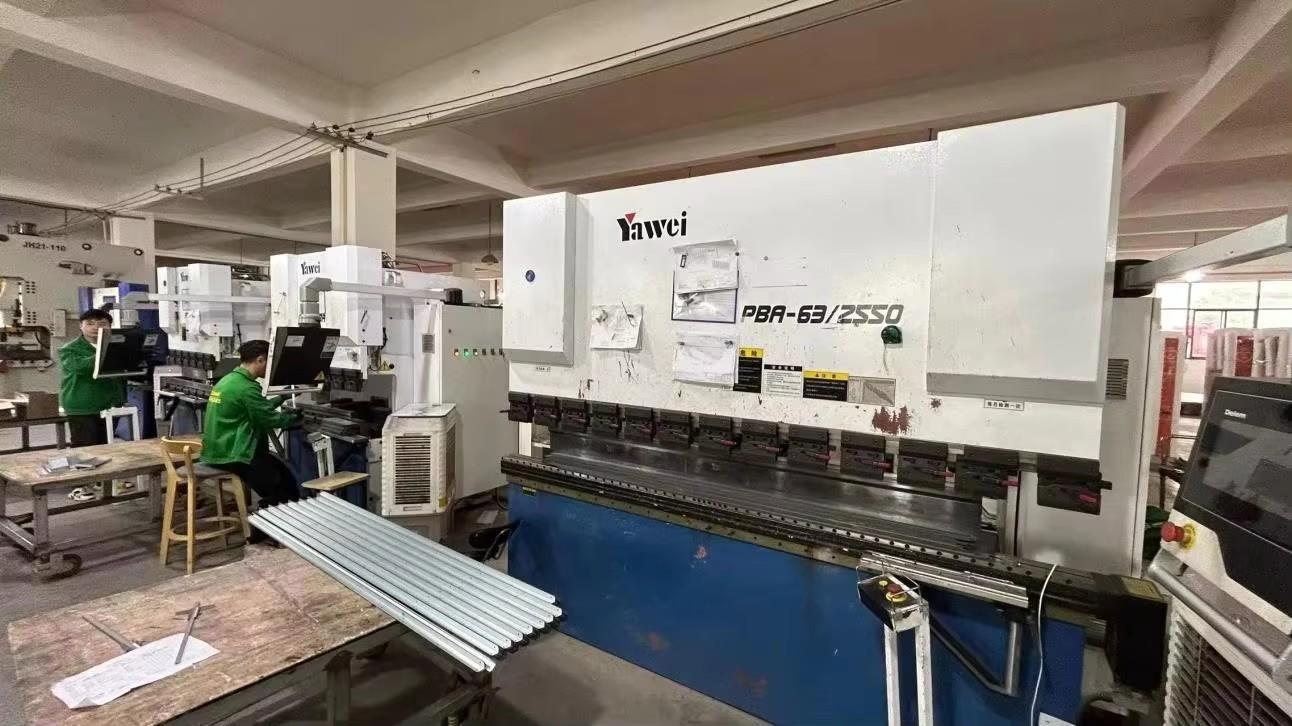
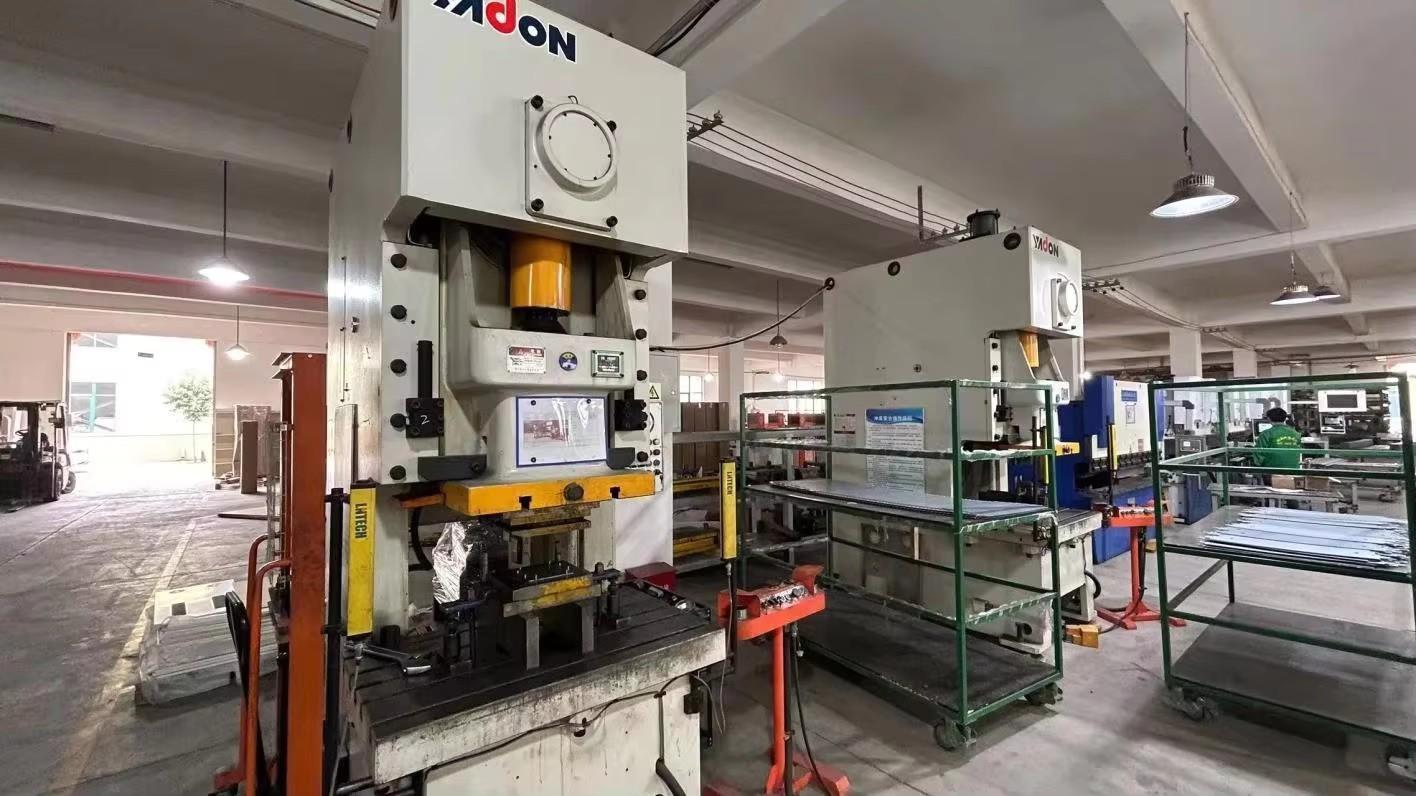
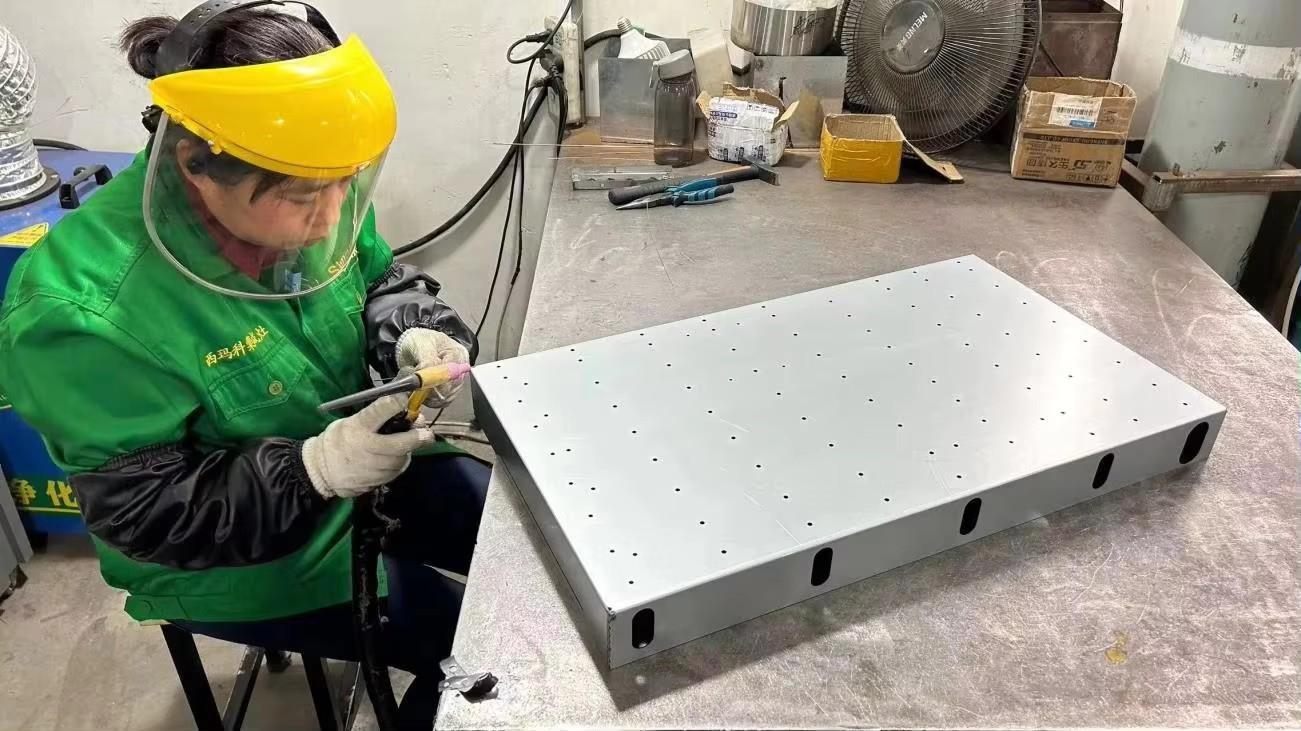
Connecting solar power to public grids requires compliance with precise electrical safety and power quality requirements. As a global exporter, Luzz Solar designs grid-tied systems that satisfy regional grid codes and certification standards. Key compliance areas include:
Additionally, we work with tier-one inverter brands like Growatt, Solis, Huawei, and Deye. This ensures that the heart of your grid-tied system is certified, easily serviceable, and fully compatible with regional power authority requirements.
Practical answers to technical questions concerning the selection, installation, and operation of grid-tied photovoltaic setups.
Explore our advanced range of customizable grid-tied systems and components.
 Luzz Solar