Direct access to our certified wall-mounted Lithium Iron Phosphate (LiFePO4) battery systems for commercial and residential scale integration.
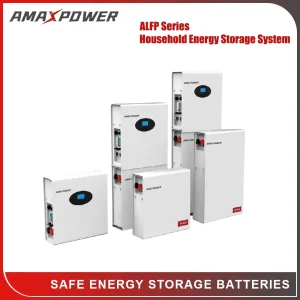
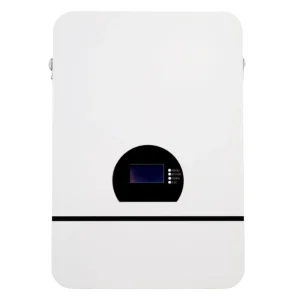
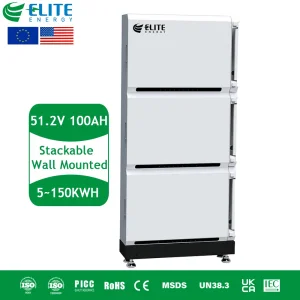
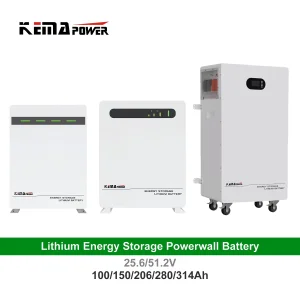
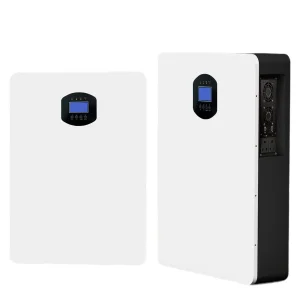
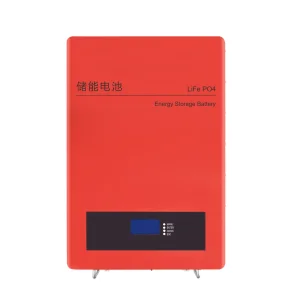
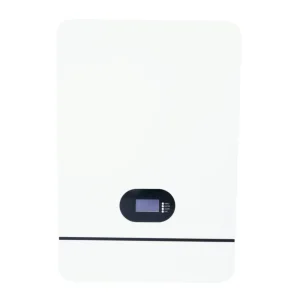
As structural transformations redefine the global energy matrix, decentralized energy storage has shifted from a auxiliary resilience tool to a central system-level asset. Wall-mounted Lithium Iron Phosphate (LiFePO4) systems represent the peak of space-optimized, high-density residential and light commercial microgrid technology. By deploying modular, high-voltage battery arrays directly onto physical envelopes, organizations reduce mechanical footprint overhead while enhancing local thermal dissipation efficiency.
Modern utility pricing models, characterized by aggressive Time-of-Use (ToU) tariffs and rapid frequency regulation demands, require energy storage systems (ESS) that can respond instantaneously to dynamic load demands. For energy engineers and procurement teams, sourcing a premium wall-mounted energy storage battery supplier is not merely an exercise in hardware procurement—it is a critical alignment with a manufacturer capable of delivering rigorous cell-level safety, reliable control topologies, and multi-protocol inverter compatibility.
From the chemistry dynamics of the cathode down to structural sheet-metal framing, every physical component must be selected to withstand persistent cycling across decades. Standard modular solutions offer expandable system configurations, allowing system integrators to scale local capacity from a base 5kWh configuration to modular stack networks reaching up to 30kWh and beyond.
The global electrochemical energy storage sector is transitioning rapidly toward safer, longer-lasting, and smarter battery topologies. System designs are prioritizing high thermal tolerance and integration capabilities to facilitate seamless operation within automated building ecosystems.
Lithium Iron Phosphate (LiFePO4) has effectively superseded Nickel Manganese Cobalt (NMC) in stationary storage applications. Its high thermal runaway threshold (approx. 270°C) and structural stability eliminate the risk of rapid oxygen release during localized cell failure, ensuring unmatched safety for indoor and residential installations.
High-tier wall-mounted batteries feature proprietary Battery Management Systems (BMS) with integrated CAN bus, RS485, and Modbus communication interfaces. This allows real-time, cell-level telemetry data (voltage, temperature, State of Health, State of Charge) to feed directly into building management systems and cloud optimization networks.
While traditional residential installations lean on low-voltage (48V/51.2V) topology, commercial procurement is steadily pivoting to series-connected high-voltage stacks. This architecture reduces DC-side current density, enabling the use of thinner cables, minimizing system-level resistive heating losses, and boosting round-trip conversion efficiency.
Furthermore, grid modernization projects increasingly require edge integration features. Sourced batteries must be prepared for Virtual Power Plant (VPP) deployment. Through smart aggregators, local wall-mounted batteries can perform coordinated charge-discharge actions to support transmission-level frequency control, creating a secondary revenue stream for the asset owner.
Sourcing industrial products requires a meticulous vetting matrix to assure engineering teams that the systems will perform under stress and satisfy strict local safety protocols. When reviewing a potential wall-mounted energy storage battery supplier, engineers should prioritize the following compliance and engineering vectors:
| Evaluation Parameter | Technical Industry Standard | Operational Impact & Safety Implication |
|---|---|---|
| Cell Certification | UL 1973, IEC 62619, UN 38.3 | Guarantees safety under mechanical impact, electrical abuse, and extreme thermal environments. Prevents transport issues. |
| BMS Protection Layers | Dual-processor, hardware-level trip controls | Over-voltage, under-voltage, over-current, and temperature threshold protection with independent execution paths. |
| Inverter Compatibility | Pre-configured CAN/RS485 driver libraries | Ensures plug-and-play communication with global inverter brands like Growatt, Deye, Victron, SMA, and GoodWe. |
| Ingress Protection | IP65 Minimum Rating | Protects internal cells and electronics against dust and water ingress, permitting installation in semi-exposed environments. |
| Thermal Management | Passive convective cooling & integrated heatsinks | Maintains cell delta temperature below 3°C, preventing localized hotspots and uneven aging across the battery pack. |
Additionally, long-term degradation kinetics must be audited. Quality tier-1 cells, such as those supplied by Gotion, CATL, or BYD, maintain over 80% of their initial capacity after 6,000 cycles at a 0.5C/0.5C charge-discharge rate at 25°C. Sourcing from manufacturers utilizing B-grade or generic cells will lead to rapid degradation within the first 1,000 cycles, causing early system failure and costly field replacements.
Qingdao Luzz Solar Co., Ltd. is a professional new energy enterprise specializing in the development, manufacturing, and global distribution of photovoltaic (PV) products and integrated energy storage solutions. Located in Qingdao, China, the company benefits from a well-established renewable energy industrial base and advanced manufacturing capabilities.
With the accelerating global transition toward carbon neutrality and sustainable development, Luzz Solar is committed to providing efficient, reliable, and cost-effective clean energy solutions to customers worldwide. Our product portfolio includes high-efficiency solar photovoltaic modules, energy storage systems, and integrated solar application solutions designed for residential, commercial, and utility-scale projects.
Driven by technological innovation and quality excellence, the company continuously invests in R&D and production optimization to improve product performance, energy conversion efficiency, and system reliability. We strictly adhere to international quality standards and implement rigorous quality control throughout the entire production process to ensure stable and long-term product performance.
Qingdao Luzz Solar actively expands its global market presence, with business coverage across Asia, Europe, the Middle East, Africa, and Latin America. By working closely with international partners, we are committed to delivering tailored energy solutions that meet diverse regional needs and support the global energy transition. Guided by the core values of integrity, innovation, cooperation, and sustainability, Luzz Solar strives to become a trusted global partner in the new energy industry.
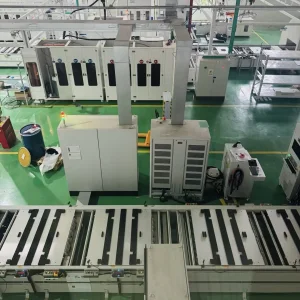
Every cell and module passes through an automated production flow utilizing advanced machinery to ensure structural integrity and consistent electrical specs.
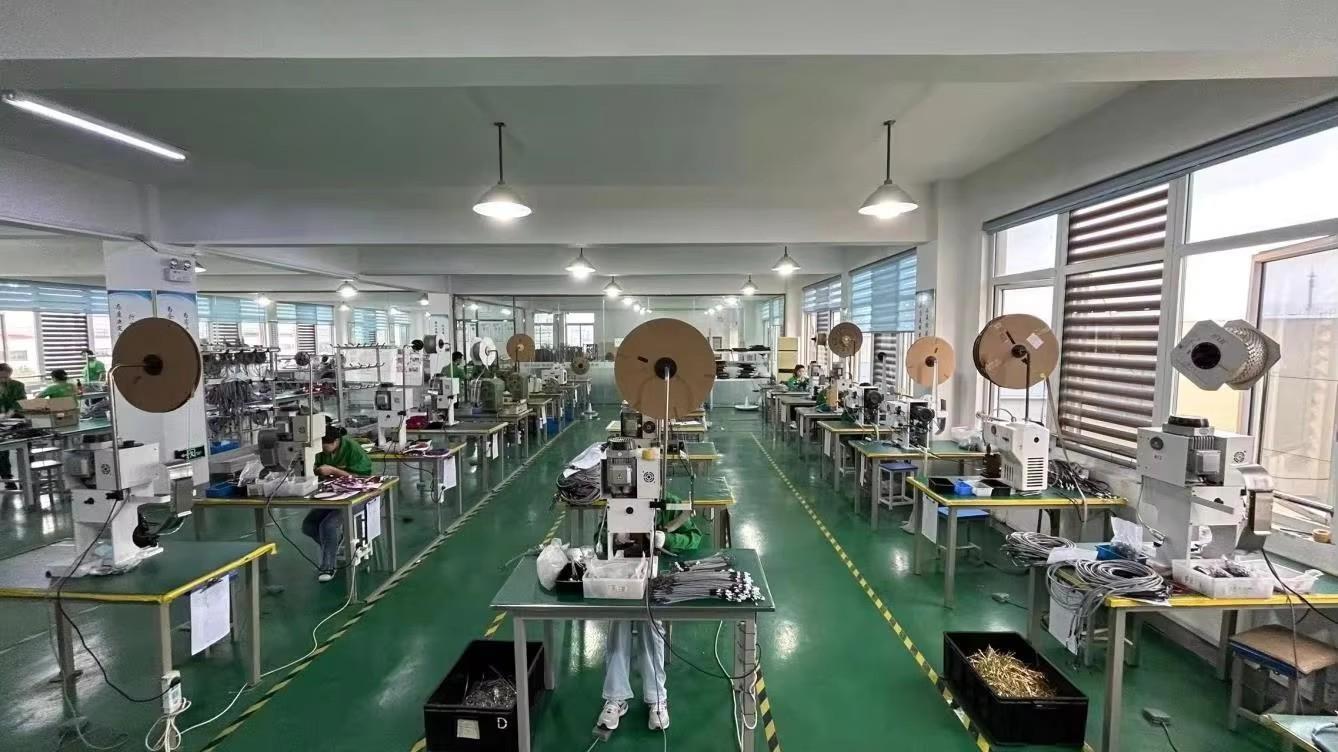
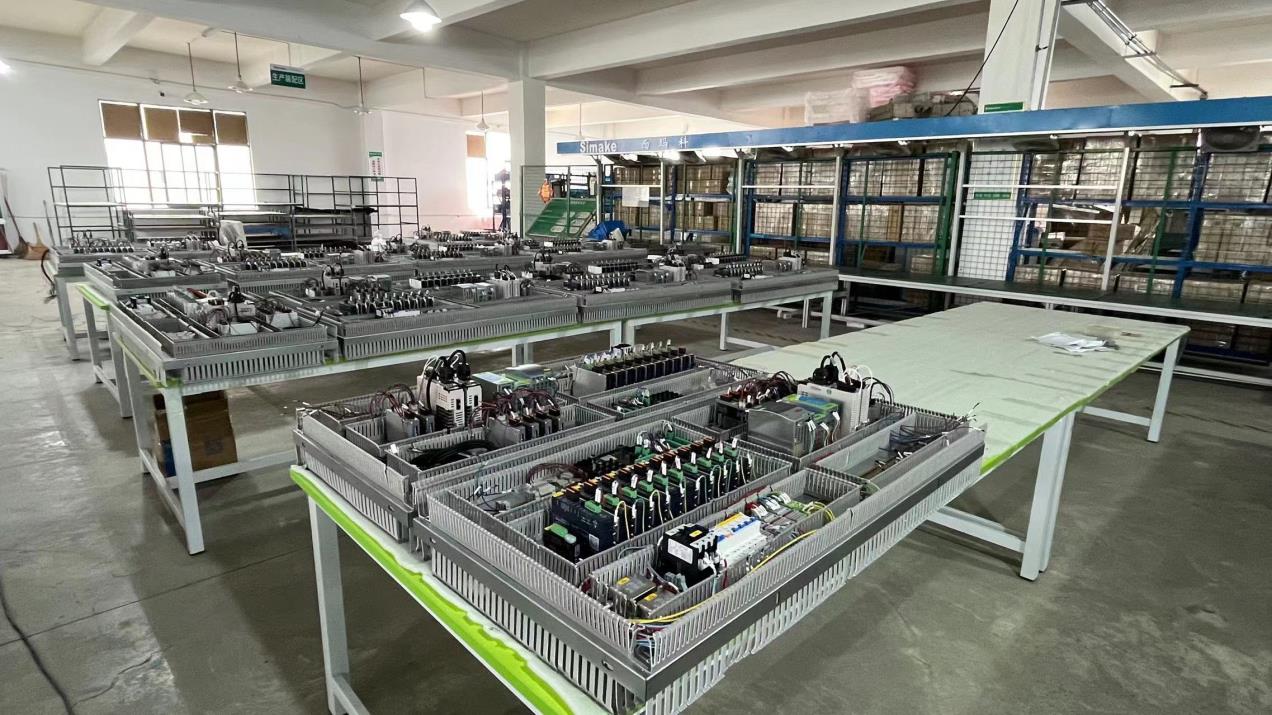
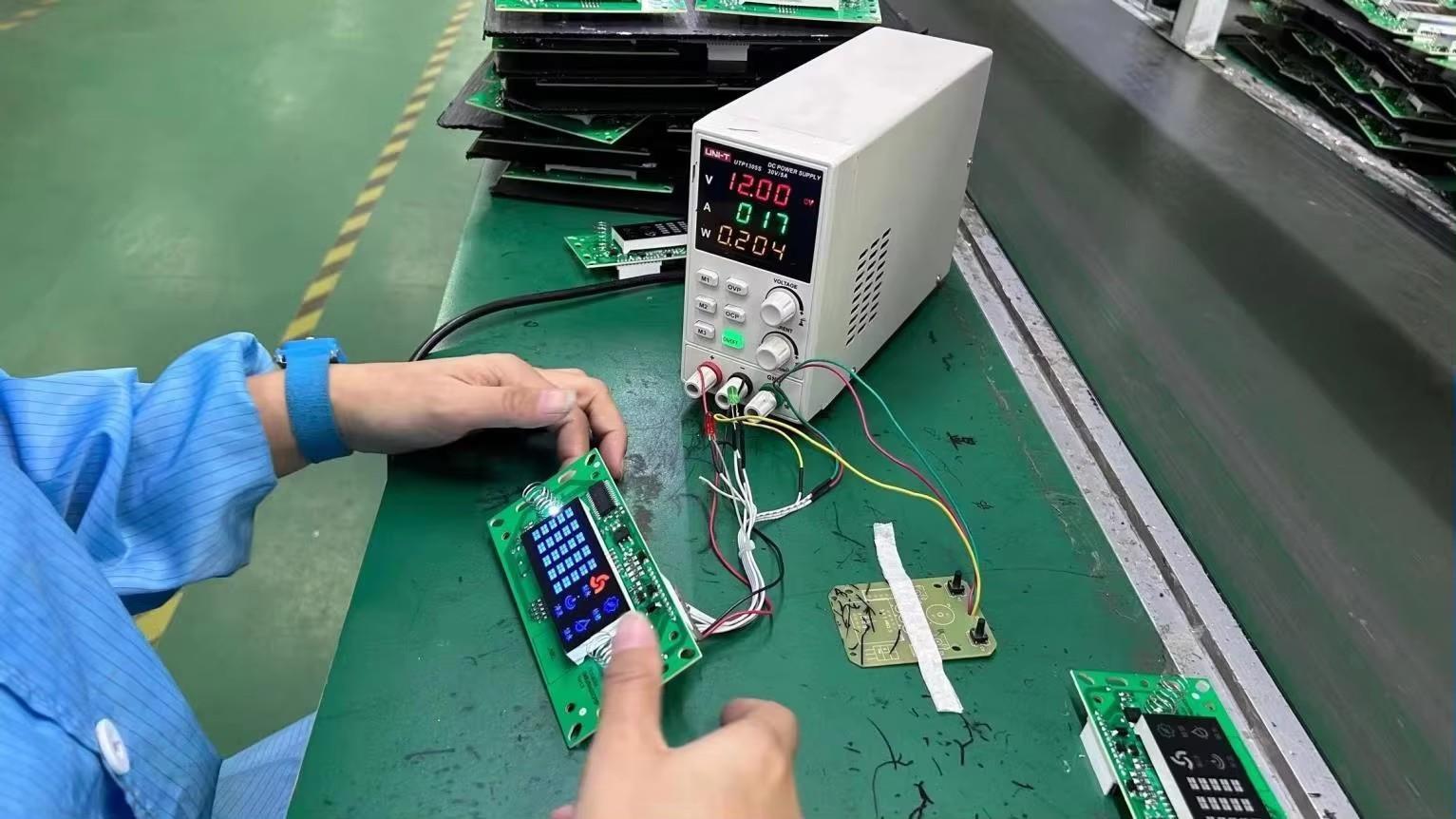
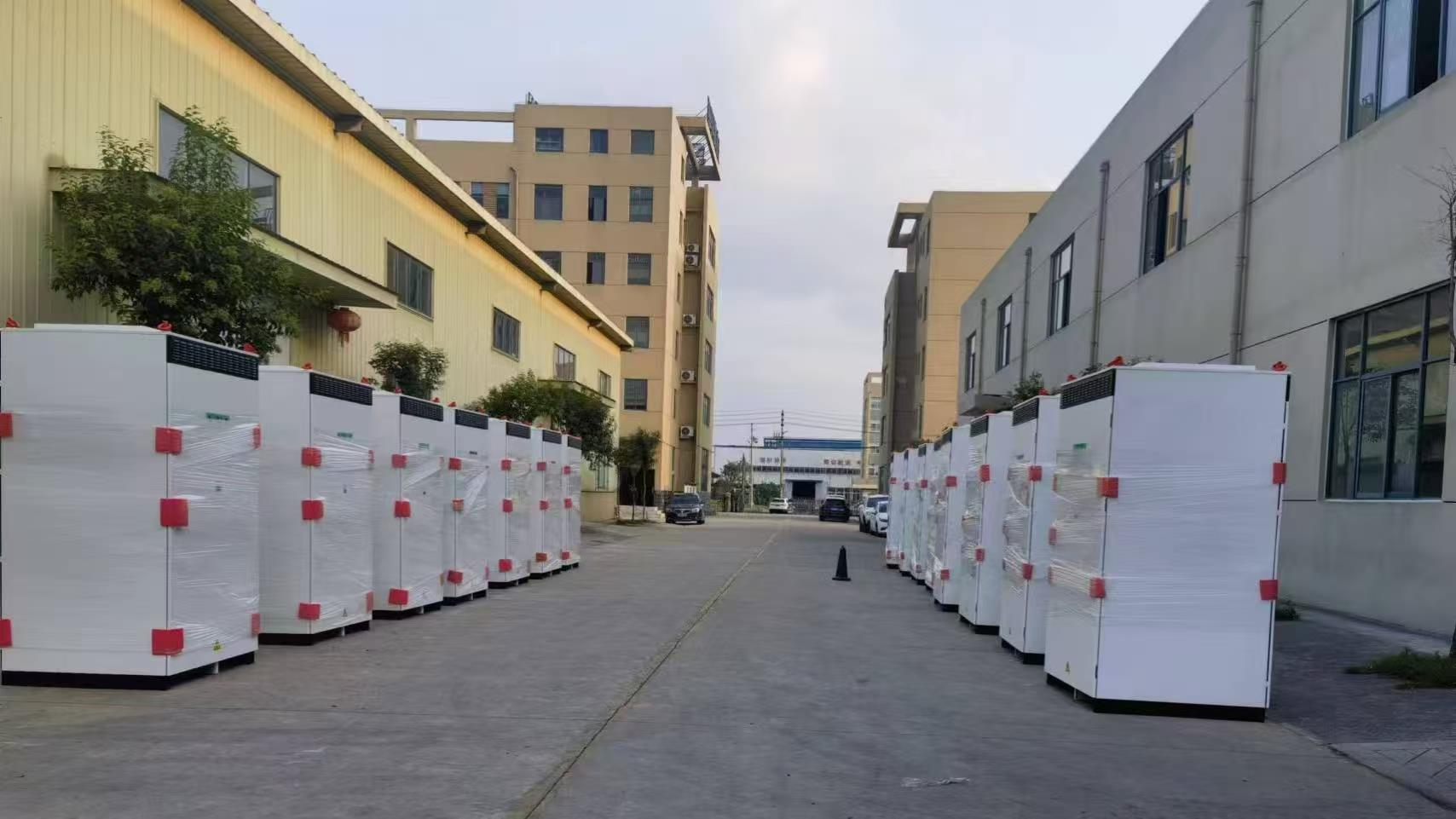
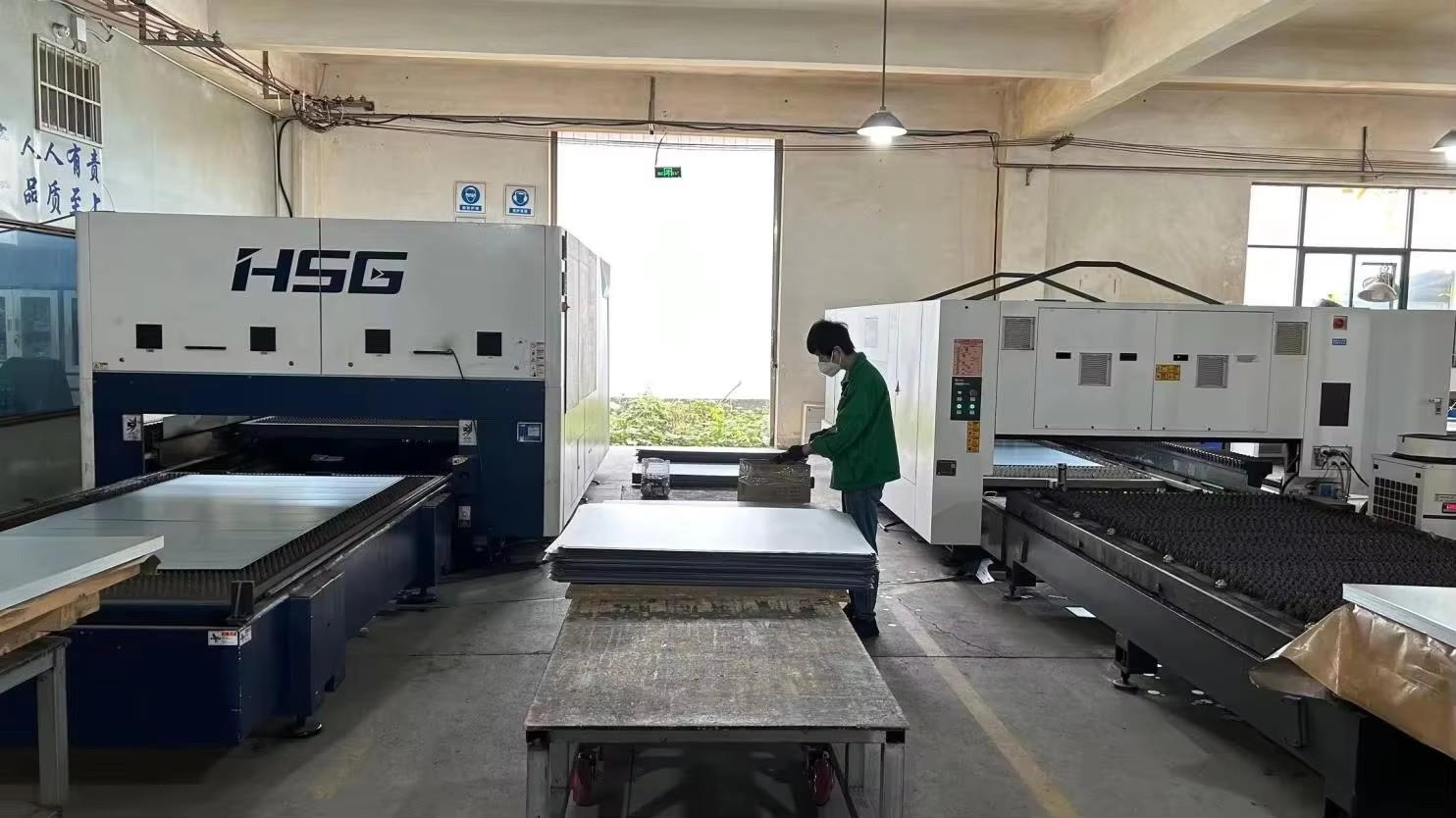
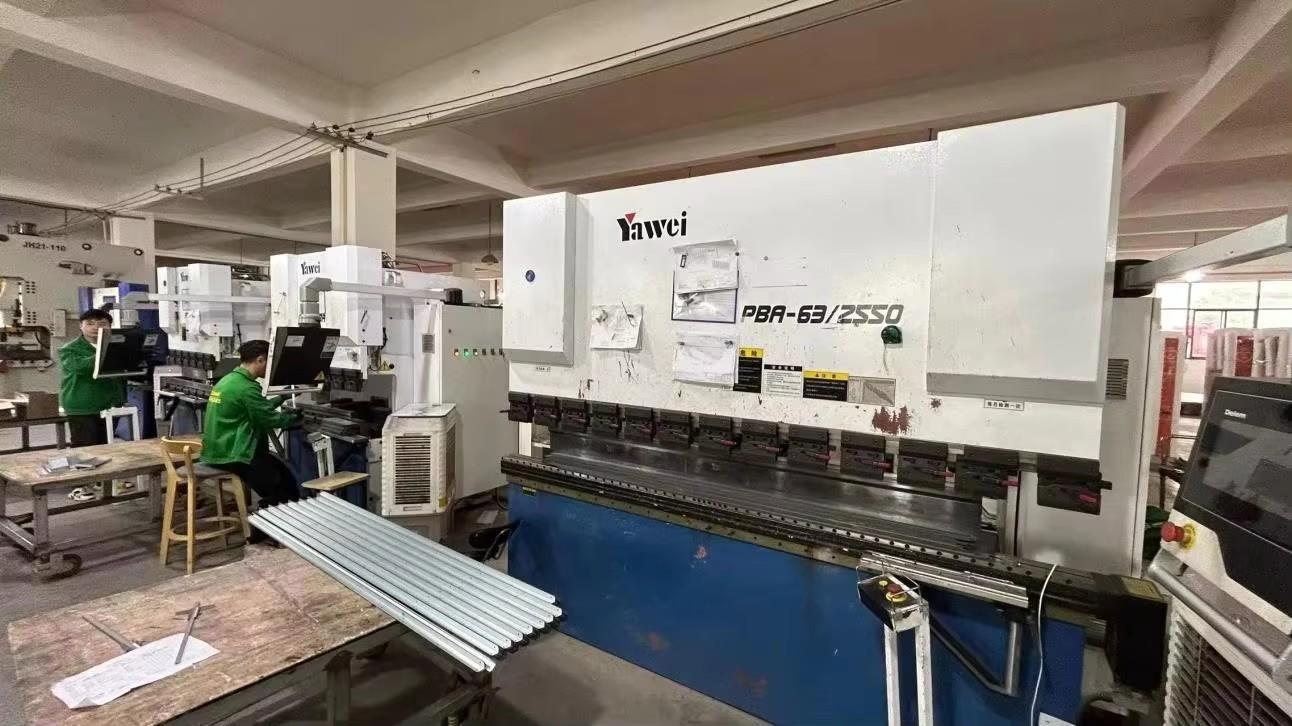
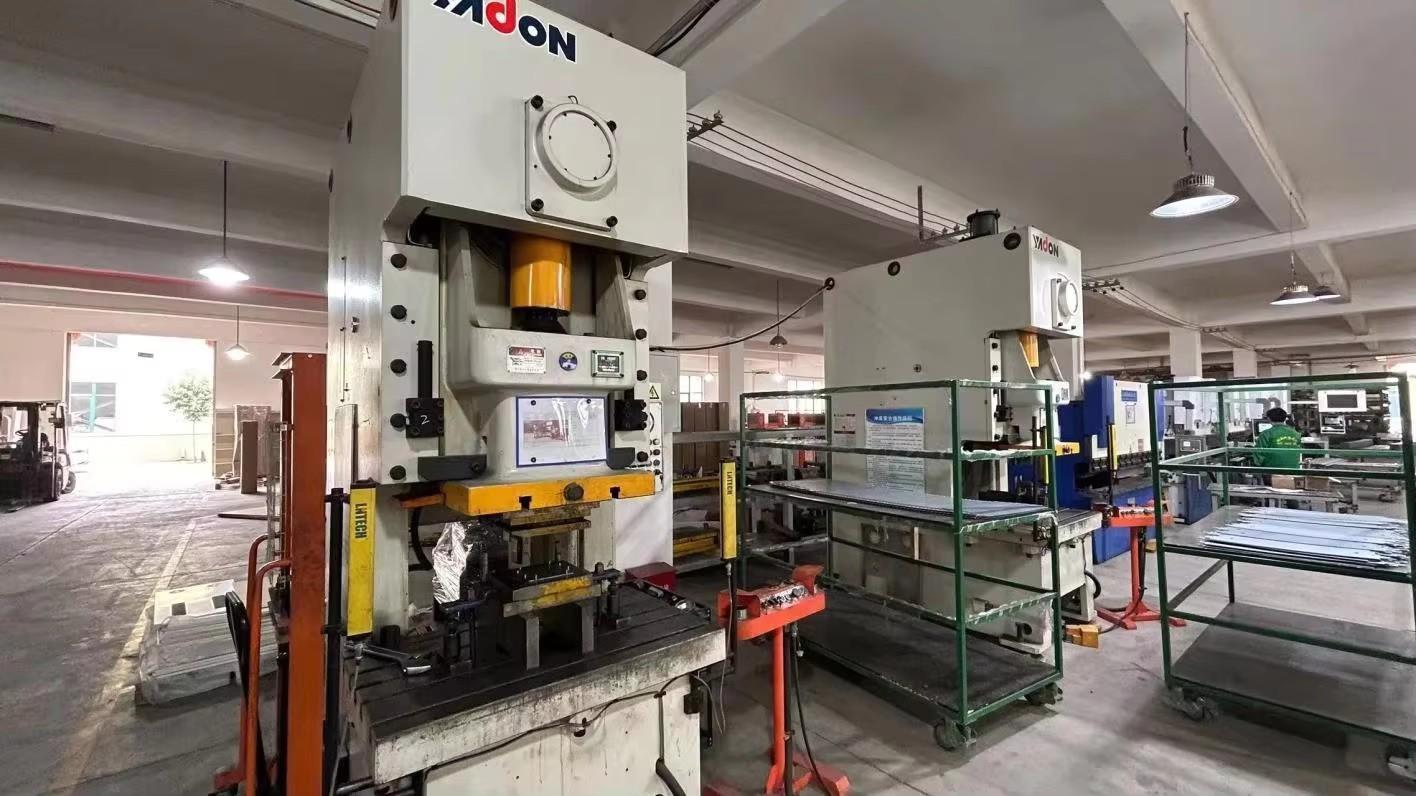
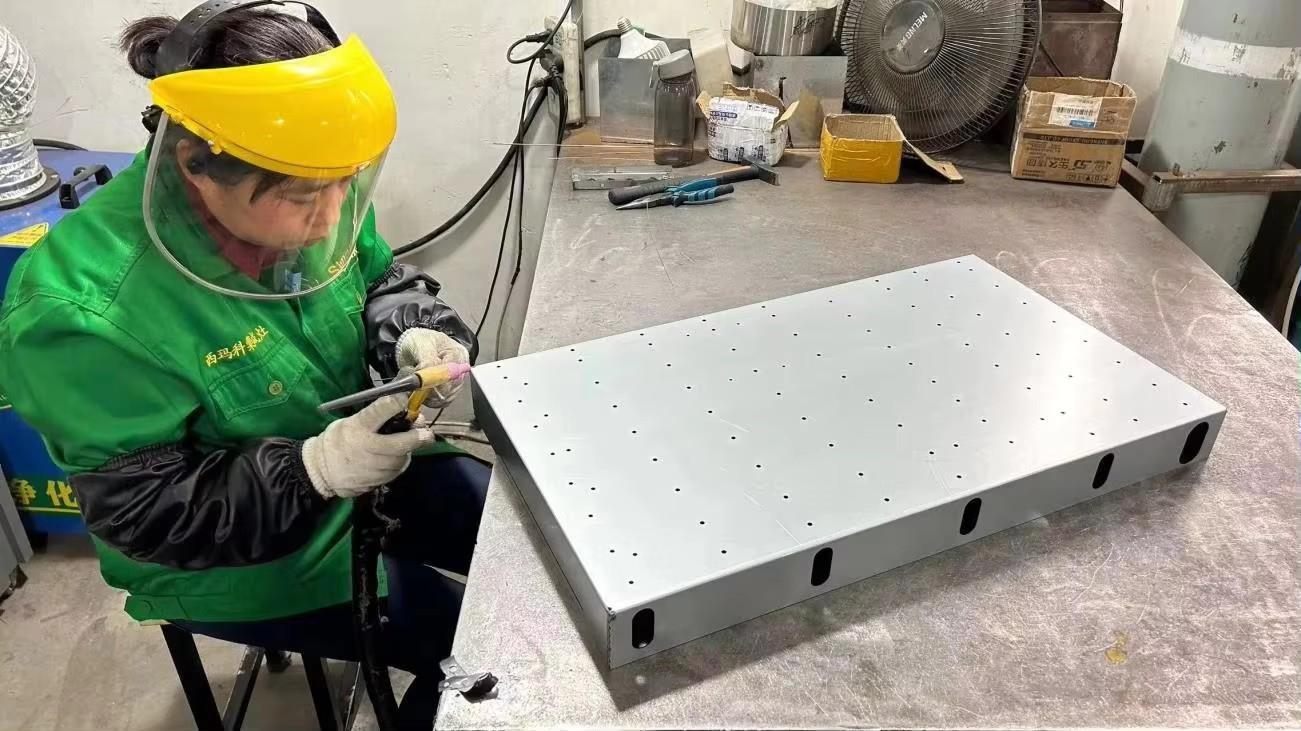
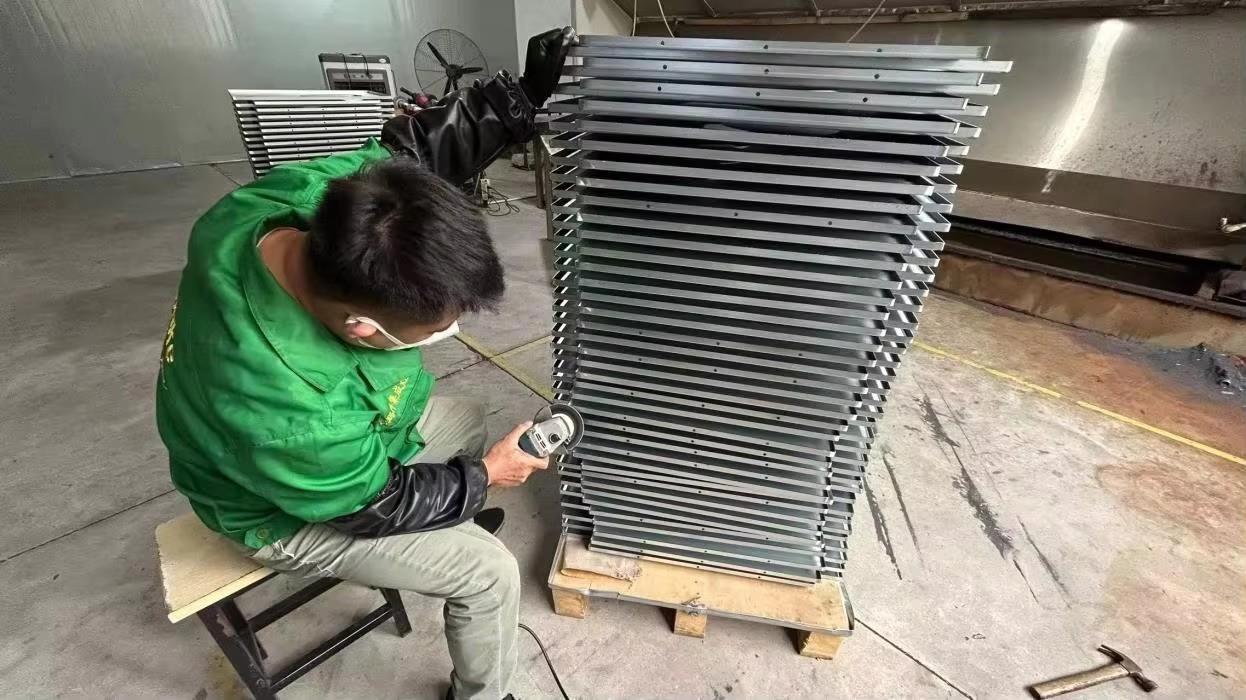
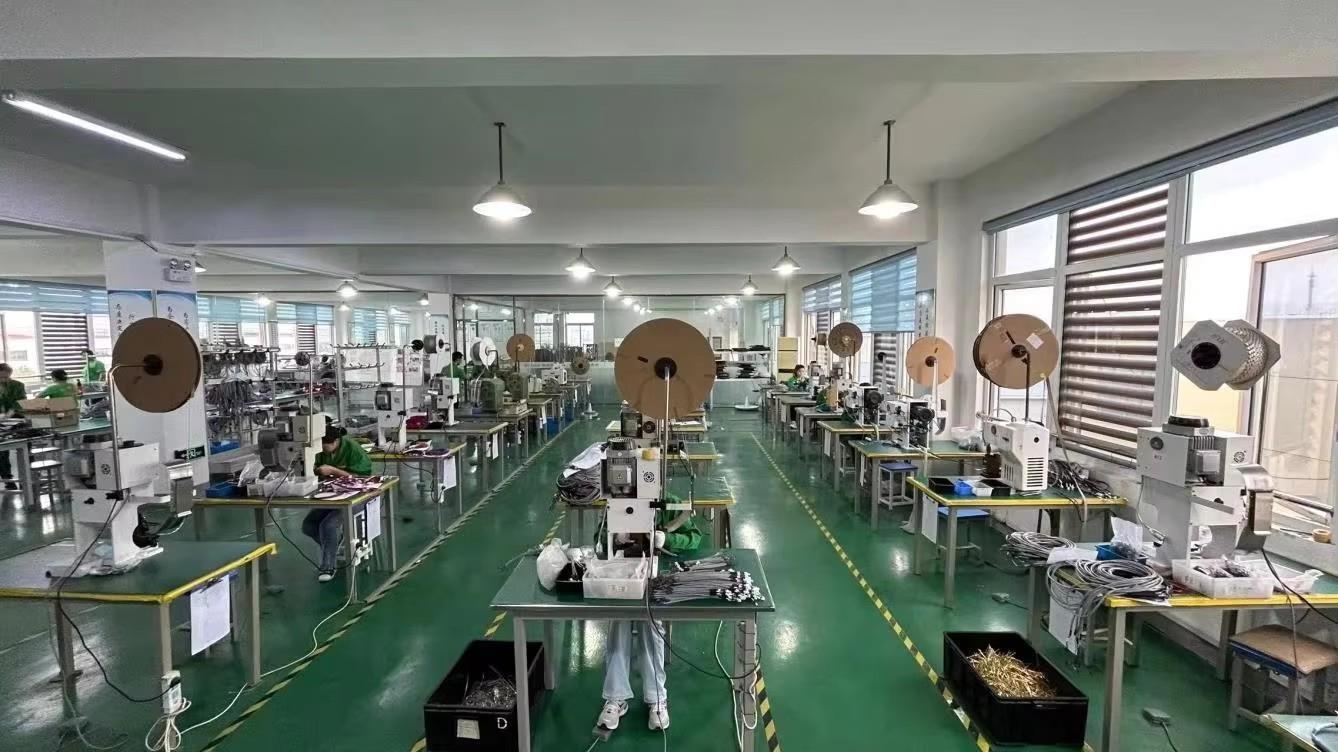
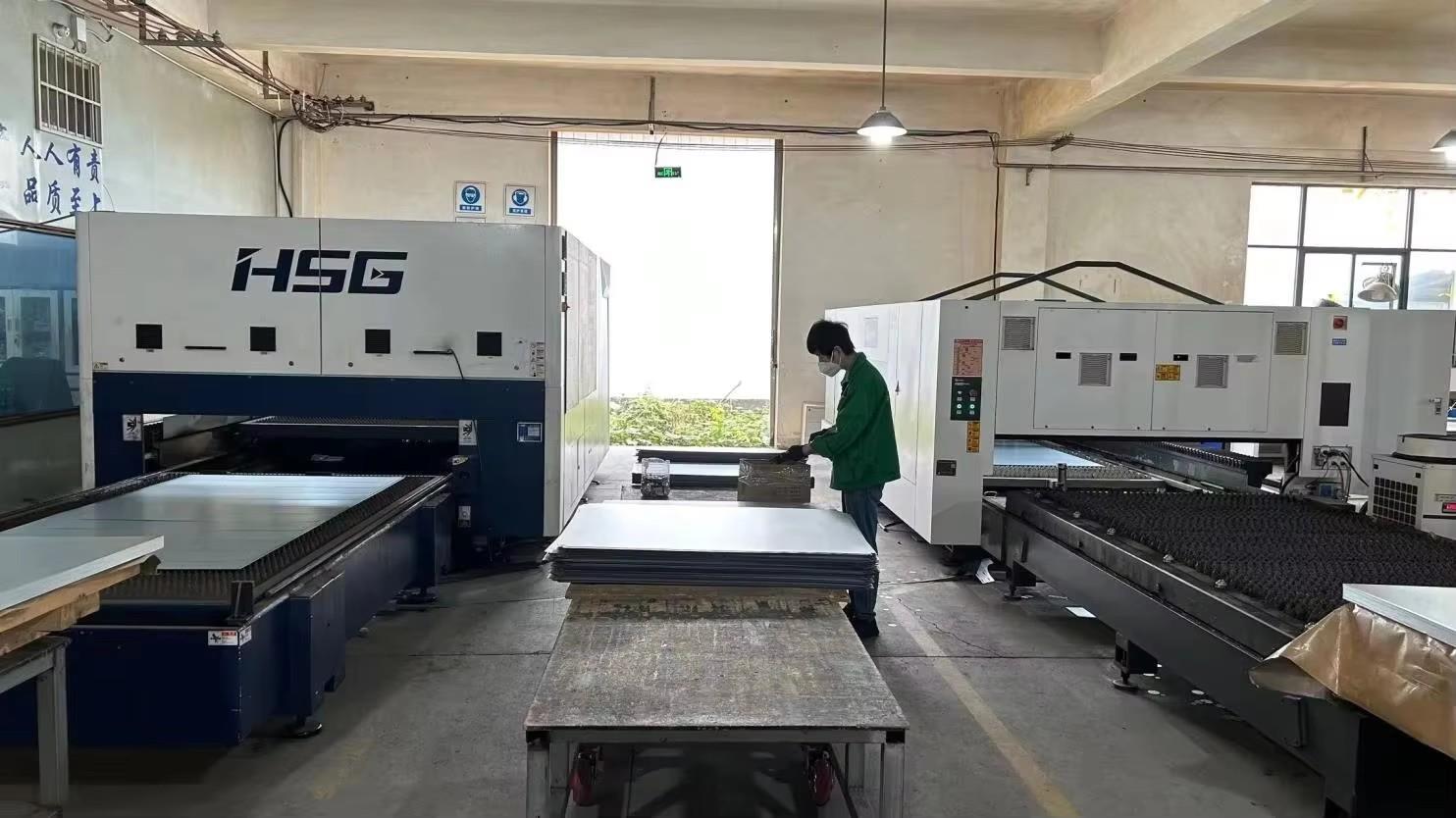
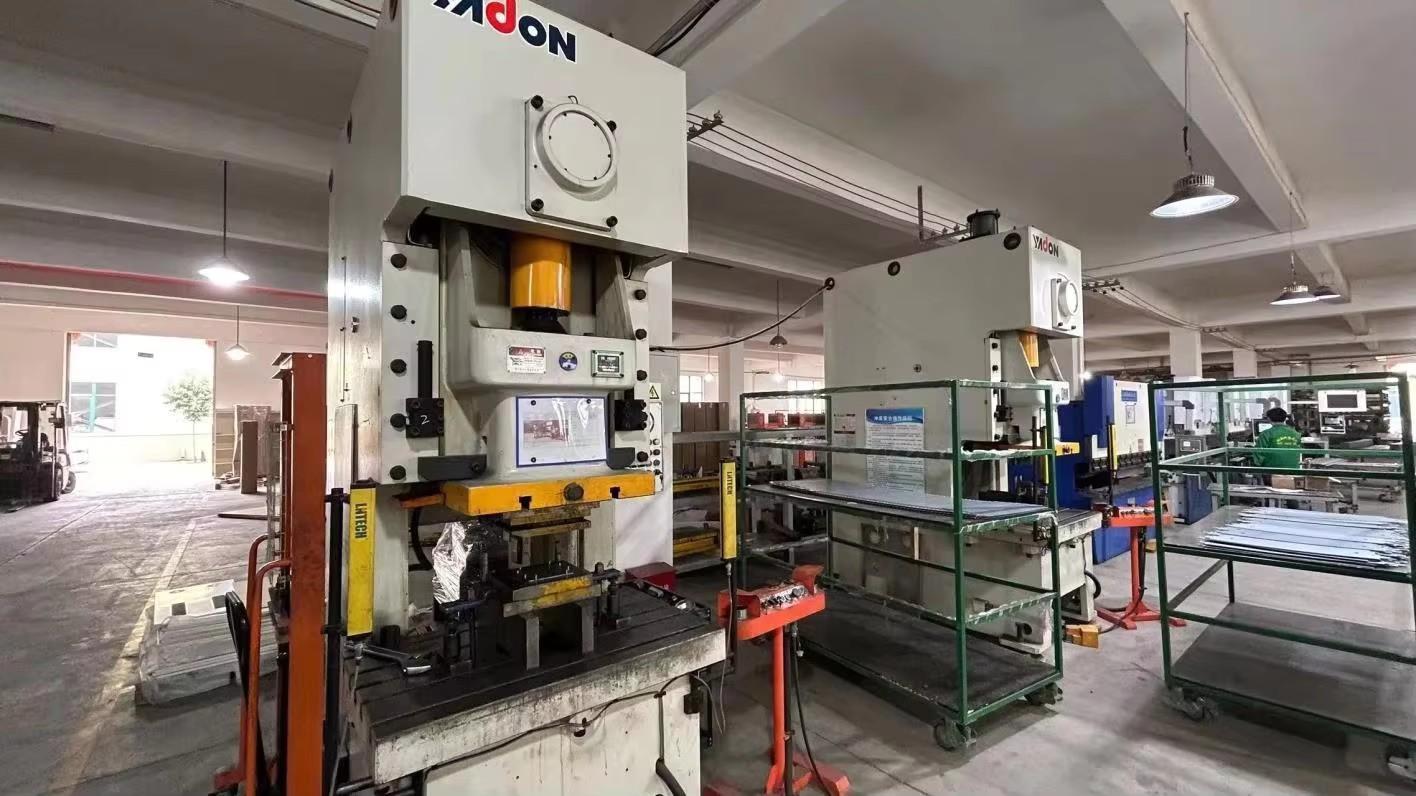
Wall-mounted energy systems serve diverse market segments, offering unique operational and economic advantages across various installations.
In high-tariff regions (e.g., California, Germany), wall-mounted home energy storage systems discharge during peak evening rates. Sourced batteries store solar energy generated during the day, isolating homeowners from rising utility rates.
Distributed 5G towers require compact, reliable backup systems. High-density, wall-mounted batteries provide space-saving layouts, long shelf life, and excellent performance in unconditioned cabinets subject to extreme weather.
Retail hubs, logistics terminals, and agricultural sites deploy wall-mounted battery systems to protect critical infrastructure, run water pumps, and supply back-up power during grid dropouts without generating emissions.
National regulations, environmental conditions, and utility models directly shape specific localized procurement needs for wall-mounted batteries:
Driven by grid instability, extreme weather events, and NEM 3.0 policies, customers in the US and Canada demand large capacity configurations (minimum 10kWh to 15kWh) with smart backup transfer switches. Compliance with UL 9540A thermal propagation safety testing is mandatory for indoor and garage installations.
Focused on maximizing self-consumption from rooftop solar systems, European buyers prioritize elegant physical designs, compact dimensions, and smart communication compatibility with hybrid grid configurations. Strict CE, IEC 62619, and local grid code compliance is essential.
High solar penetration combined with remote locations makes robust thermal protection critical. Systems must operate under ambient temperatures exceeding 45°C without triggering safety shutdowns. IP65 ratings are crucial for outdoor, shaded installations.
Answering the primary technical questions of engineering consultancies, utility managers, and strategic buyers.
Lithium Iron Phosphate (LiFePO4) features a robust olivine crystalline structure, providing superior chemical stability compared to Nickel Manganese Cobalt (NMC). The oxygen bonds in LiFePO4 are stronger, raising the thermal runaway limit to 270°C, compared to NMC's limit of roughly 150-180°C. In the event of mechanical damage or overcharging, LiFePO4 does not release oxygen, eliminating the risk of explosive fires.
The optimal operating temperature range for LiFePO4 chemistry is between 15°C and 30°C. While our systems operate reliably between -10°C and 55°C, continuous exposure to temperatures above 45°C accelerates capacity degradation. Low temperatures (below 0°C) reduce lithium-ion mobility, decreasing discharge capacity. Advanced BMS protocols automatically limit charging speeds below freezing to prevent lithium plating on the anode.
Up to 15 of our standard modules can be connected in parallel. Addressable DIP switches on each battery pack define its CAN/RS485 ID. The master battery communicates directly with the hybrid inverter, monitoring total system health and regulating charging currents based on state-of-charge data from all connected slave units.
Our engineering team pre-integrates and tests communication profiles for popular global inverters, including Growatt, Deye, Solis, Victron, SMA, and GoodWe. We supply detailed documentation on RJ45 and terminal strip wiring configurations, baud rate settings, and CAN bus frame mappings to ensure seamless installation and system communication.
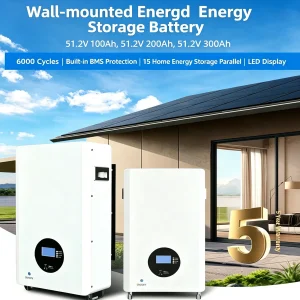
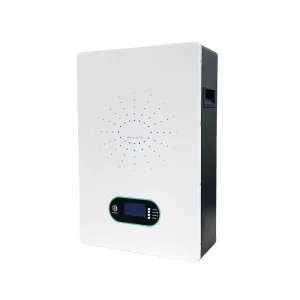
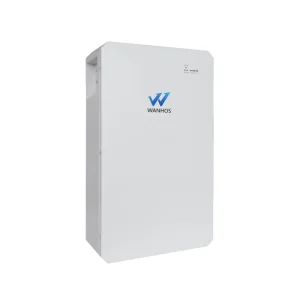
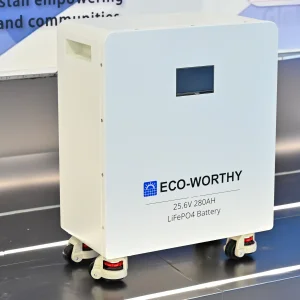
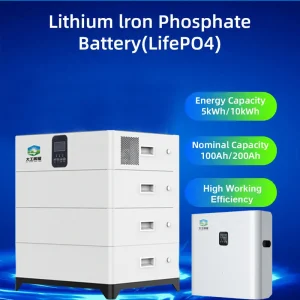
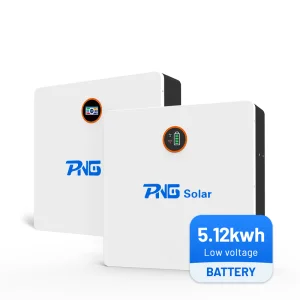
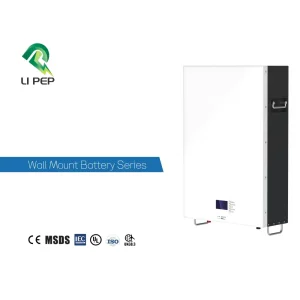
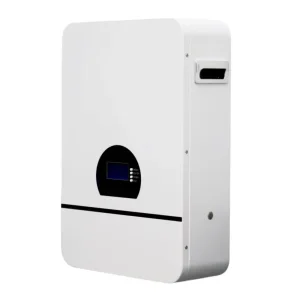
Select from our highly stable, multi-certified commercial and residential energy storage battery modules below.
 Luzz Solar