Specifically matched to meet the environmental and architectural requirements of residential clean energy systems throughout the Indonesian archipelago.
As the largest archipelagic state in the world, Indonesia faces unique challenges in centralized power distribution. With over 17,000 islands spanning across three time zones, relying solely on state utility grid PLN (Perusahaan Listrik Negara) poses significant infrastructure constraints. Rapid urban development in cities like Jakarta, Surabaya, and Bandung has put immense load on the Java-Bali grid, leading to occasional blackouts and power quality fluctuations. Meanwhile, outer regions such as Sumatra, Kalimantan, Sulawesi, and East Nusa Tenggara depend heavily on isolated diesel generators, exposing businesses and residential communities to high fuel costs and volatile logistics.
To address this, the Indonesian government is accelerating its commitment to achieve Net Zero Emissions by 2060. Solar photovoltaic energy, coupled with high-capacity Battery Energy Storage Systems (BESS), has emerged as the premier technology to unlock grid independence. A residential stackable BESS provides an elegant solution by accumulating excess solar energy generated during the day and discharging it during peak demand hours (typically 5:00 PM to 10:00 PM) or during grid outages.
Unlike monolithic, heavy wall-mounted battery units, stackable residential BESS systems are built from separate, high-density modules that lock together vertically. This configuration offers distinct advantages in the Indonesian context:
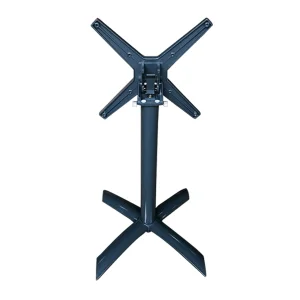
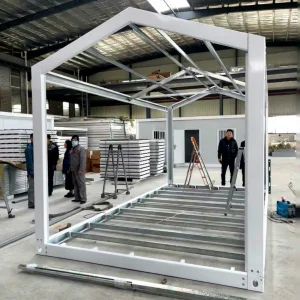
Safety and physical stability are paramount when installing stackable energy storage in seismic zones across Indonesia. These structures ensure durable physical integration.
Indonesia's tropical climate features constant high relative humidity (averaging 70% to 90%) and elevated temperatures year-round. This presents an engineering challenge for energy storage systems. High humidity accelerates electrochemical degradation and poses short-circuit risks if condensation forms inside battery enclosures.
As a leading stackable BESS manufacturer, we utilize Lithium Iron Phosphate (LiFePO4) chemistry exclusively. LFP represents the safest and most chemically stable lithium technology available for residential environments. Unlike Nickel Manganese Cobalt (NMC) cells, LFP displays a significantly higher thermal runaway threshold (approx. 270°C vs. NMC's 210°C), making it virtually immune to fire hazards, even under mechanical damage or overcharge conditions. LFP cells also lack toxic heavy metals like Cobalt, aligning with international environmental and recycling standards.
Our stackable BESS features a multi-tiered Battery Management System (BMS) with integrated thermal isolation barriers. The system operates at a high voltage configuration (HV), which reduces current and subsequently minimizes thermal dissipation during charging and discharging cycles. The system maintains protection ratings up to IP65, featuring specialized breathable vents that block atmospheric humidity while allowing heat to dissipate naturally, preventing condensation inside the chassis.
| Performance Parameter | Luzz Stackable LFP BESS | Standard Wall-Mount BESS | Generic Lead-Acid Systems |
|---|---|---|---|
| Cathode Chemistry | LiFePO4 (Lithium Iron Phosphate) | NMC (Nickel Manganese Cobalt) | VRLA / AGM (Lead-Acid) |
| Cycle Life (90% DoD) | 6,000+ Cycles @ 25°C | 3,000 - 4,000 Cycles | 500 - 800 Cycles |
| Thermal Runaway Temp | > 270°C | ~ 210°C | N/A (Sulphation risks) |
| Scalability Range | 5.12 kWh up to 30.72 kWh (Stackable) | Fixed Capacity (Requires rewiring) | Manual parallel racks |
| Standard Warranty | 10-Year Comprehensive | 5-Year Standard | 1 - 2 Years |
For international buyers, developers, and EPC contractors, purchasing BESS equipment for the Indonesian market requires careful consideration of local standards. The Ministry of Industry of Indonesia enforces TKDN (Tingkat Komponen Dalam Negeri) certifications, which measure the domestic value components of goods and services. Large commercial contracts and state-backed solar projects mandate high TKDN percentages, which shapes how global supply chains operate.
Furthermore, imports of dangerous goods (Lithium-ion batteries are classified as Class 9 Dangerous Goods under UN3480 regulations) require rigorous compliance documentation, including UN38.3 certification, Material Safety Data Sheets (MSDS), and sea-freight transport certificates. Partnering with a manufacturer that provides containerized shipping support directly to ports like Tanjung Priok (Jakarta), Tanjung Perak (Surabaya), or Belawan (Medan) helps streamline customs clearance and logistical operations.
Qingdao Luzz Solar Co., Ltd. is a dedicated new energy enterprise specializing in the development, manufacturing, and global distribution of photovoltaic (PV) products and integrated energy storage solutions. Located in Qingdao, China, the company benefits from a well-established renewable energy industrial base and advanced manufacturing capabilities.
With the accelerating global transition toward carbon neutrality and sustainable development, Luzz Solar is committed to providing efficient, reliable, and cost-effective clean energy solutions to customers worldwide. Our product portfolio includes high-efficiency solar photovoltaic modules, energy storage systems, and integrated solar application solutions designed for residential, commercial, and utility-scale projects.
Driven by technological innovation and quality excellence, the company continuously invests in R&D and production optimization to improve product performance, energy conversion efficiency, and system reliability. We strictly adhere to international quality standards and implement rigorous quality control throughout the entire production process to ensure stable and long-term product performance.
Operating a Factory 4.0 facility, Qingdao Luzz Solar employs advanced manufacturing protocols that integrate robotic precision with strict quality control. Below is our 12-step manufacturing workflow, ensuring every stackable BESS system meets global standards:
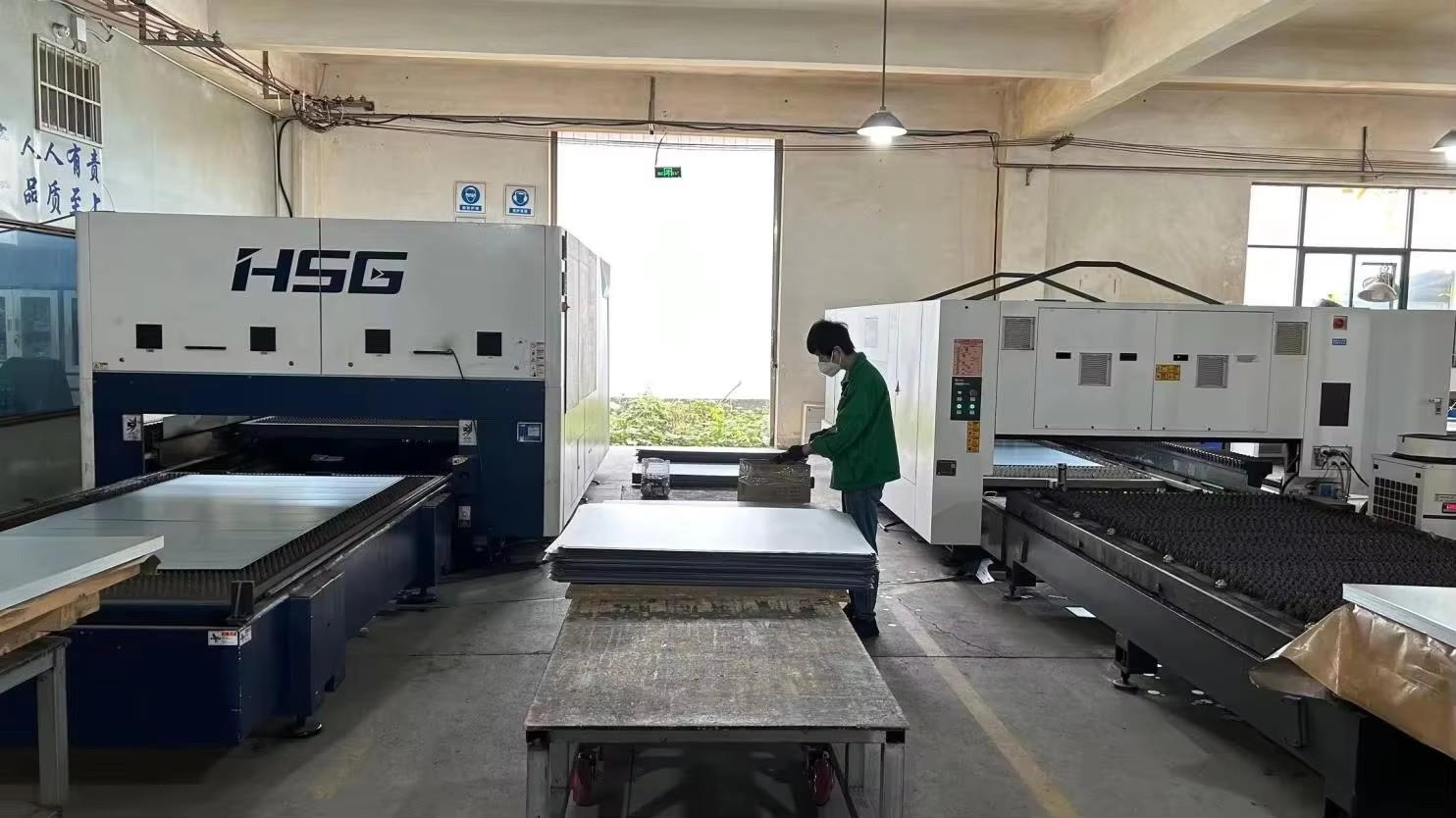
High-precision laser shearing of carbon and galvanized steel structures.
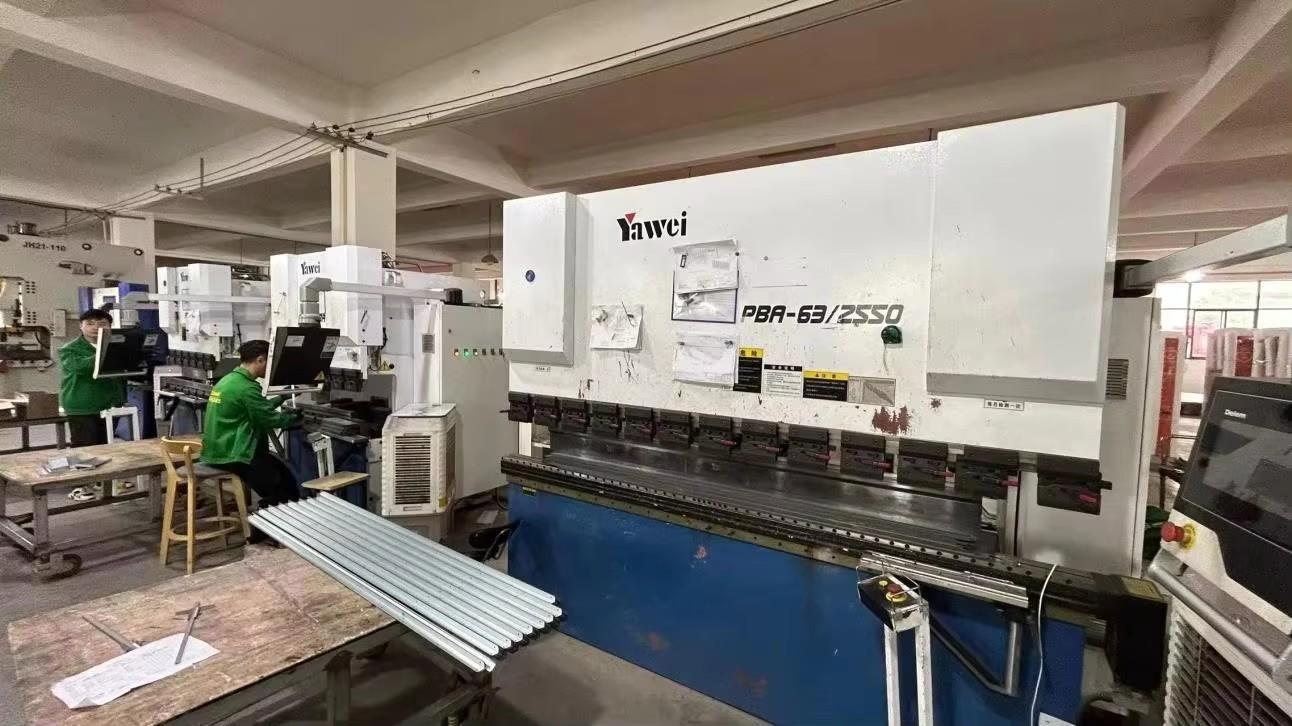
CNC bending ensures exact physical alignment of battery enclosure brackets.
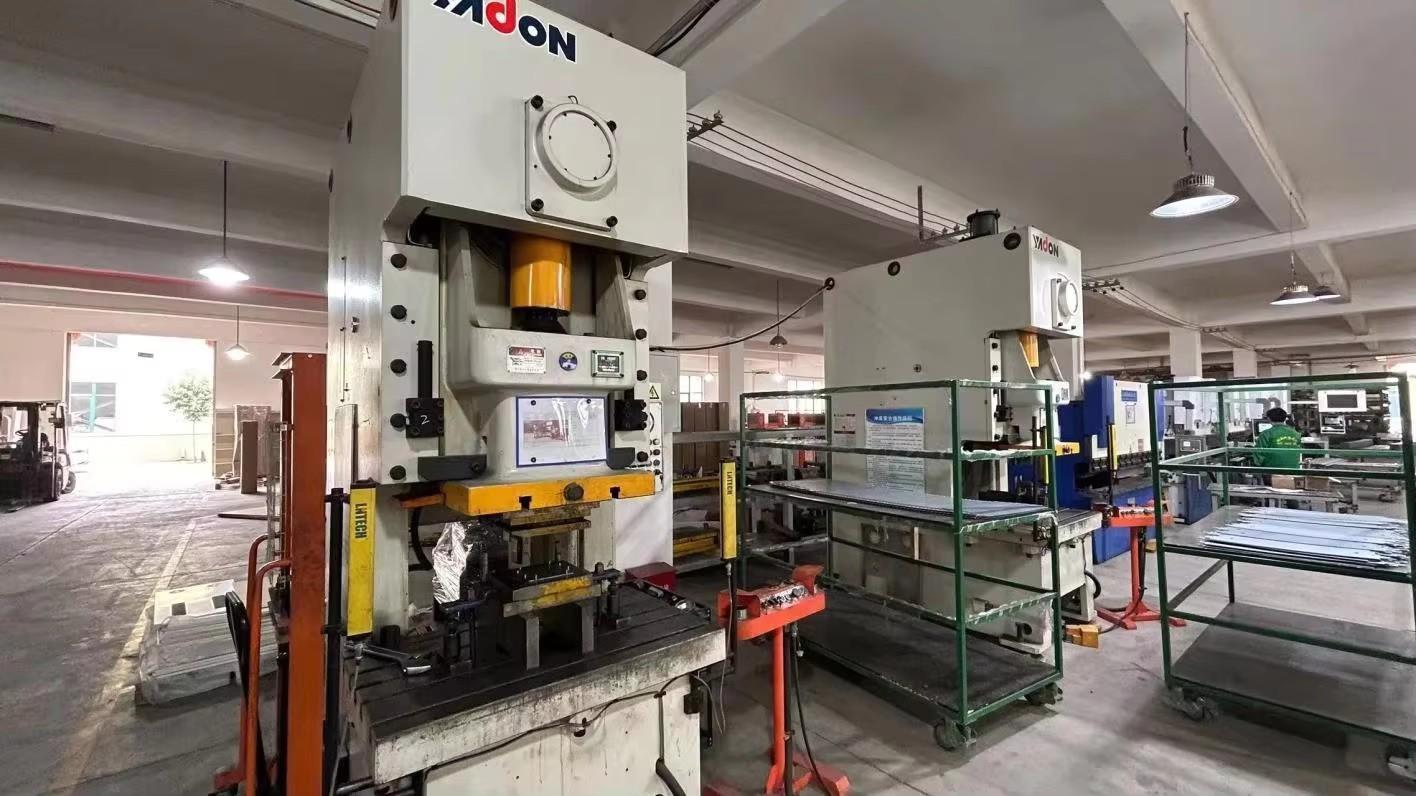
Hydraulic stamping shapes modular chassis elements with high consistency.
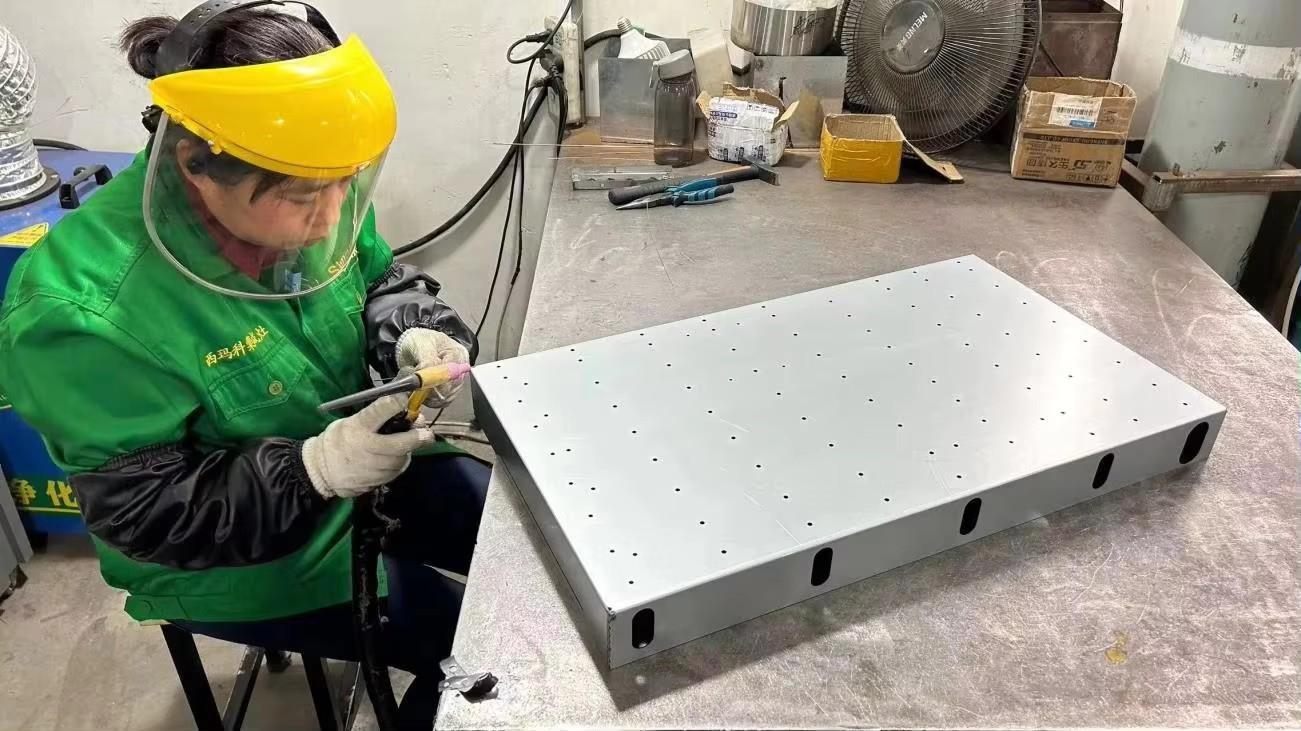
Precision structural welding forms the core frameworks of the cabinets.
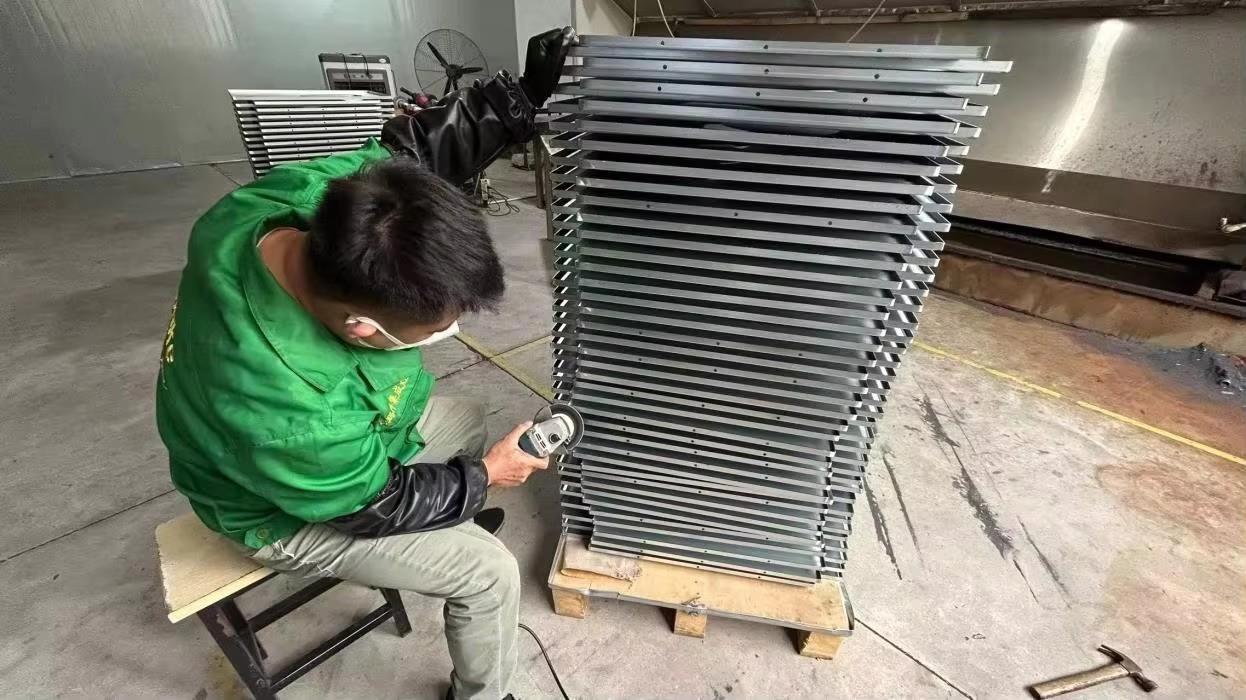
Removes surface imperfections to ensure smooth paint and anti-corrosion coating adhesion.
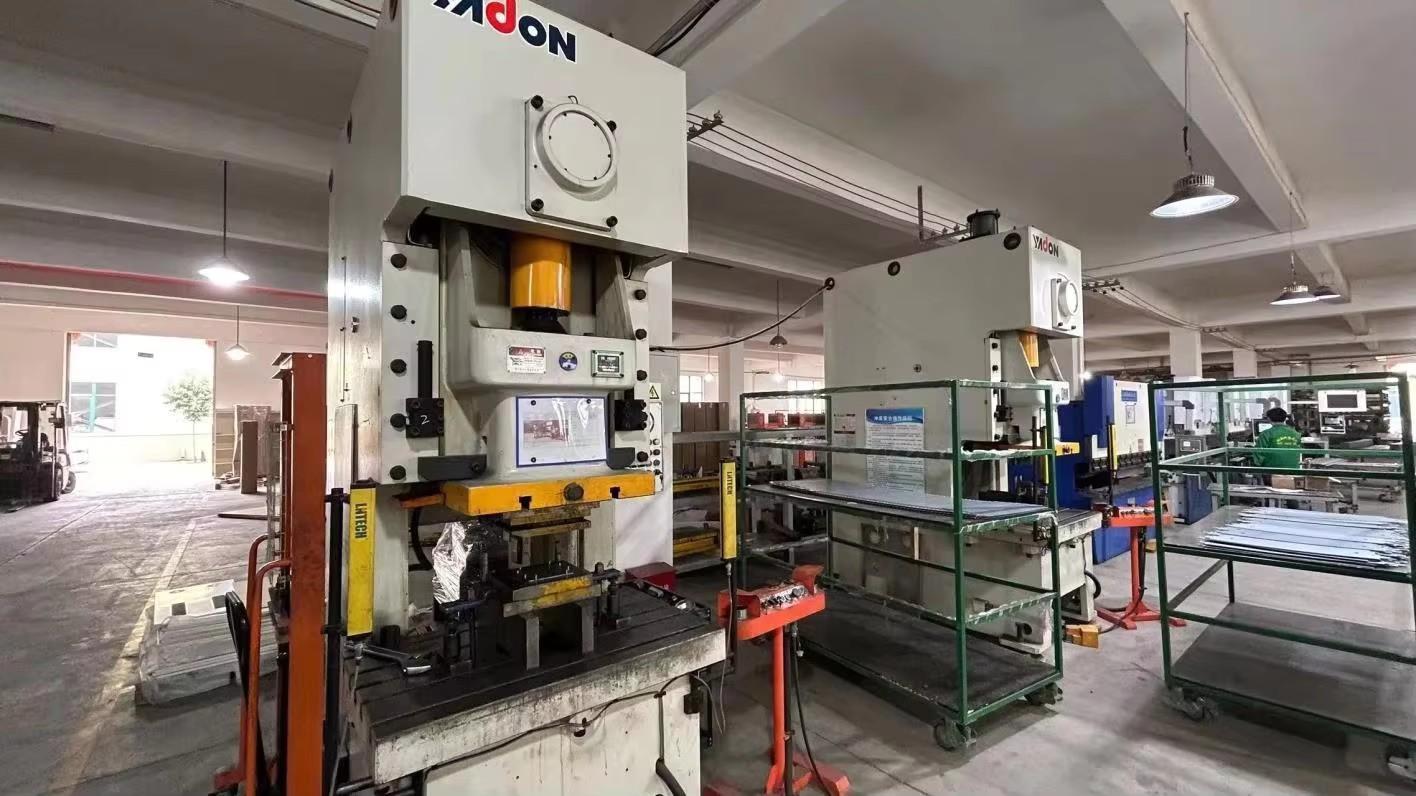
Automated component tooling for inner cell fixtures and internal busbars.
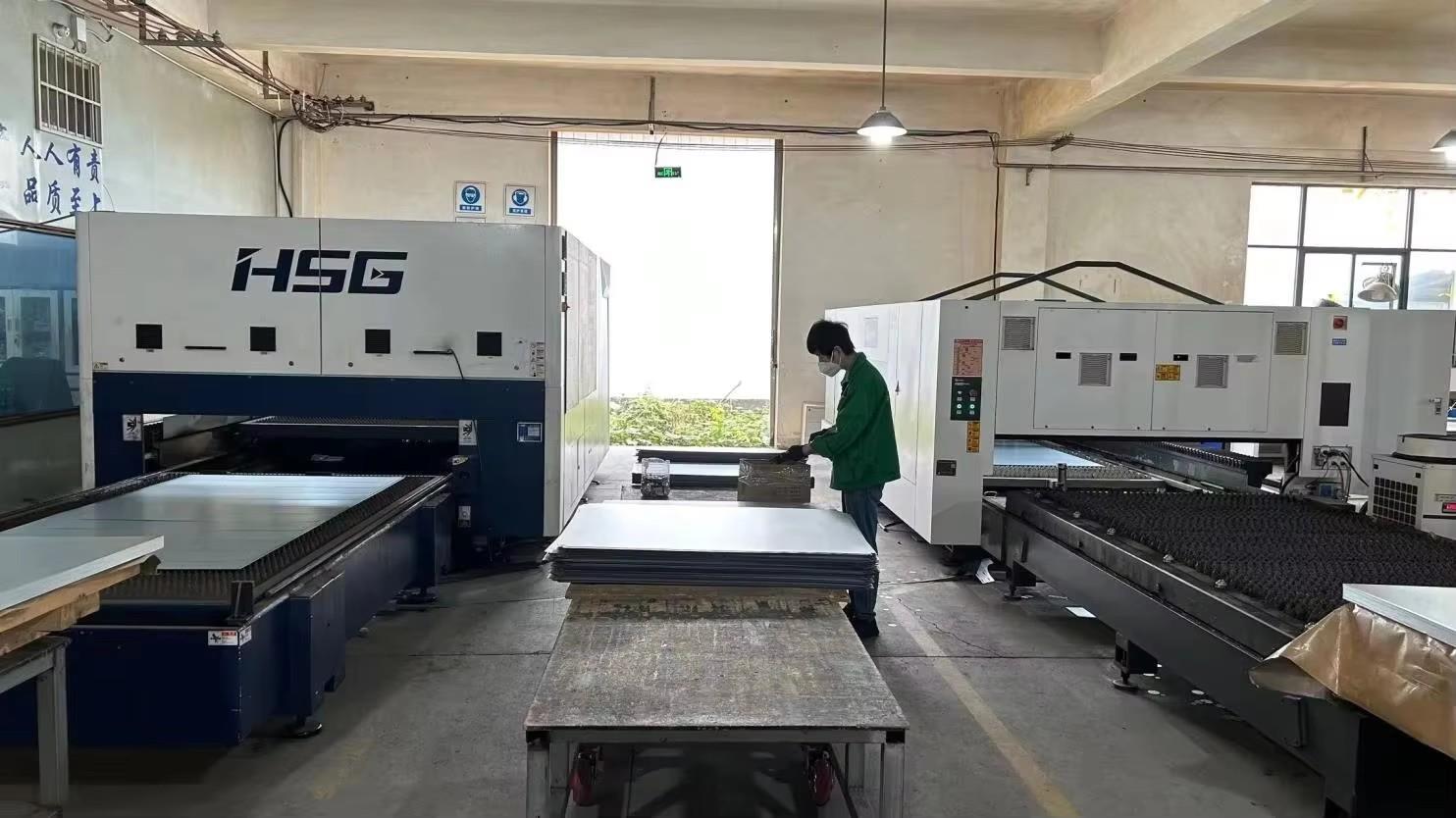
Fiber laser welding links battery tabs with minimal contact resistance.
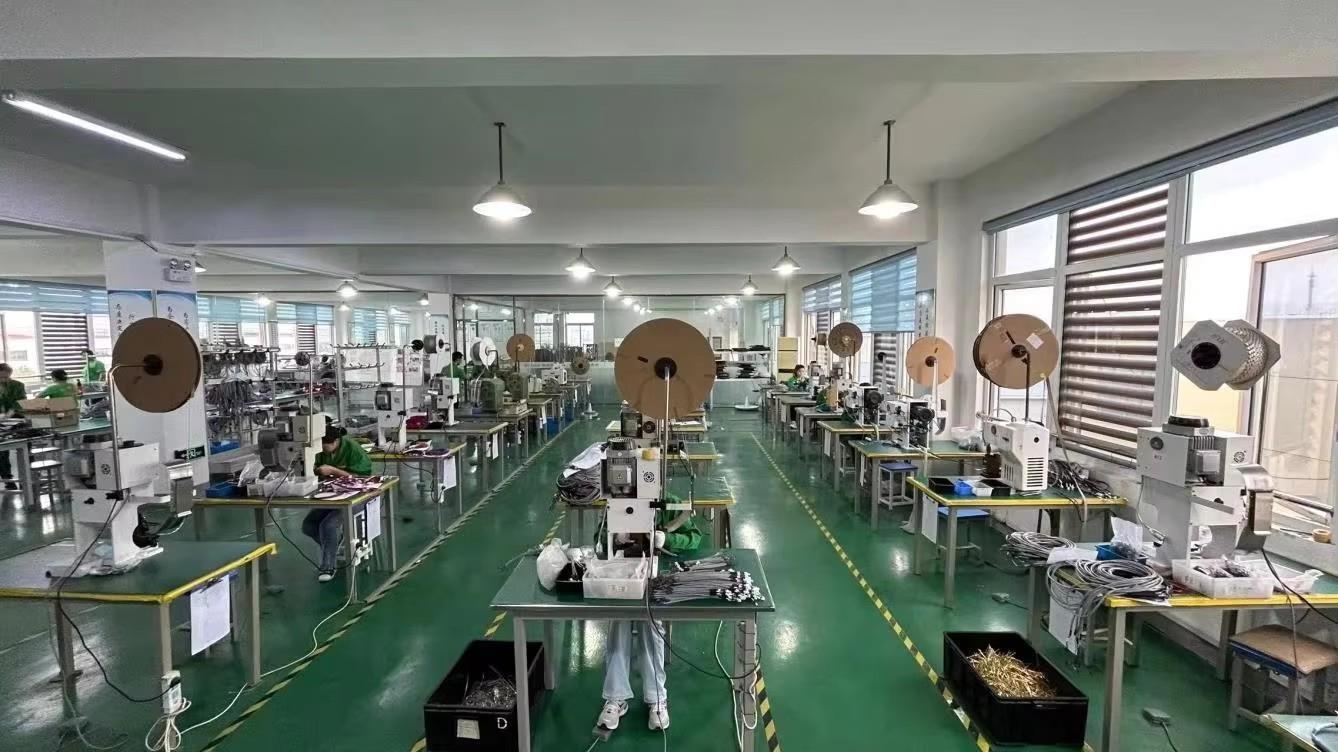
Crimps terminal connections with precise mechanical force pressure.
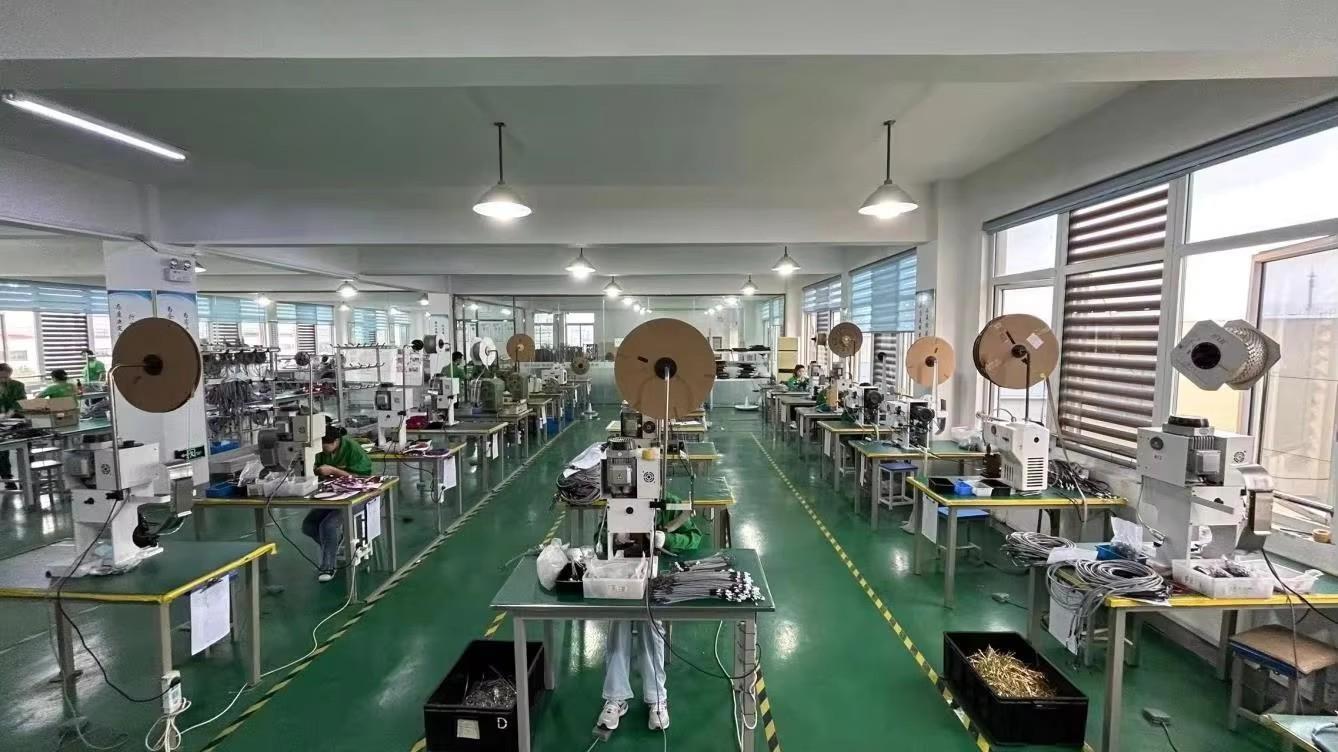
Engineers insulated multi-point sensor wires for BMS communication.
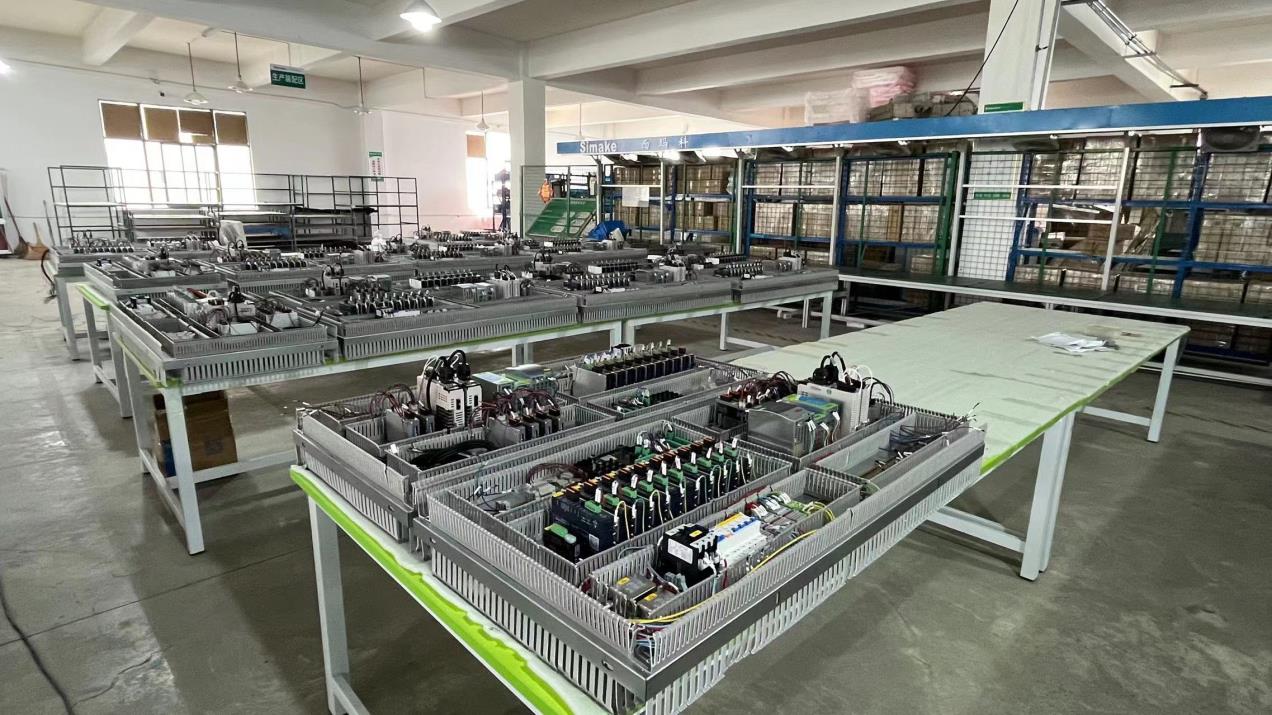
Skilled assembly line constructs the final battery pack units.
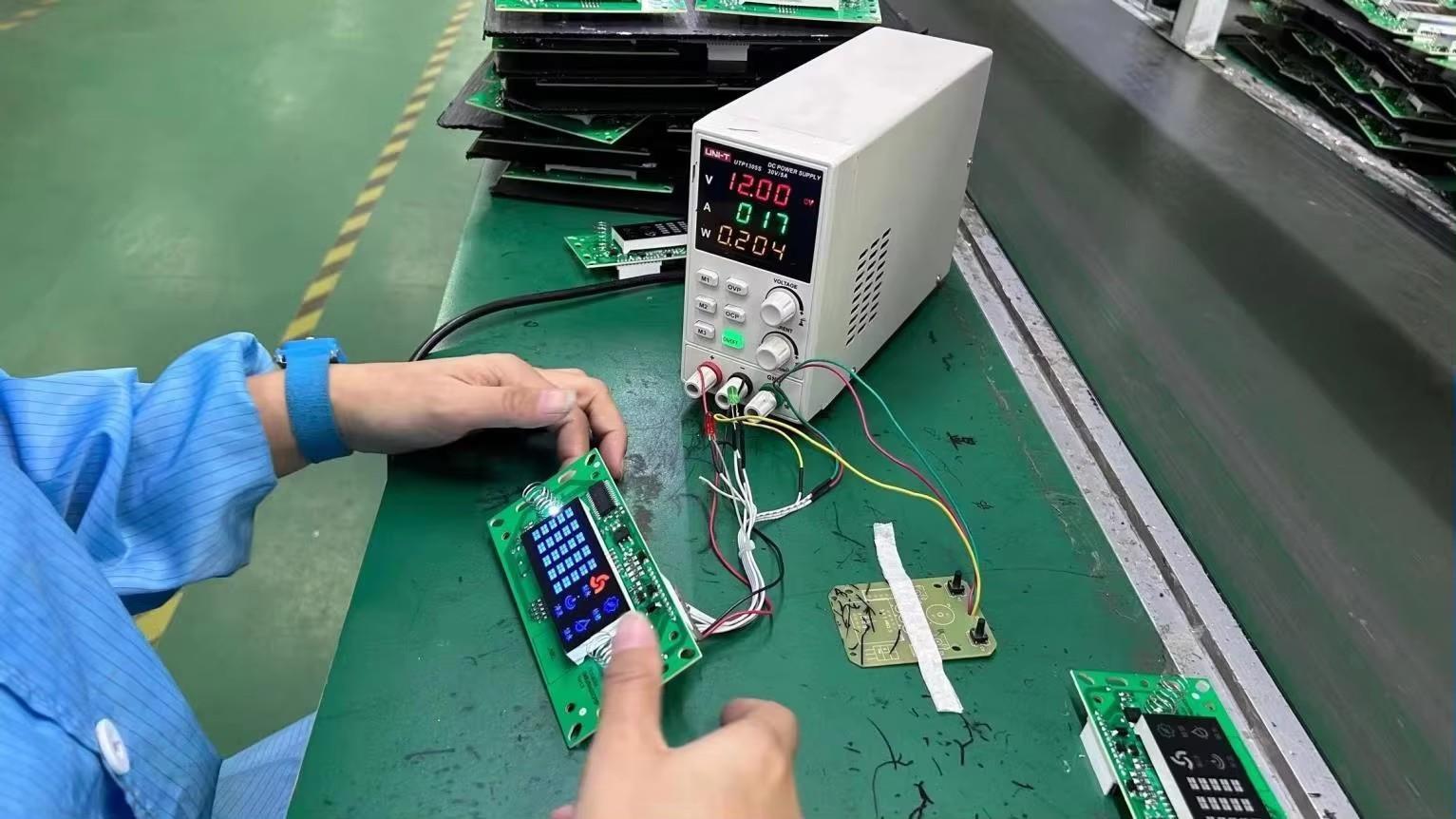
Comprehensive cycling, insulation testing, and BMS calibration check.
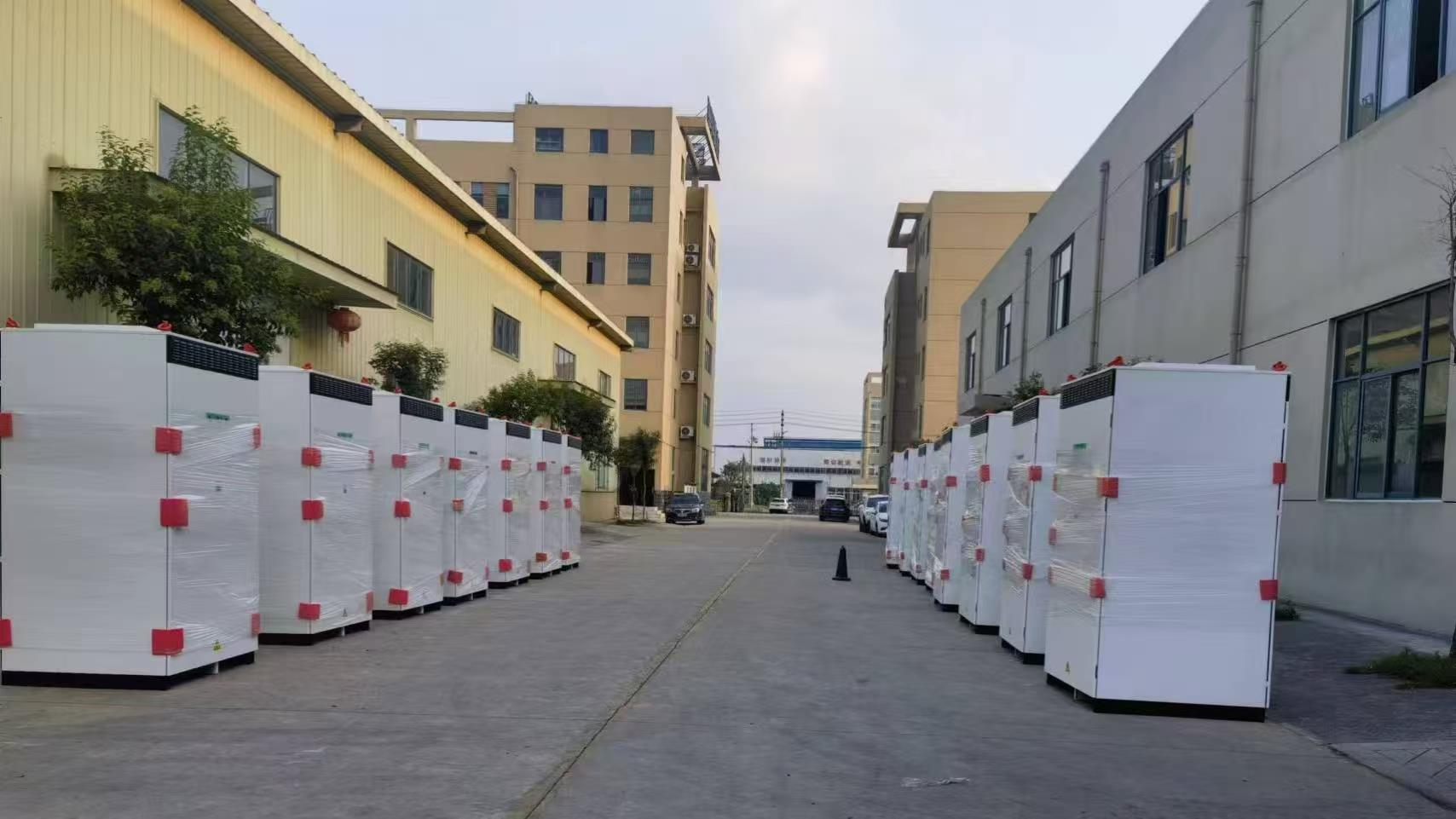
Meets international maritime UN38.3 standards for hazardous material safety.
This structured production lifecycle minimizes cell mismatch issues, enhances lifespan, and ensures that our stackable systems operate safely under typical Indonesian humidity levels.
The versatility of stackable LFP residential energy systems enables solutions across varied geographical conditions:
Premium eco-resorts and luxury residential villas in areas like Ubud, Uluwatu, and the Gili Islands prioritize environmental sustainability and zero-noise operation. Integrating stackable residential BESS systems with solar can replace loud diesel generators. A stackable capacity of 15 kWh to 25 kWh provides reliable evening power for air-conditioning and pool filtration, enhancing the guest experience with silent, clean energy.
In high-density urban zones such as BSD City, PIK, and Menteng, residential power cuts can disrupt remote work and damage sensitive electronic devices. Stackable BESS configurations provide UPS-grade response times (under 10ms). Homeowners can keep their security networks, home servers, and lighting functional during local outages.
For islands in Maluku, East Nusa Tenggara (NTT), and Papua, where regional grids are unavailable, local governments and developers construct microgrids. Stackable residential BESS allows regional technicians to perform easy plug-and-play expansions as rural community loads grow, eliminating the need to redesign structural wiring.
Essential details to guide your purchase decision when sourcing stackable energy storage systems for project integration in Indonesia.
Our stackable BESS enclosures feature an IP65 ingress protection rating. Internal metal frames undergo multi-layer pickling, grinding, and anti-corrosion chemical treatment. Circuit boards receive a conformal coating that blocks moisture and prevents short circuits caused by condensation, even in coastal installations.
Yes. Our integrated Battery Management System (BMS) supports CAN/RS485 communication protocols and matches with major hybrid inverters widely used in Indonesia, including Deye, Growatt, GoodWe, Victron Energy, and Solis. The communication profile is updated via firmware before dispatch.
We supply full UN38.3 test documentation, MSDS (Material Safety Data Sheet), and maritime safety declarations required by customs at Tanjung Priok and other major Indonesian ports. Additionally, our batteries meet CE, IEC 62619, and UL 1973 standards to ensure adherence to international guidelines.
A single high-voltage stack supports up to 6 battery modules, expanding from 5.12 kWh to 30.72 kWh. For projects requiring greater capacity, multiple stacks can be connected in parallel using a central hub, allowing configurations to reach up to 120 kWh.
Our LiFePO4 cells are rated for over 6,000 charge/discharge cycles at 25°C under a 90% Depth of Discharge (DoD). In typical Indonesian tropical climates, even with high ambient temperatures, the system is designed to provide 10 to 15 years of reliable daily service life.
Our battery packs utilize premium LiFePO4 chemistry, which resists combustion under normal operational conditions. The internal BMS monitors cell voltage, current, and temperature at multiple points. If abnormal temperatures are detected, the system isolates the affected module to maintain overall system safety.
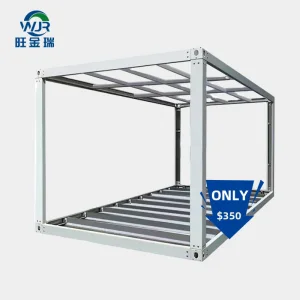
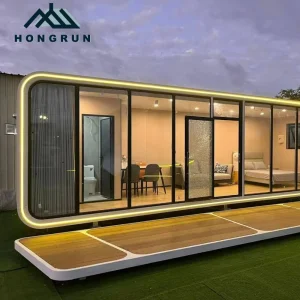
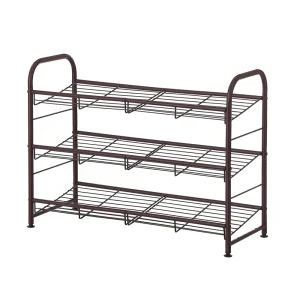
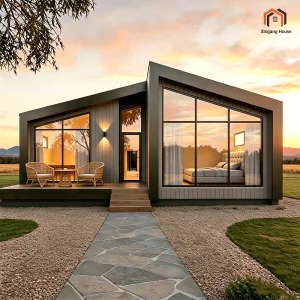
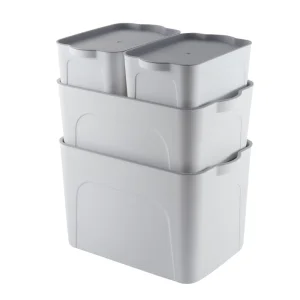
Discover our range of modular enclosures, stackable structural supports, and heavy-duty steel framing systems designed for residential and light commercial projects.
 Luzz Solar