Engineered for high density, thermal stability, and seamless grid-solar integration.
An in-depth analysis of energy storage potential, urban grid congestion, and commercial microgrids in MMR.
The Mumbai Metropolitan Region (MMR) is undergoing an unprecedented urbanization wave, placing massive stress on its electrical grid structure. Long known for its highly reliable power supply compared to other Indian metropolises, Mumbai now faces modern grid challenges. Rapid high-rise developments, heavy air conditioning loads during tropical summers, and the integration of distributed solar rooftop panels require high-performance energy storage solutions. For high-density residential towers and luxury villa developments in adjacent micro-markets like Alibaug, Lonavala, and Navi Mumbai, Stackable Residential BESS (Battery Energy Storage Systems) have emerged as a vital technology.
Urban real estate in Mumbai is characterized by high land costs and limited physical space. Traditional backup solutions like diesel generators (DG sets) face strict regulatory opposition due to air pollution laws under the National Clean Air Programme (NCAP) and local Brihanmumbai Municipal Corporation (BMC) green mandates. Stackable BESS presents an eco-friendly alternative, capturing energy from the grid during off-peak hours (when electricity rates are low) or routing local solar power to discharge during peak demand hours. This direct peak shaving reduces utility bills for large residential societies and provides a steady, clean power backup system.
"As Mumbai moves toward net-zero residential buildings, high-voltage stackable battery storage systems offer the modularity needed to match dynamic load profiles without taking up vital parking or communal spaces."
From a commercial and technical perspective, local utility companies like Tata Power, Adani Electricity, and MSEDCL are increasingly supportive of distributed storage. BESS provides grid stabilization, helping manage voltage fluctuations caused by solar intermittency. For premium residences, matching stackable systems with rooftop solar offers the holy grail of off-grid resiliency. This shift is turning passive consumers into active "prosumers" who store, manage, and use green energy as needed.
Unlocking the physics of modular scalability, space optimization, and structural thermal safety.
Traditional energy storage configurations require complex wiring harnesses, external battery racks, and extensive indoor floor space. In Mumbai's compact residential apartments, mechanical rooms, or utility balconies, every square inch carries premium value. Stackable BESS configurations eliminate these mechanical pain points through innovative structural and electrical design.
Modern stackable battery modules utilize quick-plug, blind-mating connectors that stack on top of each other. Power terminals and communication lines align automatically during stacking. This design avoids the risk of manual wiring errors, loose contacts, or high-resistance paths. For local electricians in Mumbai, installation is fast: they place the base, stack the battery modules (typically 5kWh per unit) to the desired capacity (up to 20-30kWh per stack), and mount the control unit (High Voltage Control Box / BMS controller) on top. This clean configuration reduces installation costs by up to 60% compared to cabinet-based battery designs.
Mumbai's coastal climate features high relative humidity (frequently exceeding 80%) and ambient temperatures reaching up to 40°C in pre-monsoon months. Heat build-up within enclosed battery cells accelerates capacity fade and compromises overall safety. Advanced stackable BESS models incorporate integrated thermal barriers, aluminum heatsinks, and natural convection channels between the stacked layers. Because the modules are physically separated by dedicated structural bases, heat does not accumulate as it would in closed cabinets. This keeps cells within their optimal operating range (15°C to 35°C), ensuring a long system lifespan without requiring active, energy-intensive air conditioning.
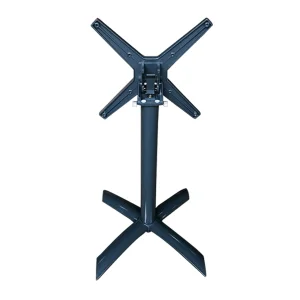
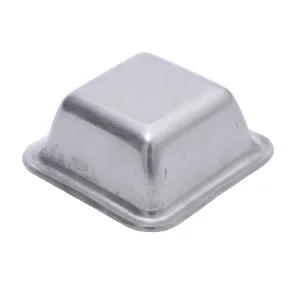
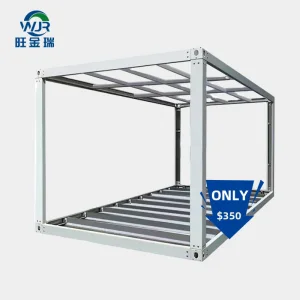
Essential structural and mechanical components engineered for rugged energy storage systems.
Essential supply chain metrics, rigorous safety certifications, and bankability markers for global clean energy procurement.
Enterprise procurement teams sourcing residential and commercial energy storage systems from overseas must review key compliance certificates. BESS installations store highly concentrated energy. Without strict manufacturing standards, safety risks can arise. The global sourcing strategy for top developers focuses on cell pedigree, BMS (Battery Management System) capabilities, and manufacturing quality control.
1. Safety Standards (UN38.3, UL1973, IEC62619): Global buyers require BESS units certified under IEC 62619 (safety requirements for secondary lithium cells and batteries in industrial applications) and UL 1973. Additionally, UN38.3 certification is required for safe ocean and air transit of lithium batteries.
2. BMS System Integration: The BMS is the brain of the battery. Modern systems must support dual-processor redundancy, over-current, over-charge, over-discharge, high/low temperature protection, and smart cell balancing. Communication protocols like CAN, RS485, and Modbus TCP are necessary to integrate with hybrid inverters like Growatt, Deye, SMA, and Victron Energy.
3. Grade A Cell Traceability: Sourcing managers must verify that the supplier uses brand-new, Grade A Lithium Iron Phosphate cells from tier-1 manufacturers (such as CATL, BYD, EVE, or REPT). Cell barcodes must be fully traceable, detailing manufacturing date, capacity, and internal resistance matching values.
4. Localized Technical Support: Sourcing systems for the Mumbai market requires partners who understand local Indian standards, such as Bureau of Indian Standards (BIS) certifications, and can offer commissioning support and replacement warranties within the region.
5. Long-term Bankability: Enterprise tier-1 developers prefer suppliers that provide guaranteed performance warranties—typically over 10 years or 6000 cycles at 80% Depth of Discharge (DOD). This guarantees the financial viability of residential solar microgrids over their operational lifespan.
Advancing China Factory 4.0: Supply Chain Resilience, Automation, and Integrated Battery Assembly.
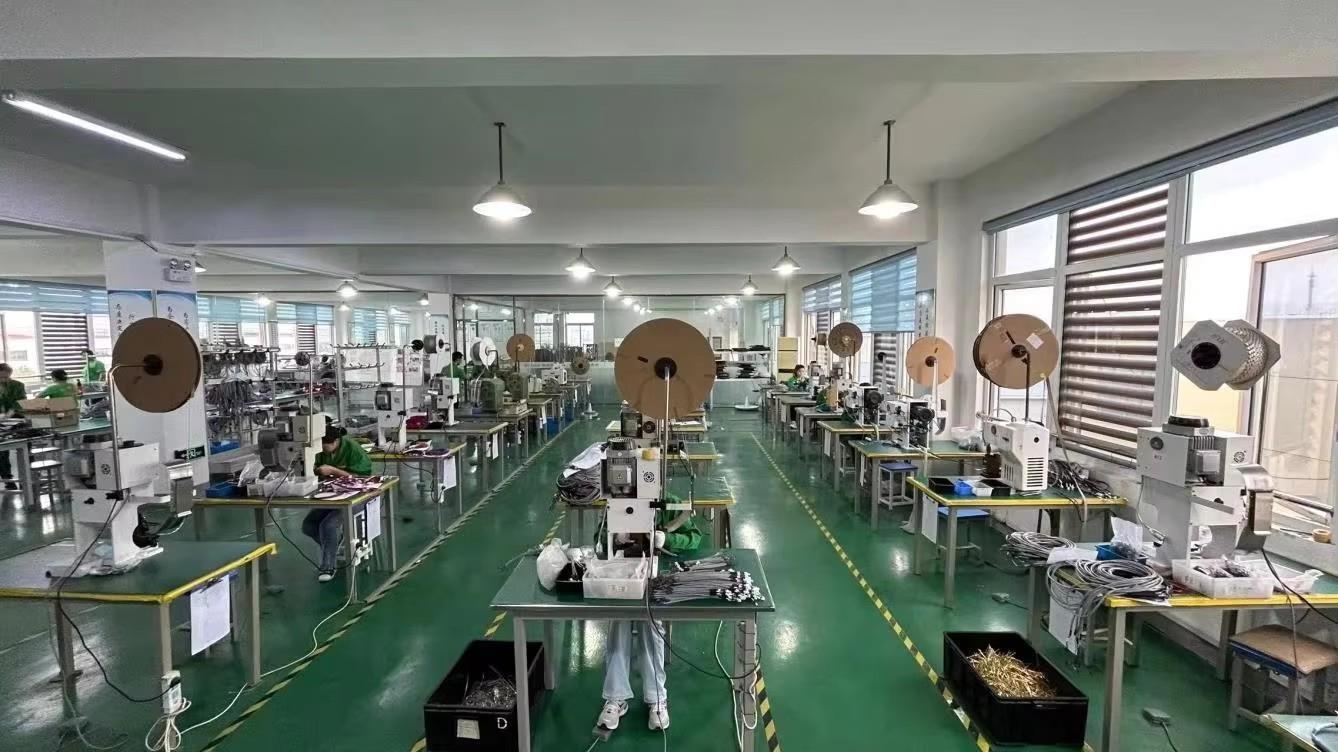
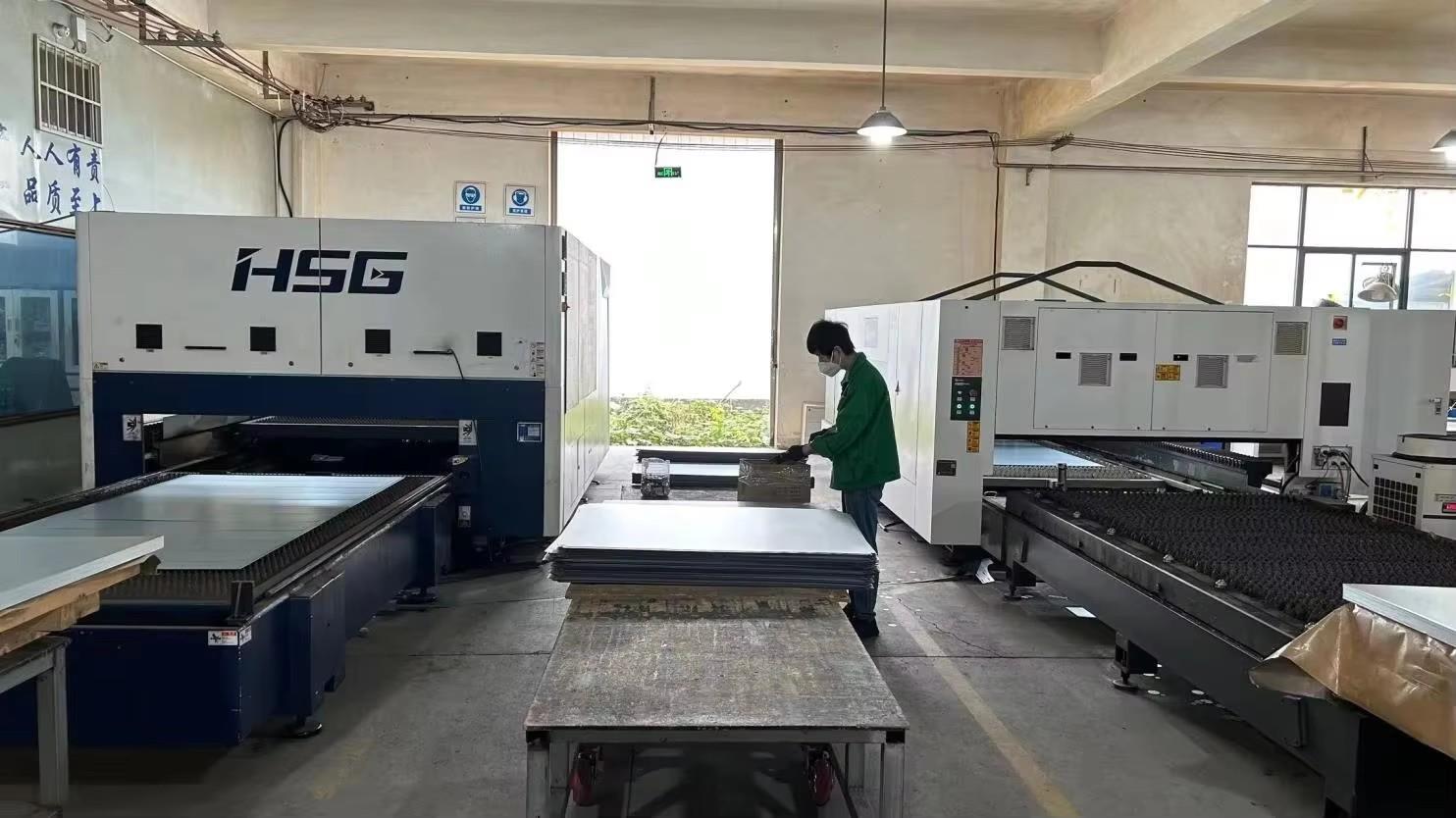
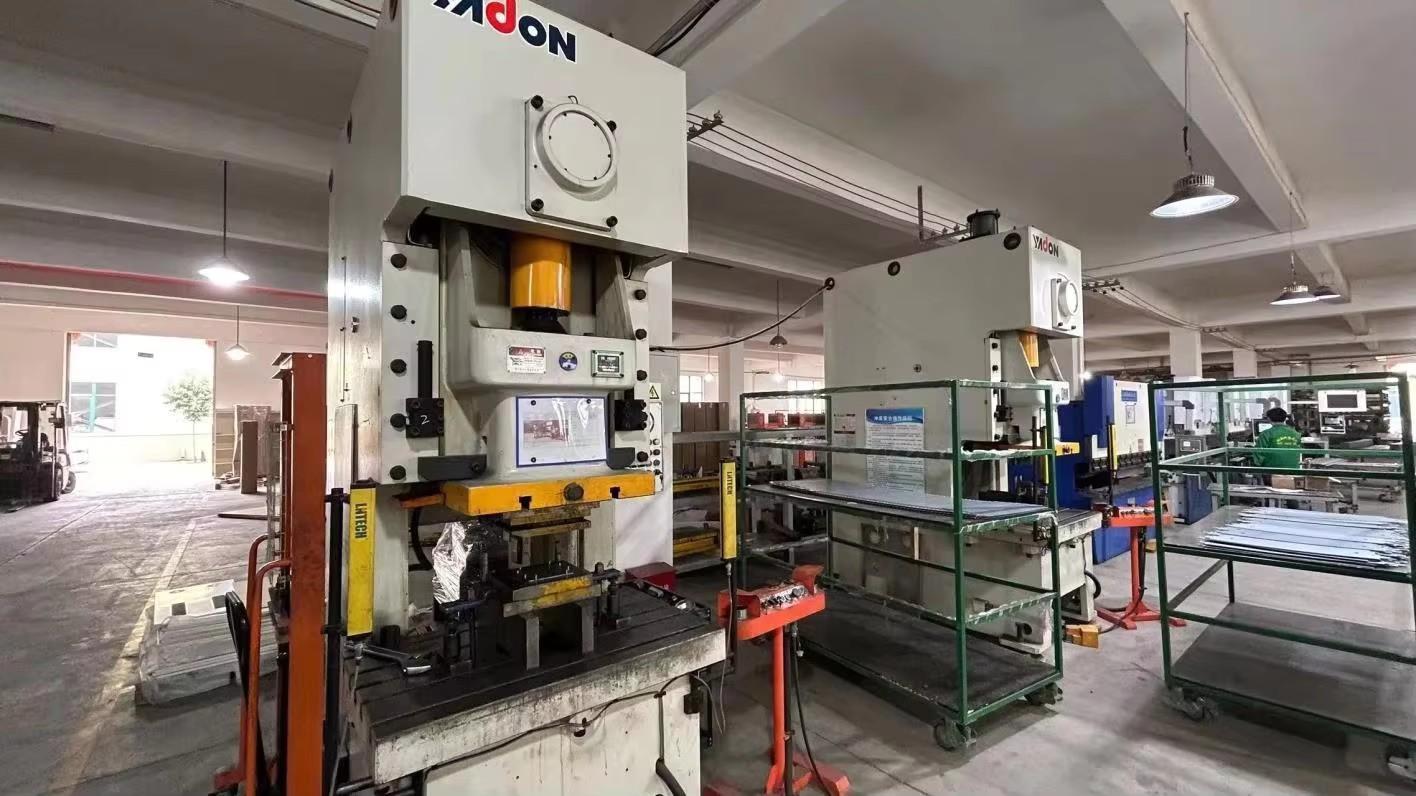
Qingdao Luzz Solar Co., Ltd. is a professional new energy enterprise specializing in the development, manufacturing, and global distribution of photovoltaic (PV) products and integrated energy storage solutions. Located in Qingdao, China, the company benefits from a well-established renewable energy industrial base and advanced manufacturing capabilities.
With the accelerating global transition toward carbon neutrality and sustainable development, Luzz Solar is committed to providing efficient, reliable, and cost-effective clean energy solutions to customers worldwide. Our product portfolio includes high-efficiency solar photovoltaic modules, energy storage systems, and integrated solar application solutions designed for residential, commercial, and utility-scale projects.
Driven by technological innovation and quality excellence, the company continuously invests in R&D and production optimization to improve product performance, energy conversion efficiency, and system reliability. We strictly adhere to international quality standards and implement rigorous quality control throughout the entire production process to ensure stable and long-term product performance.
Qingdao Luzz Solar actively expands its global market presence, with business coverage across Asia, Europe, the Middle East, Africa, and Latin America. By working closely with international partners, we are committed to delivering tailored energy solutions that meet diverse regional needs and support the global energy transition. Guided by the core values of integrity, innovation, cooperation, and sustainability, Luzz Solar strives to become a trusted global partner in the new energy industry.
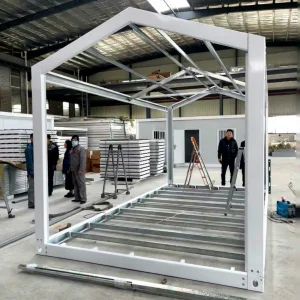
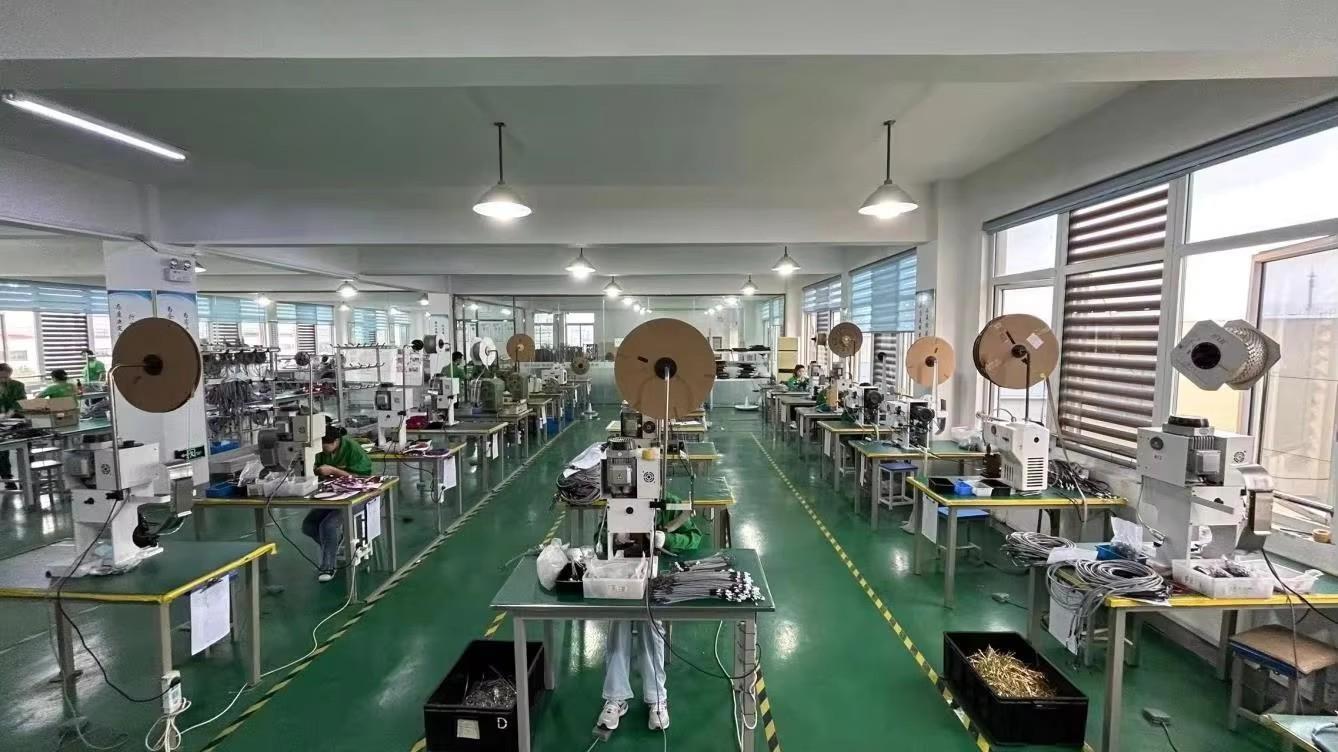
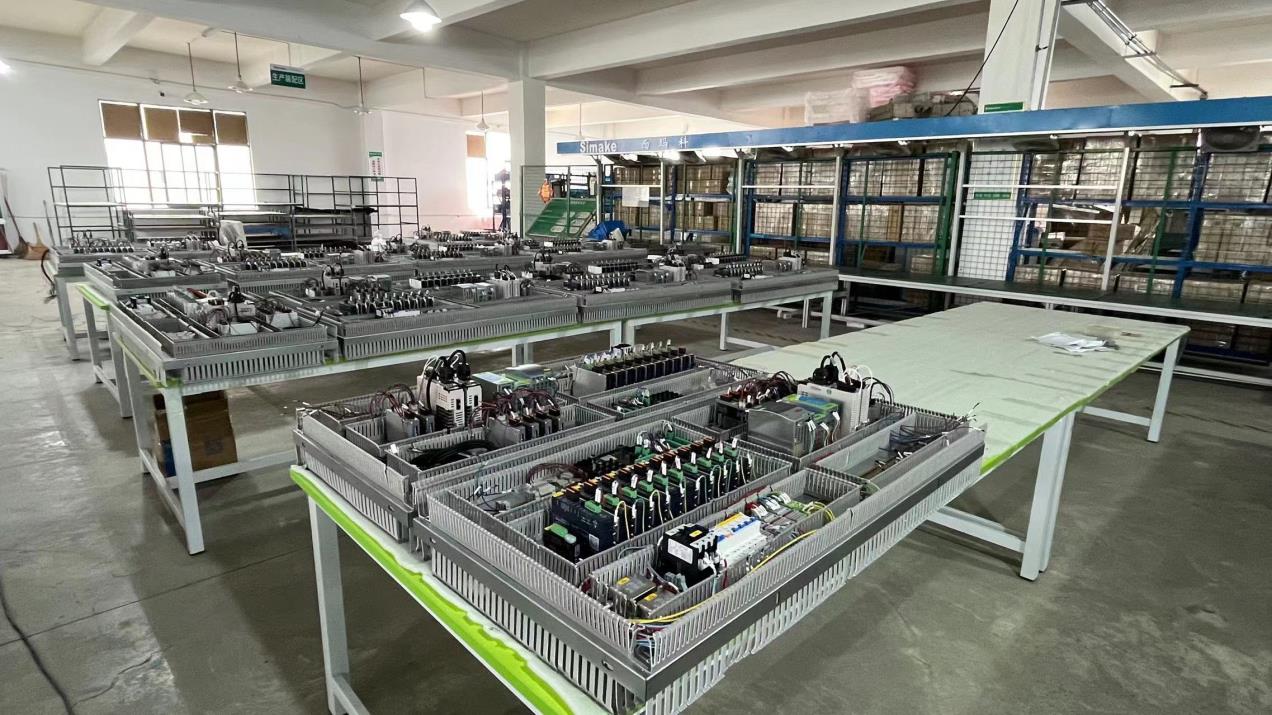
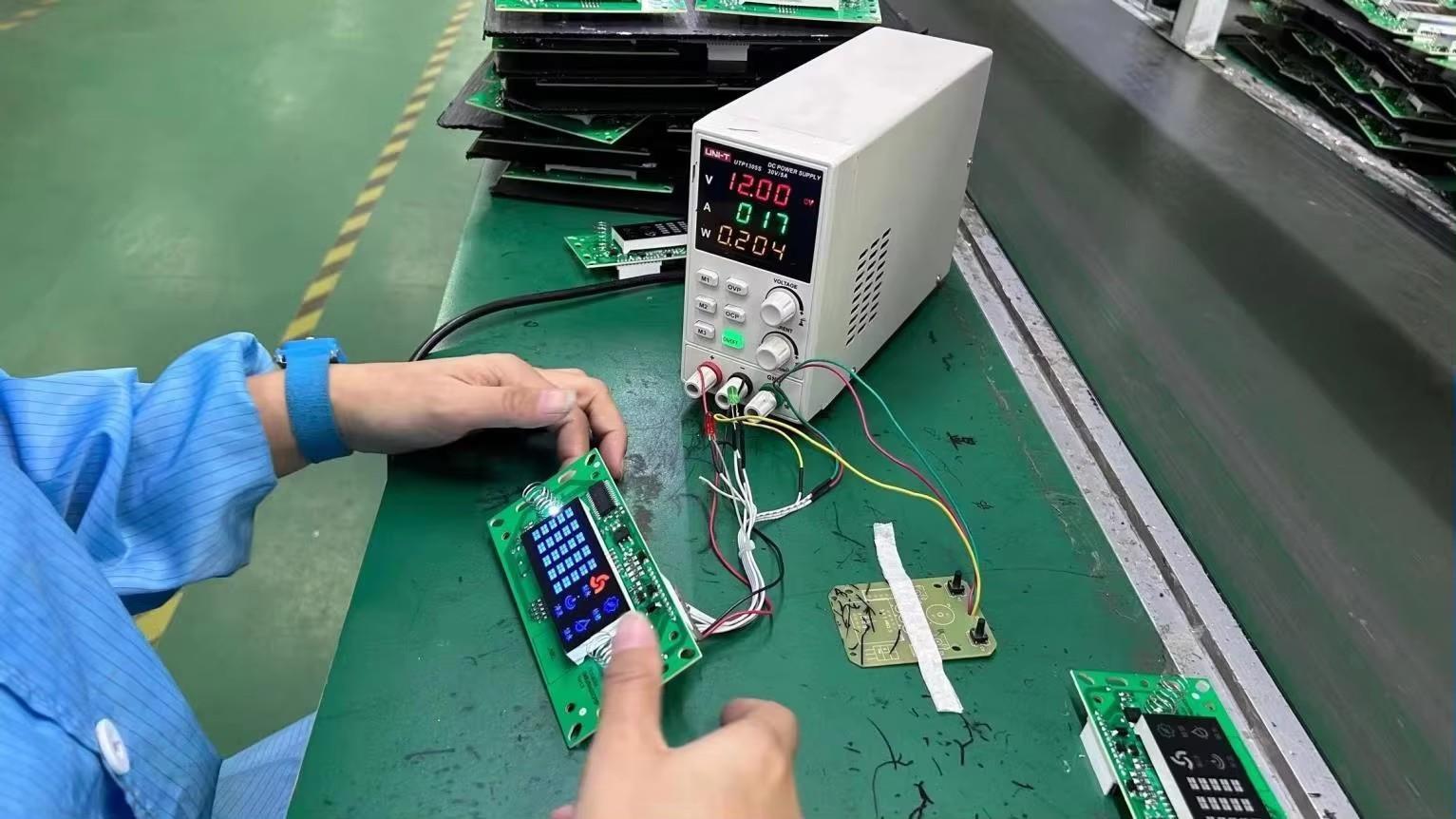
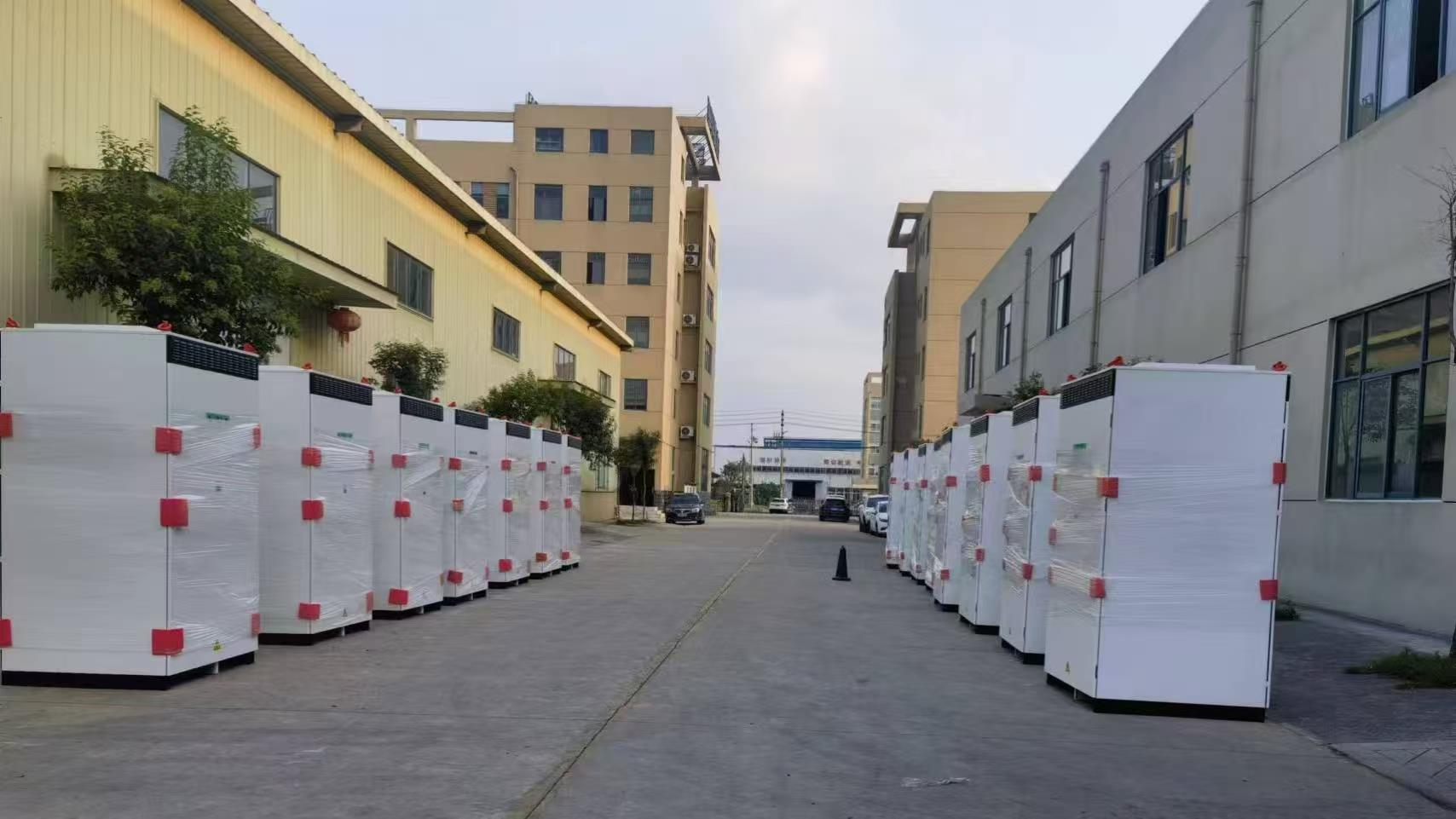
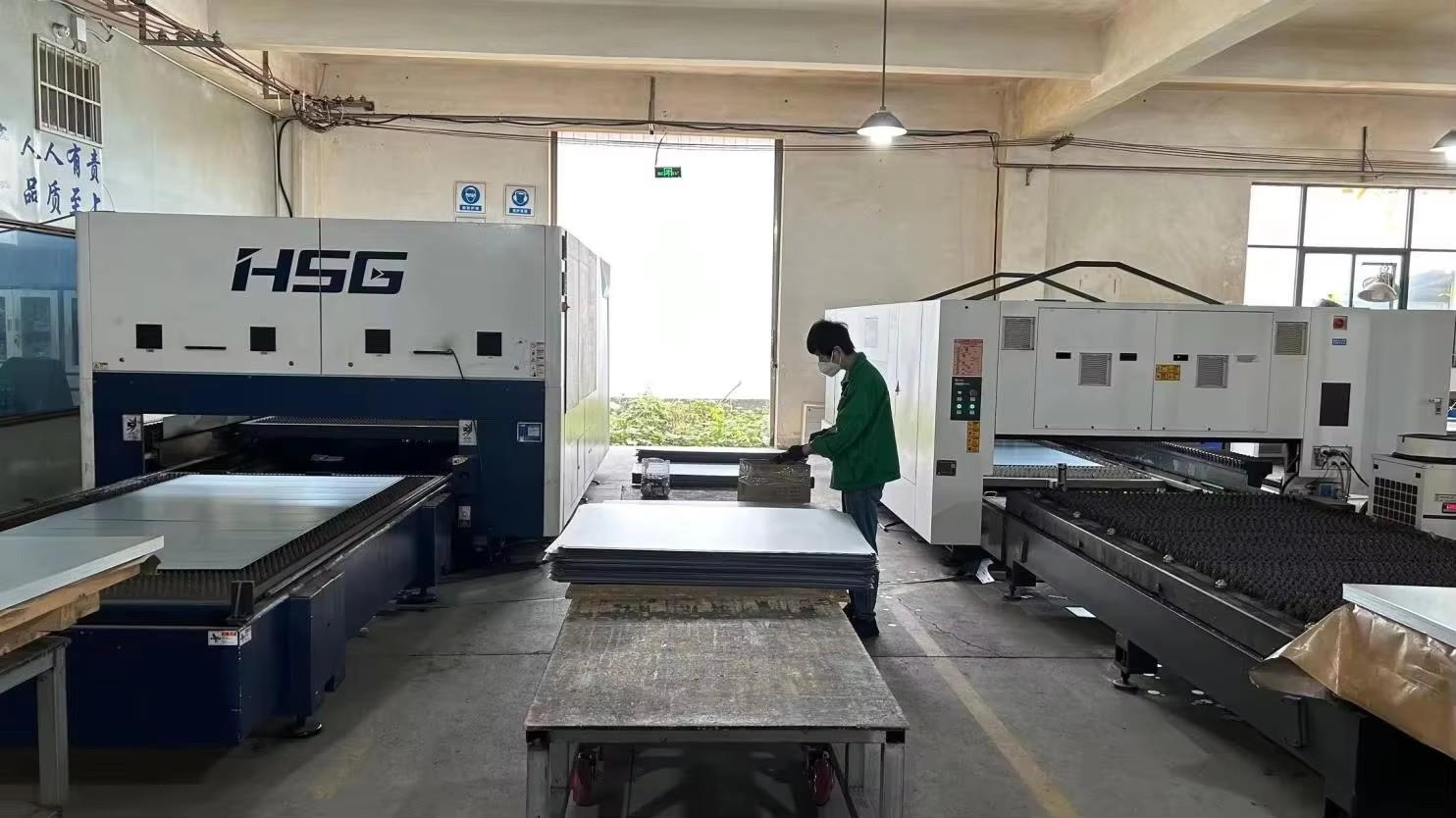
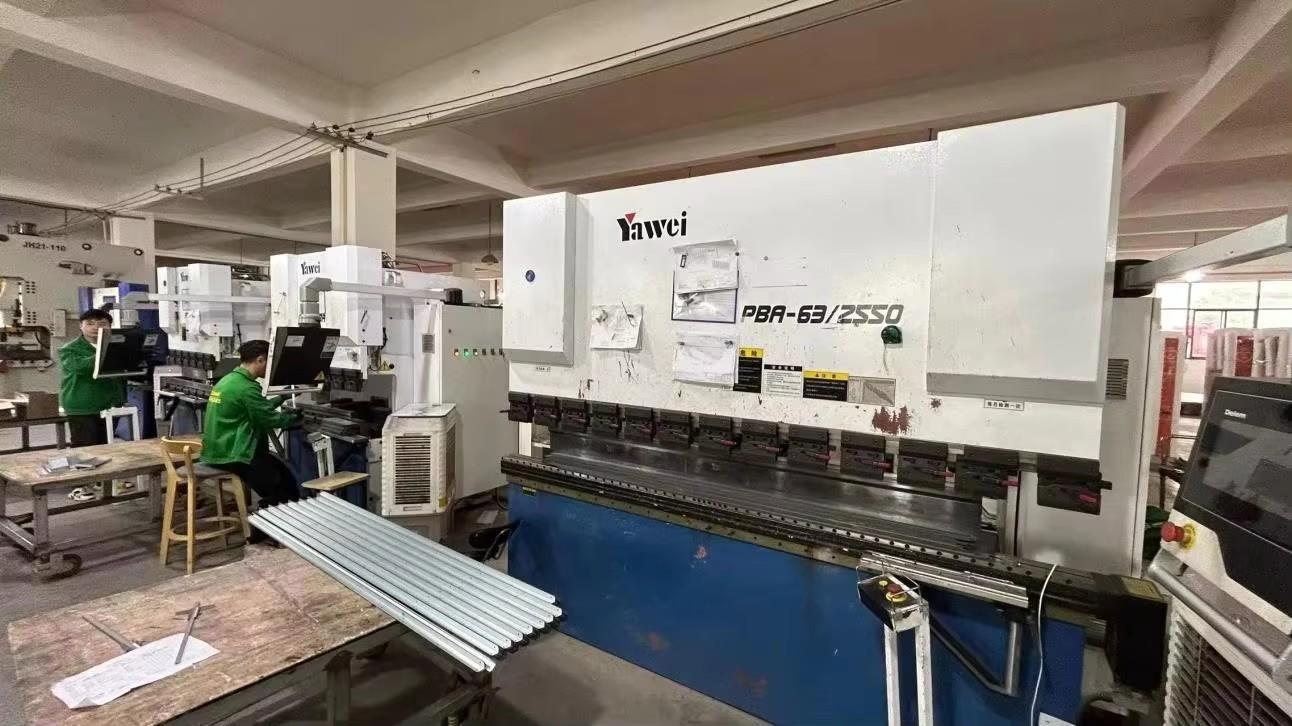
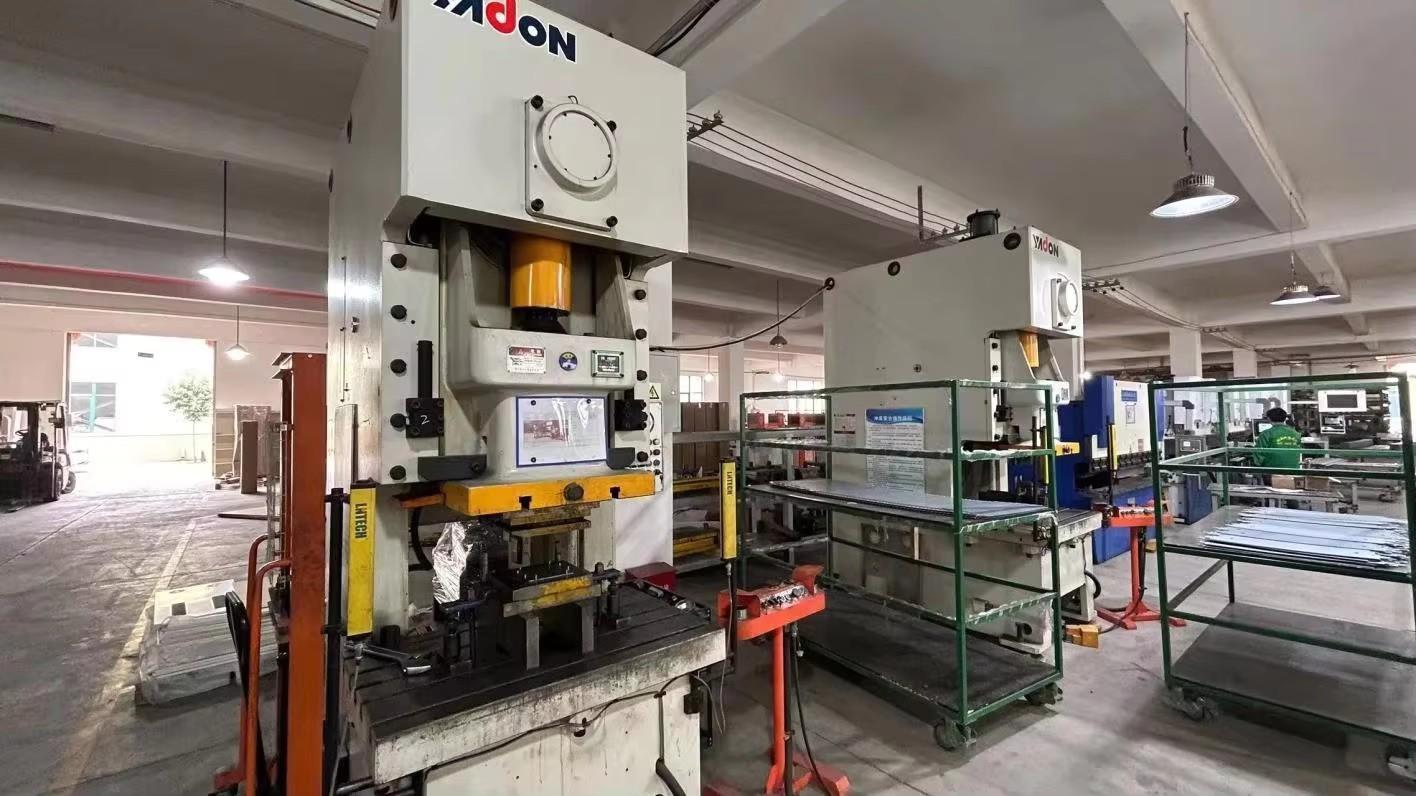
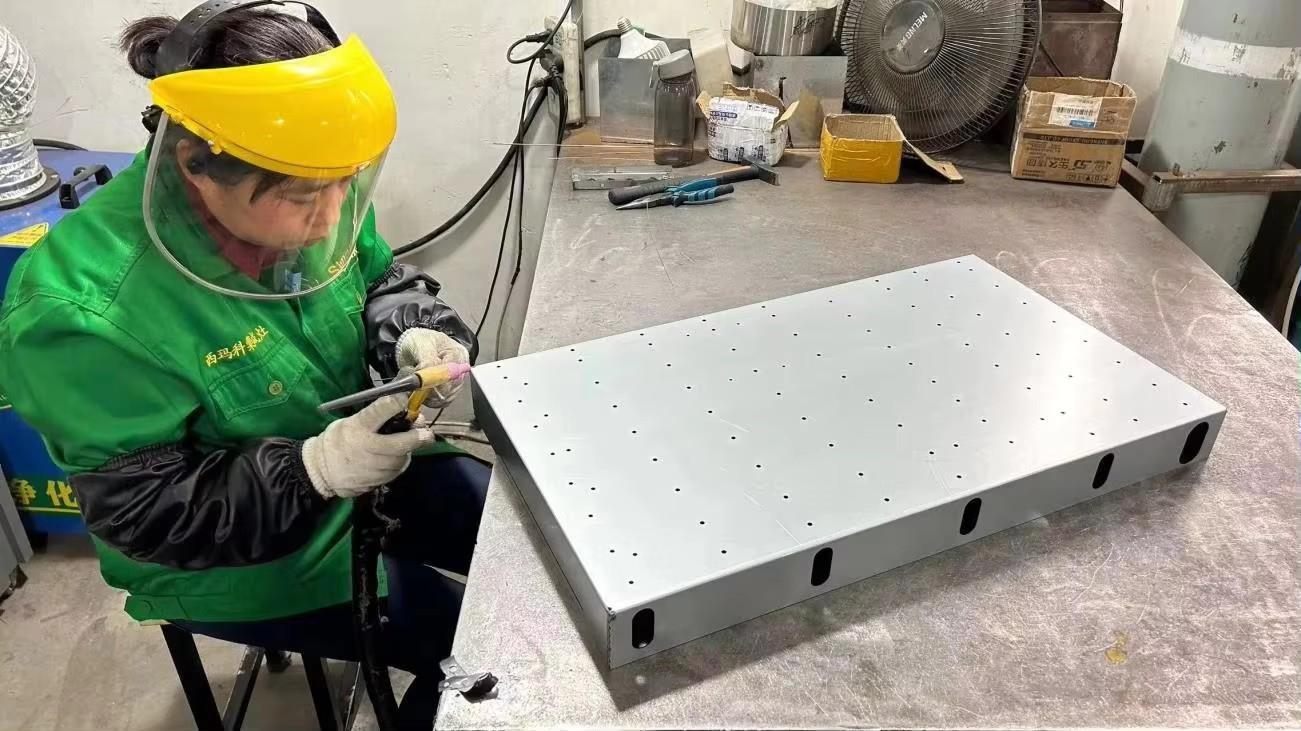
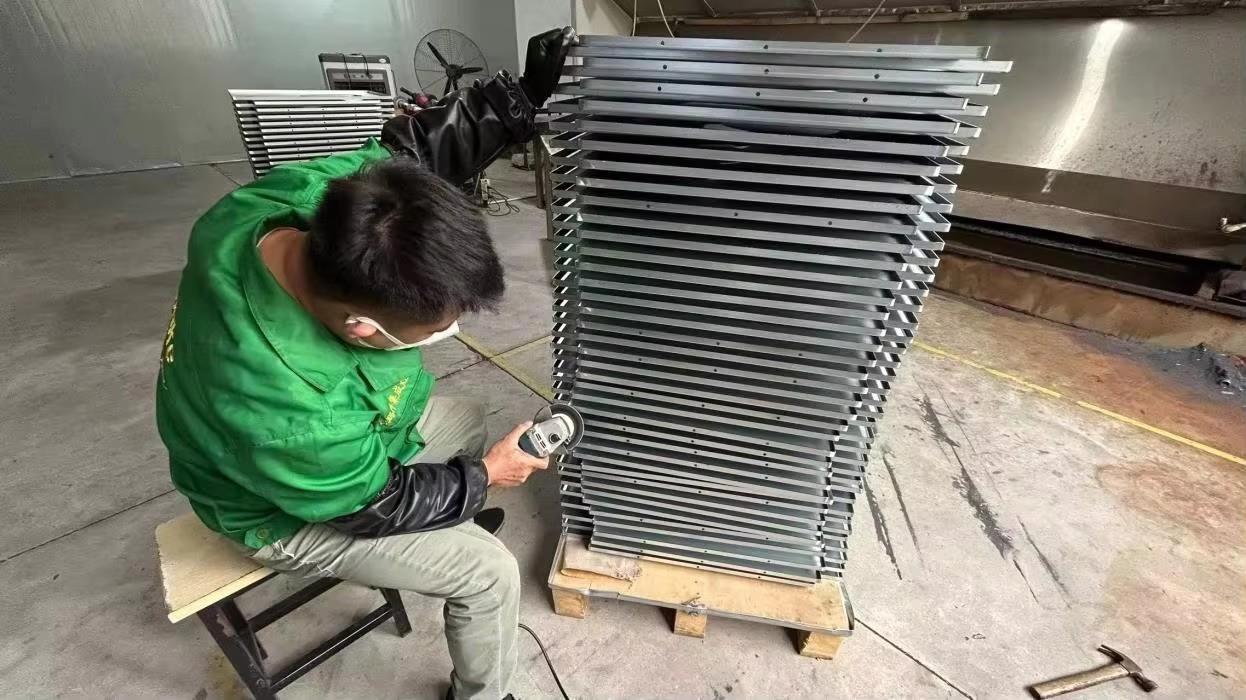
From precision metal fabrication to cell welding and electronic harness manufacturing, we run a fully integrated supply chain to guarantee product quality.
Adapting stackable residential BESS to the unique environmental and urban conditions of Maharashtra.
Unlike spacious American suburbs, Mumbai residential space is vertical. The typical installation footprint is limited to kitchen dry yards, utility areas, or enclosed balconies. Stackable BESS units save vital space by growing vertically rather than horizontally. An 8-inch depth profile fits comfortably against structural columns without obstructing pathways. The IP65 enclosure protection prevents damage from monsoon rains, which can exceed 3,000 mm annually in the coastal Mumbai region.
Weekend villas outside Mumbai suffer from weak rural grid structures, especially during storm seasons. Owners rely on hybrid solar set-ups to keep lights, swimming pool pumps, and HVAC systems running. A stackable 15kWh to 30kWh battery bank works with a hybrid inverter to keep the property fully powered, eliminating reliance on dirty diesel generator setups.
Technical answers for engineering consultants and BESS buyers in the Mumbai market.
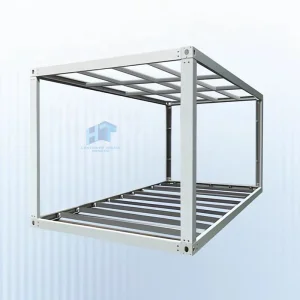
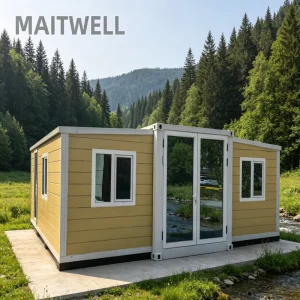
Complete your renewable setup with our integrated structures, frames, and components.
Connect directly with our engineering team for sizing calculations, system diagrams, and OEM factory-direct quotation sheets.
Get a Fast Technical Quote Now Luzz Solar