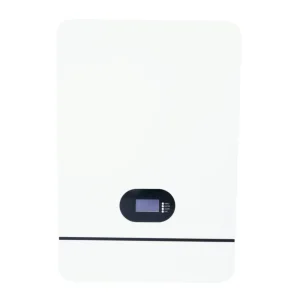
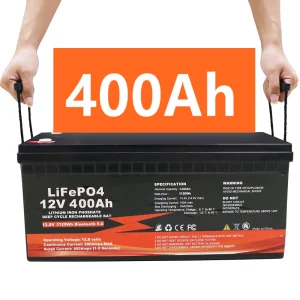
The global transition toward carbon neutrality has accelerated from a prospective policy mandate into a hyper-competitive industrial transformation. As intermittent renewable energy resources—predominantly solar photovoltaics and wind—gain unprecedented penetration into municipal grids, the stability of electrical networks is severely challenged. This mismatch between dynamic peak generation and shifts in load curves demands high-capacity, responsive, and thermally robust battery energy storage systems (BESS). China, as the undisputed epicenter of electrochemical manufacturing, stands at the vanguard of these energy storage innovations.
For modern commercial operations, public utilities, and residential integrators, finding trusted manufacturing partners is paramount. Qingdao Luzz Solar Co., Ltd. represents the standard of Chinese engineering excellence. Positioned within the industrial powerhouse of Qingdao, Shandong, Luzz Solar blends advanced technological development with integrated logistics to deliver high-performance photovoltaic modules, hybrid energy systems, and battery packs designed to withstand the rigors of multi-decade deployments.
Qingdao Luzz Solar Co., Ltd. is a professional new energy enterprise specializing in the development, manufacturing, and global distribution of high-performance photovoltaic (PV) products and integrated energy storage solutions. Headquartered in the coastal logistics hub of Qingdao, China, the company leverages a well-established regional renewable energy industrial cluster, ensuring streamlined access to premium raw materials, state-of-the-art silicon ingot processing, and advanced electrochemical assembly lines.
With the accelerating global transition toward carbon neutrality and sustainable development, Luzz Solar is committed to providing efficient, reliable, and cost-effective clean energy solutions to customers worldwide. Our product portfolio includes high-efficiency solar photovoltaic modules, residential battery solutions, utility-scale containerized systems, and integrated solar application solutions designed for diverse residential, commercial, industrial, and utility-scale projects.
Driven by technological innovation and quality excellence, the company continuously invests in R&D and production optimization to improve product performance, energy conversion efficiency, and system reliability. We strictly adhere to international quality standards, implementing rigorous quality control throughout the entire production process to ensure stable and long-term product performance under extreme environmental conditions.
Qingdao Luzz Solar actively expands its global market presence, with business coverage spanning Asia, Europe, the Middle East, Africa, and Latin America. By working closely with international partners, we deliver tailored energy solutions that meet diverse regional grid connection rules, environmental standards, and economic realities, supporting the global transition to clean power.
Guided by the core values of integrity, innovation, cooperation, and sustainability, Luzz Solar strives to become a trusted global partner in the new energy industry. We are dedicated to advancing solar technology and contributing to a greener, more sustainable future.
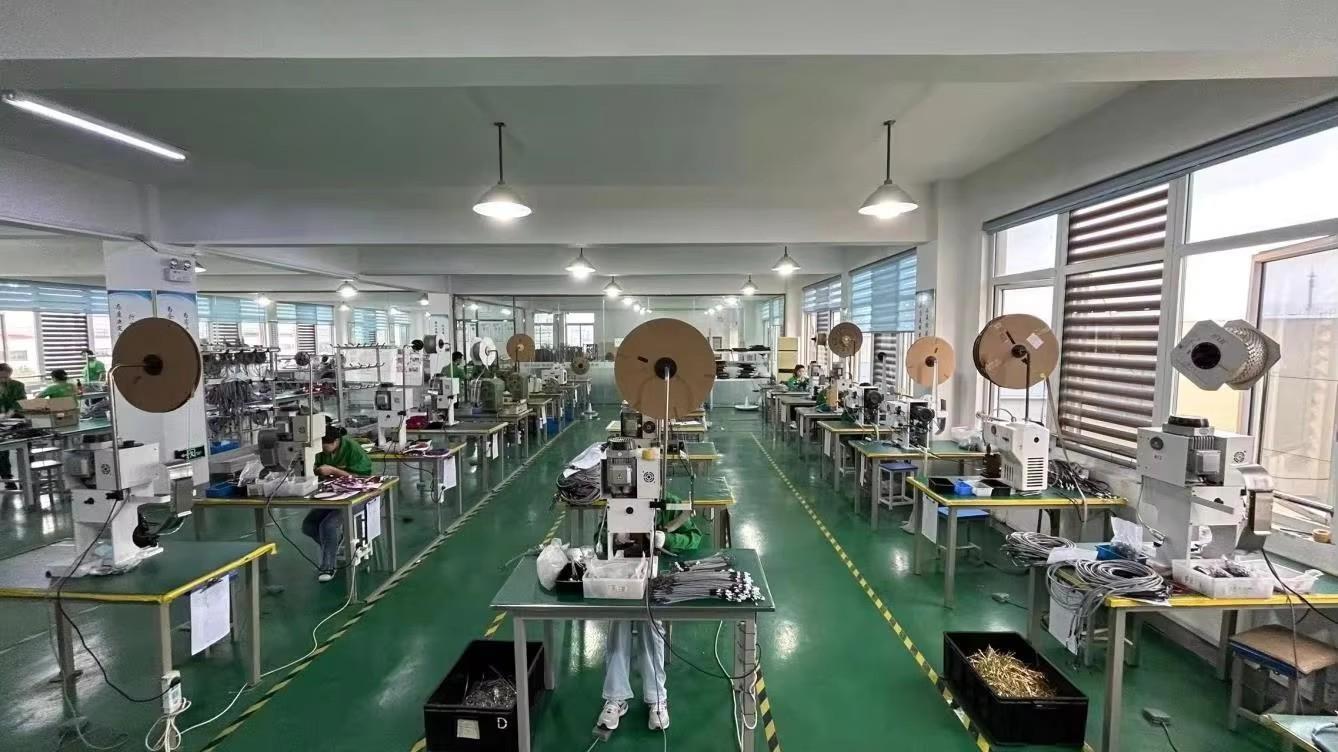
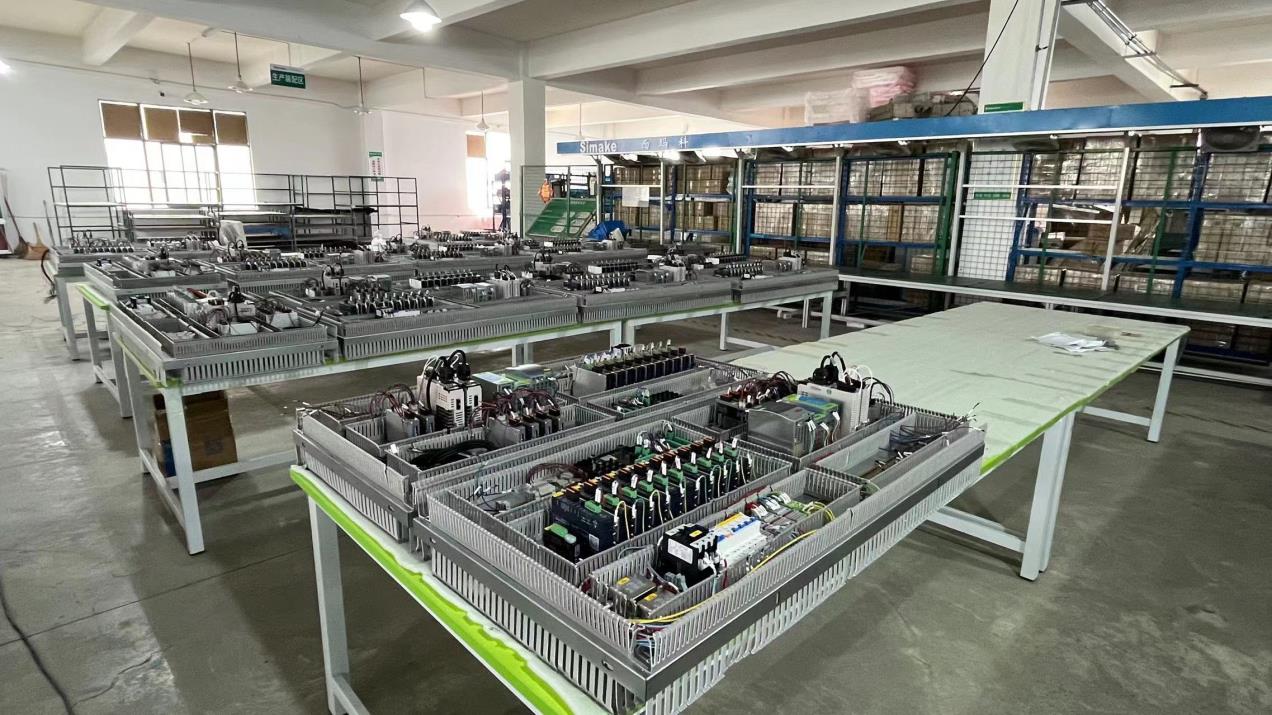
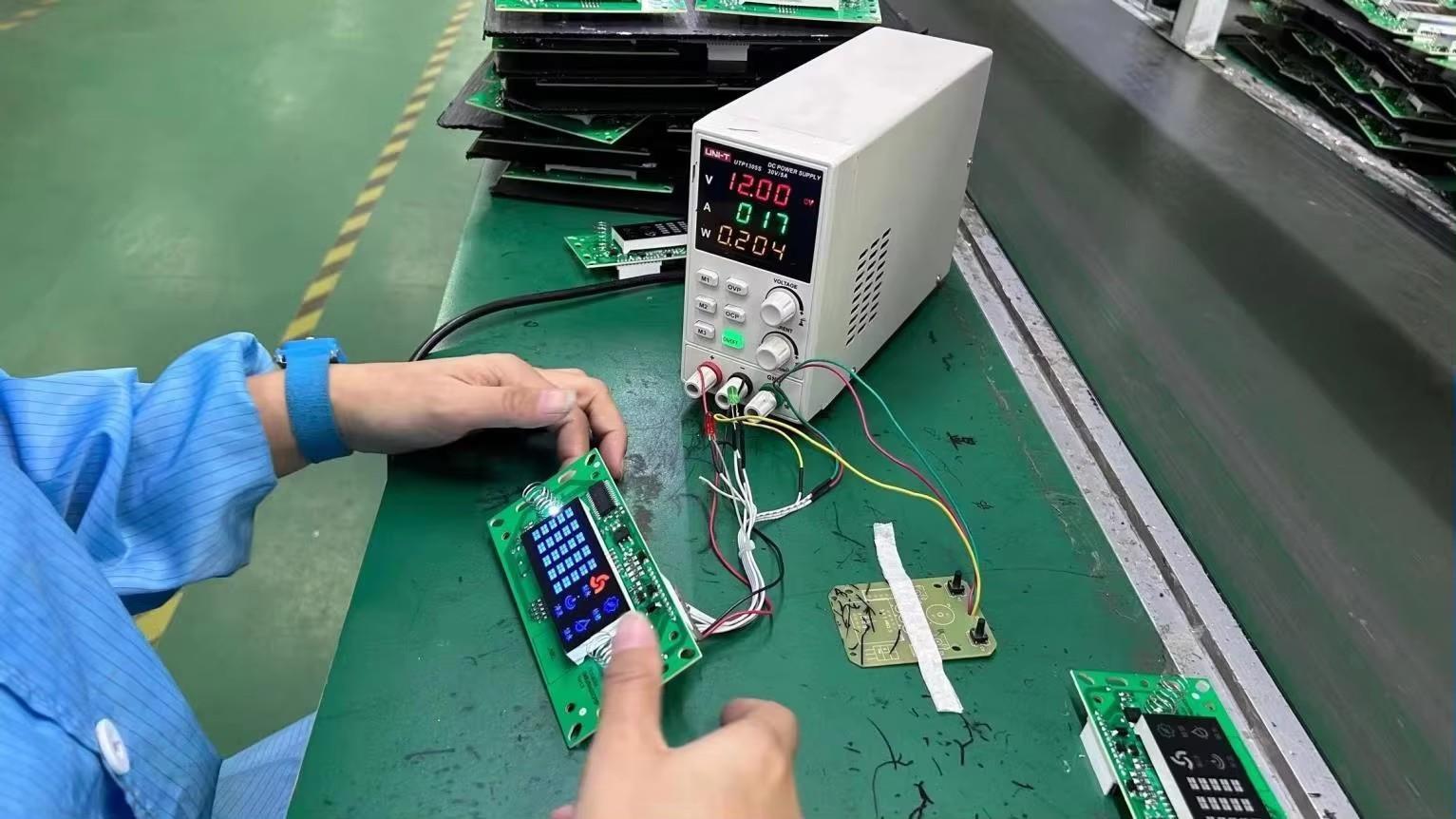
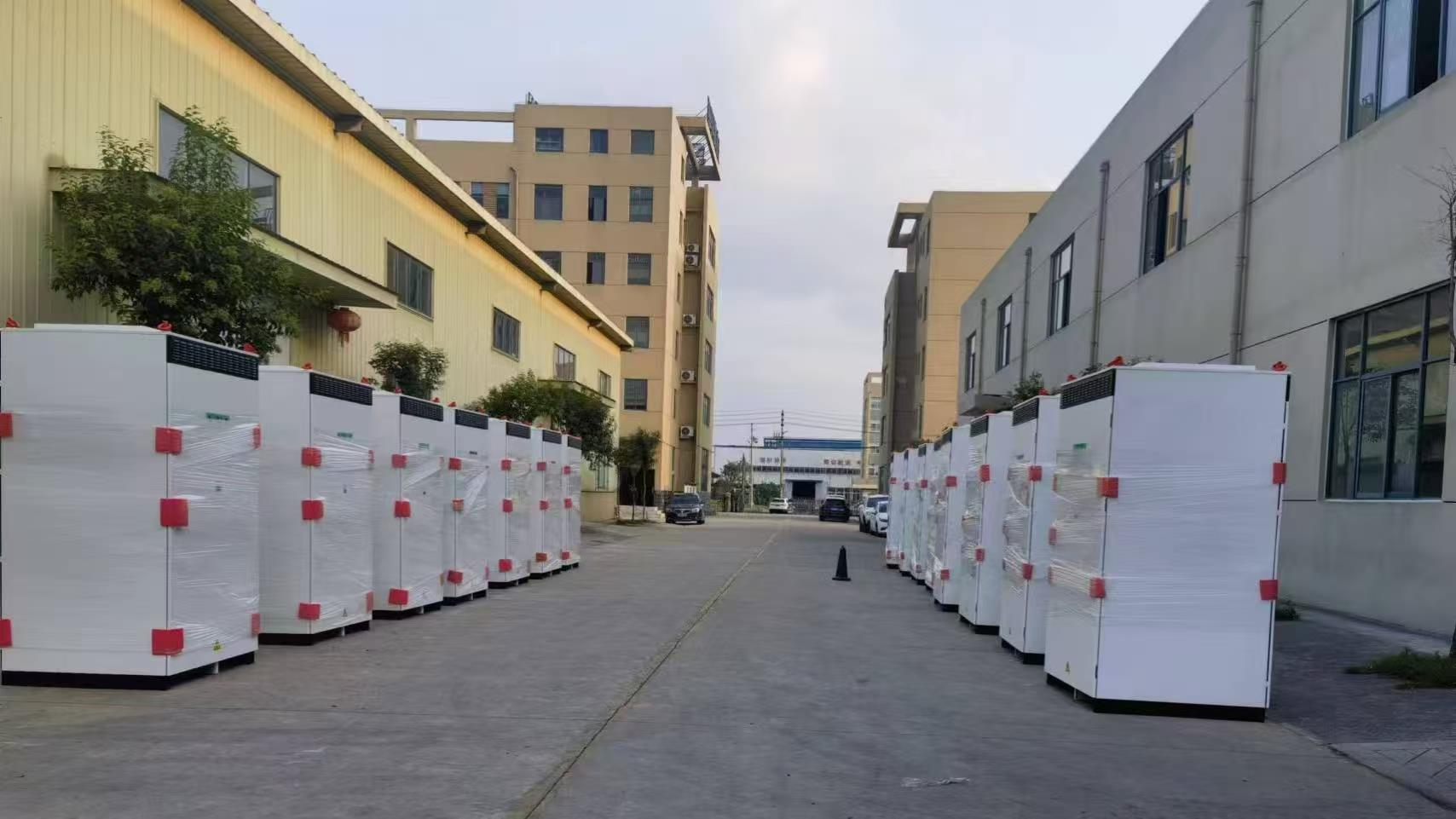
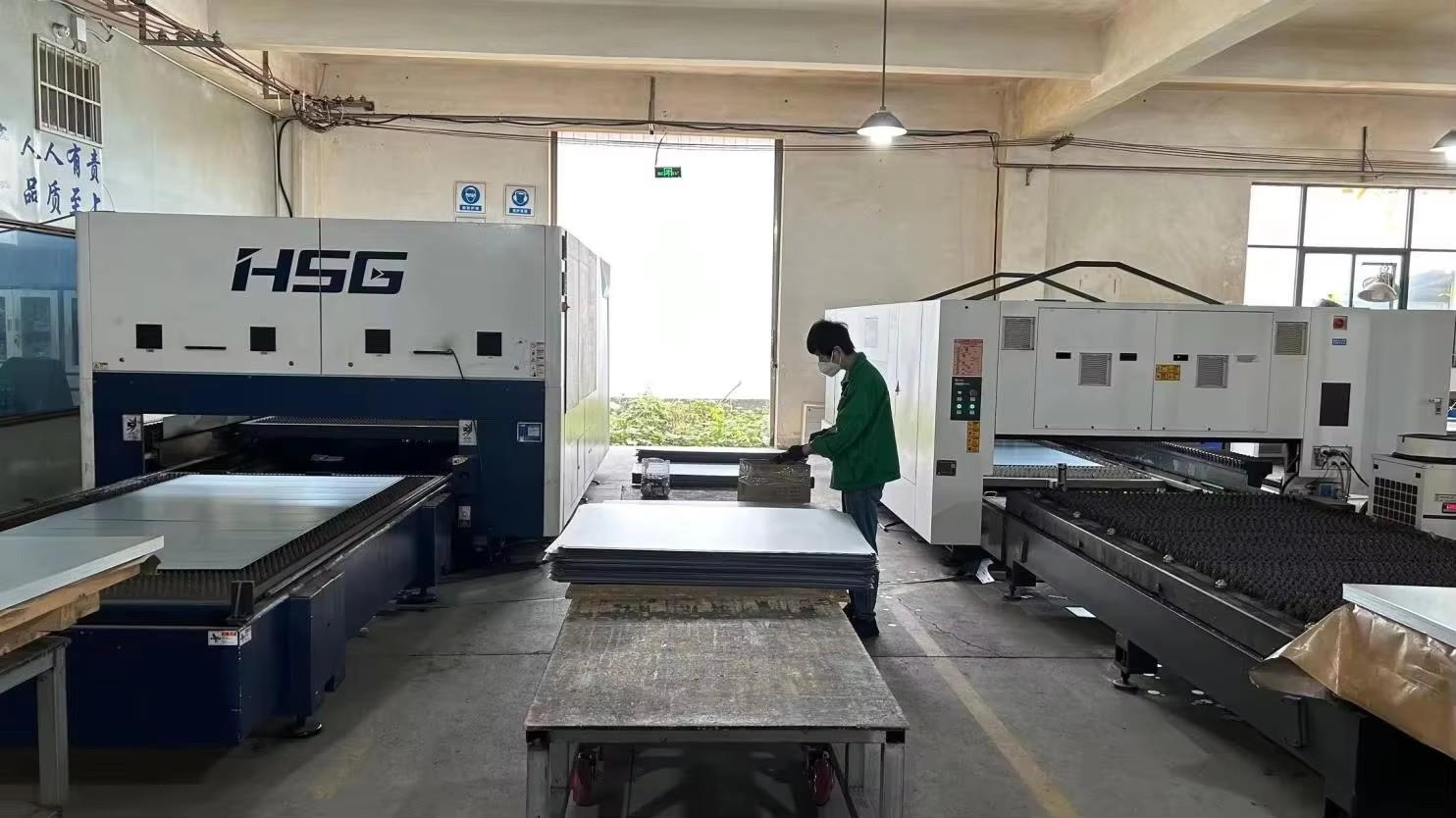
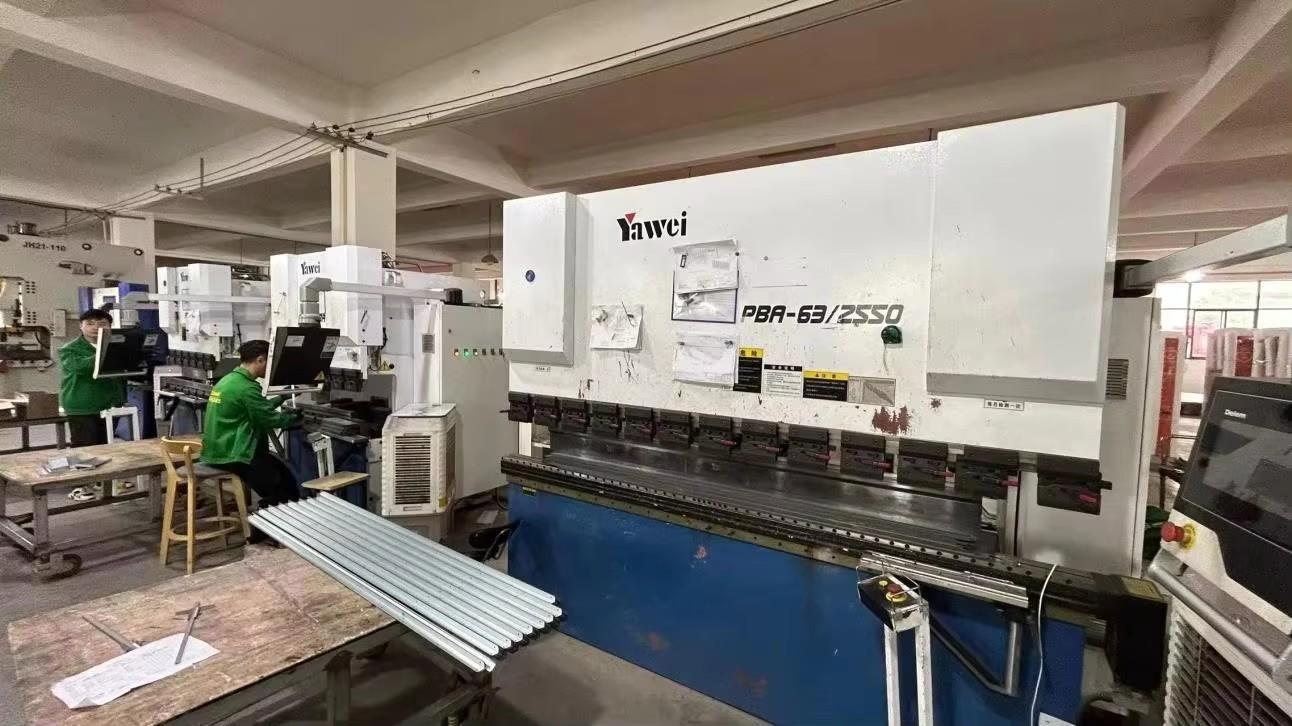
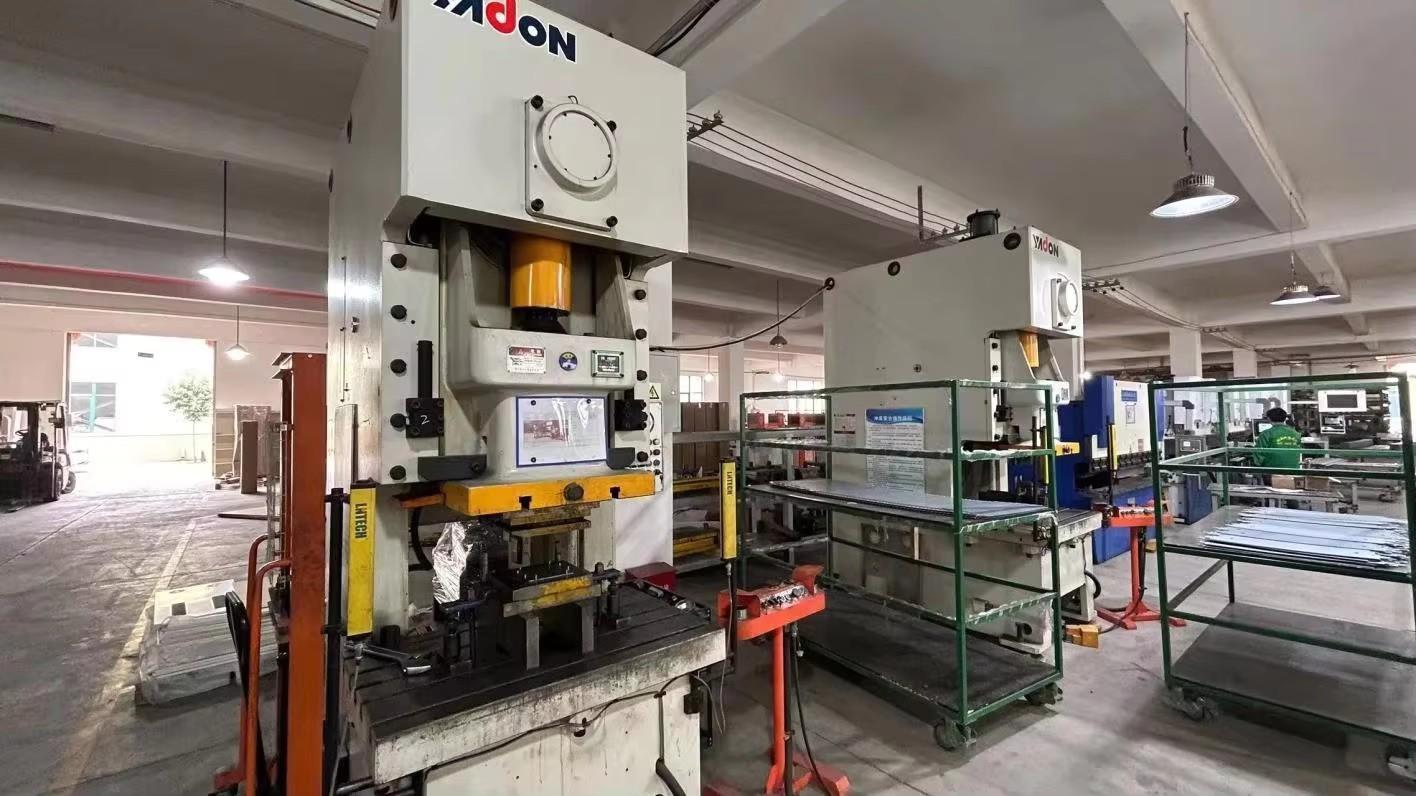
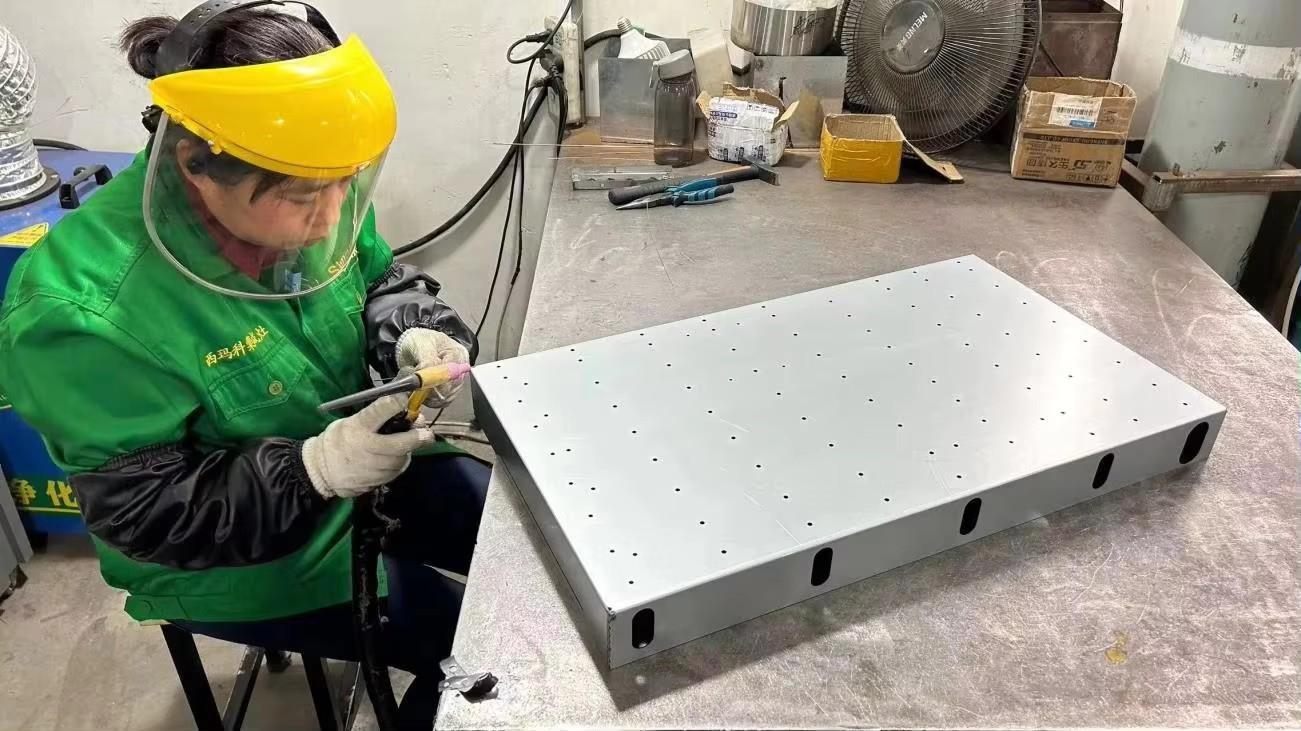
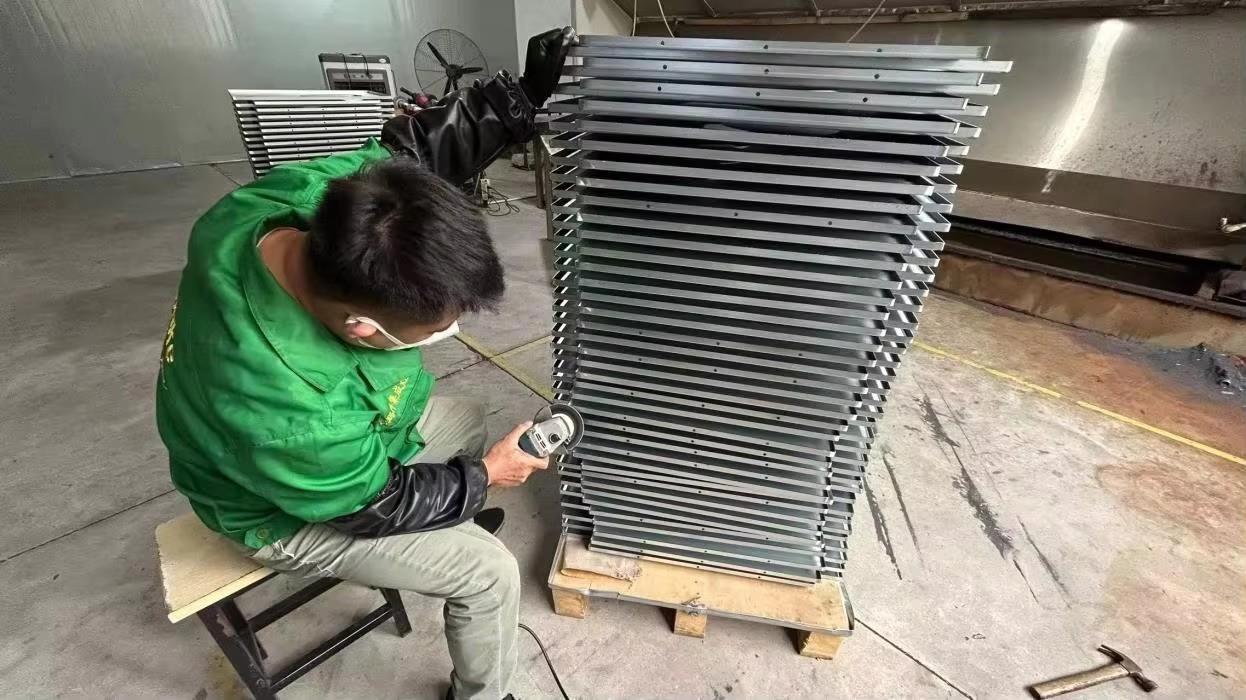
The manufacturing ecosystem at Qingdao Luzz Solar Co., Ltd. features a highly vertical, technologically advanced production process. By integrating cutting-edge materials processing with comprehensive testing methodologies, we ensure that every deployment—from residential balcony modules to industrial power distribution components—meets the highest thresholds of quality assurance. Below are key phases of our verified manufacturing process:
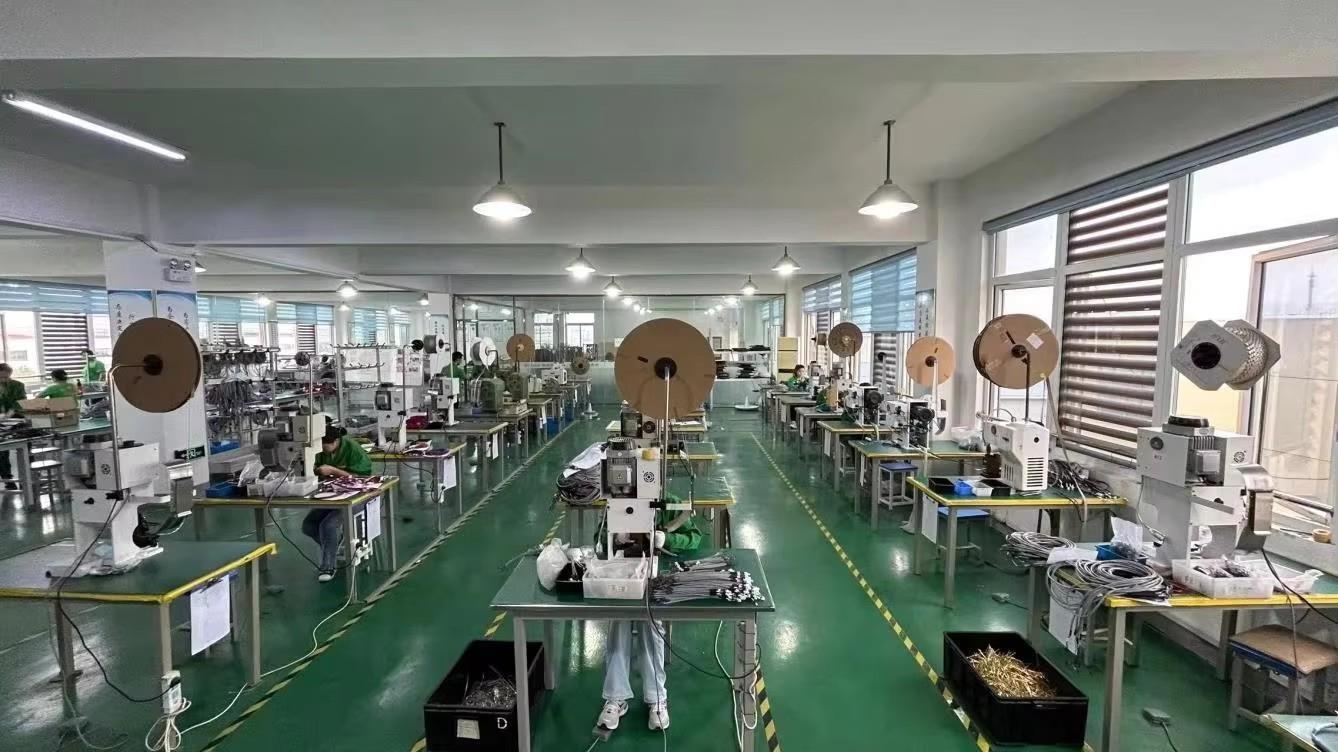
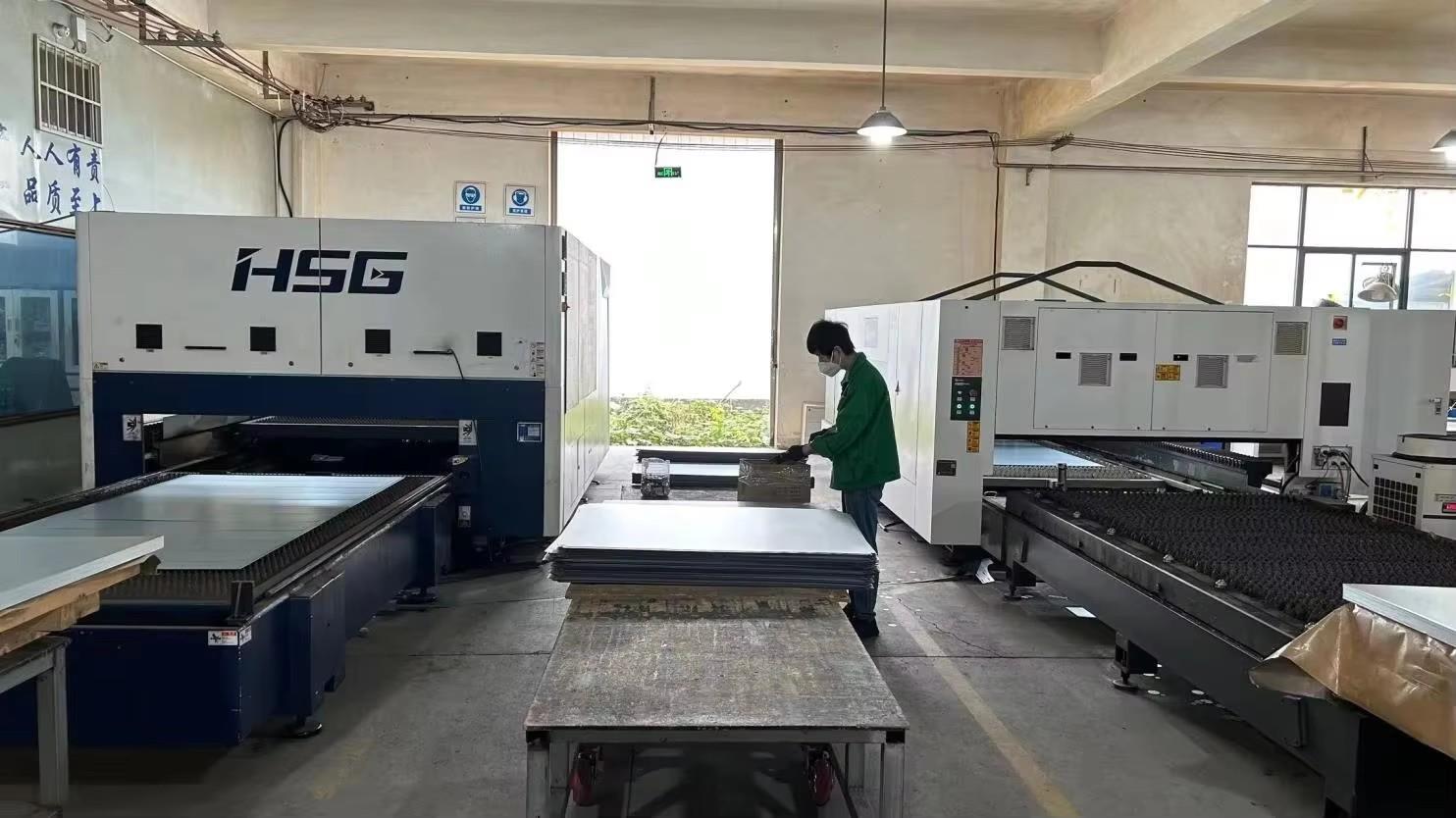
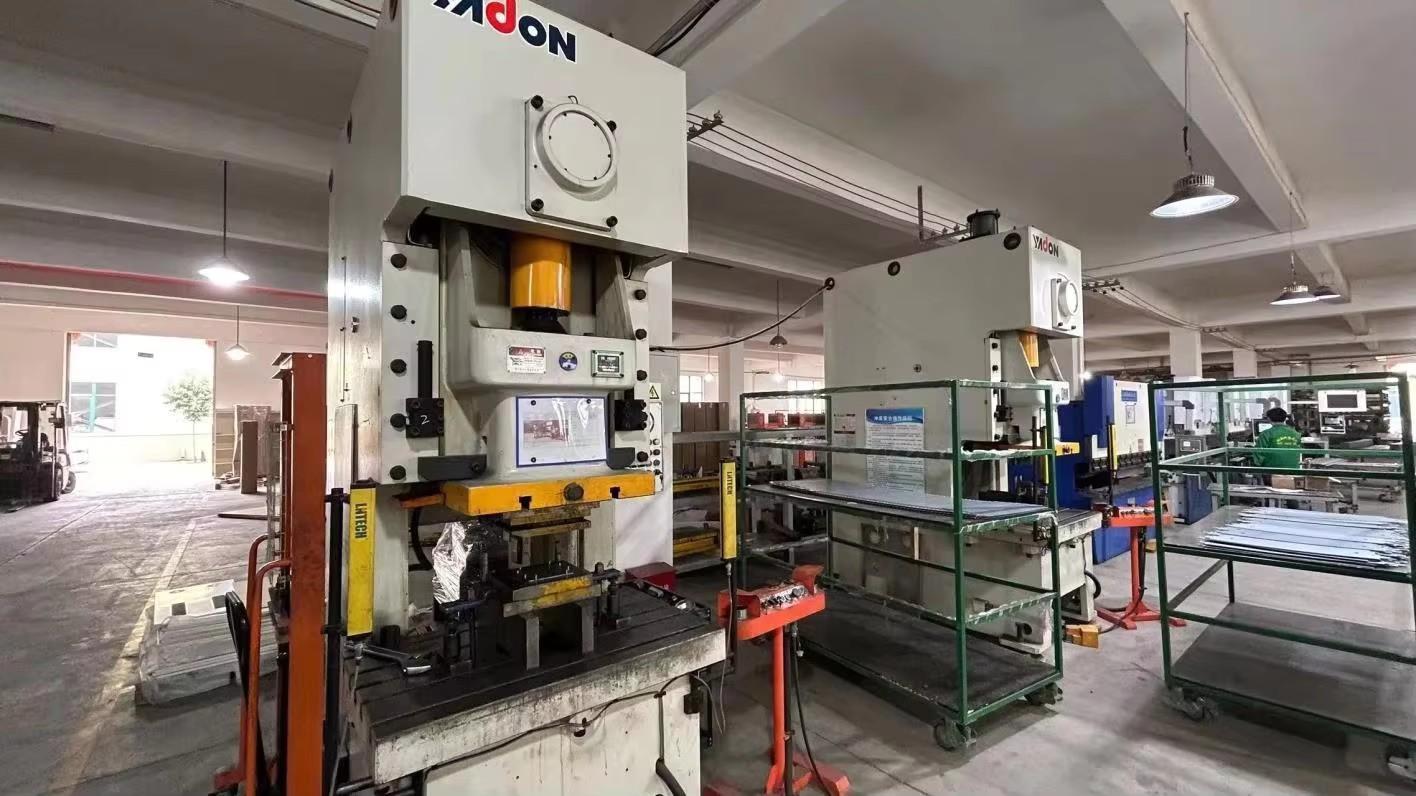
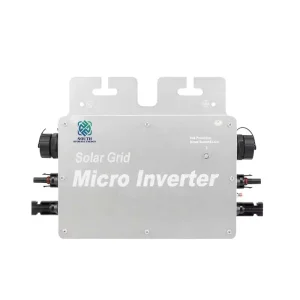
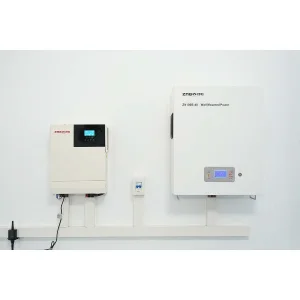
In densely populated European and North American metropolitan areas, space limitations restrict the installation of large-scale solar arrays. Balcony solar setups integrated with microinverters represent a fast-growing consumer segment. Utilizing systems such as the SSE-600W Grid Solar System Balcony Microinverter, homeowners can mount compact photovoltaic panels to balcony railings and plug directly into standard household circuits. This plug-and-play architecture achieves up to 91% conversion efficiency. Combined with low-voltage wall-mounted batteries, it provides a stable buffer for evening consumption, reducing grid dependence during peak tariff hours.
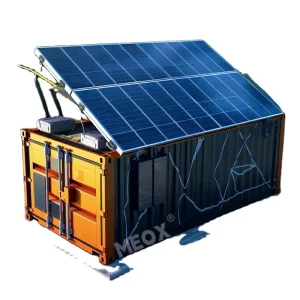
For industrial operators, peak demand charges represent a significant portion of monthly utility expenditures. By deploying high-capacity systems like the 500kW to 1MW Off-Grid/Hybrid Containerized Energy Storage Systems, facilities can perform automated peak-shaving. The containerized system charges during low-cost off-peak hours and discharges during maximum demand periods. This strategy flattens the facility’s load curve and avoids peak demand penalties, yielding a measurable return on investment.
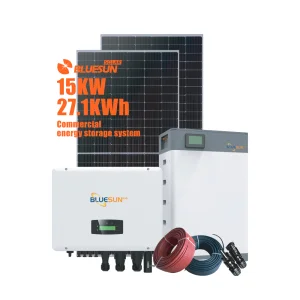
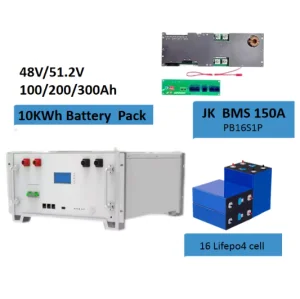
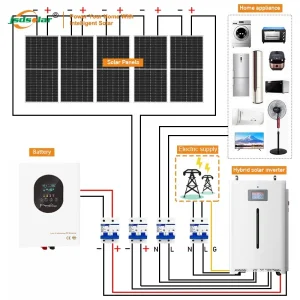
Unreliable grids or isolated geographies require robust, standalone power architectures. Deploying off-grid solar systems ranging from 5kW to 30kW, paired with stackable lithium batteries (such as the Custom Lithium Battery ARK LV 51.2V 150Ah), ensures continuous uptime. Telecom towers, remote agricultural projects, and ecotourism sites rely on these heavy-duty setups to deliver clean, continuous power without the fuel cost, maintenance, and noise of diesel generators.
The electrochemical storage horizon is shifting toward higher energy density, longer lifecycles, and advanced safety profiles. The transition from legacy nickel-manganese-cobalt (NMC) chemistries to Lithium Iron Phosphate (LiFePO4) is largely complete for stationary storage due to the thermal stability and cost benefits of LFP. However, the roadmap continues to evolve across several vectors:
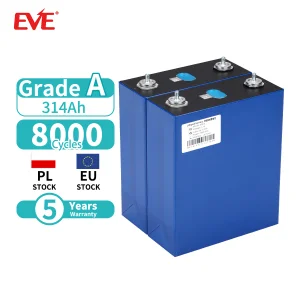
The industry is transitioning from standard 280Ah cells to higher-density 314Ah cells and beyond, within the same physical footprint. This improves energy density on the system level, reduces wiring and structural overhead, and lowers installation costs per kilowatt-hour. Utilizing cells like the EVE 3.2V 314Ah, manufacturers can configure higher container capacities (exceeding 5MWh in a standard 20-foot container) without increasing structural footprints.
While forced-air cooling remains common for low-rate residential systems, liquid cooling has become the preferred standard for high-throughput C&I and utility installations. Liquid cooling systems maintain cell temperature deltas within a tight 2°C range, significantly mitigating localized hot spots, preventing thermal runaway, and extending overall battery life by up to 20% compared to traditional air-cooled enclosures.
Modern Battery Management Systems (BMS) are shifting from basic voltage monitoring to predictive AI analytics. By transmitting real-time operational data (temperature, impedance, cell balancing rate) to cloud-based diagnostic platforms, predictive maintenance models can identify anomalies prior to failure. This active balancing architecture ensures maximum cell utilization and extends the operational envelope to over 6,000 cycles at 80% Depth of Discharge (DOD).
China's dominance in the global BESS sector is underpinned by a deeply integrated, highly resilient supply chain. This vertical integration spans raw material refining, cell fabrication, and complex integration. Key competitive factors include:
Deploying energy storage equipment globally requires compliance with strict safety and grid-connection standards. Reliable suppliers ensure all components meet the regulatory requirements of target markets:
To safely ship and deploy lithium-ion storage cells, products must hold certifications such as UN38.3 (lithium battery transport testing), IEC 62619 (safety requirements for industrial applications), and UL 1973 (batteries for use in stationary applications). These standards verify that cells can withstand mechanical shock, thermal abuse, and electrical overcharge without catastrophic failure.
For complete storage enclosures, compliance with UL 9540 and the thermal runaway fire test standard UL 9540A is critical for fast-tracking local jurisdictional approvals. These standards evaluate fire risk, exhaust gas composition, and required clearance distances, giving project developers and municipal planners confidence in safe deployment.
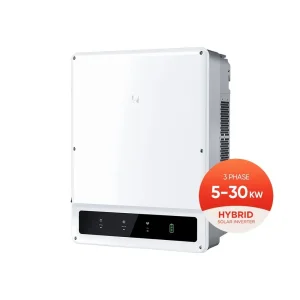
Inverters and hybrid systems must adhere to local utility standards, such as IEEE 1547 in North America and VDE-AR-N 4105 in Europe. These rules dictate grid-forming/grid-following capabilities, low-voltage ride-through (LVRT), and anti-islanding protections, ensuring that systems like the Goodwe Three-Phase Solar Inverter stabilize the local grid during sudden disturbances.
 Luzz Solar