Engineered for maximum reliability, high conversion efficiency, and seamless grid integration.
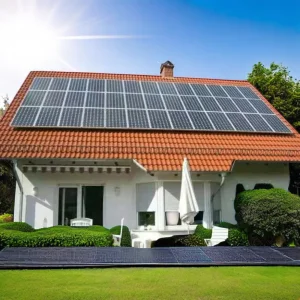
A comprehensive analysis of global commercial deployment, supply chain maturity, and technological trajectories.
The global energy landscape is undergoing a structural paradigm shift. As corporate mandates for carbon neutrality accelerate under strict ESG (Environmental, Social, and Governance) guidelines, and regional electrical grids face unprecedented volatility from climate events, traditional centralized power architectures are proving insufficient. Hybrid Power Systems have emerged as the definitive solution to bridge the transition between legacy fossil fuels and intermittent renewable sources. By seamlessly combining solar photovoltaics (PV), wind generation, advanced energy storage systems (ESS), and auxiliary backup generation, hybrid systems offer the ultimate combination of grid resiliency, economic efficiency, and environmental sustainability.
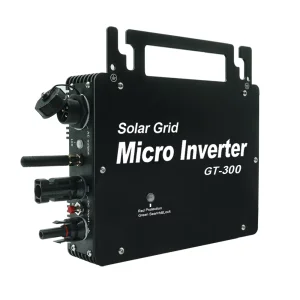
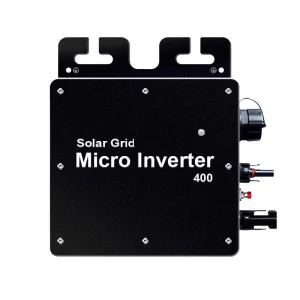
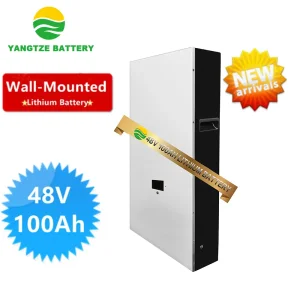
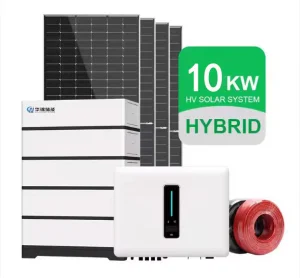
Unlike simple stand-alone off-grid solar kits, industrial-grade hybrid power configurations leverage intelligent energy management systems (EMS) to dynamically orchestrate multiple inputs. In a typical installation, solar micro-inverters or multi-MPPT central hybrid inverters balance loads in real time, routing power to localized industrial equipment, storing excess generation in high-capacity Lithium Iron Phosphate (LiFePO4) battery packs, and exporting energy to the utility grid when tariffs are high. This level of orchestration requires high-frequency communications protocols (such as RS485 or CAN bus integrated into smart BMS) to maintain system equilibrium and prevent thermal runaway or grid disruptions.
From an investment perspective, the metrics driving the adoption of hybrid power systems center around the Levelized Cost of Energy (LCOE) and Return on Investment (ROI). While the initial capital expenditure (CAPEX) for a fully integrated system—comprising tier-1 hybrid inverters, battery banks, structural framework, and backup generators—is higher than a single-source configuration, the operational expenditure (OPEX) is dramatically reduced. Fuel displacement in diesel-heavy grids, peak demand shaving, and localized grid-support incentives typically yield complete system payback within 3 to 5 years, while the operational lifespan of high-grade componentry exceeds 15 to 25 years.
Understanding the critical technical specifications and quality assurances required by international developers.
International EPC (Engineering, Procurement, and Construction) contractors, telecom operators, and industrial real estate developers require rigorous alignment with international electrical standards when choosing hybrid system components. A critical differentiator between standard consumer grade hardware and robust industrial machinery lies in the safety ratings, communication integration capabilities, and resilience under extreme environmental conditions. When sourcing globally, buyers look for:
Ensures that solar microinverters, battery containment systems, and distribution modules conform to stringent European and international safety regulations, allowing smooth customs clearances and legal utility connections.
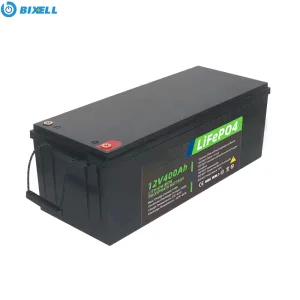
By opting for premium Lithium Iron Phosphate (LiFePO4) chemistries supporting 6000 to 8000 micro-cycles at 80% Depth of Discharge (DoD), procurement departments drastically extend system replacement cycles.
Modern hybrid environments depend on real-time data flow. Intelligent battery management systems utilizing Modbus TCP, RS485, or CAN interfaces allow operators to perform remote diagnostics, thermal monitoring, and firmware updates.
Furthermore, geographic factors heavily influence sourcing decisions. In telecom base stations located across Sub-Saharan Africa or Southeast Asia, high ambient temperatures and humidity demand IP54-rated battery housings and fanless heat-dissipating microinverters. Conversely, for off-grid applications in Northern Europe or Canada, dynamic heating elements within the battery pack must be deployed to keep charging cycles within safe temperature windows. Choosing a manufacturer that offers customized structural engineering—such as heavy-duty hot-dip galvanized steel transmission towers or modular, insulated flat-pack container structures—ensures the long-term integrity of the complete solar system.
How state-of-the-art Chinese automation guarantees volume, quality consistency, and cost dominance.
The manufacturing ecosystem of China represents a highly integrated supply chain that spans raw lithium extraction, high-frequency semiconductor fabrication, and advanced precision metallurgy. Industry 4.0 standards implemented across leading domestic production lines enable unparalleled volume scalability while maintaining tight quality tolerances. As a leading hub, companies like Qingdao Luzz Solar Co., Ltd. leverage these regional advantages, linking localized research centers with high-efficiency ports to serve international markets efficiently.
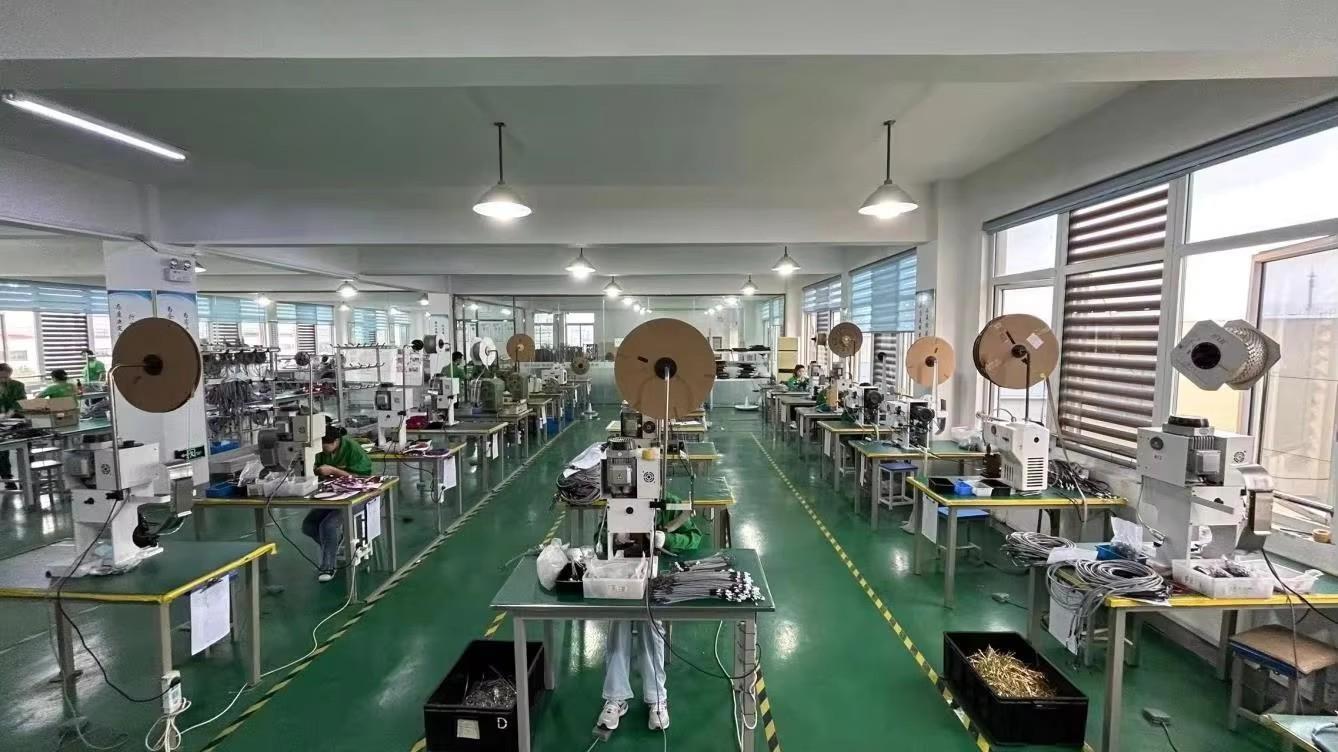
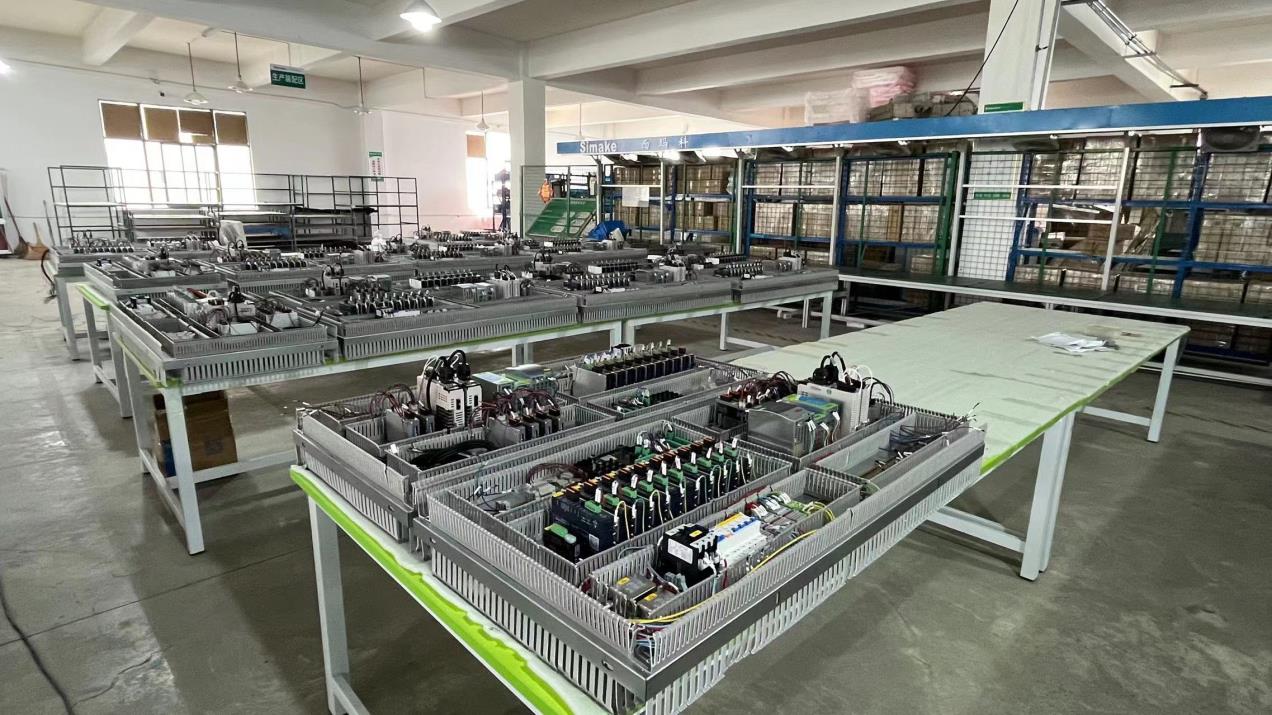
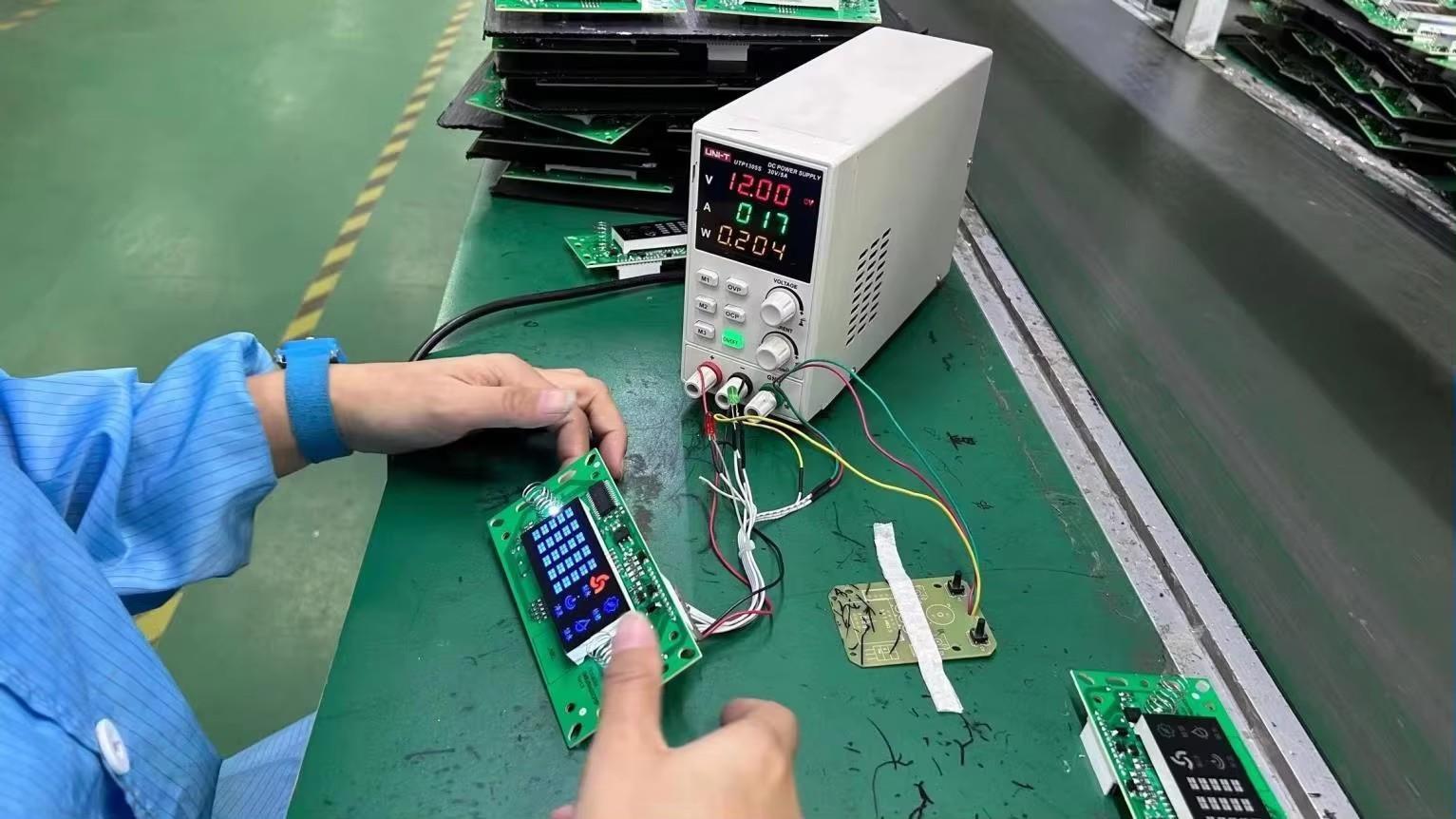
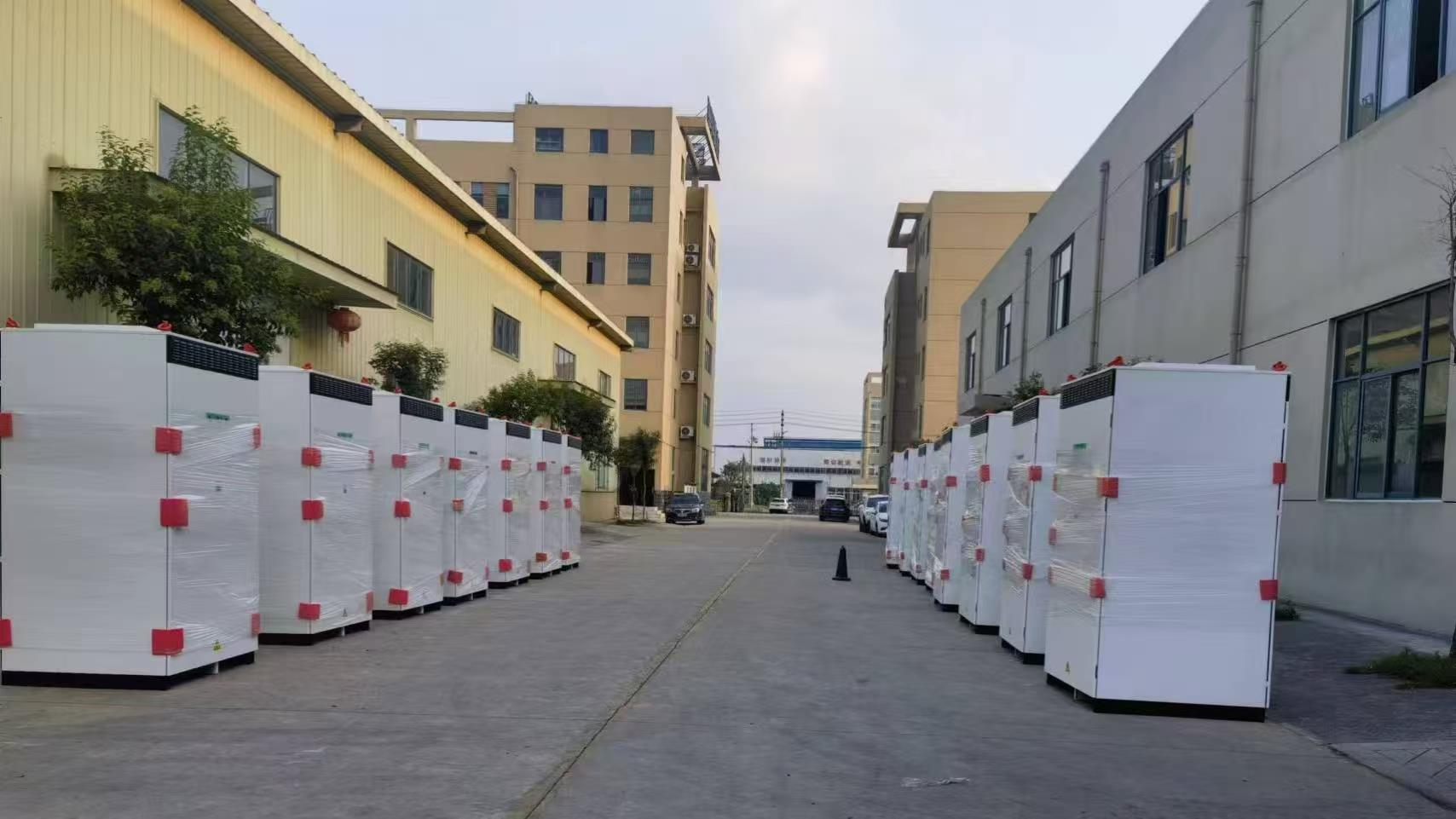
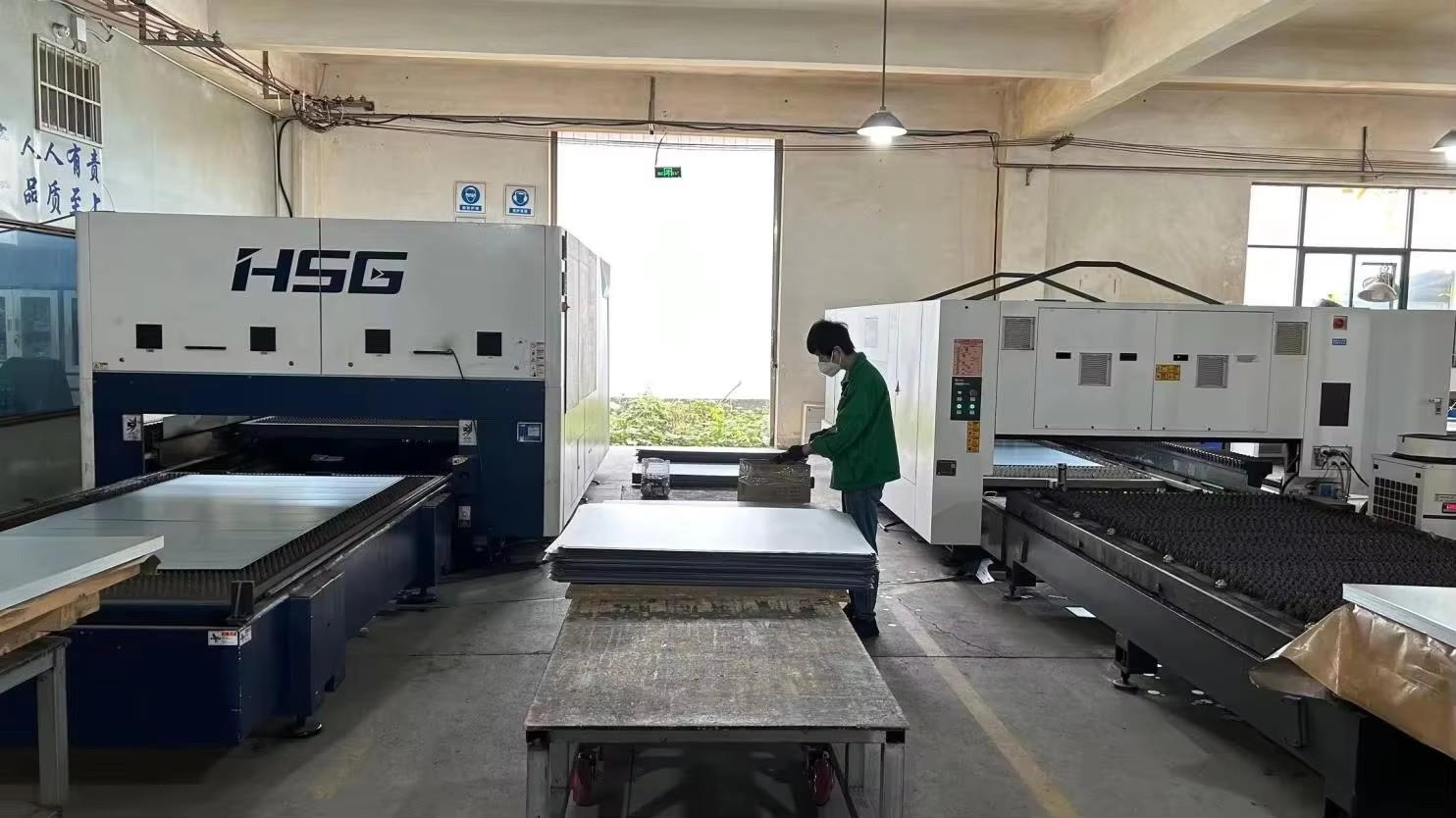
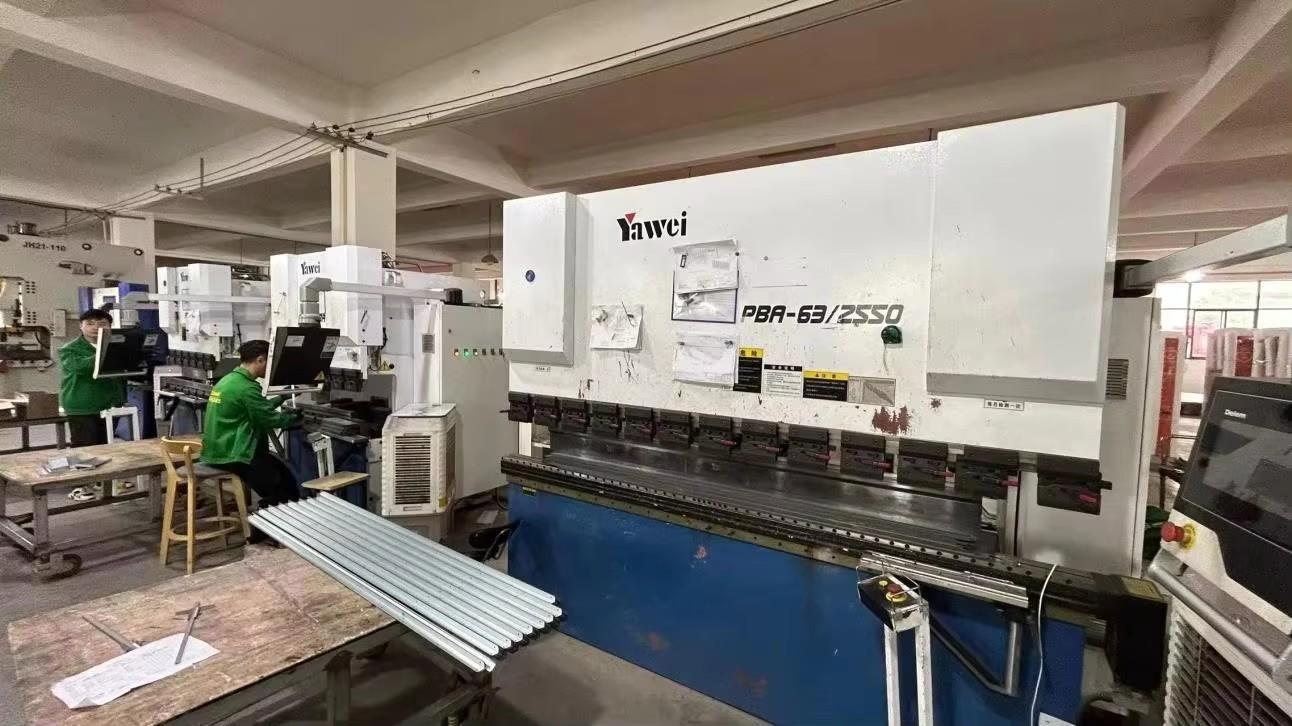
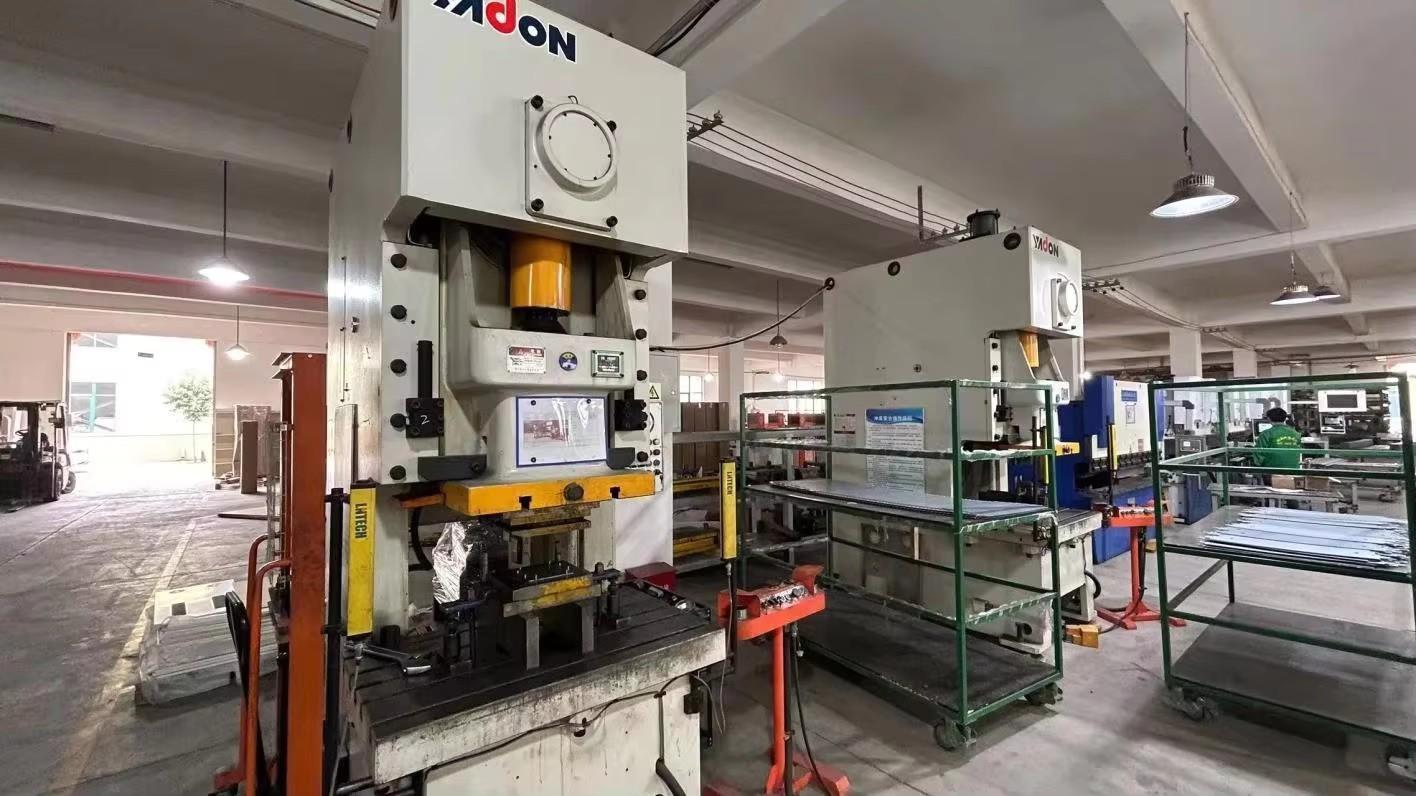
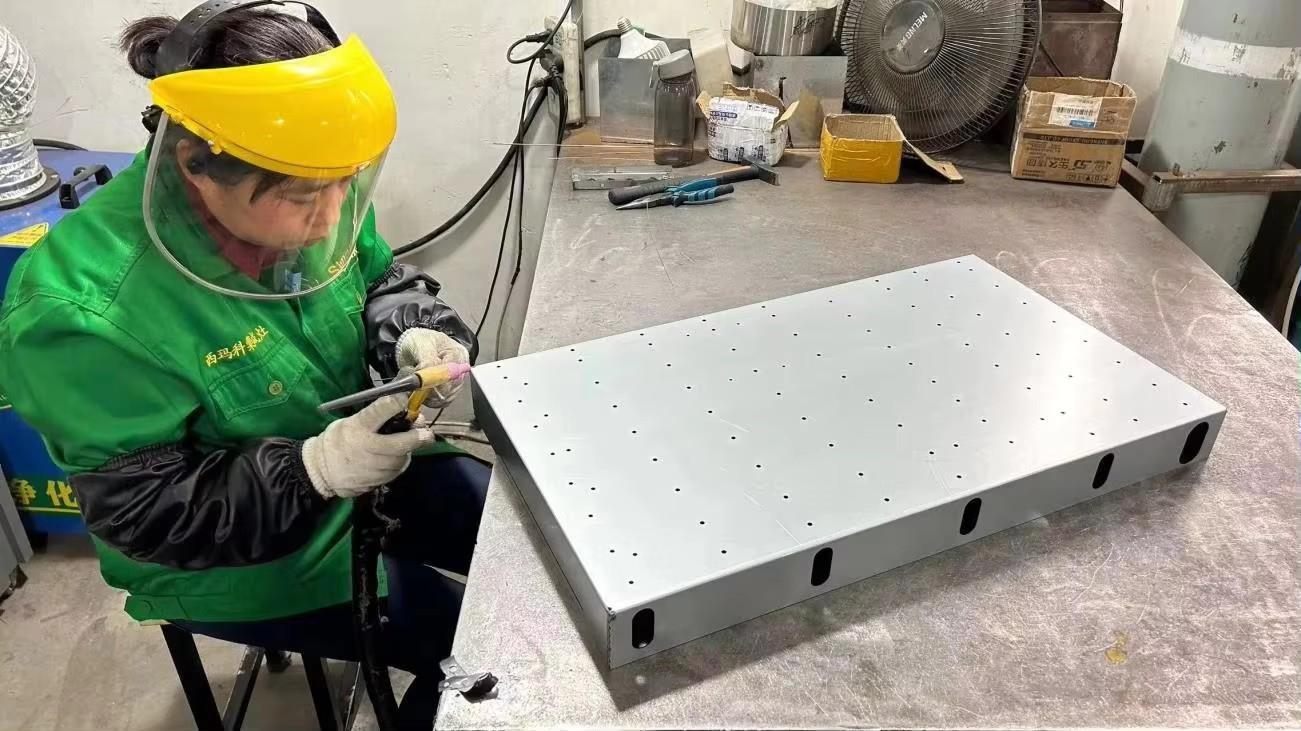
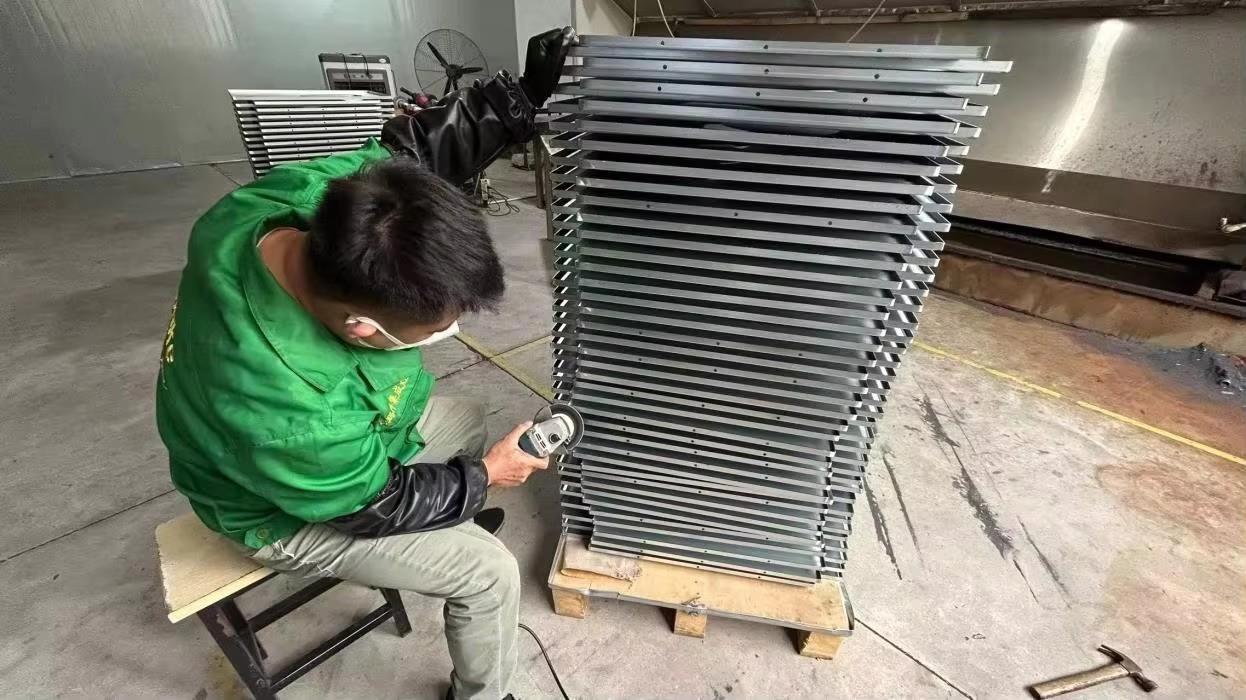
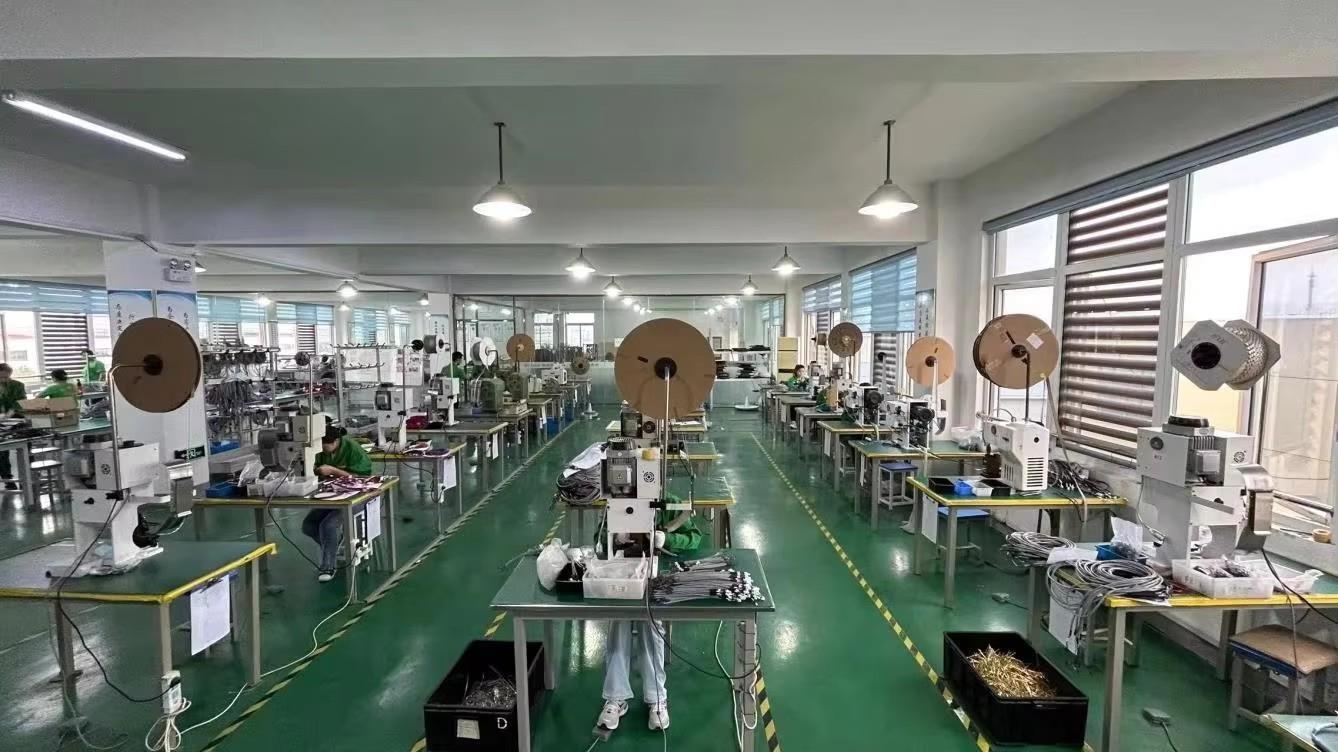
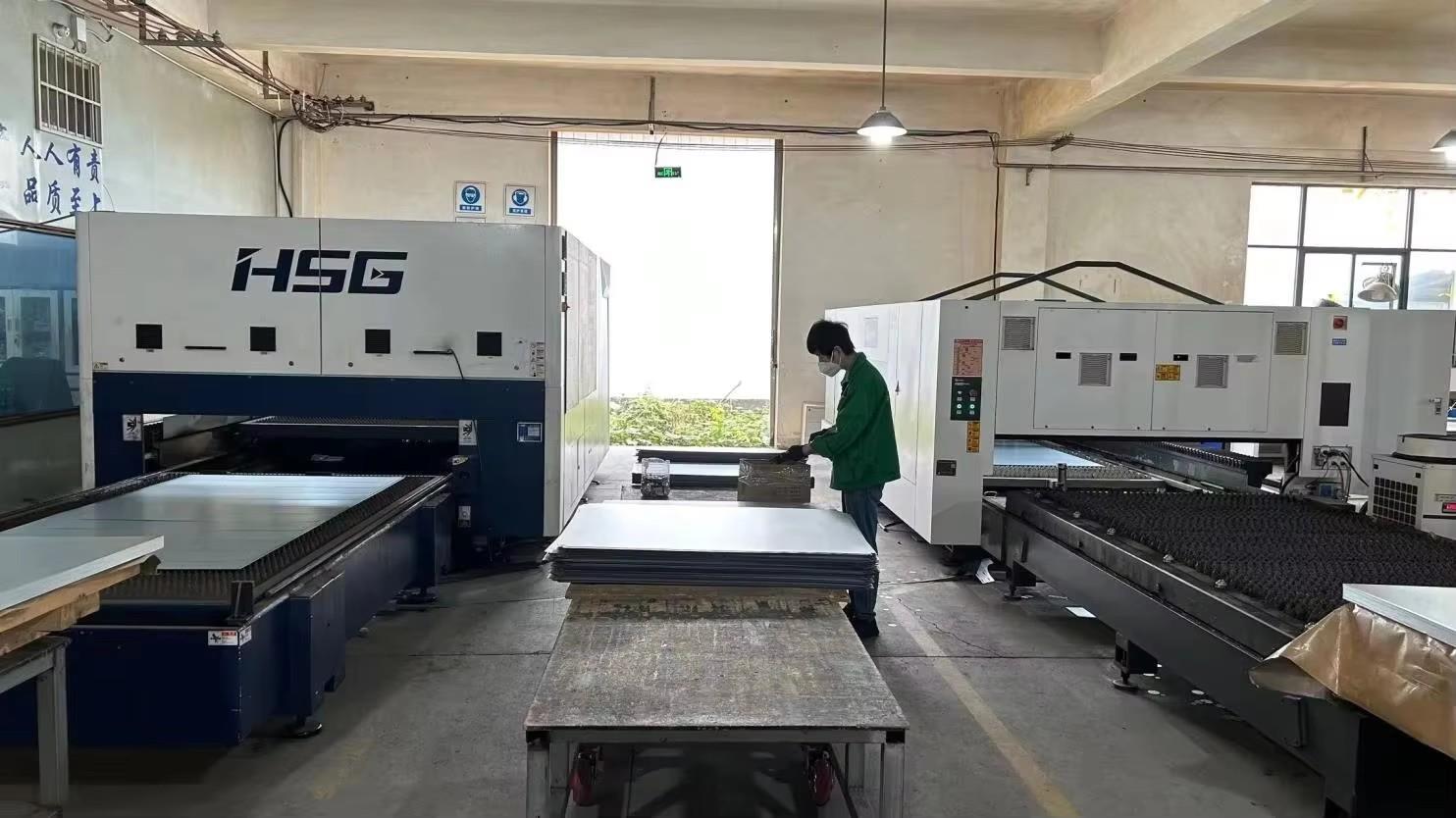
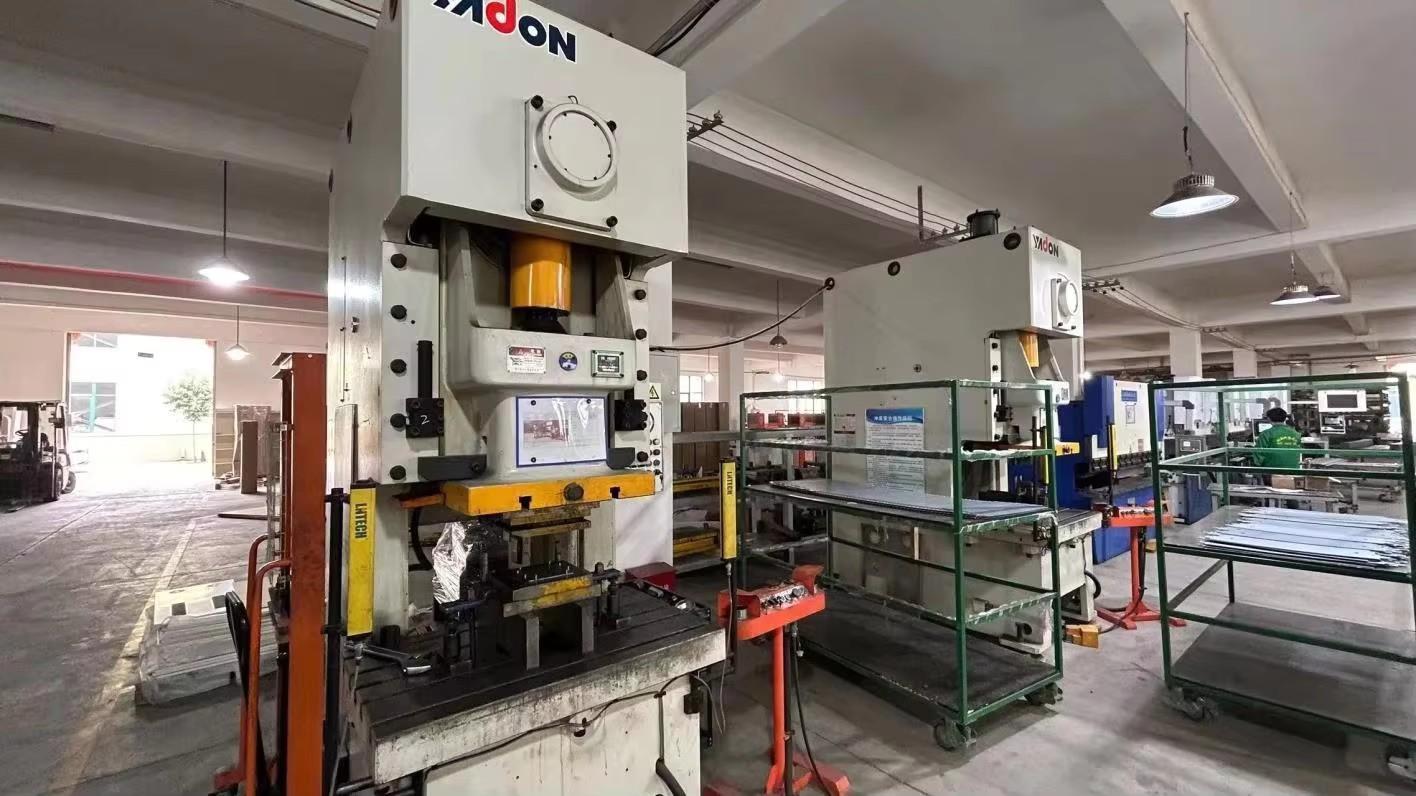
The physical production process involves multiple layers of quality control. From automated laser welding of battery terminals to computerized CNC bending and heavy-duty steel hot-dip galvanization for utility structures, every step is strictly monitored. This unified production capacity drastically reduces logistics bottlenecks, ensuring that complex hybrid systems containing over a thousand individual components (from wiring harnesses to massive container house frames) are manufactured, inspected, packed, and loaded on budget and on time.
To ensure reliability in demanding outdoor deployments, every product undergoes a sequence of mechanical and electrical processing. These include high-precision metal stamping, laser cutting of structural steel, automated grinding of load-bearing platforms, and simulated heavy-load cell cycling. Below is an overview of the manufacturing workflow that underpins our industrial hybrid power system solutions.
How modern enterprises deploy decentralized hybrid systems across various harsh terrains and regulatory environments.
The scalability of hybrid systems allows them to adapt to diverse applications across various industries. By deploying customized containerized energy storage units, remote mining operations, island resorts, and isolated telecommunications towers can operate without relying on expensive grid connections. Below, we examine three key deployment scenarios.
Operating telecom infrastructure in off-grid environments has traditionally depended on diesel generators running continuously. This results in high fuel delivery costs, periodic fuel theft, and excessive carbon emissions. Deploying an integrated 48V LiFePO4 battery pack with a smart BMS, powered by solar micro-inverters, shifts the generator's role to an auxiliary backup. This setup reduces runtime by up to 85%, lowering operational costs and increasing system reliability.
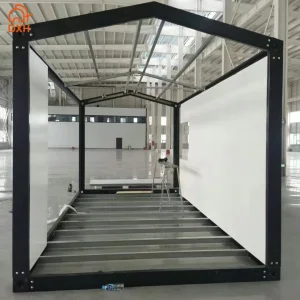
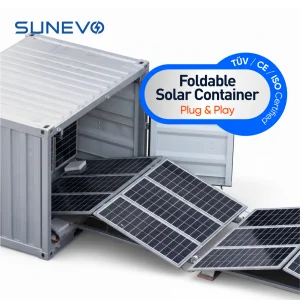
For field hospitals, humanitarian relief bases, or remote exploration camps, deploying power infrastructure quickly is essential. CE/TUV certified foldable solar panel containers provide a plug-and-play solution. Integrating pre-wired hybrid inverters, battery modules, and climate control into a structural shipping container format enables rapid transport and commissioning within hours of arrival.
In urban industrial parks, peak demand charges represent a significant portion of commercial electricity bills. By charging high-capacity battery packs during low-tariff off-peak periods, facilities can discharge this stored energy during peak grid demand hours. This reduces demand charges and acts as a localized uninterruptible power supply (UPS) during grid brownouts.
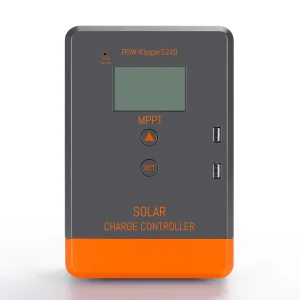
Choosing the right system components is crucial for success in these scenarios. High-efficiency MPPT controllers optimize photovoltaic absorption across a wide range of solar angles. Meanwhile, pure sine wave hybrid inverters ensure that sensitive industrial electronics operate without distortion. Selecting components manufactured under strict ISO and quality control protocols minimizes downtime and guarantees steady performance in the field.
A leading new energy enterprise specializing in global distribution of photovoltaic and energy storage solutions.
Qingdao Luzz Solar Co., Ltd. is a professional new energy enterprise specializing in the development, manufacturing, and global distribution of photovoltaic (PV) products and integrated energy storage solutions. Located in Qingdao, China, the company benefits from a well-established renewable energy industrial base and advanced manufacturing capabilities.
With the accelerating global transition toward carbon neutrality and sustainable development, Luzz Solar is committed to providing efficient, reliable, and cost-effective clean energy solutions to customers worldwide. Our product portfolio includes high-efficiency solar photovoltaic modules, energy storage systems, and integrated solar application solutions designed for residential, commercial, and utility-scale projects.
Driven by technological innovation and quality excellence, the company continuously invests in R&D and production optimization to improve product performance, energy conversion efficiency, and system reliability. We strictly adhere to international quality standards and implement rigorous quality control throughout the entire production process to ensure stable and long-term product performance.
Qingdao Luzz Solar actively expands its global market presence, with business coverage across Asia, Europe, the Middle East, Africa, and Latin America. By working closely with international partners, we are committed to delivering tailored energy solutions that meet diverse regional needs and support the global energy transition.
Guided by the core values of integrity, innovation, cooperation, and sustainability, Luzz Solar strives to become a trusted global partner in the new energy industry. We are dedicated to advancing solar technology and contributing to a greener, more sustainable future.
Direct technical guidance from our systems engineering and procurement teams.
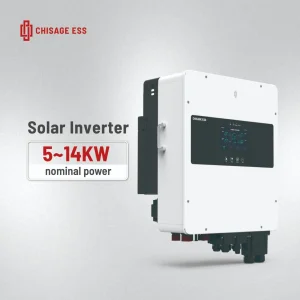
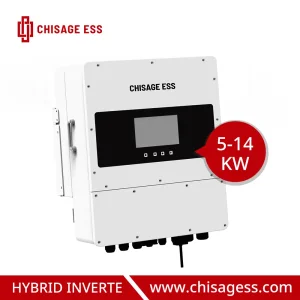
Hybrid inverters combine the functionality of traditional grid-tied inverters and off-grid battery inverters into a single, intelligent unit. They allow for bi-directional energy flow, managing inputs from both solar panels and battery storage. This enables options to feed power to the grid, supply loads directly, or charge batteries. It also allows for seamless switching between grid-connected and backup modes during utility failures, ensuring continuous system operation.
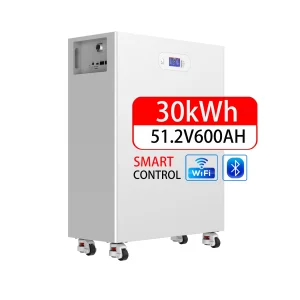
Lithium Iron Phosphate (LiFePO4) offers superior thermal and chemical stability compared to Nickel Manganese Cobalt (NMC) chemistries, which reduces the risk of thermal runaway. It also provides a longer cycle life—typically 6,000 to 8,000 cycles at 80% Depth of Discharge—making it highly cost-effective over its lifespan for industrial, telecom, and solar installations.
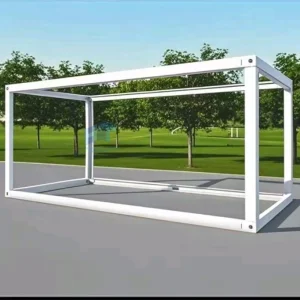
Modular, containerized solutions house all the necessary hardware—including the battery management system (BMS), inverters, switchgear, thermal control, and solar array mounting structures—within a standardized container structure. Pre-assembled and tested at the factory, they eliminate the need for extensive on-site civil works and wiring. This reduces commissioning time, limits site layout challenges, and provides a plug-and-play setup upon arrival.
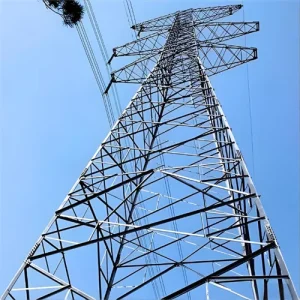
Galvanized steel transmission towers are key structural components for overhead distribution networks. Hot-dip galvanization provides a protective zinc coating that guards against corrosion, wind loads, and environmental exposure. This ensures long-term structural integrity and steady power distribution from central hybrid setups to remote facilities over decades.
Yes, AC-coupling allows micro-inverters to be integrated alongside central hybrid battery systems. The micro-inverters convert DC solar power to AC electricity at the panel level, feeding the local AC bus. The central hybrid inverter then manages this power, routing it to load demands, using it to charge batteries, or exporting excess generation to the utility grid.
Explore our complete product range to optimize your power generation, energy storage, and industrial frameworks.
 Luzz Solar