Explore our key industrial-grade new energy products. Every item represents our adherence to rigorous quality standards and cutting-edge engineering processes, tailored for robust C&I environments.
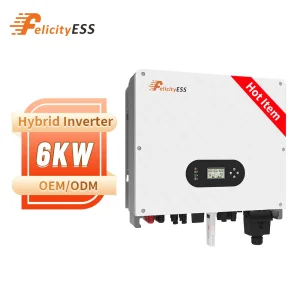
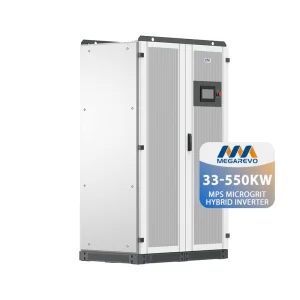
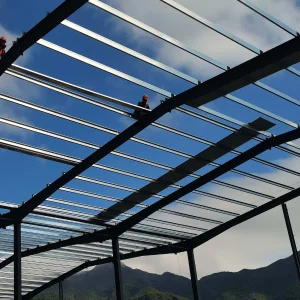
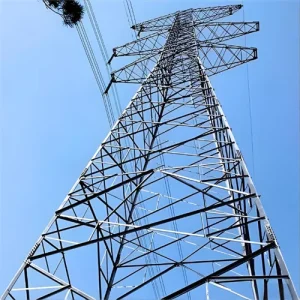
The global transition toward decentralized electricity distribution systems has created an unprecedented demand for high-capacity, heavy-duty solar installations. In today's energy landscape, purchasing managers and engineering firms no longer seek simple consumer-grade components. They require comprehensive, industrial-grade Custom OEM Solar Power Kits that can withstand extreme structural and electrical stress, reduce Levelized Cost of Energy (LCOE), and guarantee long-term operational resilience.
As international grids face systemic instability and fossil fuels undergo high pricing volatility, commercial complexes, manufacturing zones, and large-scale agricultural projects are prioritizing energy autonomy. Custom OEM and ODM solar kits represent the logical evolution of this trend, enabling seamless system-level integration. In the European Union, the Corporate Sustainability Due Diligence Directive (CSDDD) forces corporations to decarbonize upstream operations, whereas the US Inflation Reduction Act (IRA) offers heavy tax incentives for local, high-resilience renewable infrastructure. These policy shifts require custom physical frameworks—like robust mounting rails, optimized cabling assemblies, and modular battery configurations—specifically matching localized climatic and technical conditions.
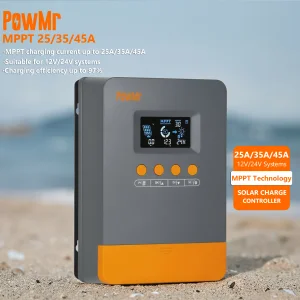
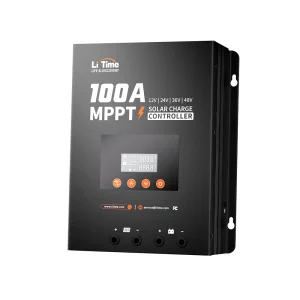
Deploying large-scale energy setups introduces challenges such as thermal dissipation issues, battery cell balancing imbalances, and high wind shearing on structural assemblies. Modern C&I projects demand specialized electrical components—including smart, multi-MPPT tracking solar charge controllers, advanced Liquid-Cooled Energy Storage Systems (ESS), and customized mechanical support towers—to ensure safe, continuous operations. A single failure in a cabling harness or a mounting weld can lead to system-wide downtime, making precision manufacturing the ultimate metric of project viability.
Standard off-the-shelf solar kits are designed with uniform electrical architectures and mounting dimensions. However, commercial systems rarely offer ideal site layout parameters. Roof geometries, ground soil characteristics, agricultural layouts, and variable grid coupling rules make standardization highly impractical. Custom OEM solar kits address this gap by offering bespoke alterations across three main categories:
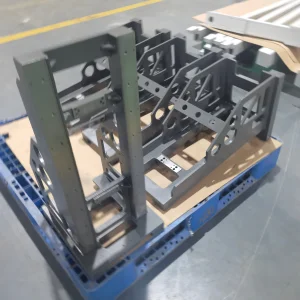
Whether creating heavy-duty hot-dip galvanized steel transmission structures or high-strength agricultural steel sheds, structural parts must be modeled to local wind/seismic criteria. Advanced custom fabrication keeps assemblies lightweight yet resilient enough to survive extreme local environments.
C&I microgrids often couple various generation sources, such as photovoltaic systems, high-voltage battery storage racks, and backup diesel generators. Custom OEM kits feature tailored wiring harnesses and dynamic, programmable power conversion systems (PCS) to prevent safety issues and maintain continuous power output.
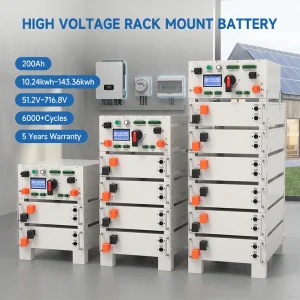
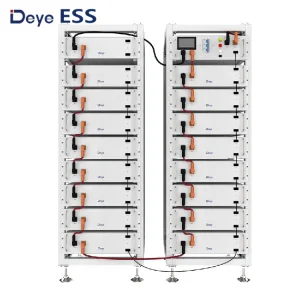
Storage demands depend heavily on target profiles (e.g., peak shaving, backup reserves, or hybrid off-grid operation). Configuring custom smart BMS parameters and tailoring liquid cooling loops guarantees optimal cell life and safety under varying duty cycles.
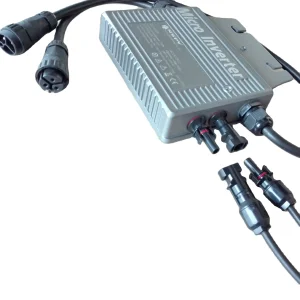
For instance, micro-inverter architectures offer modular, high-efficiency output for complex roof structures, while large-scale 500kW PCS configurations are optimal for massive distribution warehouses. Implementing customized system configurations allows operators to minimize initial investment capital, maximize energy capture, and extend system operational life beyond standard product warranties.
Qingdao Luzz Solar Co., Ltd. is a professional new energy enterprise specializing in the development, manufacturing, and global distribution of photovoltaic (PV) products and integrated energy storage solutions. Located in Qingdao, China, the company benefits from a well-established renewable energy industrial base and advanced manufacturing capabilities.
With the accelerating global transition toward carbon neutrality and sustainable development, Luzz Solar is committed to providing efficient, reliable, and cost-effective clean energy solutions to customers worldwide. Our product portfolio includes high-efficiency solar photovoltaic modules, energy storage systems, and integrated solar application solutions designed for residential, commercial, and utility-scale projects.
Driven by technological innovation and quality excellence, the company continuously invests in R&D and production optimization to improve product performance, energy conversion efficiency, and system reliability. We strictly adhere to international quality standards and implement rigorous quality control throughout the entire production process to ensure stable and long-term product performance.
Qingdao Luzz Solar actively expands its global market presence, with business coverage across Asia, Europe, the Middle East, Africa, and Latin America. By working closely with international partners, we are committed to delivering tailored energy solutions that meet diverse regional needs and support the global energy transition. Guided by the core values of integrity, innovation, cooperation, and sustainability, Luzz Solar strives to become a trusted global partner in the new energy industry. We are dedicated to advancing solar technology and contributing to a greener, more sustainable future.
An OEM manufacturer's reliability is defined by its production floors. At Qingdao Luzz Solar Co., Ltd., we combine precision heavy metal fabrication with micro-electronic assembly lines to guarantee every component is built to survive harsh operating conditions. Below is an inside look at our specialized production steps:
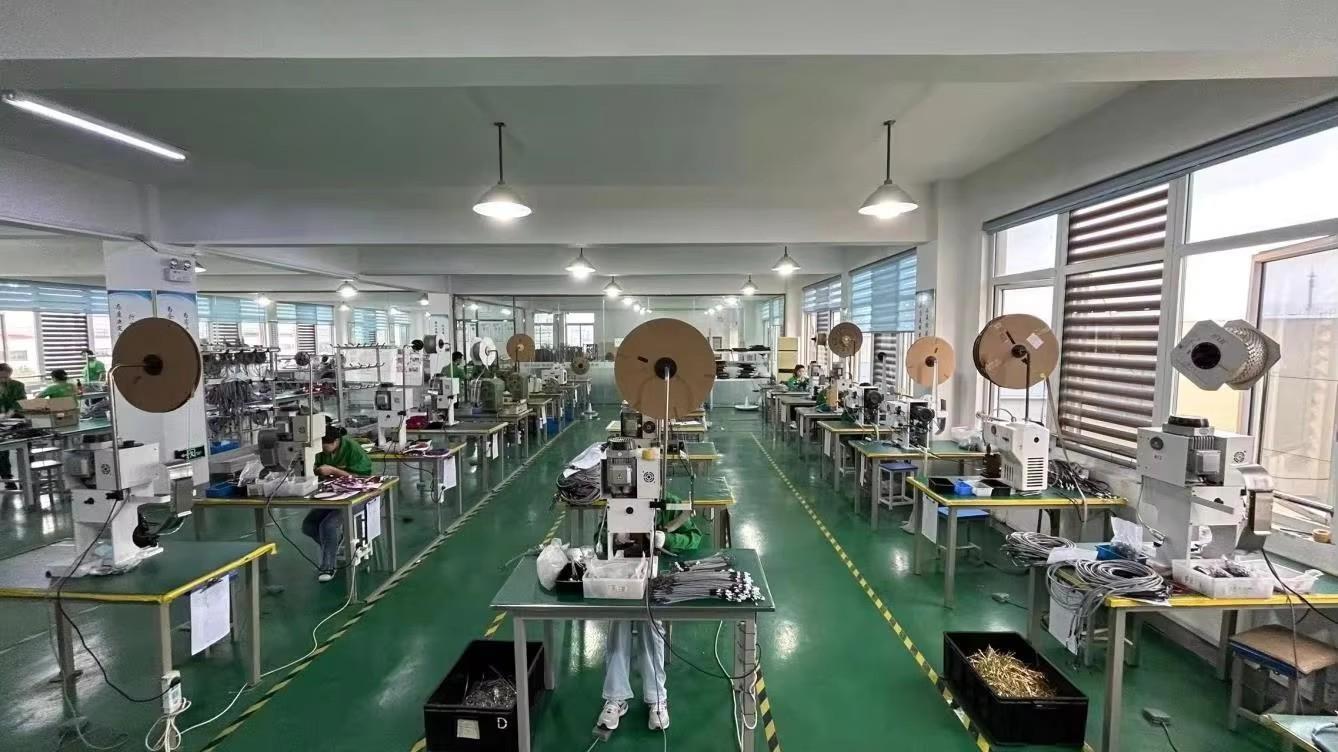
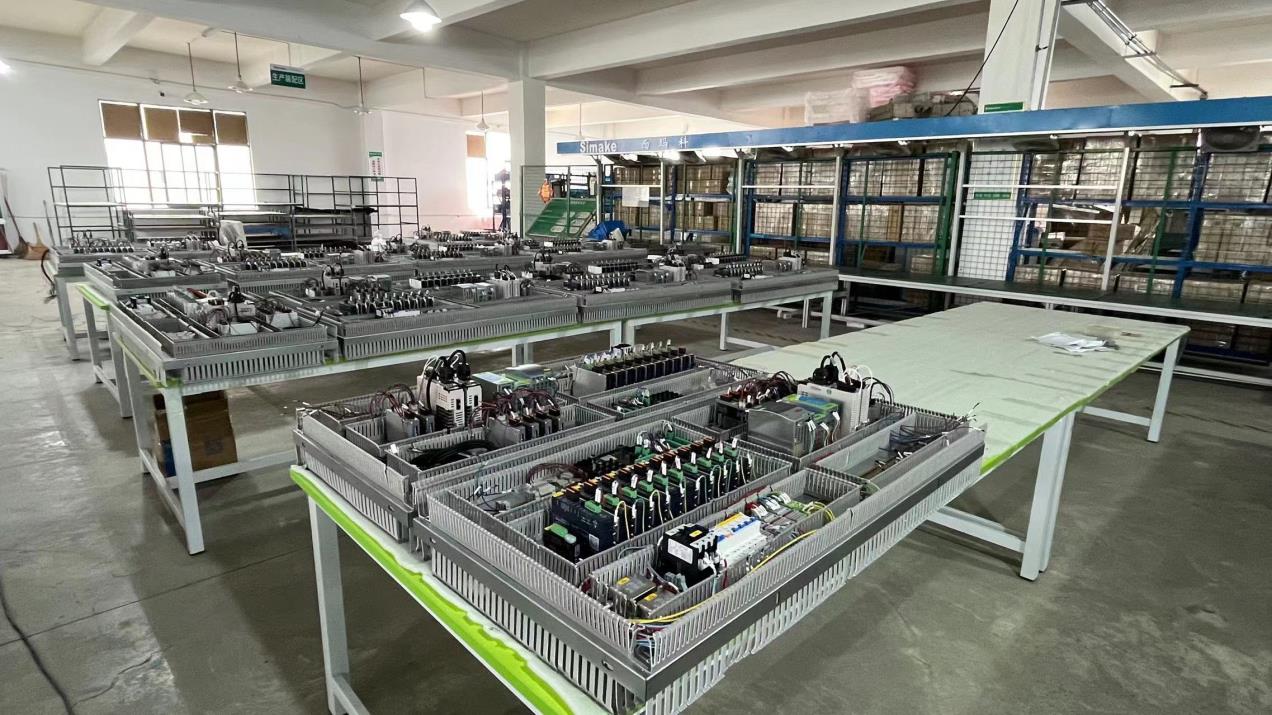
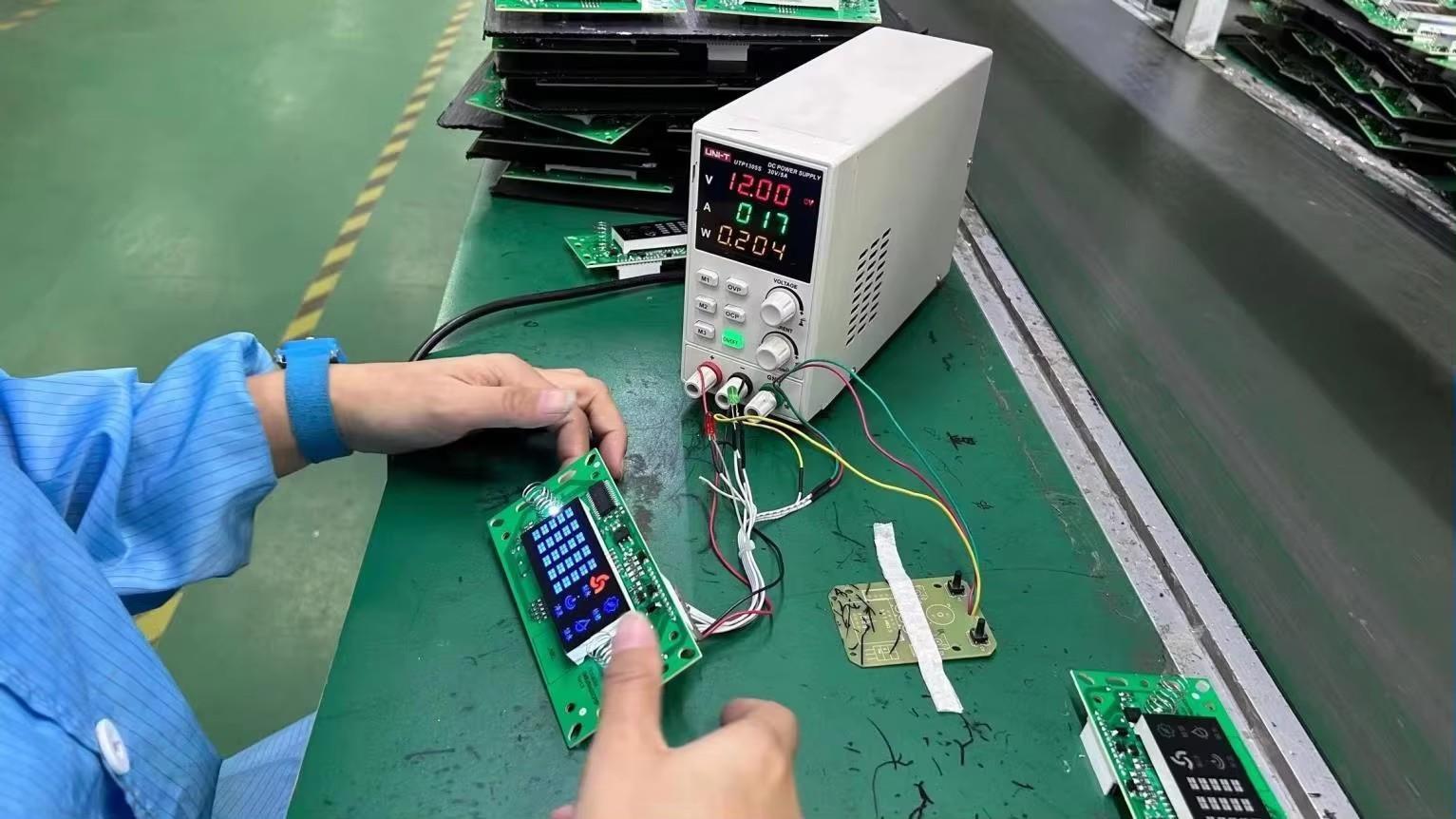
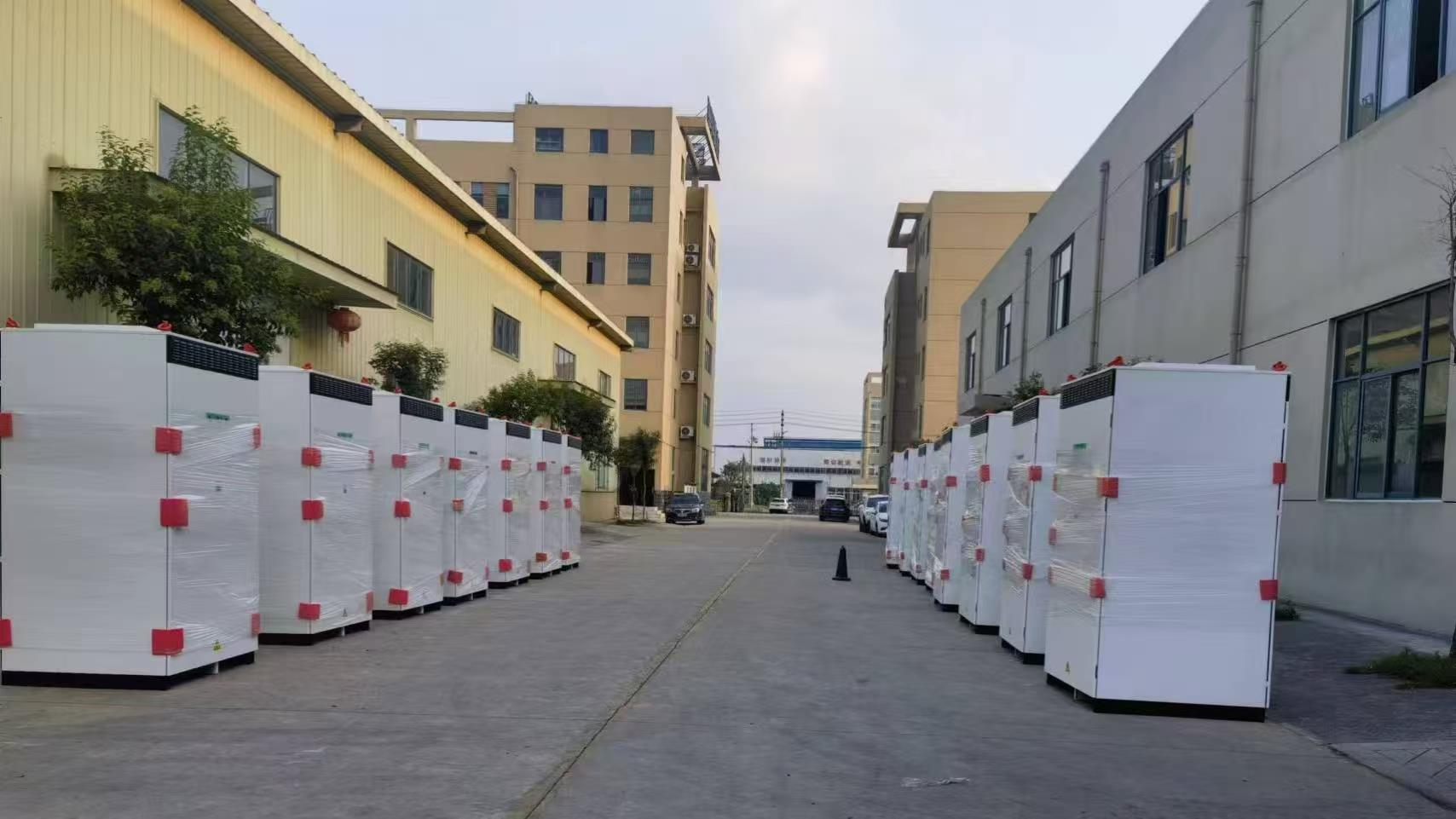
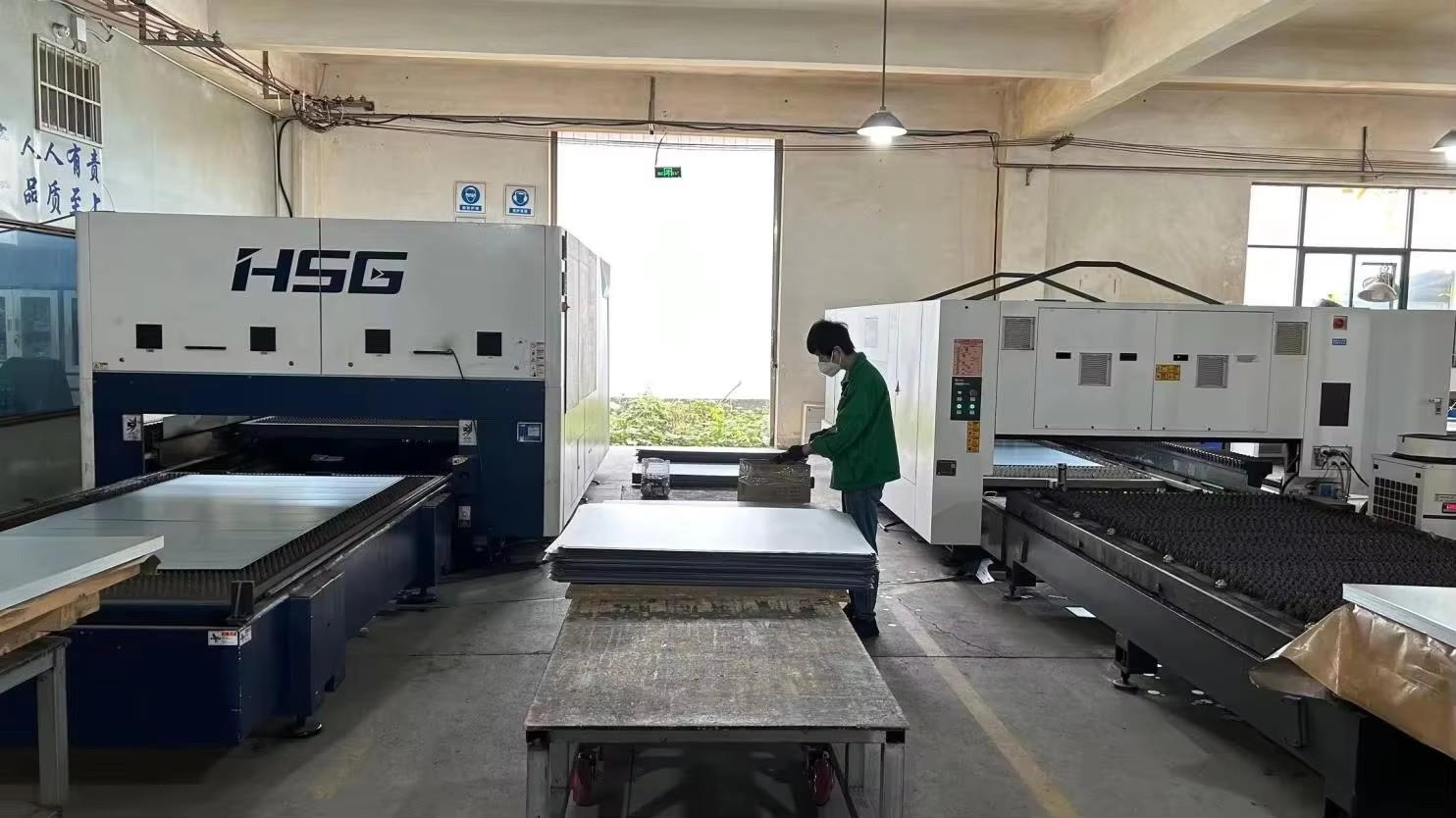
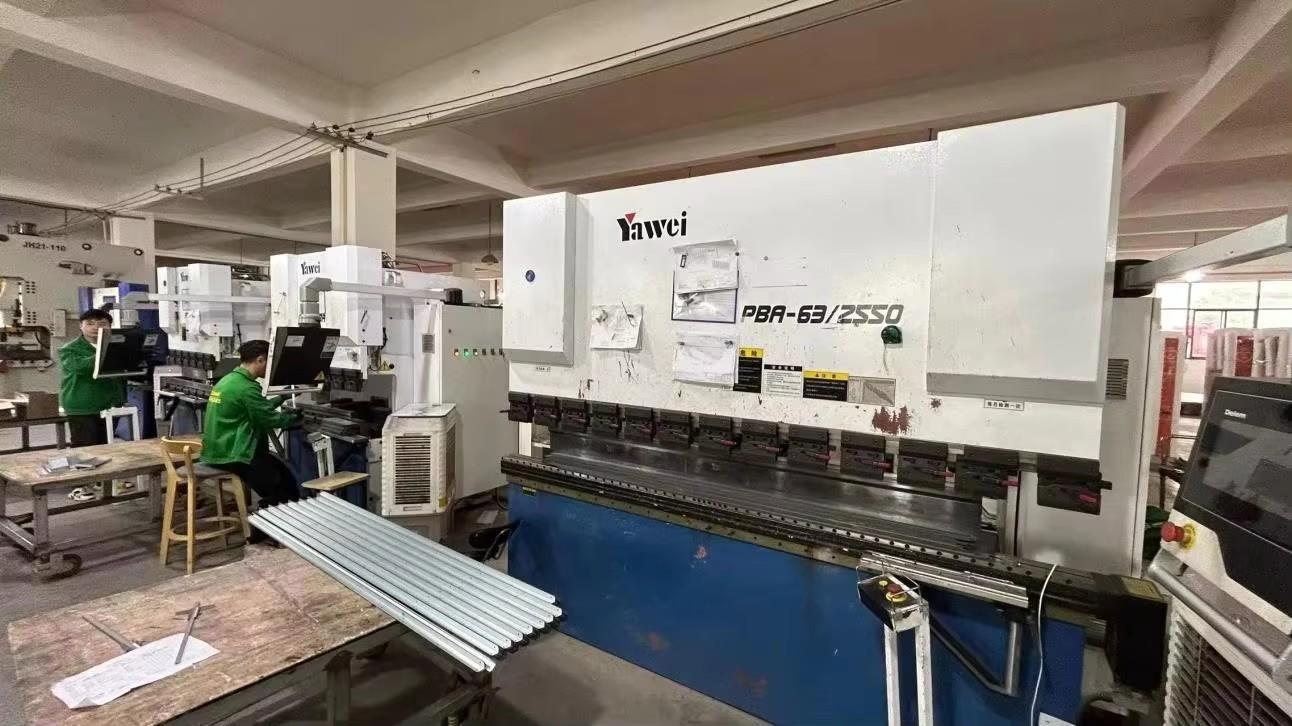
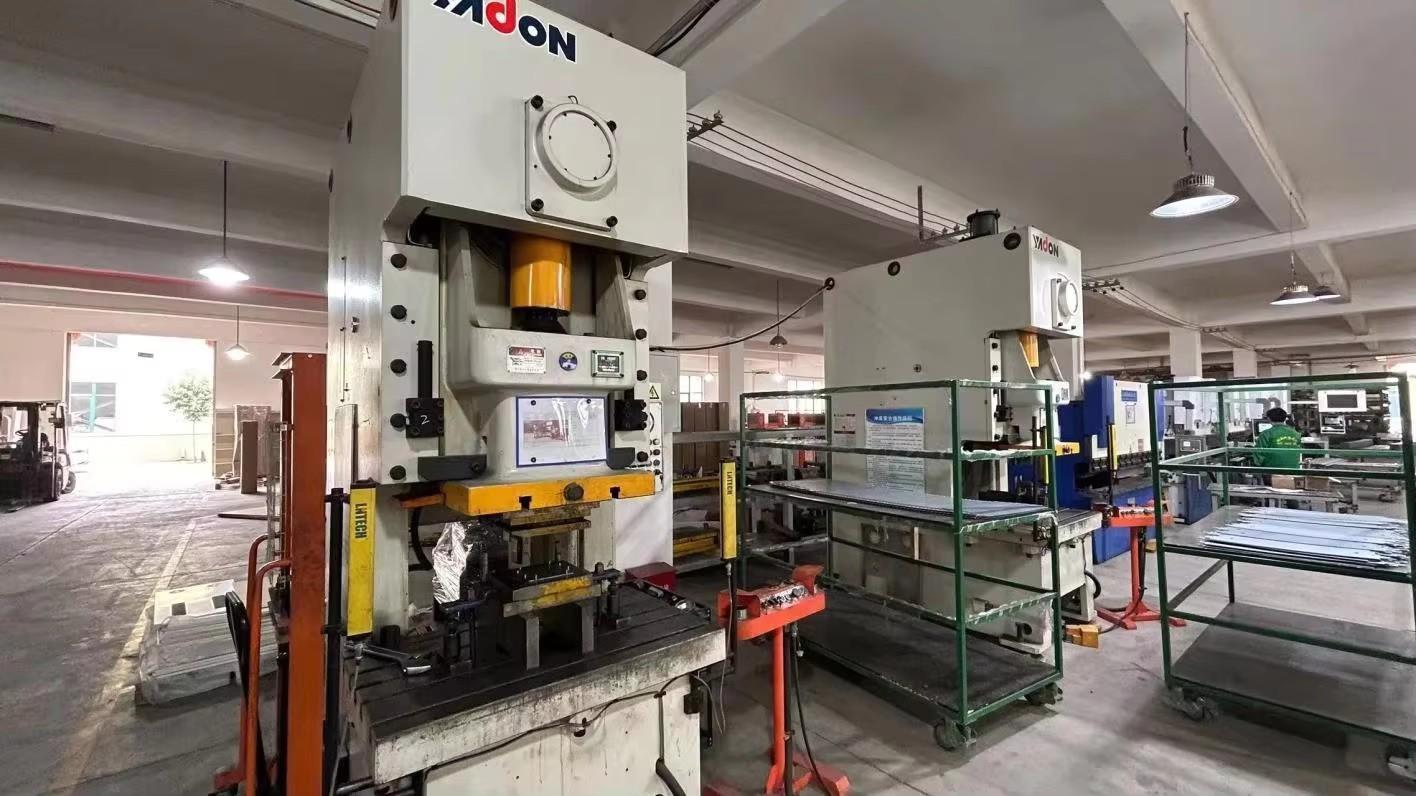
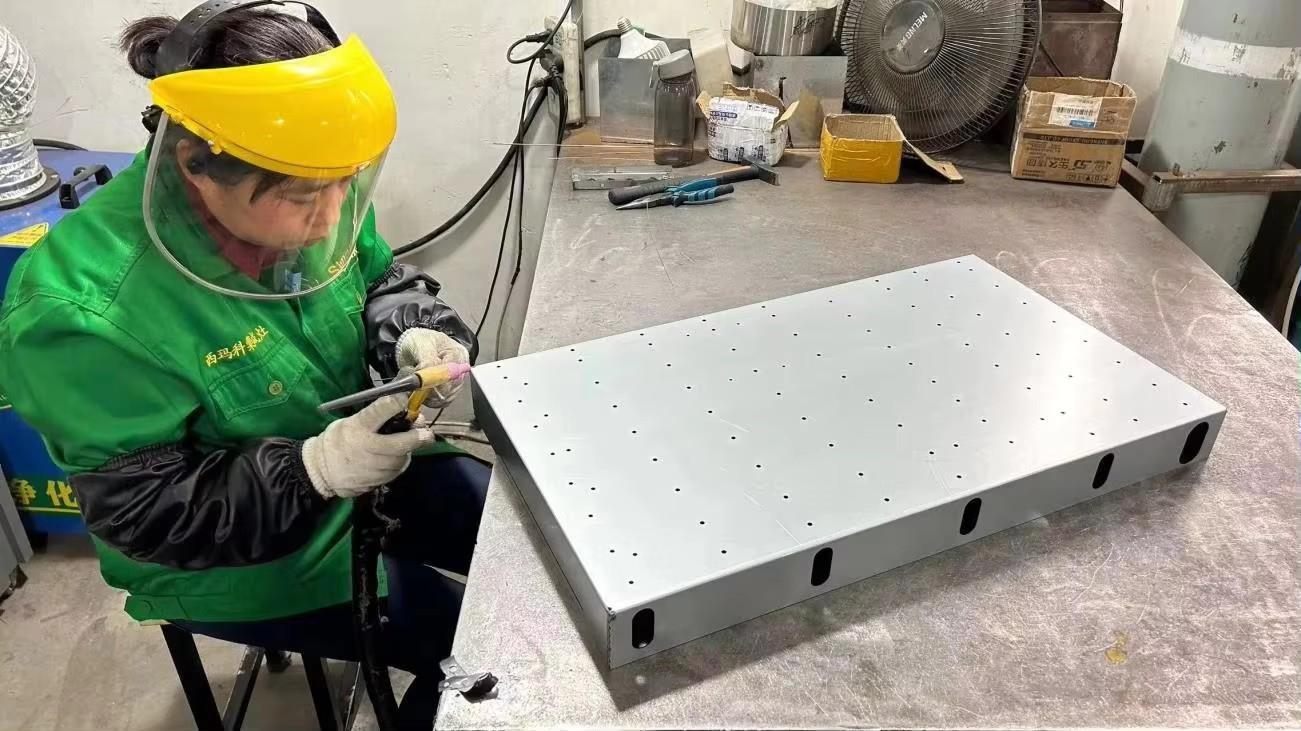
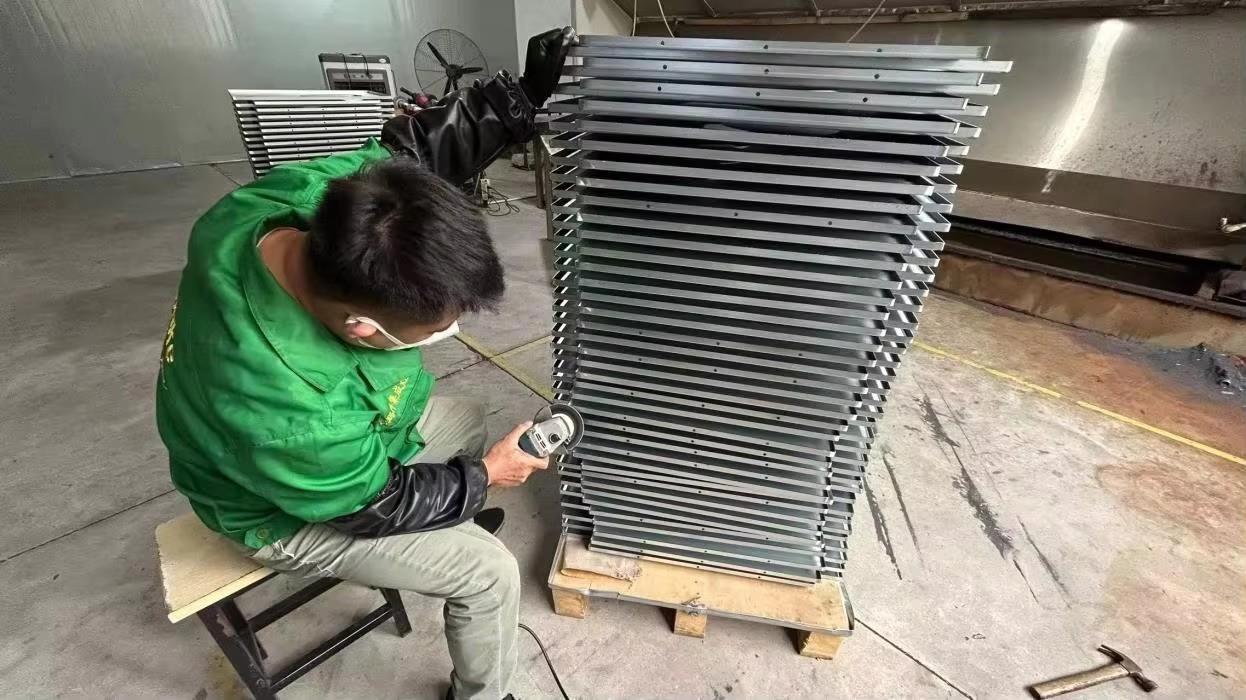
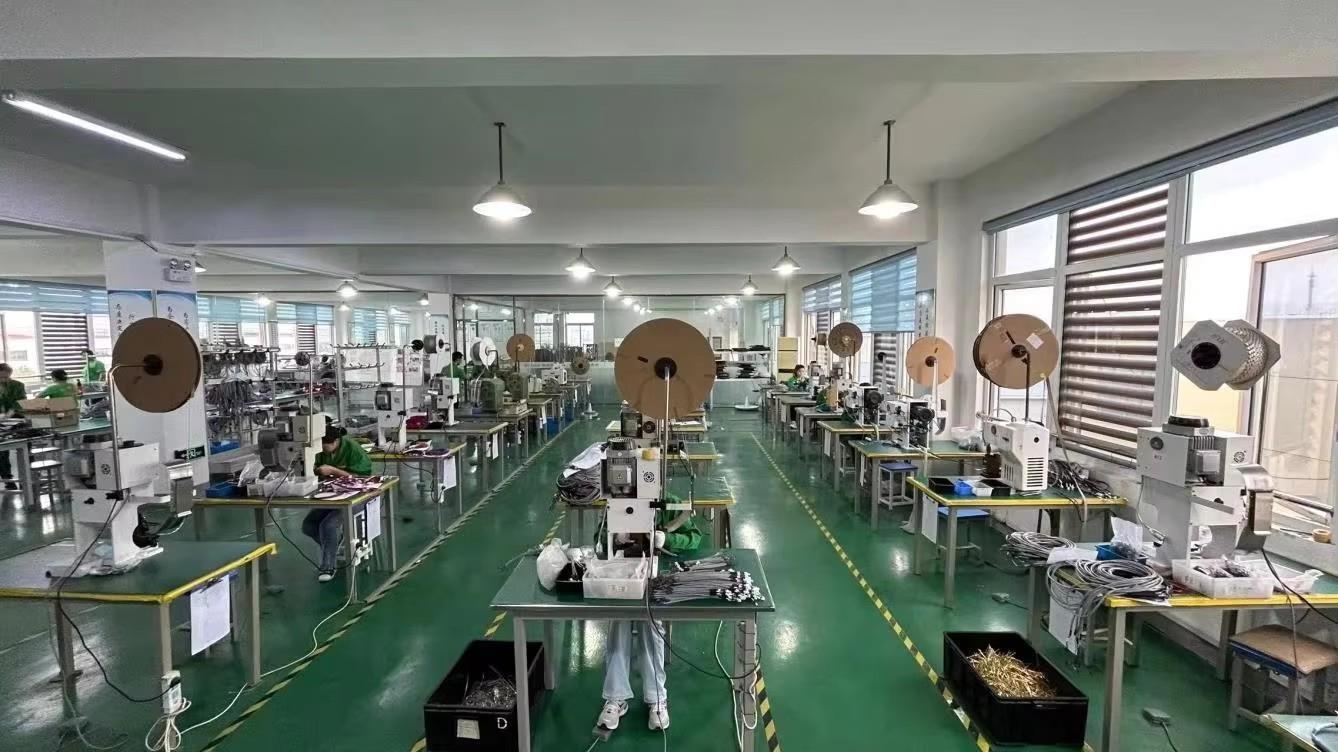
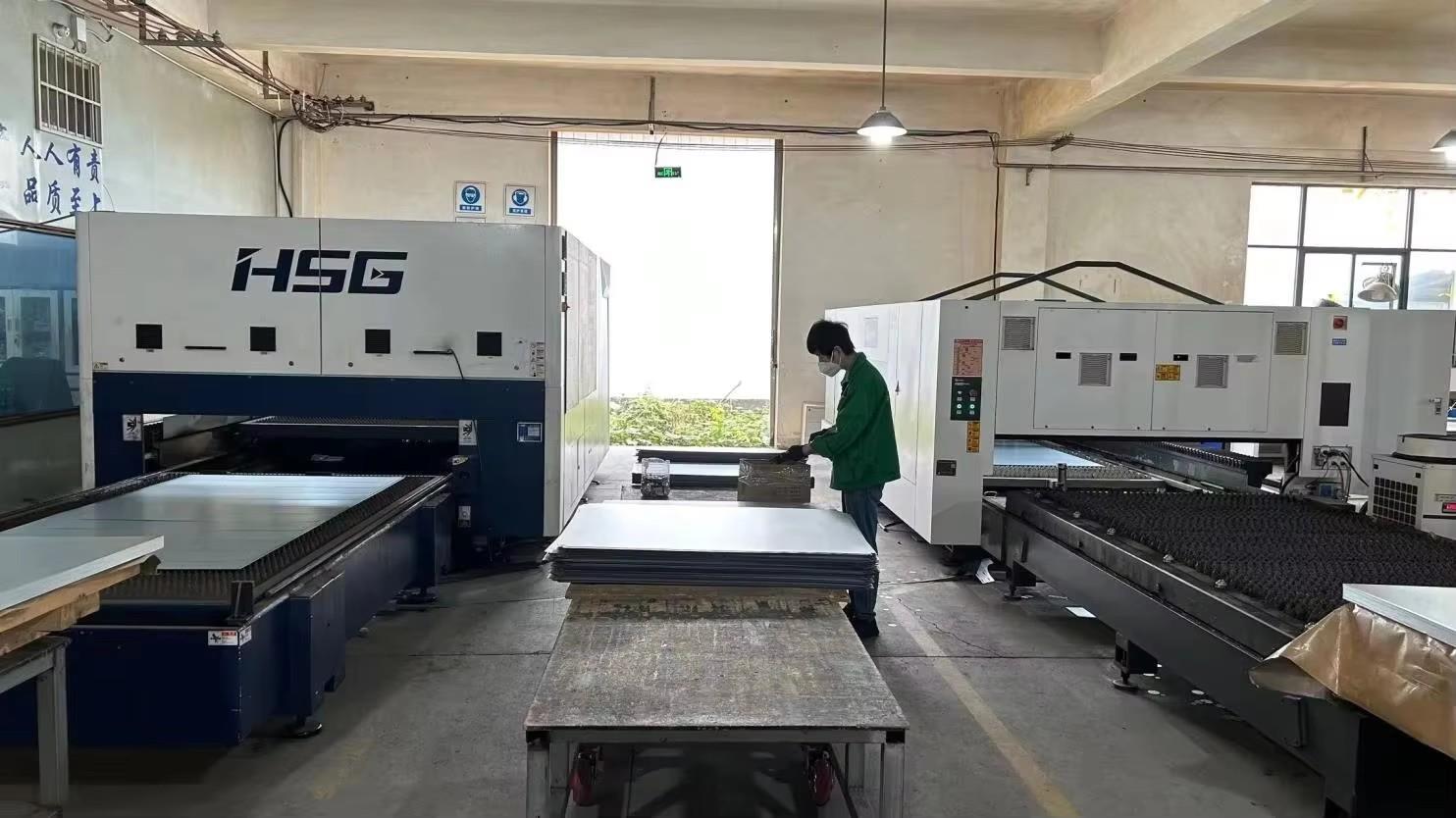
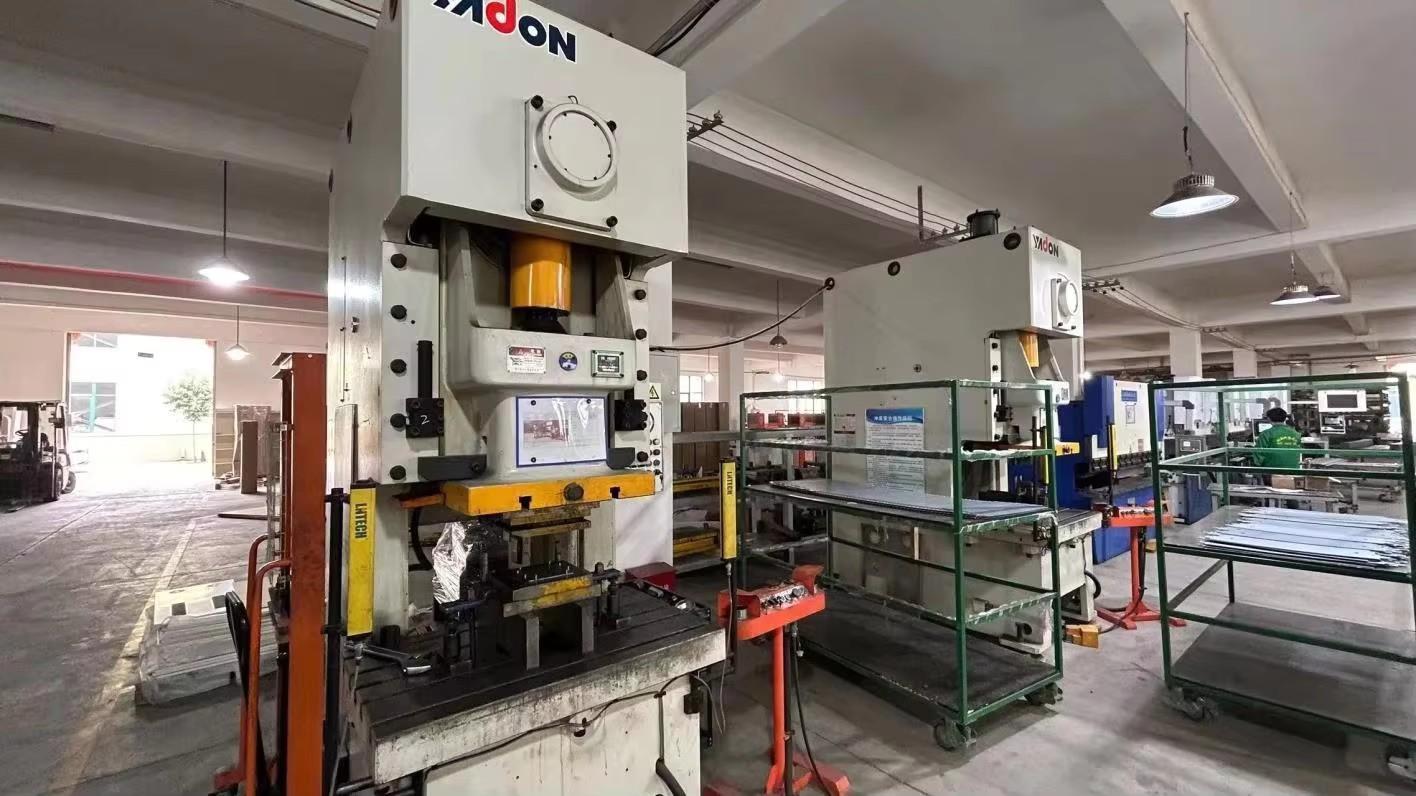
From automated cable stripping and ultrasonic crimping at our wiring harness stations, to advanced fiber optic cutting and precise structural hydraulic bending, every phase is carefully optimized. Advanced automated welding and micro-grinding ensure high-durability joins, while state-of-the-art silent terminal machines and computerized laser welding systems maintain tight, millisecond-level precision on high-current battery connections.
Leveraging a China-based manufacturing hub, particularly in the industrial zone of Qingdao, provides significant advantages for global C&I buyers. This goes beyond simple labor arbitrage to encompass complete, mature ecosystem integration:
Climatic variables require system configurations that match localized operating profiles. Our custom OEM kits are engineered for diverse environments, including:
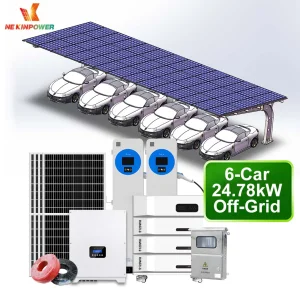
Our structures transform empty parking spaces into power-generating areas. Integrated with off-grid components, such as a 24.78kW array and a 32kWh battery reserve, they supply reliable electric vehicle charging and facility backup power.
We supply high-strength steel structure sheds alongside solar setups. These setups power machinery, water pumps, and local cooling systems in off-grid farmlands, keeping operations independent of regional power distribution grids.
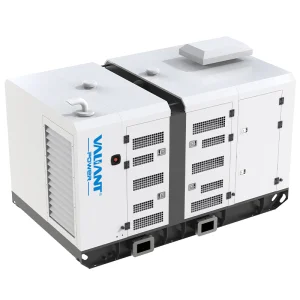
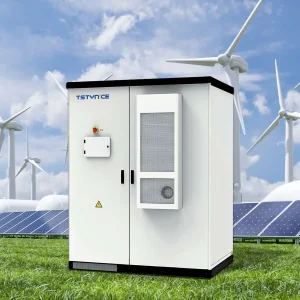
For high-demand manufacturing plants, we integrate large containerized battery systems (e.g., 241kWh all-in-one or 300kWh liquid-cooled units) with hybrid diesel generators, protecting operations against sudden power grid failures.
Purchasing utility-scale or C&I energy solutions demands a thorough, risk-mitigating procurement strategy. Evaluating OEM/ODM solar manufacturers involves focusing on five key technical areas:
Technical advice to help sourcing and engineering teams evaluate custom solar integration projects.
Explore additional commercial structural components, charge controllers, and specialized system components below.
 Luzz Solar