Engineered for high round-trip efficiency, certified durability, and seamless renewable energy integration.
The contemporary global power sector is undergoing a profound structural transition. Driven by aggressive international decarbonization mandates and the urgent demand for localized energy independence, electrical grids are pivoting from highly centralized, fossil-fuel-dependent models to decentralized, multi-tiered renewable networks. However, the high penetration of intermittent solar and wind sources introduces substantial grid instability, thermal fluctuations, and peak-load supply deficits.
To mitigate these vulnerabilities, utility providers, commercial enterprises, and industrial campuses are integrating advanced Battery Energy Storage Systems (BESS) as a stabilizing buffer. High-voltage lithium iron phosphate (LiFePO4) systems provide critical dynamic support, such as high-frequency peak shaving, active load shifting, and dynamic millisecond-level frequency response. These functions help minimize operational downtime, lower peak demand charges, and dramatically reduce the overall Levelized Cost of Electricity (LCOE) across diverse global regions.
SEO Insight: Modern energy storage devices serve not merely as passive backup reservoirs, but as intelligent grid-interactive nodes. Armed with localized EMS (Energy Management Systems), they autonomously balance energy arbitrage, mitigate voltage sags, and execute black-start operations for mission-critical infrastructure.
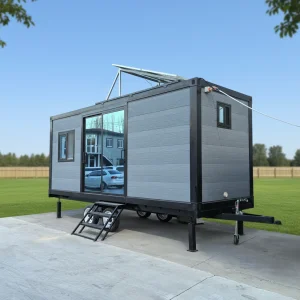
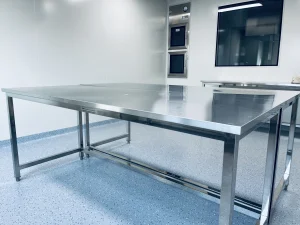
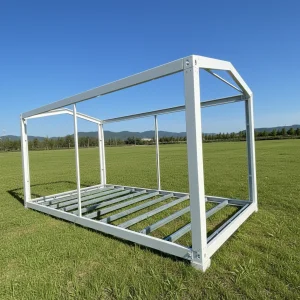
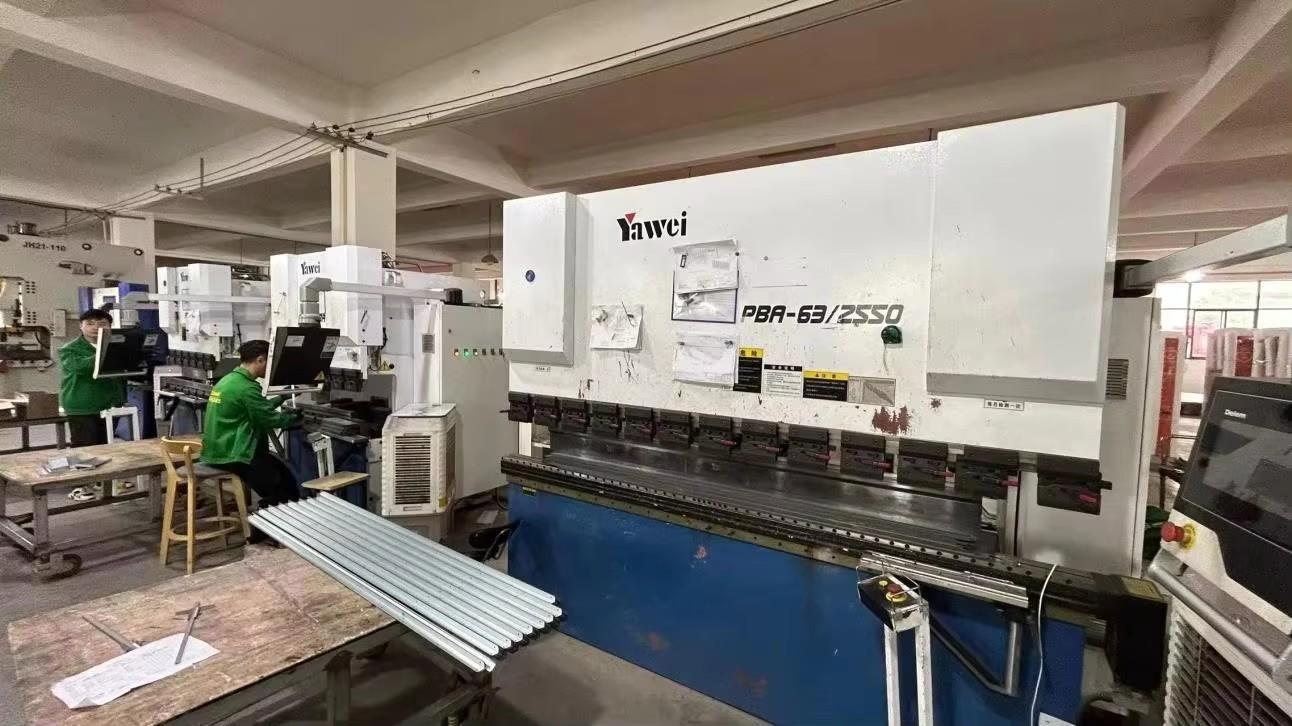
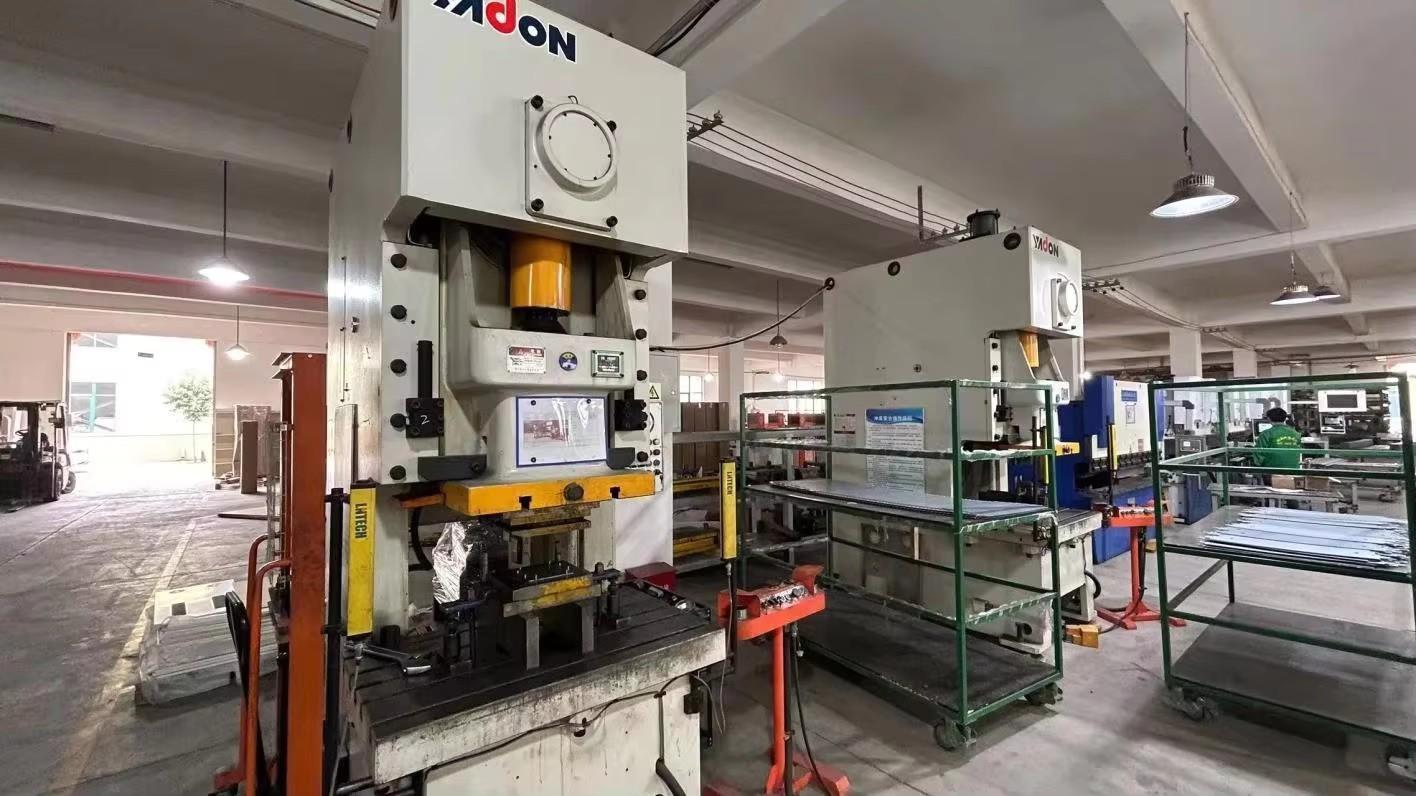
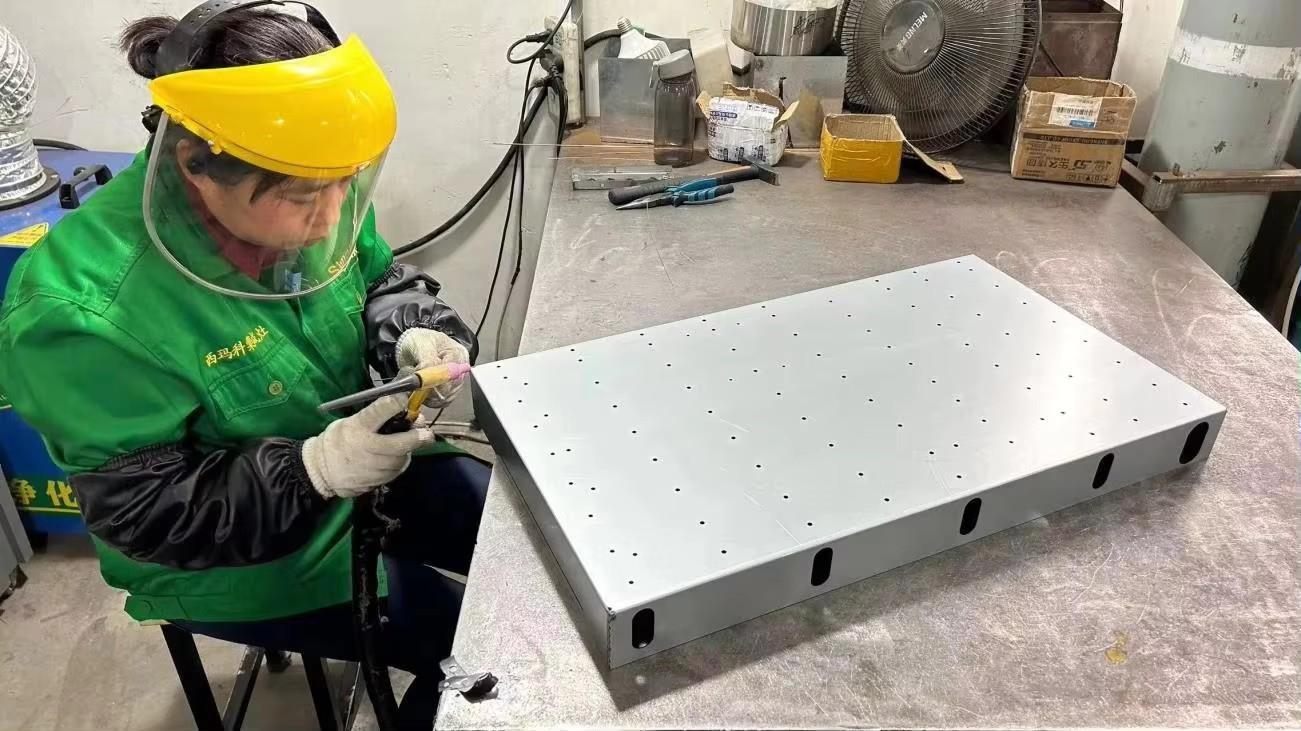
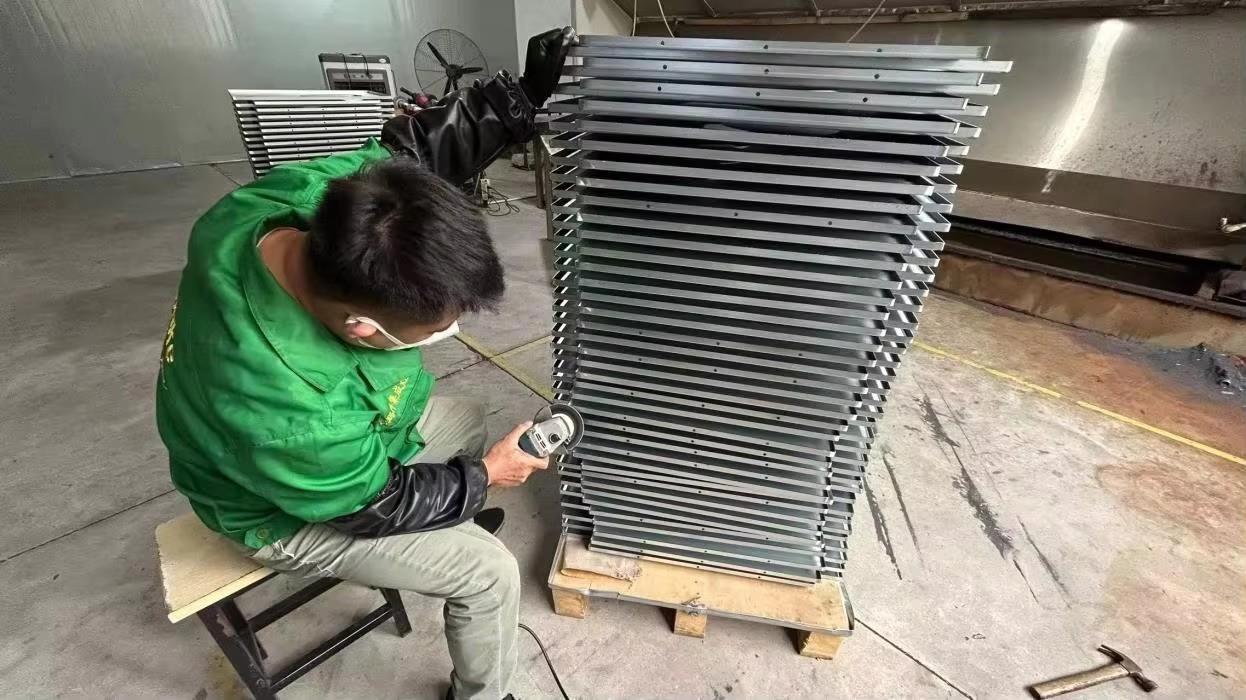
In addition to electrical storage, the transition requires specialized physical infrastructure. Safe battery operations necessitate custom structural elements—including thermal-management-optimized containment chassis, laboratory benches for testing environments, and expandable structural steel frames. These structures protect chemical cells from external environmental stressors, ensuring compliance with strict regional safety standards.
Qingdao Luzz Solar Co., Ltd. is a leading new energy enterprise specializing in the research, manufacturing, and global distribution of advanced photovoltaic modules and integrated energy storage solutions. Strategically situated in Qingdao, China, Luzz Solar capitalizes on a robust regional port infrastructure and an advanced manufacturing ecosystem to export clean energy technologies worldwide.
As carbon neutrality mandates accelerate global demand, Luzz Solar delivers customized, highly reliable energy architectures tailored for residential, commercial, and utility-scale installations. Our product portfolio spans high-capacity solar PV modules, robust lithium storage units, and complex steel-structured enclosures designed for protective grid containers and secure testing facilities.
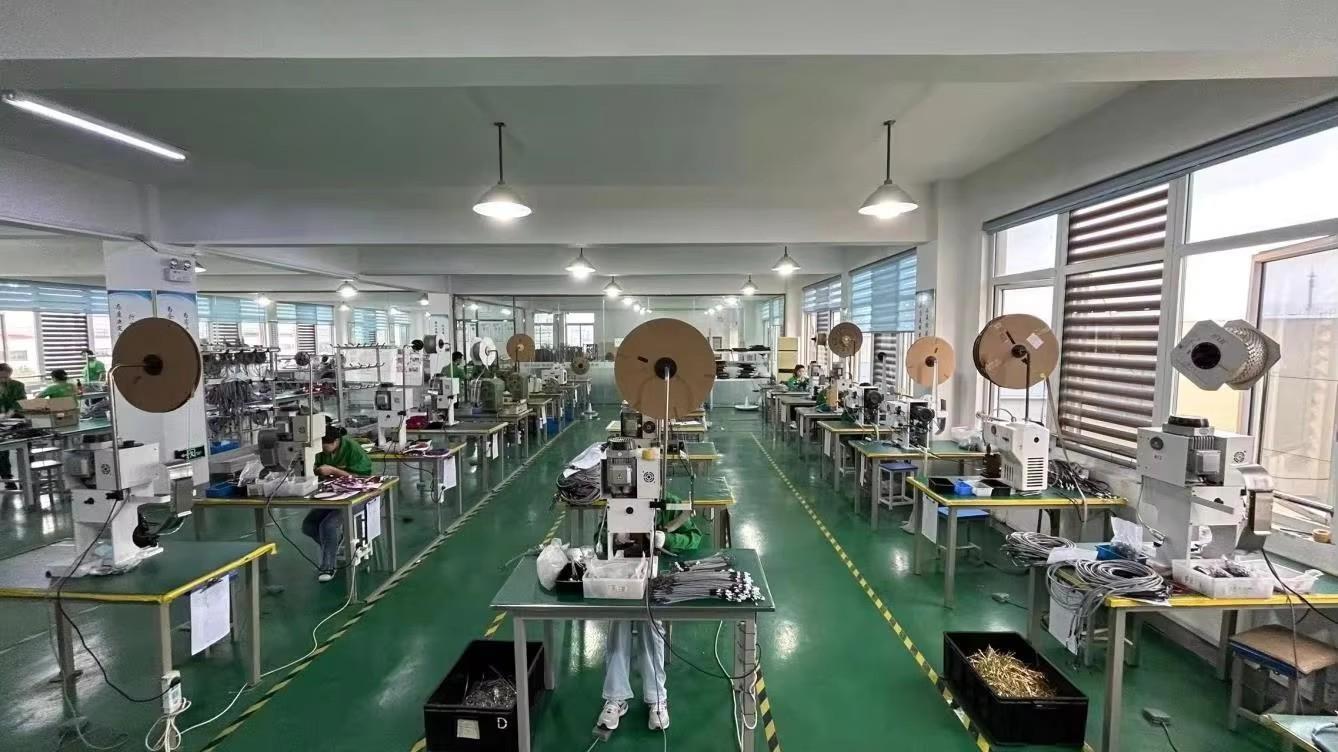
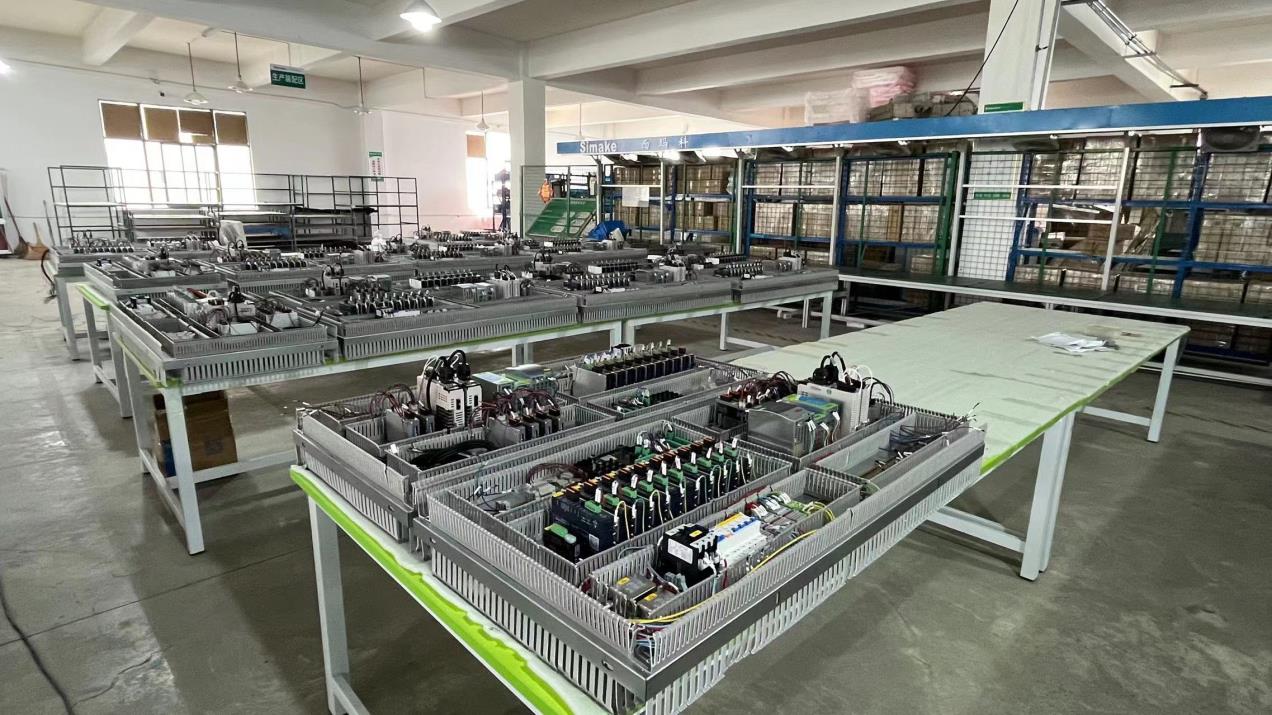
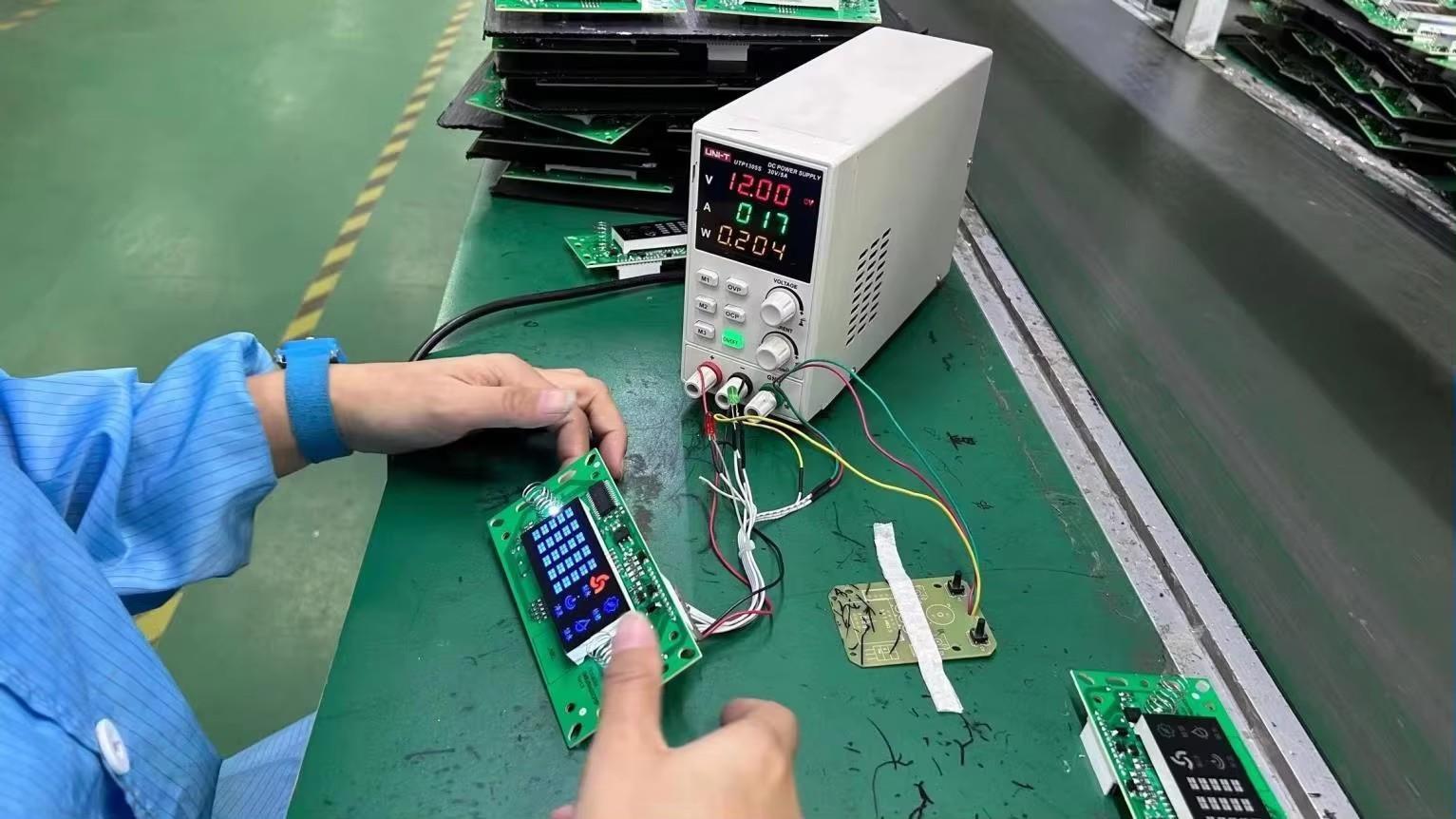
Technological refinement and manufacturing precision guide our operational ethos. We maintain rigorous, ISO-compliant quality control measures at every stage of the fabrication cycle. By checking everything from raw materials to final functional validation, Luzz Solar ensures long-term operational resilience under extreme physical and electrical conditions.
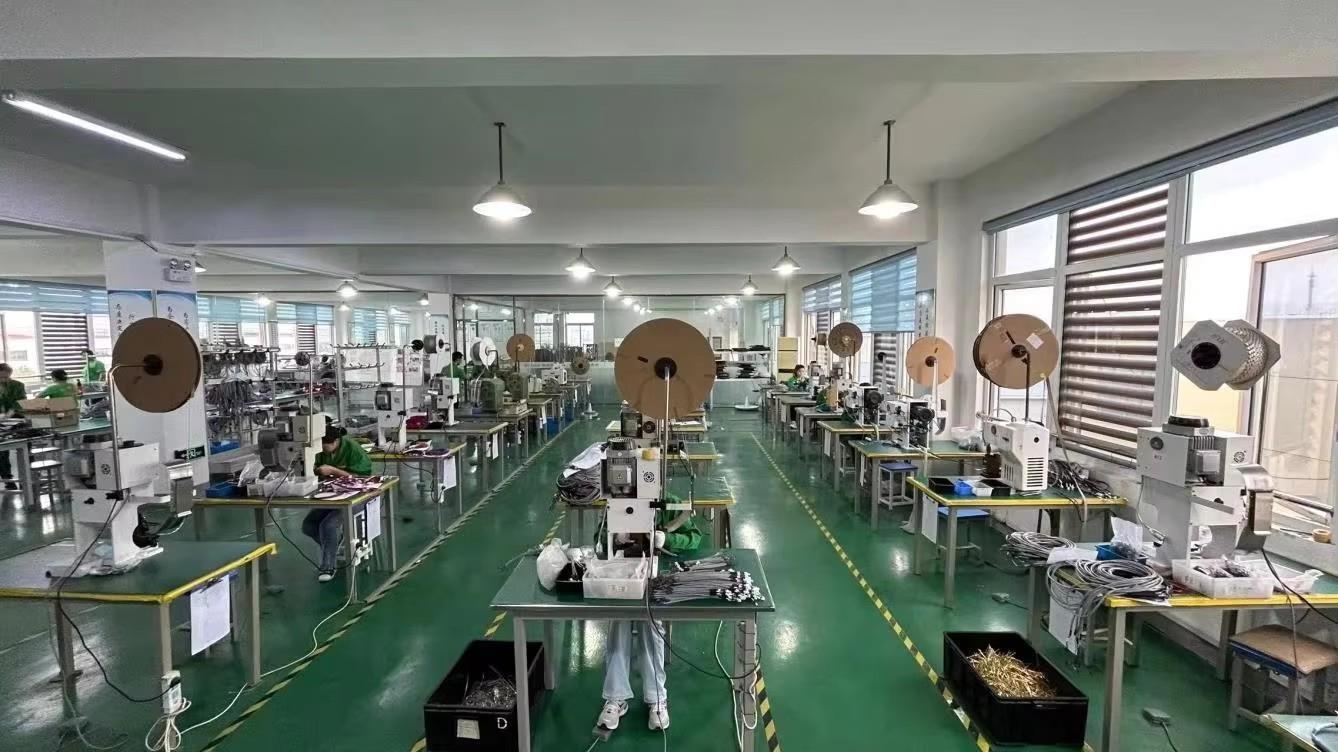
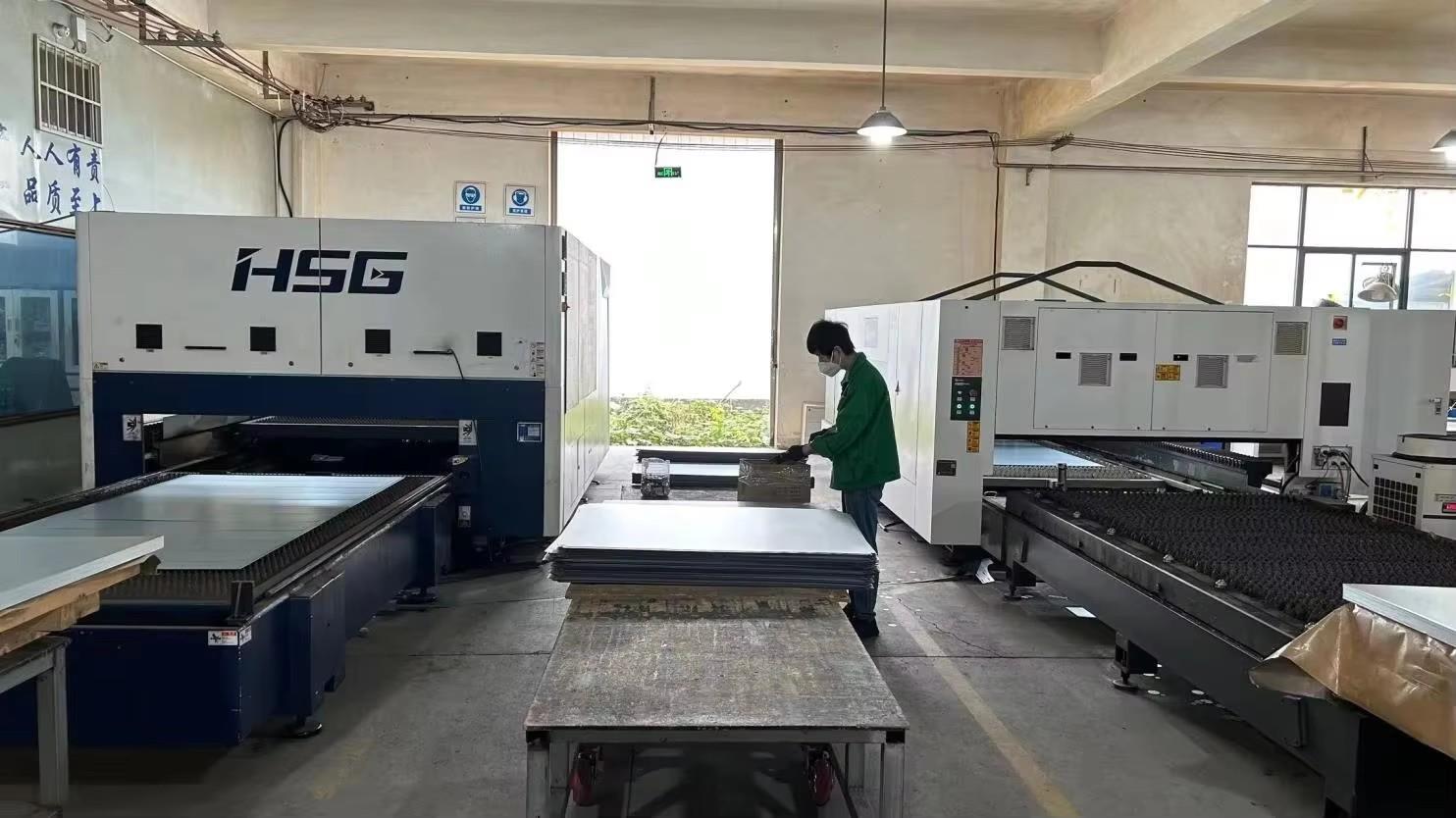
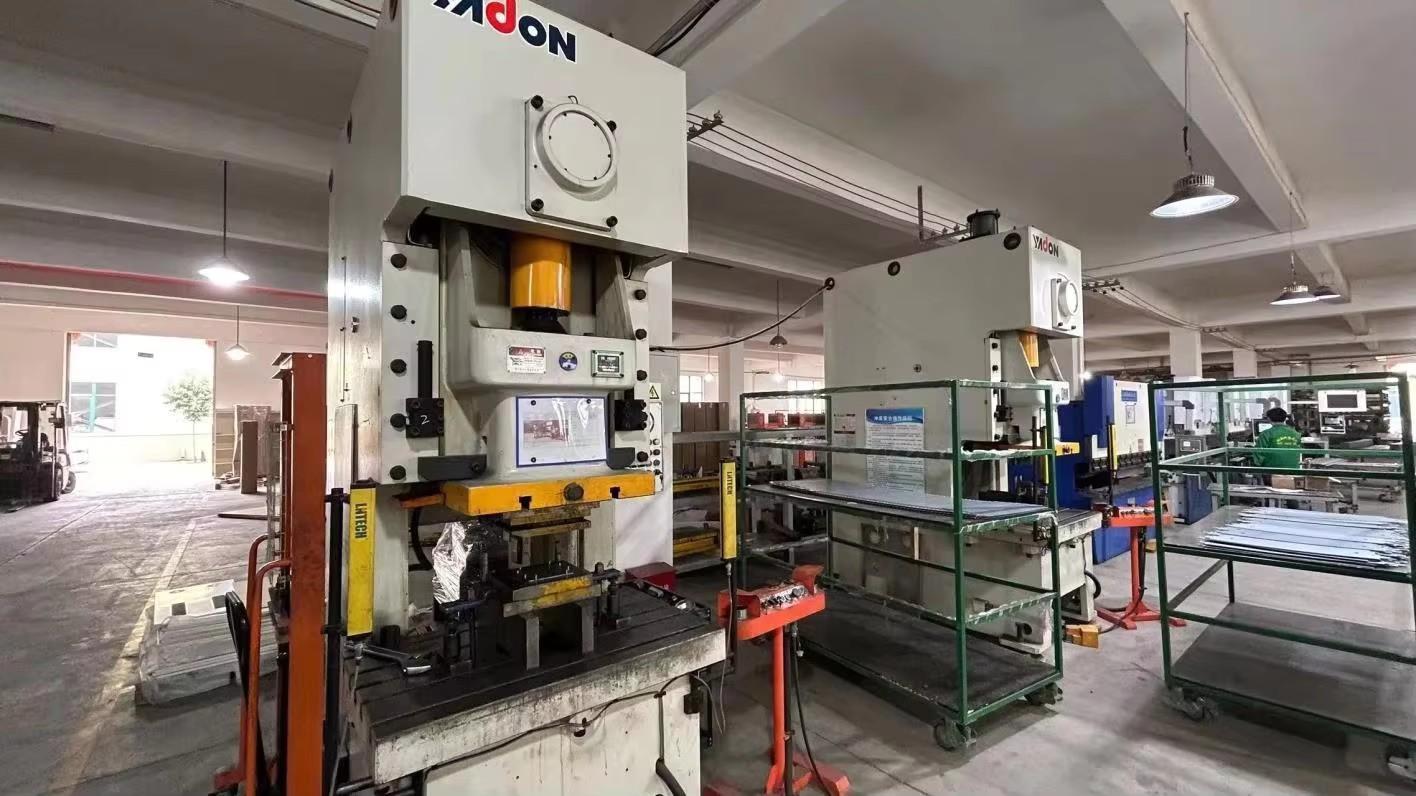
Energy profiles vary significantly by geographic region, depending on weather patterns, grid regulations, and commercial structures. To address these variations, we supply targeted solutions engineered to withstand diverse regional operational stresses:
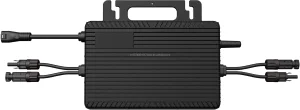
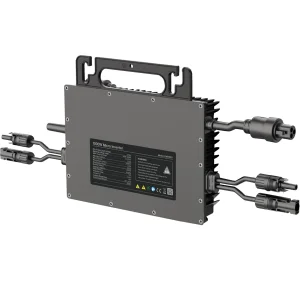
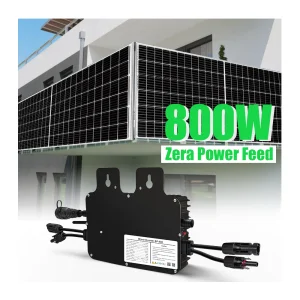
Strict grid compliance and VDE-AR-N 4105 certifications govern balcony systems. Our microinverters with integrated MPPT trackers deliver peak performance under low-irradiance conditions, maximizing yield for dense residential areas.
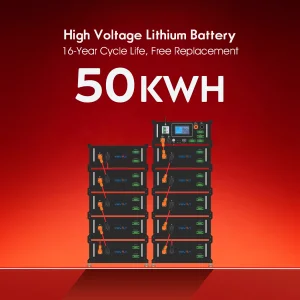
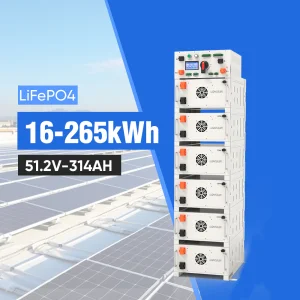
Industrial facilities in North America and APAC rely on stackable, rack-mounted 51.2V LiFePO4 modules. Scalable configurations up to 128kWh mitigate peak demand surcharges and guarantee clean power supply for precision manufacturing.
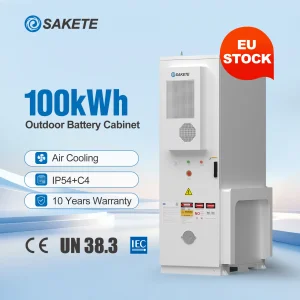
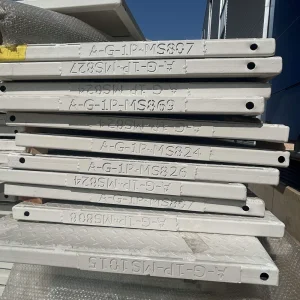
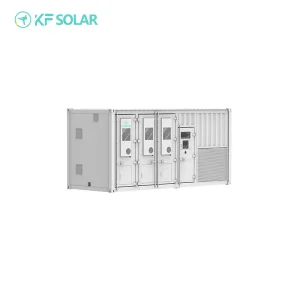
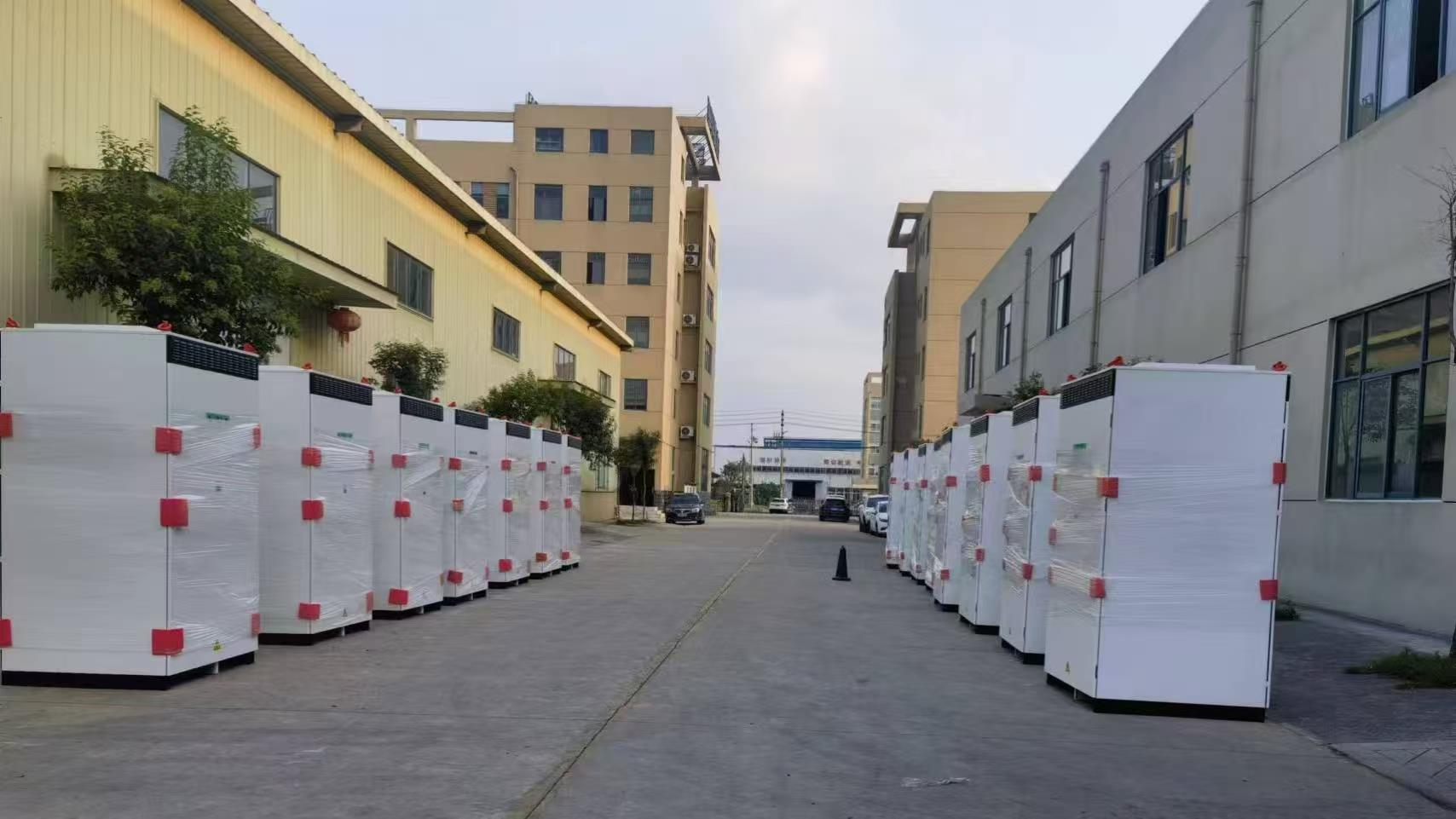
Remote environments require containerized BESS. Heavy-duty structural steel frames with C3/C5 corrosion protection secure the batteries against temperature extremes and seismic forces, maintaining continuous remote power.
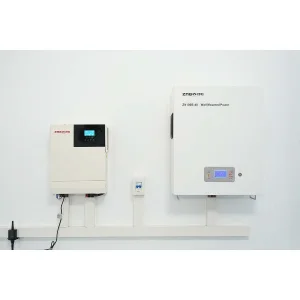
Wall-mounted LiFePO4 batteries feature streamlined footprints and direct BMS-to-inverter communications, providing homeowners with reliable emergency backup and high self-consumption rates.
Luzz Solar simplifies international integration by managing compliance across global standards. Our equipment carries certifications including CE, FCC, UL, and VDE. This compliance guarantees that our products satisfy regional safety, electromagnetic compatibility, and grid-connection requirements, facilitating streamlined custom clearances and rapid project execution.
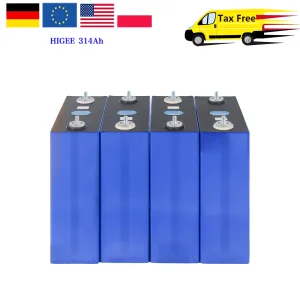
As the energy storage sector scales, next-generation materials and topologies are defining the industry roadmap. The transition from 280Ah cells to 314Ah Grade-A cells marks a milestone in cell volumetric efficiency. By optimizing internal cell architectures, manufacturers increase density while maintaining standard physical footprints. This allows system integrators to package higher capacities in standard 20-foot and 40-foot container profiles.
Integrating Grade-A 314Ah chemistry increases overall pack capacity by 12% without increasing the footprint, lowering per-kWh shipping and foundation costs.
Decentralized Maximum Power Point Tracking (MPPT) optimizes multi-angle solar arrays, reducing shading losses and boosting aggregate system yield.
Researching solid-state electrolytes to eliminate thermal runaway risks and achieve longer lifespans for harsh industrial environments.
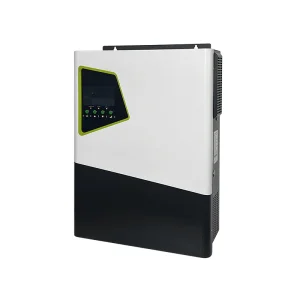
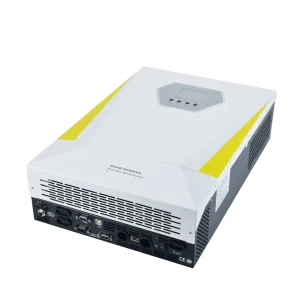
In parallel, inverter design is evolving toward greater modularity and smart communication interface protocols. Advanced hybrid inverters now integrate with cloud-based EMS (Energy Management Systems). Using predictive AI algorithms, these systems analyze weather patterns and historical load profiles to determine the most cost-effective charge and discharge schedules.
Direct, technical answers regarding cell specifications, warranties, factory auditing, and custom metal fabrication.
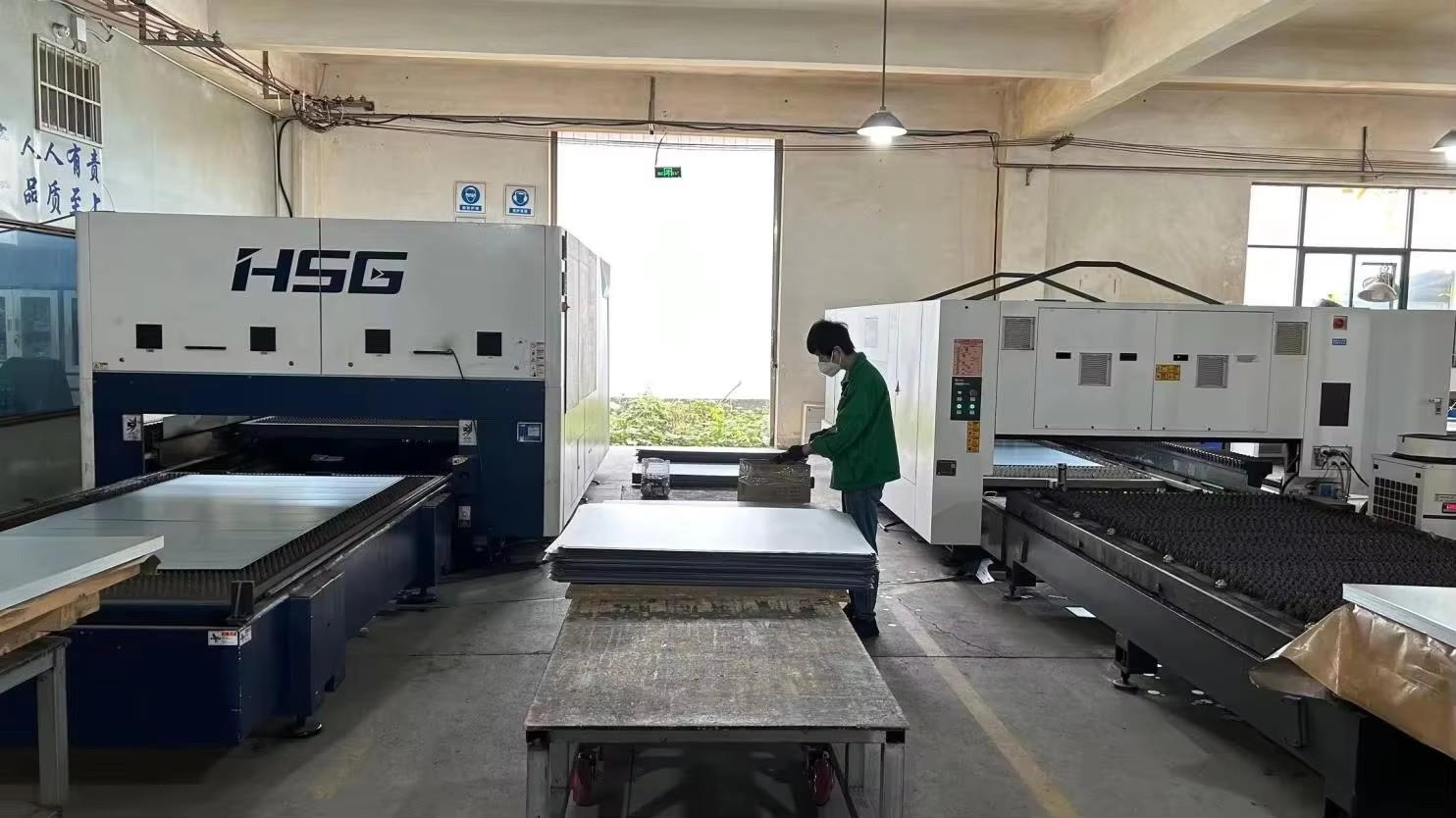
Precision manufacturing of heavy-duty enclosures, cleanroom workbenches, and structural steel chassis.
 Luzz Solar