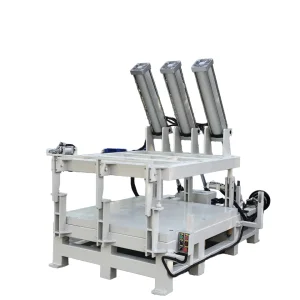
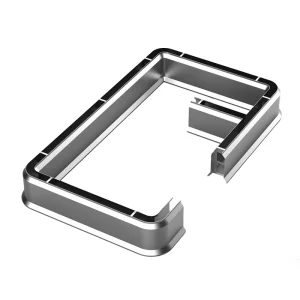
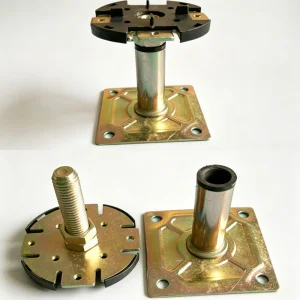
High-reliability hardware components designed to integrate seamless power, grid-stability, and structual integrity for C&I installations.
The convergence of Singapore's Green Plan 2030, rising grid demand, and carbon neutrality goals is driving exponential growth in Commercial & Industrial (C&I) BESS deployments.
As one of the world's most densely populated urban landscapes and industrial hubs, Singapore faces a unique challenge in achieving its sustainable energy goals. Land limitations restrict the deployment of massive solar farms, prompting a focus on rooftop solar photovoltaic (PV) systems, floating solar panels, and localized microgrids. Crucially, the integration of intermittent solar energy necessitates robust, grid-stabilizing technologies. This is where Commercial & Industrial Battery Energy Storage Systems (C&I BESS) play a pivotal role.
Under the Singapore Green Plan 2030, the Energy Market Authority (EMA) has set a target of achieving at least 2 gigawatt-peak (GWp) of solar energy capacity. To manage this influx of variable generation, EMA aims to deploy at least 200 megawatts (MW) of energy storage systems. BESS technologies enable C&I enterprises—from Tuas semiconductor factories to Changi logistics hubs—to mitigate high demand tariffs, guarantee power quality, and participate in demand response programs. Our systems offer the energy density, safety, and cycle longevity required to sustain high-intensity industrial operations across the island state.
Significantly reduce monthly peak demand charges from SP Group. Store electricity during off-peak hours at lower tariff rates and discharge during peak operations.
Provide rapid-frequency response (RFR) and reserve capacity services to stabilize Singapore's transmission network and generate secondary revenue streams.
Systems engineered to meet Singapore's stringent SCDF fire regulations, utilizing advanced gas detection, explosion venting, and automatic sprinklers.
Engineered solutions tailored for Singapore's unique industrial sub-sectors, urban topography, and high-tech facility requirements.
Singapore remains one of Asia's primary data hub capitals. By replacing legacy diesel generator systems with high-discharge LFP (Lithium Iron Phosphate) battery containers, data center operators can achieve zero-interruption UPS transition, save on diesel footprint, and drastically lower scope 1 carbon emissions.
The petrochemical and heavy manufacturing hubs on Jurong Island require extreme electrical stability. Localized BESS containers acting as isolated or grid-tied microgrids provide black-start capabilities, islanding protection, and local voltage regulation for critical refining and logistics operations.
With Singapore transitioning public transport and logistics fleets to EVs by 2040, high-power DC fast charging depots place massive instantaneous loads on local substations. BESS installations store energy dynamically to buffer the grid during multi-vehicle high-speed charging sessions, avoiding grid upgrade fees.
Operating in Singapore requires stringent compliance with technical codes, environmental metrics, and structural safety rules.
Deploying energy storage systems in Singapore involves strict adherence to local codes of practice. Key authorities, including the **Energy Market Authority (EMA)**, the **Singapore Civil Defence Force (SCDF)**, and **SP Group**, enforce rigorous guidelines to ensure grid stability and public safety. Without comprehensive compliance, installation approvals can be delayed indefinitely.
Luzz Solar provides end-to-end support, collaborating closely with local Singaporean Registered Professional Engineers (PEs) and Licensed Electrical Workers (LEWs) to complete technical submissions for SP Group connection permits and SCDF building approvals, minimizing project lead times.
Leveraging Qingdao Luzz Solar Co., Ltd.'s vertical integration, advanced cell testing, and automated assembly to deliver premium BESS hardware.
As a leading Chinese manufacturer, Qingdao Luzz Solar Co., Ltd. combines massive industrial capacity with rigorous, high-precision engineering. The Chinese BESS supply chain controls over 80% of global battery manufacturing steps—from chemical refining of Lithium Iron Phosphate (LFP) cells to automated Battery Management System (BMS) coding. This regional cluster allows us to source top-tier, long-cycle lithium-ion cells and integrate them with high-efficiency Power Conversion Systems (PCS) at highly competitive prices.
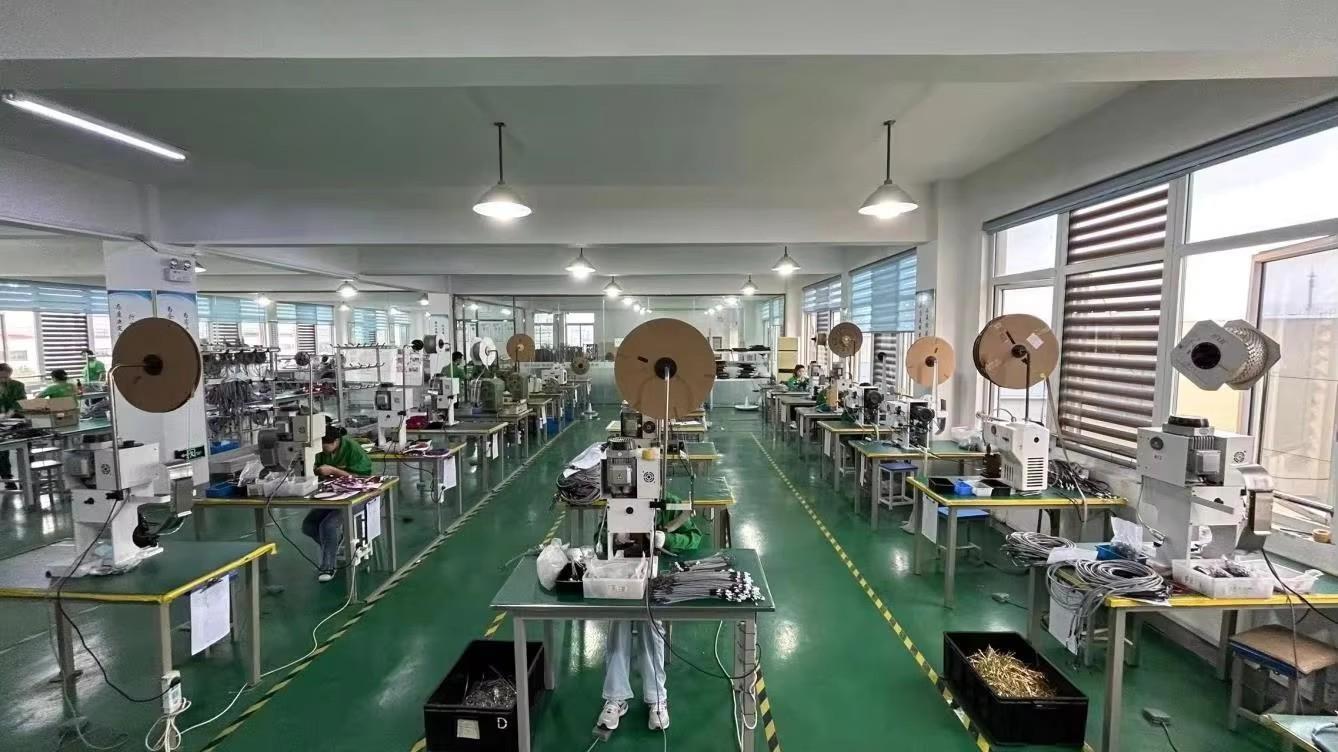
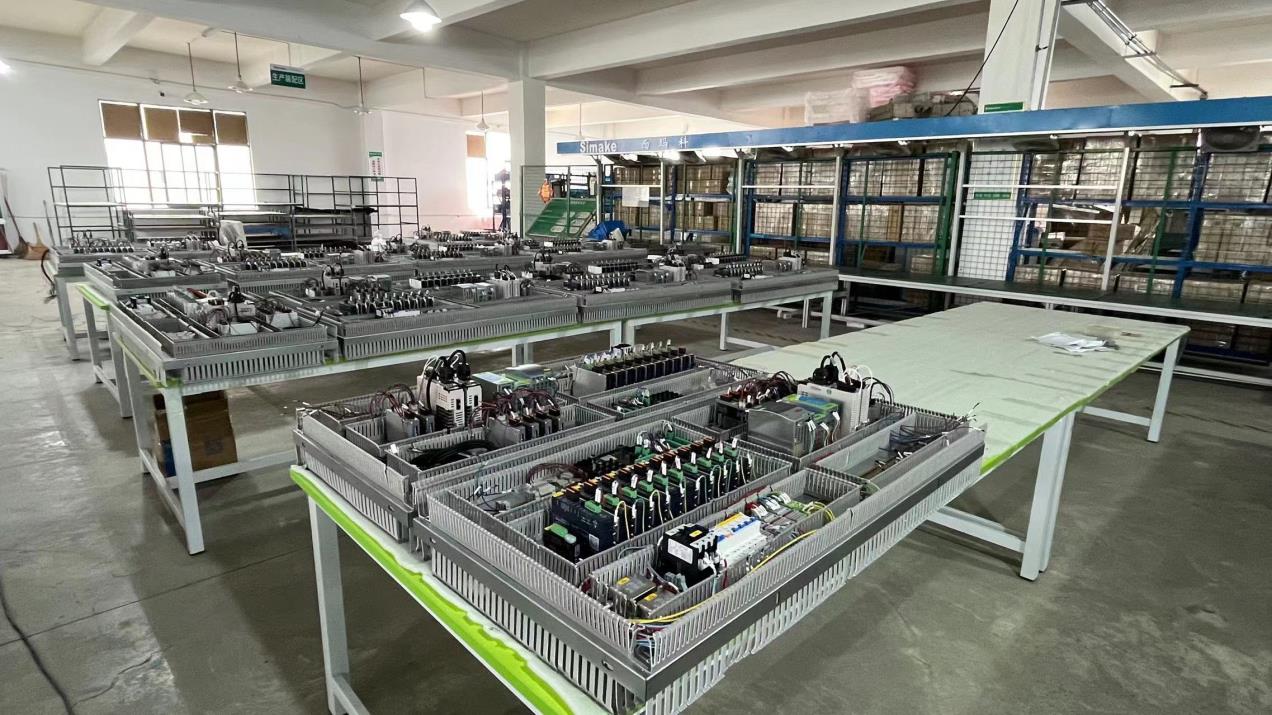
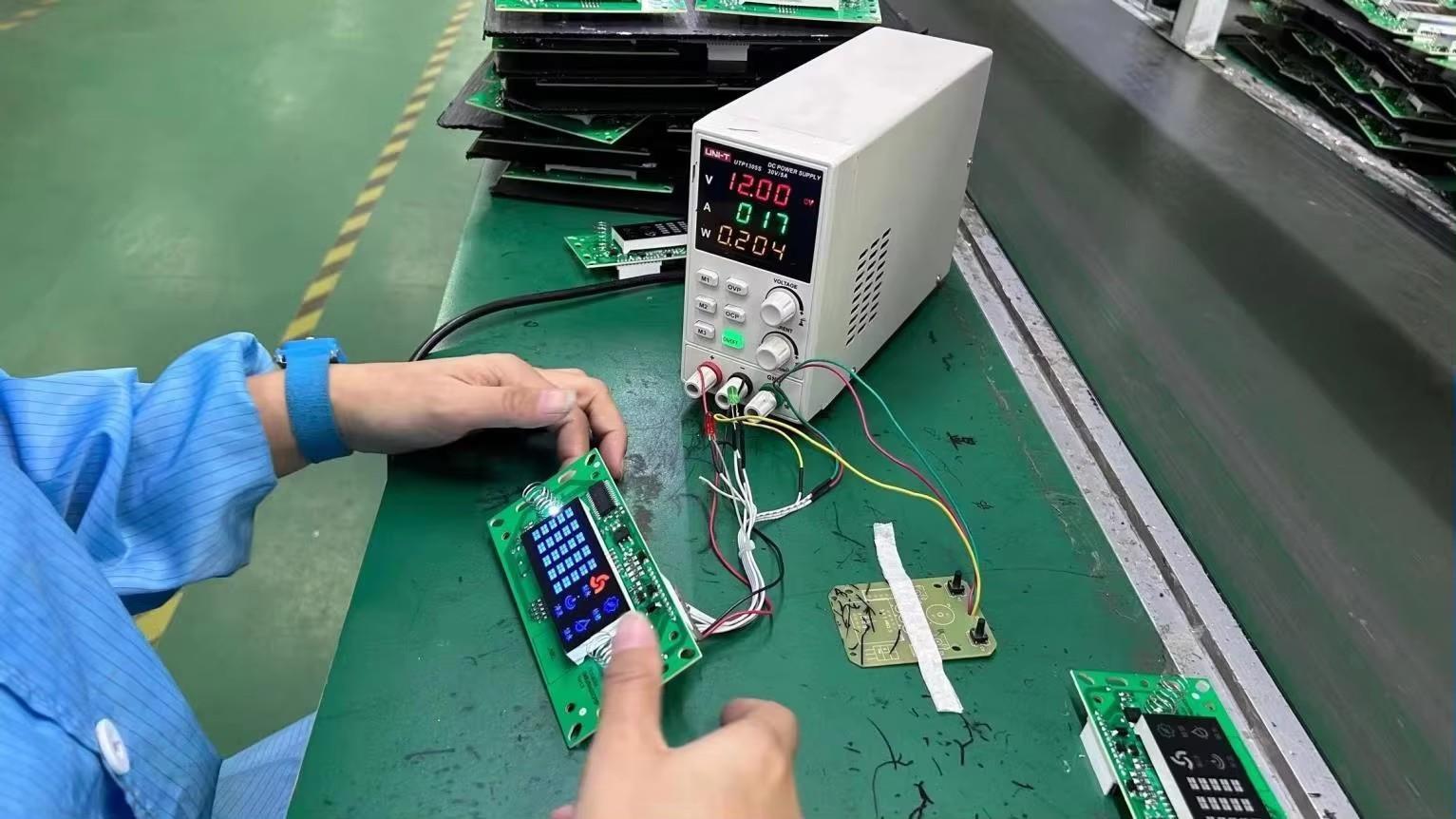
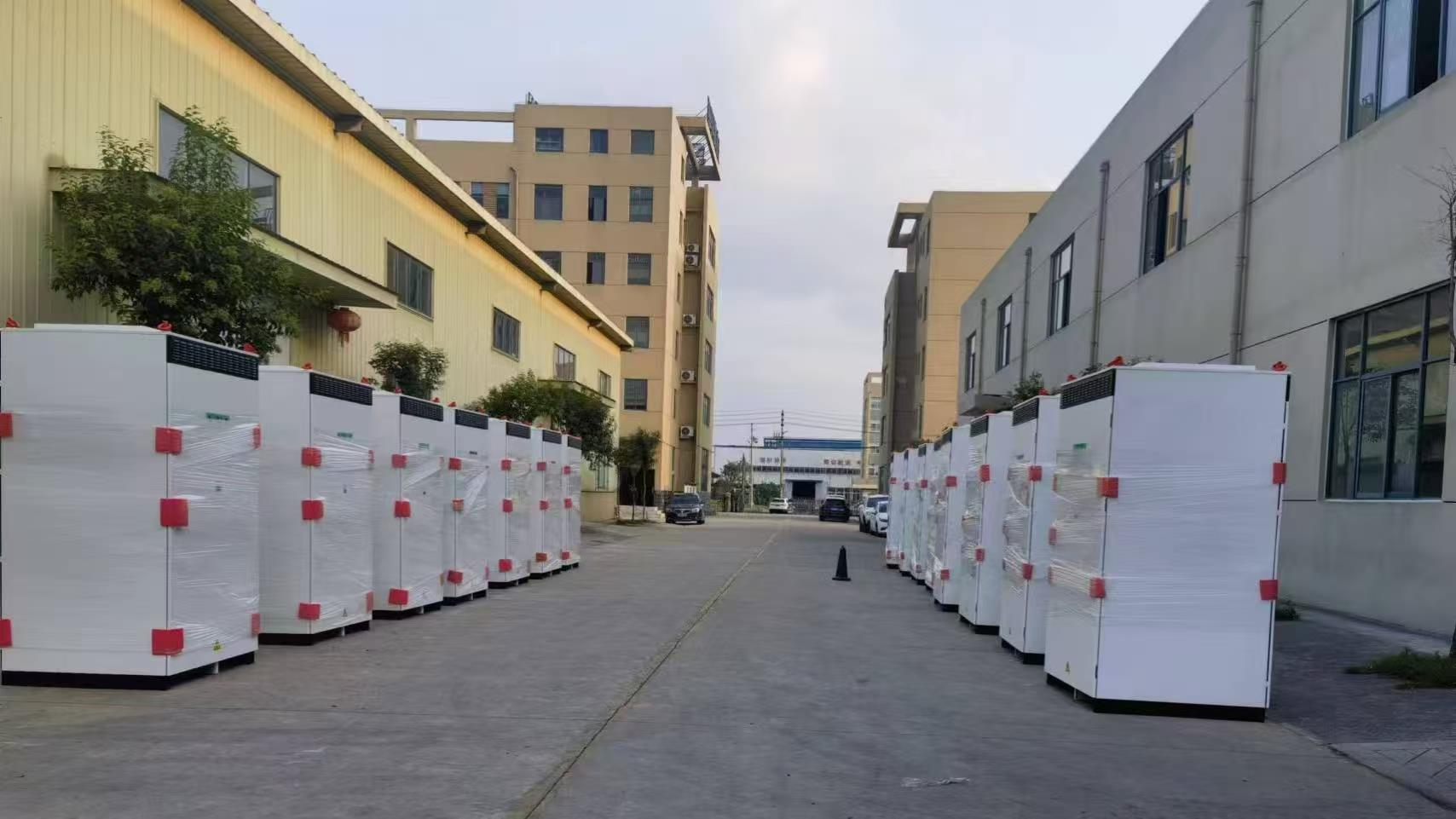
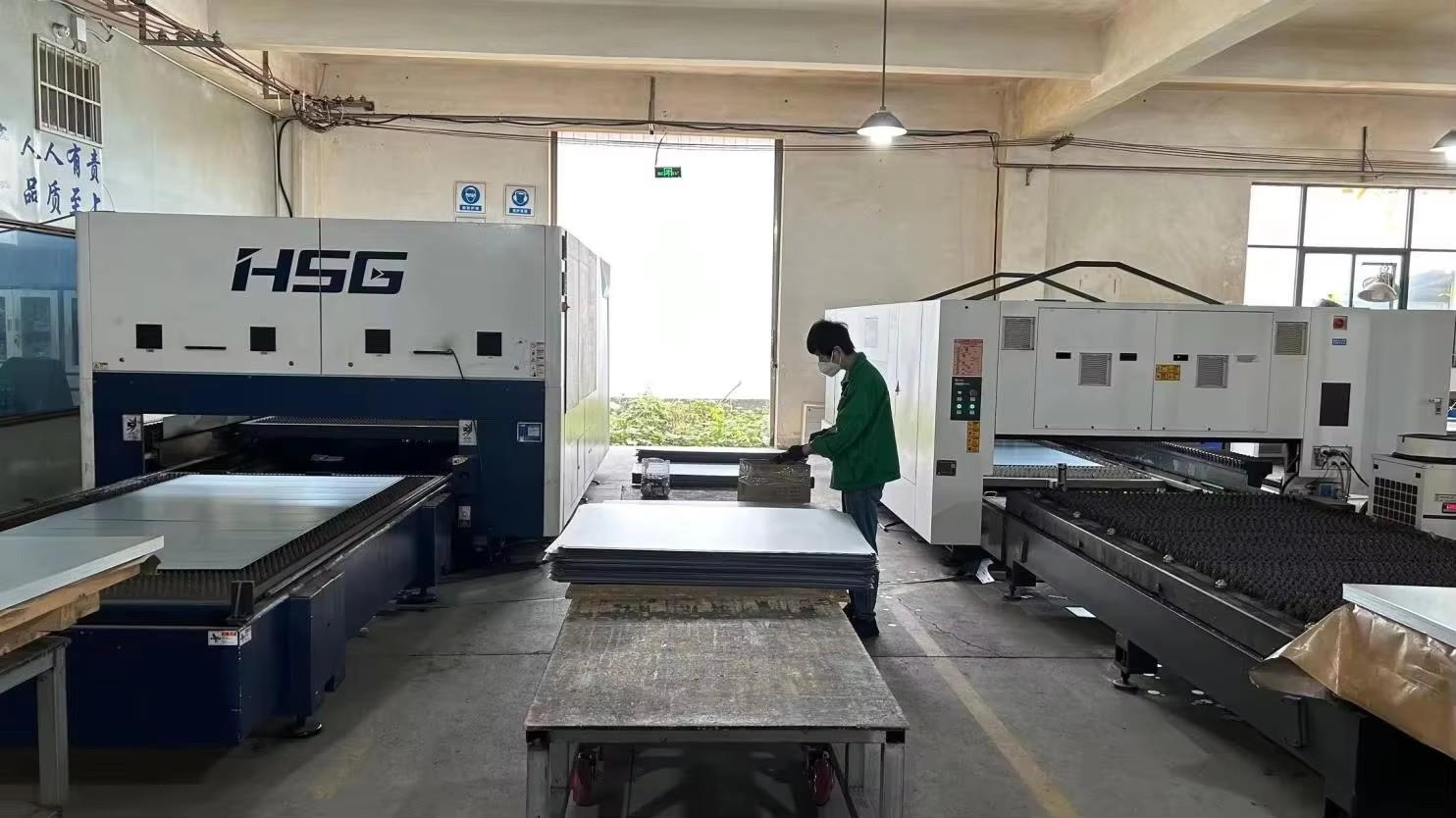
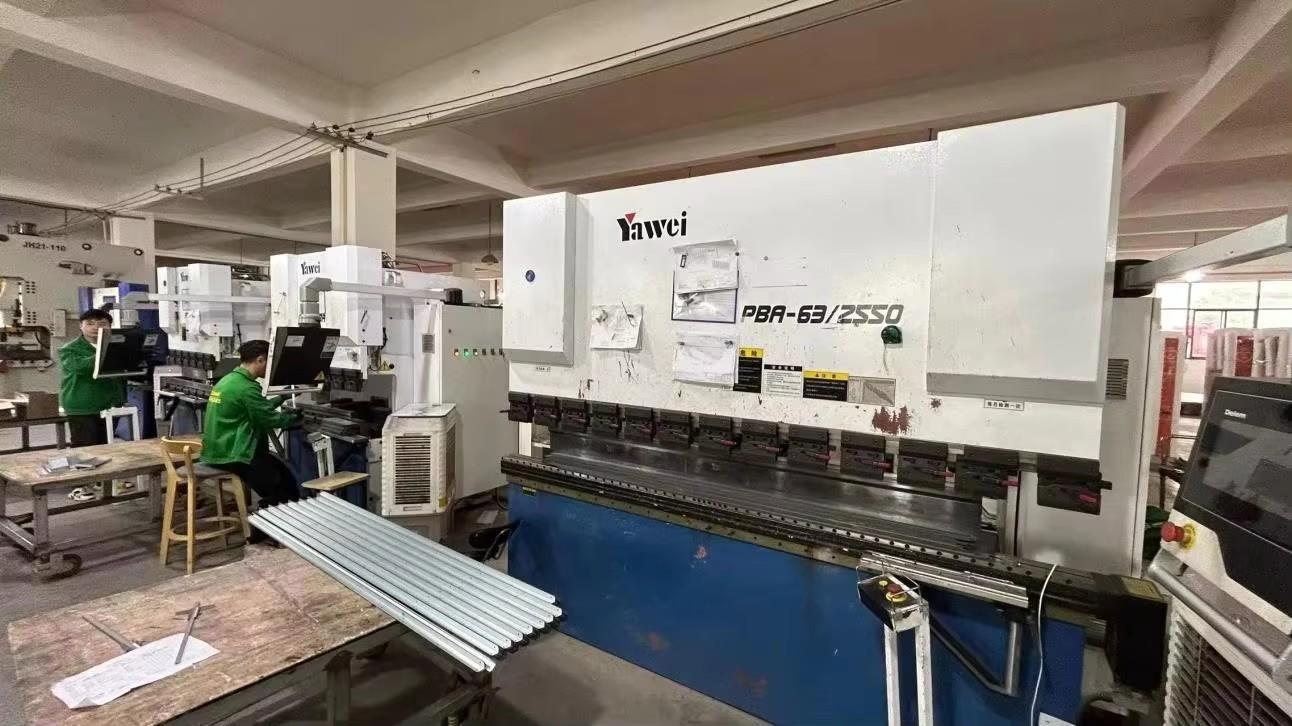
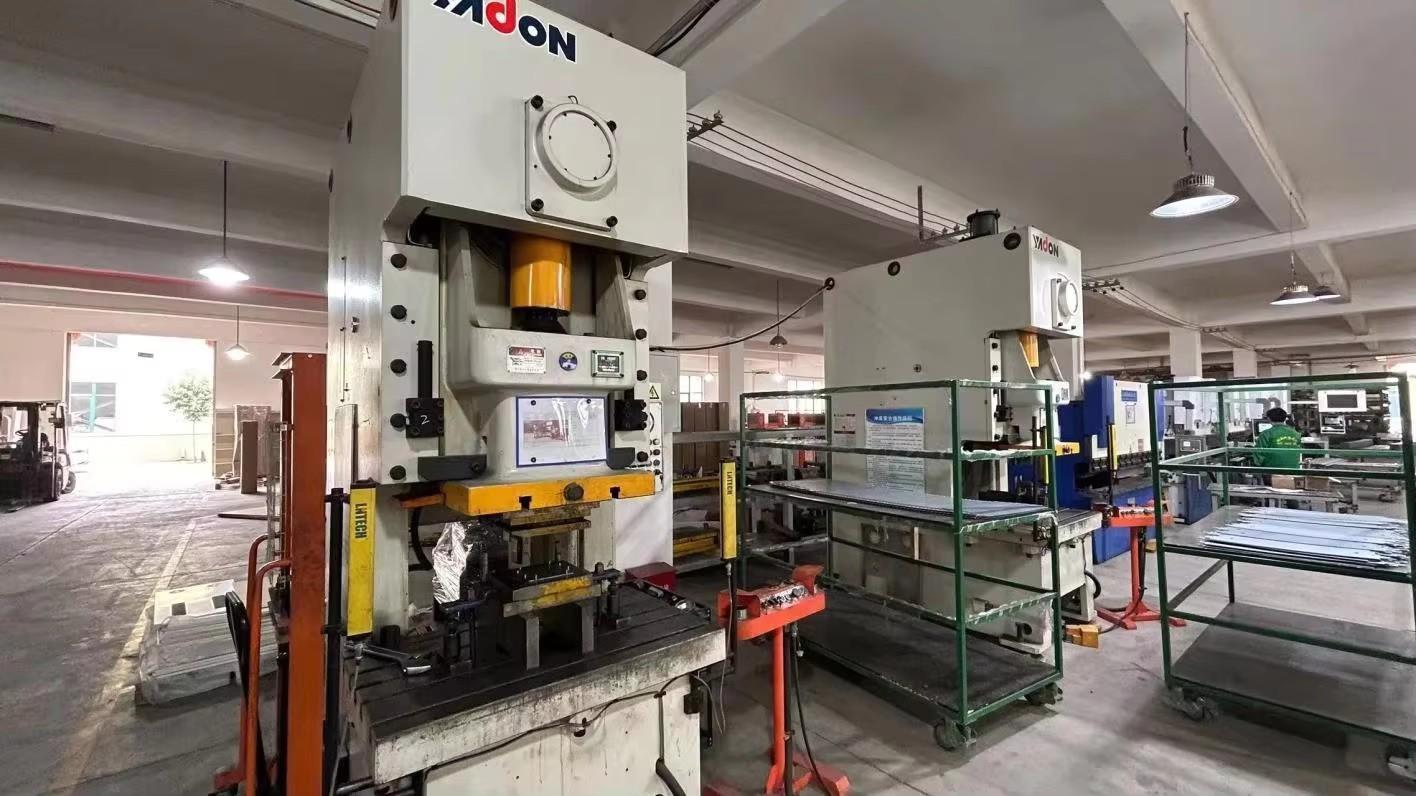
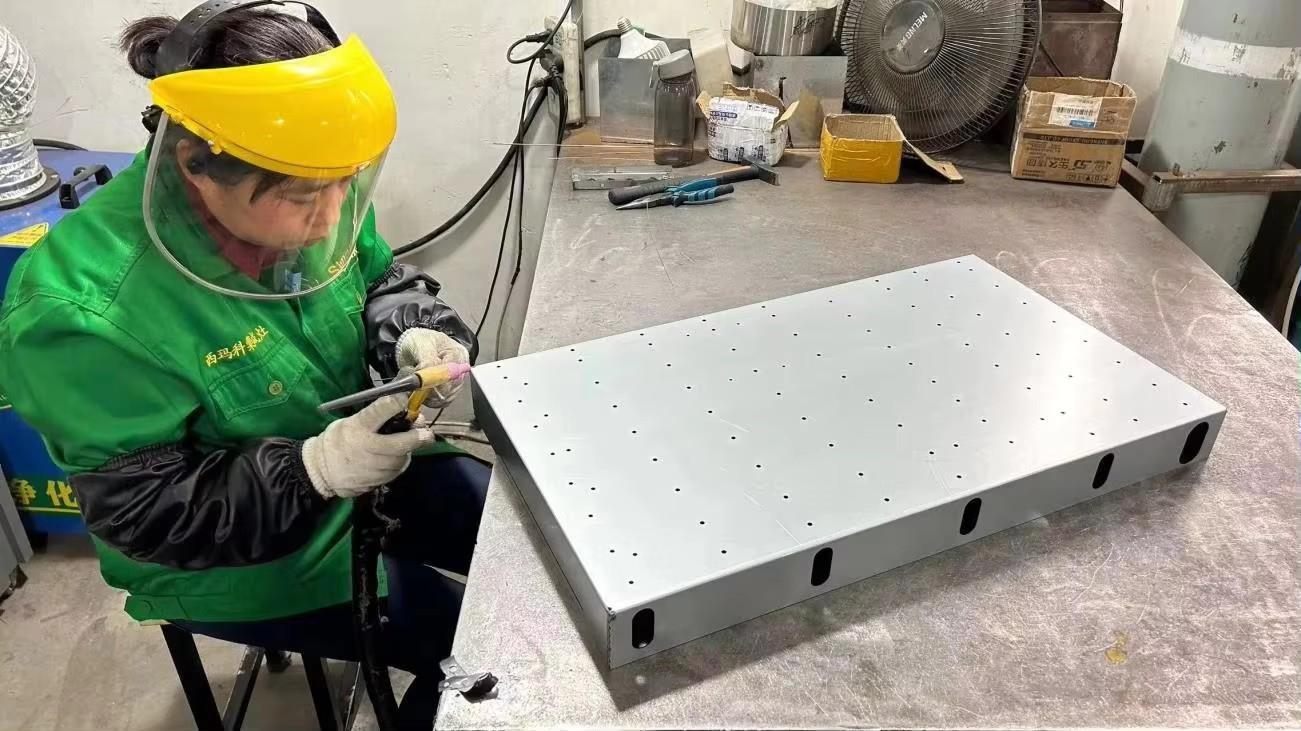
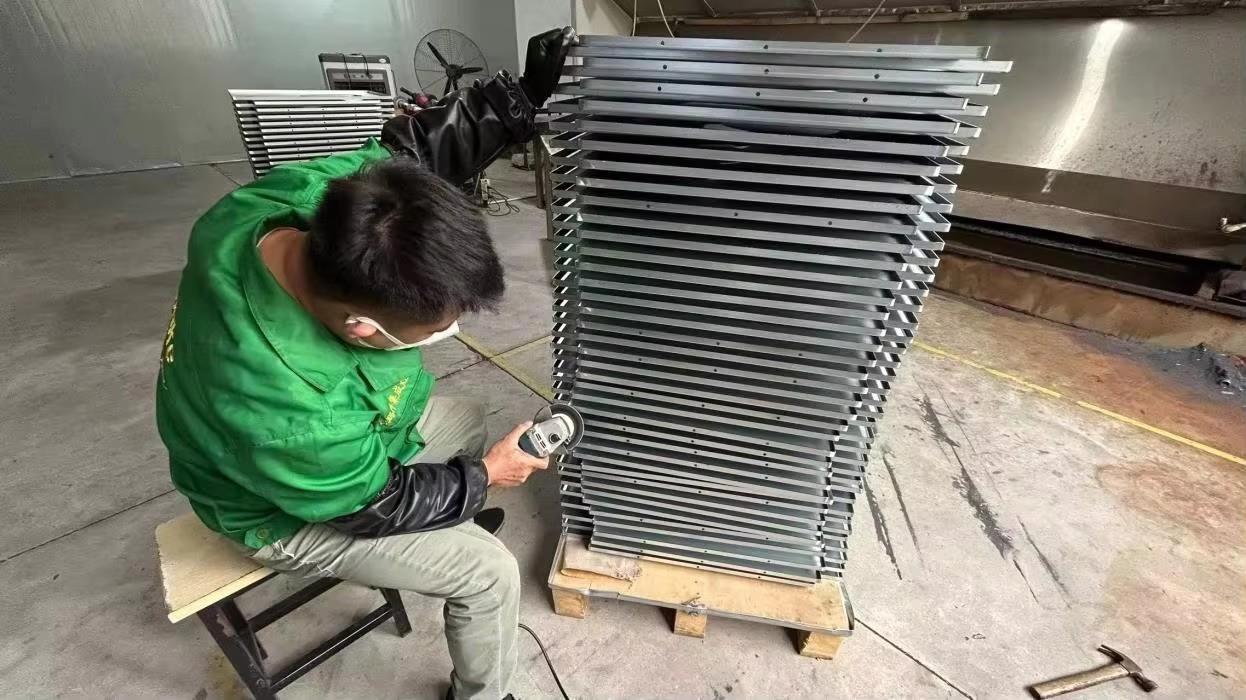
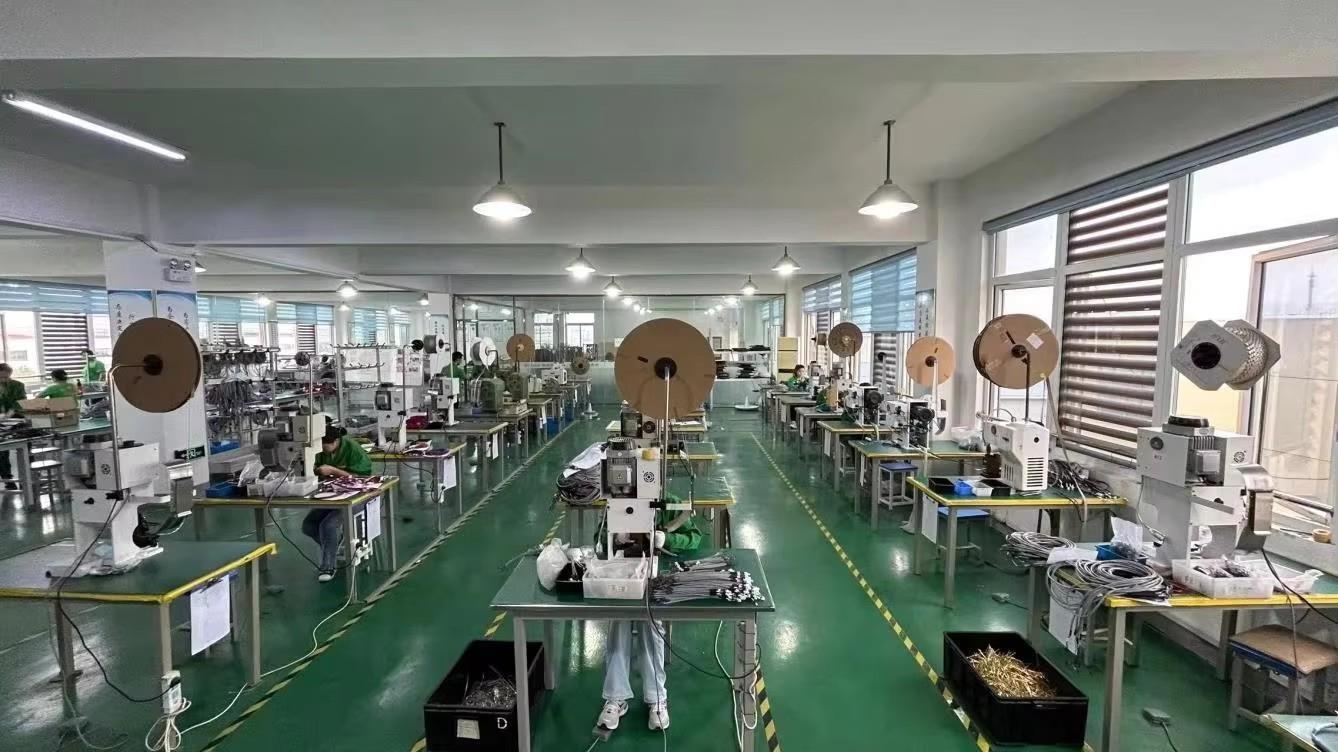
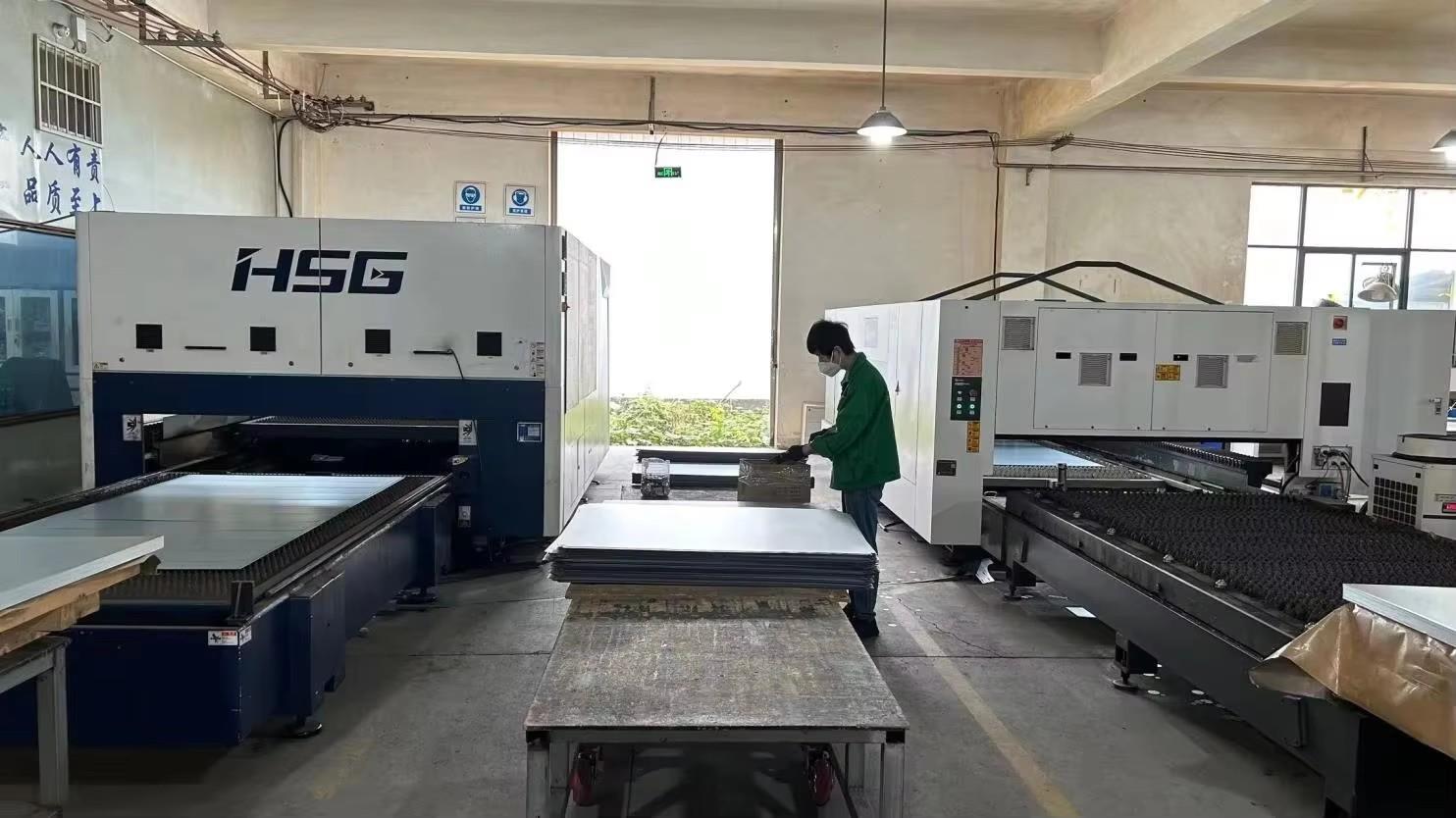
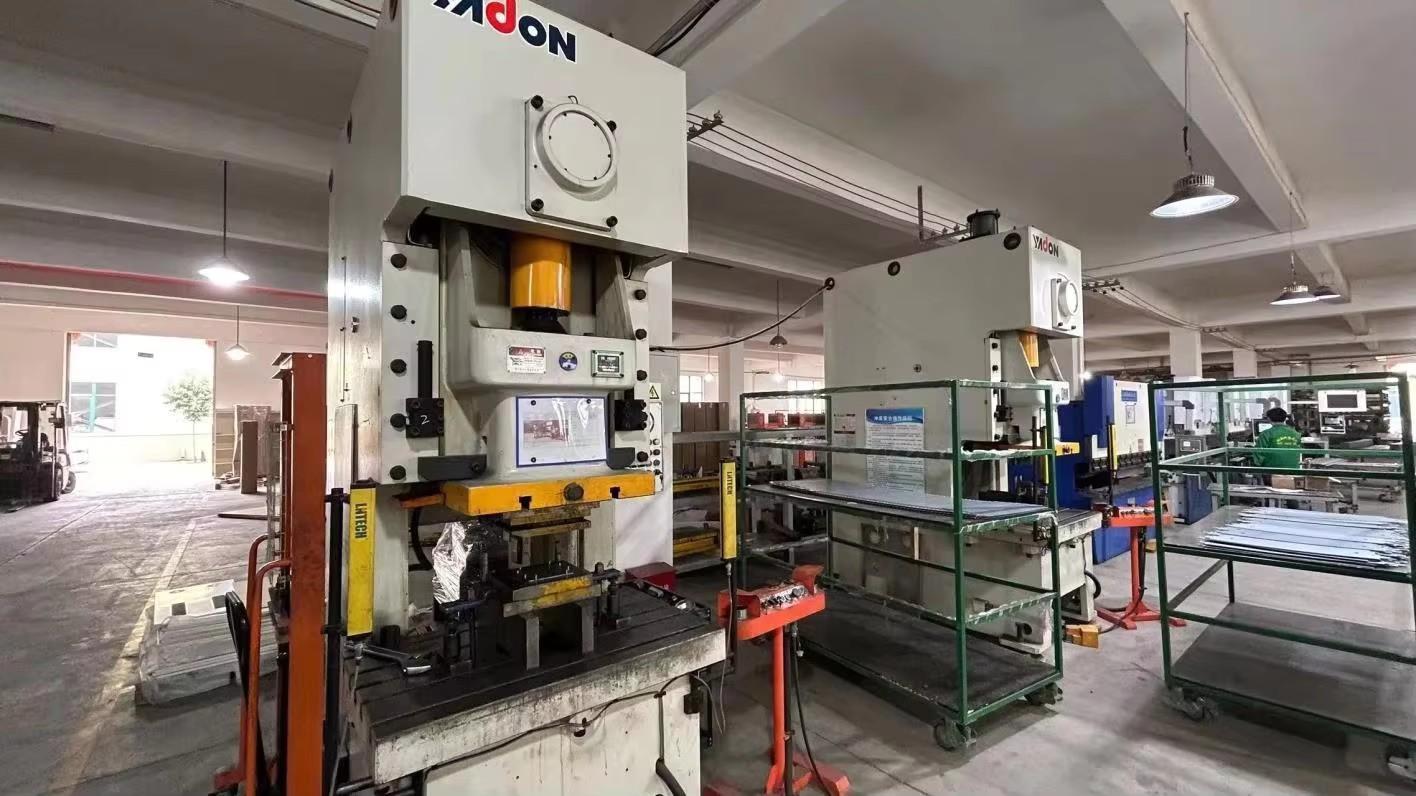
Our state-of-the-art facility in Qingdao features strict process control across 12 primary workshops, guaranteeing structural integrity, premium wire routing, precise bending tolerance, and exhaustive quality validation. By handling everything from custom sheet metal fabrication for heavy-duty enclosures to automated wiring harness assembly, we ensure that every system destined for Singapore's humid, coastal environment is fully protected against corrosion and moisture-related short circuits.
Qingdao Luzz Solar Co., Ltd. — Professional new energy enterprise specializing in global distribution of PV modules & integrated C&I energy storage solutions.
Qingdao Luzz Solar Co., Ltd. is a professional new energy enterprise specializing in the development, manufacturing, and global distribution of photovoltaic (PV) products and integrated energy storage solutions. Located in Qingdao, China, the company benefits from a well-established renewable energy industrial base and advanced manufacturing capabilities.
With the accelerating global transition toward carbon neutrality and sustainable development, Luzz Solar is committed to providing efficient, reliable, and cost-effective clean energy solutions to customers worldwide. Our product portfolio includes high-efficiency solar photovoltaic modules, energy storage systems, and integrated solar application solutions designed for residential, commercial, and utility-scale projects.
Driven by technological innovation and quality excellence, the company continuously invests in R&D and production optimization to improve product performance, energy conversion efficiency, and system reliability. We strictly adhere to international quality standards and implement rigorous quality control throughout the entire production process to ensure stable and long-term product performance. Guided by the core values of integrity, innovation, cooperation, and sustainability, Luzz Solar strives to become a trusted global partner in the new energy industry.
What procurement officers and chief engineers specify when designing future-proof energy storage configurations.
In the globalized BESS procurement ecosystem, reliability, safety, and integration flexibility are critical. Procurement teams working on projects in Singapore and internationally demand solutions that minimize site integration labor. The trend has shifted rapidly from **air-cooled modular cabinets** to **fully integrated liquid-cooled containers**.
Liquid cooling provides superior thermal uniformity, maintaining cell temperature variations within ±2°C. This directly extends the service life of lithium batteries by up to 20% and reduces auxiliary energy consumption. Additionally, global buyers prioritize smart energy storage, requiring integration with **Energy Management Systems (EMS)** that support AI-driven algorithms. These systems predict load variations, optimize charging cycles based on real-time market tariffs, and interface with regional virtual power plants (VPPs).
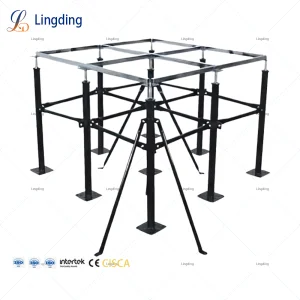
Furthermore, sourcing components from specialized manufacturing factories ensures that structural foundations, electrical trunking systems, and structural bases are certified to handle heavy loads, extreme weather, and seismic variations. Luzz Solar leverages its industrial infrastructure roots to deliver integrated turnkey solutions, ensuring seamless mechanical and electrical compatibility.
Key technical and regulatory answers regarding C&I BESS implementation in Singapore.
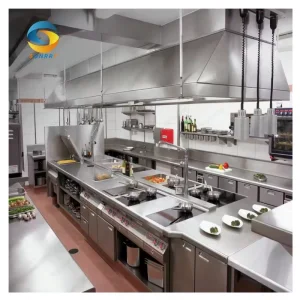
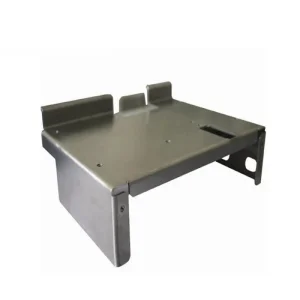
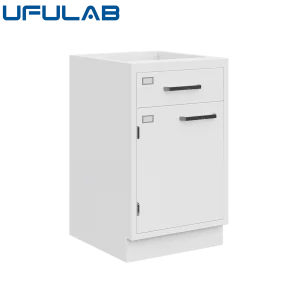
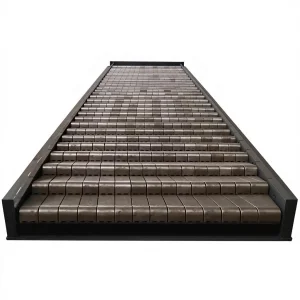
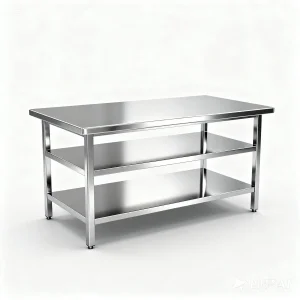
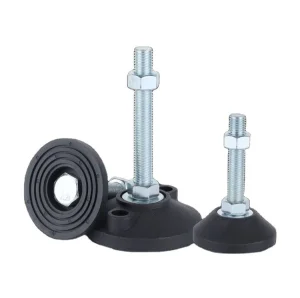
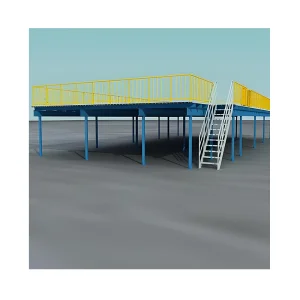
Explore our full line of structural bases, heavy-duty access systems, and steel components for robust industrial applications.
Contact Qingdao Luzz Solar Co., Ltd. for tailor-made, safety-certified commercial and industrial battery storage energy systems (BESS). Get in touch with our design engineers for a complimentary project assessment.
Send Inquiry Now Luzz Solar