Engineered for extreme heat, zero-maintenance profiles, and high cycle efficiency
Accelerating Oman Vision 2040 Clean Energy Targets through Advanced Battery Chemistry
The Sultanate of Oman is undergoing a massive, structural transition in its domestic energy mix. Guided by the overarching goals of Oman Vision 2040 and the National Strategy for Net-Zero Emissions by 2050, the country is shifting its heavy reliance on gas-fired power plants to large-scale renewable infrastructures. According to Oman’s Authority for Public Services Regulation (APSR), the nation aims to secure at least 30% of its electrical generation from renewable sources by 2030, primarily leveraging its vast desert solar resource. However, integrating massive quantities of variable solar PV into the national grid—or operating decentralized solar systems in Oman's extensive remote regions—requires highly stable, thermal-resilient energy storage systems (ESS).
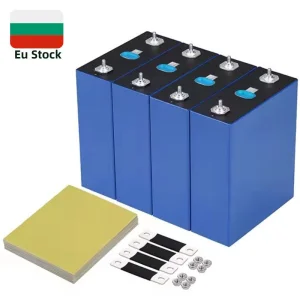
As a leading supplier and exporter of new energy storage configurations, we recognize that the Omani market presents a unique set of challenges and opportunities. Unlike moderate climates, the Middle East, specifically the Omani interior (including regions like Fahud, Haima, and the Empty Quarter), experiences summer ambient temperatures exceeding 50°C. Standard chemical power storage, such as lead-acid or traditional nickel-manganese-cobalt (NMC) lithium batteries, fails prematurely or presents dangerous thermal runaway risks in these high-heat zones. This has driven Omani EPC (Engineering, Procurement, and Construction) contractors, industrial operators, and telecom providers to strictly mandate the procurement of LiFePO4 (Lithium Iron Phosphate) Solar Batteries.
LiFePO4 features a thermal runaway temperature threshold of over 600°C. Its crystalline olivine structure does not release oxygen upon degradation, preventing explosions under extreme desert heat.
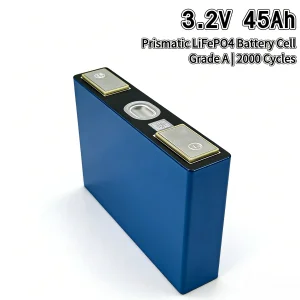
Offering up to 6000–8000 cycles at 80% Depth of Discharge (DoD), LFP batteries easily translate to 15+ years of operational service, outperforming traditional lead-acid options by 5-10 times.
Crucial for distant installations across Oman's Al Wusta and Dhofar governorates. Once configured with our smart BMS, these units run self-regulating protocols without manual fluid or pressure checks.
Custom engineering solutions for Oman's industrial, telecom, and utility ecosystems
Telecom operators like Omantel and Ooredoo manage thousands of remote base stations located in rugged, high-temperature topographies. By switching from diesel generators to solar hybrid arrays equipped with our 48V 100Ah LiFePO4 Battery Base Station Power Systems (IP54), operators dramatically cut diesel transportation logistics, eliminate regular servicing schedules, and secure continuous uptime even in the harsh midsummer desert climate.
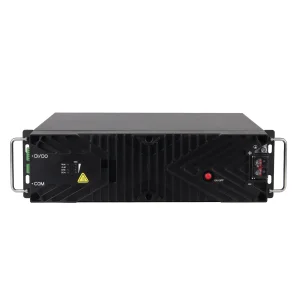
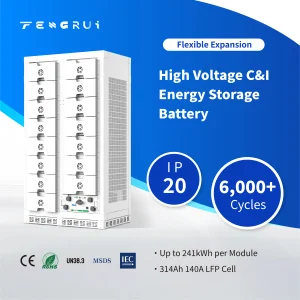
With escalating cost tariffs for commercial grid consumption, industrial companies in Sohar Freezone and Duqm Special Economic Zone utilize high-capacity rack-mounted LiFePO4 batteries (such as our 160.76kWh High Voltage Solar Battery systems) to store daytime solar yields. These batteries discharge during high-tariff peak periods, stabilizing operating costs and supporting corporate green targets.
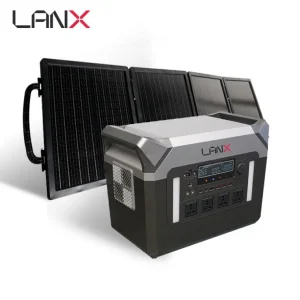
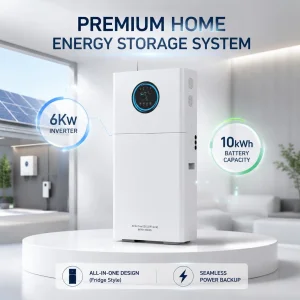
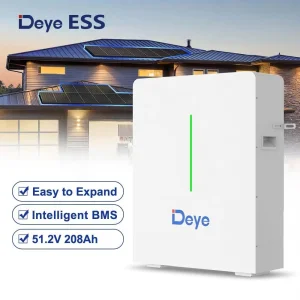
Muscat's residential communities are adopting hybrid solar architectures to combat high summer cooling costs. Integrating the KUNETIC All in One System or wall-mounted Deye 10kWh Low Voltage Battery systems allows homeowners to maintain emergency cooling reserves during occasional grid disruptions, achieving complete self-consumption during peak sun hours.
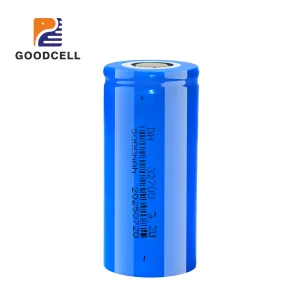
Oman's expansive highway networks and municipal zones are increasingly lit by off-grid solar poles. Using compact, robust options like the 32700 Solar LiFePO4 20Ah cylindrical batteries provides durable lighting performance under humid coastline conditions in Sur and dry inland climates, maintaining consistent energy yields across thousands of operational cycles.
Navigating Omani customs regulations and battery import standards with confidence
Importing advanced lithium products into Oman requires strict adherence to security and safety protocols. As an established global exporter, Qingdao Luzz Solar Co., Ltd. ensures all battery systems delivered to the Port of Sohar, Port of Salalah, or Muscat International Airport are completely certified. The Gulf Cooperation Council (GCC) has instituted rigorous standardization requirements, including the G-Mark certification requirement for low-voltage electrical equipment and specific lithium battery import mandates under Omani Customs.
Our solar battery range maintains extensive certifications to ensure seamless importation and project approvals:
We work directly with local Omani customs agents, offering clear harmonized tariff codes (HS Codes), product safety datasheets, and certificates of origin. Our engineering team assists with remote configuration support, verifying that the dynamic charge/discharge profiles of our smart BMS models sync correctly with grid requirements established by the Nama Electricity Transmission Company (NETC).
Qingdao Luzz Solar Co., Ltd. is a professional new energy enterprise specializing in the development, manufacturing, and global distribution of photovoltaic (PV) products and integrated energy storage solutions. Located in Qingdao, China, the company benefits from a well-established renewable energy industrial base and advanced manufacturing capabilities.
With the accelerating global transition toward carbon neutrality and sustainable development, Luzz Solar is committed to providing efficient, reliable, and cost-effective clean energy solutions to customers worldwide. Our product portfolio includes high-efficiency solar photovoltaic modules, energy storage systems, and integrated solar application solutions designed for residential, commercial, and utility-scale projects.
Driven by technological innovation and quality excellence, the company continuously invests in R&D and production optimization to improve product performance, energy conversion efficiency, and system reliability. We strictly adhere to international quality standards and implement rigorous quality control throughout the entire production process to ensure stable and long-term product performance.
Qingdao Luzz Solar actively expands its global market presence, with business coverage across Asia, Europe, the Middle East, Africa, and Latin America. By working closely with international partners, we are committed to delivering tailored energy solutions that meet diverse regional needs and support the global energy transition.
Guided by the core values of integrity, innovation, cooperation, and sustainability, Luzz Solar strives to become a trusted global partner in the new energy industry. We are dedicated to advancing solar technology and contributing to a greener, more sustainable future.
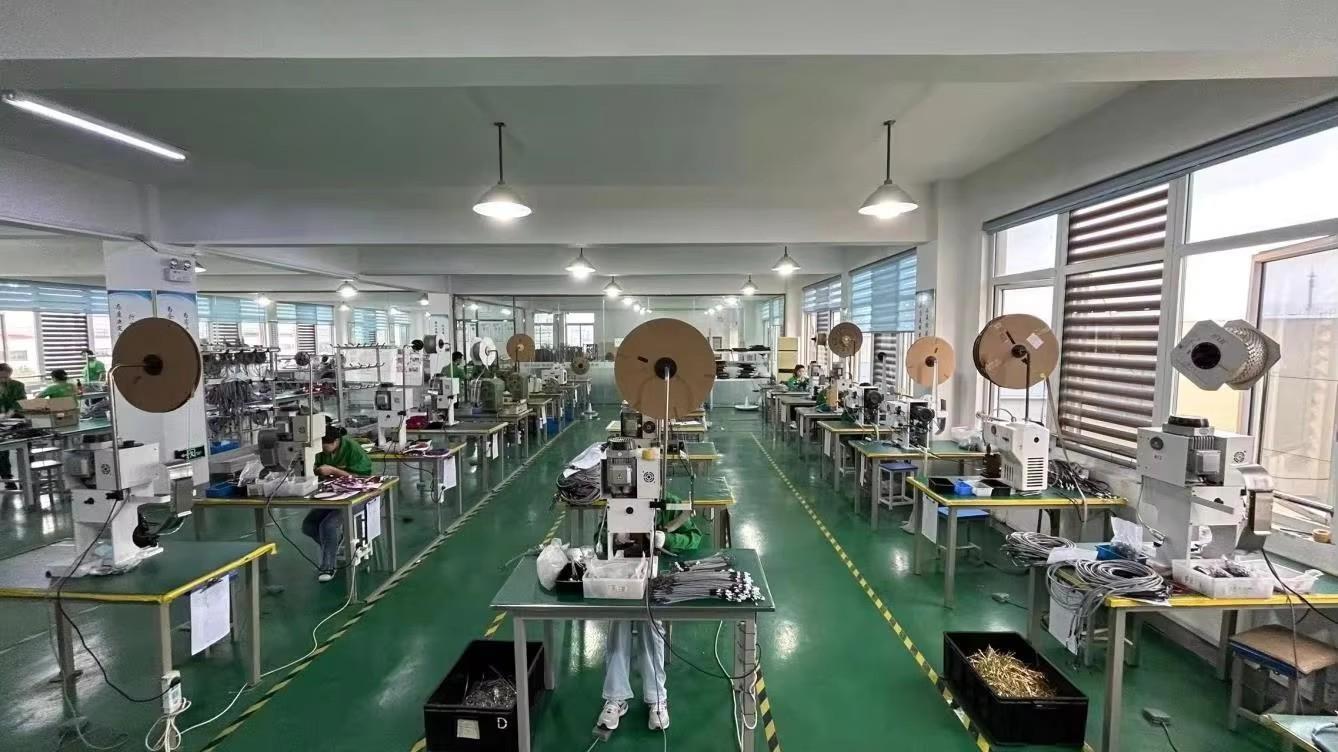
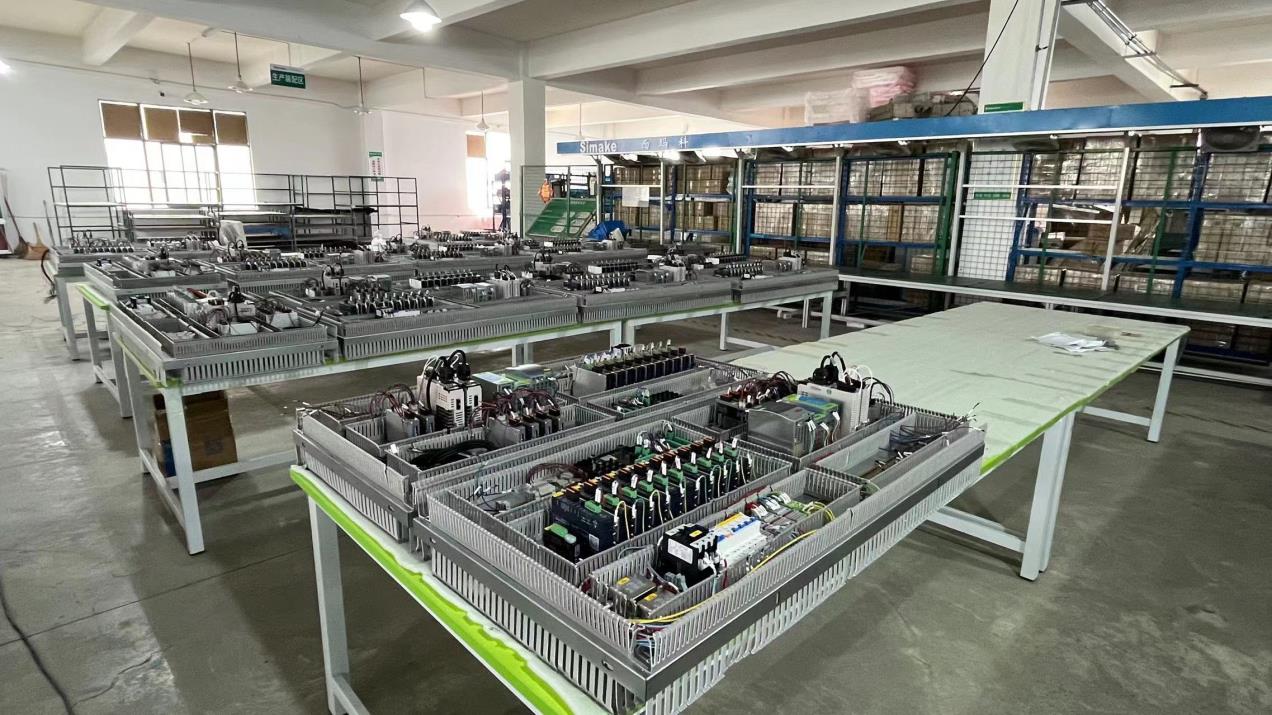
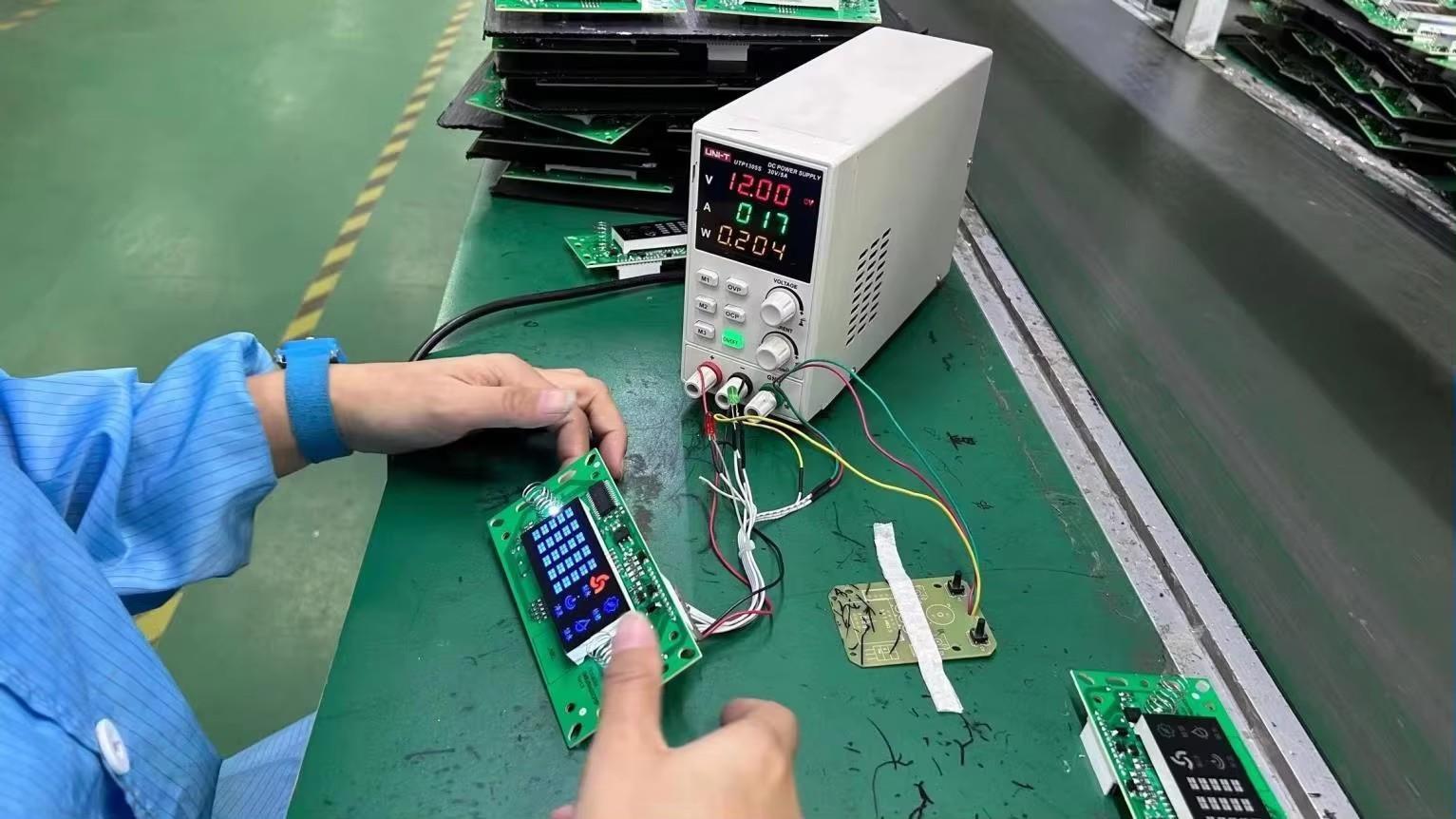
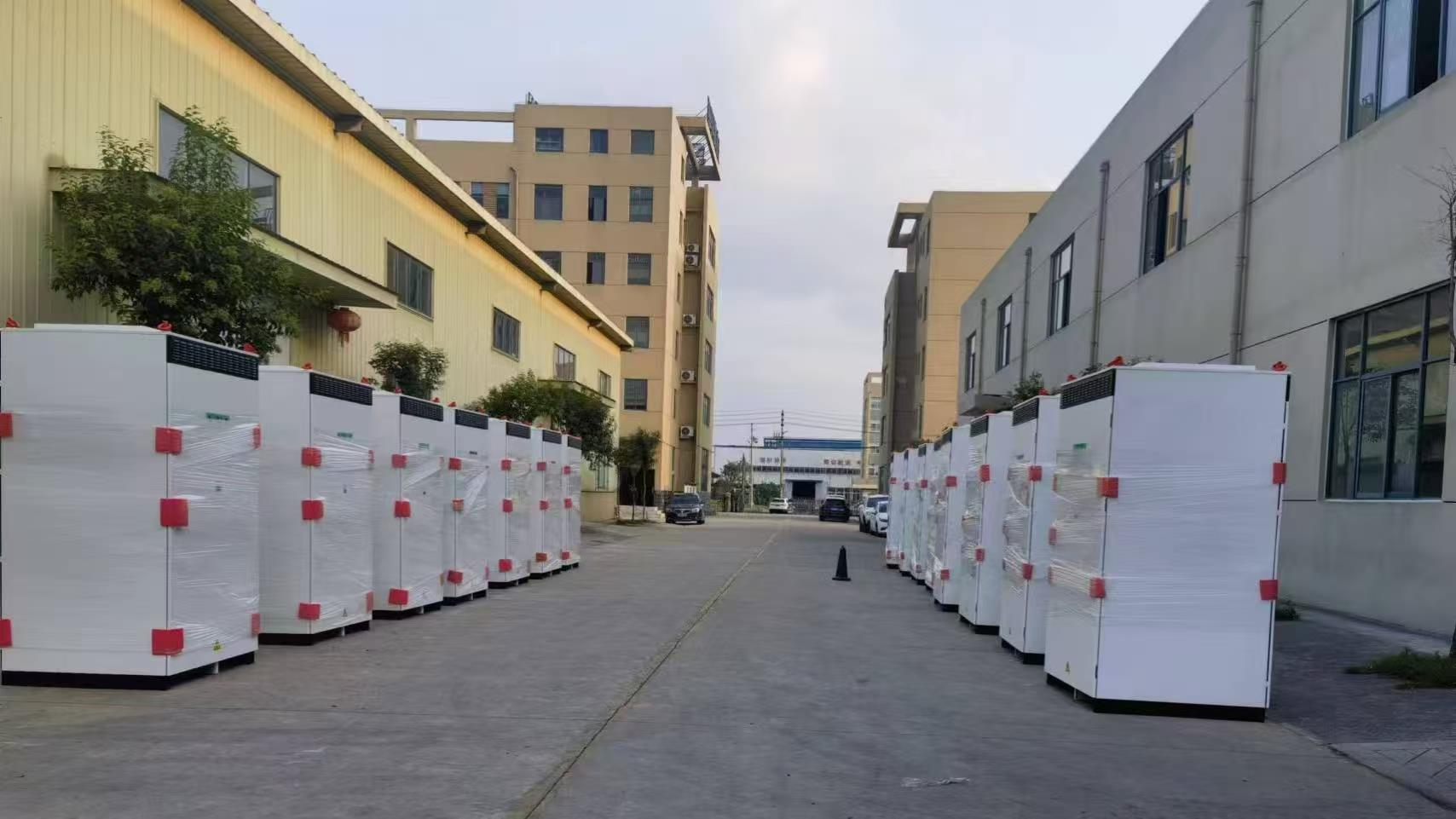
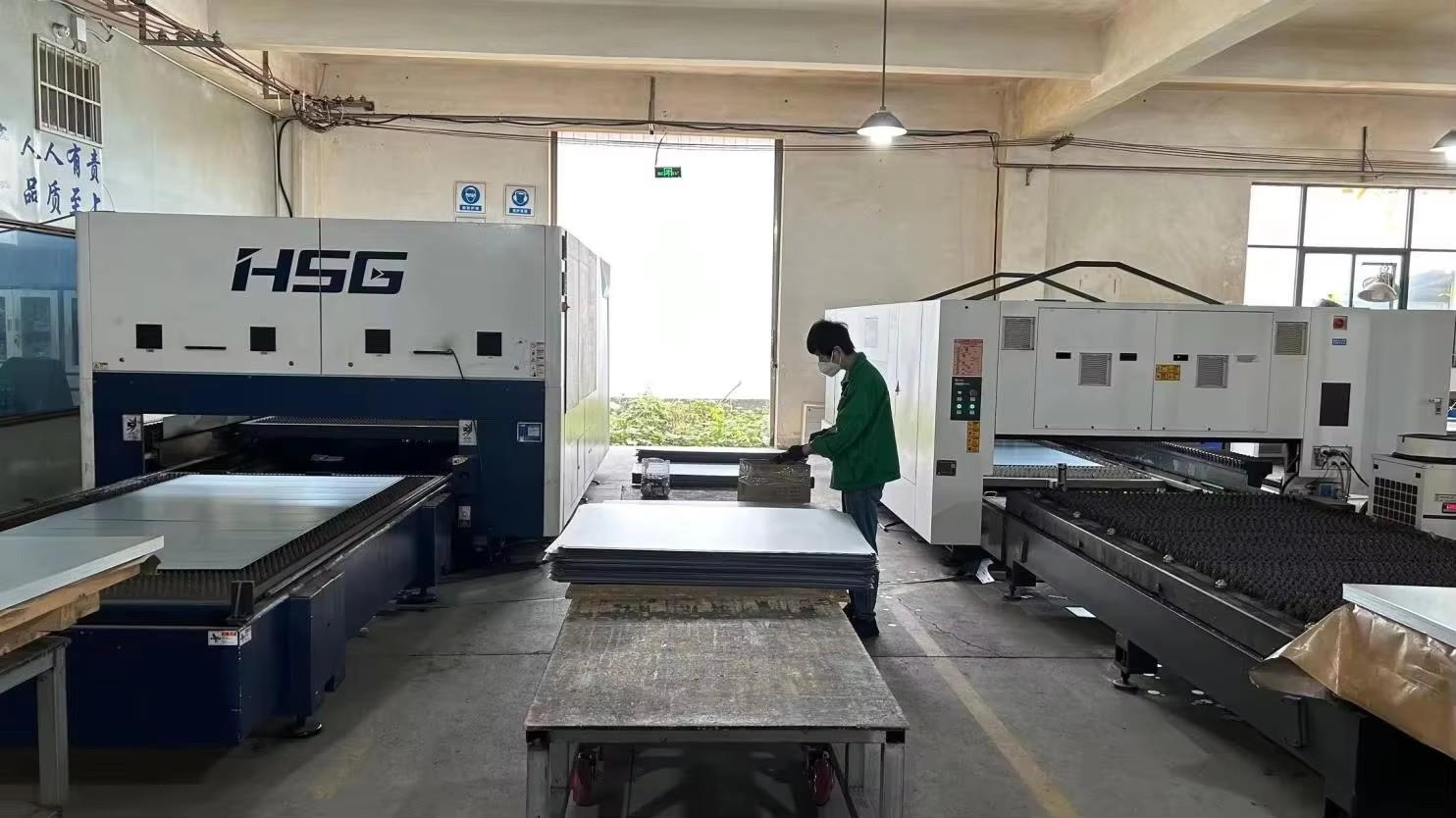
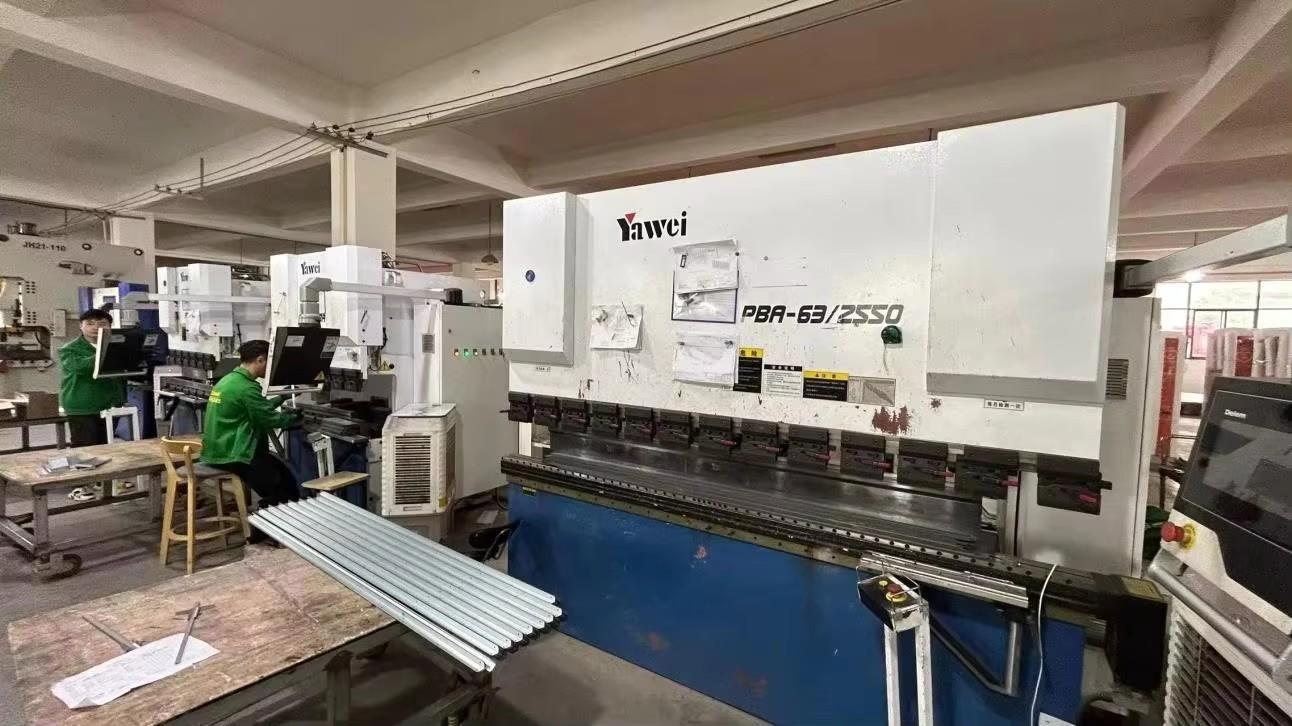
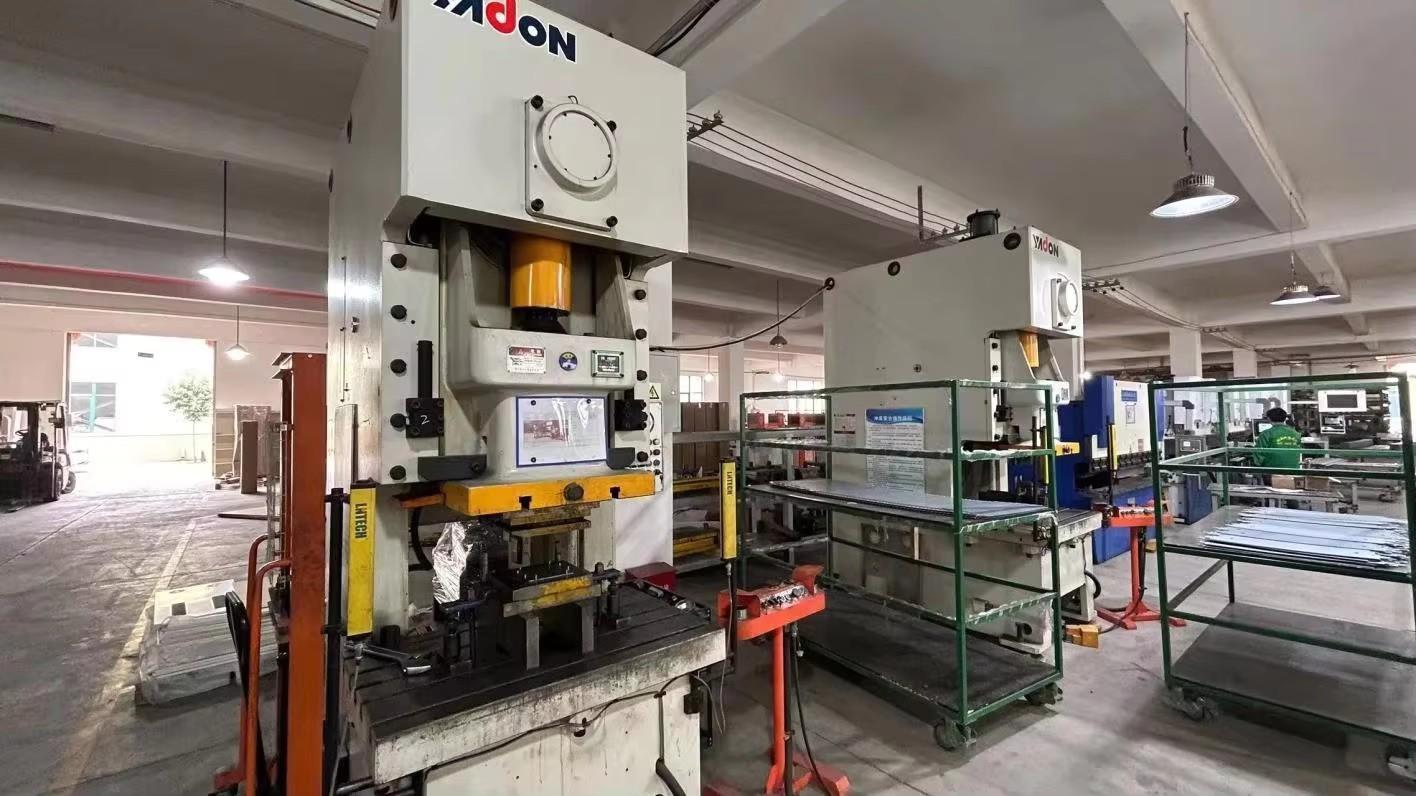
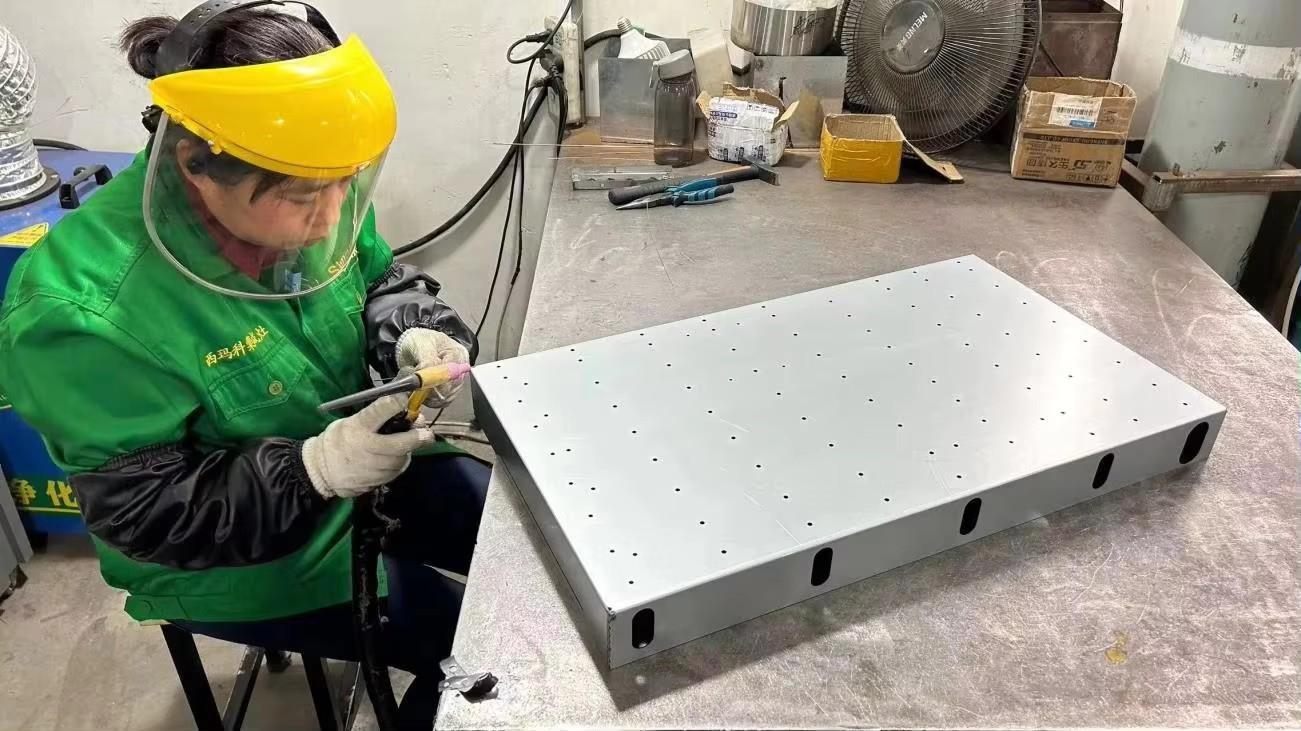
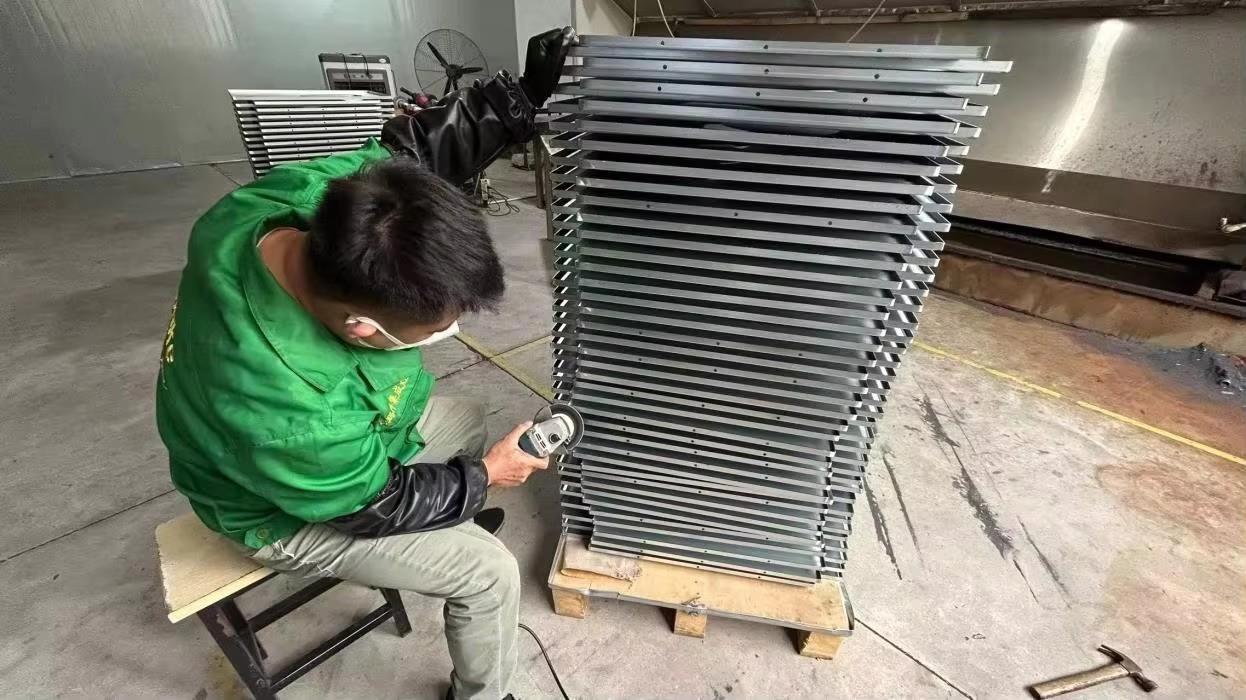
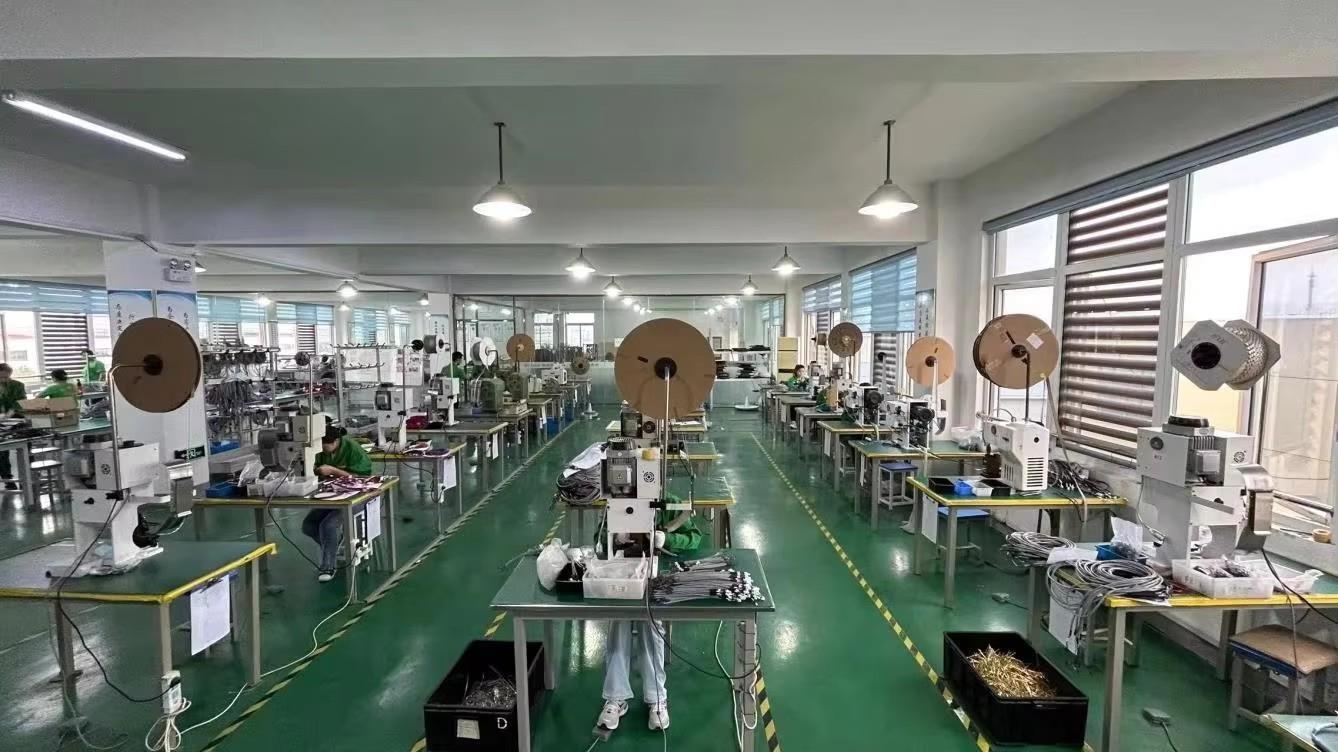
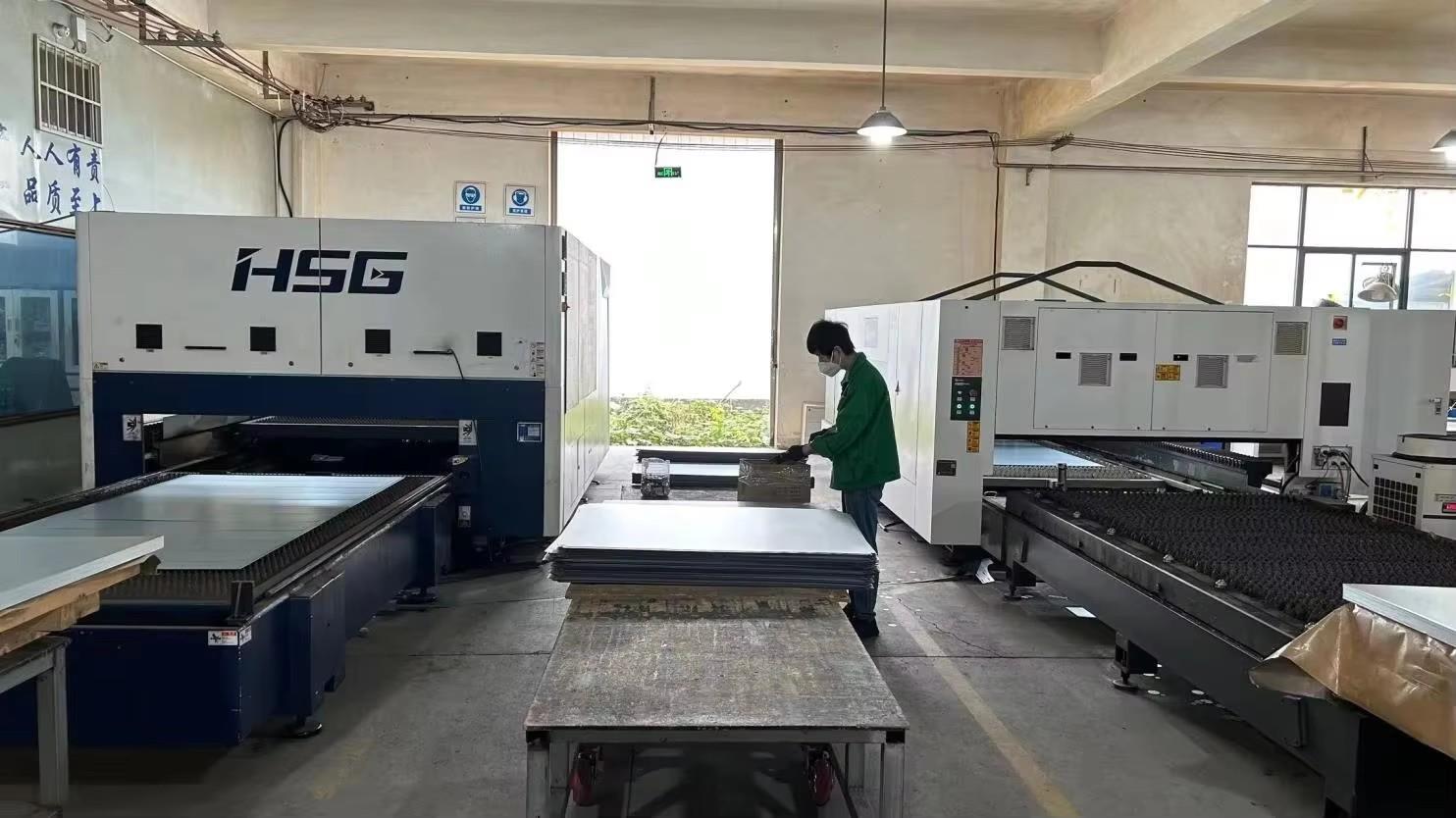
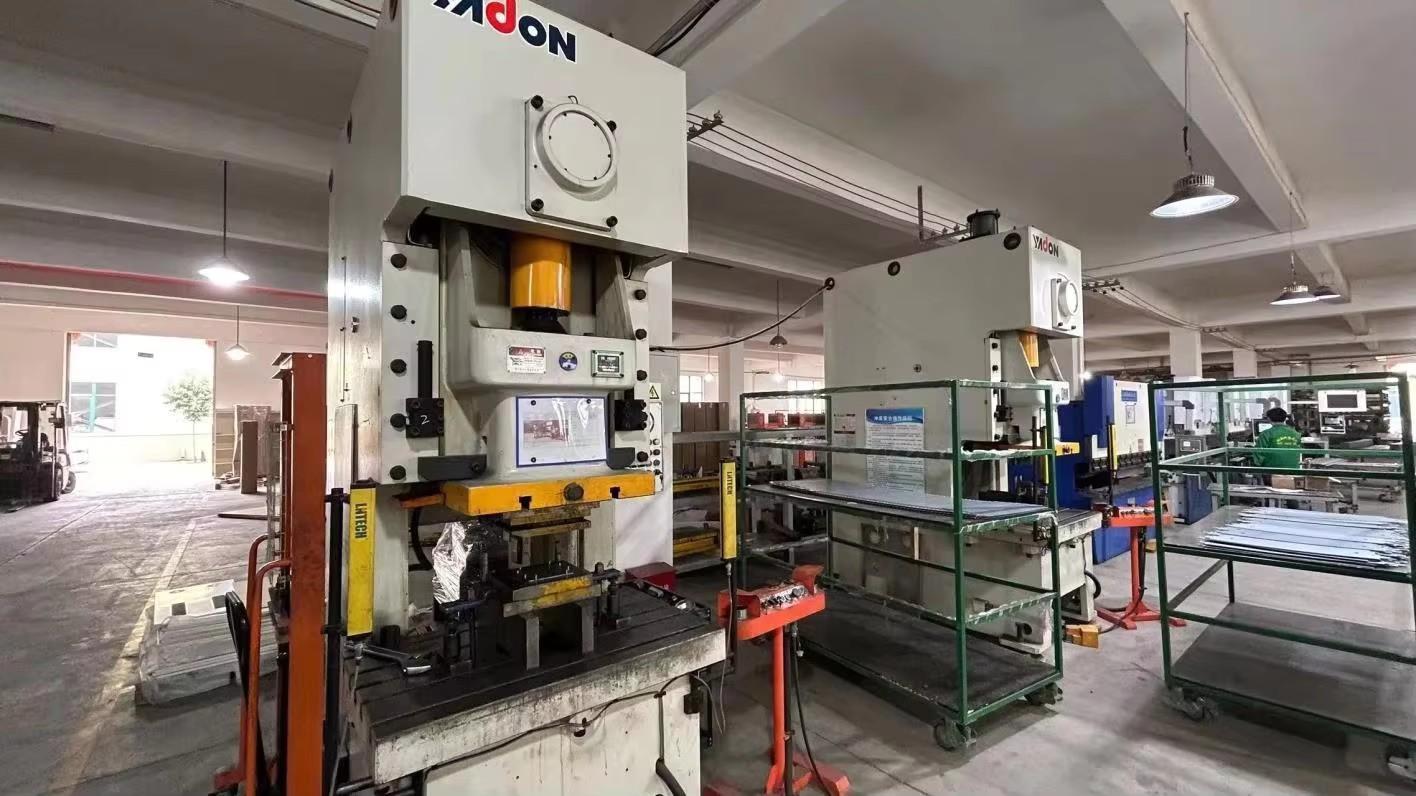
Rigorous automated assembly and quality control pipelines ensuring peak product consistency
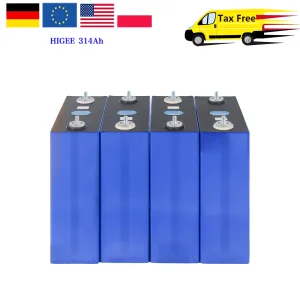
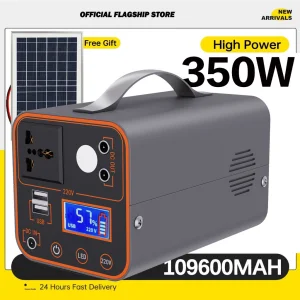
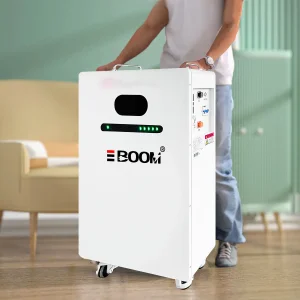
Select from our verified range of cell systems, hybrid arrays, and modular battery solutions
Technical and commercial clarity for Omani engineering procurement teams
 Luzz Solar