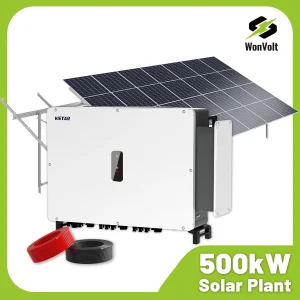
Direct from China's vertically integrated renewable energy manufacturing base, providing advanced solar components and systems designed for durability and optimal LCOE.
As the global energy paradigm pivots toward absolute carbon neutrality, the metrics of solar photovoltaic (PV) modules have expanded beyond simple efficiency calculations. Today, tier-one global developers look at LCOE (Levelized Cost of Energy), long-term cell reliability under microcrack stress, and temperature coefficients. Chinese manufacturers sit at the core of this transition, producing over 80% of the world's silicon wafers and cell arrays.
Chinese gigafactories have championed the industrial scale-up of N-type TOPcon (Tunnel Oxide Passivated Contact) and HJT (Heterojunction Technology), setting new world records in commercialized module conversion efficiency (reaching up to 22.8% and higher). The vertical integration of these factories enables rapid prototyping, advanced automated optical inspections (AOI), and precise quality control, yielding modules that significantly minimize annual degradation to under 0.4% over a 30-year lifecycle.
Evaluating solar manufacturing facilities in China requires a sophisticated matrix. It is not merely a question of unit price per watt; sophisticated international buyers must audit factories on several key pillars:
Ensuring seamless deployment of high-efficiency solar modules and energy storage systems across diverse regulatory environments.
Full compliance with CE directives, EN 50549 for grid parallel connection, and proactive alignment with WEEE recycling registries to guarantee seamless commercialization throughout European member states.
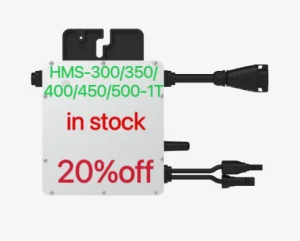
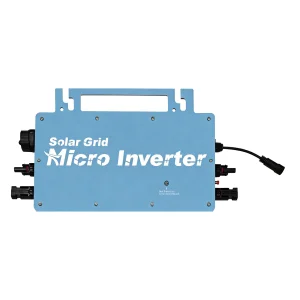
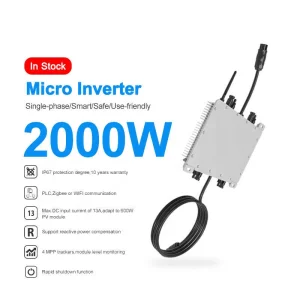
Systems matched with modern smart microinverters and charge controllers engineered to meet UL 1741 SB and IEEE 1547 requirements, ensuring safety, rapid shutdown compliance, and grid support features.
Engineered to withstand high-irradiation and high-temperature environments. Modules certified by INMETRO for Brazil, RETIE for Colombia, and DEWA approvals for Middle Eastern utility projects.
Qingdao Luzz Solar Co., Ltd. is a professional new energy enterprise specializing in the development, manufacturing, and global distribution of photovoltaic (PV) products and integrated energy storage solutions. Located in Qingdao, China, the company benefits from a well-established renewable energy industrial base and advanced manufacturing capabilities.
With the accelerating global transition toward carbon neutrality and sustainable development, Luzz Solar is committed to providing efficient, reliable, and cost-effective clean energy solutions to customers worldwide. Our product portfolio includes high-efficiency solar photovoltaic modules, energy storage systems, and integrated solar application solutions designed for residential, commercial, and utility-scale projects.
Driven by technological innovation and quality excellence, the company continuously invests in R&D and production optimization to improve product performance, energy conversion efficiency, and system reliability. We strictly adhere to international quality standards and implement rigorous quality control throughout the entire production process to ensure stable and long-term product performance.
Qingdao Luzz Solar actively expands its global market presence, with business coverage across Asia, Europe, the Middle East, Africa, and Latin America. By working closely with international partners, we are committed to delivering tailored energy solutions that meet diverse regional needs and support the global energy transition.
Guided by the core values of integrity, innovation, cooperation, and sustainability, Luzz Solar strives to become a trusted global partner in the new energy industry. We are dedicated to advancing solar technology and contributing to a greener, more sustainable future.
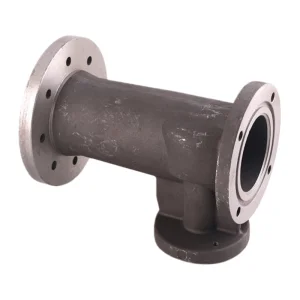
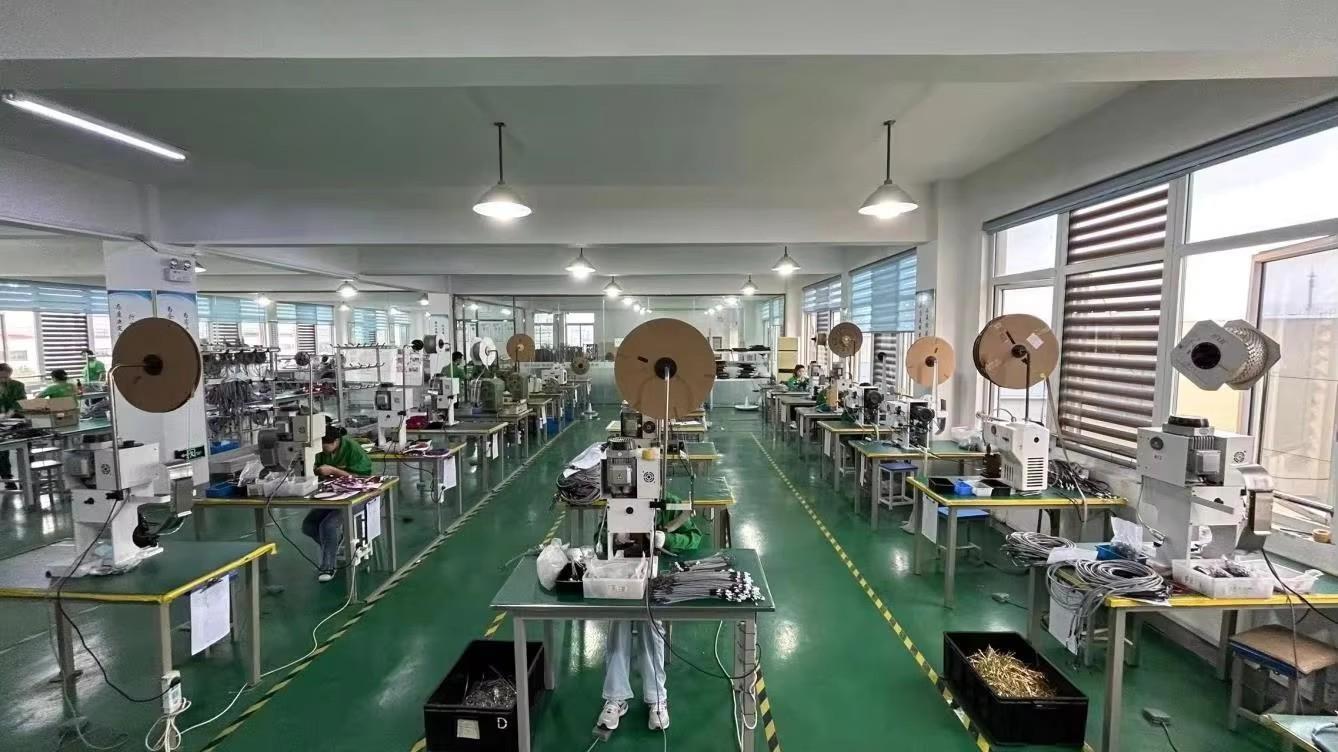
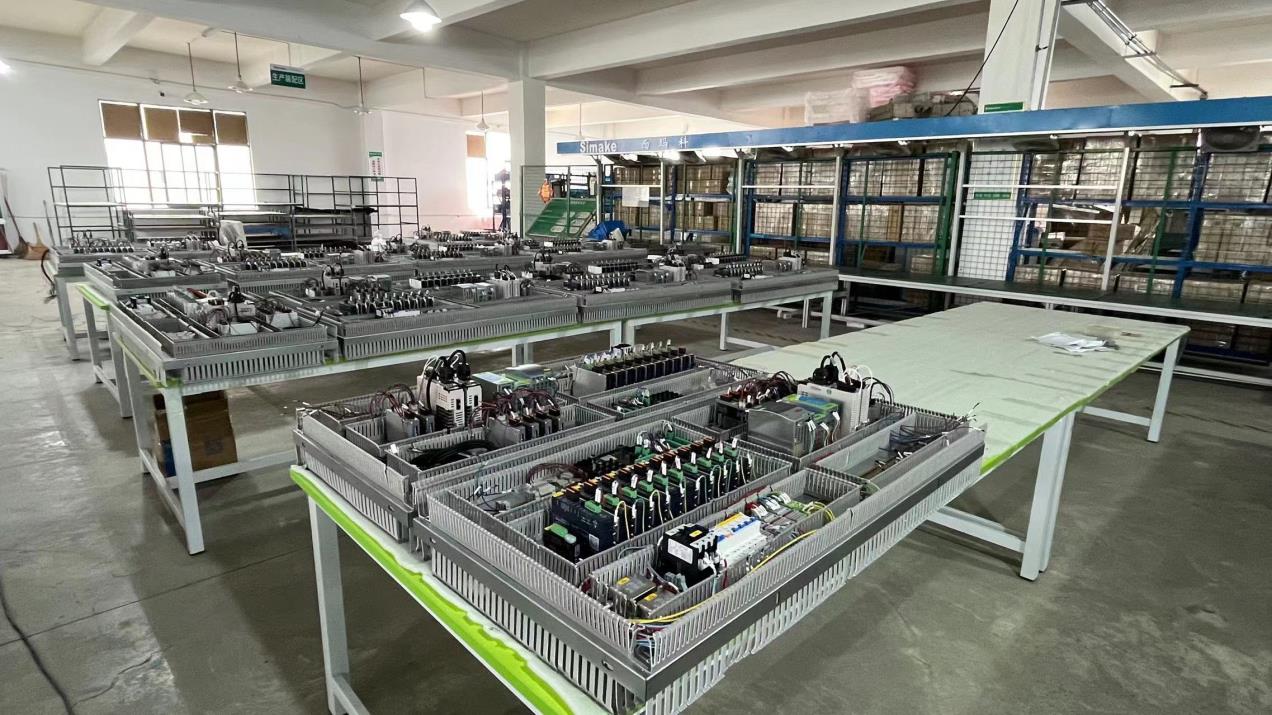
From raw materials and structural steel bending to complex laser welding and diagnostic detection, our operations maintain the highest standards of international manufacturing excellence.
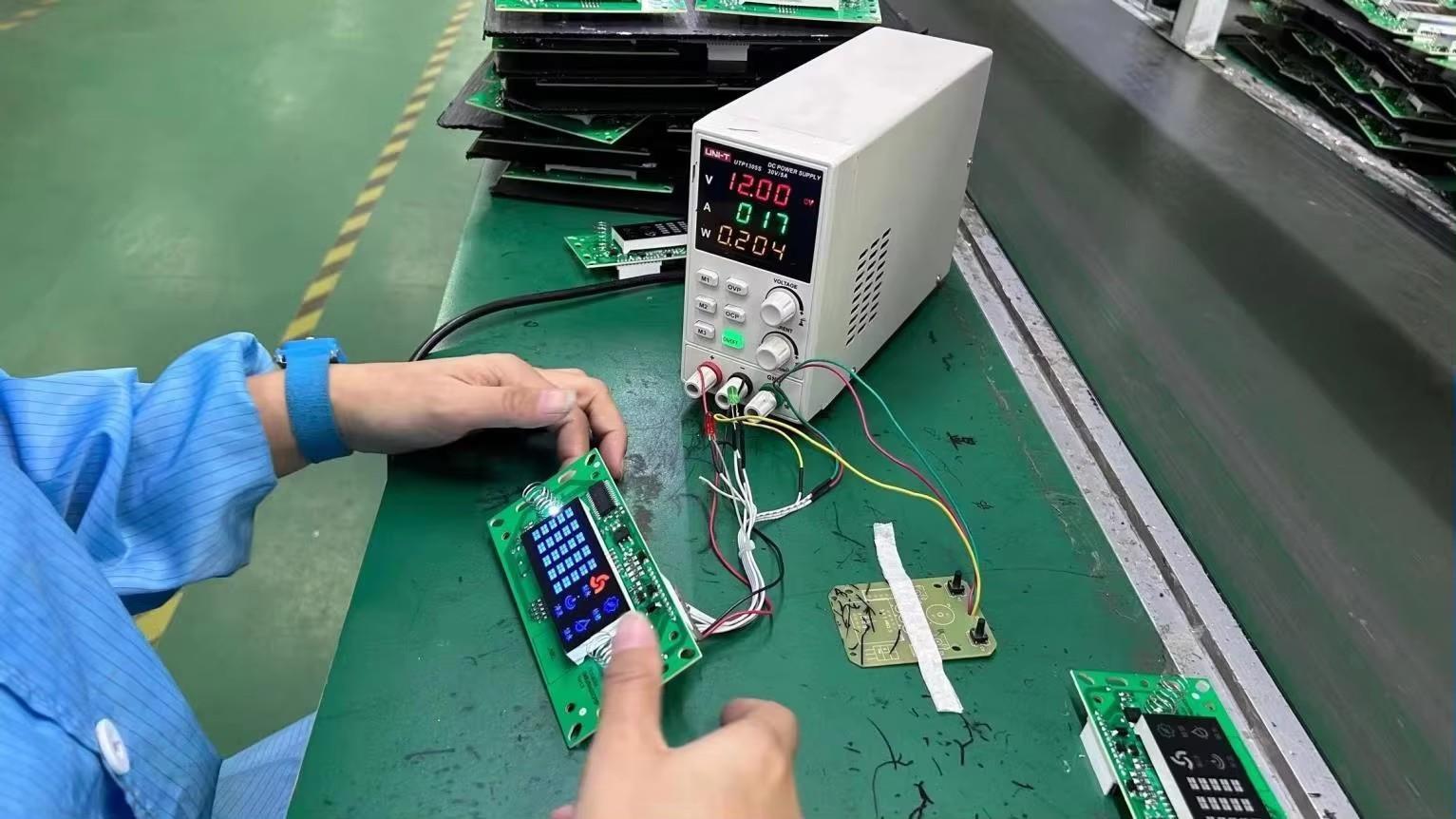
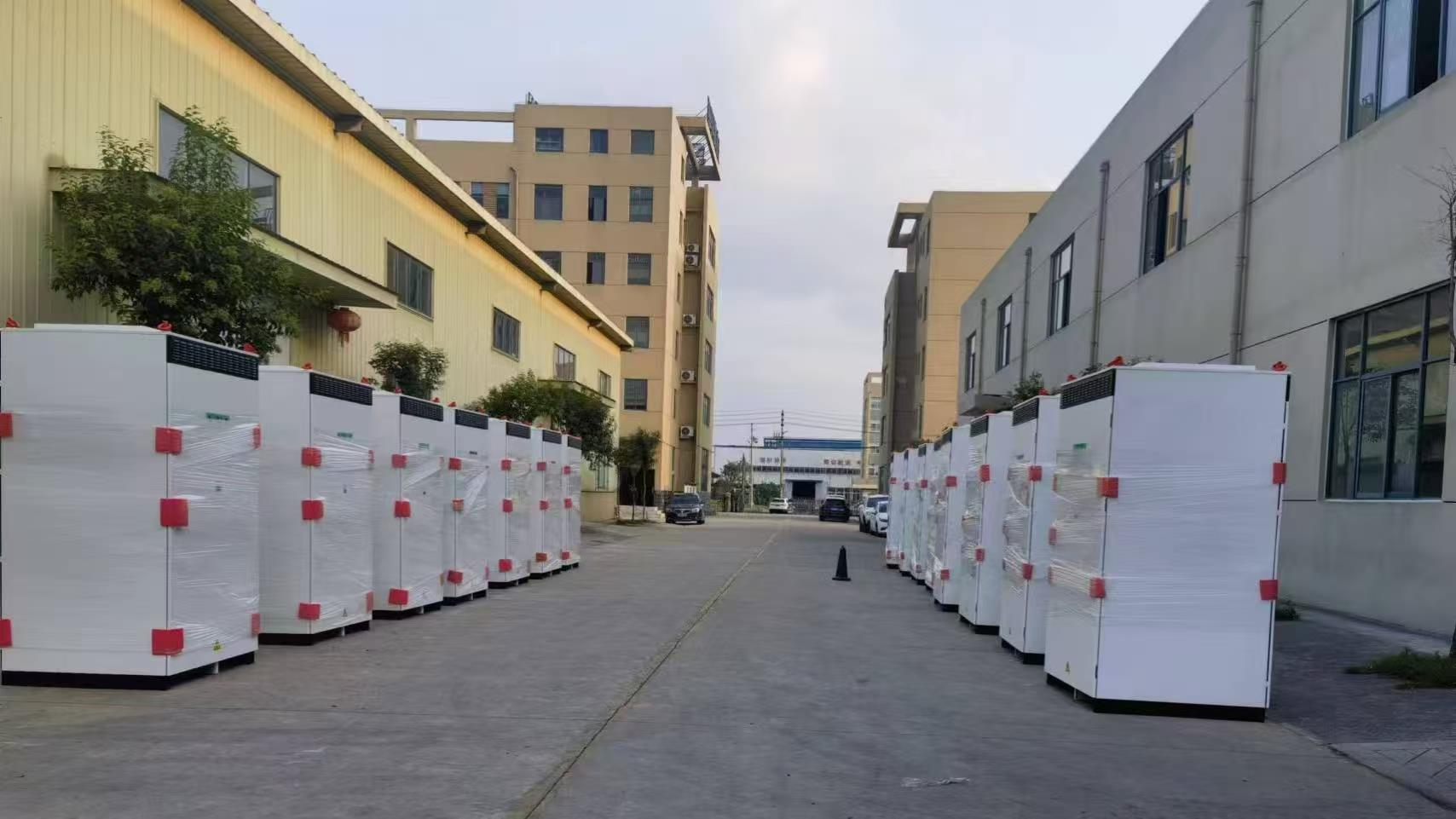
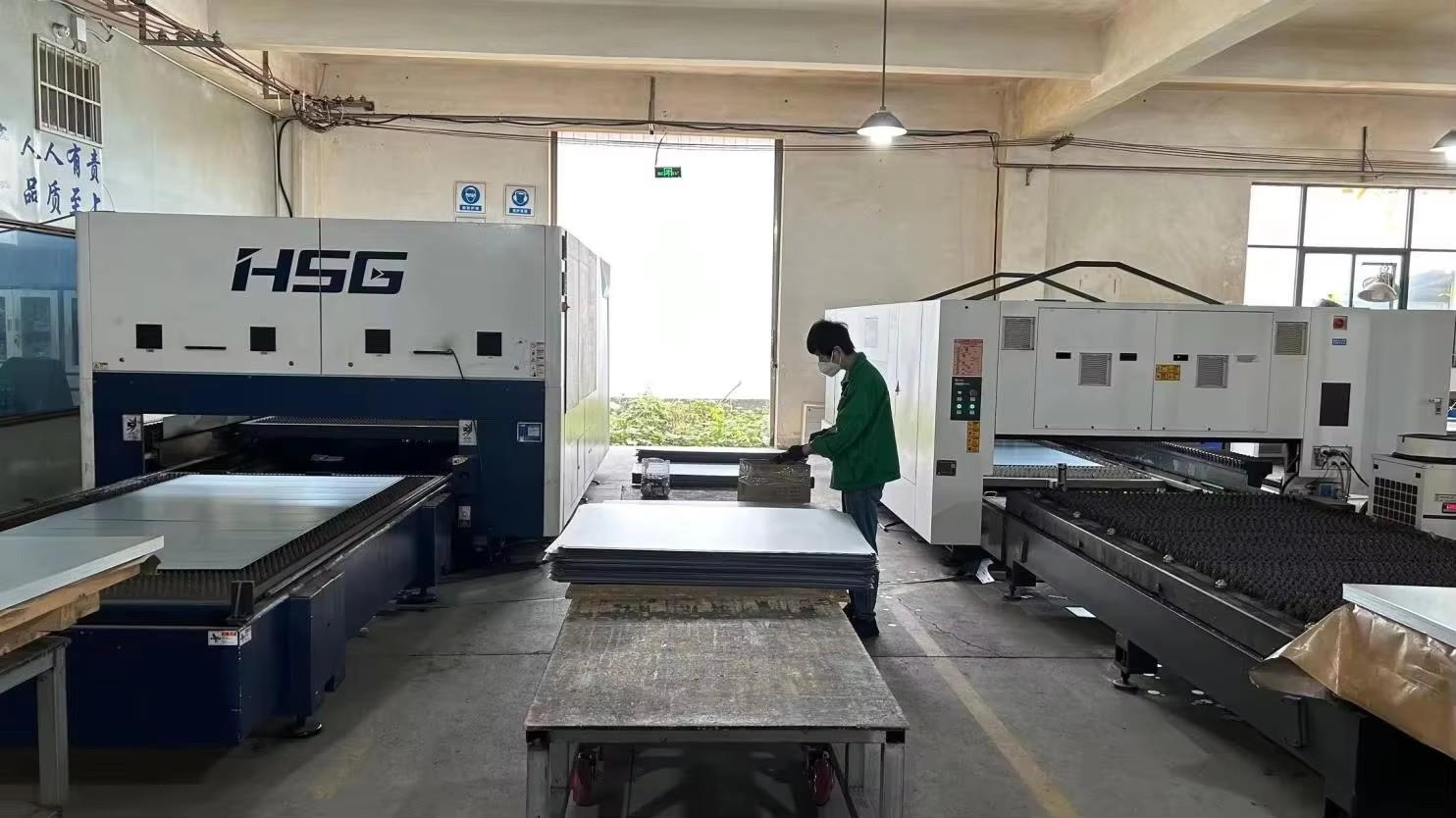
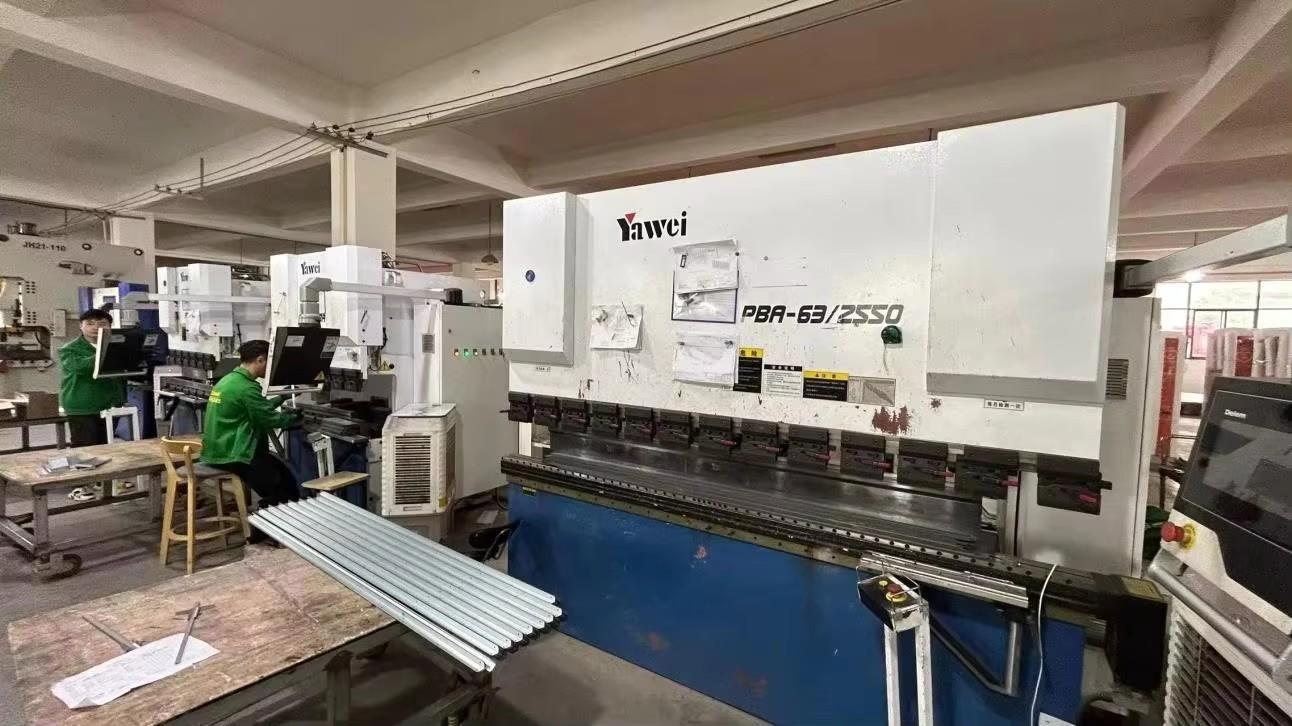
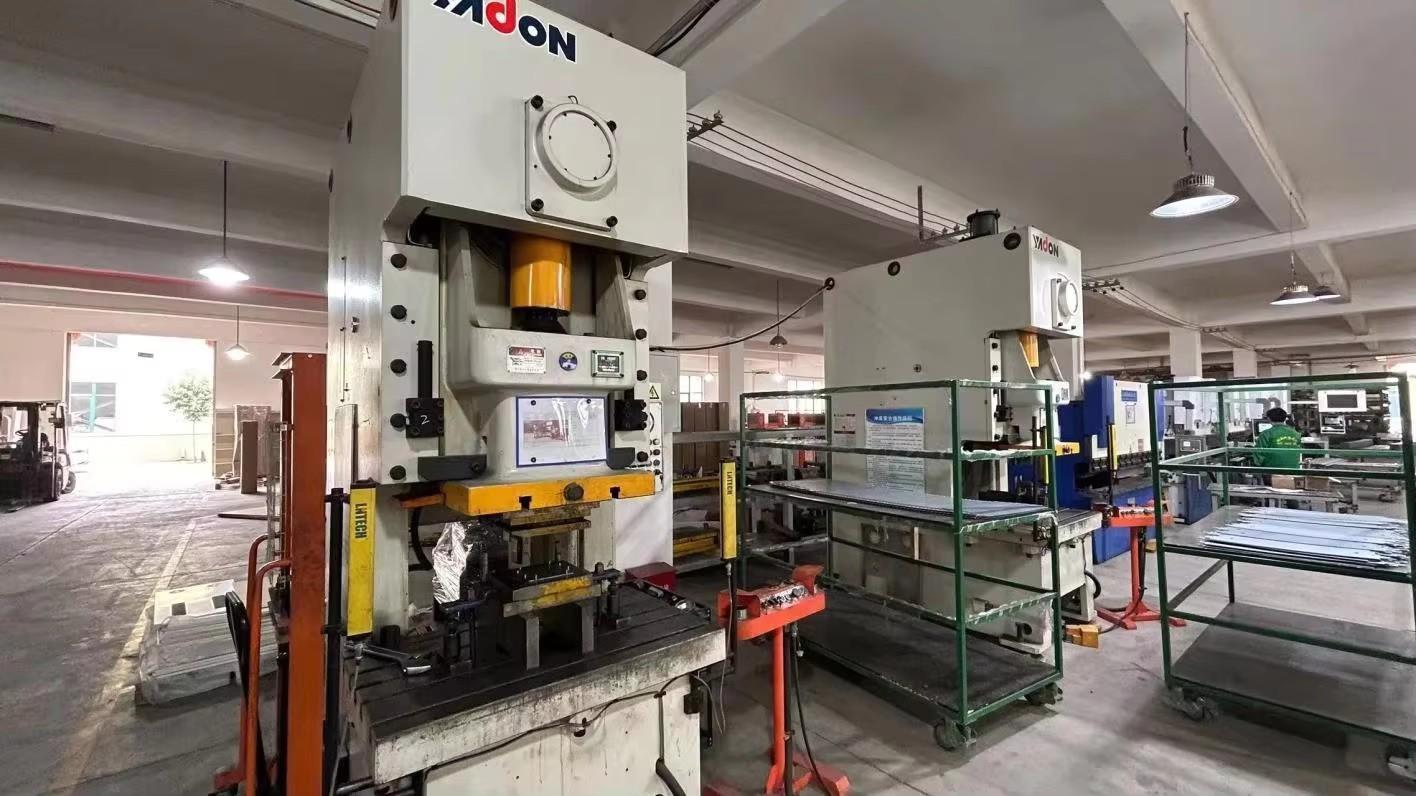
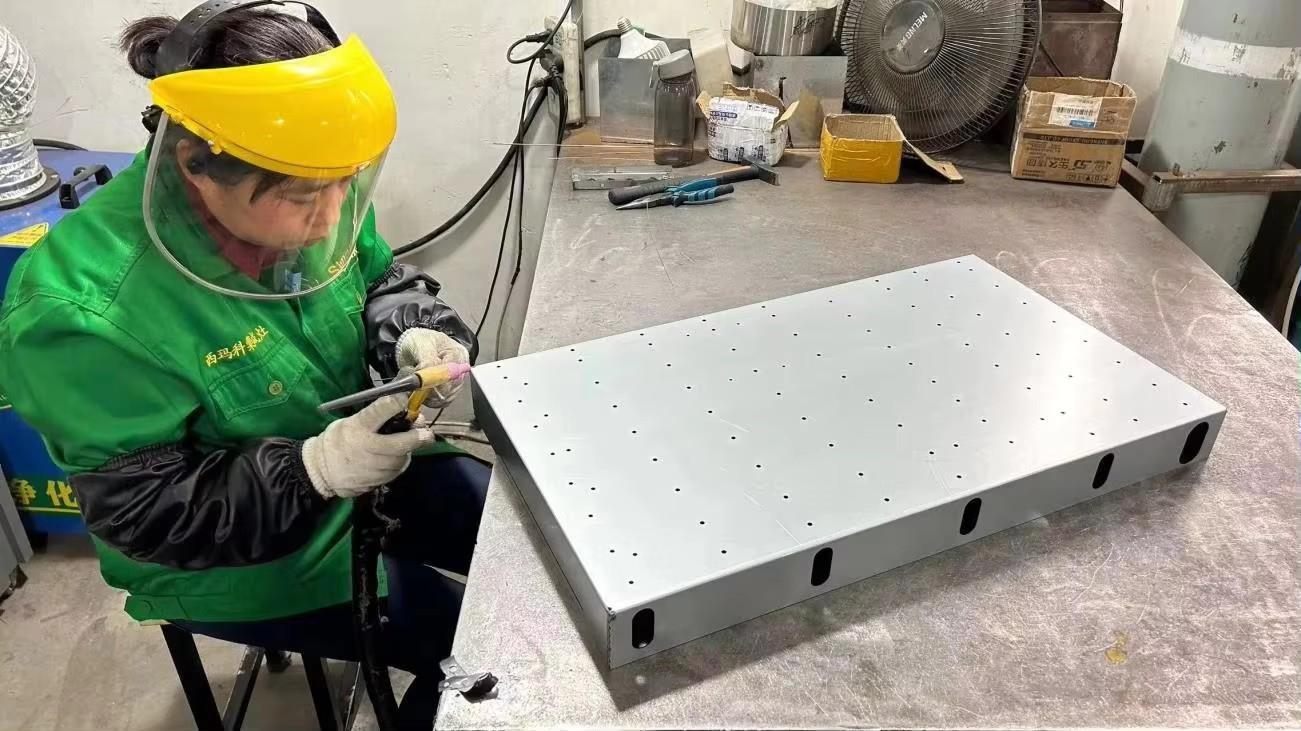
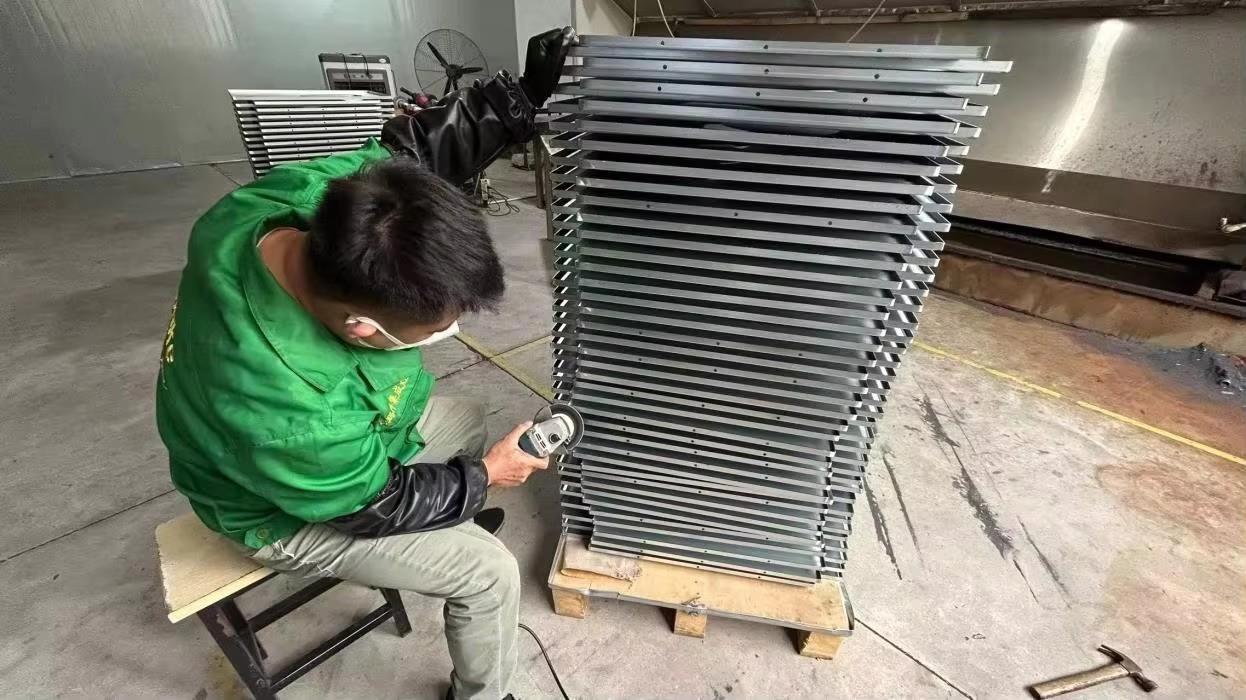
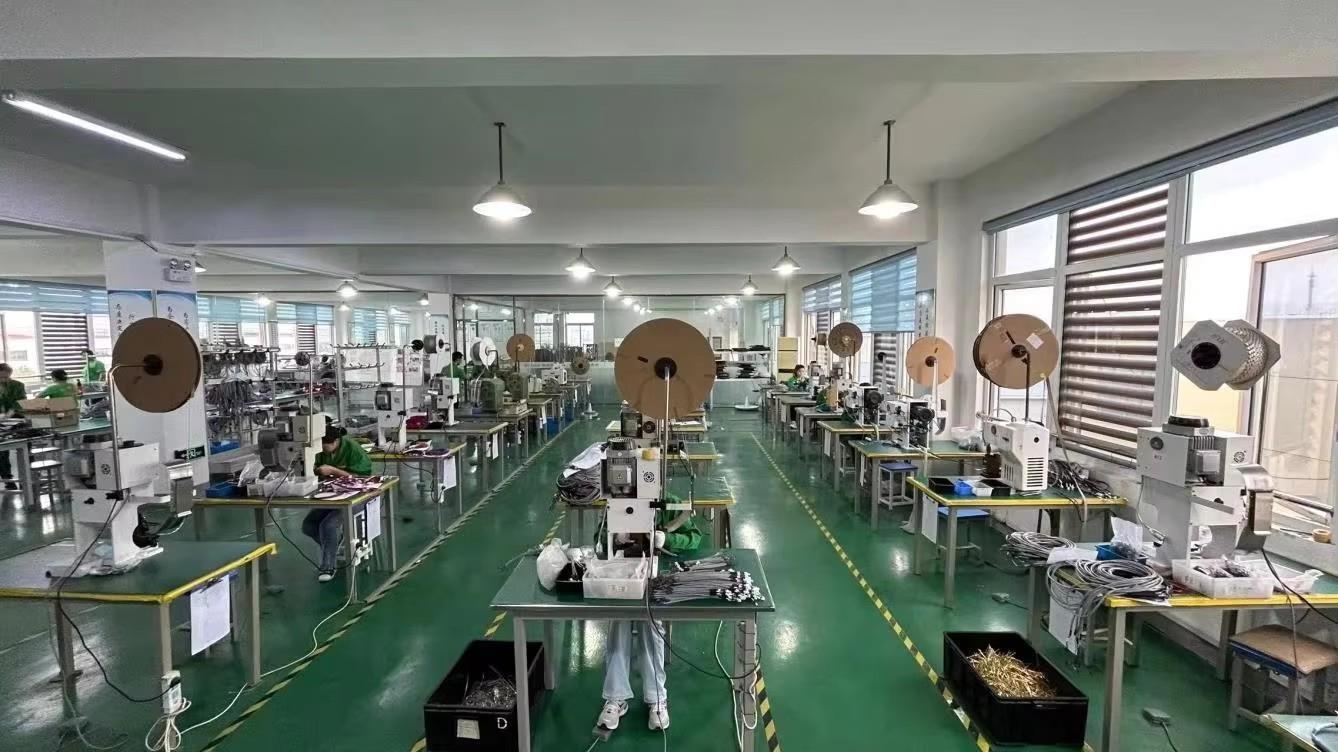
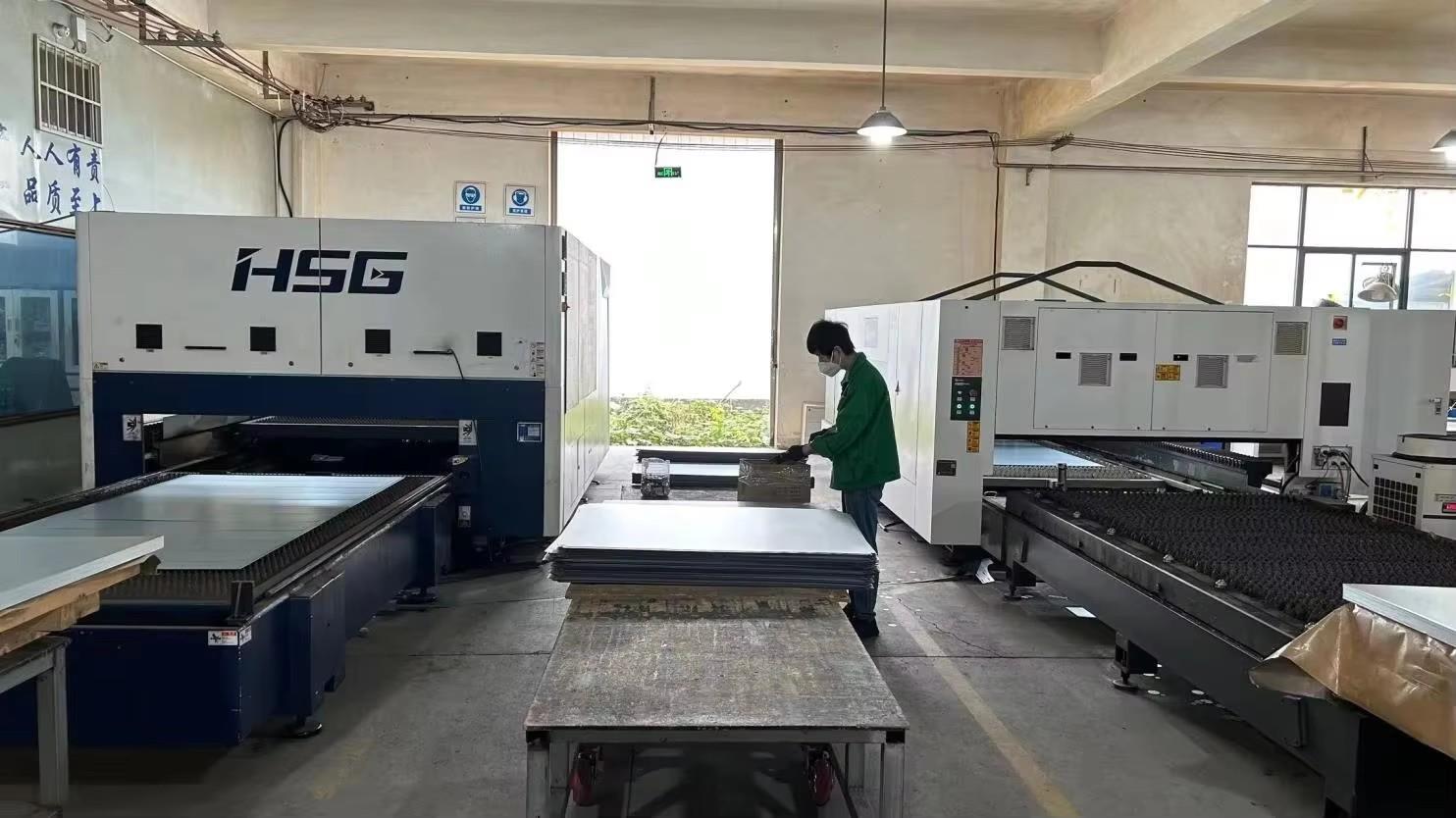
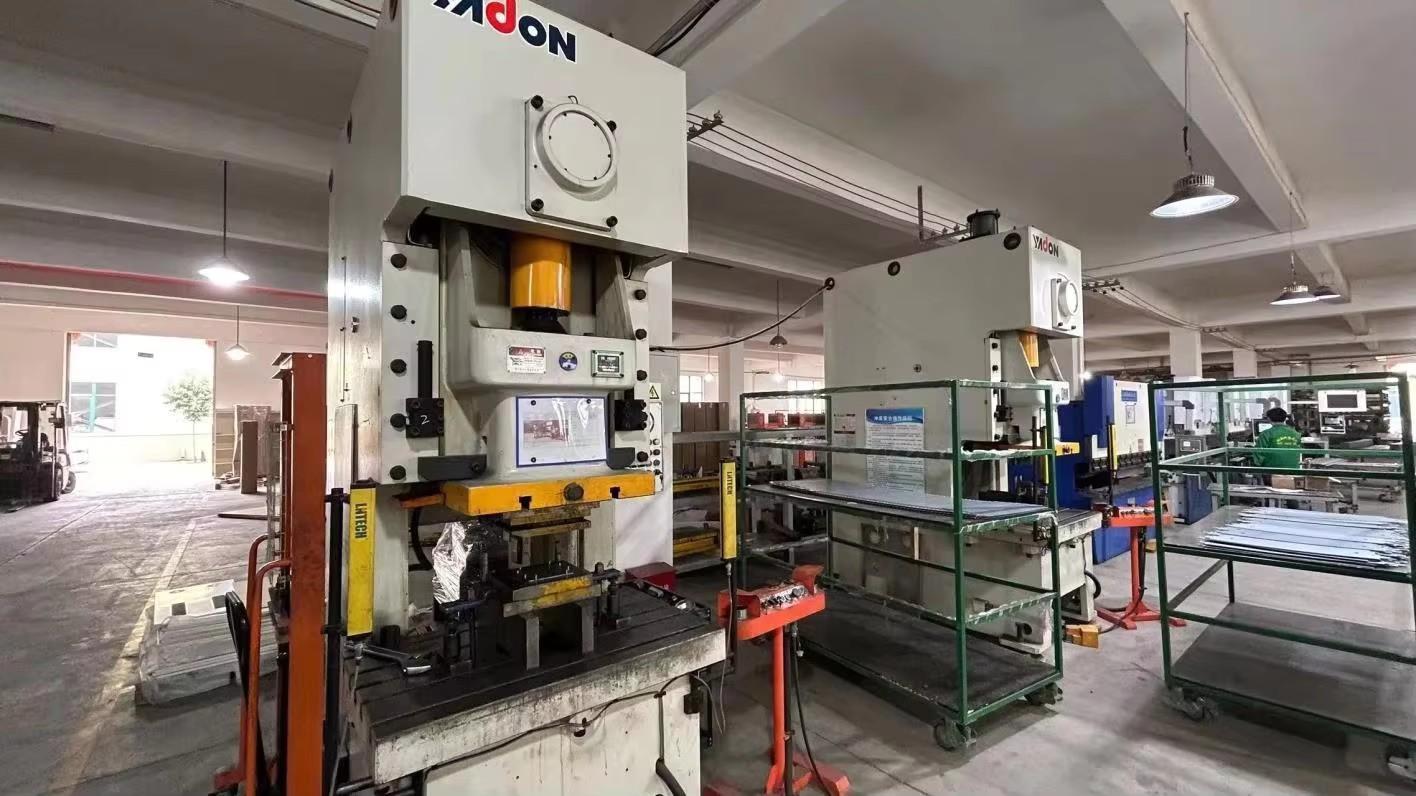
The solar landscape is transitioning rapidly from mono-facial panels to integrated energy ecosystems. Future growth is driven by three main vectors:
By layering perovskite thin-films onto traditional silicon base plates, laboratories have achieved conversion rates exceeding 30%. In commercial scale-ups, these tandem cells promise to boost average panel output by more than 15% under diffuse lighting environments (such as Northern Europe and the Pacific Northwest).
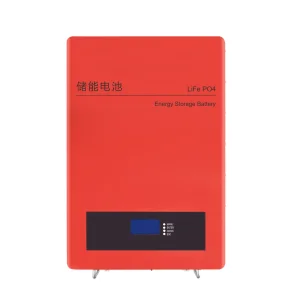
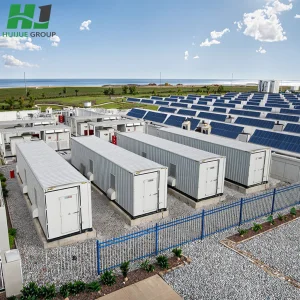
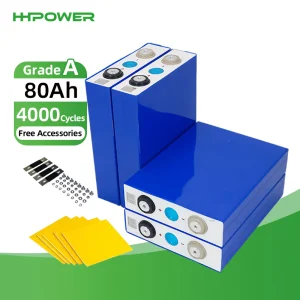
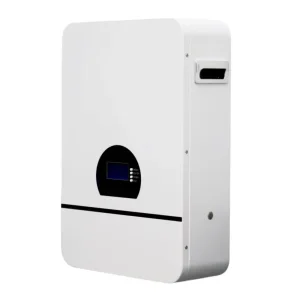
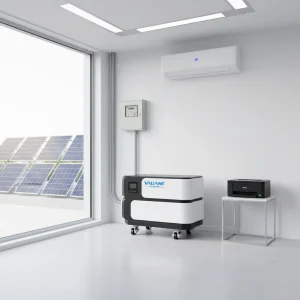
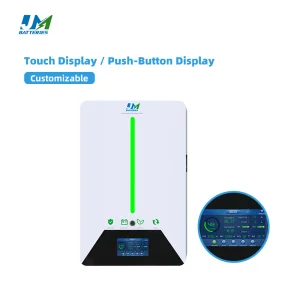
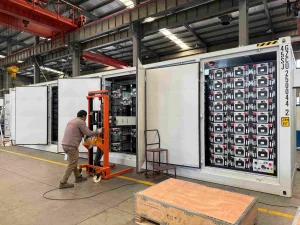
Intermittent generation is the primary challenge for today's electrical grids. The bundling of high-efficiency solar arrays with decentralized energy storage units—ranging from wall-mounted residential LiFePO4 batteries to containerized MW-level microgrids—ensures a level utility output, peak shaving, and protection from utility price spikes.
Beyond traditional roof layouts, localized deployment now encompasses commercial prefabricated structures, agricultural solar-sharing systems, and hurricane-proof microgrids. Incorporating custom metal structures, stamped framing bases, and secure modular container houses allows modern projects to combine structural engineering with direct green generation.
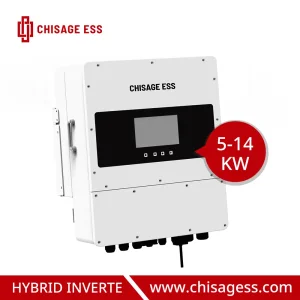
Full catalog of balance of system (BOS) components, microinverters, battery modules, and prefabricated commercial steel structures.
 Luzz Solar