Engineered for peak performance, extreme thermal control, and high-duty cycle industrial reliability
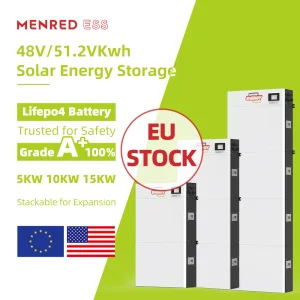
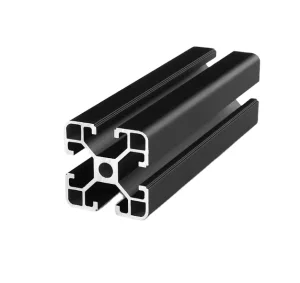

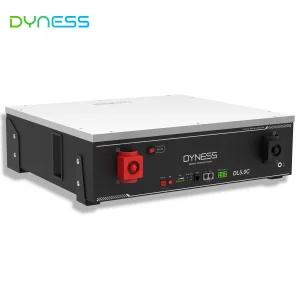
As the global energy balance transitions rapidly toward distributed renewable resources, solar charge management has emerged as the defining element governing system longevity, safety, and efficiency. Advanced charge controllers act as the digital brain of photovoltaic installations, optimizing the conversion of variable solar irradiance into stable electrical energy stored in chemical batteries. Without highly reliable charge regulation, utility networks and home energy microgrids run the risk of catastrophic battery failures, thermal runaway, and accelerated degradation.
Historically, the solar market regarded charge management as a simple current-blocking utility. Modern applications, however, demand high-resolution Maximum Power Point Tracking (MPPT) technologies capable of tracking microsecond shifts in solar irradiation. In 2025, commercial, industrial (C&I) and residential procurement agents require controllers that seamlessly integrate with Energy Management Systems (EMS), featuring industrial communications like Modbus, RS485, and CAN-bus. China's top tier manufacturers are meeting this technical surge, implementing complex dynamic tracking algorithms and intelligent thermal management to serve demanding export markets.
The solar charge controller landscape is splitting into highly specialized tiers. While Pulse Width Modulation (PWM) technology remains popular for compact, cost-sensitive, and lower-voltage configurations, heavy investments are shifting toward multi-channel high-voltage MPPT solutions. Key innovations include:
One of the core structural advantages of purchasing solar charge equipment and modular storage units from China is the physical aggregation of components. Qingdao, as a primary renewable energy industrial hub, provides instantaneous access to raw silicon, semiconductors, terminal housings, and advanced battery chemistries. This spatial clustering guarantees that production is insulated from international supply disruptions, lowering delivery schedules and enabling highly competitive OEM/ODM manufacturing scales.
At Qingdao Luzz Solar Co., Ltd., we utilize automated, state-of-the-art precision machinery to guarantee that every wire harness, enclosure stamping, laser weld, and circuit component complies with CE, RoHS, UL, and TUV standards. By maintaining strict control over both component manufacturing and multi-stage testing, we minimize potential hardware flaws and deliver stable systems to global distribution partners.
Below is a detailed look at Luzz Solar’s production facilities, demonstrating the end-to-end integration from cutting raw materials to high-level system verification:
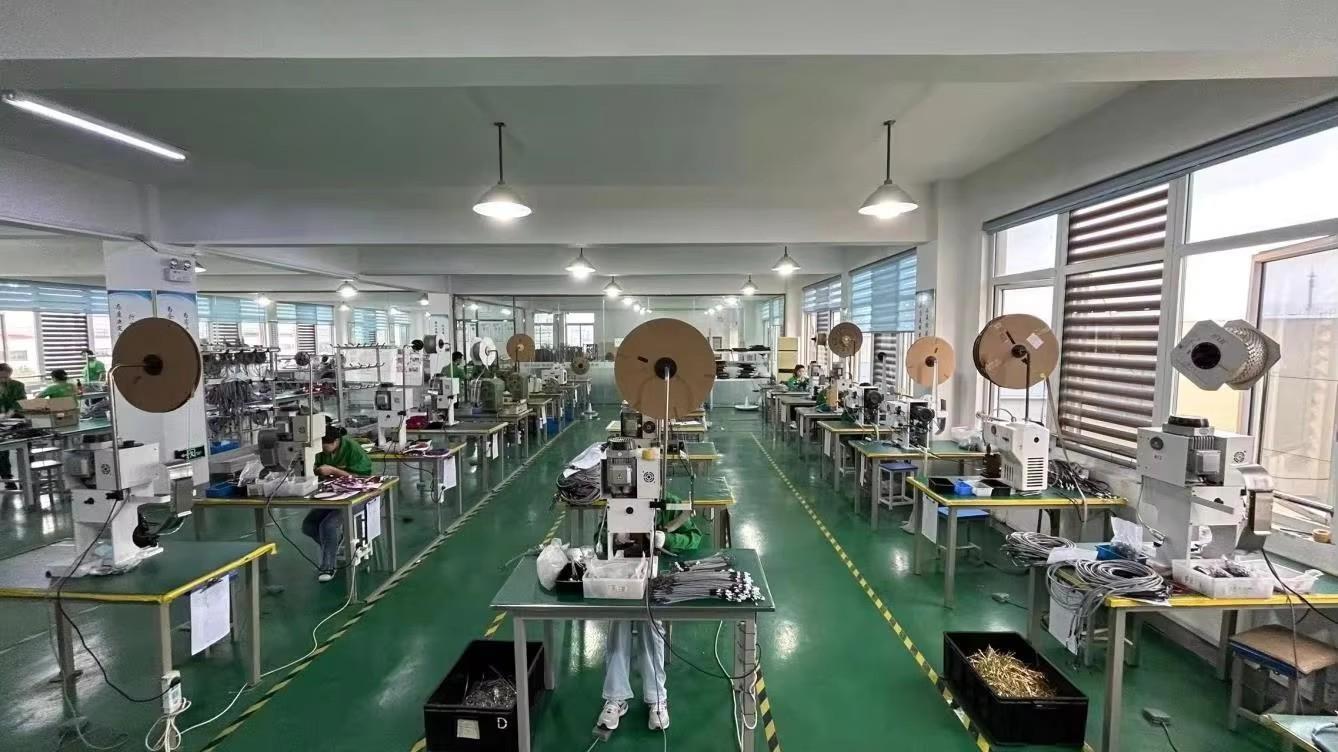
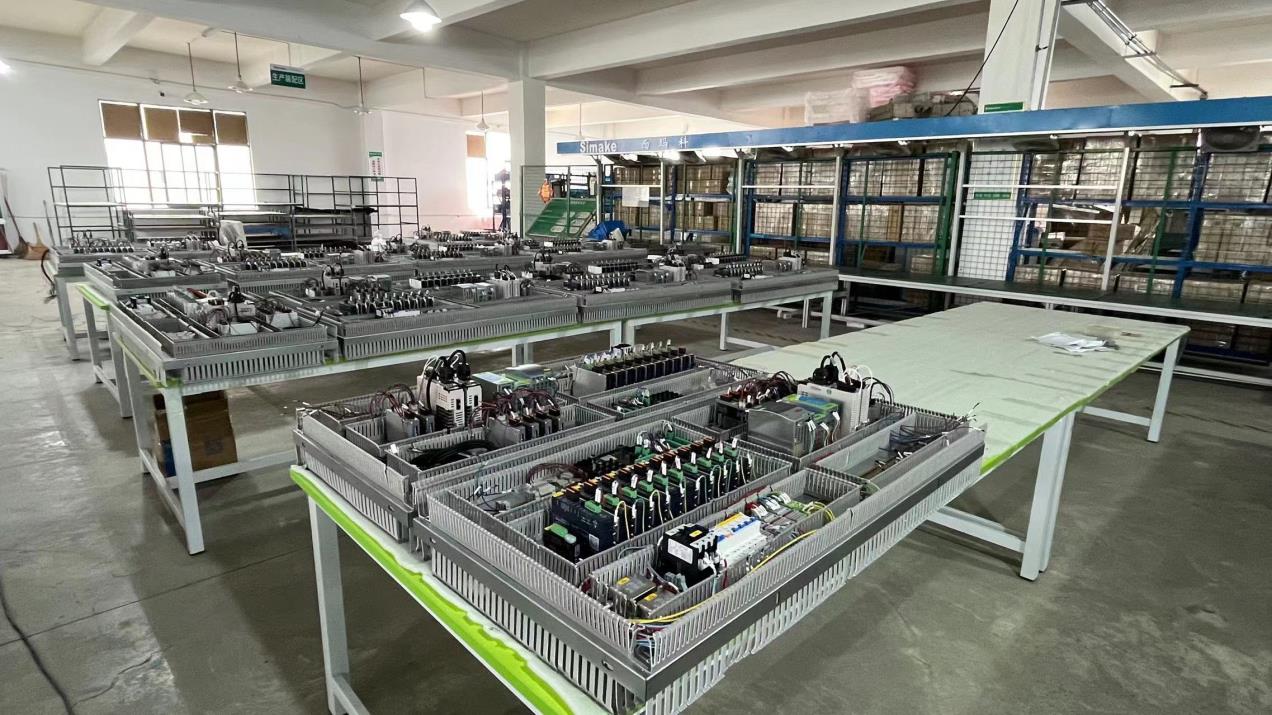
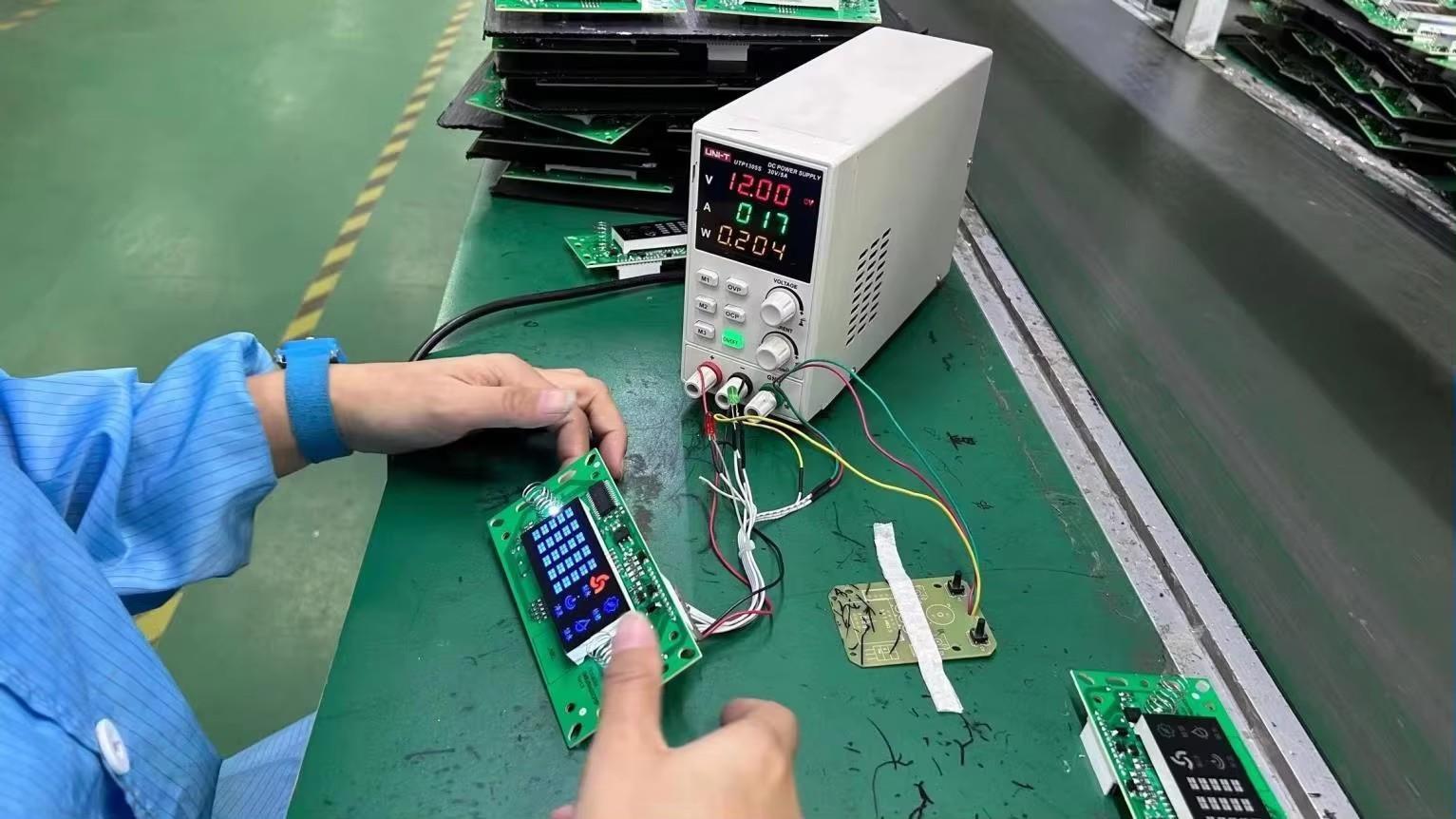
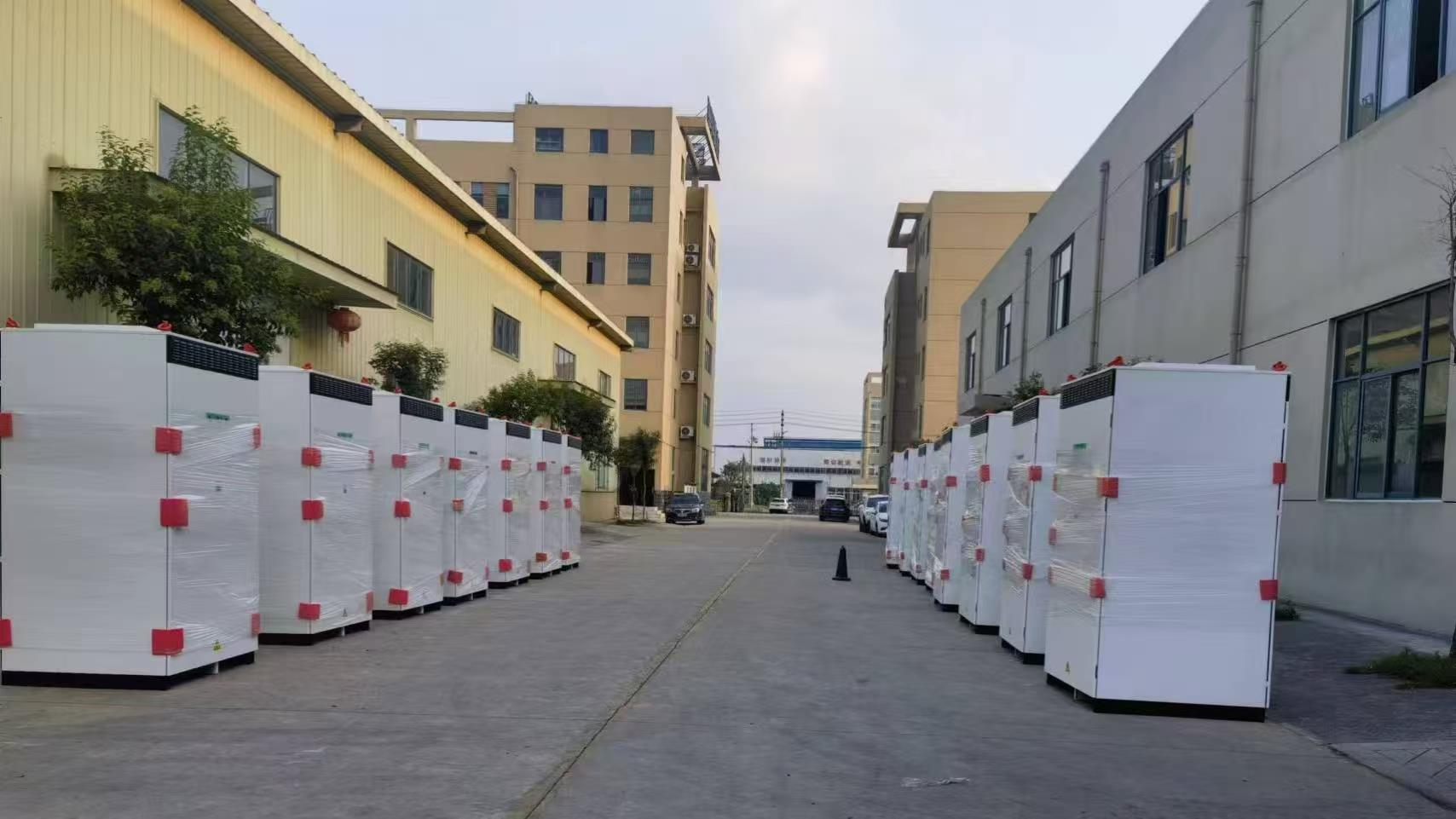
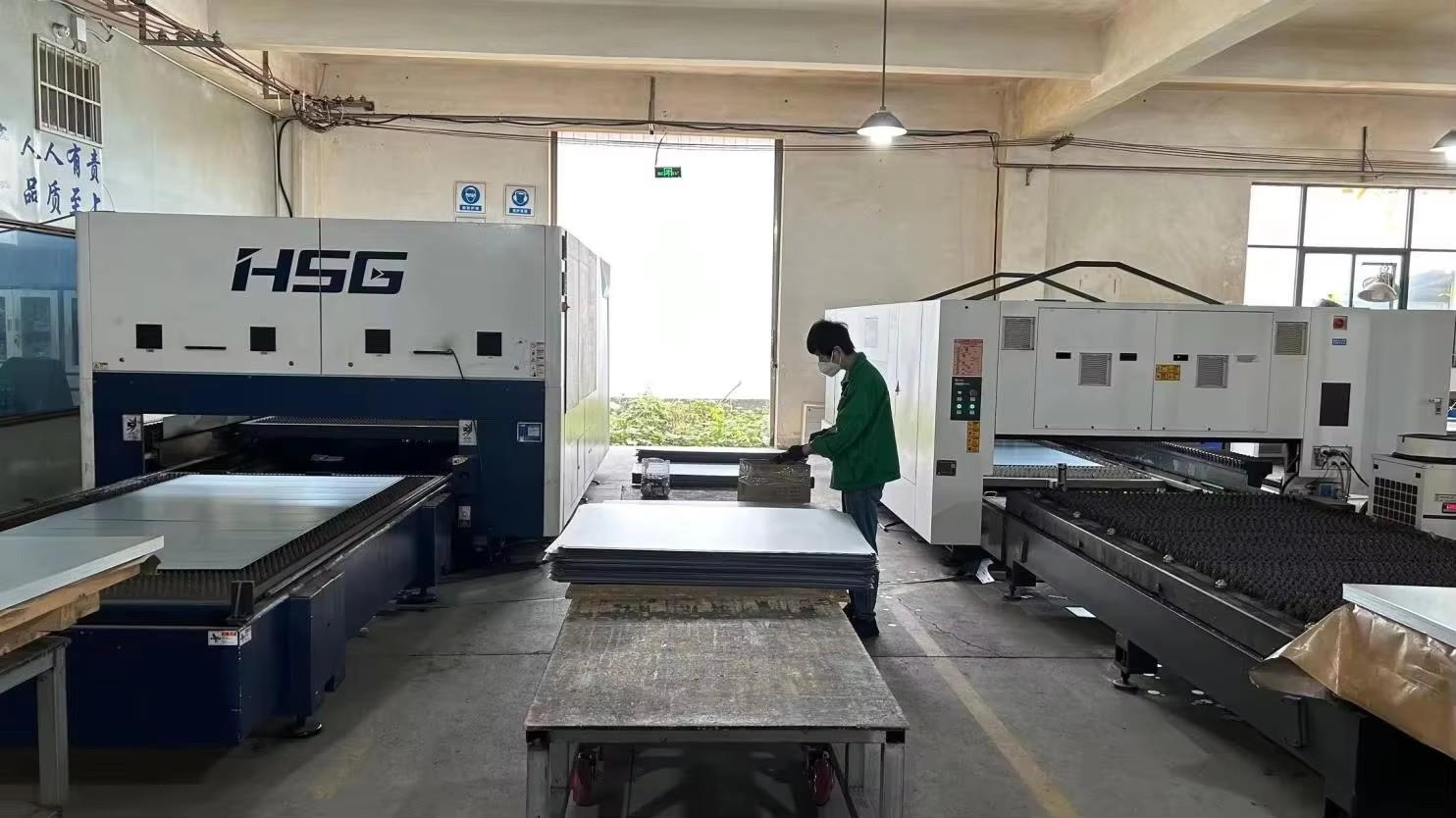
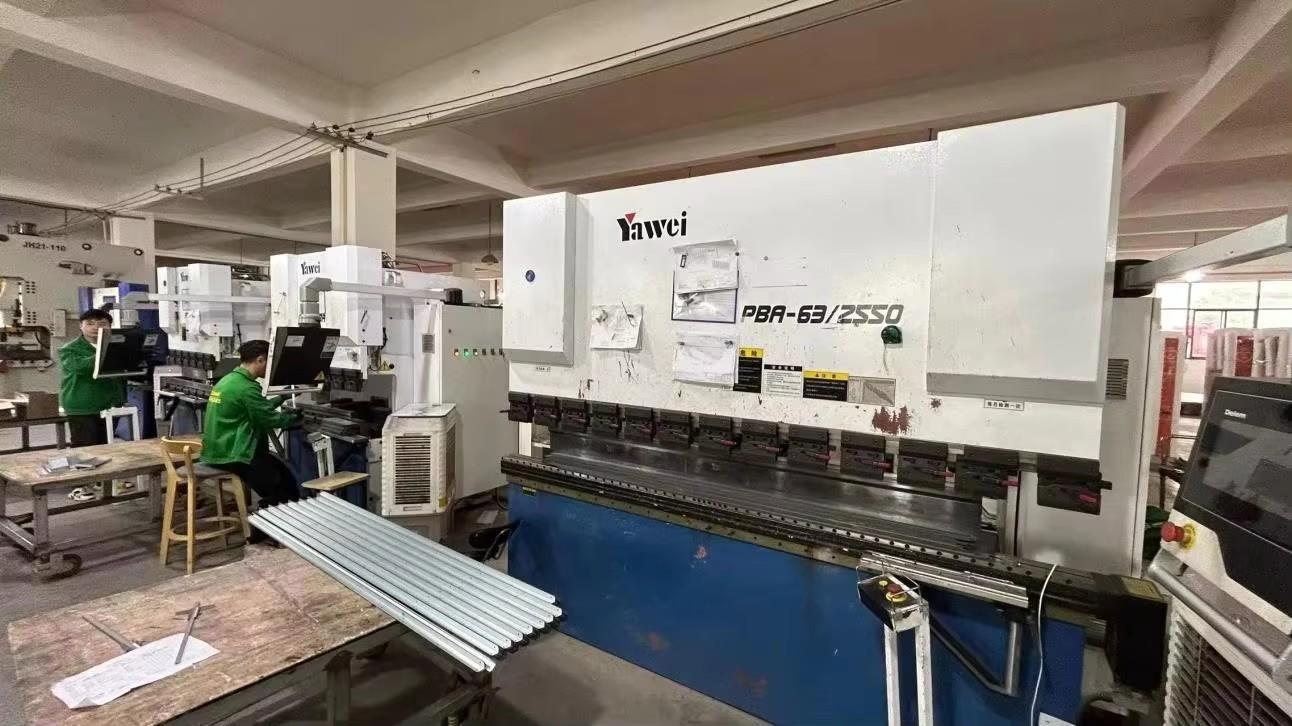
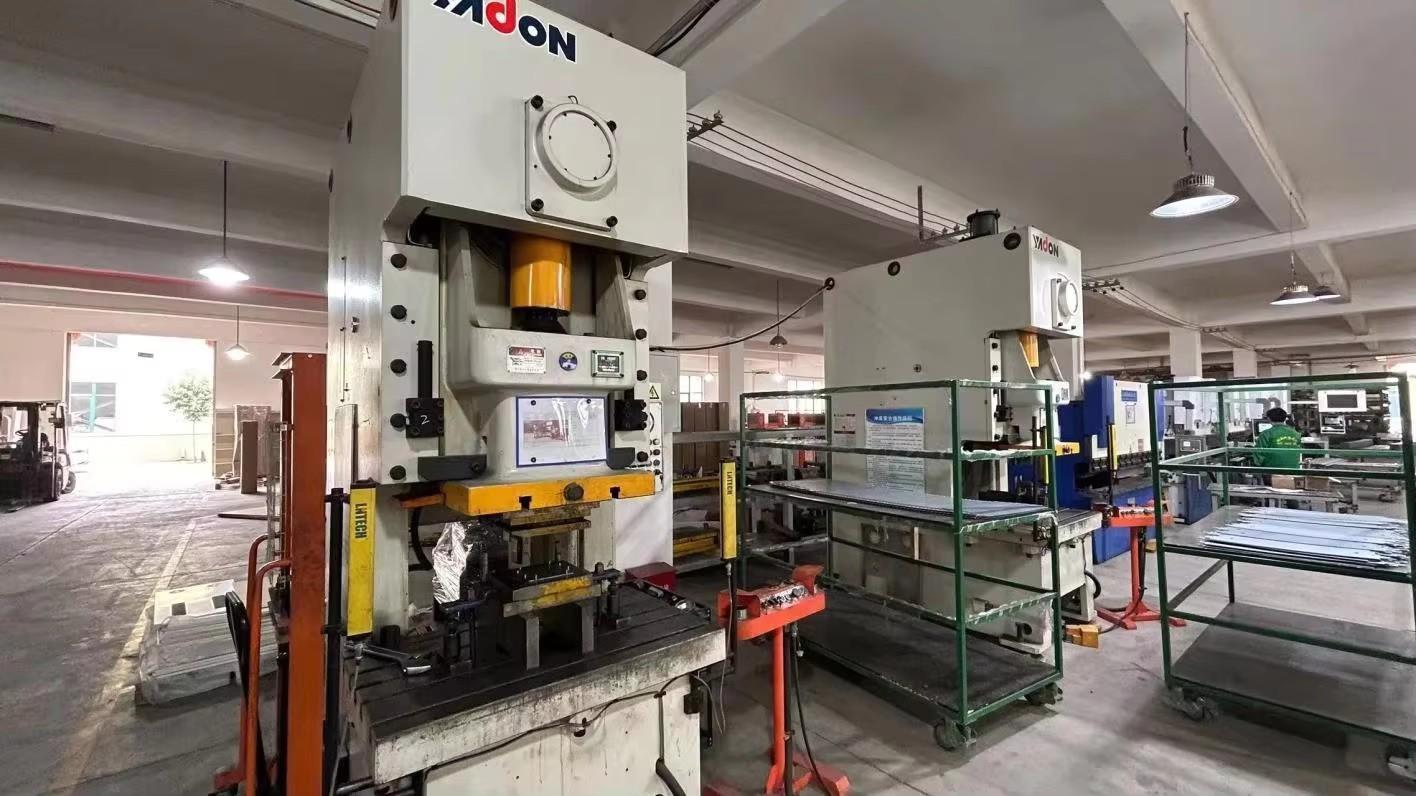
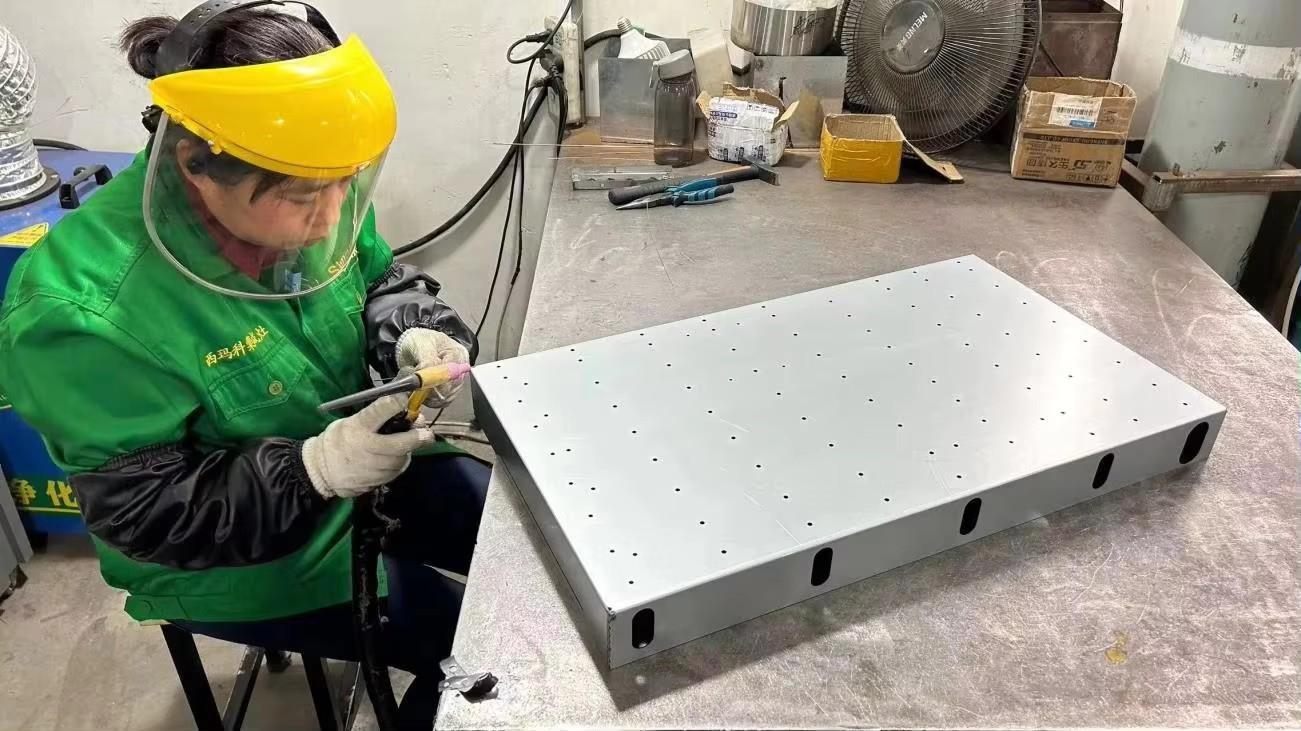
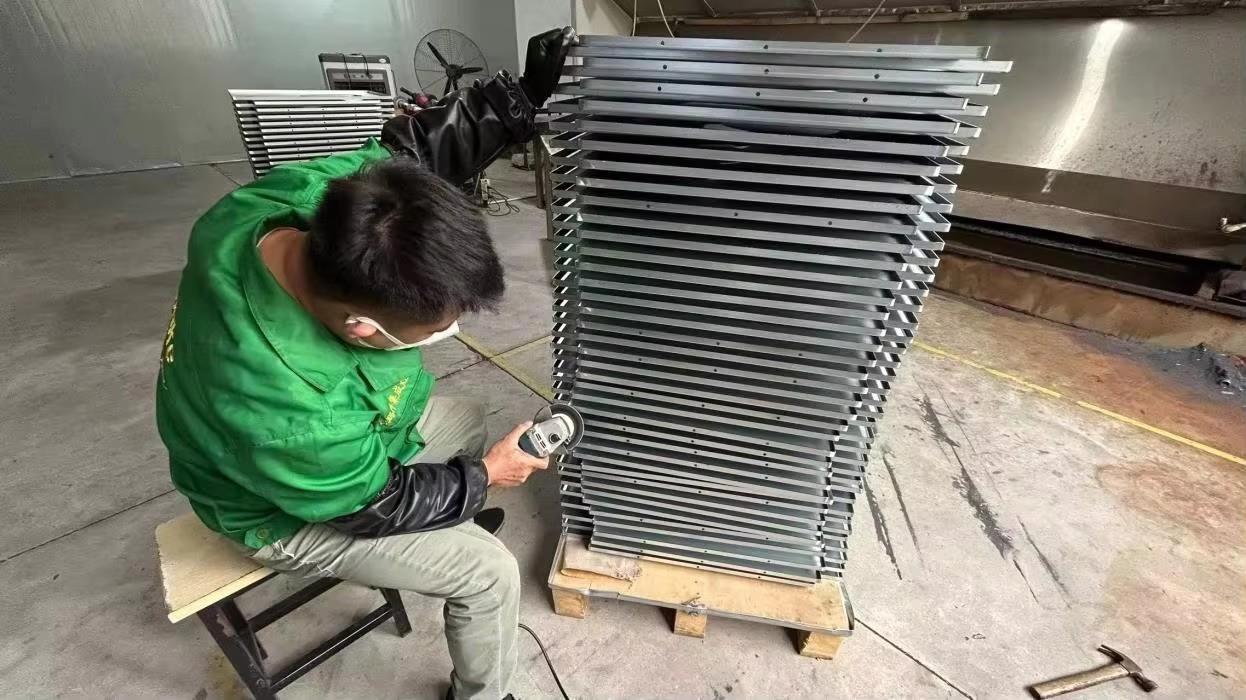
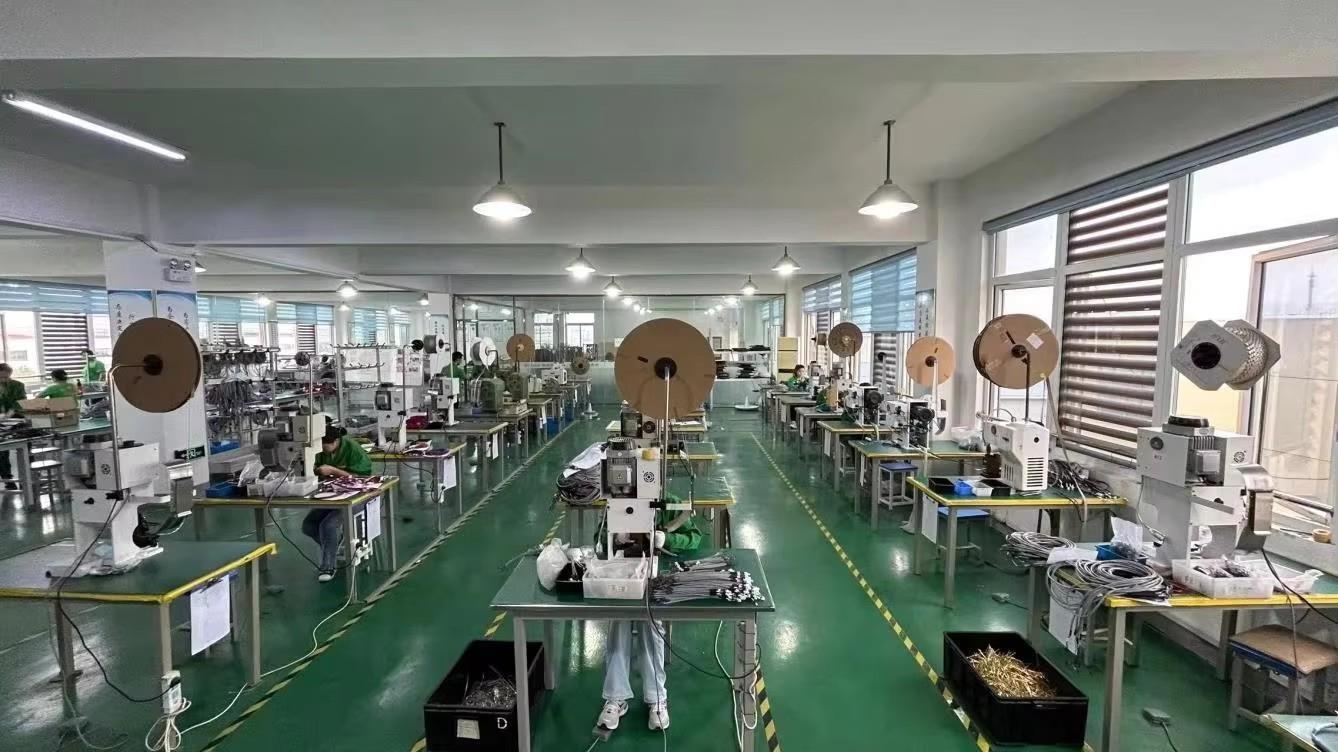
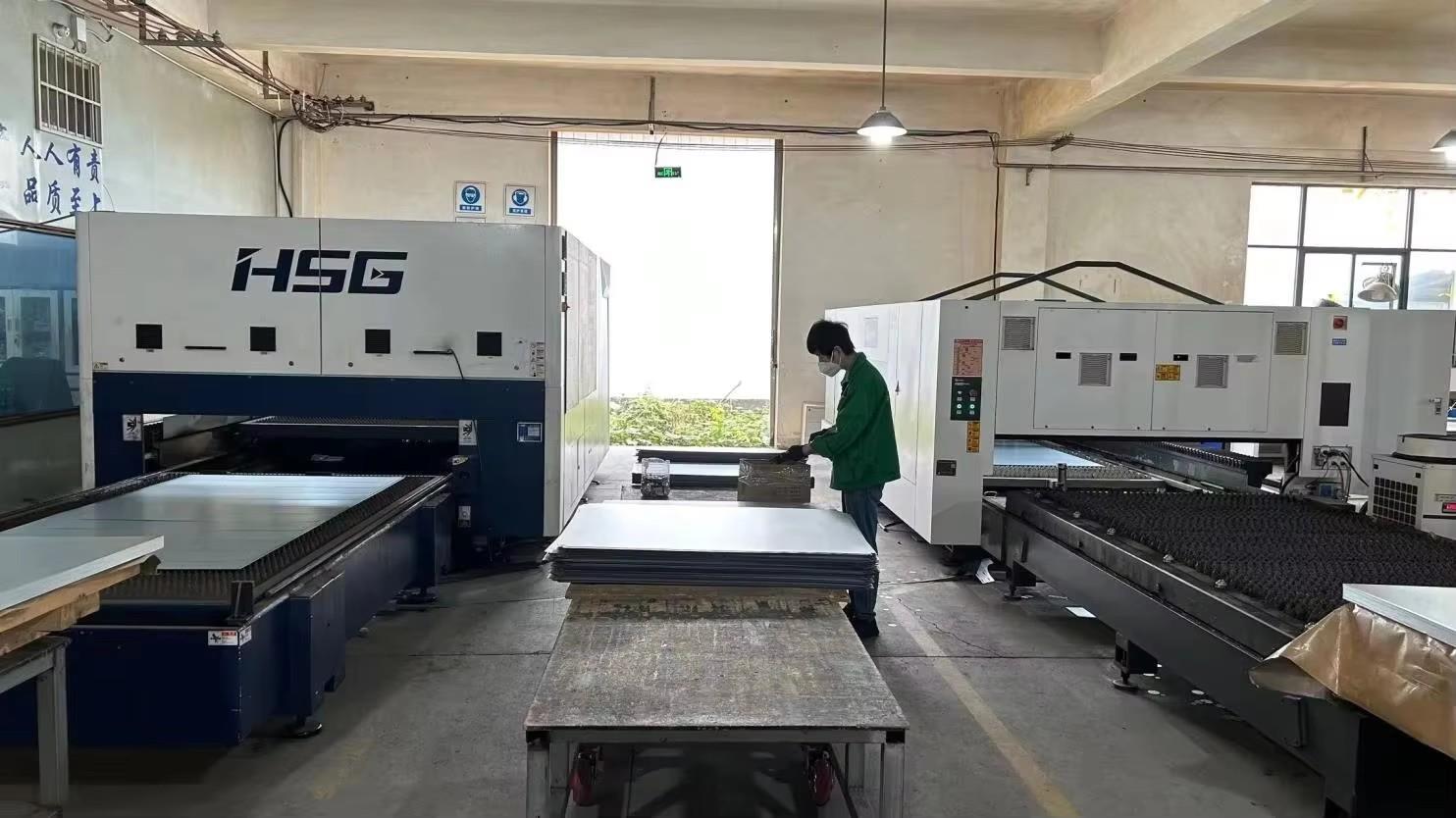
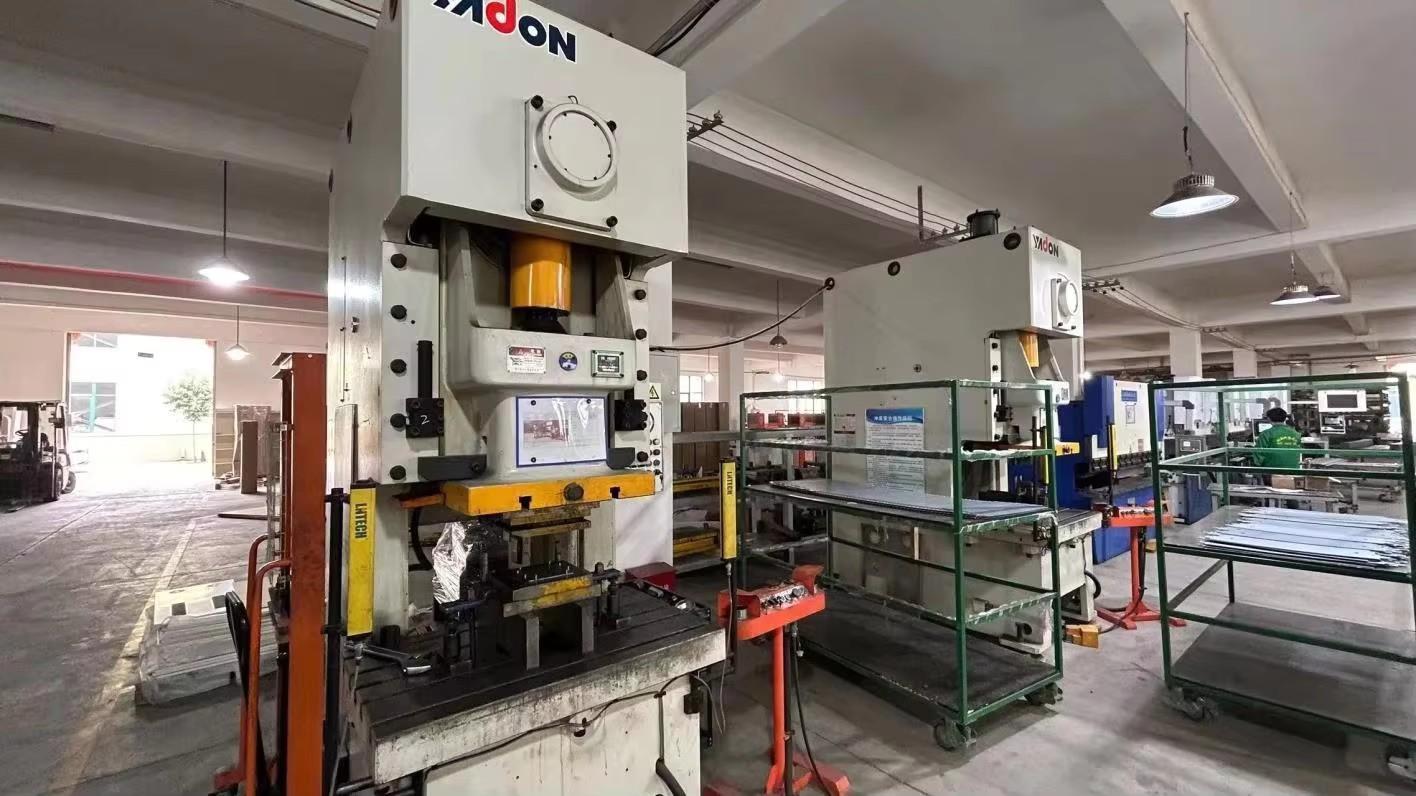
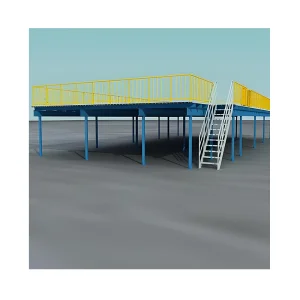
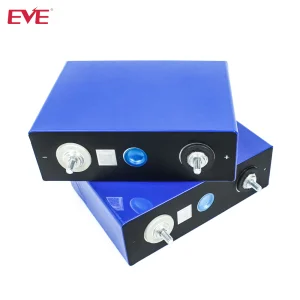
By maintaining this vertically integrated manufacturing operation, we eliminate third-party quality variances. When sourcing heavy components like custom steel work platforms or structural aluminum, as well as highly sensitive components such as Grade-A prismatic lithium cells, Luzz Solar implements standardized traceability protocols. Each batch is logged from raw material stamping and laser welding to post-assembly load testing, ensuring zero-defect deployments for global solar projects.
The procurement needs of international buyers depend heavily on the target installation scenario. A commercial solar array deployed in the scorching desert of the Middle East requires fundamentally different thermal control and tracking metrics compared to a modular residential backup battery system in Western Europe or an off-grid agricultural microgrid in Sub-Saharan Africa.
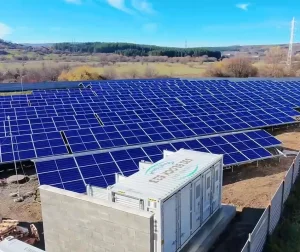
C&I procurement is defined by ROI, continuous system uptime, and electrical protection. Large-scale distribution warehouses require modular stacked backup energy storage containers (such as 1MW to 5MW ESS configurations) to smooth load demands and reduce peak demand utility charges. Industrial-grade charge controllers must support dynamic load sharing and dual network links to avoid total system outages if one controller fails.
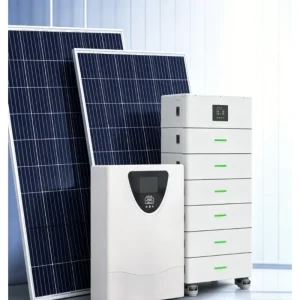
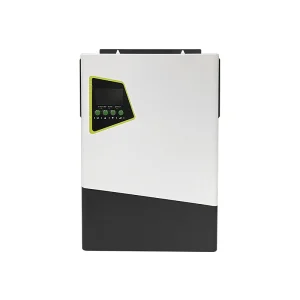
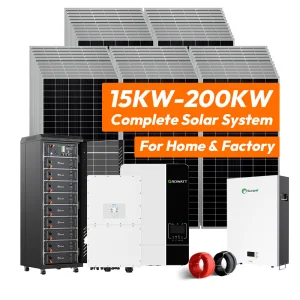
With unstable utility grids and rising electricity rates in North America and Europe, homeowners are increasingly adopting solar-plus-storage. In these markets, aesthetic design, noise suppression, and simple plug-and-play installation are key. Systems like the Dyness DL5.0C or modular hybrid inverters (e.g., 5kw to 6.2kw off-grid controllers) allow residents to achieve partial or complete electrical independence, routing excess energy to household battery stacks.
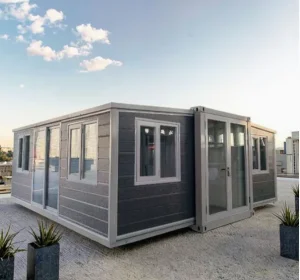
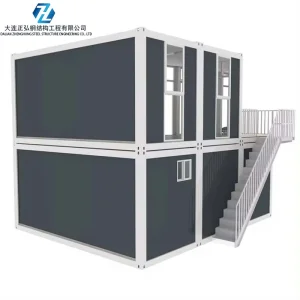
Prefabricated modular container homes, emergency field clinics, and military operations depend on rugged, mobile, and vibration-resistant solar components. Charge equipment designed for these applications must withstand physical movement on trailers, operate across wide temperature ranges, and require minimal manual calibration.
Qingdao Luzz Solar Co., Ltd. is a professional new energy enterprise specializing in the development, manufacturing, and global distribution of photovoltaic (PV) products and integrated energy storage solutions. Located in Qingdao, China, the company benefits from a well-established renewable energy industrial base and advanced manufacturing capabilities.
With the accelerating global transition toward carbon neutrality and sustainable development, Luzz Solar is committed to providing efficient, reliable, and cost-effective clean energy solutions to customers worldwide. Our product portfolio includes high-efficiency solar photovoltaic modules, energy storage systems, and integrated solar application solutions designed for residential, commercial, and utility-scale projects.
Driven by technological innovation and quality excellence, the company continuously invests in R&D and production optimization to improve product performance, energy conversion efficiency, and system reliability. We strictly adhere to international quality standards and implement rigorous quality control throughout the entire production process to ensure stable and long-term product performance.
Qingdao Luzz Solar actively expands its global market presence, with business coverage across Asia, Europe, the Middle East, Africa, and Latin America. By working closely with international partners, we are committed to delivering tailored energy solutions that meet diverse regional needs and support the global energy transition.
Guided by the core values of integrity, innovation, cooperation, and sustainability, Luzz Solar strives to become a trusted global partner in the new energy industry. We are dedicated to advancing solar technology and contributing to a greener, more sustainable future.
Technical clarifications to help EPC contractors, system integrators, and procurement officers make informed sourcing decisions
An MPPT (Maximum Power Point Tracking) charge controller dynamically adjusts its input voltage and current to harvest the absolute maximum power from the solar array, acting as a highly efficient DC-to-DC converter. A PWM (Pulse Width Modulation) controller acts as a direct switch connecting the solar panels to the battery bank, forcing the panels to run at the battery's voltage. This difference allows MPPT controllers to operate at 95% to 99% efficiency (yielding up to 30% more energy than PWM systems), especially in colder climates or under dynamic cloud cover.
Modern batteries require precise, chemical-specific charging profiles. Lithium Iron Phosphate (LiFePO4) chemistries, which are widely used in home storage and commercial containers, must not be overcharged or exposed to temperatures below freezing. High-end charge managers feature customizable voltage thresholds, safety cut-offs, and dedicated thermal probes to monitor battery health. Sourcing charge managers that lack dedicated lithium algorithm parameters can degrade your batteries prematurely and void their warranties.
Yes, multiple MPPT or PWM controllers can charge a single battery bank simultaneously, which is standard practice in commercial scale installations. However, the controllers must be connected in parallel and should ideally communicate with one another using industrial interfaces (like RS485 or CAN-bus). This communication syncs their charging stages (Bulk, Absorption, Float) to prevent one controller from prematurely entering float mode while the other is still bulk charging.
For European markets, CE marking along with compliance with RoHS directive is mandatory. For the North American market, UL certifications (specifically UL 1741 for inverters and charge controllers) are widely required by local inspectors. Additionally, TUV Rheinland and IEC (specifically IEC 62109) certifications are crucial indicators of structural safety, electromagnetic compatibility (EMC), and physical reliability under outdoor environmental stresses.
Our Factory 4.0 infrastructure utilizes automated assembly lines, precision laser welding, and computerized testing bays to eliminate human error. Every product undergoes environmental stress screening, vibration simulation, and burn-in testing to detect premature component failures. By sourcing components within our localized industrial zone, we maintain strict control over materials, ensuring our gear meets its 15-year design lifespan.
High-capacity batteries, intelligent solar inverters, and heavy-duty structural frames for global installations
 Luzz Solar