Explore our top-performing Tier-1 quality solar panels, commercial inverters, residential storage, and smart microgrid infrastructure.
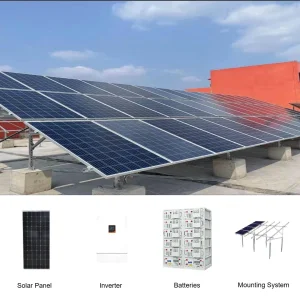
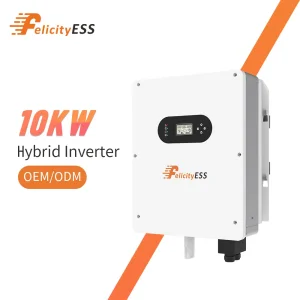
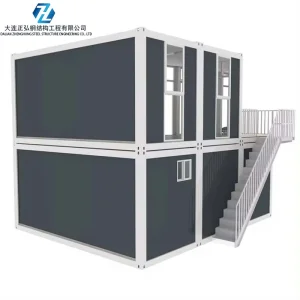
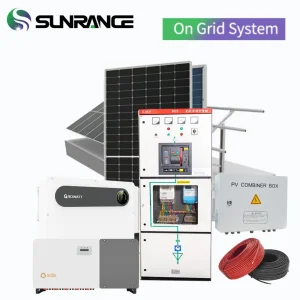
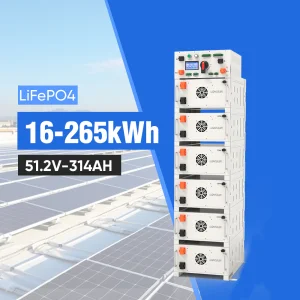
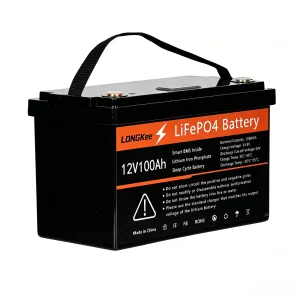
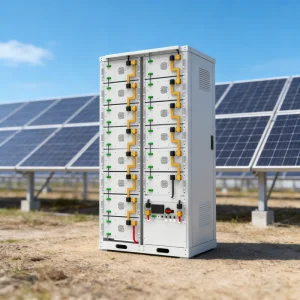
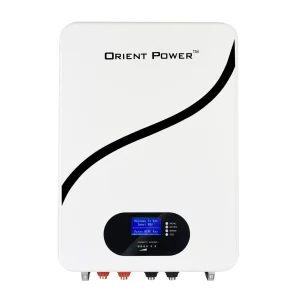
The global energy landscape is undergoing a structural paradigm shift. Geopolitical instability, fluctuating fossil fuel markets, grid infrastructure vulnerabilities under extreme weather events, and stringent carbon regulations have propelled the demand for self-sufficient energy solutions. Commercial enterprises and utilities are prioritizing "energy independence"—the capability to generate, store, and manage localized power without absolute reliance on national grids.
Within this ecosystem, China has emerged as the definitive global powerhouse for renewable energy technologies. By utilizing fully integrated domestic supply chains, massive manufacturing hubs, and aggressive research and development programs, Chinese manufacturers supply over 80% of the global solar photovoltaic (PV) modules and lithium iron phosphate (LiFePO4) energy storage systems (ESS). These technologies are crucial for reducing the Levelized Cost of Energy (LCOE) and the Levelized Cost of Storage (LCOS), enabling companies worldwide to establish resilient, decentralized green grids.
Businesses are migrating toward localized systems due to several macro-economic variables:
Partnering with a leading Chinese energy solutions developer and exporter like Qingdao Luzz Solar provides global enterprise buyers with distinct advantages. The integration of advanced raw materials processing, state-of-the-art battery pack assembly, automated inverter line productions, and precision steel structural engineering provides unique product value.
From polysilicon wafers to lithium-ion cell chemistry (specifically LiFePO4), our upstream partnerships eliminate third-party margins and safeguard manufacturing timelines against international logistics delays.
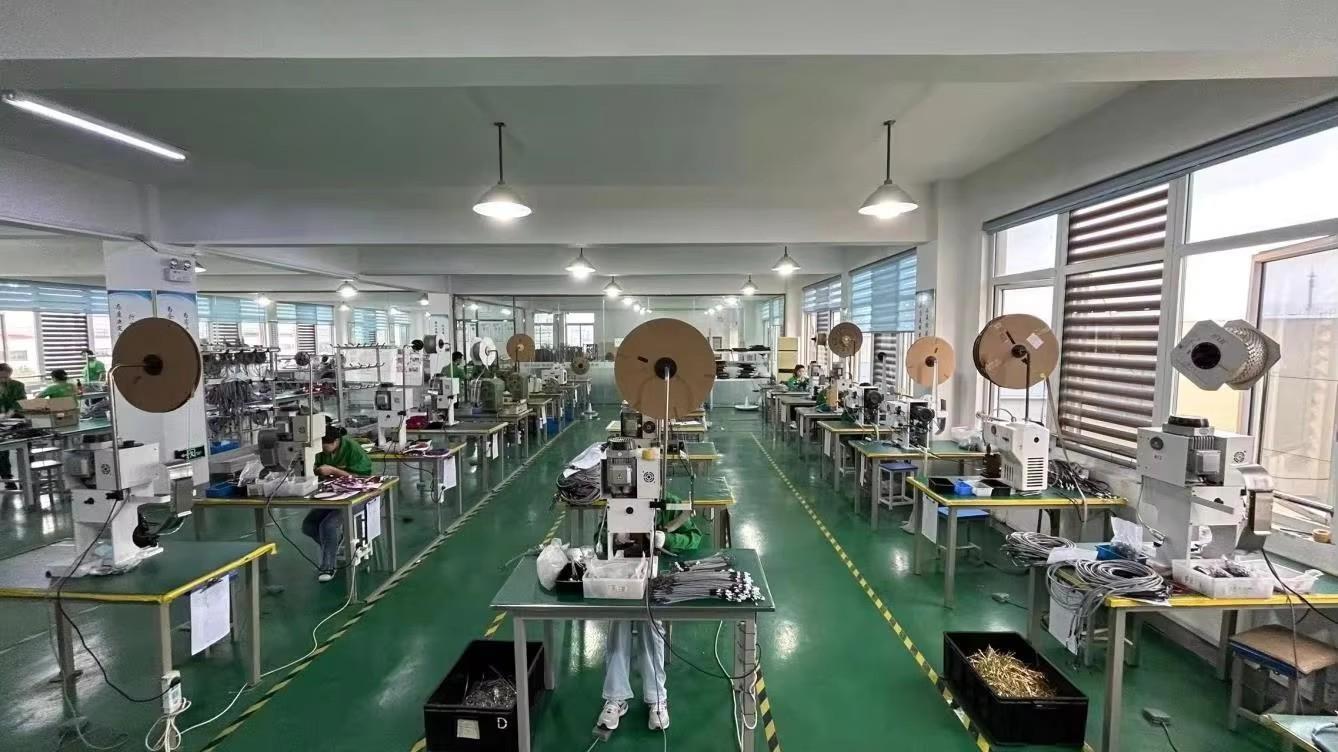
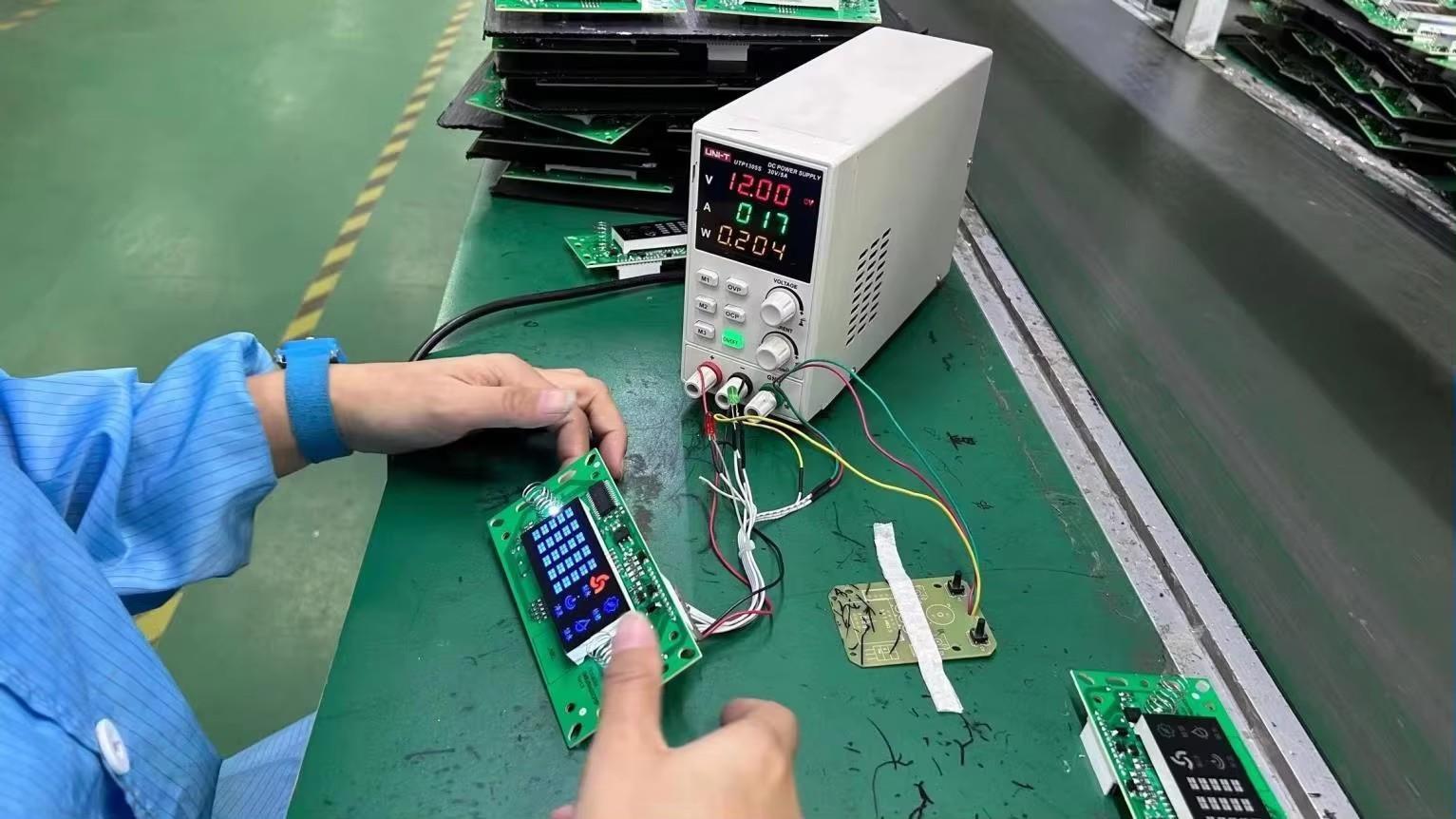
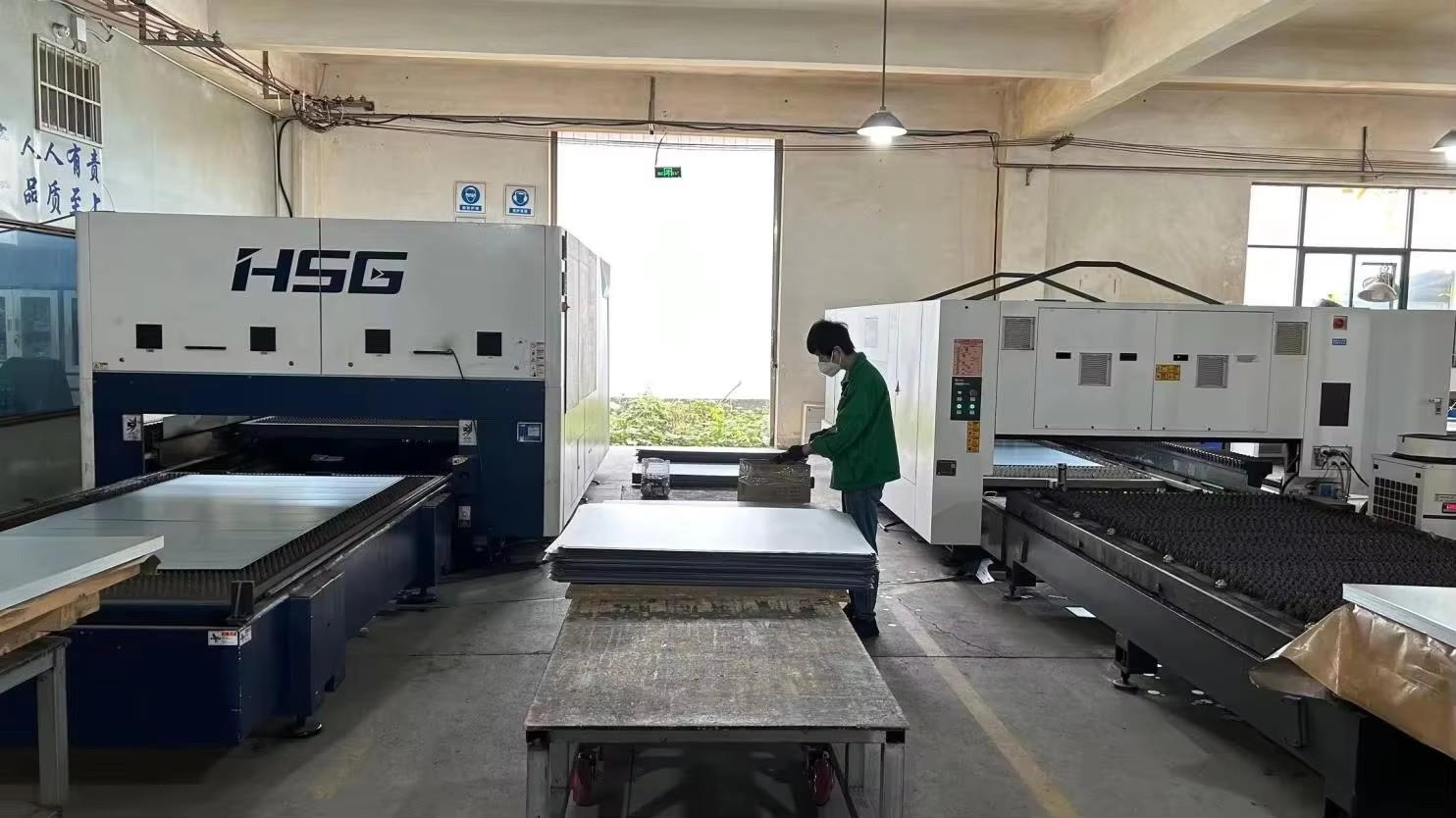
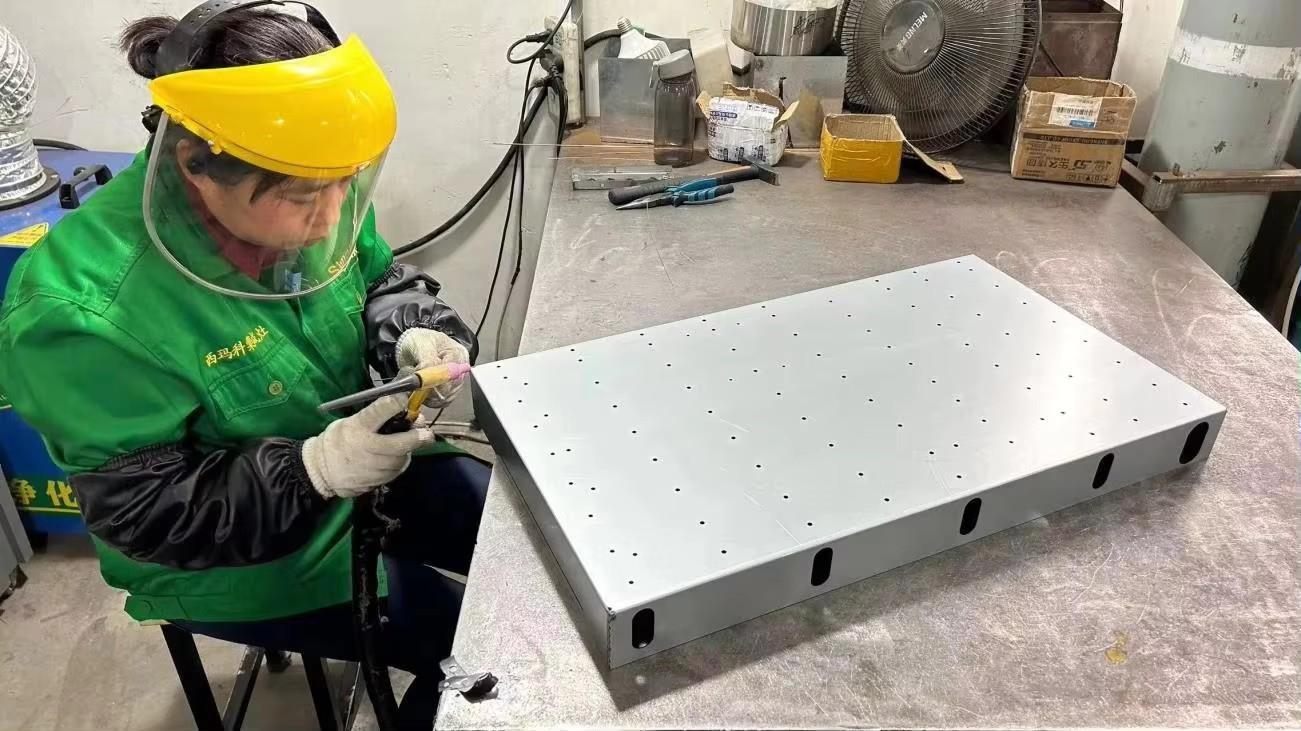
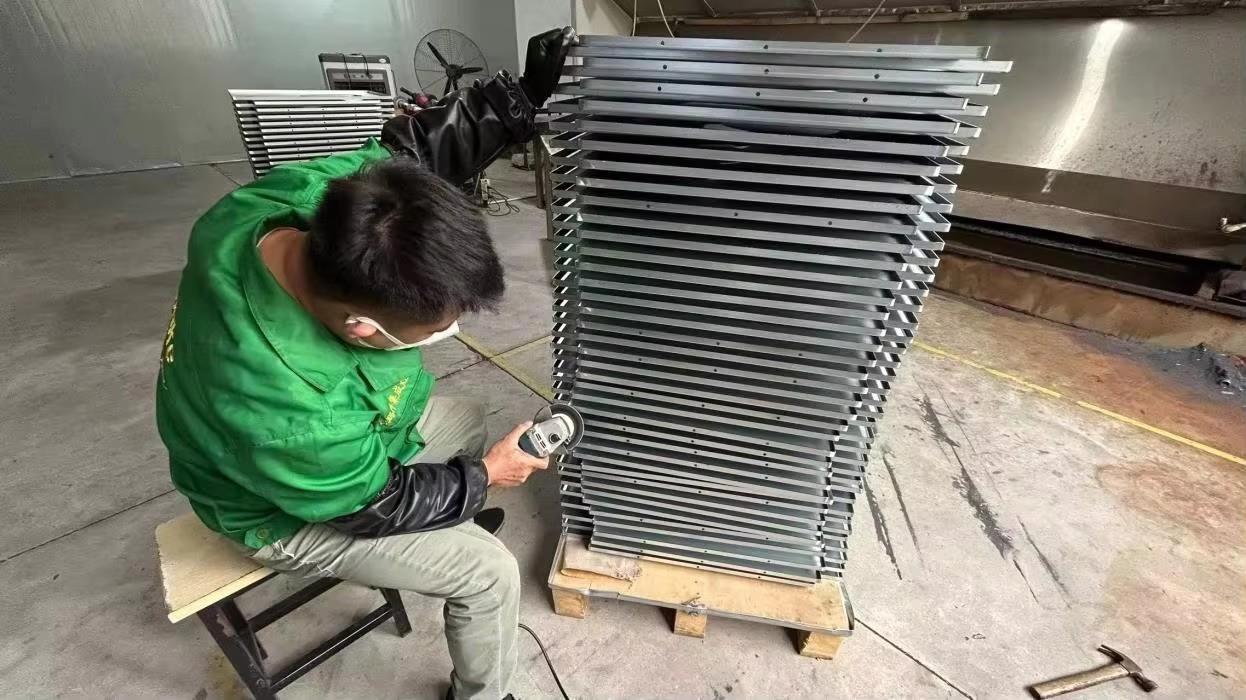
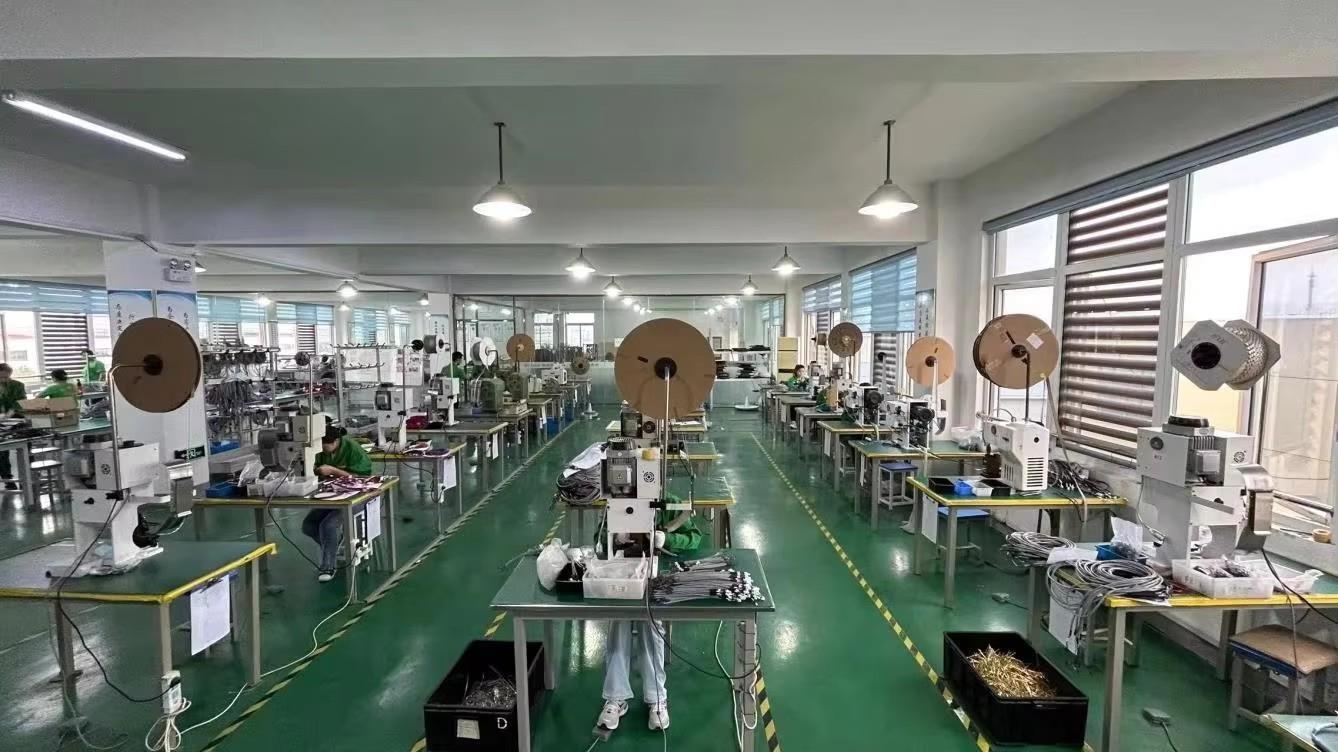
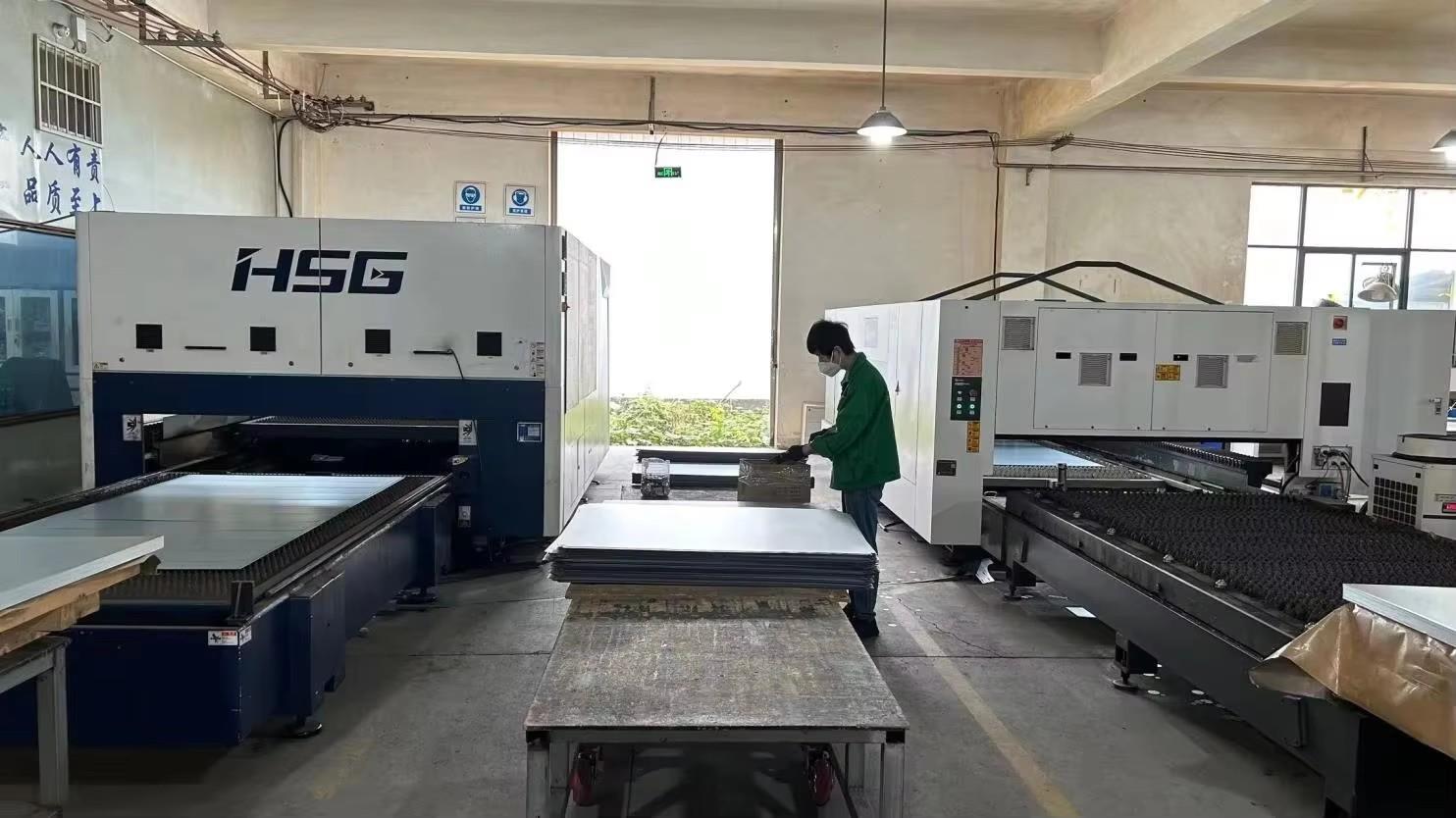
Integrating high-tech automation systems such as silent terminal machines, robotic laser welders, and precise automated optical inspection (AOI) prevents human error, ensuring consistent unit performance.
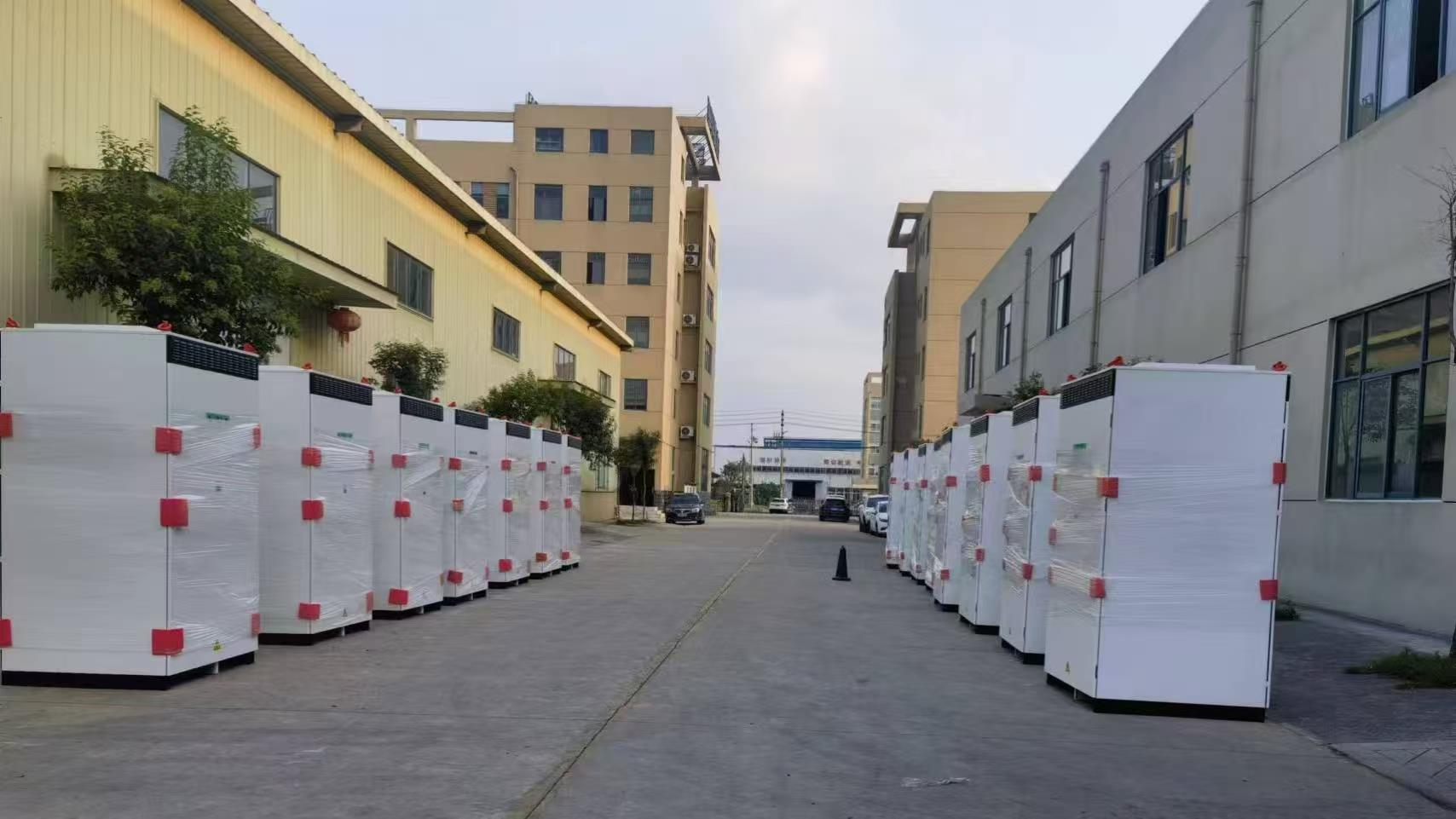
Operating from primary port cities such as Qingdao permits rapid container loading, streamlined customs clearances, and minimal freight expenses across critical corridors in Europe, Africa, and the Americas.
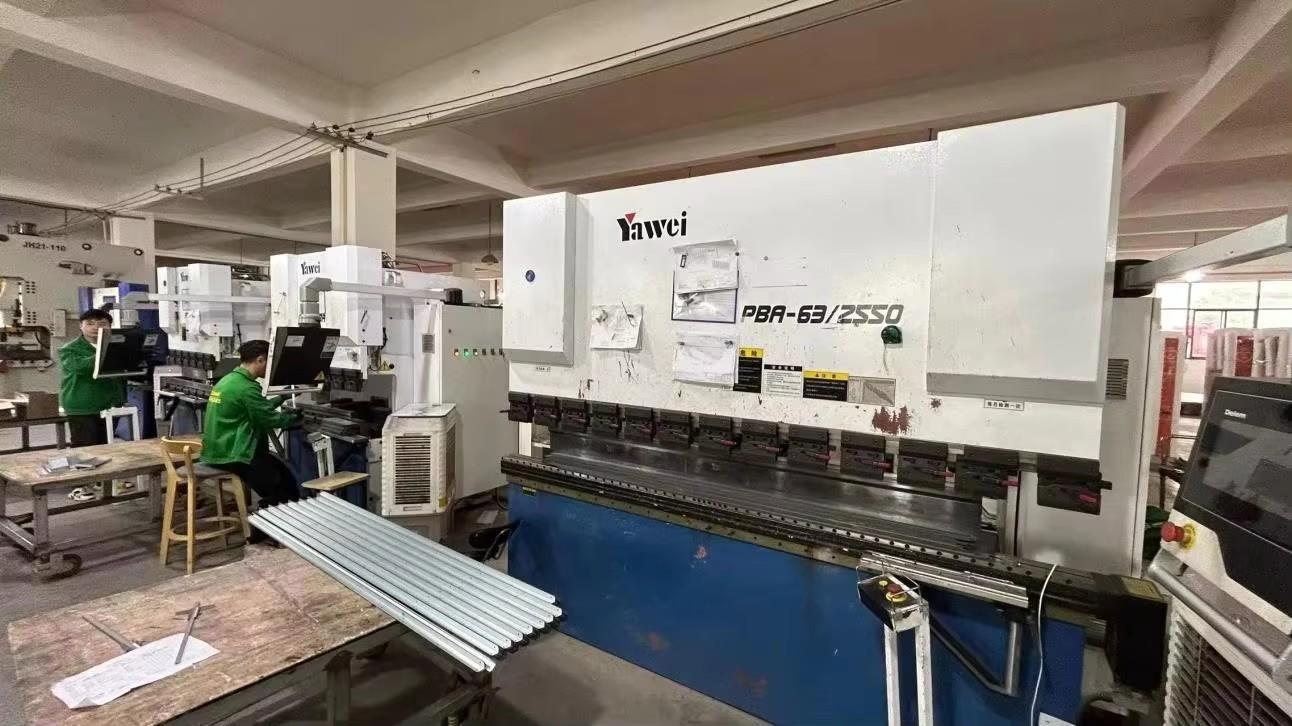
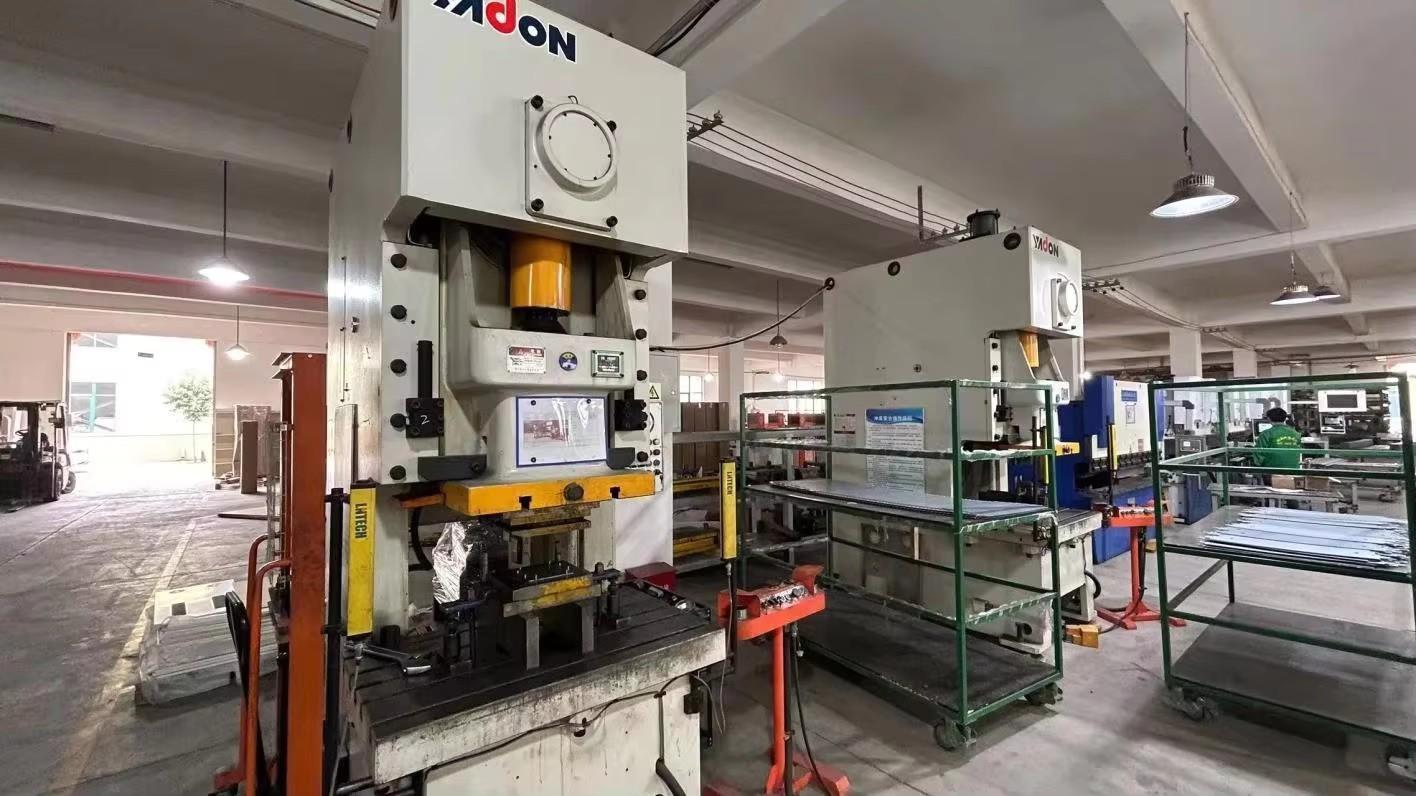
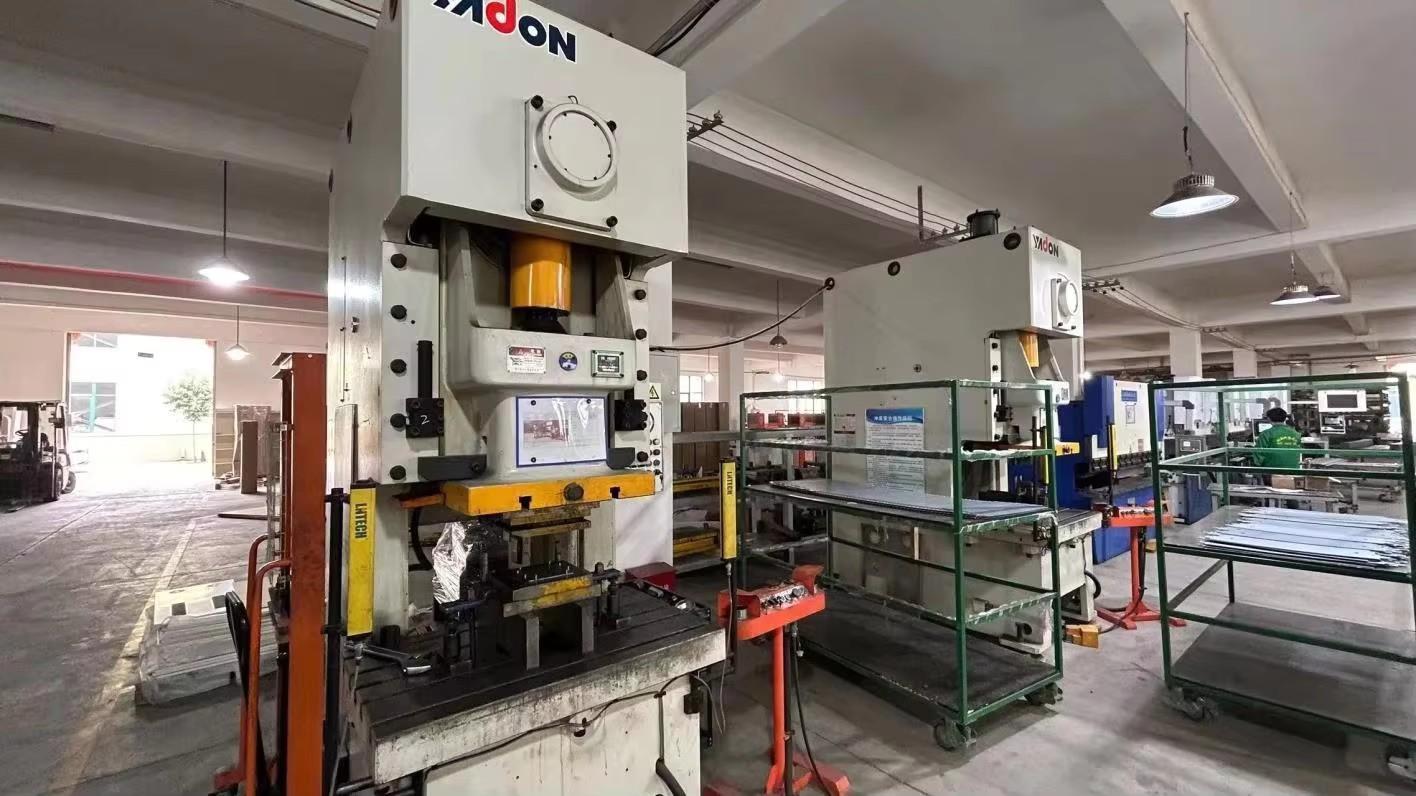
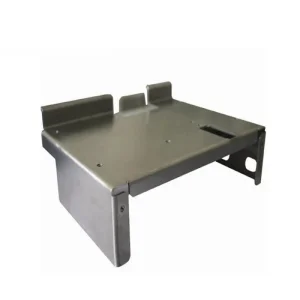
Furthermore, Chinese energy factories leverage regional clusters. This co-location of metal chassis stamping, wiring harness fabrication, high-voltage battery cell development, and electrical hardware engineering allows us to customize off-the-shelf and bespoke OEM/ODM solutions quickly. This capability is critical for complex global infrastructure tenders.
Energy independence is not a one-size-fits-all solution. Different operating environments require specific architectural designs to maximize uptime and cost-efficiency. Here, we outline the primary deployment strategies used by global procurements:
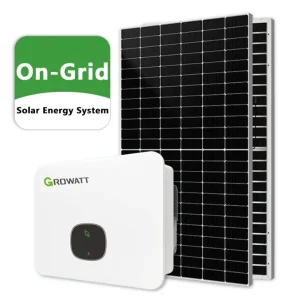
Industrial operations with critical machinery require constant, stable power. The combination of high-efficiency net-metering solar arrays (such as the 10kw grid-tied system) paired with commercial battery stacks ensures grid stability. On sunny days, excess energy charges the storage banks or feeds back into the grid, generating local power credits. During peak rate hours, the system switches to battery power (peak-shaving), saving thousands in utility fees monthly.
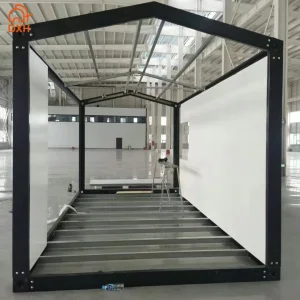
Mining outposts, remote agricultural facilities, and modern prefabricated housing arrays require complete grid independence. By combining detachable flat-pack container homes with integrated solar roof arrays and all-in-one wall-mounted storage systems, projects can deploy in remote regions without grid connections. These mobile housing solutions include plug-and-play solar ports, making them ideal for disaster relief housing, eco-tourism projects, and remote research facilities.
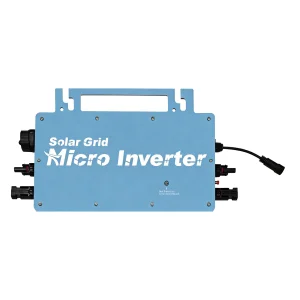
Urban density demands smaller-scale energy capture. Modern balcony solar configurations featuring micro-inverters (600W to 2400W) provide grid-stabilized power without complex roof installations. These plug-and-play systems integrate anti-backflow sensors, allowing tenants to generate clean energy and offset home consumption while remaining fully compliant with municipal safety codes.
Qingdao Luzz Solar Co., Ltd. is a professional new energy enterprise specializing in the development, manufacturing, and global distribution of photovoltaic (PV) products and integrated energy storage solutions. Located in Qingdao, China, the company benefits from a well-established renewable energy industrial base and advanced manufacturing capabilities.
With the accelerating global transition toward carbon neutrality and sustainable development, Luzz Solar is committed to providing efficient, reliable, and cost-effective clean energy solutions to customers worldwide. Our product portfolio includes high-efficiency solar photovoltaic modules, energy storage systems, and integrated solar application solutions designed for residential, commercial, and utility-scale projects.
Driven by technological innovation and quality excellence, the company continuously invests in R&D and production optimization to improve product performance, energy conversion efficiency, and system reliability. We strictly adhere to international quality standards and implement rigorous quality control throughout the entire production process to ensure stable and long-term product performance.
Qingdao Luzz Solar actively expands its global market presence, with business coverage across Asia, Europe, the Middle East, Africa, and Latin America. By working closely with international partners, we are committed to delivering tailored energy solutions that meet diverse regional needs and support the global energy transition.
Guided by the core values of integrity, innovation, cooperation, and sustainability, Luzz Solar strives to become a trusted global partner in the new energy industry. We are dedicated to advancing solar technology and contributing to a greener, more sustainable future.
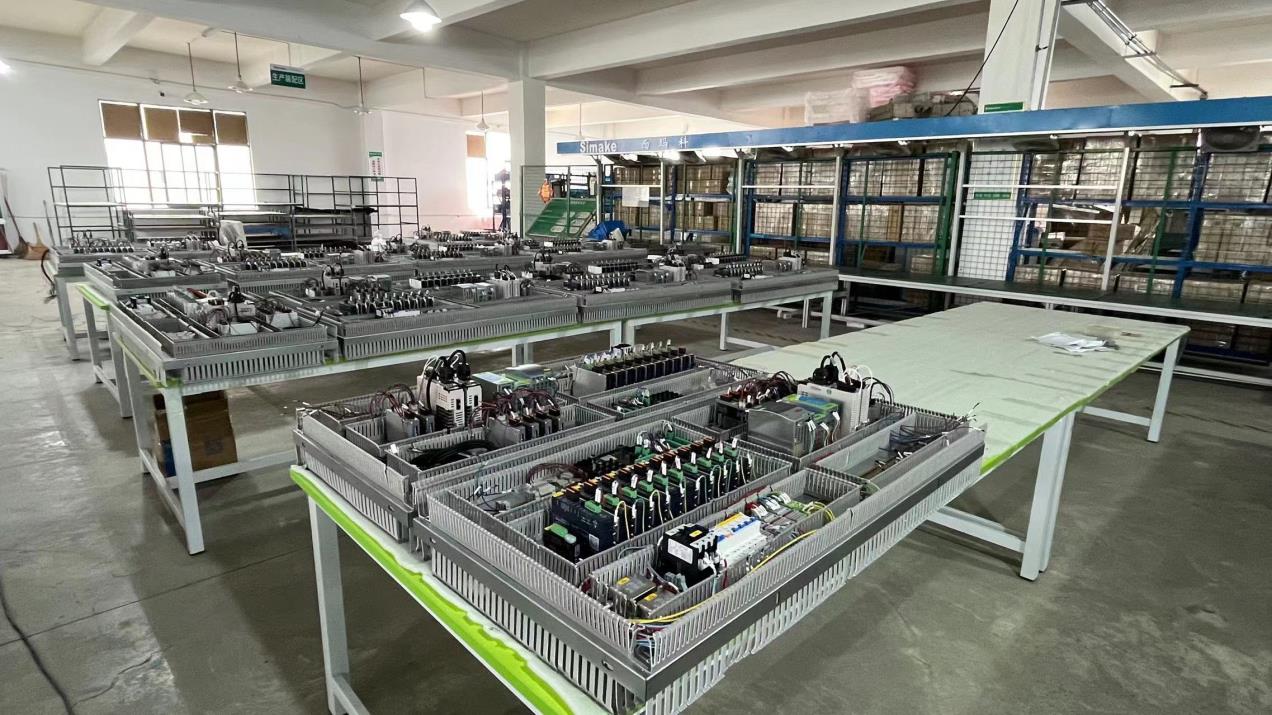
Our state-of-the-art facilities leverage automated welding, high-precision stamping, and comprehensive diagnostics to guarantee quality standard compliance across all PV and battery products.
Procuring solar and ESS equipment directly from China demands a clear understanding of regulatory and engineering requirements. To ensure safety, reliability, and project performance, procurement managers must evaluate several technical milestones:
Do not compromise on regulatory certifications. Depending on your target market, verify that your exporter complies with local standards:
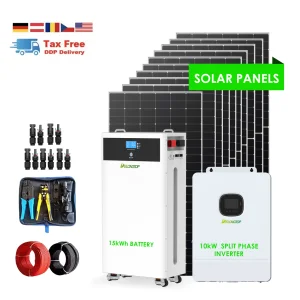
A frequent mistake is sourcing mismatching solar components from different vendors. Choosing an all-in-one system design ensures compatibility between PV cell outputs, hybrid inverter charge profiles, and battery management systems (BMS). Using pre-assembled, modular configurations prevents field wiring challenges, saves installation labor costs, and simplifies warranty administration.
Get expert insights on hardware configurations, system design, shipping logistics, and performance benchmarks.
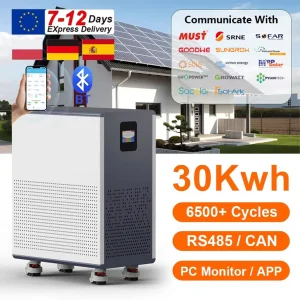
Lithium Iron Phosphate (LiFePO4) offers superior thermal and chemical stability, minimizing thermal runaway risks. It supports over 6,000 charge cycles at 80% Depth of Discharge (DoD), yielding a lifespan exceeding 10 years. This chemistry contains no cobalt, making it a sustainable choice for corporate ESG standards.
On-Grid systems connect directly to public power systems and feature net metering, exporting excess energy to lower utility bills. Off-Grid setups operate independently, using batteries to supply continuous power. Hybrid systems combine both configurations: they stay grid-connected while leveraging a dedicated battery bank to provide backup power during outages and optimize energy usage.
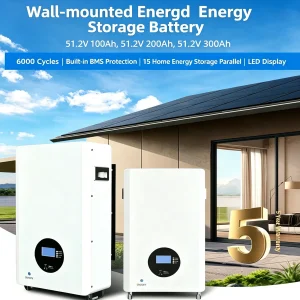
Yes. Prefabricated container structures are highly adaptable. By attaching customized solar panels to the roof and integrating a compact wall-mounted lithium battery (e.g., 5kWh to 15kWh) and a split-phase hybrid inverter, these units function as independent mobile offices. This capability is ideal for construction sites, field offices, and telecommunications stations.
Micro-inverters operate independently on individual solar panels, isolating shading or panel failures so the rest of the array continues to perform. They operate at low-voltage DC, reducing safety hazards and simplifying expansions. String inverters process the combined output of multiple panels, making them cost-effective for large, unshaded arrays but subject to system-wide drops if one panel is shaded.
Verify that your exporter maintains localized warehouses in regions like Rotterdam or Hamburg. Sourcing directly from EU warehouses ensures that products are pre-cleared, custom duties are settled, and delivery times are reduced to 3–7 business days. This capability is vital for time-critical solar projects.
Extreme cold can slow chemical reactions, reducing battery capacity and efficiency. To maintain stable charging, our high-capacity outdoor batteries feature integrated heating pads and smart Battery Management Systems (BMS). These systems automatically warm the battery cells prior to initiating charging, ensuring consistent performance in cold climates.
From micro-inverters to complete battery stacks, our products are engineered to provide maximum ROI and energy independence.
 Luzz Solar