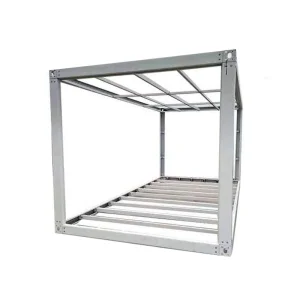
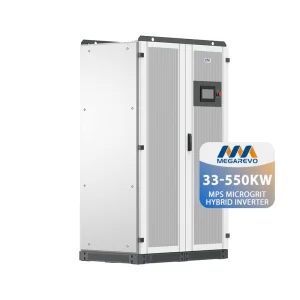
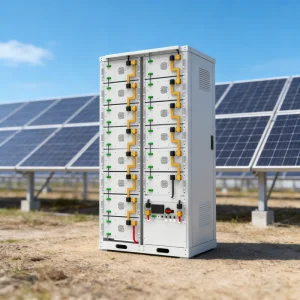
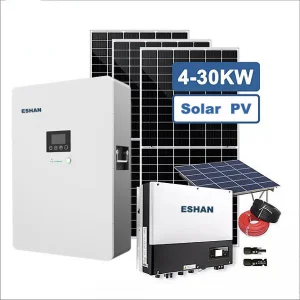
Explore our top-tier selection of industrial hybrid inverters, scalable LiFePO4 battery modules, off-grid charge controllers, and modular structure packages.
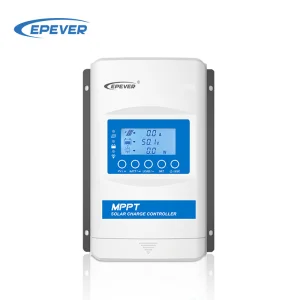
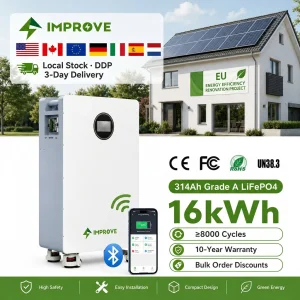
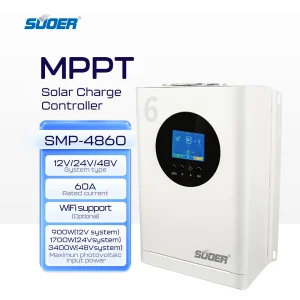
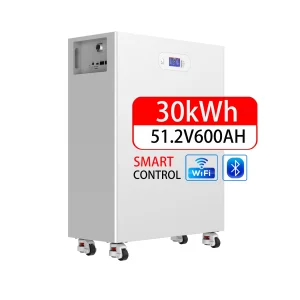
Qingdao Luzz Solar Co., Ltd. is a highly specialized, vertically integrated new energy enterprise focusing on the R&D, precision manufacturing, and global deployment of tier-one photovoltaic (PV) modules and advanced battery energy storage systems (BESS). Situated in the coastal green energy corridor of Qingdao, China, we capitalize on state-of-the-art port logistics and a deeply unified domestic supply chain to export high-performance clean energy equipment globally.
With global mandates shifting toward decarbonization and high-resiliency power structures, we design systems engineered for rigorous environments. Our core portfolios encompass high-density lithium iron phosphate (LiFePO4) storage, smart power conversion systems (PCS), intelligent EMS interfaces, and robust, prefabricated steel housing kits optimized for utility microgrids, telecommunication stations, and commercial facilities.
Guided by our foundational principles of integrity, innovation, cooperation, and sustainability, we ensure compliance with international testing frameworks. By combining advanced automated production lines with rigorous testing regimes, we continue to serve utility distributors, engineering contractors, and energy operators worldwide with uncompromising reliability.
The energy landscape is changing. Here are the core technical pathways defining the next decade of commercial, industrial, and utility-scale energy storage systems.
LiFePO4 remains the premier choice for safety, thermal runaway resistance, and long lifecycle parameters (6000+ cycles at 80% DoD). Next-gen cell formulations are shifting to 314Ah formats to optimize density and simplify module integration.
Maximizing ROI hinges on decreasing Levelized Cost of Storage (LCOS). Developers are moving away from upfront capital cost evaluation, focusing on round-trip efficiency (RTE >90%), high-efficiency hybrid inverters, and minimal O&M overheads.
Modern energy storage requires real-time intelligence. Cloud-integrated Battery Management Systems (BMS) track State of Charge (SoC), State of Health (SoH), and isolate cell imbalances to protect storage assets from sudden thermal failures.
System degradation is accelerated by uneven module temperatures. High-capacity container solutions now implement dual liquid-cooling loops or active air balancing to restrict cell-to-cell thermal deviation within 2°C.
To support weak distribution lines, hybrid inverters are evolving with grid-forming technologies. High-voltage series layouts (up to 1500VDC) are replacing traditional 48V standards to minimize cabling losses and maximize conversion efficiency.
While LFP remains the core industrial benchmark, Sodium-ion (Na-ion) architectures are emerging as a viable solution for ultra-low temperature performance down to -40°C, offering lower material reliance on lithium resources.
For utility buyers, EPC developers, and commercial project managers, successful sourcing depends on mitigating supply chain volatility and verifying factory capabilities.
Securing international certifications (UL 9540A, UL 1973, CE, IEC 62619) is non-negotiable for project insurance and municipal regulatory approvals.
Commercial projects demand bespoke dimensions, specific BMS communication protocols (CAN/Modbus), and tailored cooling configurations.
Maximizing return on investment requires keeping long-term operations costs down through component reliability and system design efficiency.
With strict global logistics for Class 9 hazardous materials, developers need stable delivery pipelines to avoid site installation delays.
From standard factory floor installations to remote off-grid telecom facilities, our customized configurations meet modern energy demands.
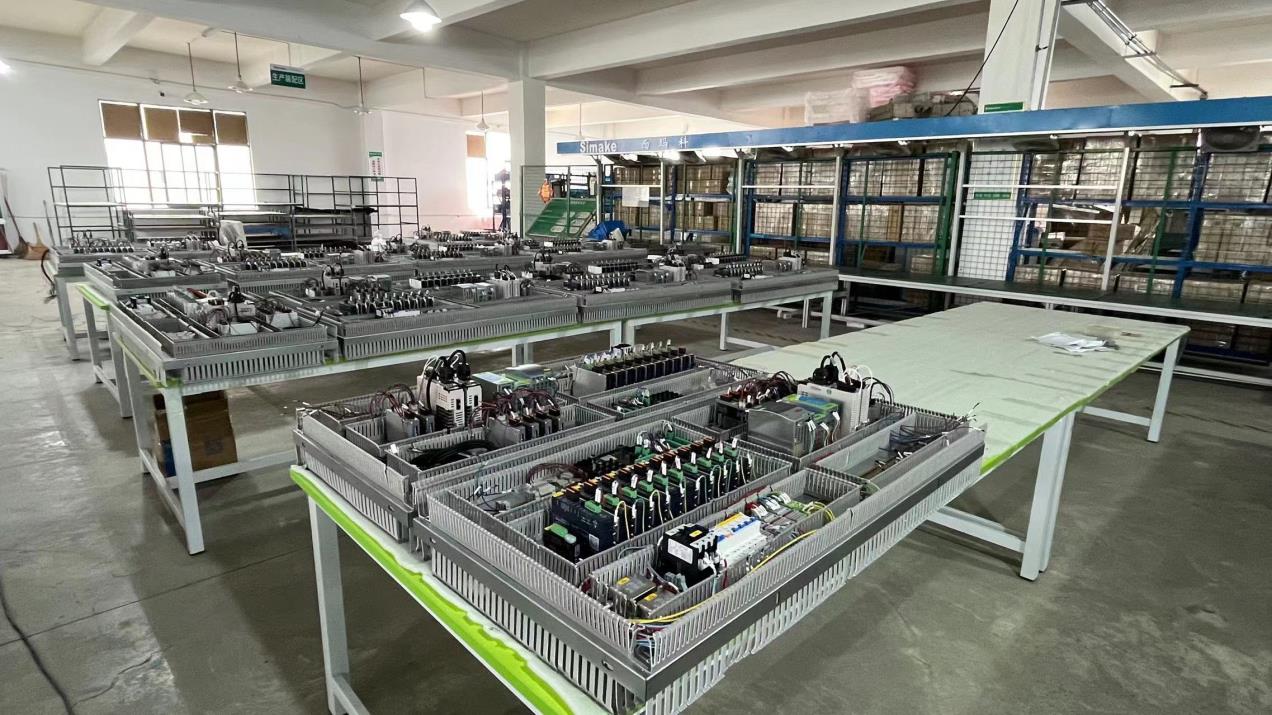
Designed for manufacturing hubs, retail complexes, and processing centers requiring peak shaving, load leveling, and seamless backup capacity during grid outages.
All-in-one containerized solutions designed to handle grid frequency control, solar energy integration, and heavy industrial load management in remote locations.
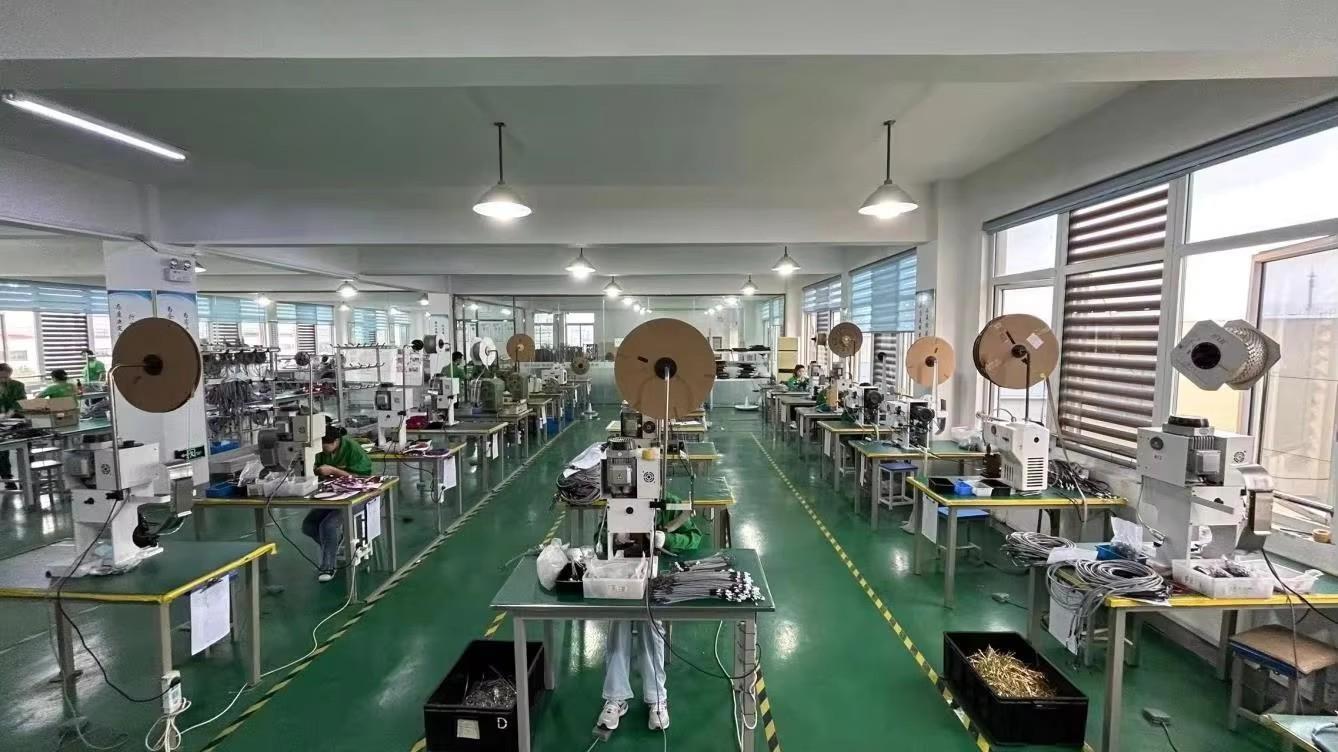
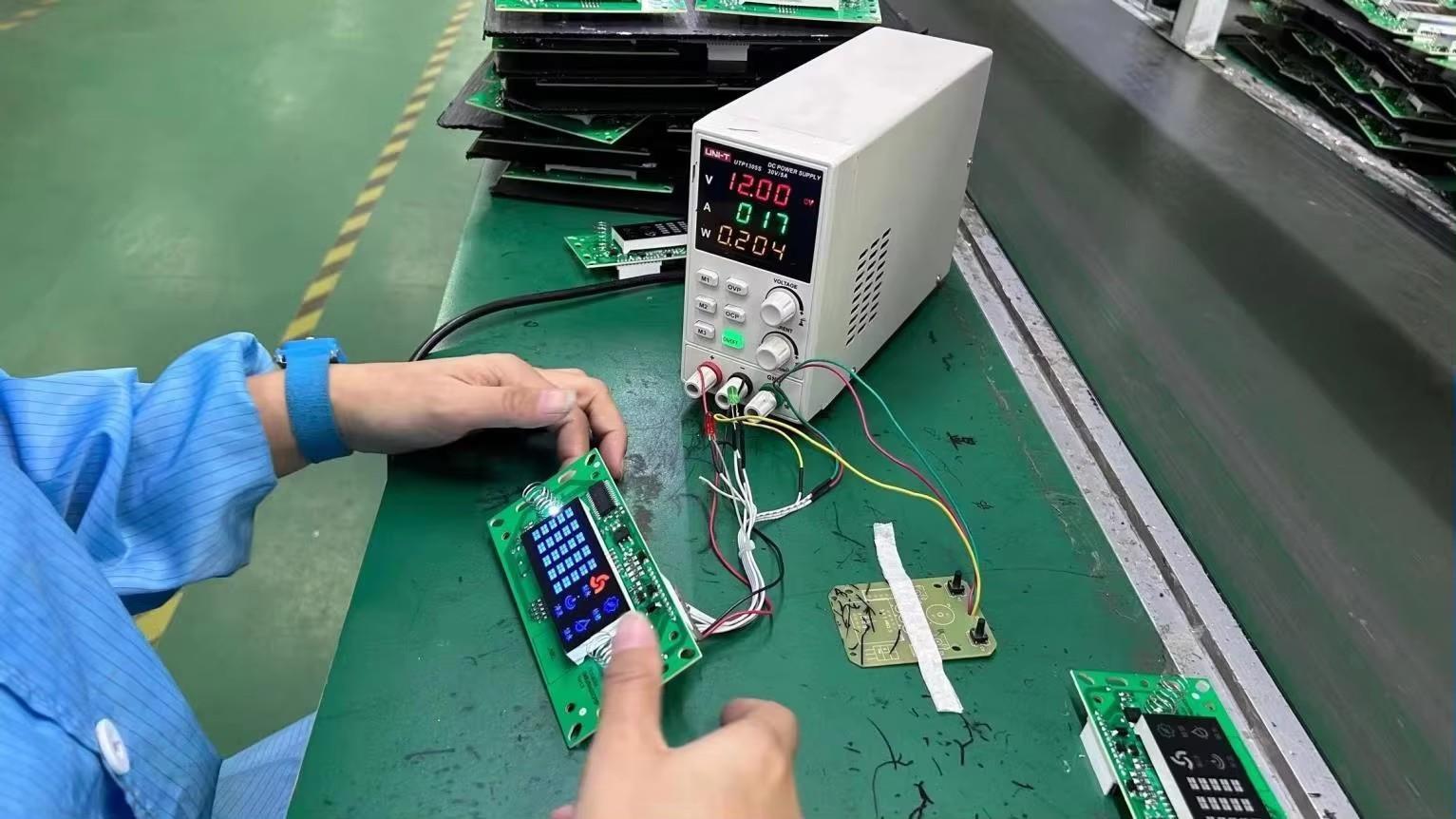
Our facility integrates automated metal stamping, precision fiber laser cutting, advanced assembly processes, and dedicated quality detection testing.
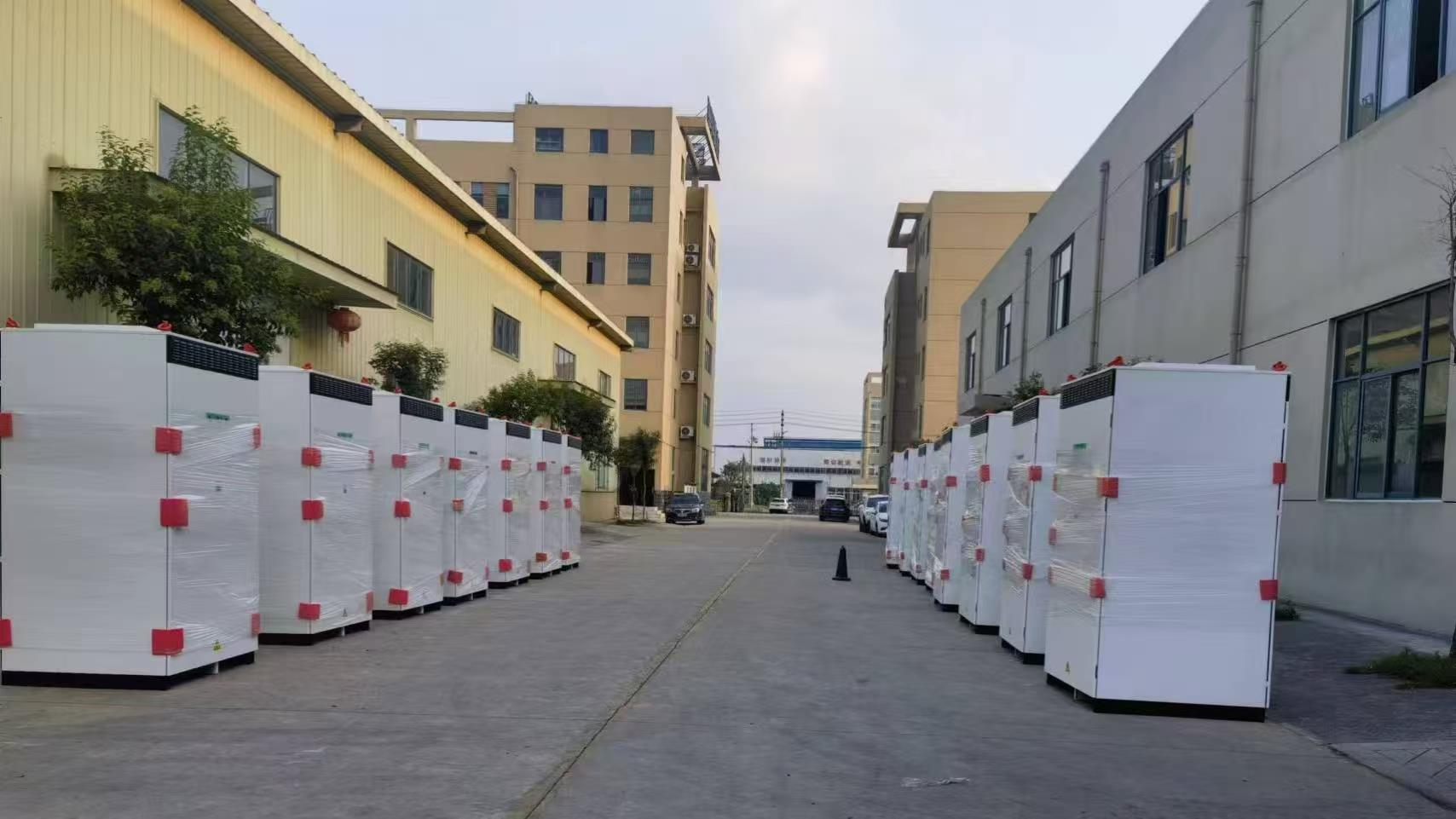
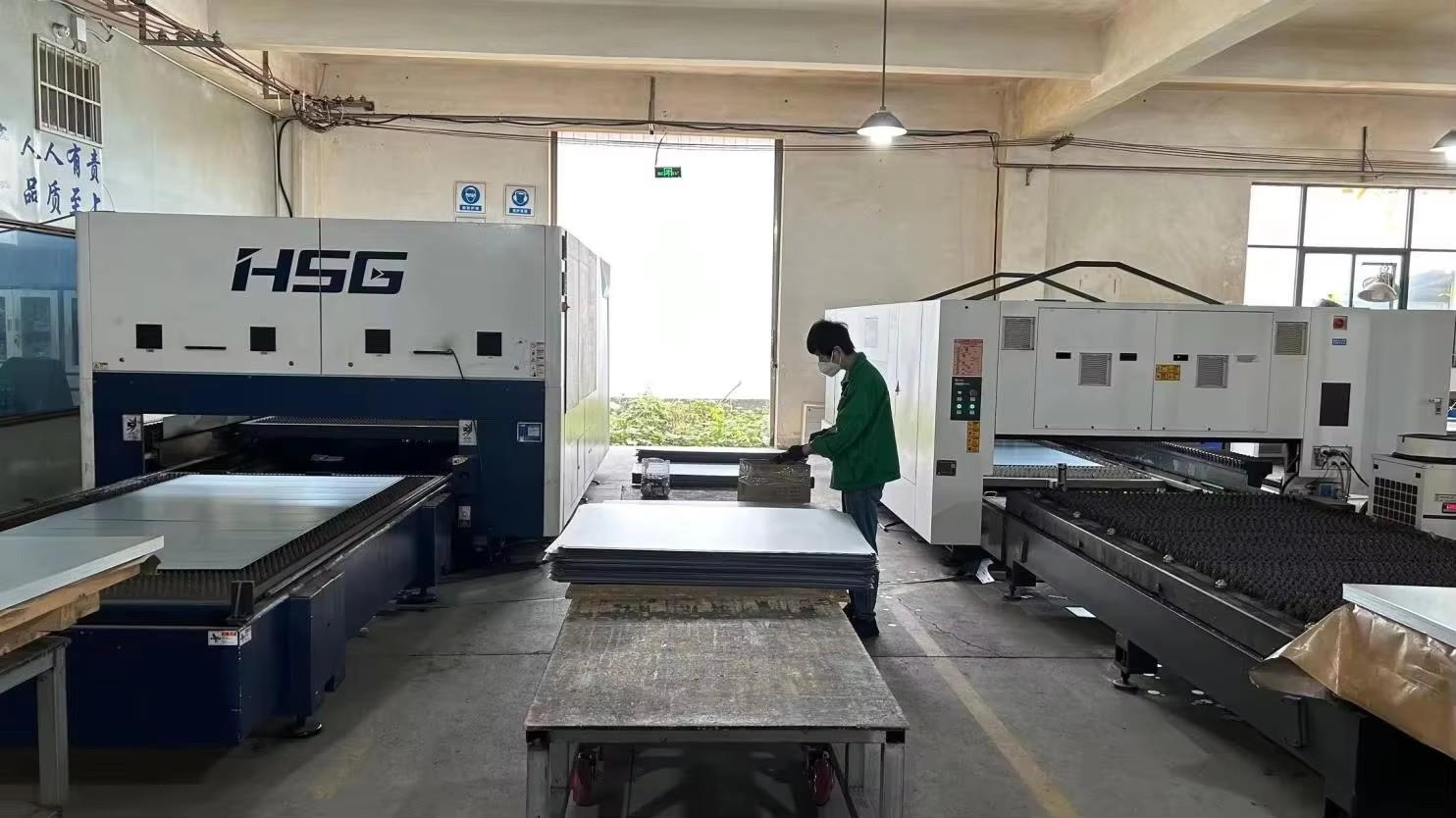
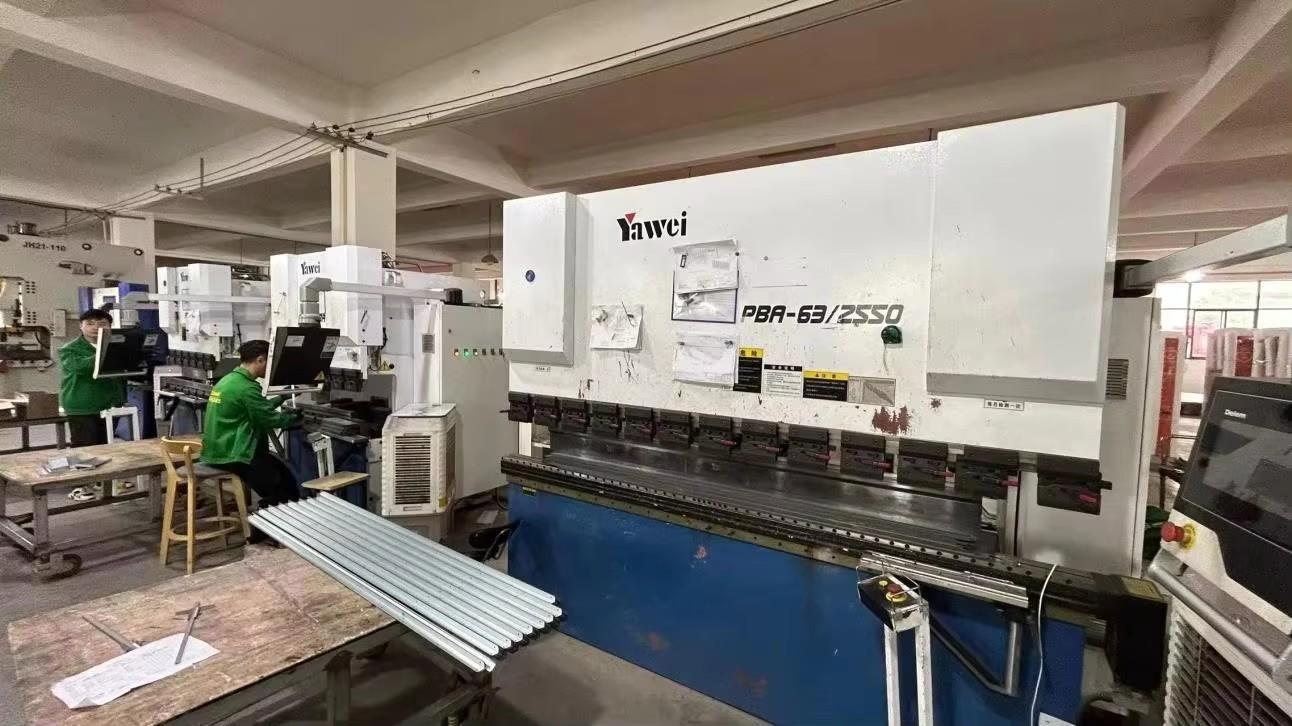
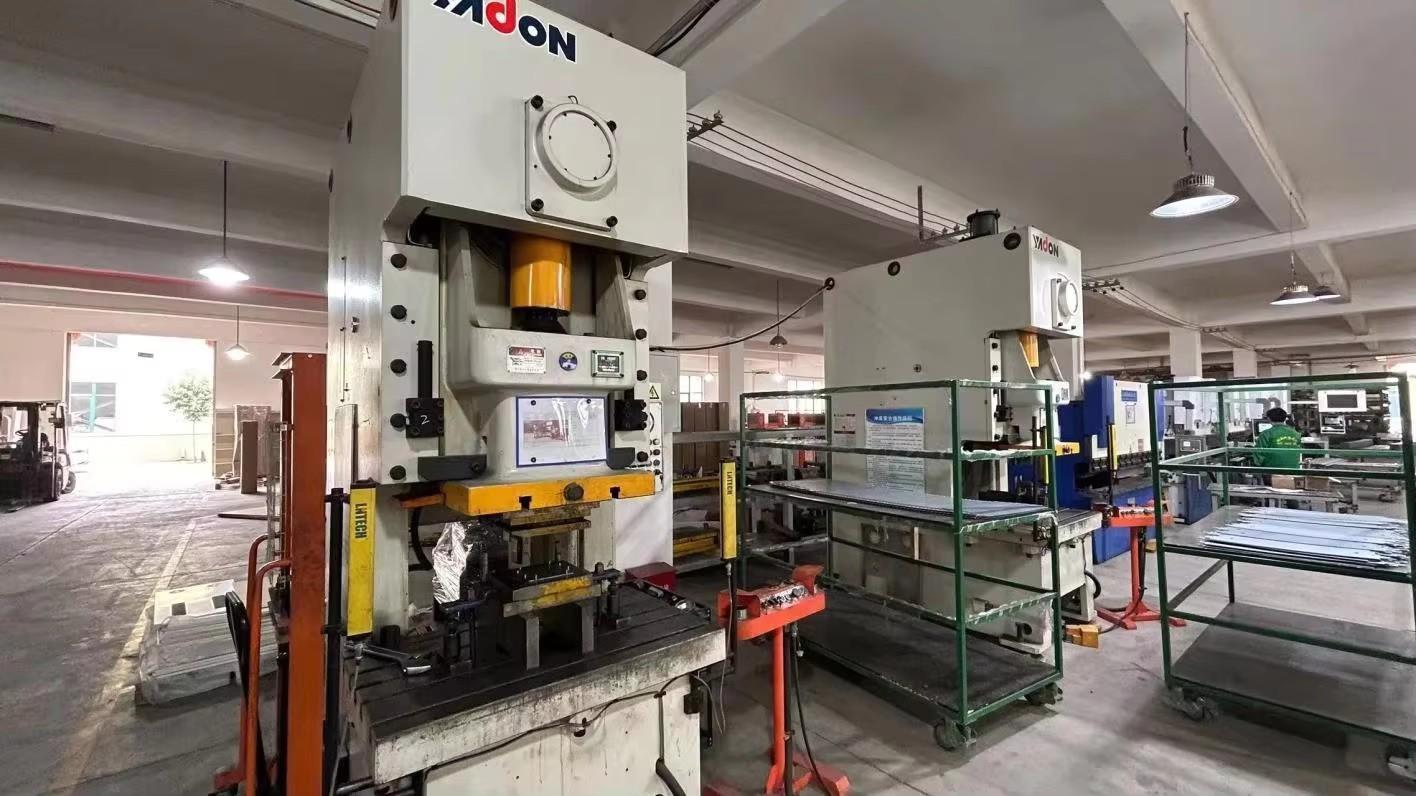
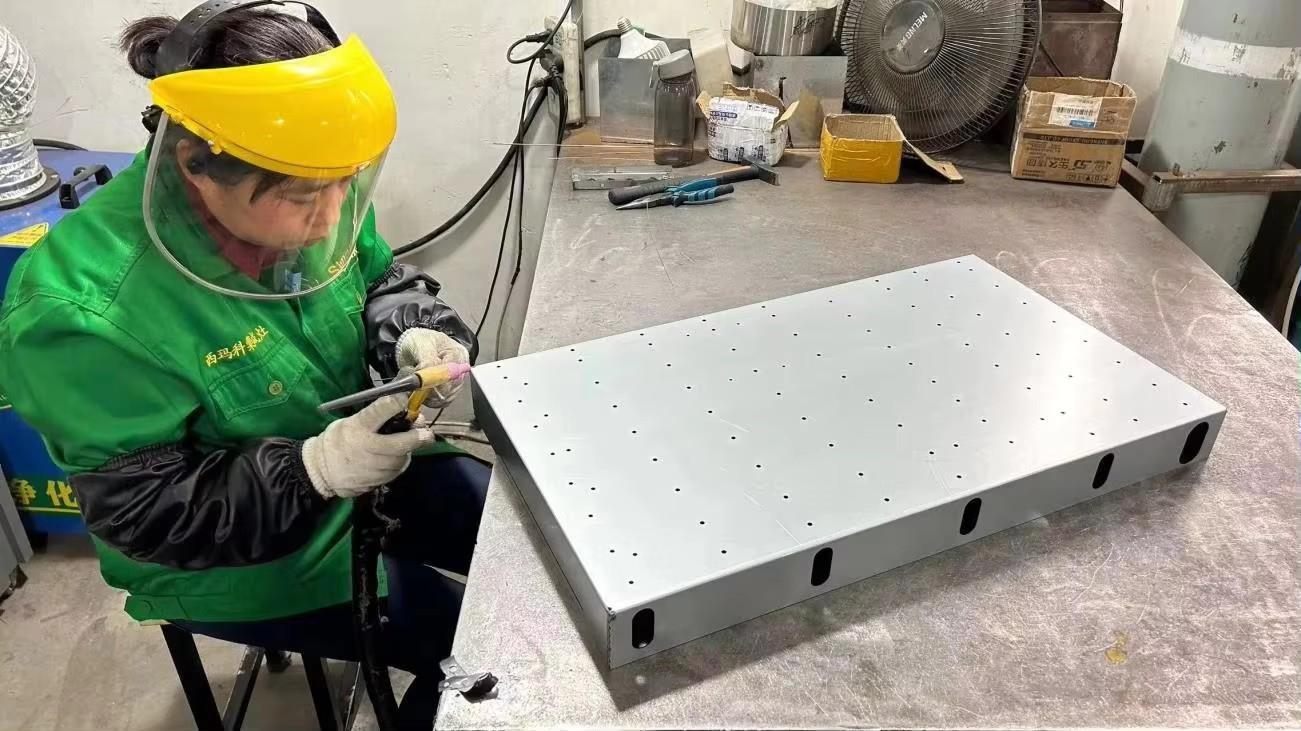
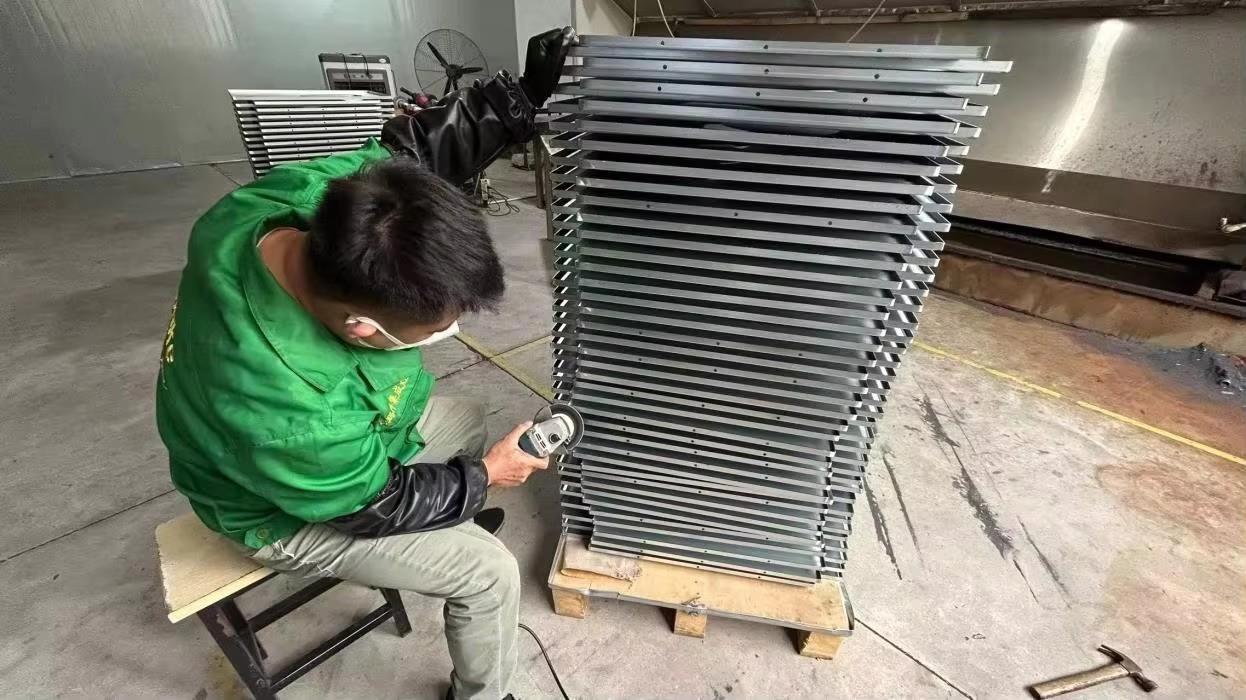
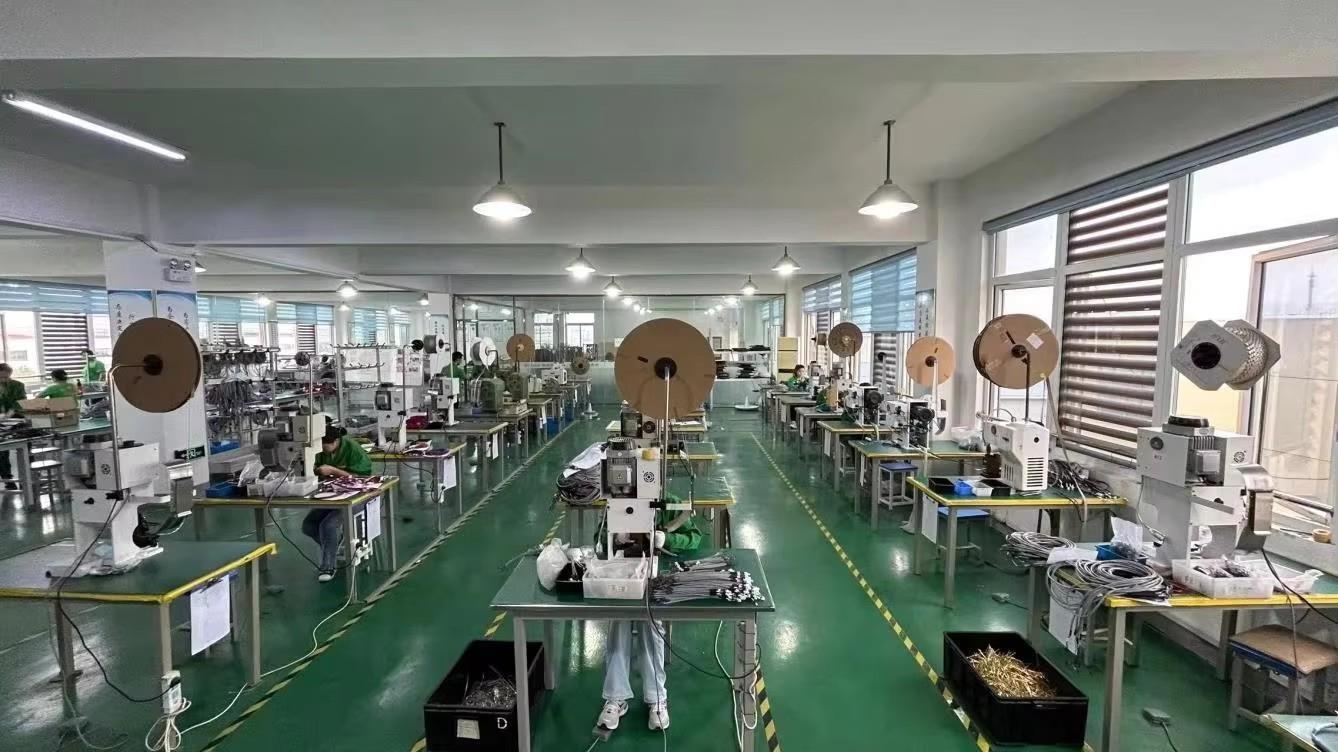
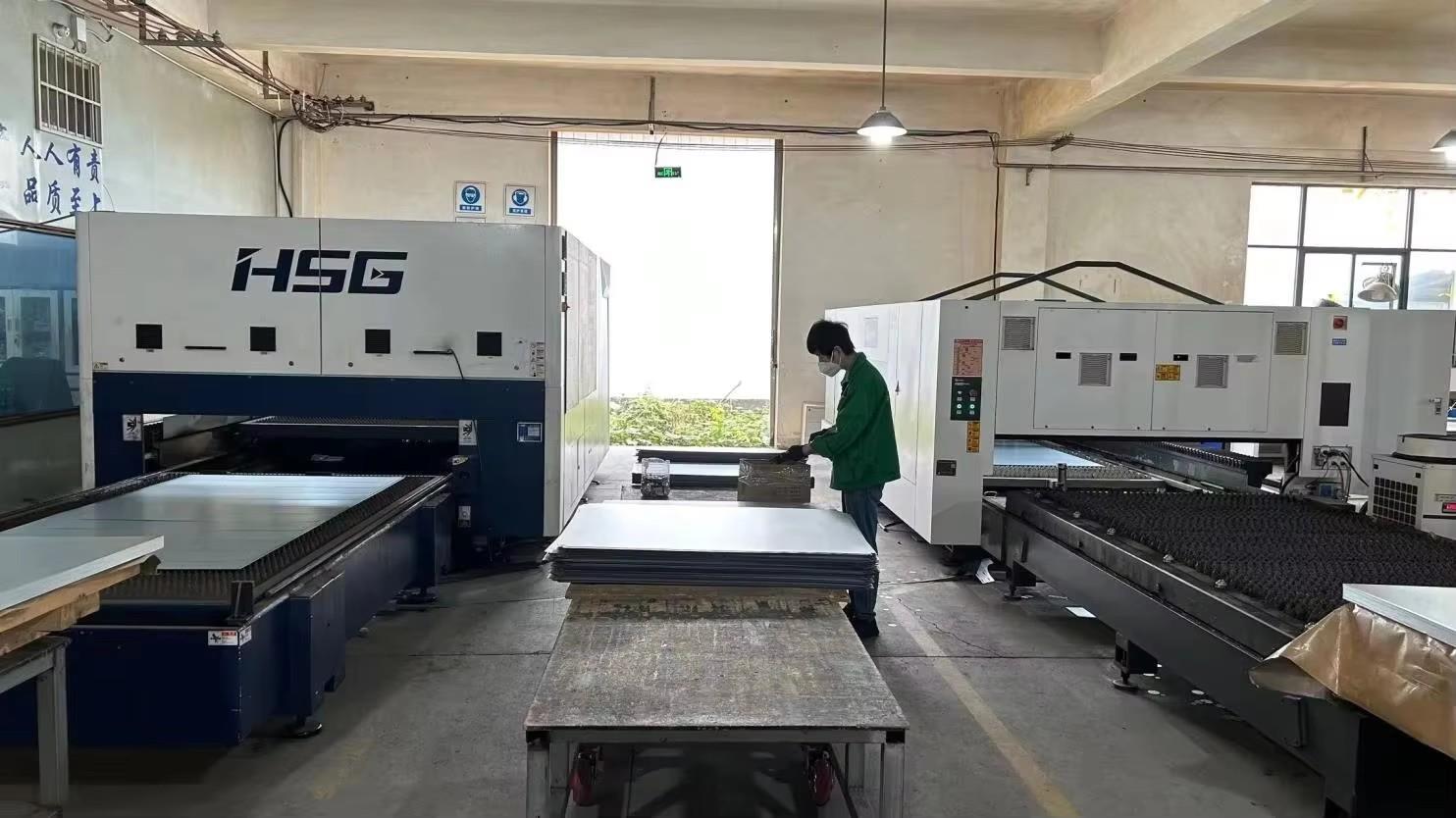
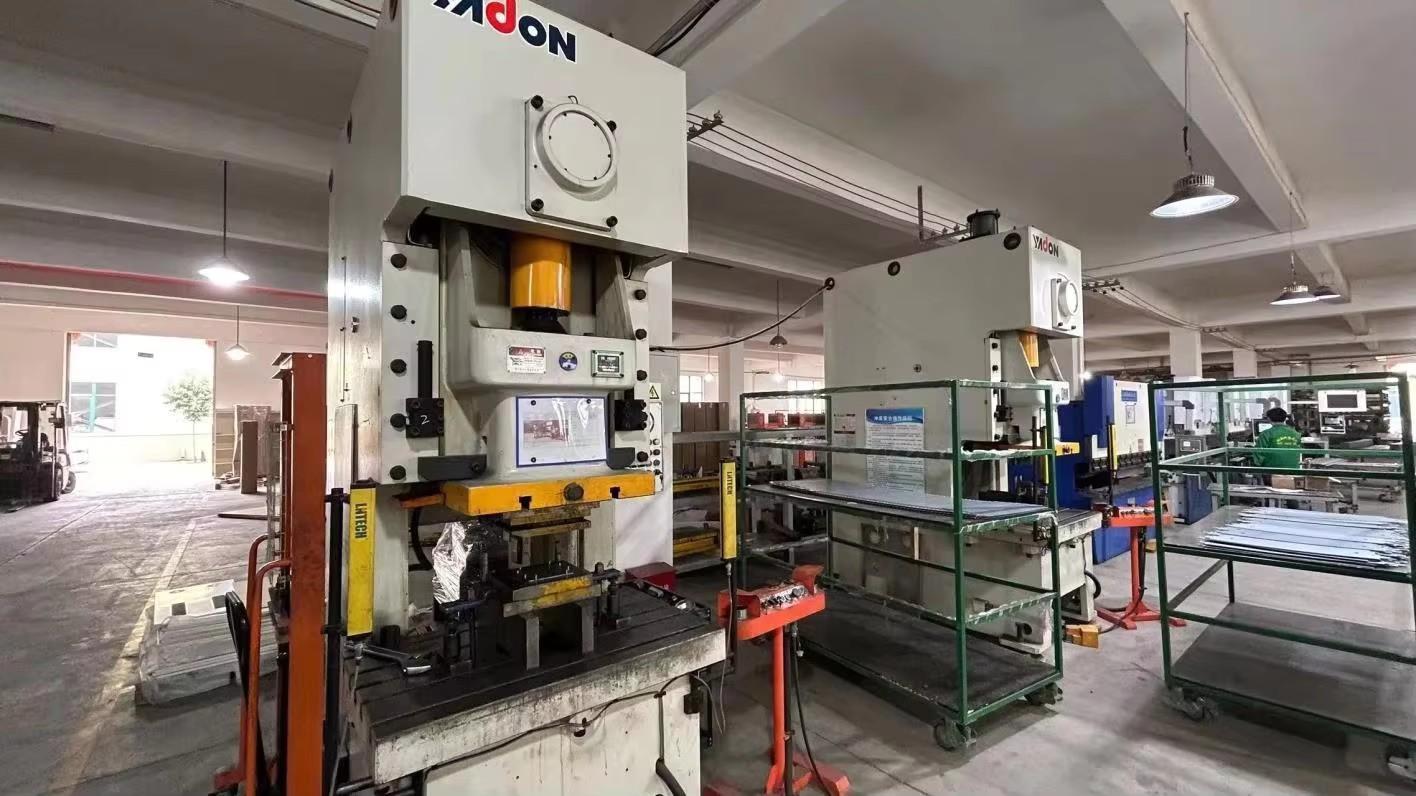
Integrating grid-connected electrical equipment requires compliance with local regulatory frameworks and dangerous goods transportation protocols.
Our engineering processes and products comply with major global certification bodies to ensure safety and system authorization.
Exporting lithium battery storage requires strict adherence to Class 9 hazardous materials handling, special custom containerization, and safe packaging.
Our engineering divisions focus on materials optimization and product safety to design tomorrow's clean energy platforms.
Transitioning to high-capacity 314Ah LFP cell formats in utility packages to increase volumetric energy density by 12% without increasing the footprint.
Developing semi-solid state battery prototypes to provide non-flammable storage configurations with improved thermal stability.
Deploying web-based energy management systems that utilize machine learning to predict load requirements and improve cell degradation modeling.
Find answers to technical questions about system specs, safety standards, customizations, and purchasing logistics.
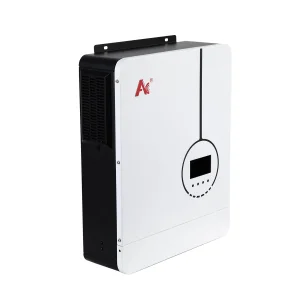
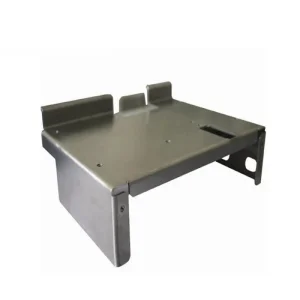
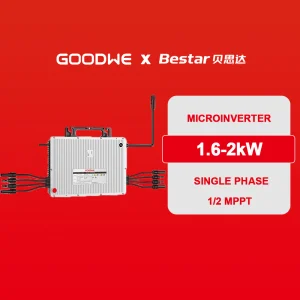
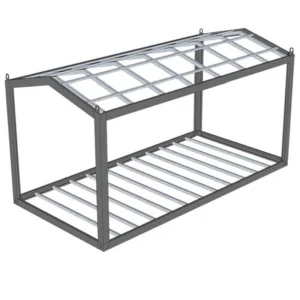
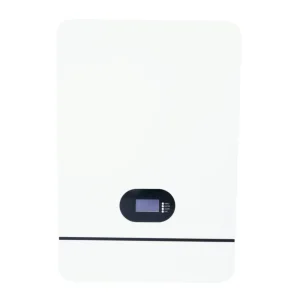
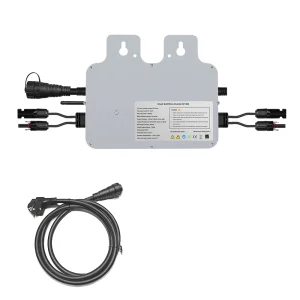
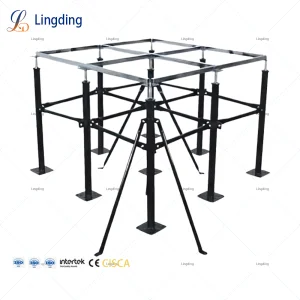
Browse our remaining product configurations, featuring hybrid power conversion modules, modular microgrid container framing, and accessory components.
 Luzz Solar