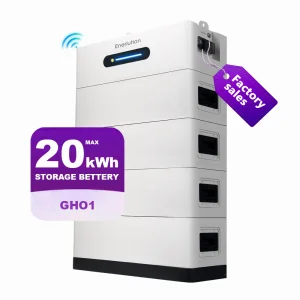
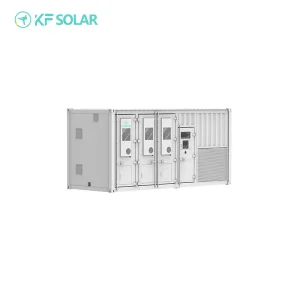
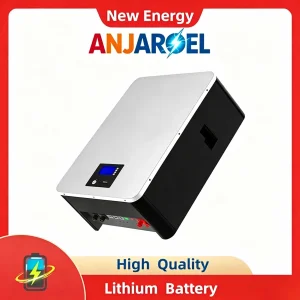
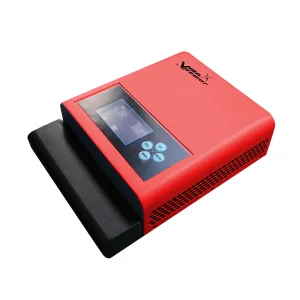
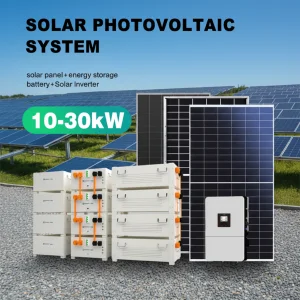
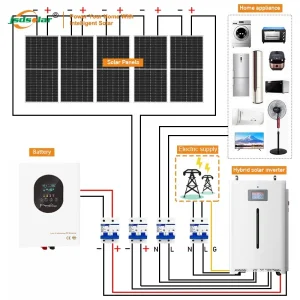
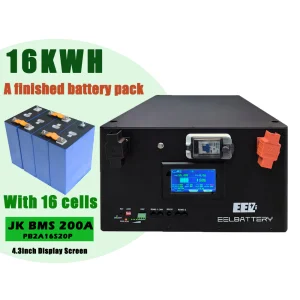
Direct access to our engineered systems, matching utility configurations, microgrids, and critical commercial power demands.
Analyzing design methodologies, thermal dynamics, and structural cell topologies driving global industrial electrification.
The standard baseline for modern grid-connected energy storage relies heavily on Lithium Iron Phosphate (LiFePO4) chemistry due to its structural stability, low thermal sensitivity, and cycle life longevity exceeding 6,000 charge cycles at 80% Depth of Discharge (DoD). Modern utility scales are actively transitioning toward high-voltage designs (1000V - 1500V DC) to minimize I²R transmission losses and optimize total system efficiencies.
Additionally, Solid-State chemistry frameworks are transitioning from laboratory environments to pilot scale. Solid-state technology minimizes risk of liquid electrolyte leakage, providing enhanced volumetric energy density and preventing dendritic growth that traditionally reduces runtime over decade-long deployments.
Industrial demand profiles require multi-megawatt configurations capable of seamless execution in utility markets. Peak shaving models monitor regional tariff schedules to execute peak load curtailment, utilizing stored power when local utilities charge peak rates. Frequency regulation algorithms monitor dynamic voltage fluctuations across grids, responding with sub-second active-power injections to stabilize localized power transmission lines.
Microgrid integration decouples facilities from primary networks during grid failures or extreme weather anomalies. Energy storage buffers intermittent photovoltaic arrays and wind turbines, smoothing localized power curves to sustain critical manufacturing operations without relying on carbon-heavy diesel back-up generators.
In high-capacity BESS deployments, maintaining core battery temperatures between 20°C and 35°C is crucial to prevent thermal runaway. Liquid-cooling systems pump specialized heat transfer fluids directly through internal battery modules, creating a highly uniform thermal distribution. This method offers superior heat dissipation compared to traditional air-cooling loops, keeping temperature differentials between adjacent cells under 3°C.
By preventing hot spots within the battery enclosure, advanced thermal management significantly slows cell degradation. This ensures consistent cycle life and long-term reliability for demanding industrial applications.
The global transition to sustainable energy has made grid security a primary concern for industrial operators. Regulatory mandates like the European Union's Battery Passport require complete traceability of manufacturing materials, ethical sourcing, and life-cycle carbon tracking. In North America, achieving UL1973 (for stationary battery systems) and UL9540A (evaluating thermal runaway fire propagation) certifications is essential for utility-scale grid connections.
Operating a global energy infrastructure demands strict adherence to local grid codes, such as IEEE 1547 in the United States and AS/NZS 4777 in Australia. These standards define how distributed energy resources interact with public utility grids during voltage fluctuations. Advanced OEM/ODM partnerships ensure that battery management systems (BMS) are pre-configured with local grid-matching software, simplifying authorization and accelerating system commissioning.
The next five years will see battery storage transition from passive backup systems to active grid assets powered by artificial intelligence. Virtual Power Plants (VPPs) pool decentralized commercial energy storage systems to act as a single, large-scale utility battery. Utilizing machine-learning algorithms, these networks forecast local energy consumption patterns and trade power in real-time energy markets, generating new revenue streams for system owners.
Furthermore, circular economy initiatives are driving the reuse of electric vehicle (EV) batteries for secondary stationary storage applications. Even after losing 20% of their capacity for transportation, these batteries can reliably support grid operations for another 8 to 10 years, offering a highly sustainable lifecycle model.
A professional energy enterprise specializing in the development, manufacturing, and global distribution of advanced PV products and integrated energy storage solutions.
Located in Qingdao, China, the company benefits from a well-established renewable energy industrial base and advanced manufacturing capabilities. With the accelerating global transition toward carbon neutrality and sustainable development, Luzz Solar is committed to providing efficient, reliable, and cost-effective clean energy solutions to customers worldwide. Our product portfolio includes high-efficiency solar photovoltaic modules, energy storage systems, and integrated solar application solutions designed for residential, commercial, and utility-scale projects.
Driven by technological innovation and quality excellence, the company continuously invests in R&D and production optimization to improve product performance, energy conversion efficiency, and system reliability. We strictly adhere to international quality standards and implement rigorous quality control throughout the entire production process to ensure stable and long-term product performance. Guided by the core values of integrity, innovation, cooperation, and sustainability, Luzz Solar strives to become a trusted global partner in the new energy industry.
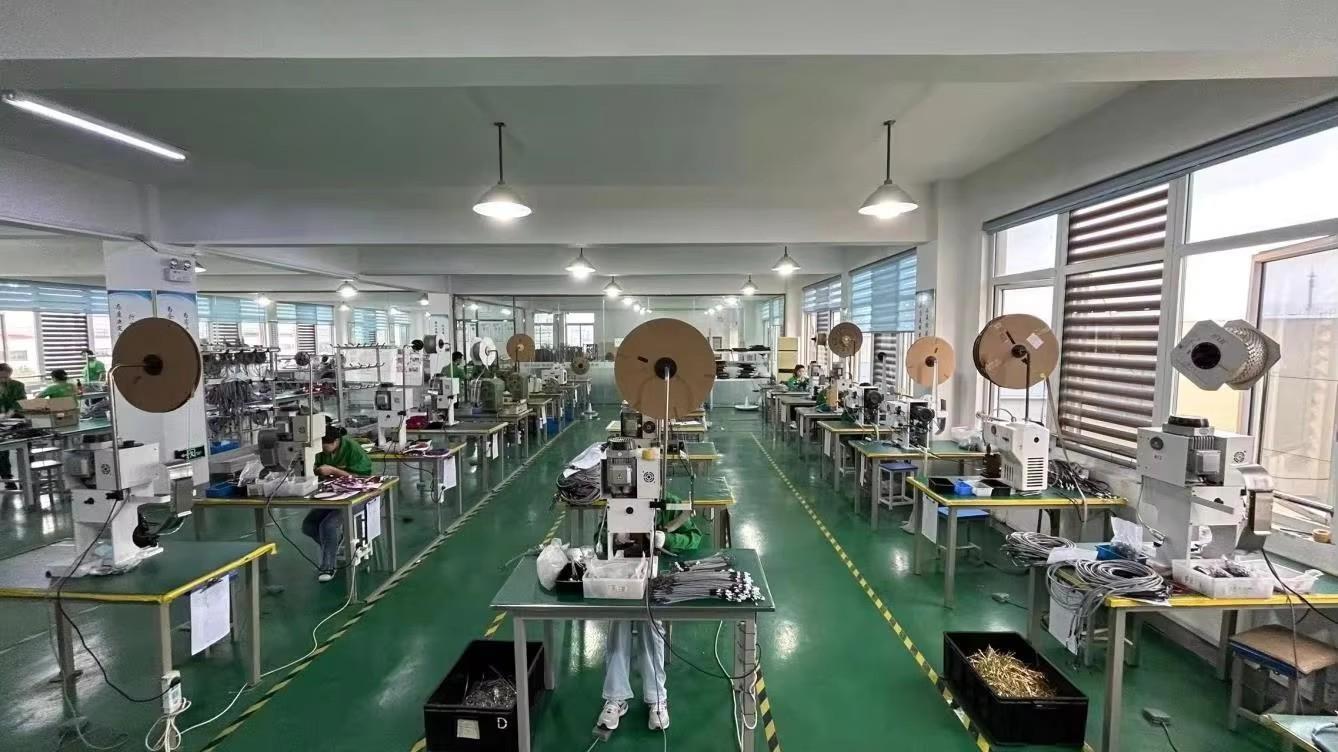
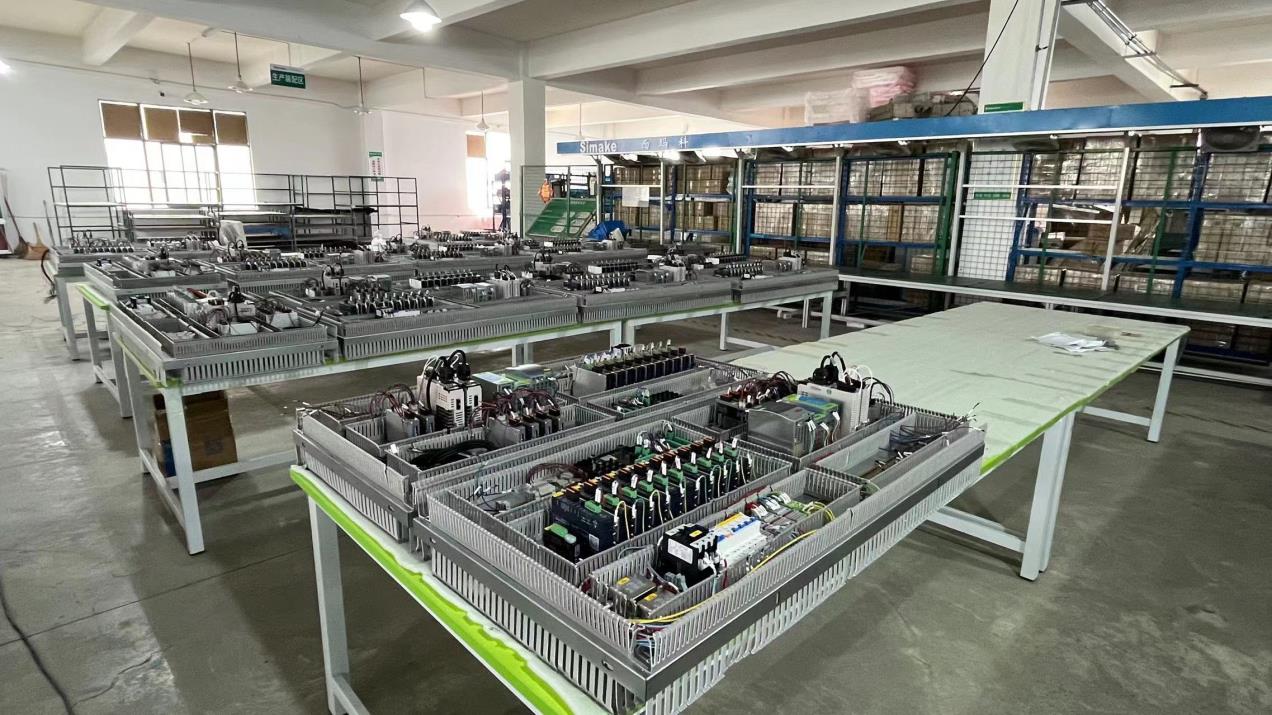
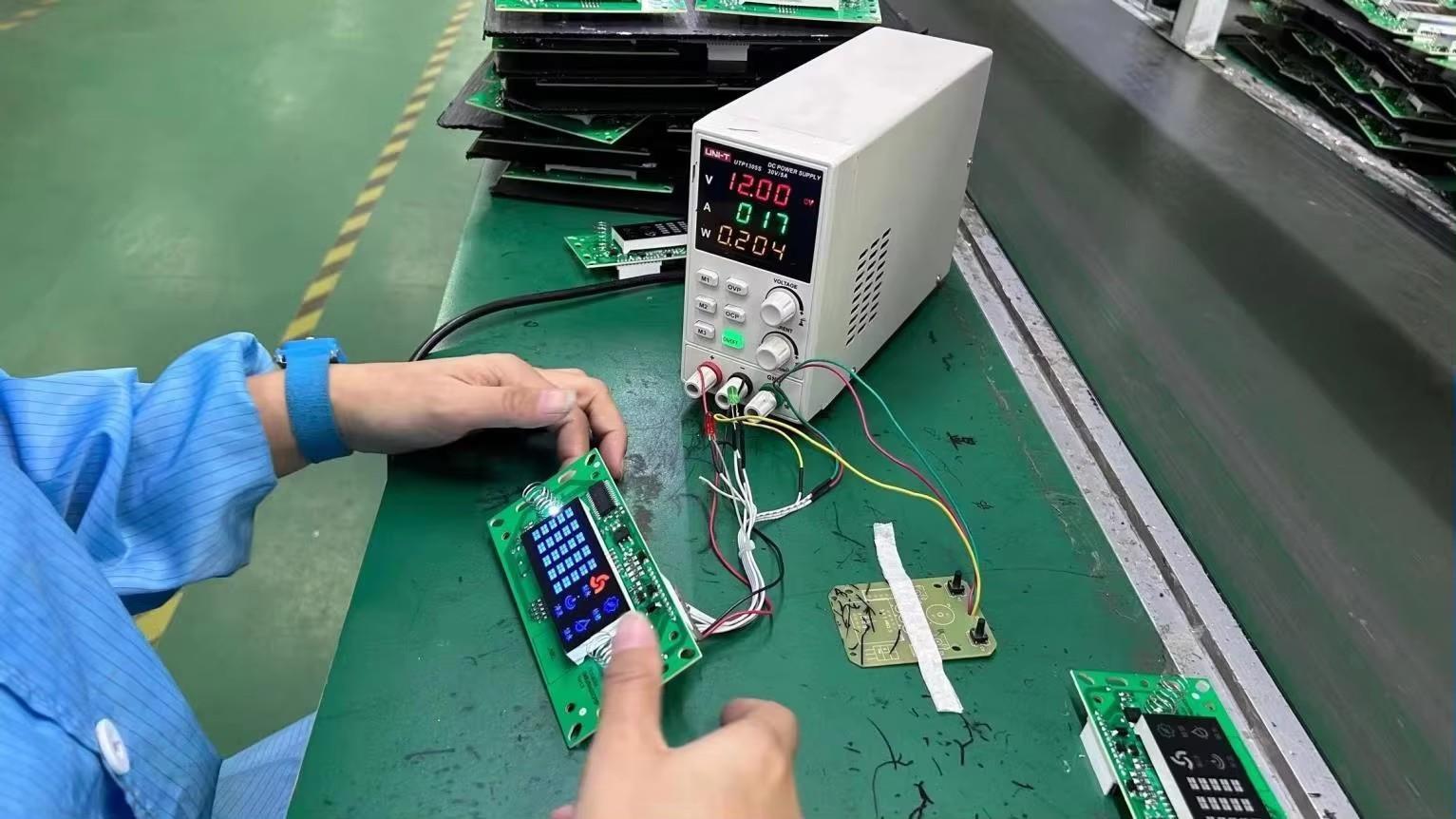
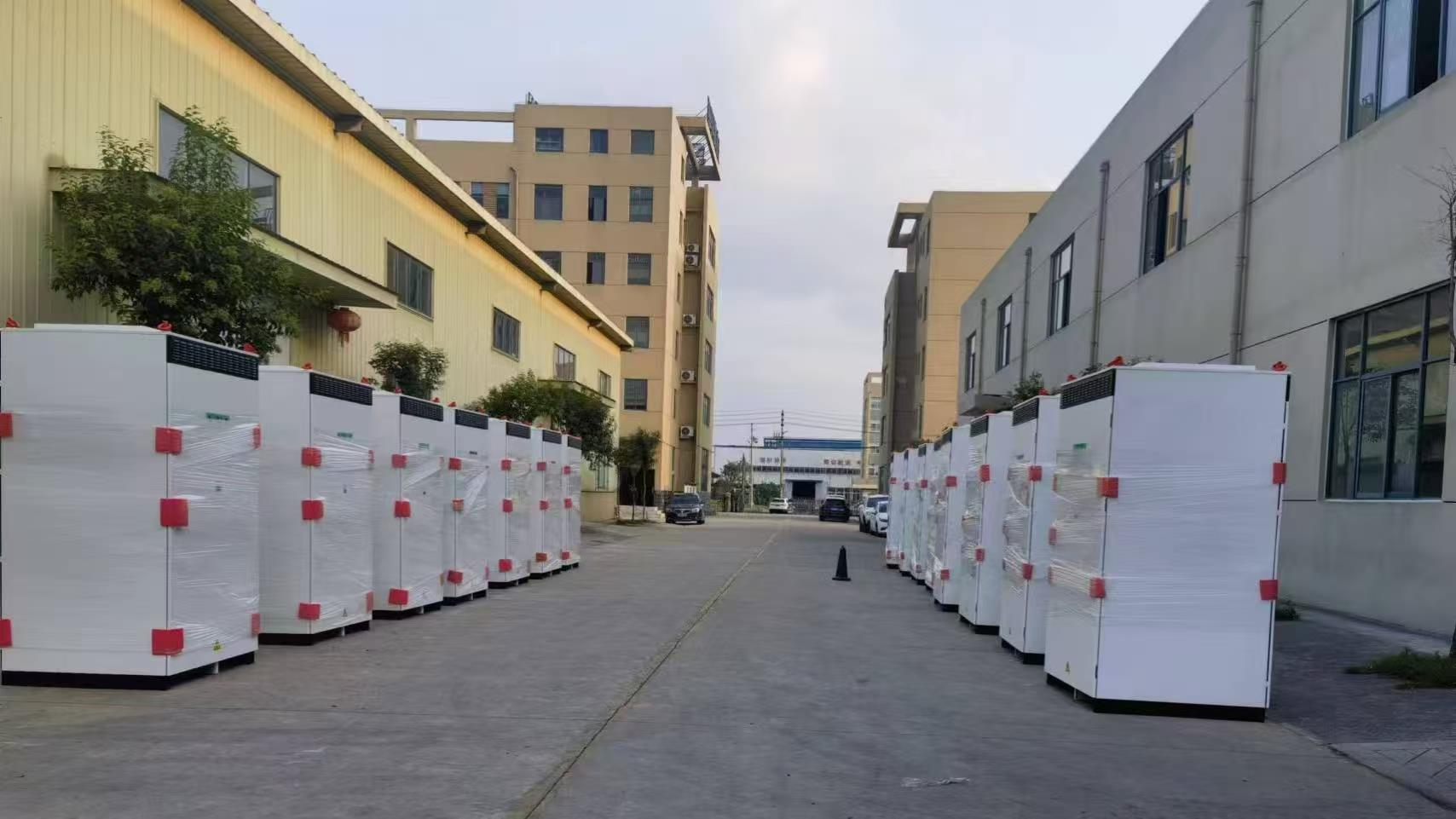
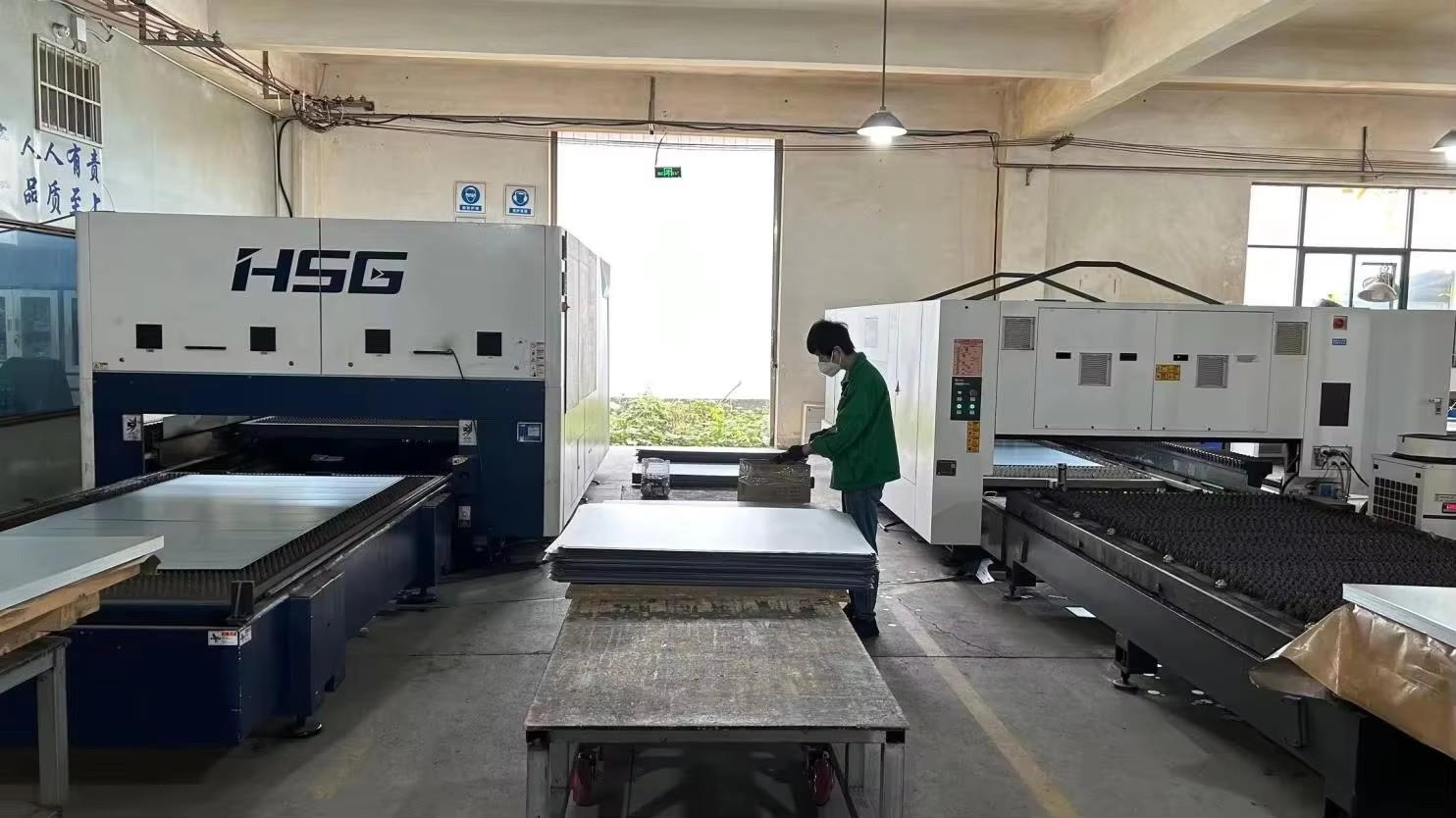
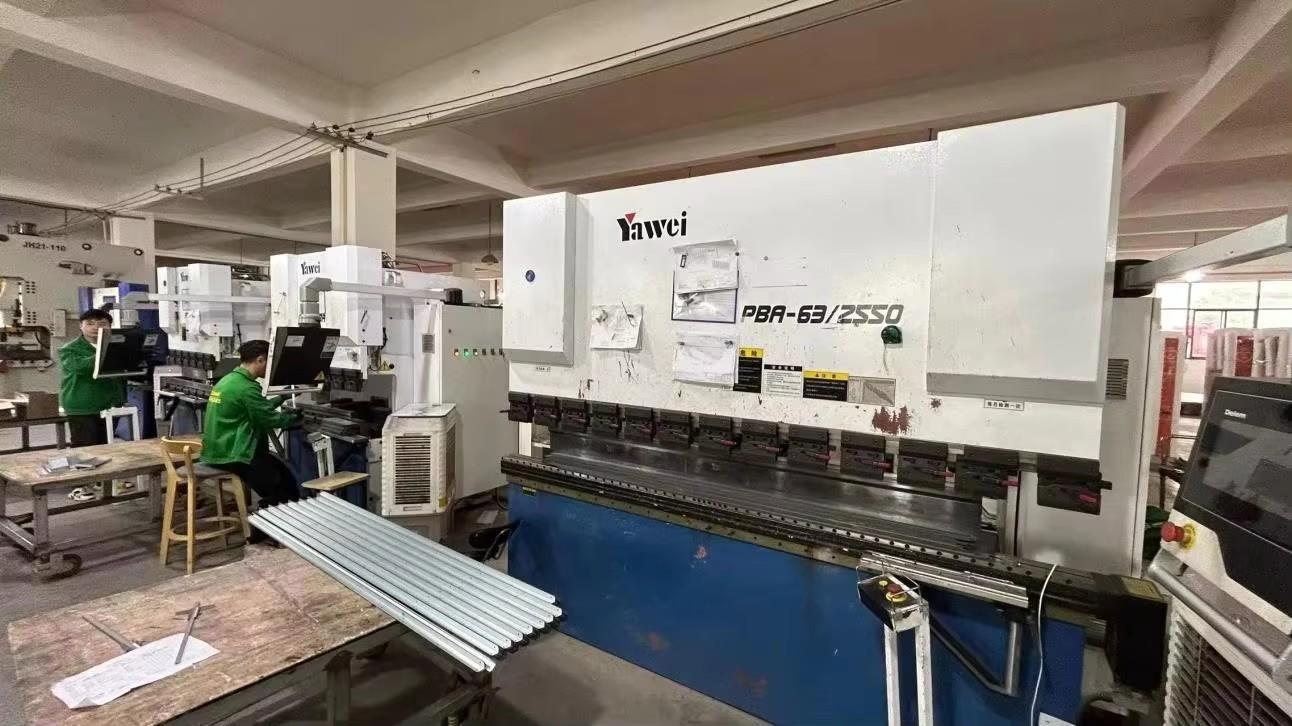
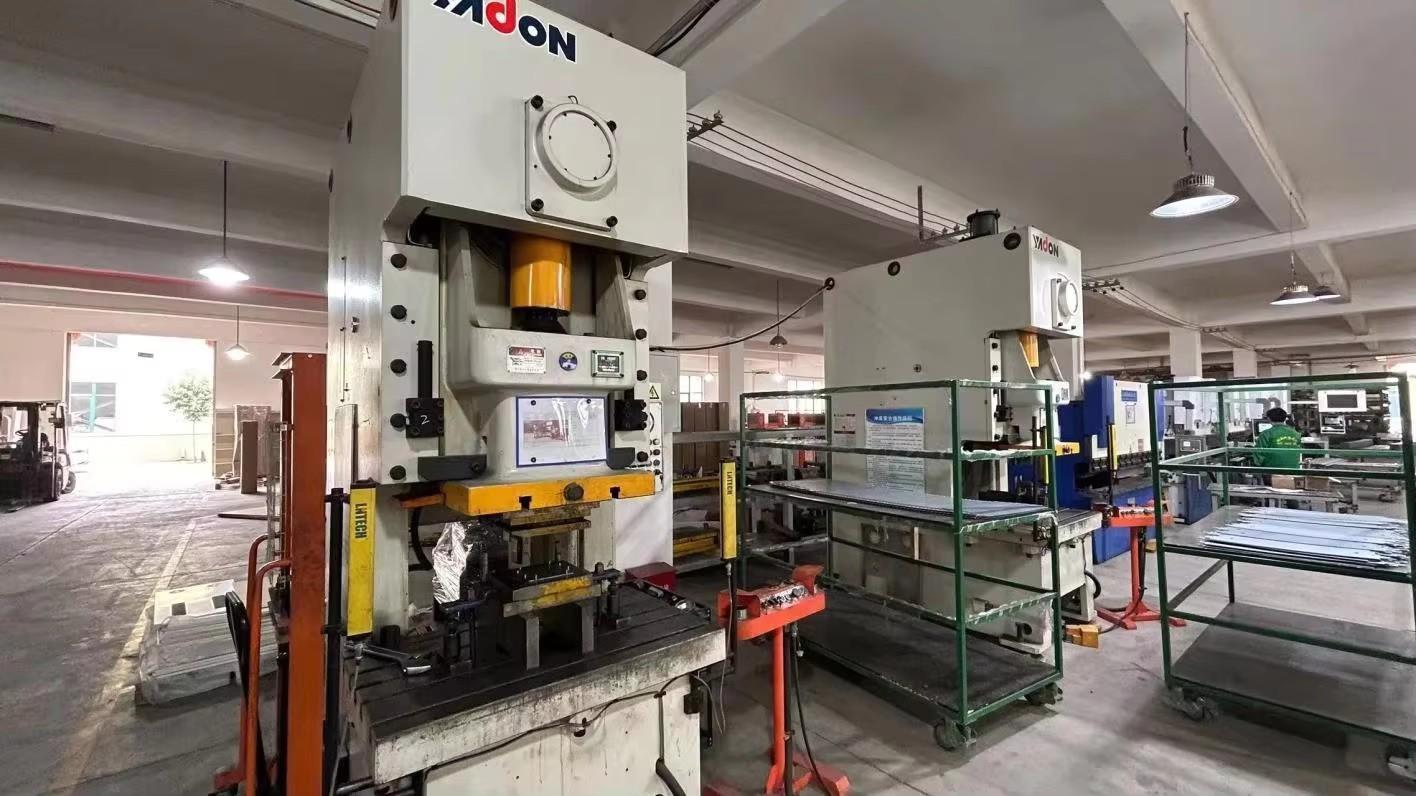
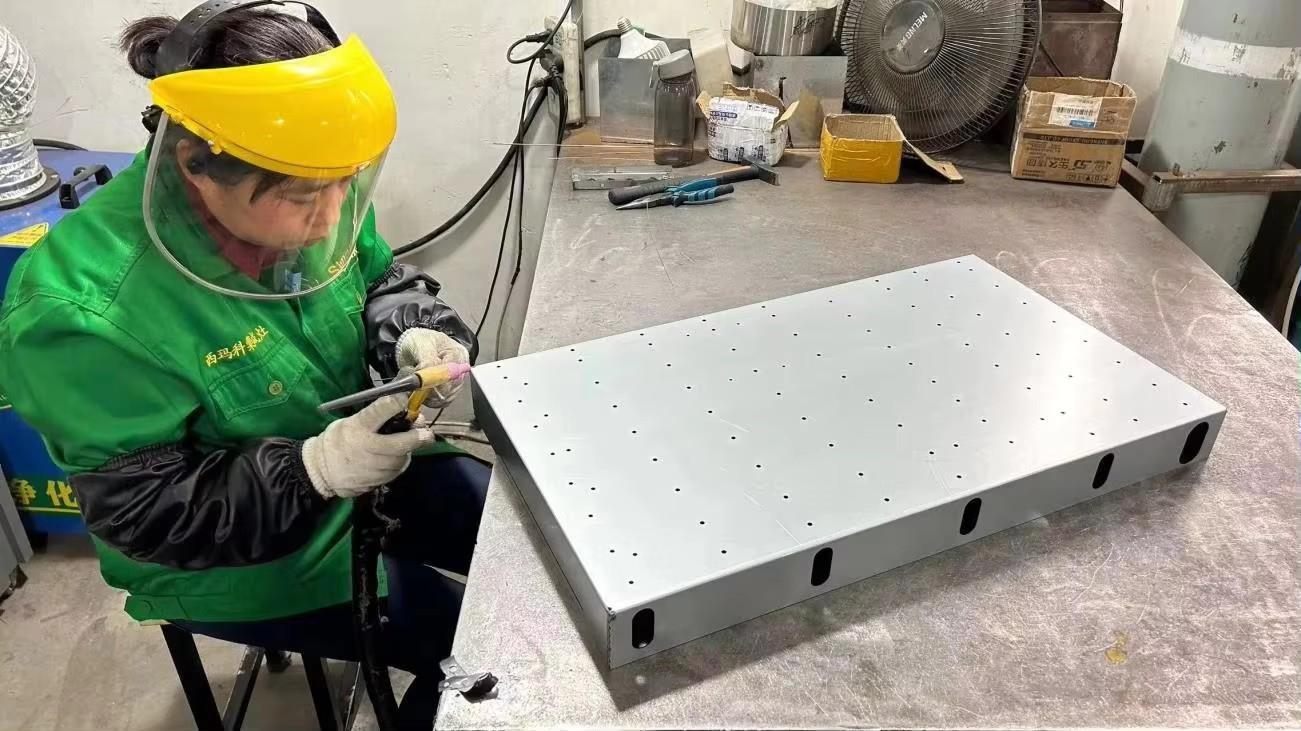
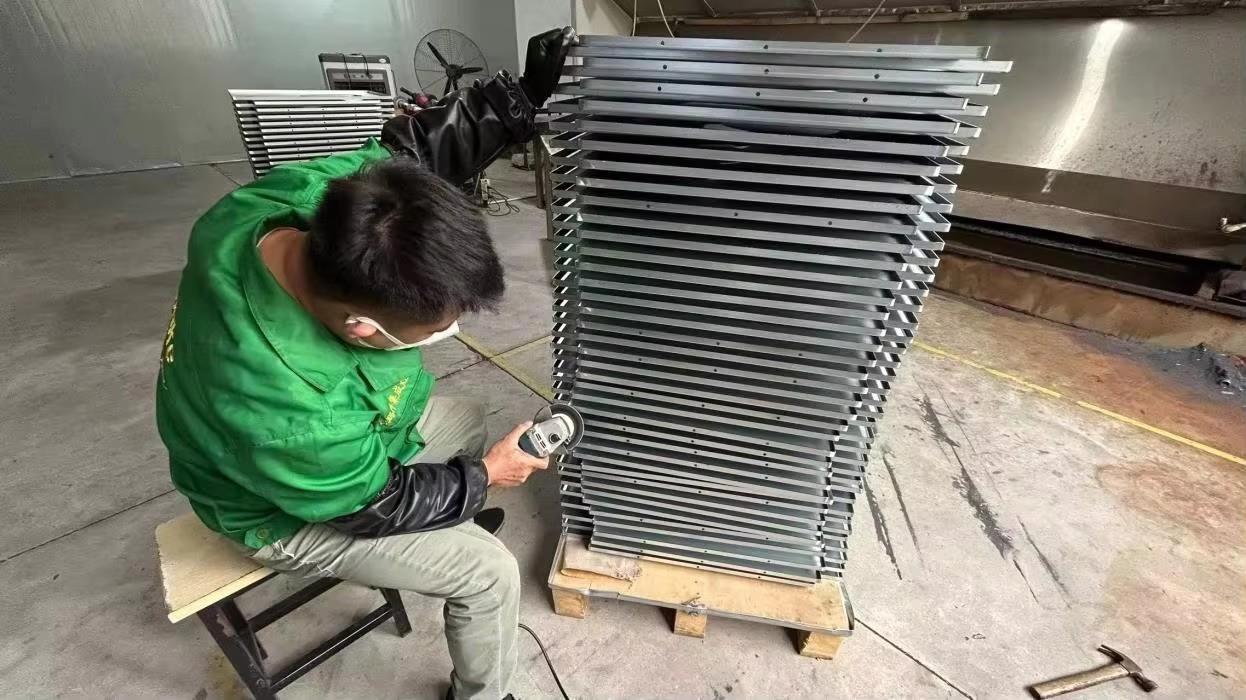
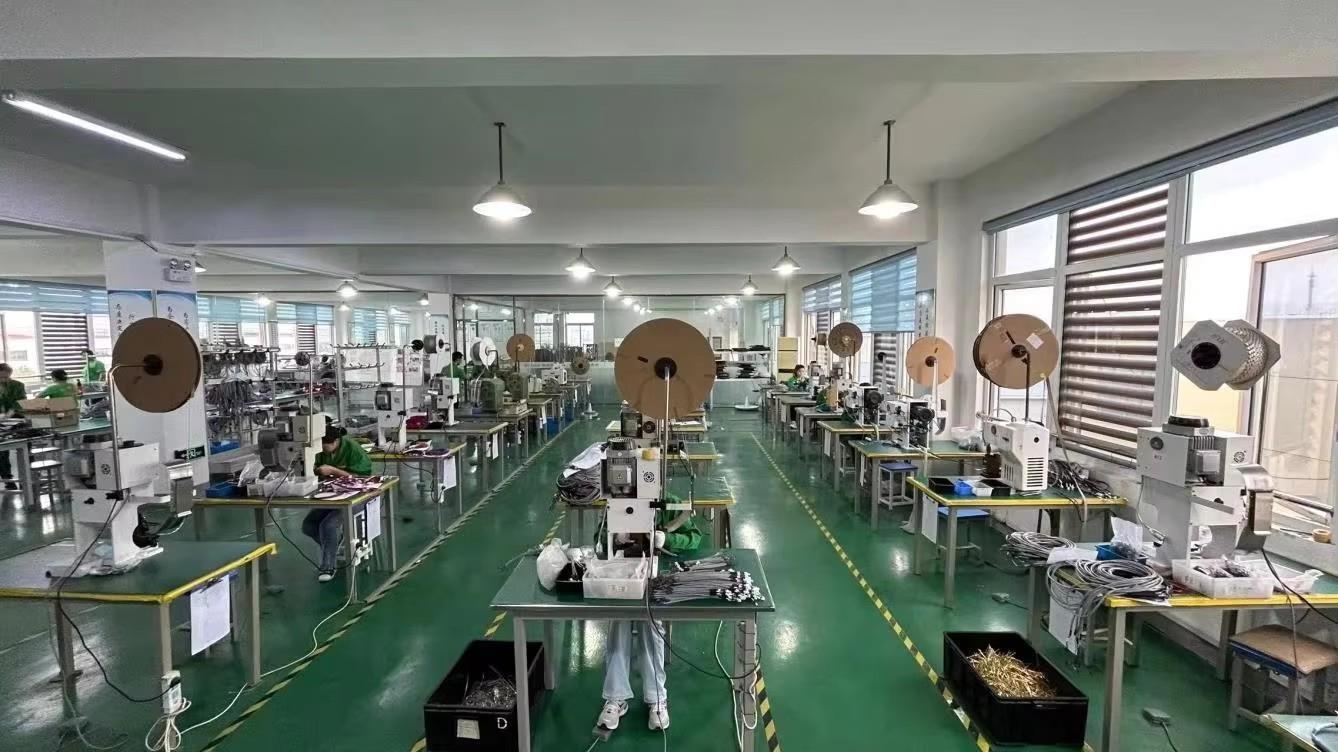
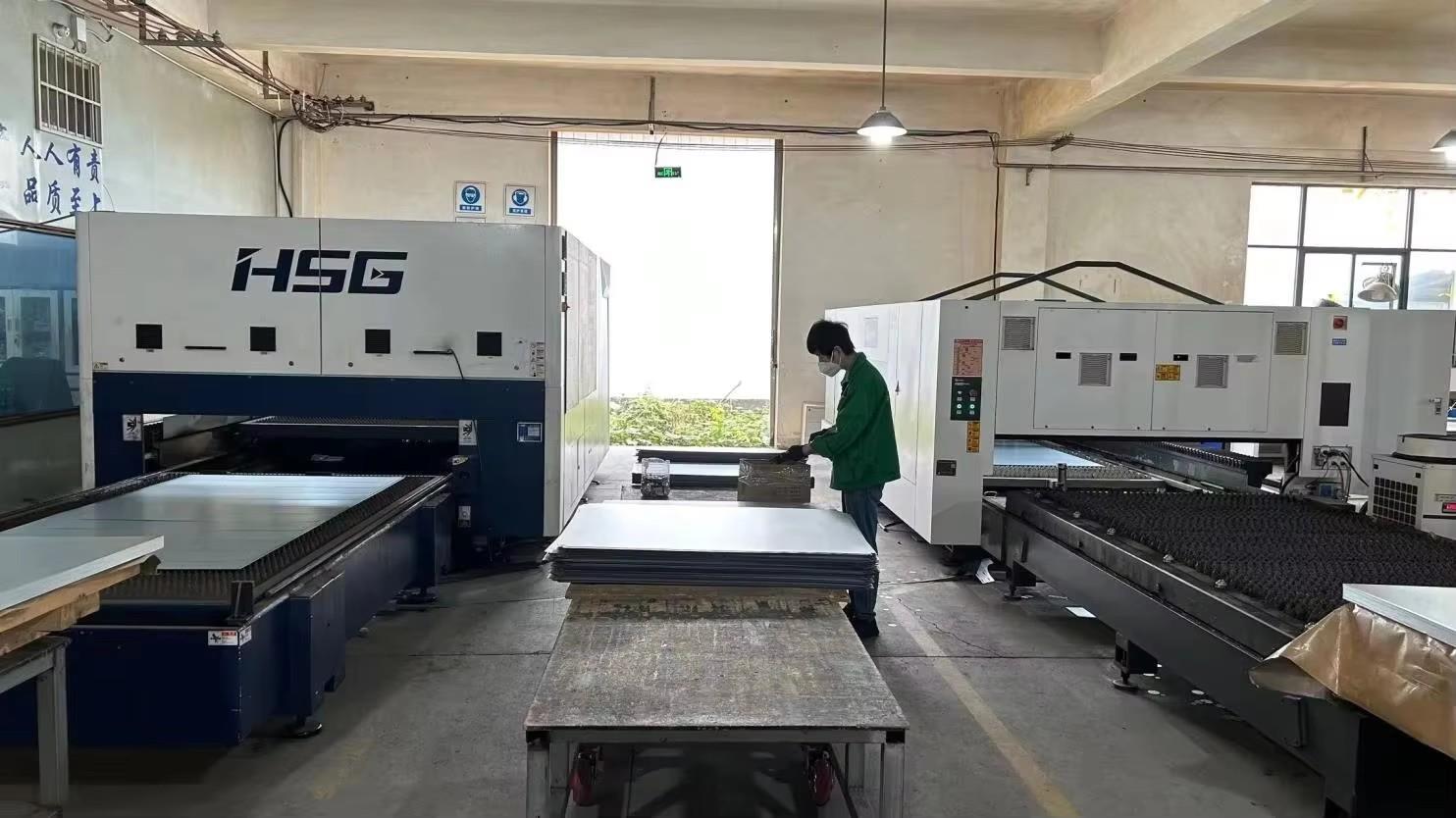
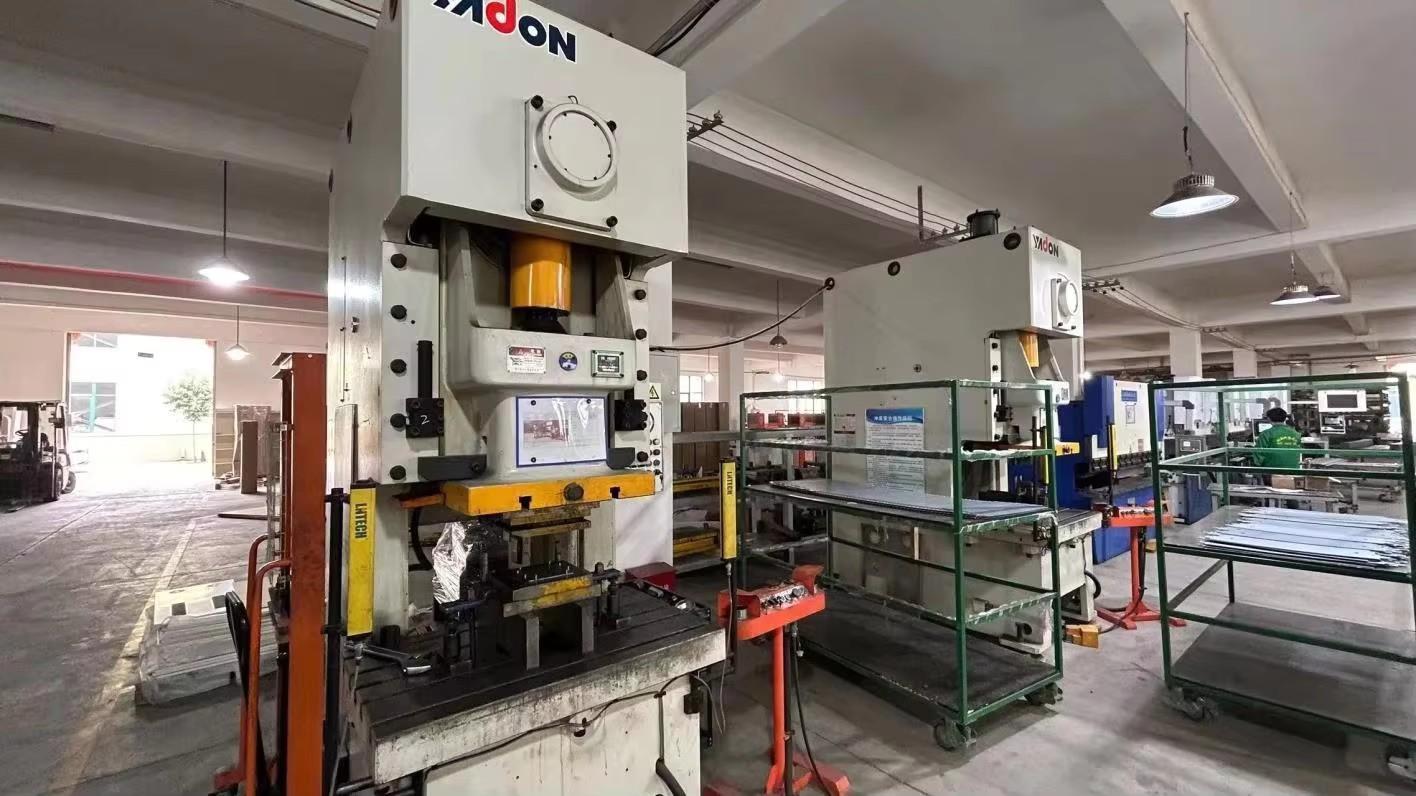
Every battery enclosure, module stack, and wiring assembly undergoes rigorous quality control at our state-of-the-art facility. Explore our primary manufacturing processes:
Direct, technically precise answers addressing installation, compliance, chemistry selection, and customization scopes.
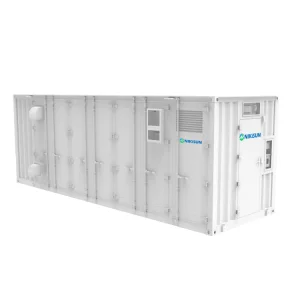
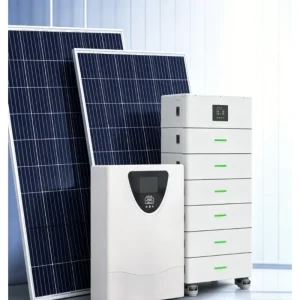
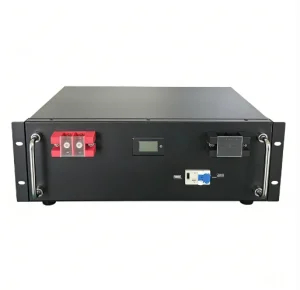
Explore our full line of controllers, scalable inverters, and containerized industrial battery installations.
 Luzz Solar