Deploying high-power, safety-certified battery architectures, MPPT charging technologies, and scalable modular installations.
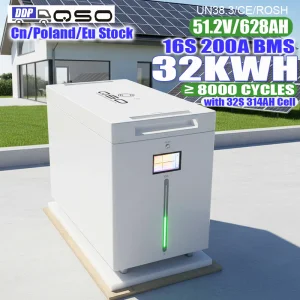
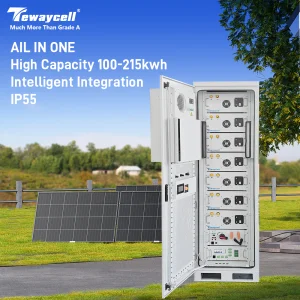
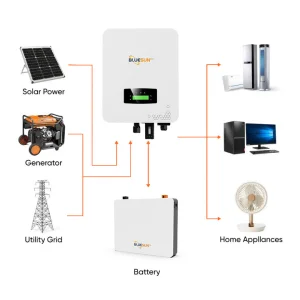
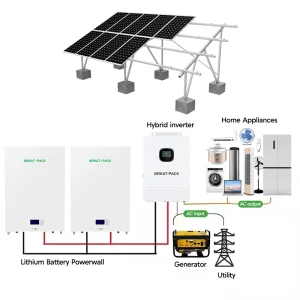
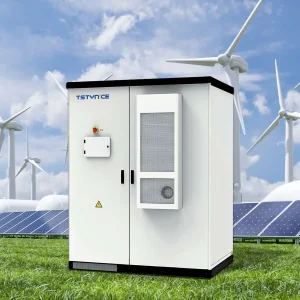
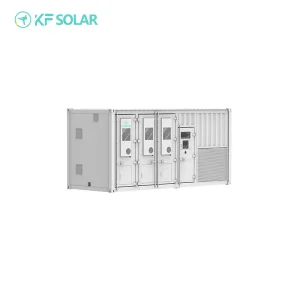
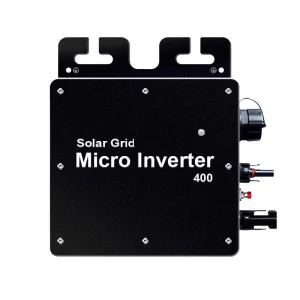
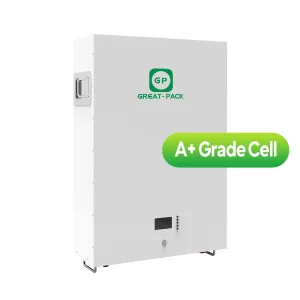
Qingdao Luzz Solar Co., Ltd. stands as a premium tier-1 energy technology developer and OEM/ODM manufacturer. Headquartered in the coastal industrial hub of Qingdao, China, the enterprise utilizes state-of-the-art automation and vertical supply integration to deliver high-performance rechargeable battery architectures, smart PV modules, and commercial-scale Energy Storage Systems (ESS).
With a profound specialization in Lithium Iron Phosphate (LiFePO4) and advanced lithium-ion chemistries, we engineer solutions designed to satisfy rigorous global standards of power stability, heat dissipation, and cycle longevity. Driven by a core commitment to zero-carbon energy transition, our R&D roadmap focuses on maximizing round-trip efficiency (RTE) while minimizing the Levelized Cost of Storage (LCOS) across global portfolios.
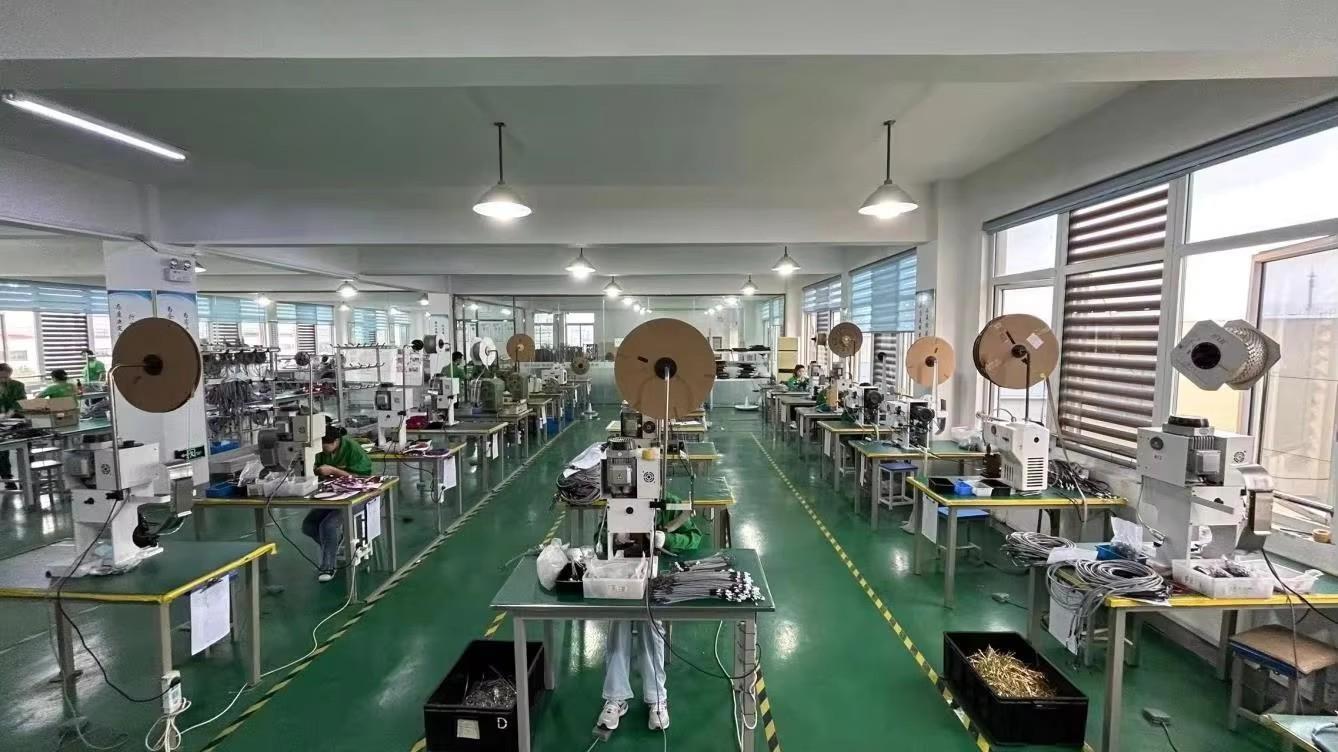
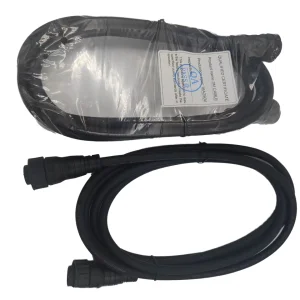
Image: Automated Precision Wire Harness Assembly Process at our ISO 9001 Certified Qingdao Manufacturing Plant
Understanding the transition paths of electrochemistry to meet the dynamic needs of global energy markets.
By focusing on cell-to-pack (CTP) density and minimizing inactive structural mass, we push LFP energy densities past 160 Wh/kg. This optimization guarantees long-term thermal runway protection up to 600°C alongside a 6000+ cycle life at 80% Depth of Discharge (DoD).
Developing sodium-ion battery solutions to counteract lithium market volatility. Ideal for low-temperature operating environments (down to -40°C) and auxiliary residential storage, Na-ion delivers exceptional safety profiles and reduced raw material costs.
Our collaborative R&D efforts seek to replace flammable liquid organic solvents with polymer and ceramic solid-state electrolytes. This transition scales specific energy densities to >350 Wh/kg while eliminating dendrite-related short circuits entirely.
Inside Luzz Solar's advanced manufacturing pipeline: combining automation, precision engineering, and rigorous multi-stage quality control.
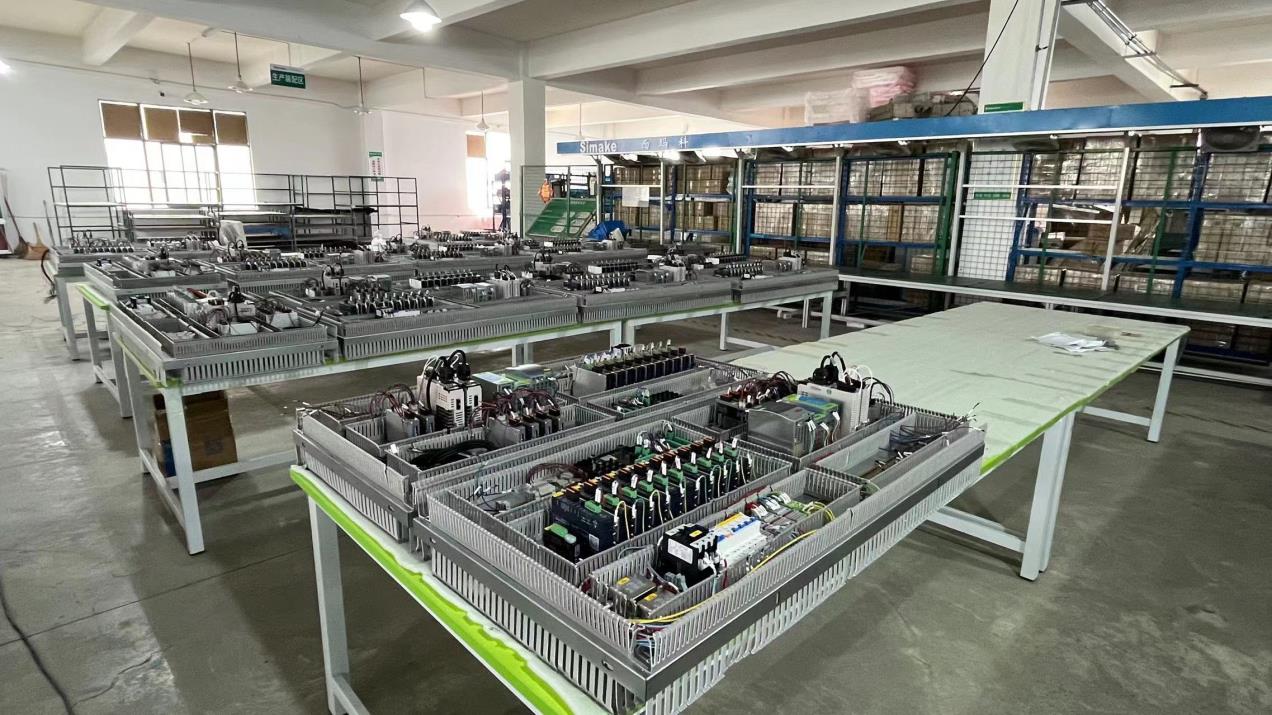
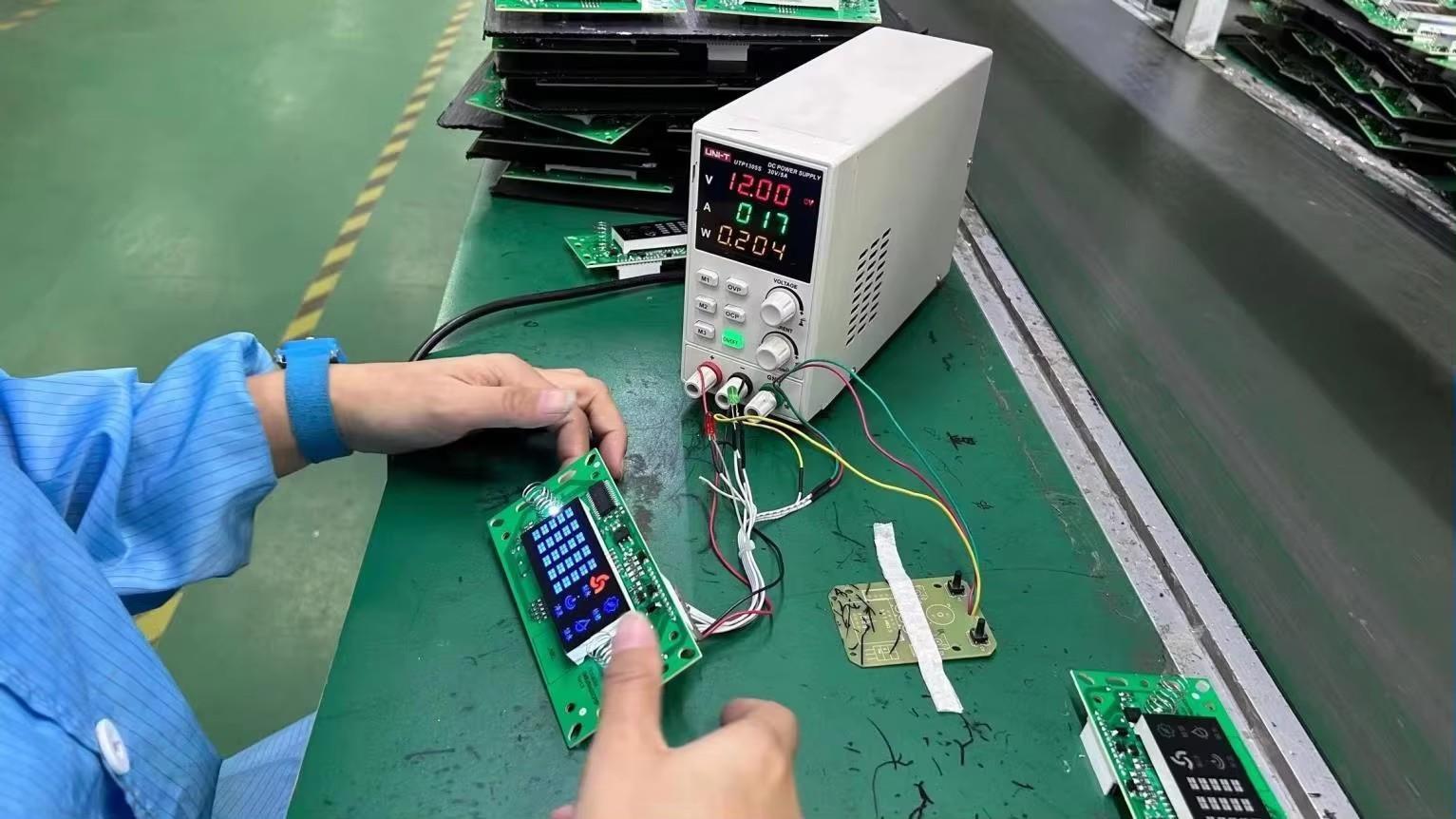
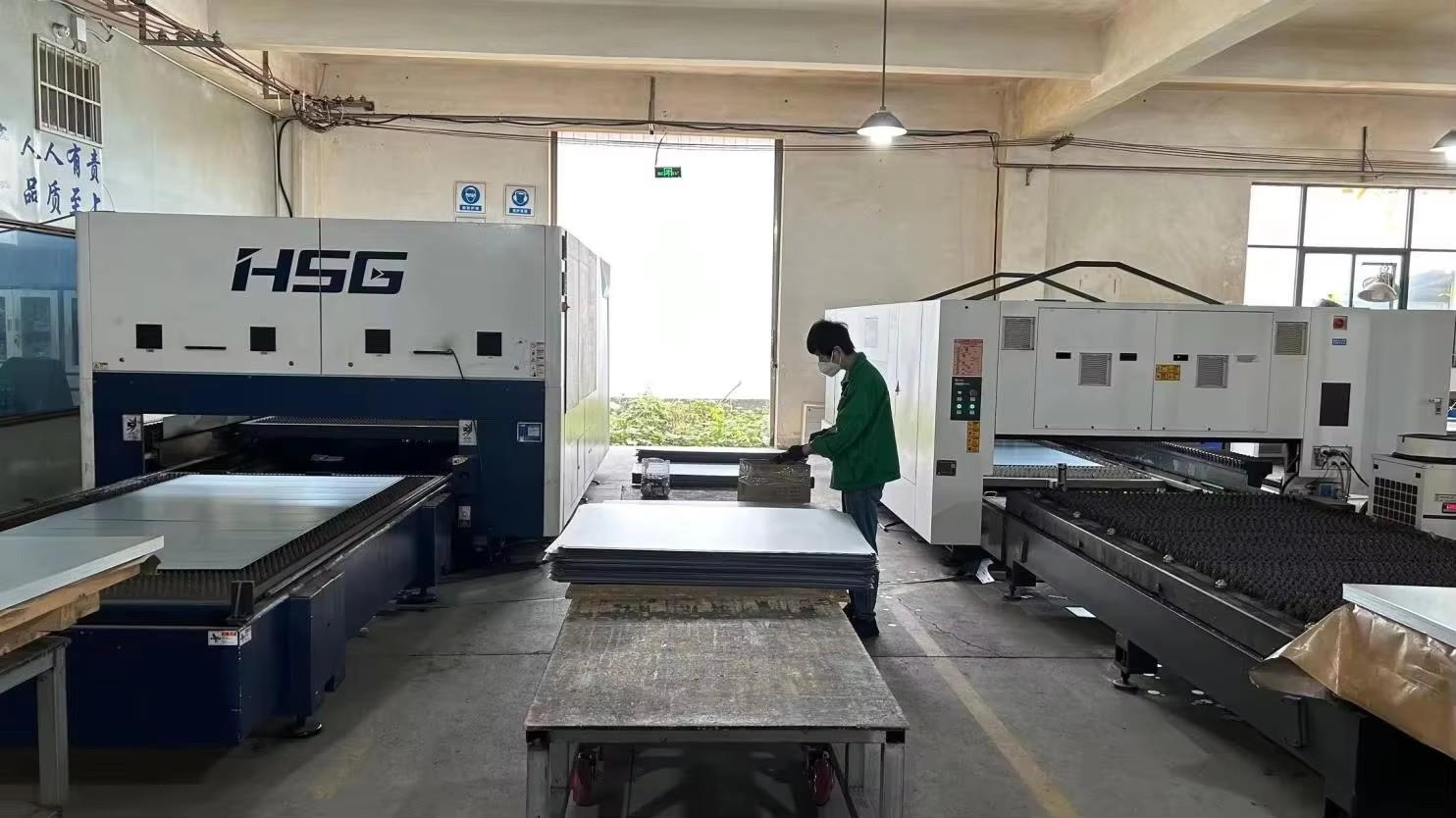
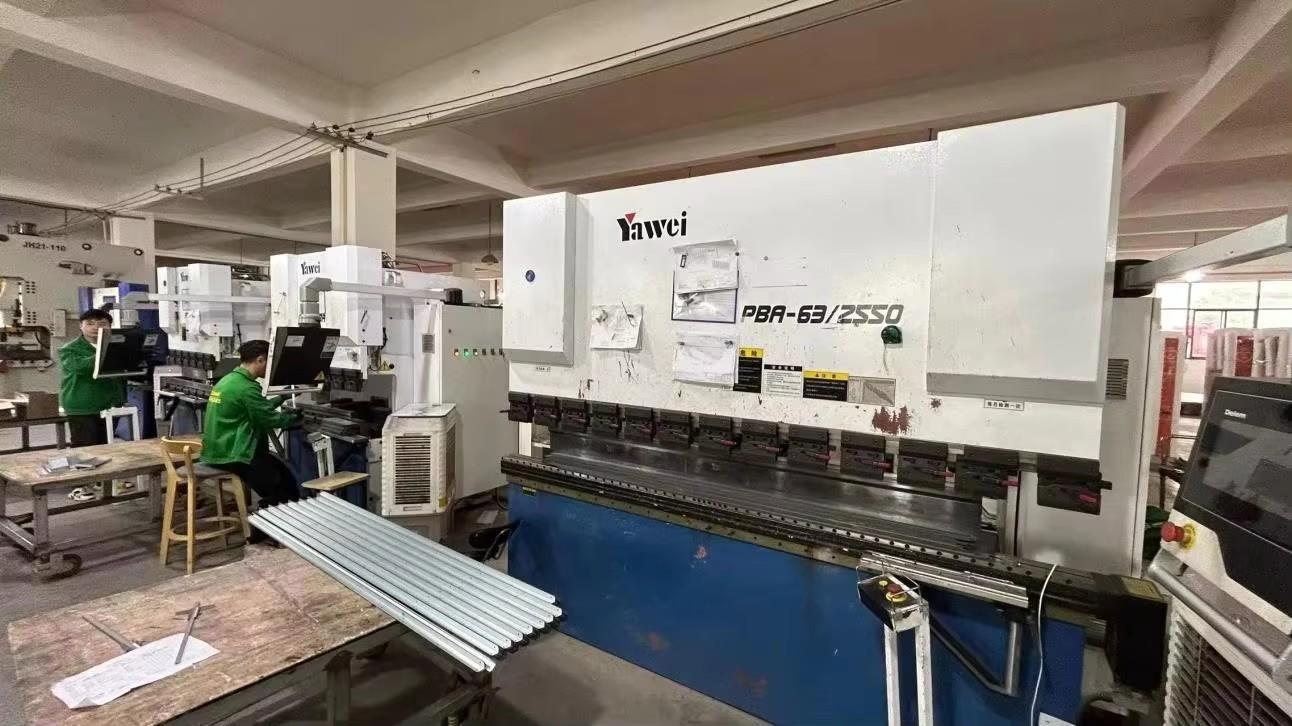
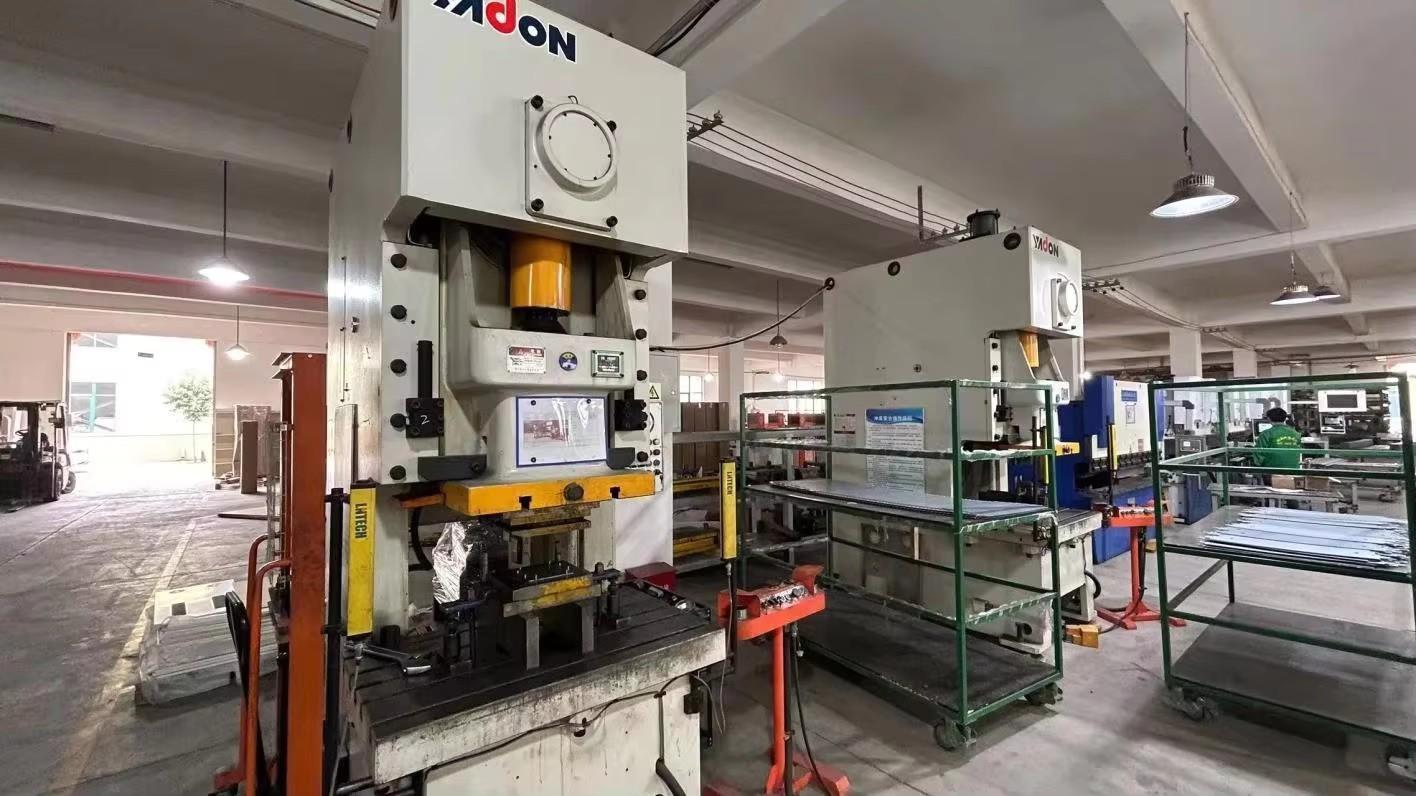
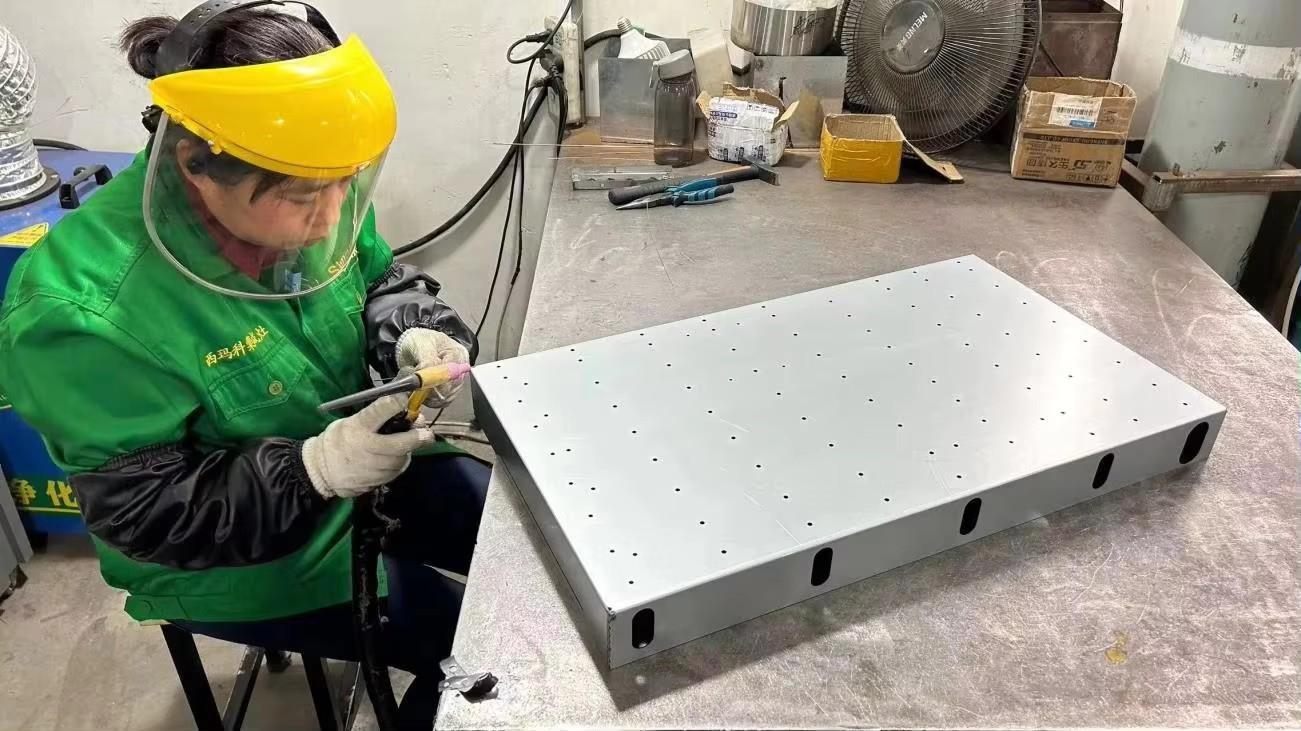
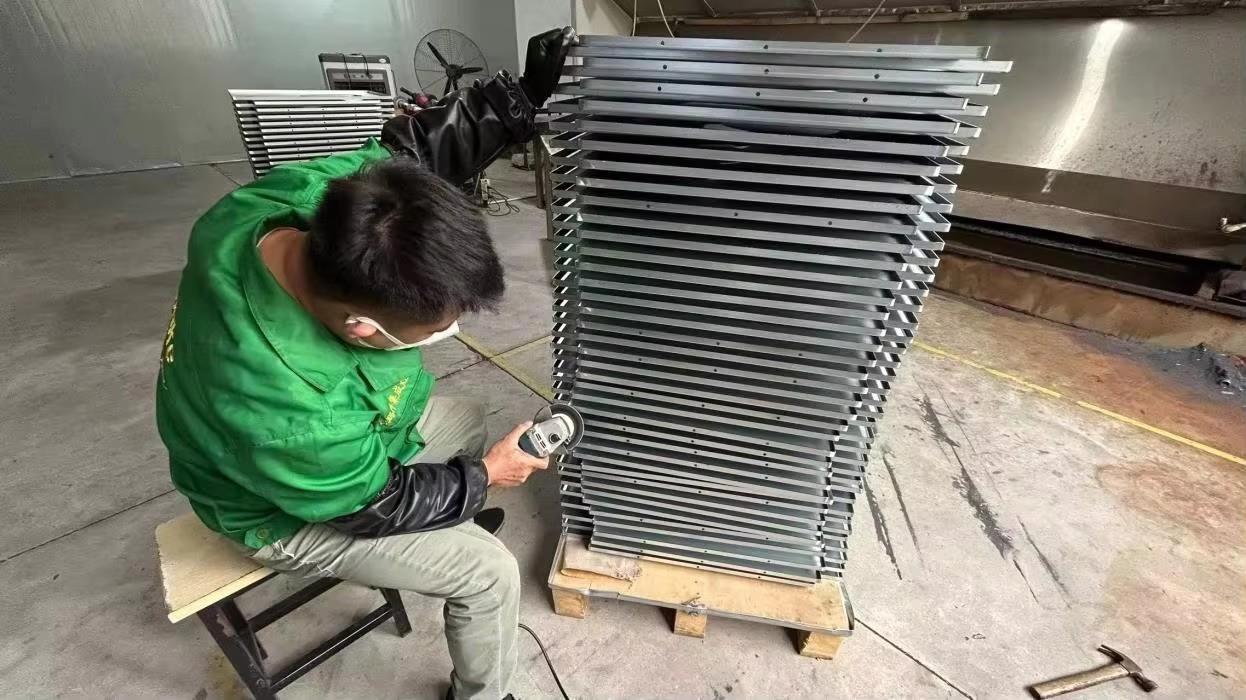
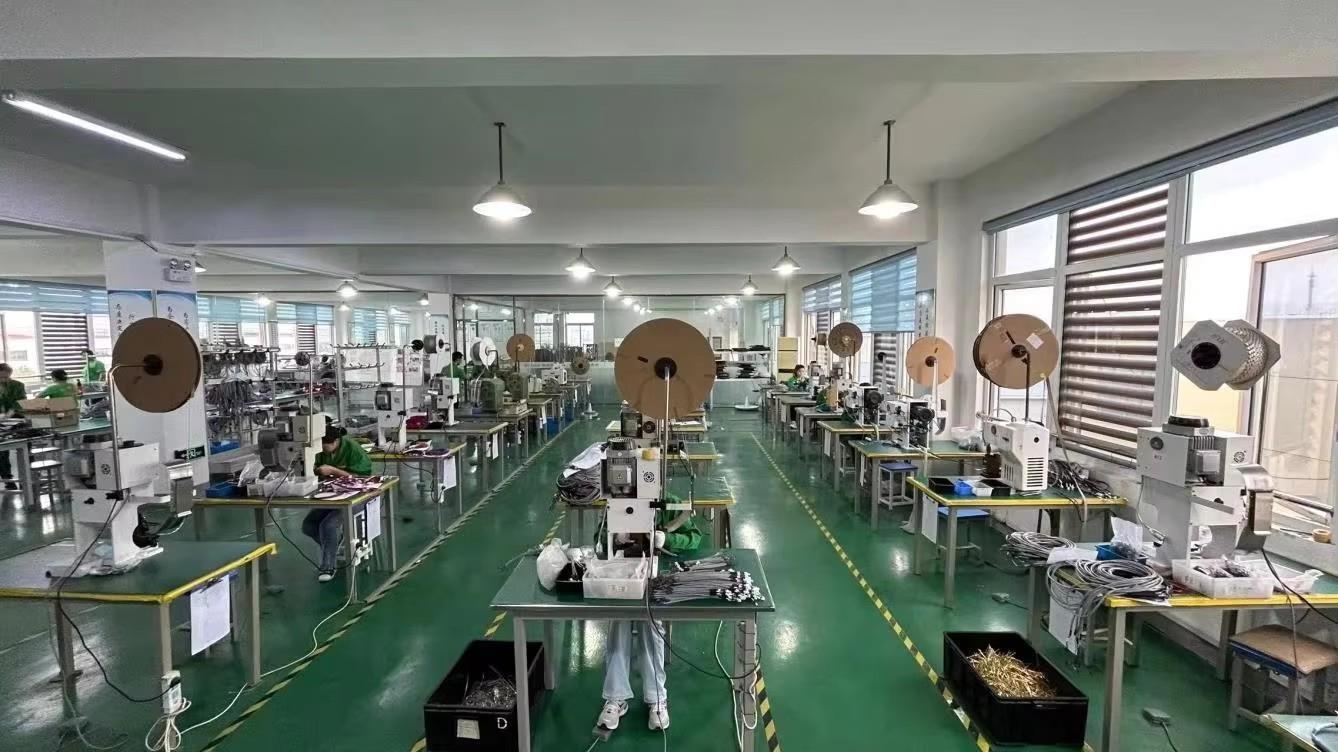
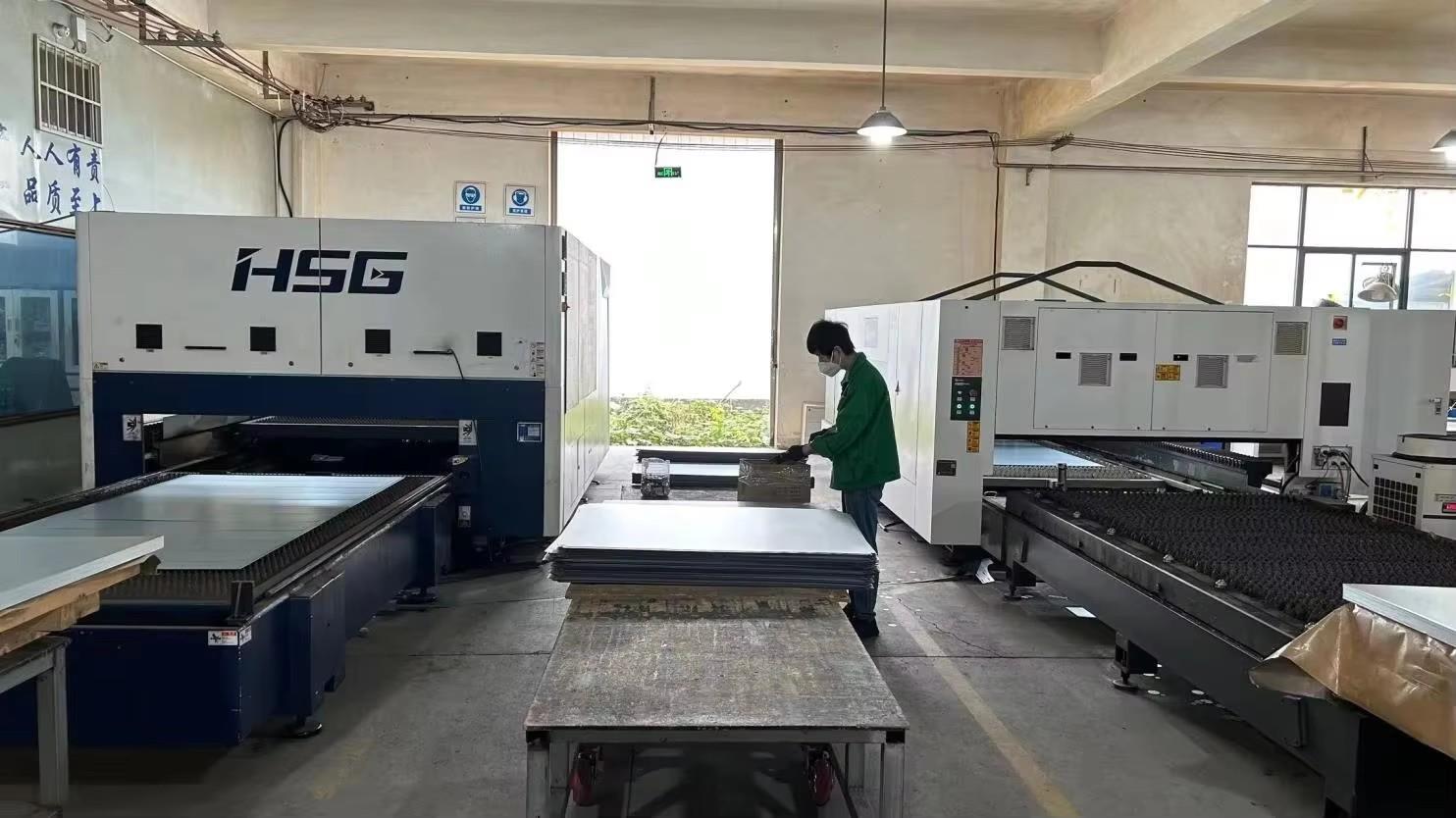
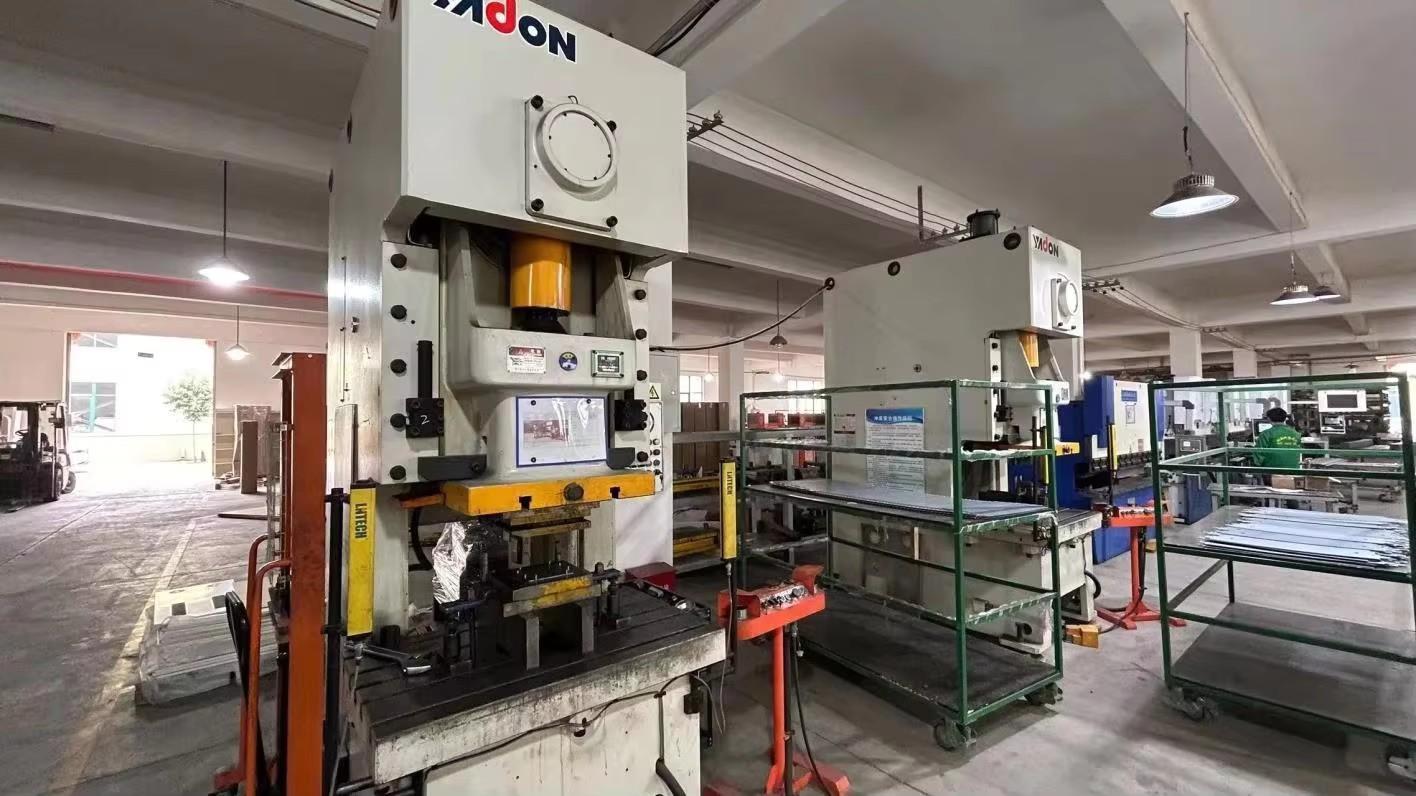
Our manufacturing floor utilizes a fully trace-back-enabled MES system. Every lithium cell undergoes initial IR (Internal Resistance) grading, dynamic capacity matching, and static cell-aging analysis. From automated laser welding machines to high-pressure metal stamping machines, the precision of our production environment eliminates micro-defect risks, ensuring high-yield quality control and predictable cost curves for OEM partners.
Solving scale, reliability, and deployment problems across primary commercial sectors.
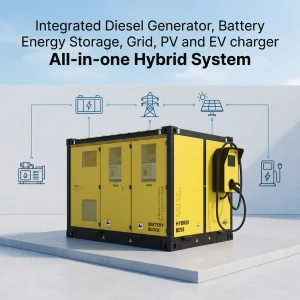
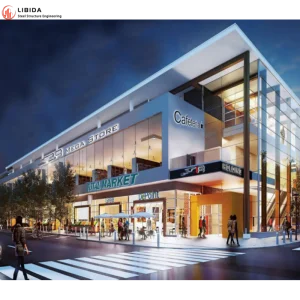
For manufacturing complexes, remote mines, and shopping plazas, grid volatility directly threatens operational profitability. Our 100kWh/200kWh container systems integrate active liquid cooling configurations and high-speed bidirectional storage control. When combined with our structural steel commercial designs, we deliver complete, turn-key solar carport structures capable of offsetting peak-demand utility charges (Peak Shaving) and providing continuous backup power.
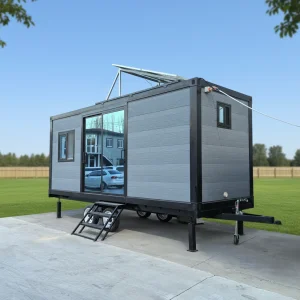
Integrating solar panel networks, intelligent micro-inverters, and wall-mounted energy storage units directly into modern expandable modular prefab houses. This approach creates self-sufficient, net-zero residential spaces. It is highly valued for quick-deployment mining camps, disaster relief centers, and suburban villa projects looking to eliminate dependency on unstable local utility lines.
Deploying specialized 48V telecom-grade battery racks with high charge-discharge capability (C-rate compatibility). Engineered with robust thermal limits to withstand harsh desert or sub-zero mountain environments, our telecom power solutions reduce operational maintenance costs by up to 40%.
Utility-scale battery arrays optimized for fast millisecond response times. Crucial for smoothing solar production fluctuations, regulating local frequency drops, and stabilizing grid feed-in margins during intense weather shifts.
Ensuring risk-free import paths, safety certification adherence, and continuous supply chains for global scale procurement.
Image: State-of-Charge (SoC) and Capacity Grading Operations on Finished Energy Storage Modules
Importing lithium-ion technologies requires navigating complex hazardous transport compliance rules (Class 9 Dangerous Goods). Luzz Solar simplifies procurement by providing DDP (Delivered Duty Paid) shipping solutions directly through European hubs, including our active logistics paths in Poland.
All commercial and residential products undergo rigorous safety verification protocols. Our battery modules, MPPT controllers, and clean energy structures are built to comply with:
Why physical structure and energy components must be engineered together to optimize installation speeds.
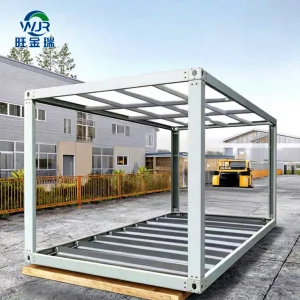
In remote regions or construction yards, deploying independent building crews and separate solar/battery installers increases structural costs and project delays. Our strategy combines high-strength steel-structure design with pre-wired modular home container frameworks. This integration optimizes the structural design process for commercial offices, residential expansions, and storage facilities.
By installing wall-mounted energy storage modules, PV micro-inverters, and high-efficiency hybrid converters directly into the modular building design at the factory level, we eliminate on-site electrical assembly delays. The system operates under a true "plug-and-play" model, offering a cost-effective path to clean energy and structural stability in a single purchase order.
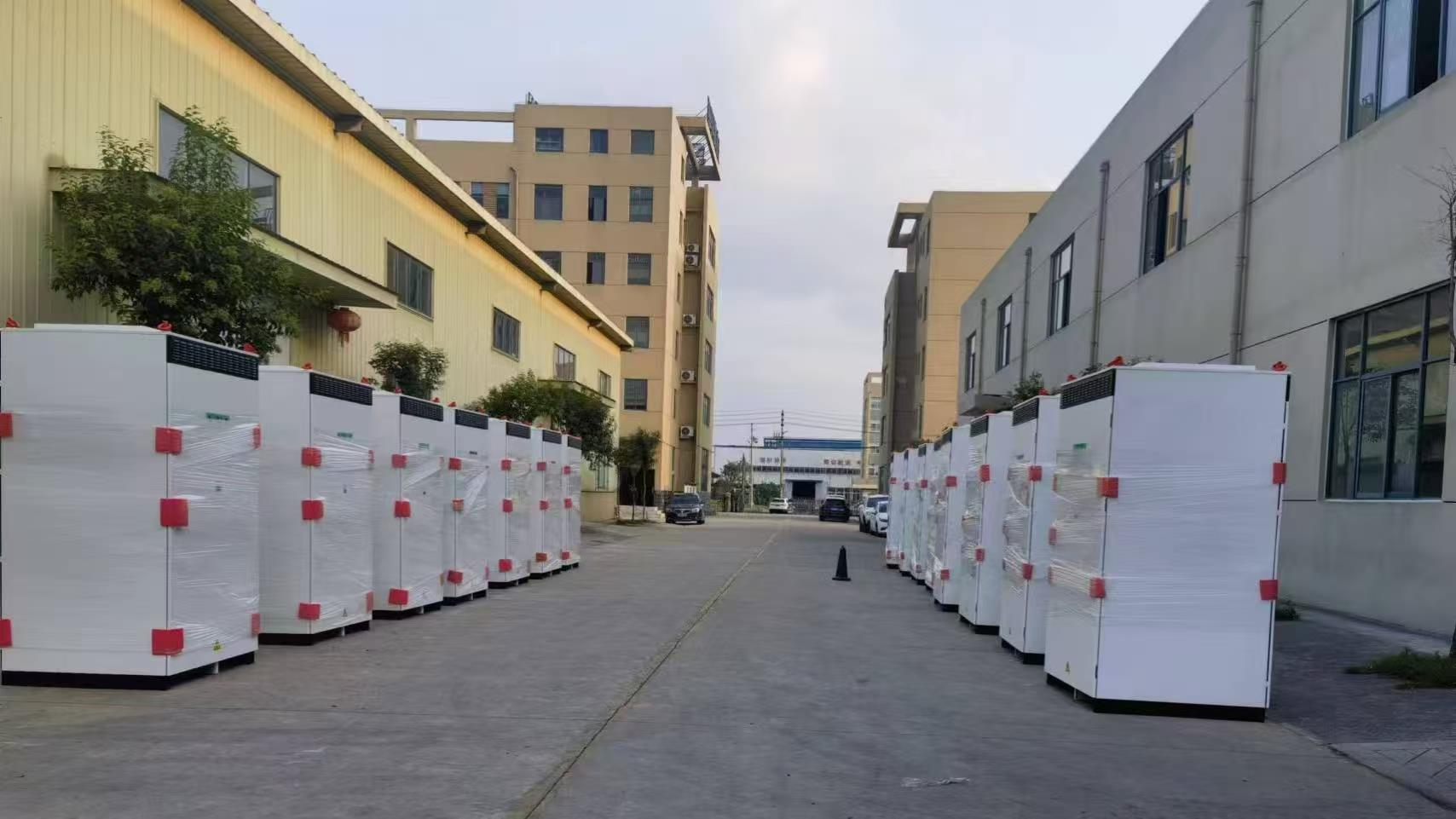
Image: Quality Assurance Inspection of Integrated Control Systems Prior to Export Packaging
Deep analysis of modern electrochemical system designs, safety features, and integration practices.
Liquid-cooled systems use a glycol-water mixture circulated through cooling plates within the battery pack to maintain temperature uniformities within +/- 2°C across all cells. This design is crucial for high C-rate applications and environments with high ambient temperatures, preventing thermal runaway and extending cell cycle life by up to 20%. In contrast, air-cooled configurations rely on forced convection (fans) and passive thermal dissipation. While air cooling is more cost-effective and lighter, it is best suited for lower charge-discharge rates and mild climates.
Our advanced Smart BMS performs high-frequency sampling of cell voltages, currents, and temperatures. By implementing active balance circuits, the system redistributes energy between high-capacity and low-capacity cells to prevent individual cell overcharging or deep discharging. The system communicates via CAN, RS485, and Modbus protocols to provide real-time State of Charge (SoC) and State of Health (SoH) diagnostics, and automatically isolates the pack in case of overcurrent, short circuit, or thermal anomalies.
Lithium Iron Phosphate (LiFePO4) offers superior thermal stability and safety compared to Nickel Manganese Cobalt (NMC). The olivine crystal structure of LFP has strong P-O covalent bonds that remain stable up to 600°C, significantly reducing the risk of oxygen release and thermal runaway. Additionally, LFP cells deliver 5,000 to 8,000 charge cycles at 80% depth of discharge (DoD), whereas NMC typically provides 2,000 to 3,000 cycles, offering a lower overall Levelized Cost of Storage (LCOS).
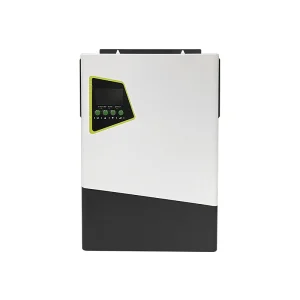
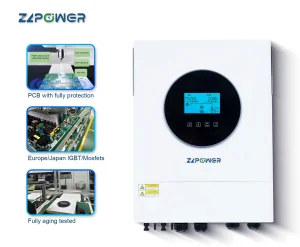
Key specifications include pure sine wave output to protect sensitive electronics, MPPT tracking voltage ranges, maximum solar array input power, and transition speeds. In high-demand scenarios, transition speeds under 10ms are critical to act as an uninterruptible power supply (UPS). Systems must also support parallel connections to scale power capacity dynamically for commercial and industrial loads.
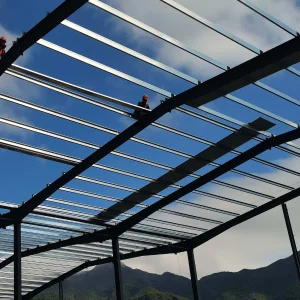
Solar panel arrays add significant dead weight and increase wind shear exposure on roofs and carports. Engineering the supporting structural steel requires calculating local wind velocity ratings (up to 150 km/h) and snow load tolerances. Properly designed structures distribute this weight evenly to the building foundation, ensuring structural integrity and preventing mechanical damage to the solar modules.
High-performance micro-inverters, containerized battery energy storage, and modular building structures.
 Luzz Solar