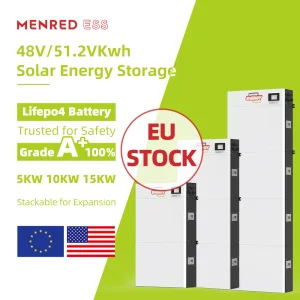
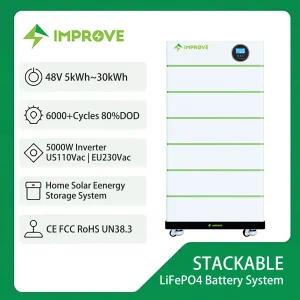
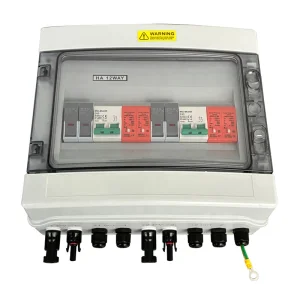
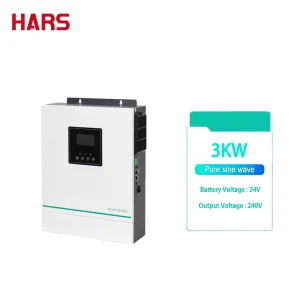
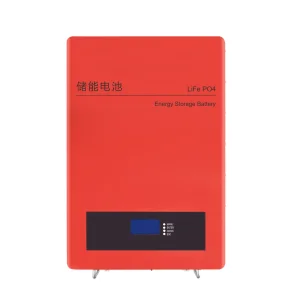
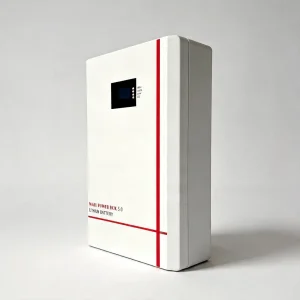
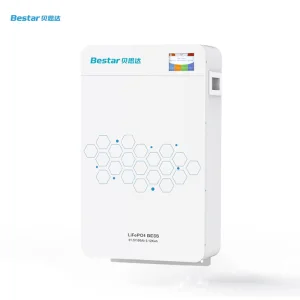
Explore our industrial-grade solar storage equipment, smart hybrid systems, and balancing-of-system accessories engineered for high efficiency.
The global transition to decentralized renewable energy requires a shift in power electronics. Traditional PV inverters served as unidirectional energy converters, converting DC current from solar modules into utility-grade AC current. The integration of high-penetration solar systems, variable loads, and distributed energy storage systems (BESS) demands a transition to smart inverters.
Modern Smart Inverters act as bidirectional edge-computing systems. Engineered with advanced digital signal processors (DSPs) and wide-bandgap (SiC/GaN) power semiconductors, these systems regulate voltage and frequency dynamically, support ride-through protocols, manage grid integration, and orchestrate hybrid configurations. For OEMs, system integrators, and developers, selecting an experienced manufacturing partner is a critical step in project life-cycle security.
Global energy requirements vary widely, making standardized inverter designs insufficient. Successful distribution and deployment require specialized engineering to adapt to distinct regional grid profiles, regulatory certifications, and operational environments. Custom design focuses on four main engineering areas:
Analyzing grid-level dynamics, regulatory shifts, and technical mandates that drive engineering decisions in the new energy ecosystem.
Modern networks are transitioning from grid-following systems that require a reference voltage source to grid-forming systems that act as Virtual Synchronous Generators (VSG). Our smart inverters supply synthetic inertia, control local voltage, and enable black-start capability during outages, ensuring system reliability.
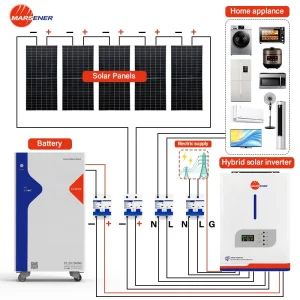
Commercial and Industrial (C&I) sectors use microgrids for energy cost optimization, peak-shaving, and backup power. The integration of high-capacity hybrid solar inverters with energy storage systems (ESS) allows factories and data centers to optimize energy usage, participate in demand-response, and operate independently during grid outages.
Global regulatory landscapes require compliance with standards like IEEE 1547-2018, UL 1741 SB, EN 50549, and local grid codes. Our engineering team designs custom firmware modules and test suites, helping clients secure certification across major global markets.
Qingdao Luzz Solar Co., Ltd. is a professional new energy enterprise specializing in the development, manufacturing, and global distribution of photovoltaic (PV) products and integrated energy storage solutions. Located in Qingdao, China, the company benefits from a well-established renewable energy industrial base and advanced manufacturing capabilities.
With the accelerating global transition toward carbon neutrality and sustainable development, Luzz Solar is committed to providing efficient, reliable, and cost-effective clean energy solutions to customers worldwide. Our product portfolio includes high-efficiency solar photovoltaic modules, energy storage systems, and integrated solar application solutions designed for residential, commercial, and utility-scale projects.
Driven by technological innovation and quality excellence, the company continuously invests in R&D and production optimization to improve product performance, energy conversion efficiency, and system reliability. We strictly adhere to international quality standards and implement rigorous quality control throughout the entire production process to ensure stable and long-term product performance.
Qingdao Luzz Solar actively expands its global market presence, with business coverage across Asia, Europe, the Middle East, Africa, and Latin America. By working closely with international partners, we are committed to delivering tailored energy solutions that meet diverse regional needs and support the global energy transition.
Guided by the core values of integrity, innovation, cooperation, and sustainability, Luzz Solar strives to become a trusted global partner in the new energy industry. We are dedicated to advancing solar technology and contributing to a greener, more sustainable future.
Serving residential installers, EPC contractors, energy project developers, and utility-scale operations across six continents.
Combining structural fabrication, electronics assembly, and quality assurance to maintain production reliability and product performance.
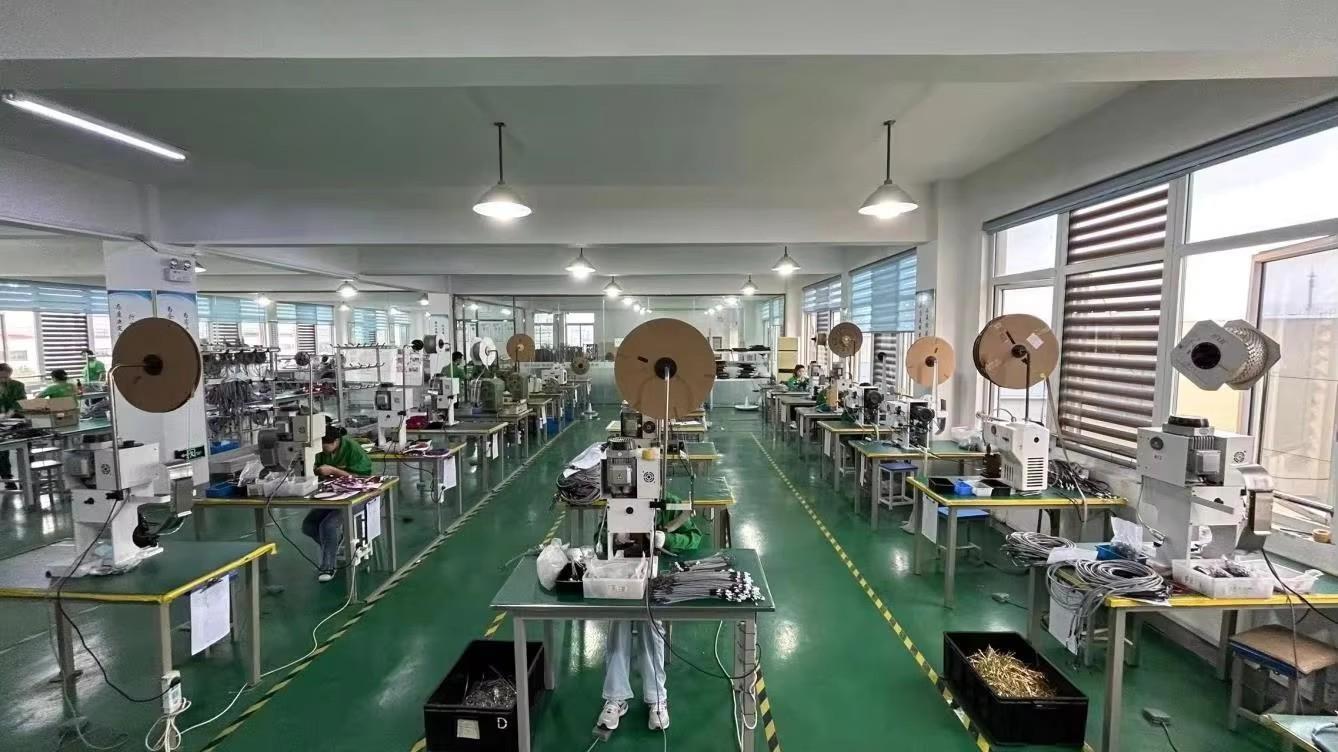
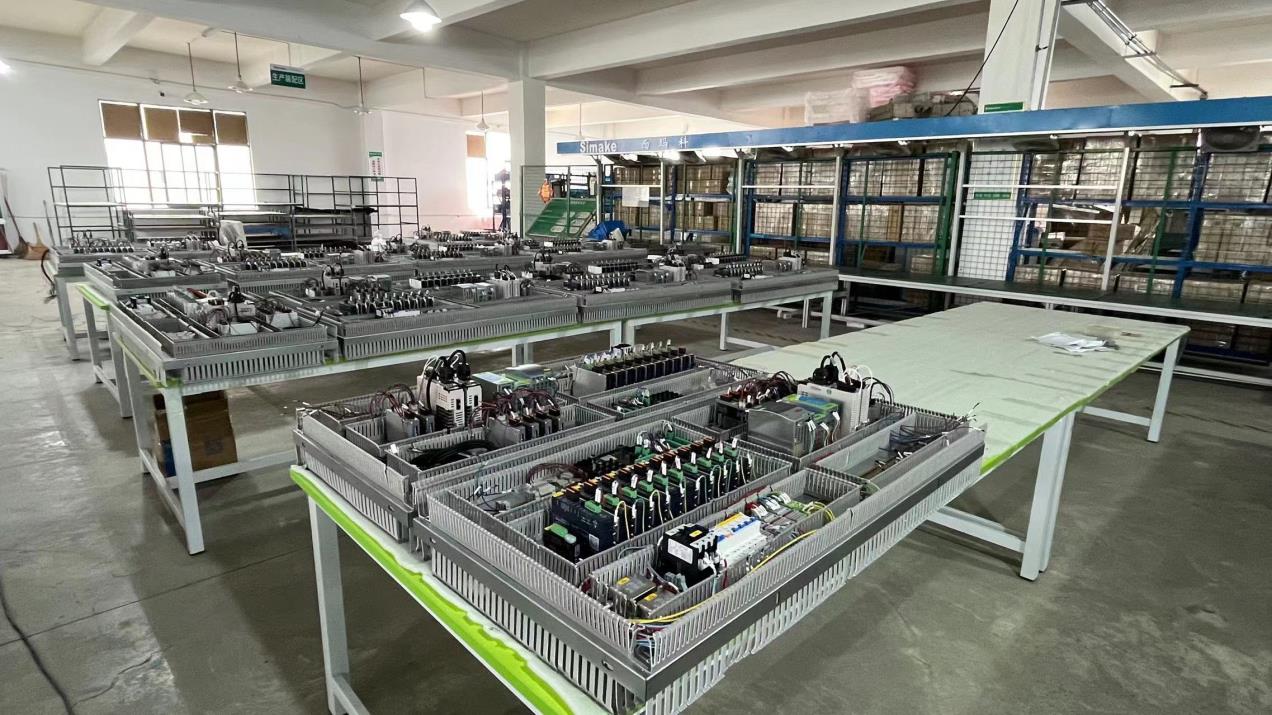
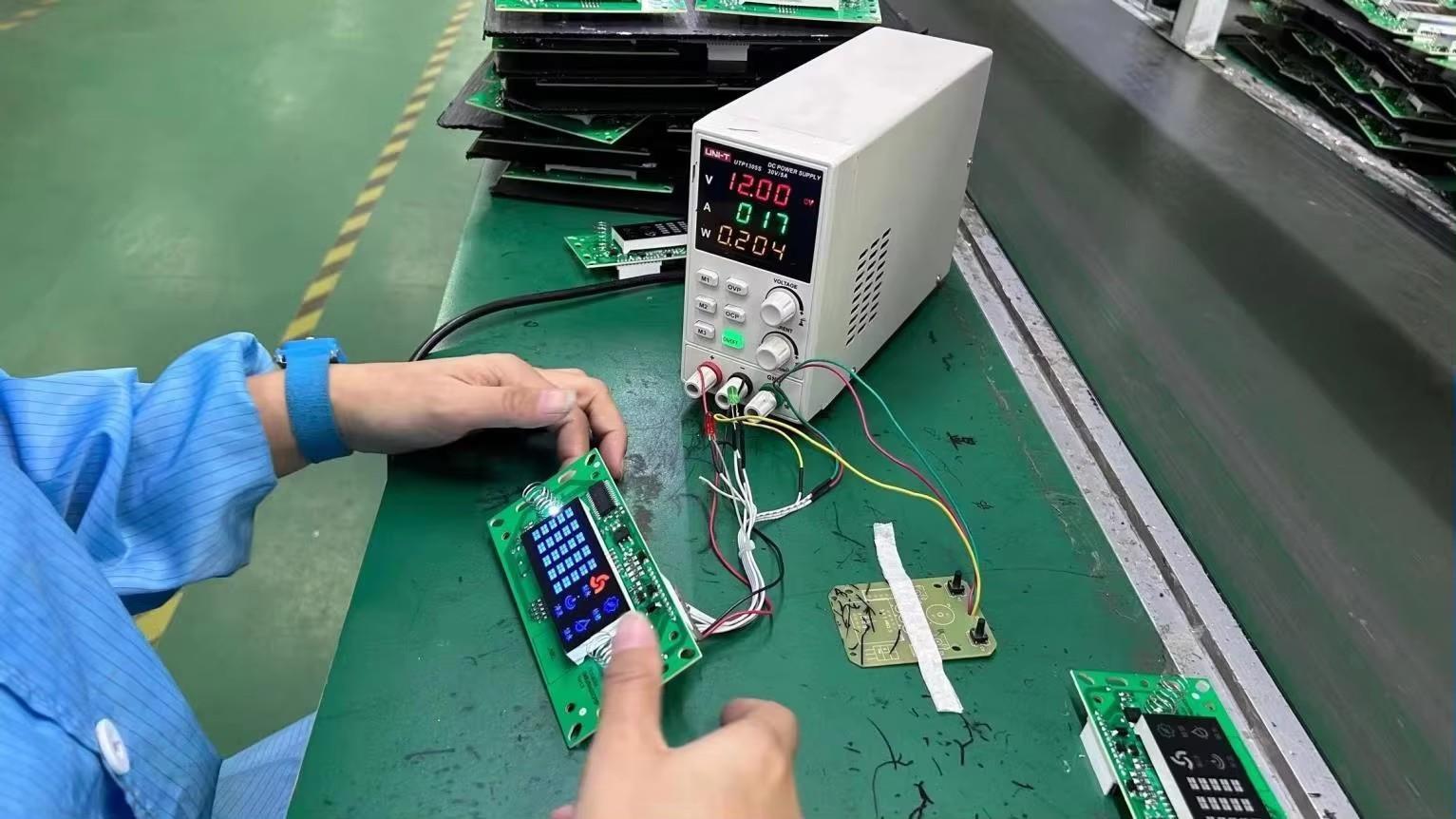
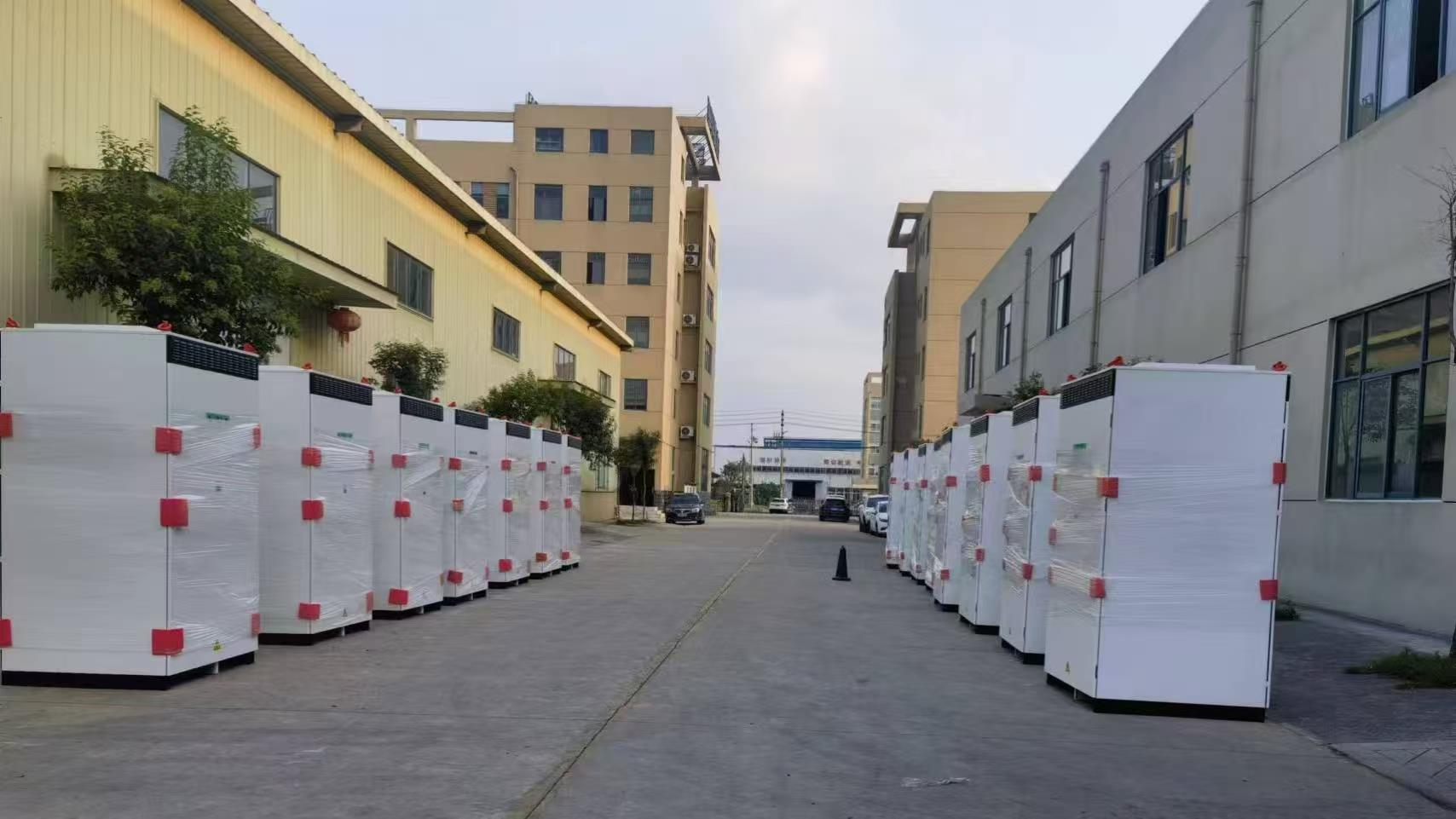
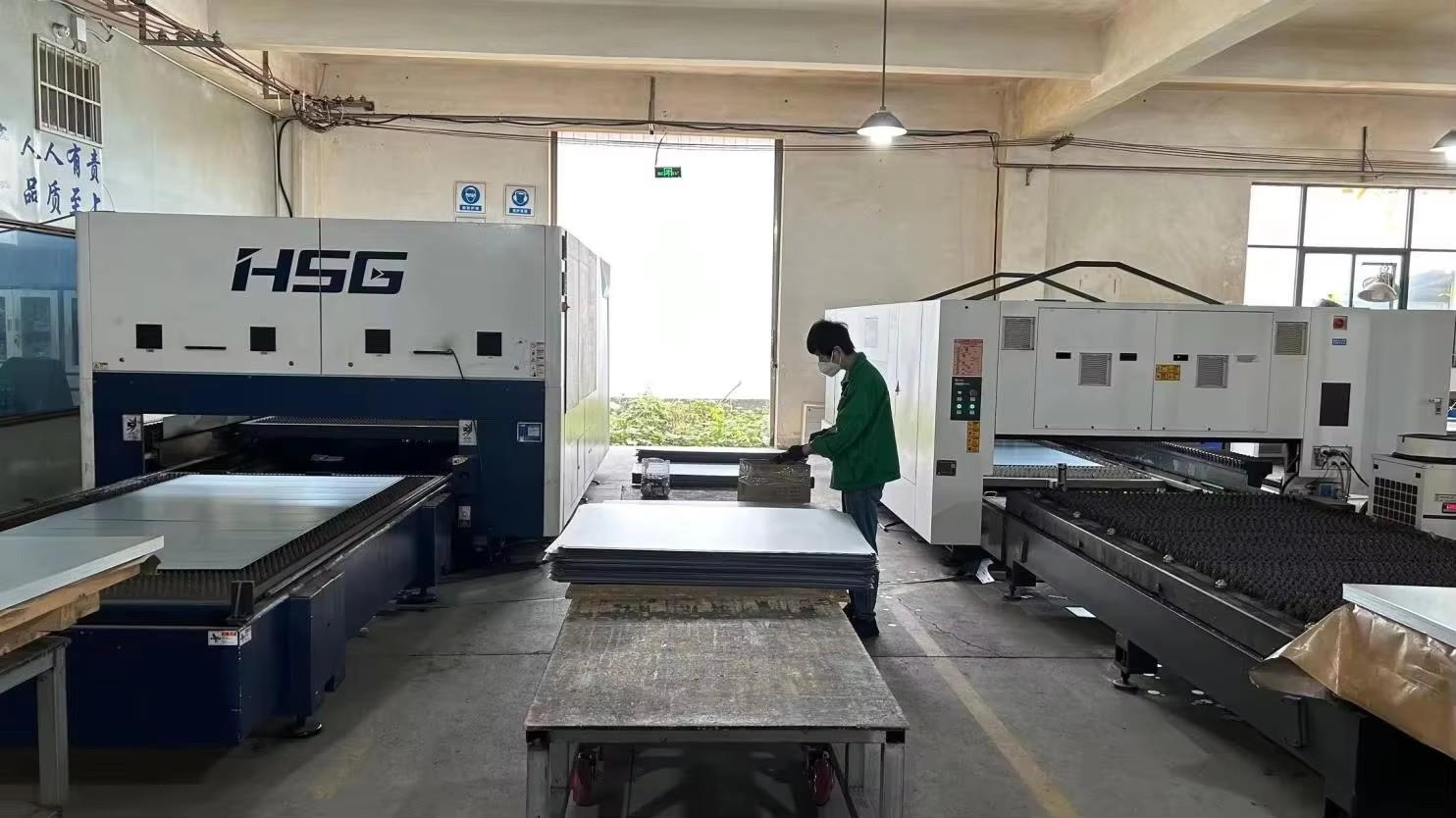
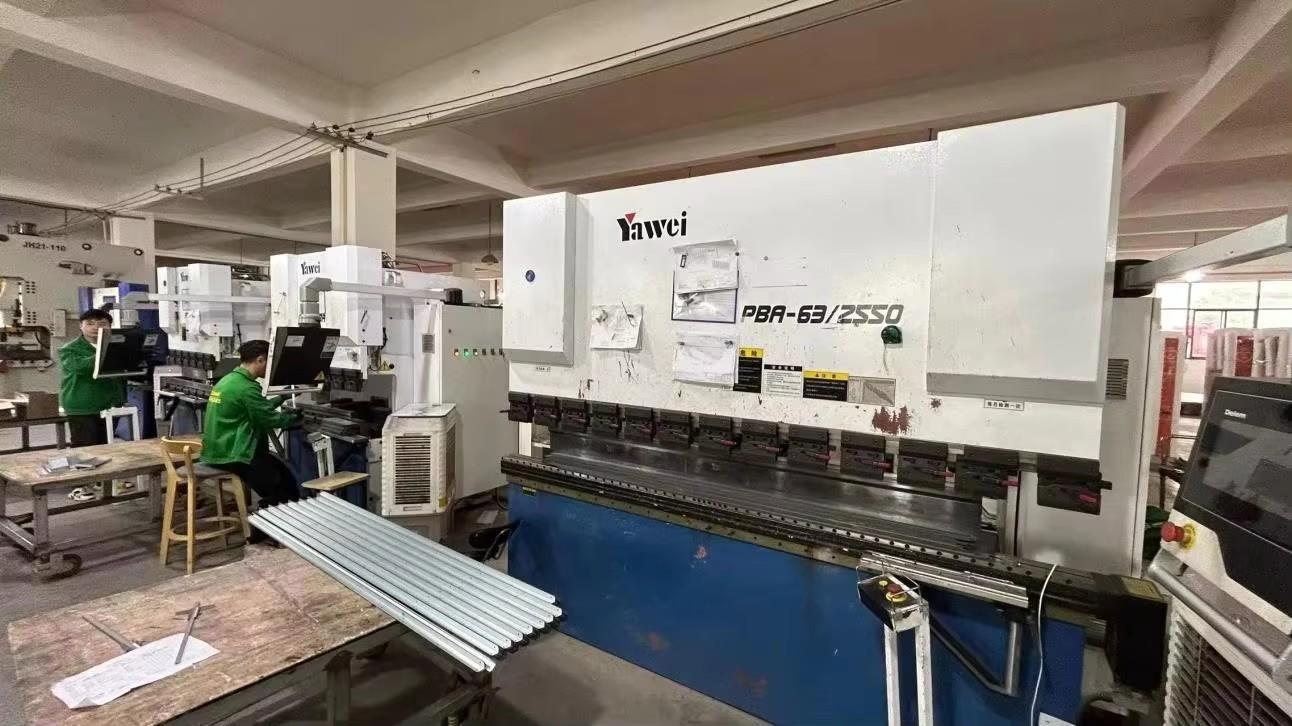
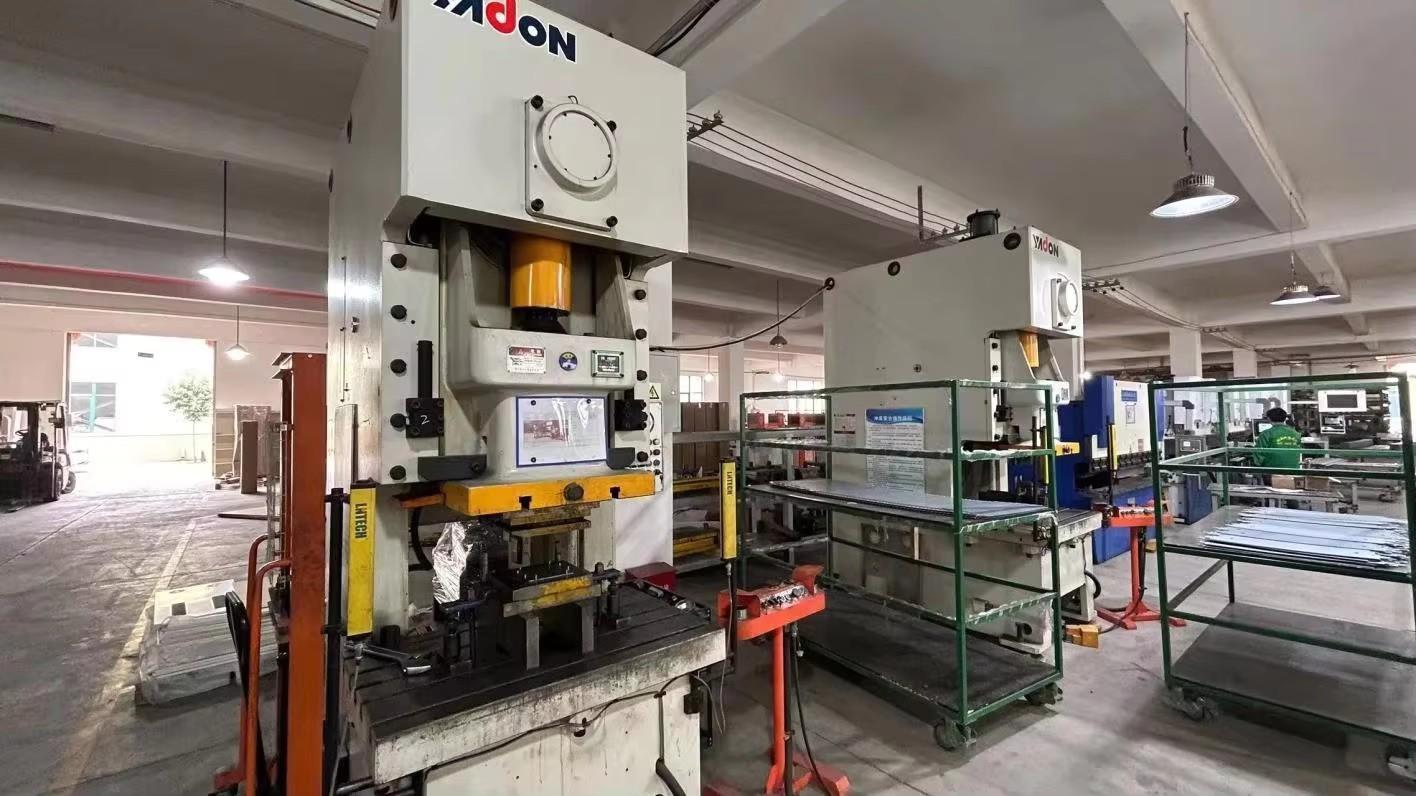
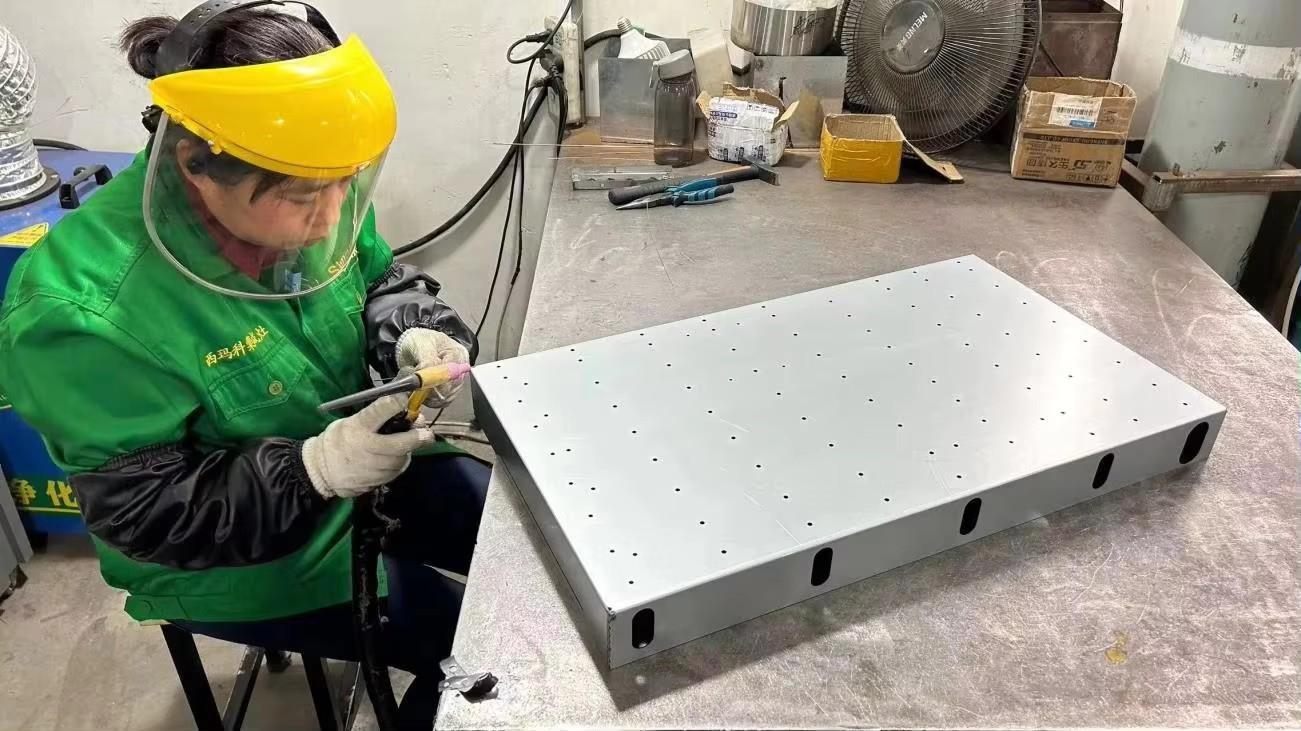
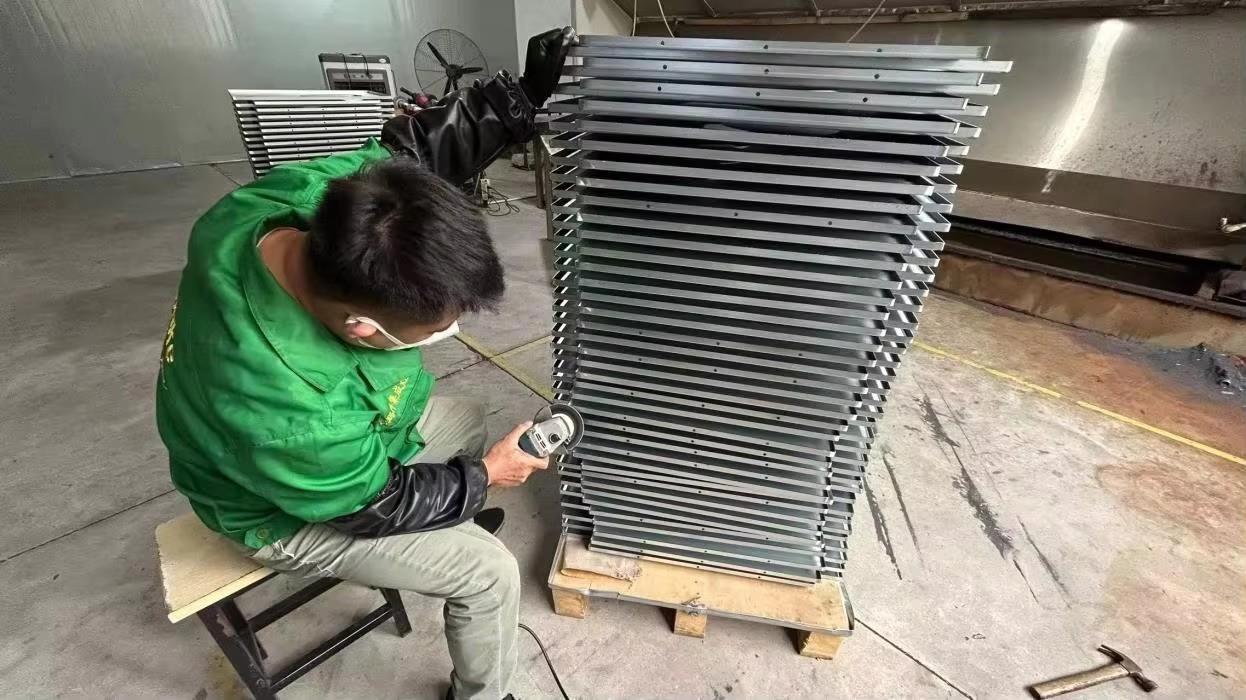
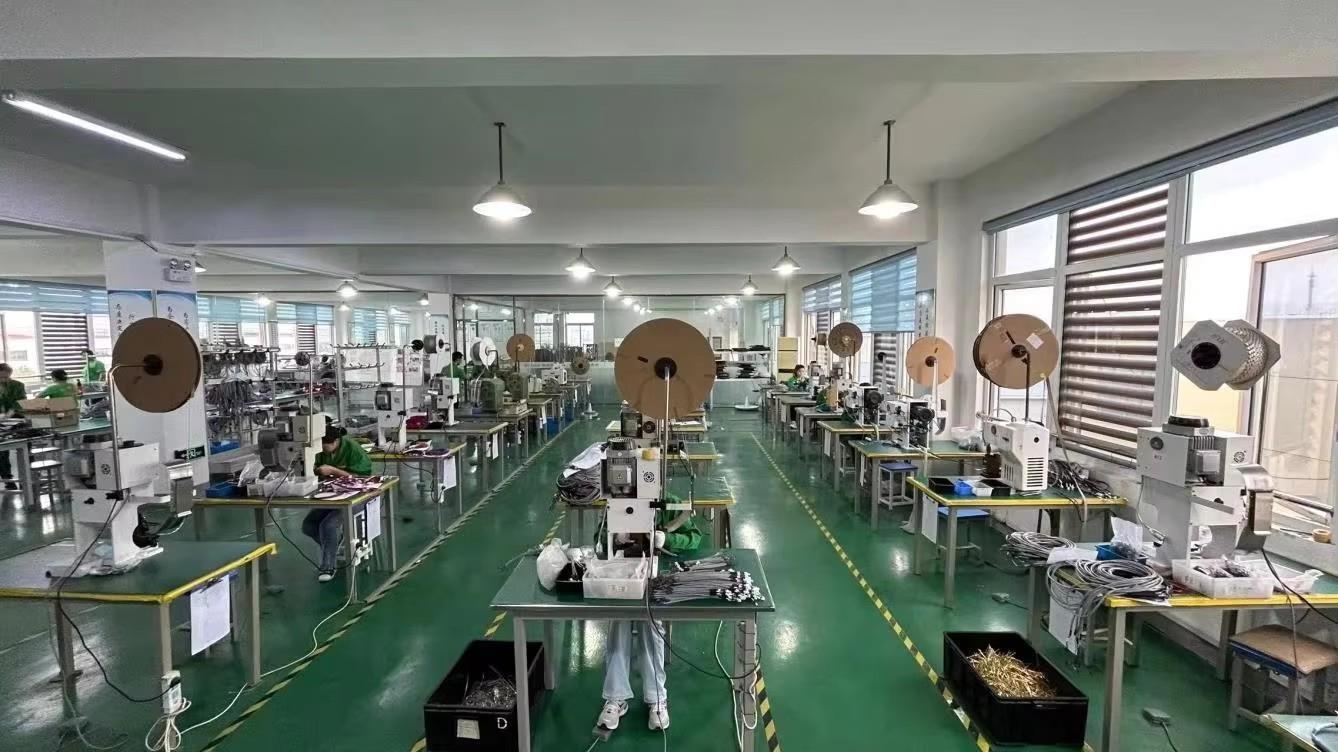
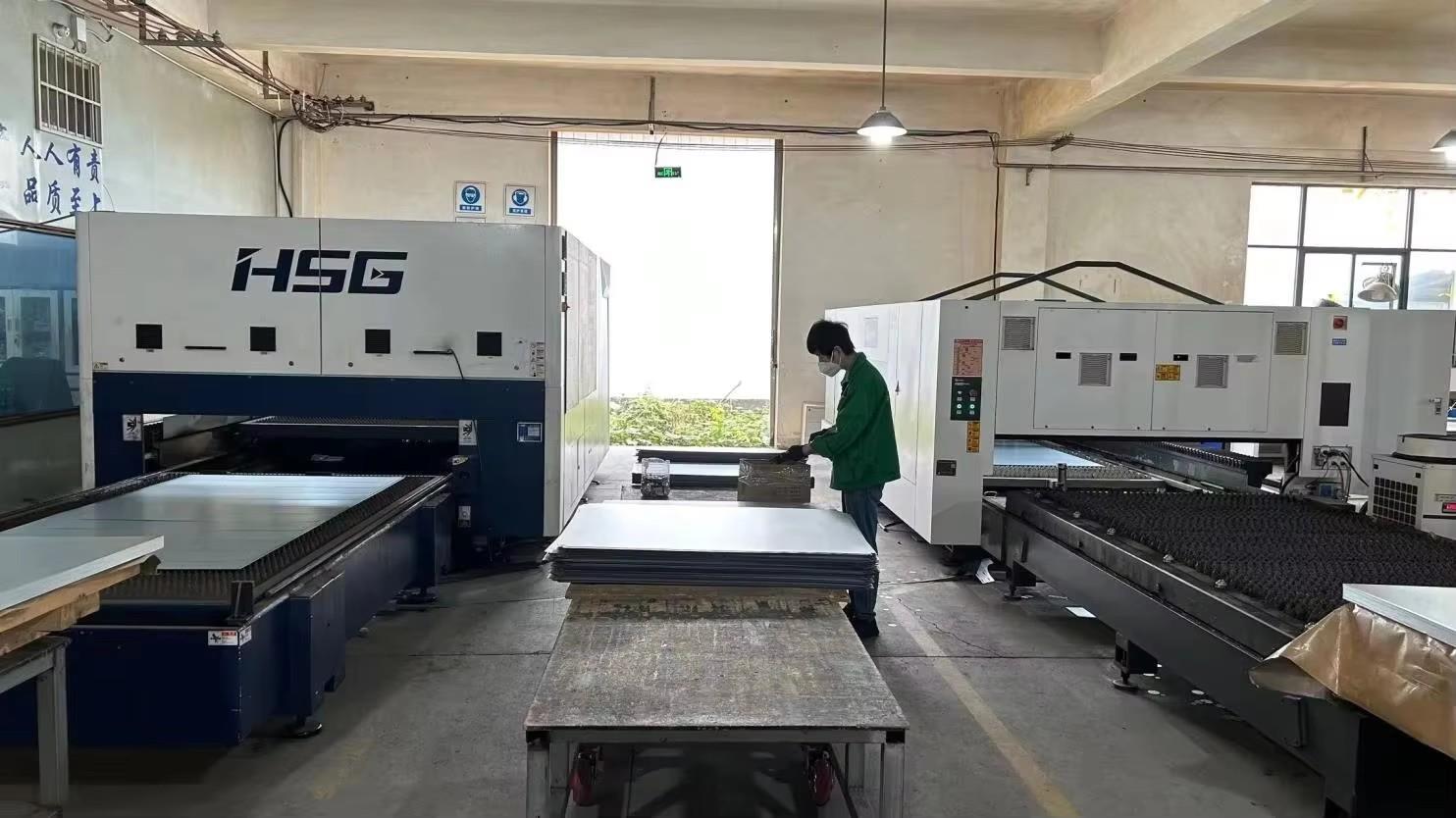
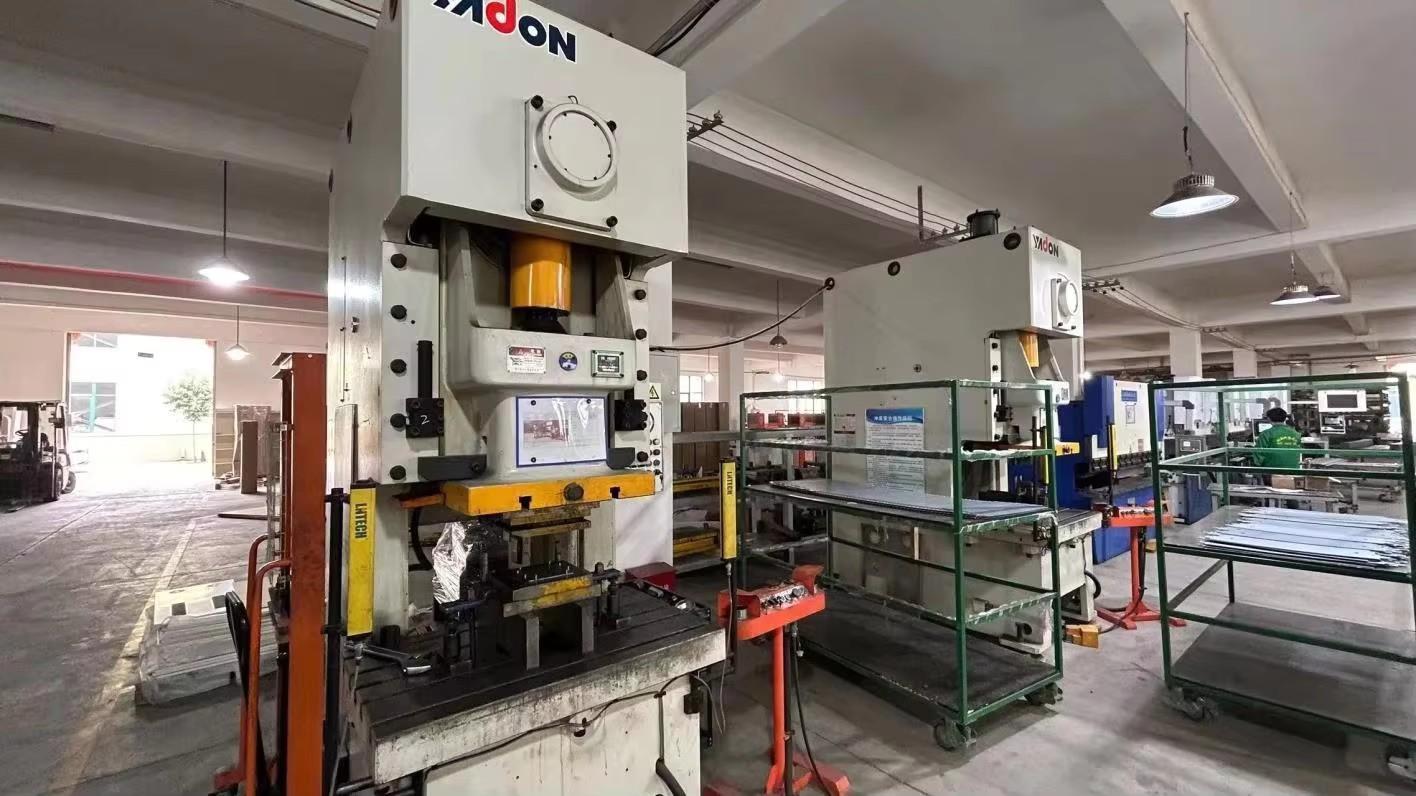
Our production line balances precision metallurgy with electronics assembly. The enclosure fabrication process uses automated cutting, bending, stamping, and welding. Advanced laser welding machines ensure tight seams, providing ingress protection (IP65/IP66 ratings) that protects against dust, rain, and humidity.
For PCBA assembly, automated component pick-and-place systems and high-precision reflow soldering ovens populate control boards with high thermal-performance components. Our wiring harness sub-assembly uses silent terminal machines to crimp terminations, reducing contact resistance and micro-arcing risks over the lifespan of the inverter.
Quality assurance includes automated testing. Finished units undergo functional and performance verification, including electrical safety tests, burn-in thermal cycling, and grid-simulation assays. This process tests each inverter's response to high-voltage transients, frequency variations, and simulated load imbalances before packaging and logistics dispatch.
Adapting renewable energy technology to perform reliably across diverse climates, installation sizes, and regional utility grids.
Deployments in regions like high-altitude deserts require custom thermal engineering. Increased solar irradiance and lower air density reduce natural heat dissipation. Our smart inverters feature larger heatsinks, forced air cooling, and intelligent derating curves to ensure continuous operation under extreme thermal conditions.
Salt mist and high humidity can accelerate corrosion and insulation breakdown. Our marine-grade smart inverters feature anti-corrosion finishes, conformal coatings on PCB assemblies, and hermetically sealed wiring terminals, ensuring long-term reliability in coastal installations.
Urban commercial installations require high safety standards, low electromagnetic interference (EMI), and compact footprints. Our hybrid solar systems feature integrated arc-fault circuit interrupters (AFCI), rapid shutdown capability, and compliance with FCC class B EMI limits, making them suitable for commercial rooftops.
Mining outposts, cellular towers, and agricultural operations require stable off-grid power. Luzz Solar's hybrid and off-grid setups combine solar PV, battery systems, and diesel generator support. Dynamic generator control systems start generators automatically during low battery levels, optimizing fuel consumption.
Addressing design and integration questions from electrical engineers, product designers, procurement officers, and project developers.
Smart inverters feature bidirectional communication capabilities and advanced software control. They provide dynamic grid support functions, including autonomous voltage and frequency regulation, active power curtailment, reactive power control (Volt-VAR curves), and low/high-voltage ride-through (L/HVRT). They also integrate with energy management systems (EMS) to manage charge/discharge cycles in battery systems, enabling peak shaving and arbitrage.
Our custom design process begins with a technical review of the target grid codes, installation requirements, battery chemistry preferences, and performance specifications. We design structural layouts, run thermal simulations, design PCB layouts, and program custom firmware controls. Prototype systems undergo verification tests in our factory, including grid simulator and environmental chamber testing, before we begin volume production.
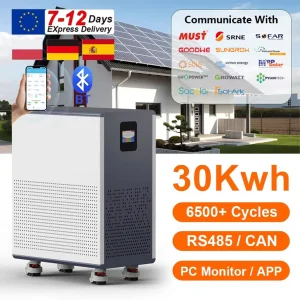
Yes, our hybrid smart inverters support both low-voltage (48V) and high-voltage (100V to 600V+) lithium iron phosphate (LiFePO4) battery systems. High-voltage setups reduce I2R transmission losses, improve overall efficiency, and simplify wiring for commercial and industrial (C&I) systems. We configure custom BMS communication protocols (CAN/RS485) during OEM production to ensure compatibility with battery modules.
We maintain strict quality control at every stage of production. From using automated laser welding and CNC bending machines to ensure ingress protection, to employing silent terminal machines for wiring, we minimize manual errors. Additionally, each inverter undergoes automated testing, including high-voltage insulation tests, hot-box burn-in simulation, and full-load power testing, ensuring reliable performance in the field.
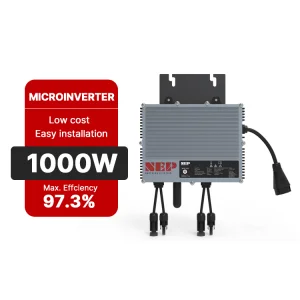
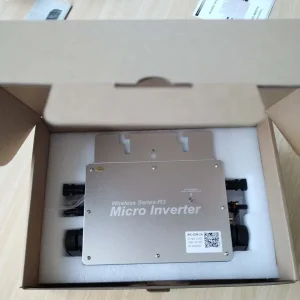
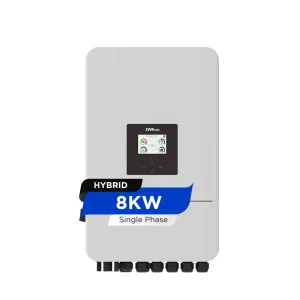
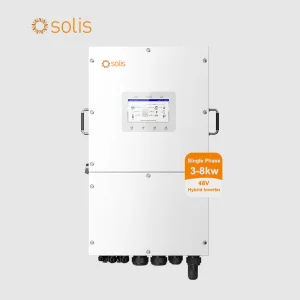
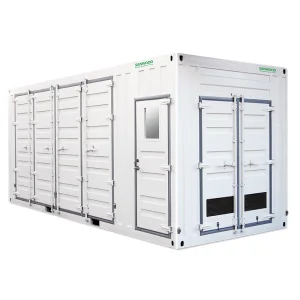
Discover our range of commercial micro-inverters, utility-scale hybrid inverters, and containerized energy systems.
 Luzz Solar