Industrial-Grade Photovoltaic Components and Stacked Energy Storage Platforms
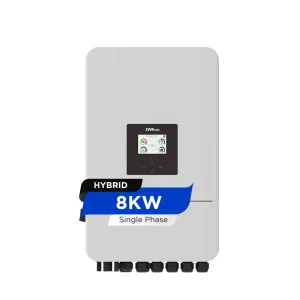
Qingdao Luzz Solar Co., Ltd. is a professional new energy enterprise specializing in the development, manufacturing, and global distribution of photovoltaic (PV) products and integrated energy storage solutions. Located in Qingdao, China, the company benefits from a well-established renewable energy industrial base, advanced logistics infrastructure, and deep manufacturing capabilities.
With the accelerating global transition toward carbon neutrality and sustainable development, Luzz Solar is committed to providing efficient, reliable, and cost-effective clean energy solutions to customers worldwide. Our product portfolio includes high-efficiency solar photovoltaic modules, energy storage systems, and integrated solar application solutions designed for residential, commercial, and utility-scale projects.
Driven by technological innovation and quality excellence, we continuously invest in R&D and production optimization to improve product performance, energy conversion efficiency, and system reliability. We strictly adhere to international quality standards and implement rigorous quality control throughout the entire production process to ensure stable, long-term product performance under the harshest ambient conditions.
Qingdao Luzz Solar actively expands its global market presence, with business coverage across Asia, Europe, the Middle East, Africa, and Latin America. By working closely with international partners, we are committed to delivering tailored energy solutions that meet diverse regional needs and support the global energy transition.
We believe in manufacturing components that withstand the test of time. All products undergo comprehensive testing, including thermal cycling, damp-heat exposure, and mechanical load stress tests.
Our agile engineering team responds to changing grid codes and customer customization requests (OEM/ODM) faster than industry standard timelines.
Situated near the Port of Qingdao, we guarantee efficient container shipping connections to key hubs in Rotterdam, Hamburg, Houston, and Singapore, lowering total landed cost (TCO).
Navigating the Shift to Decentralized Power Generation & Demand Response Grid Networks
Globally, commercial and industrial enterprises are facing a double challenge: escalating electricity tariffs and the pressure to reduce Scope 1 and Scope 2 greenhouse gas emissions. Grid infrastructure, once designed for predictable one-way power distribution, is struggling to incorporate massive amounts of variable renewable energy (VRE). In response, behind-the-meter (BTM) storage and commercial microgrids are transitioning from optional redundancy assets into core operating requirements.
Mitigate high peak demand charges imposed by grid utilities. Dynamic discharge algorithms shift energy stored during low-cost periods to peak consumption hours.
Optimizing battery chemistry and balance of system (BoS) hardware enables operators to realize low levelized costs of storage per megawatt-hour over system lifespans.
Luzz Solar systems integrate advanced Battery Management Systems (BMS) with active balancing currents up to 5A, preventing cell variance from reducing overall pack capacity.
In addition to cost mitigation, grid-tied architectures with localized energy storage safeguard production lines against voltage sags, flickers, and total outages. In high-precision manufacturing environments (e.g., semiconductor fabrication, chemical synthesis, and heavy metal stampings), a power interruption of less than 100 milliseconds can damage tooling and lead to significant productivity losses. Luzz Solar's hybrid and microinverter ecosystems offer rapid-transfer response times (≤ 10ms), maintaining continuous power for critical machinery.
Average Round-Trip Efficiency
LFP Battery Charge Cycles
Exporting Regions Globally
UPS Transfer Time Frame
Deploying Solar Solutions Across Diverse Climates, Regulatory Contexts, and Operational Frameworks
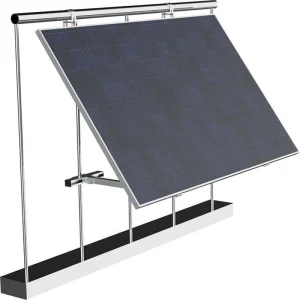
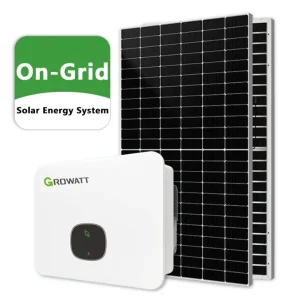
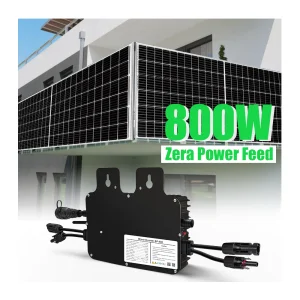
With regulations in countries like Germany raising the feed-in limit for balcony PV installations to 800W, the demand for compact, plug-and-play microinverter systems has grown. Luzz Solar provides complete kits consisting of bracket structures, microinverters (such as ACrevPOWER 800W or Enphase modules), and bifacial solar glass panels designed for easy installation and durability.
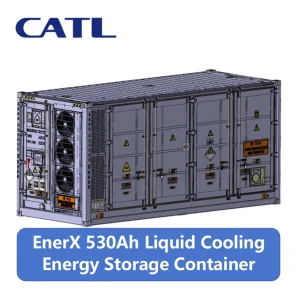
For utility grids and heavy commercial operations, our containerized Battery Energy Storage Systems (BESS) represent the state of the art. Utilizing high-density cells (such as CATL EnerX 530Ah cells in 5MWH configurations), these structures incorporate active liquid cooling, intelligent fire suppression systems, and integrated double-layer security containment to prevent thermal runaway propagation.
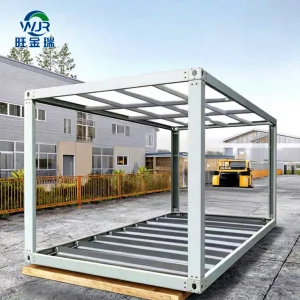
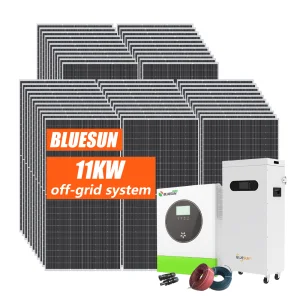
In regions lacking stable grid infrastructure, off-grid multi-phase high-voltage systems provide reliable power for deep-well irrigation, crop processing, and cold storage. Engineered to perform in hot and humid environments, our off-grid hybrid platforms utilize high-efficiency MPPT charging controllers and rugged modular enclosures (e.g., prefabricated frames and heavy-duty wear-resistant panels) to shield electronics from dust and moisture.
| Scenario Category | Typical Configuration | Core Hardware Components | Primary Regulatory Compliance |
|---|---|---|---|
| Balcony Micro-PV | 800W - 1200W Output | 800W Microinverter + 2x Bifacial Mono Panels + Balcony Brackets | VDE-AR-N 4105, CE, RoHS |
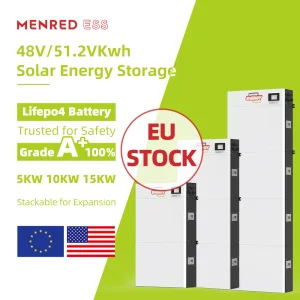
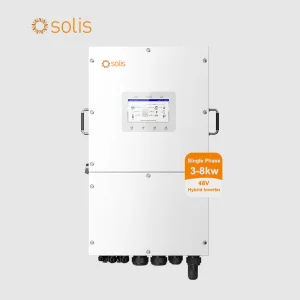
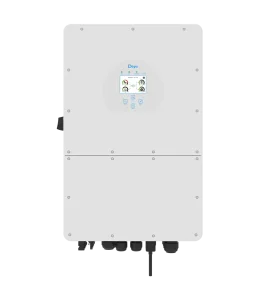
| Residential Backup | 5kW - 20kW Stacked BESS | Solis/Deye Hybrid Inverter + LiFePO4 Battery Modules | IEC 62619, CE, UN38.3, UL1973 |
| Commercial Peak Shaving | 100kW - 500kW Hybrid | Three Phase Hybrid Inverter + Rack Cabinet Battery Banks | IEC 62109, G99, EN 50549 |
| Utility BESS | 1MWH - 5MWH Containerized | CATL EnerX Containerized BESS + Liquid-Cooled Chiller Systems | UL9540A, NFPA 855, IEEE 1547 |
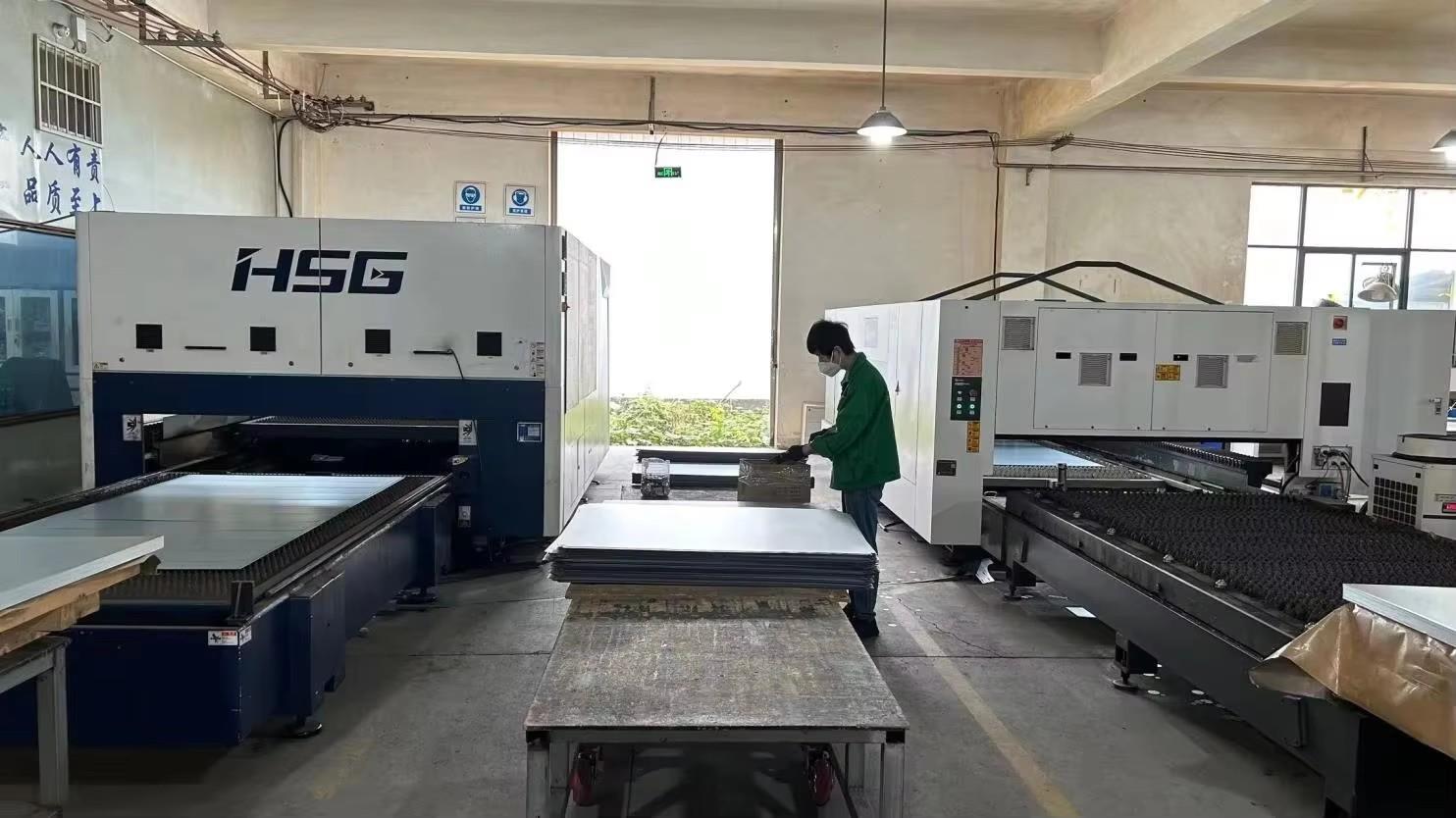
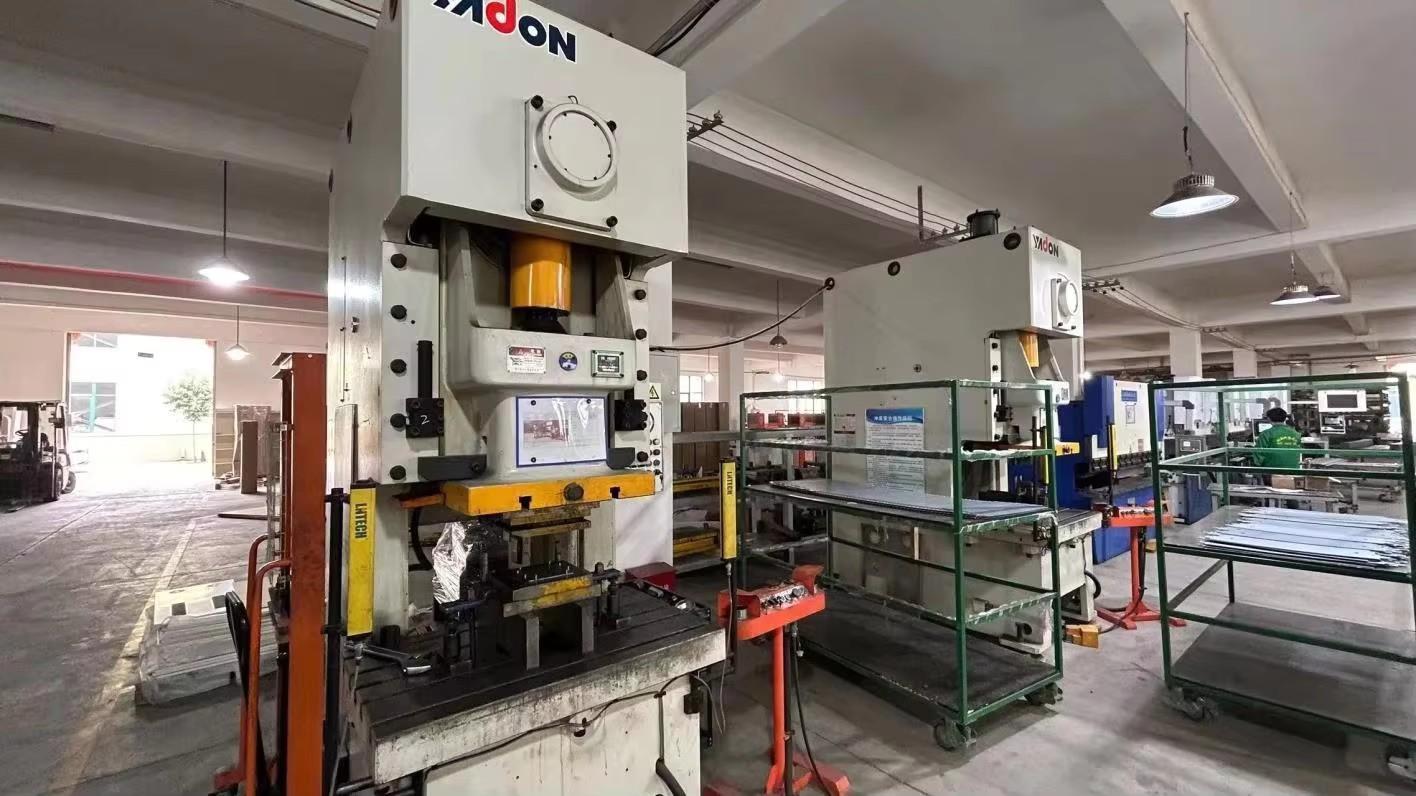
Inside the Luzz Solar Factory: High-Precision Assembly and Quality Testing Protocols
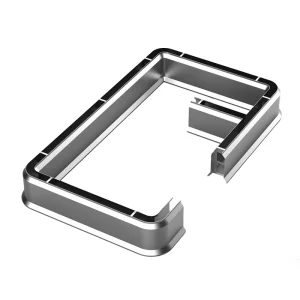
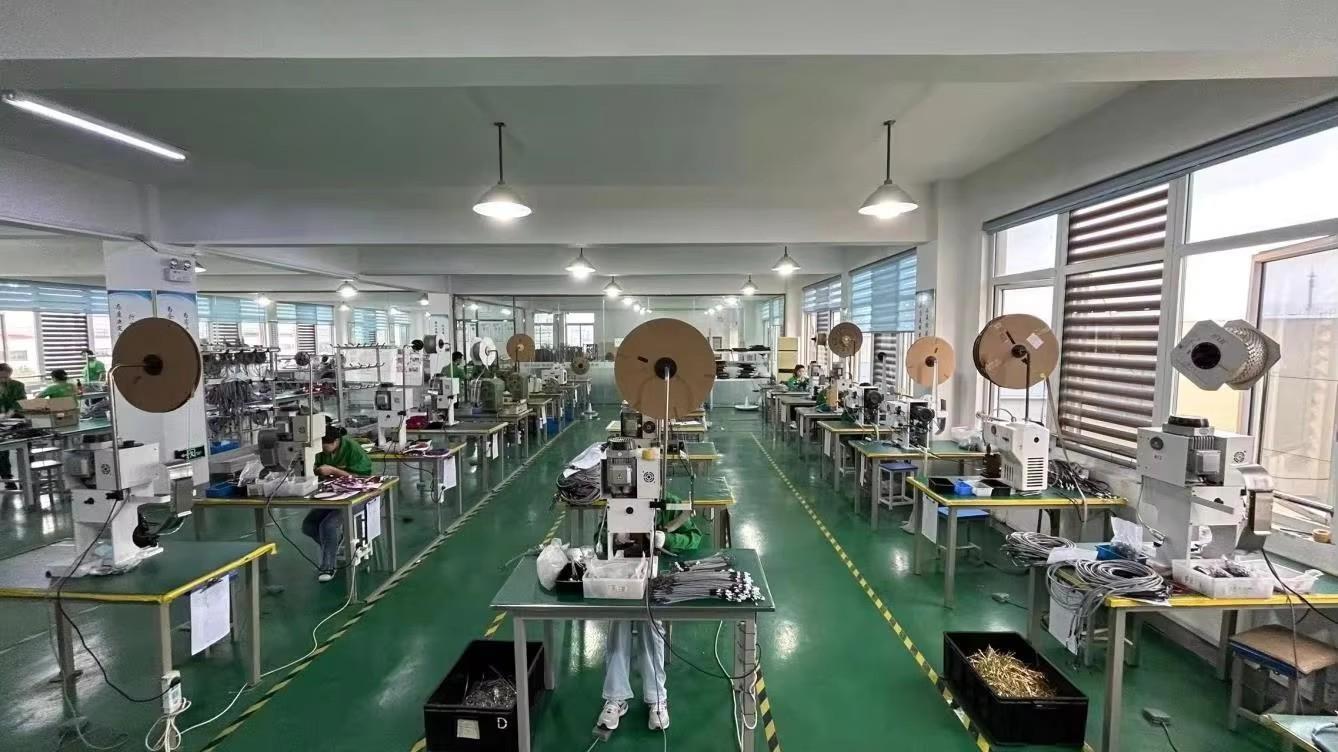
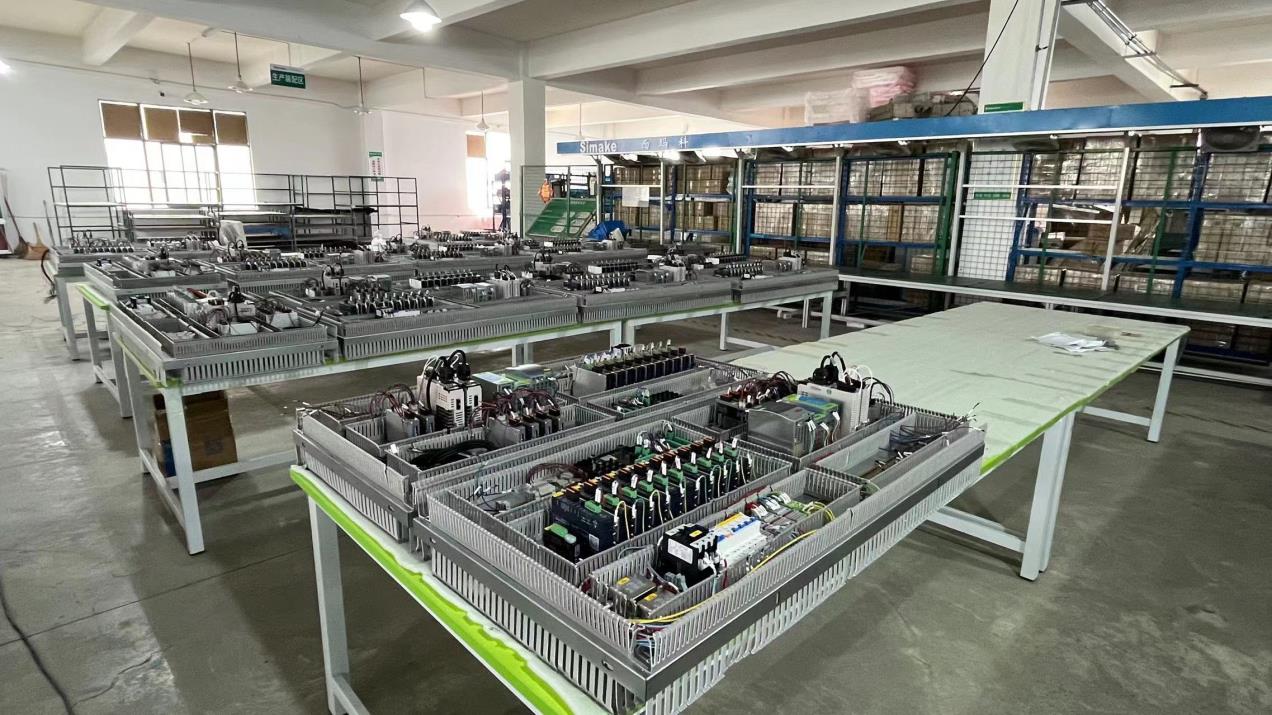
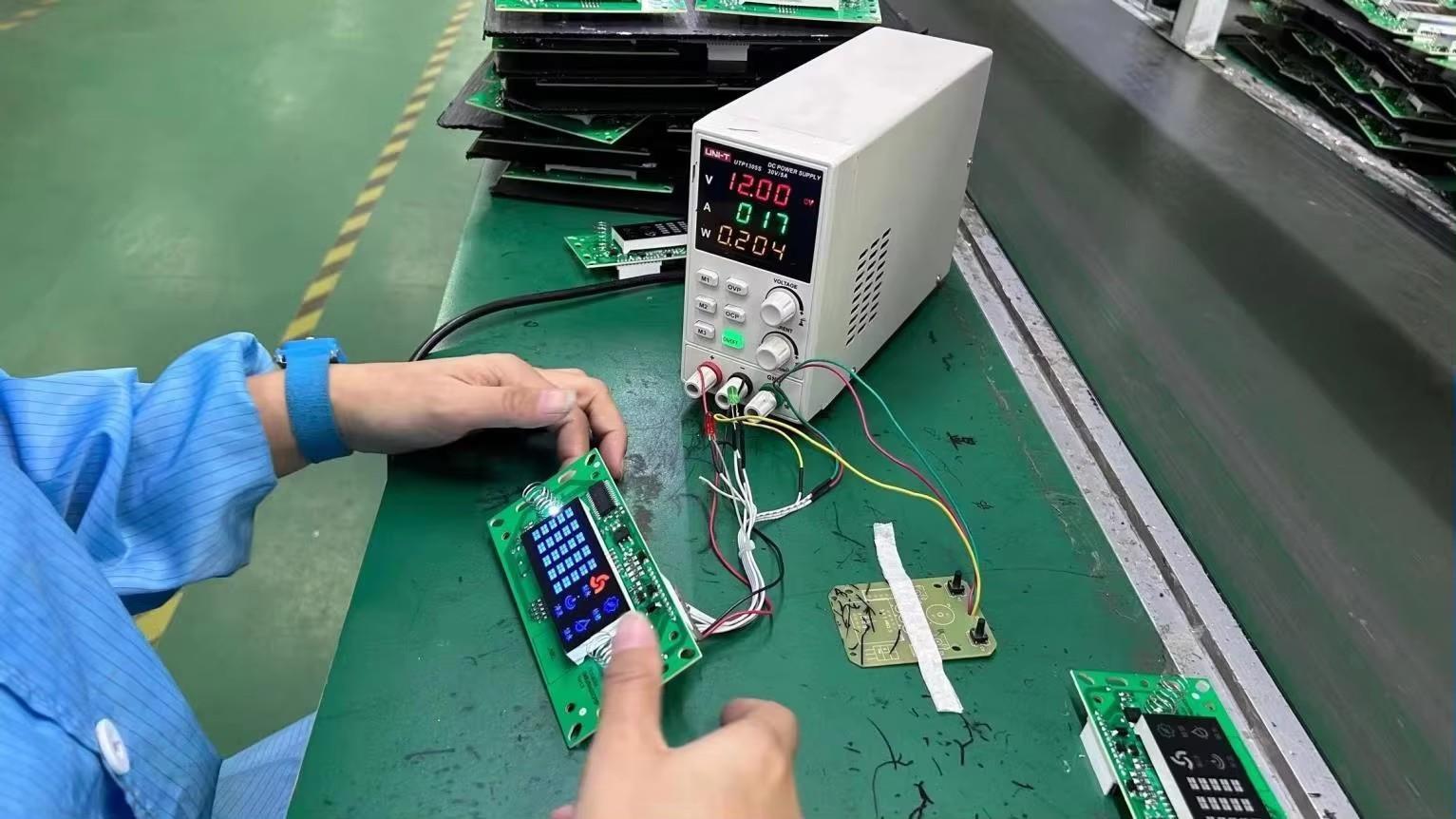
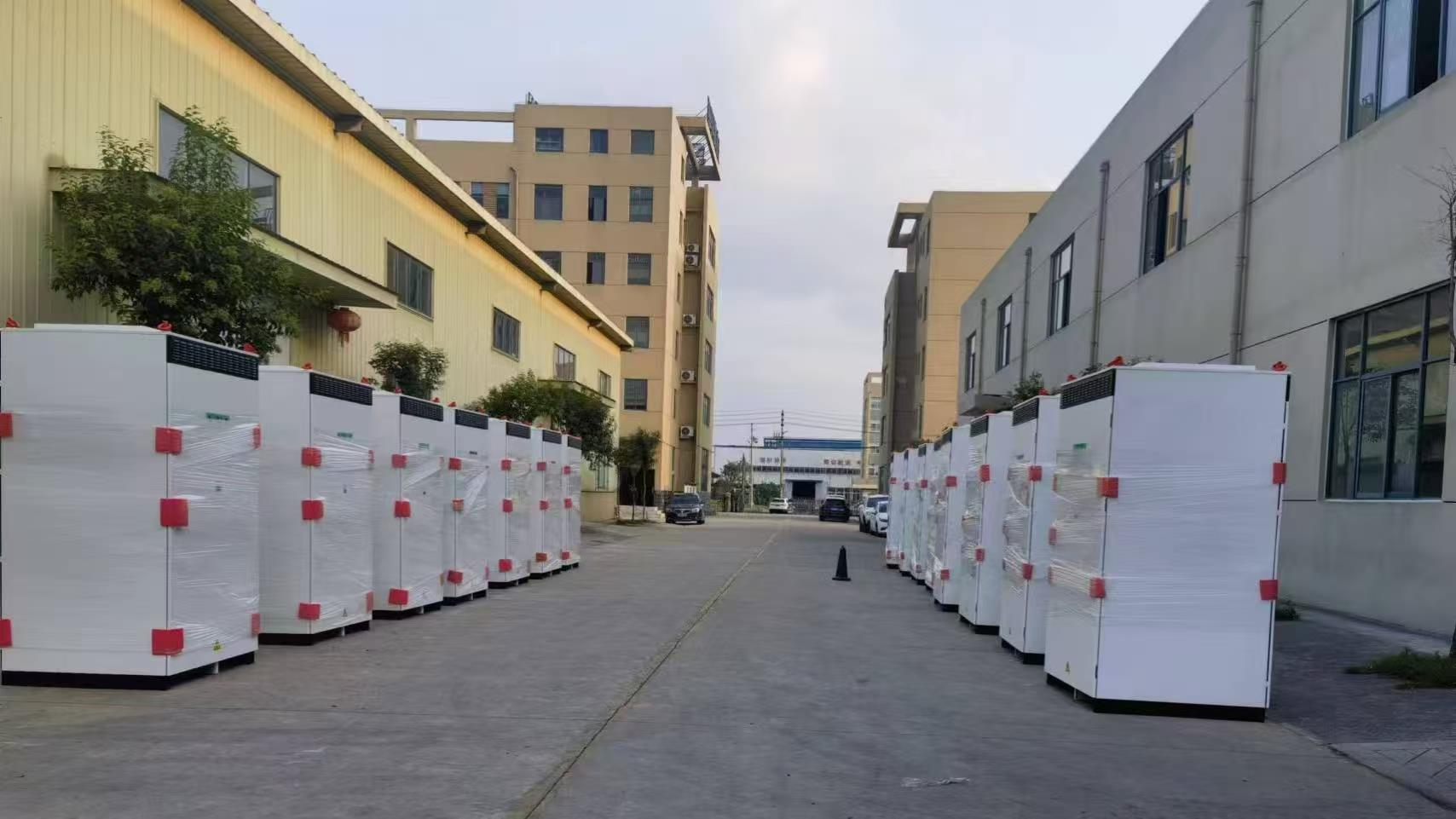
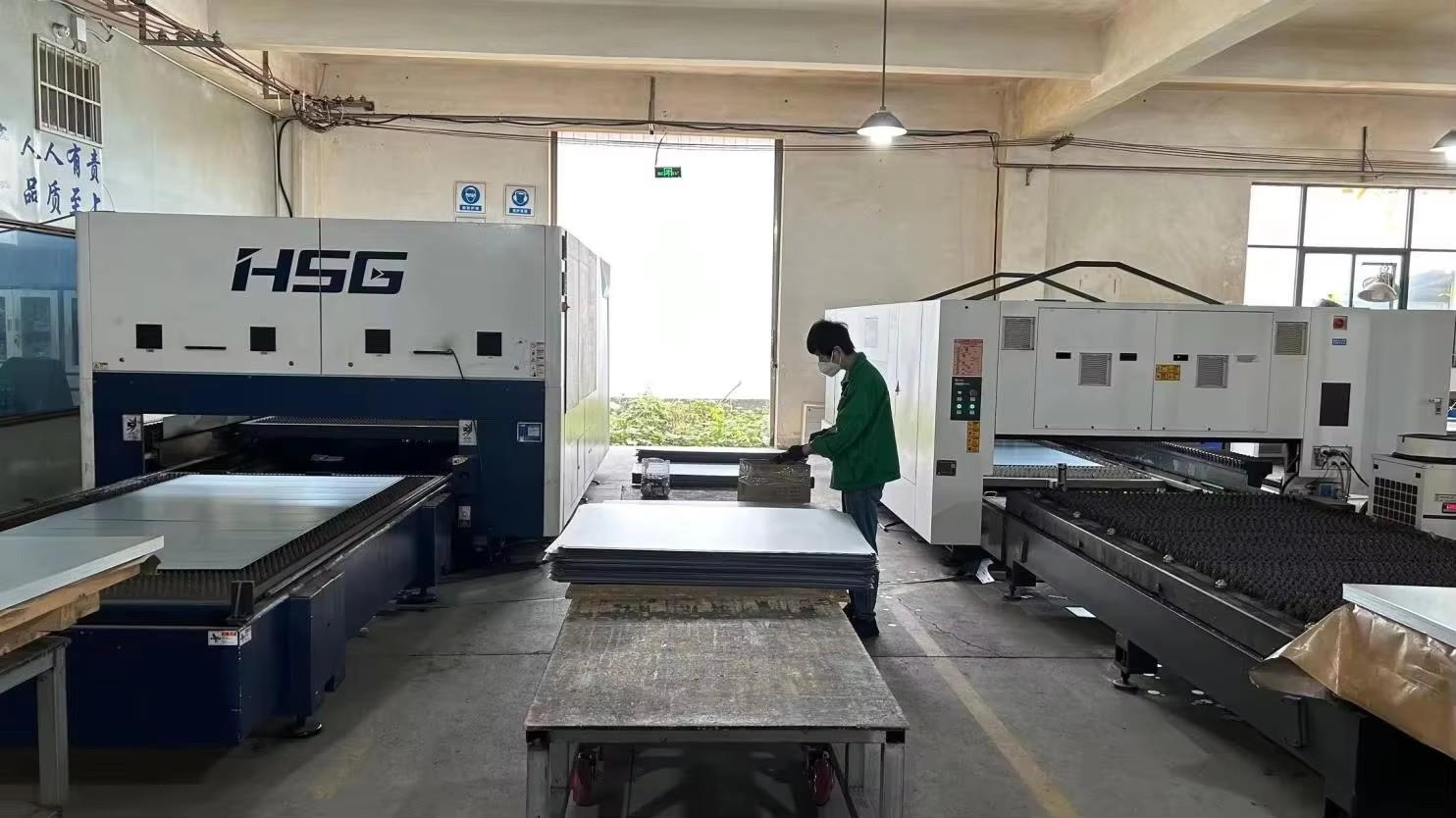
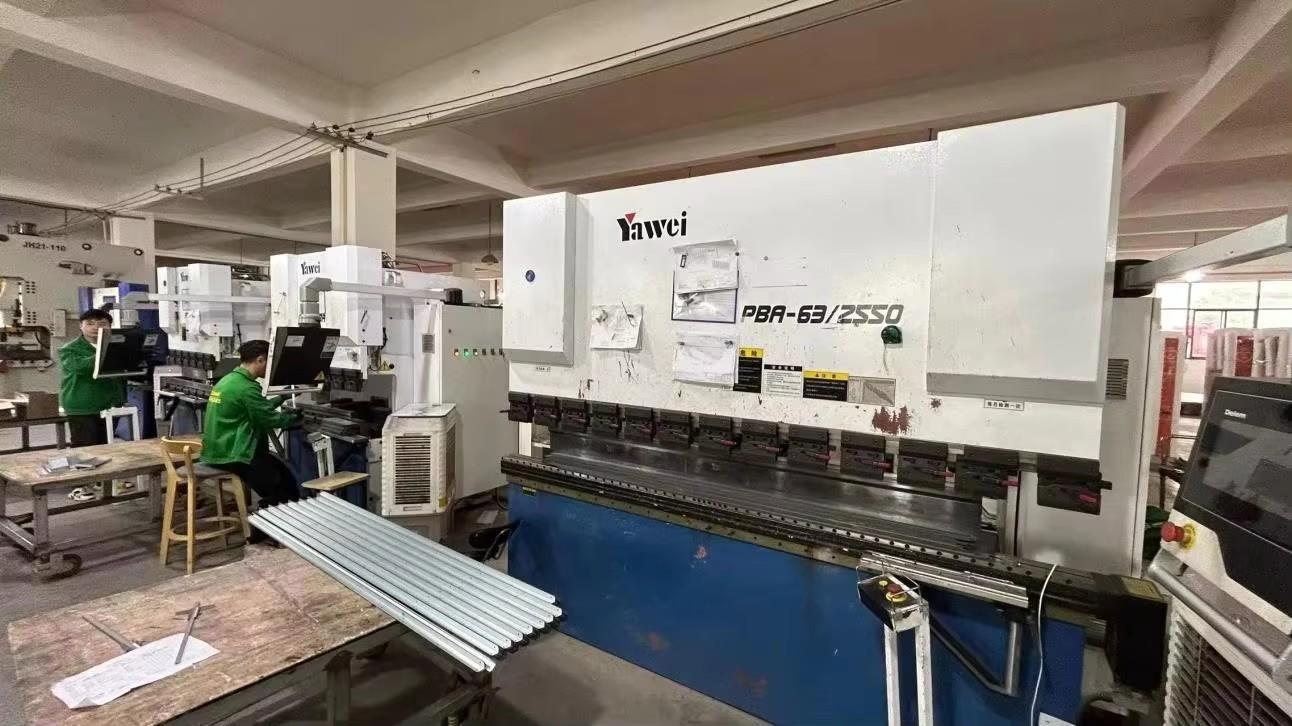
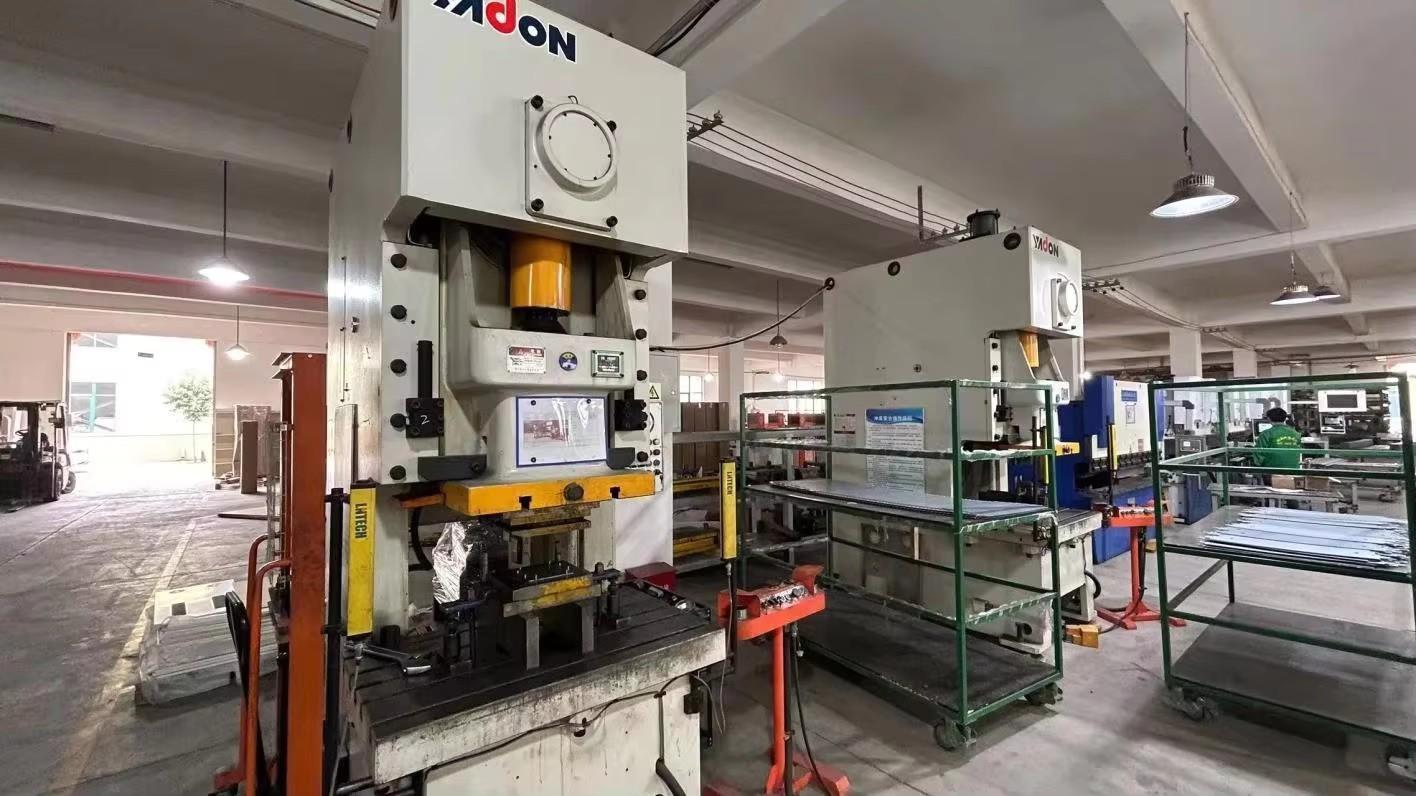
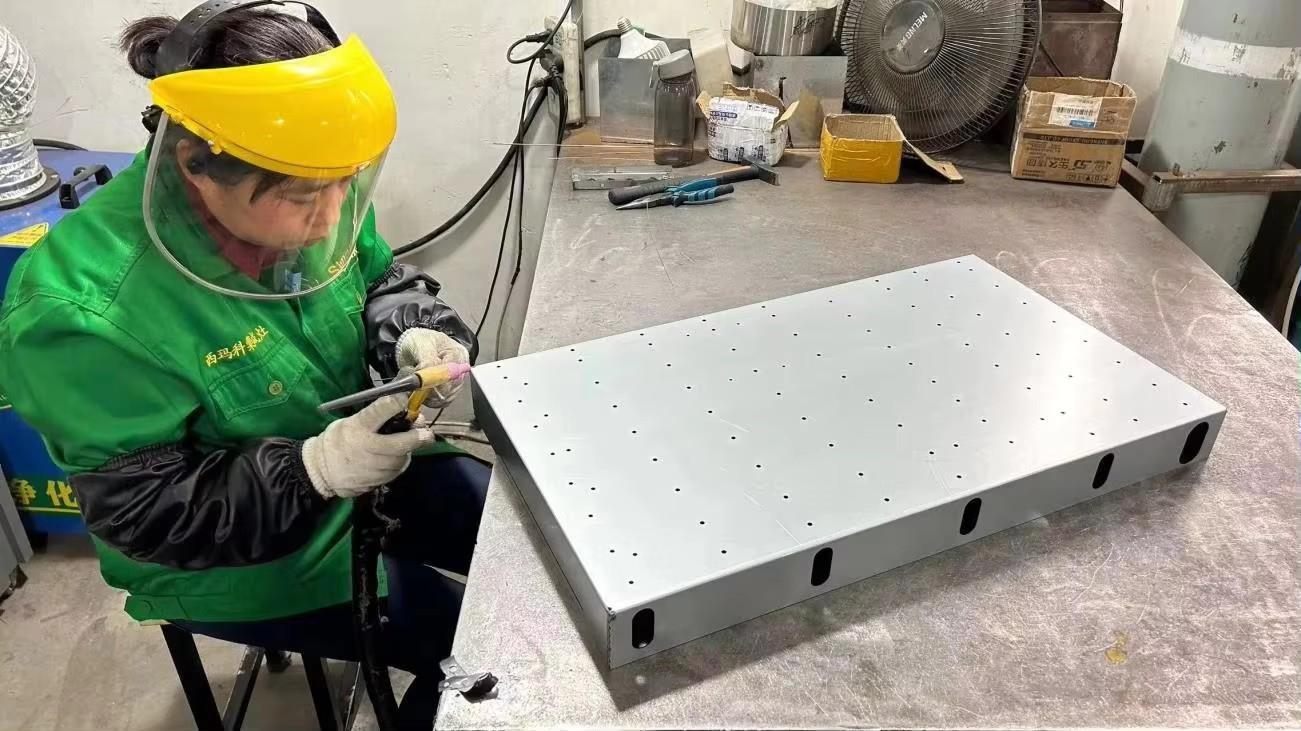
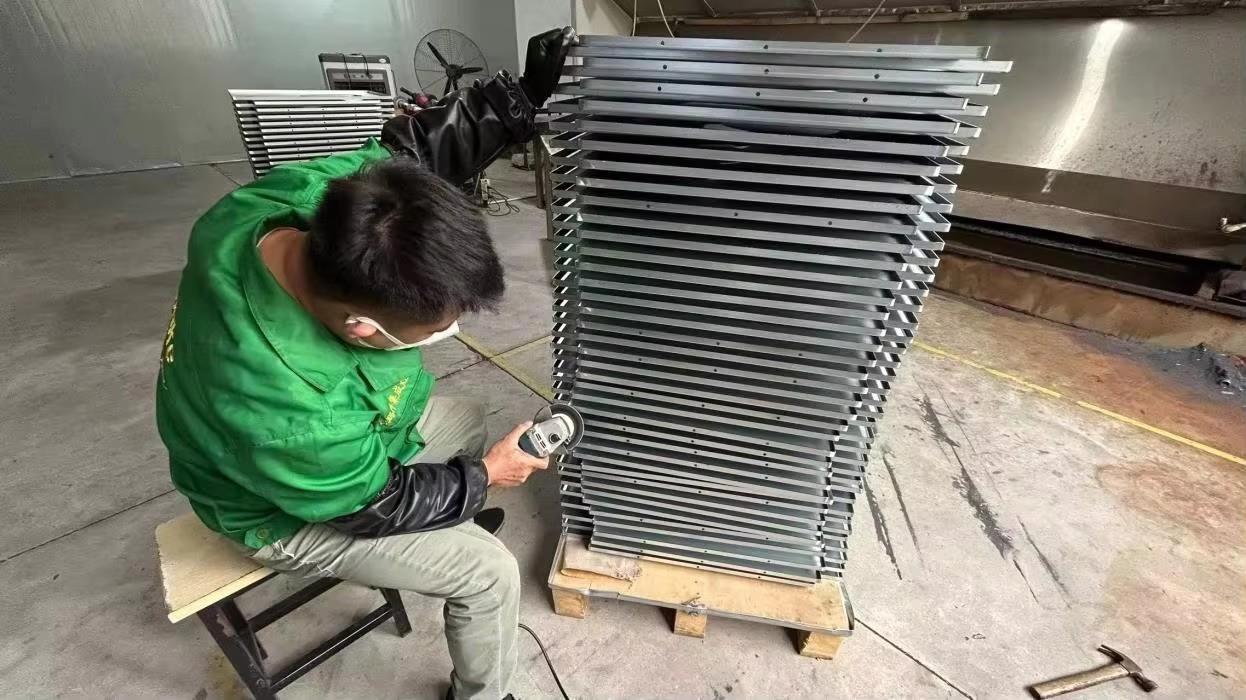
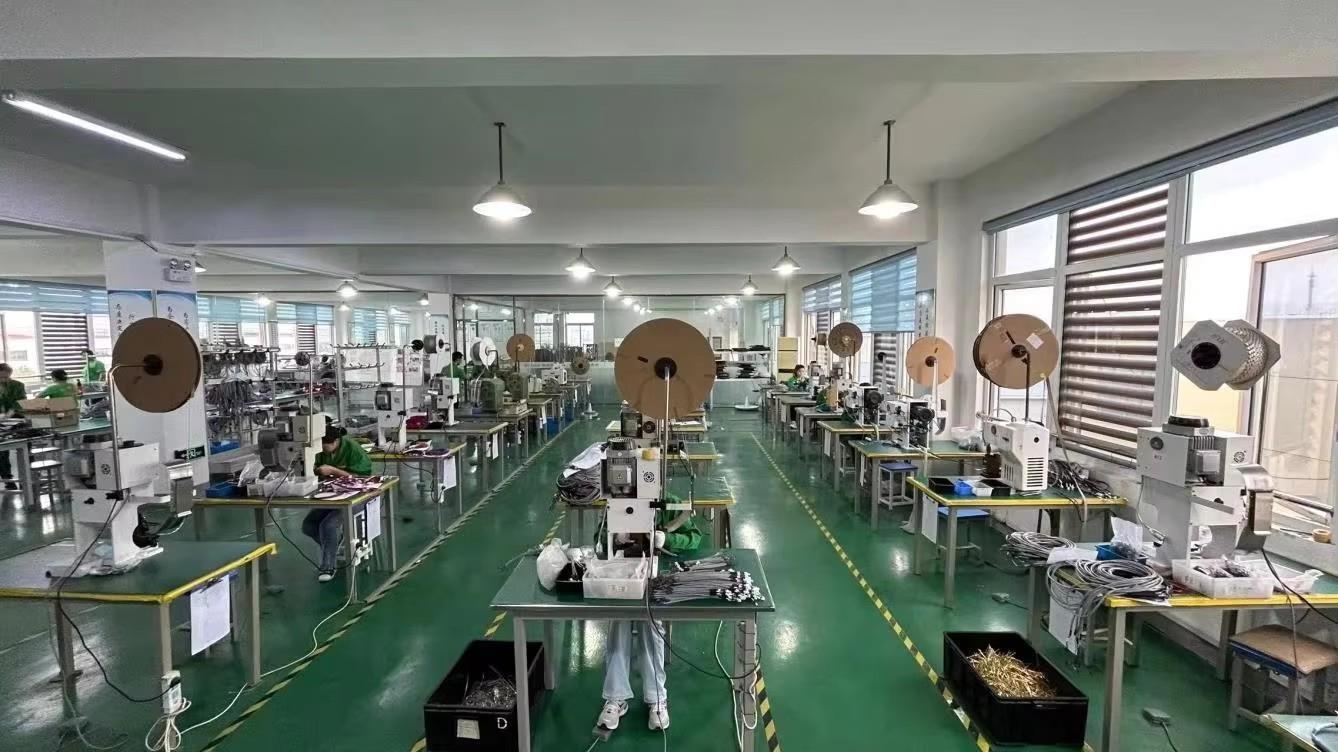
Luzz Solar’s manufacturing facility leverages automated production lines, high-frequency laser welding, and comprehensive testing rigs. By keeping core processing steps in-house—including sheet metal fabrication, wiring harness assembly, terminal block design, and automated testing—we control tolerances at every level, guaranteeing performance in long-duration applications. Below is an overview of the key manufacturing and finishing processes that define Luzz Solar's production floor:
The Evolution of Clean Energy Solutions: High-Density Cells, Intelligent Inverters, and Smart Grid Support
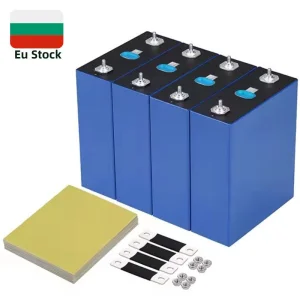
Developing lithium iron phosphate (LiFePO4) chemistries, such as the EVE LF314Ah V3 prismatic cells, to achieve over 8,000 to 10,000 cycles at 80% Depth of Discharge (DoD), supporting long-duration utility BESS installations.
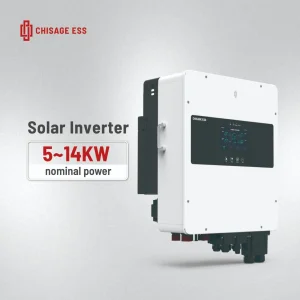
Designing multi-phase hybrid inverters that integrate MPPT, DC-to-DC converters, and bi-directional battery charging. This reduces component count and simplifies installation for residential and commercial systems.
Deploying AI-driven cloud monitoring and energy management systems (EMS) that analyze historical generation and local weather. Grid-forming inverters will actively stabilize grid frequency, enabling high-penetration VRE microgrids.
As virtual power plants (VPPs) emerge globally, residential and industrial storage systems are transitionary from simple standby units to active grid assets. When aggregate energy storage systems are networked together, they can inject power back into the utility grid during sudden peak demands, generating additional revenue streams for the owner.
Luzz Solar is building communication-compliant control boards into its entire inverter range, enabling seamless integration via protocols like Modbus TCP, RTU, and SunSpec. This ensures compatibility with utility-level SCADA platforms, future-proofing your installation for upcoming energy markets.
Facilitating Safe Grid Connections with Full Certifications and Structural Documentation
All inverters, charging controllers, and battery packs comply with key international standards including CE, FCC, VDE 4105 (Germany), G99 (UK), and UL certifications, helping streamline project authorization and local grid connection.
For installations in regions with high seismic activity or strong winds, Luzz Solar provides detailed structural analysis, static calculations, and certified plans for our modular frame systems and mounting brackets.
Our engineers provide complete technical support, including single-line electrical drawings, commissioning assistance, and maintenance training, ensuring system longevity and safety.
In-Depth Answers Regarding Battery Degradation, Thermal Stability, Inverter Sizing, and Custom Integrations
Lithium Iron Phosphate (LiFePO4) chemistry is highly stable, but exposure to temperatures above 45°C accelerates solid-electrolyte interphase (SEI) growth, causing capacity fade. To mitigate this, Luzz Solar uses integrated liquid cooling systems inside our BESS containers (like the EnerX 5MWH BESS). Liquid cooling maintains cell temperatures within 30-35°C, extending cell life compared to traditional air-cooled setups.
Single-phase low-voltage inverters (like the Solis S6-Eh1p 3-8kW) are typically designed for residential applications, matching standard domestic utility grids. Three-phase hybrid inverters (like the Deye 5kW-12kW series) distribute current across three distinct phases, making them suitable for commercial and industrial loads. They minimize current imbalance, reduce copper losses in wiring, and support high-capacity motor startup currents.
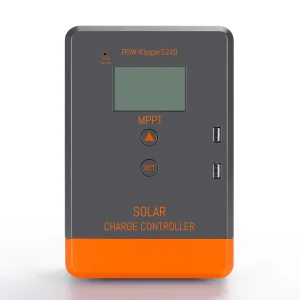
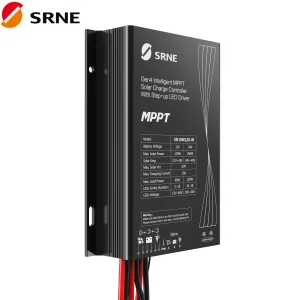
Our MPPT (Maximum Power Point Tracking) algorithms, used across our controller range (including PowMr and SRNE brands), achieve tracking efficiencies above 99.5%. In environments with fast-moving cloud cover or partial shading, our algorithms locate the true MPP in milliseconds, preventing power output drops and maximizing solar yield compared to standard PWM controllers.
All structural modular steel frames are hot-dip galvanized and finished with rust-resistant coatings to prevent corrosion in marine, high-humidity, or industrial atmospheres. Structural components undergo finite element analysis (FEA) to verify they can withstand high wind loads and regional seismic specifications.
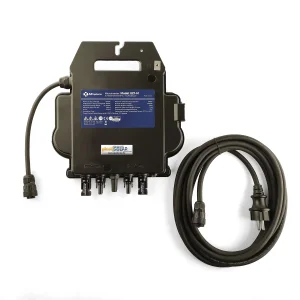
Microinverters perform MPPT optimization at the individual panel level, preventing a shaded or dirty panel from reducing the output of the entire string. They operate on low-voltage DC currents, reducing electrical arc risks, and simplify system expansion since panels can be added incrementally without matching string voltage configurations.
Our premium systems (utilizing EVE LF280K or similar high-grade cells) are rated for 8,000 cycles at 80% Depth of Discharge (DoD) under standard testing conditions (25°C, 0.5C charge/discharge). Under normal operations, this translates to an service life of 15 to 20 years before the battery reaches its end-of-life capacity threshold (80% of original capacity).
Precision-Engineered Solutions for Commercial, Residential, and Balcony Installations
 Luzz Solar