Engineered for extreme reliability, seamless system integration, and maximum efficiency. Explore our Tier-1 primary components.
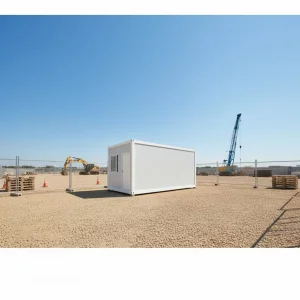
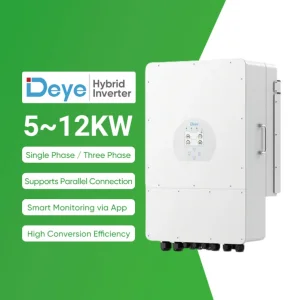
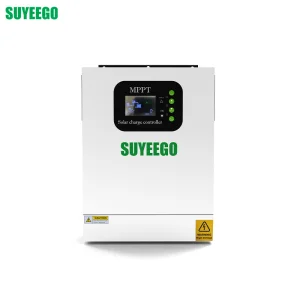
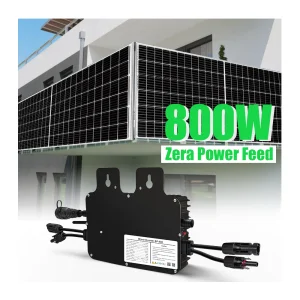
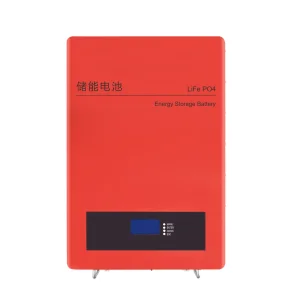
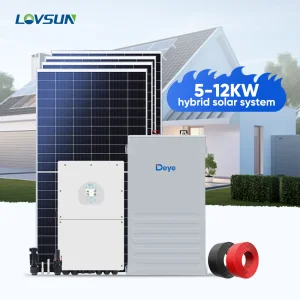
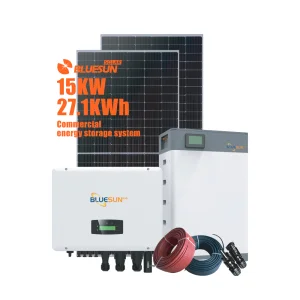
As the global energy transition accelerates, decentralized power generation has evolved from a niche, remote-access utility into a cornerstone of industrial resilience and carbon neutrality. Traditional power grids, plagued by escalating costs, vulnerability to extreme meteorological events, and transmission constraints, are increasingly complemented or entirely replaced by robust Off-Grid Solar Solutions. Modern utility-grade systems combine high-efficiency photovoltaic (PV) modules, advanced maximum power point tracking (MPPT) regulators, and intelligent battery energy storage systems (BESS) governed by smart energy management software (EMS).
Developing an off-grid system that boasts a 25-year operational lifecycle requires more than assembling off-the-shelf components. It demands deep integration, stringent compliance, and a resilient supply chain. This white paper serves as a comprehensive procurement framework, analyzing the industry's top manufacturers, critical technology roadmaps, production-level quality standards, and the operational capabilities of Tier-1 production facilities.
Deploying engineered PV infrastructure across demanding environments globally requires tailored topologies.
Industrial telecom base transceiver stations (BTS) demand uninterrupted power supply (99.999% uptime). Integrated hybrid systems utilize high-efficiency PV arrays coupled with dual-active MPPT controllers and modular LiFePO4 rack systems, operating reliably in extreme temperatures ranging from -20°C to 60°C.
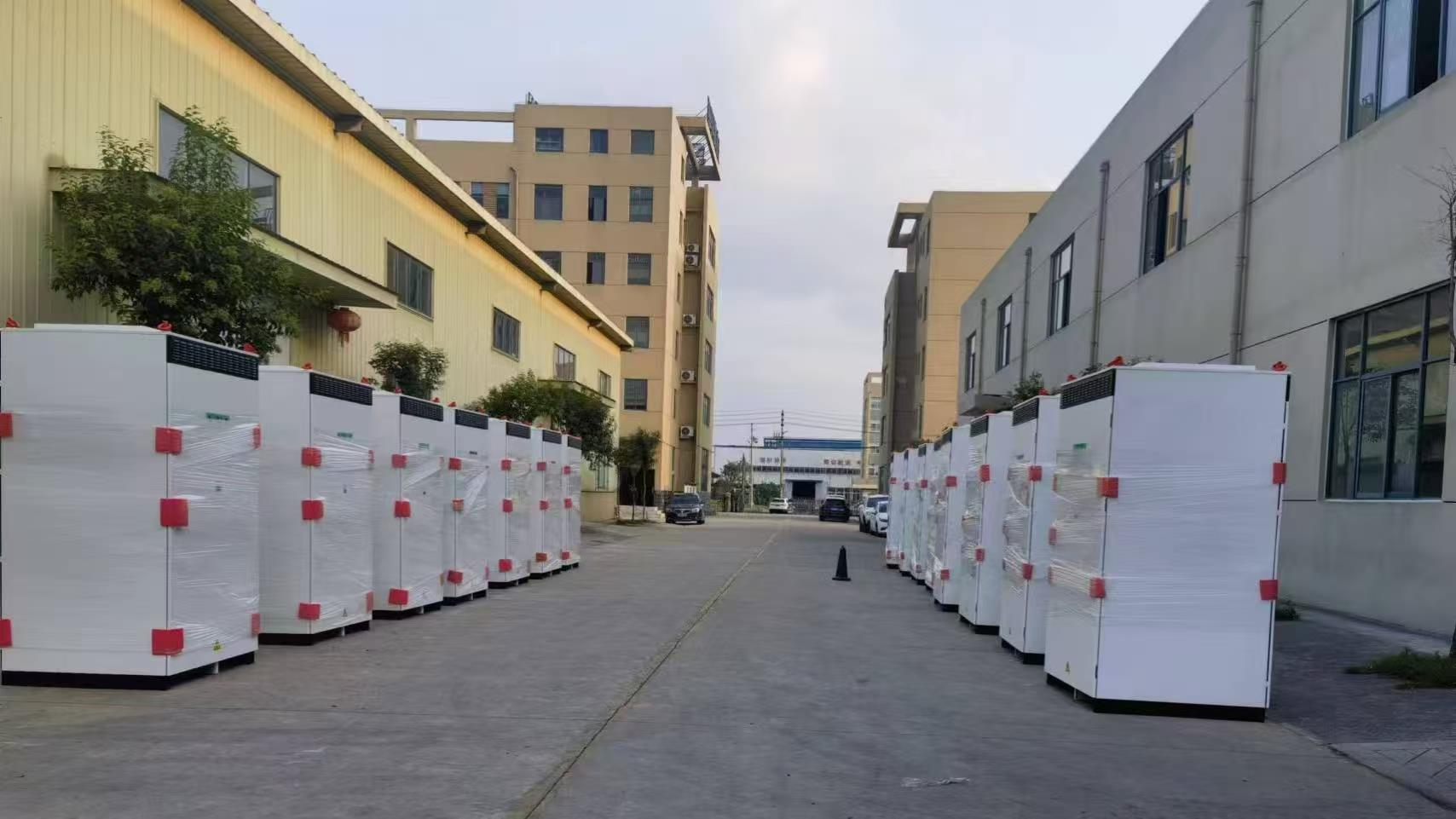
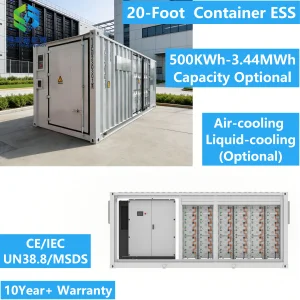
Agricultural pumping systems and remote mining settlements utilize centralized PV containers. Our 1MWh to 5MWh BESS options incorporate active liquid cooling and integrated containerized HVAC control units to mitigate thermal runaway risks, lowering the Levelized Cost of Energy (LCOE) dramatically.
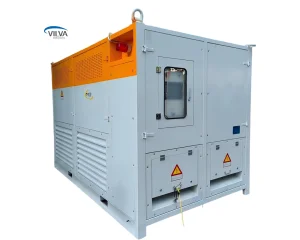
Utilizing collapsible pre-wired container frames, disaster recovery teams can deploy dynamic 100kW energy grids within hours. Integrated power units match load bank testing requirements to maintain grid balance, serving critical medical and command posts without reliance on traditional diesel supply chains.
A global leader in photovoltaic innovation, sustainable engineering, and integrated energy storage manufacturing.
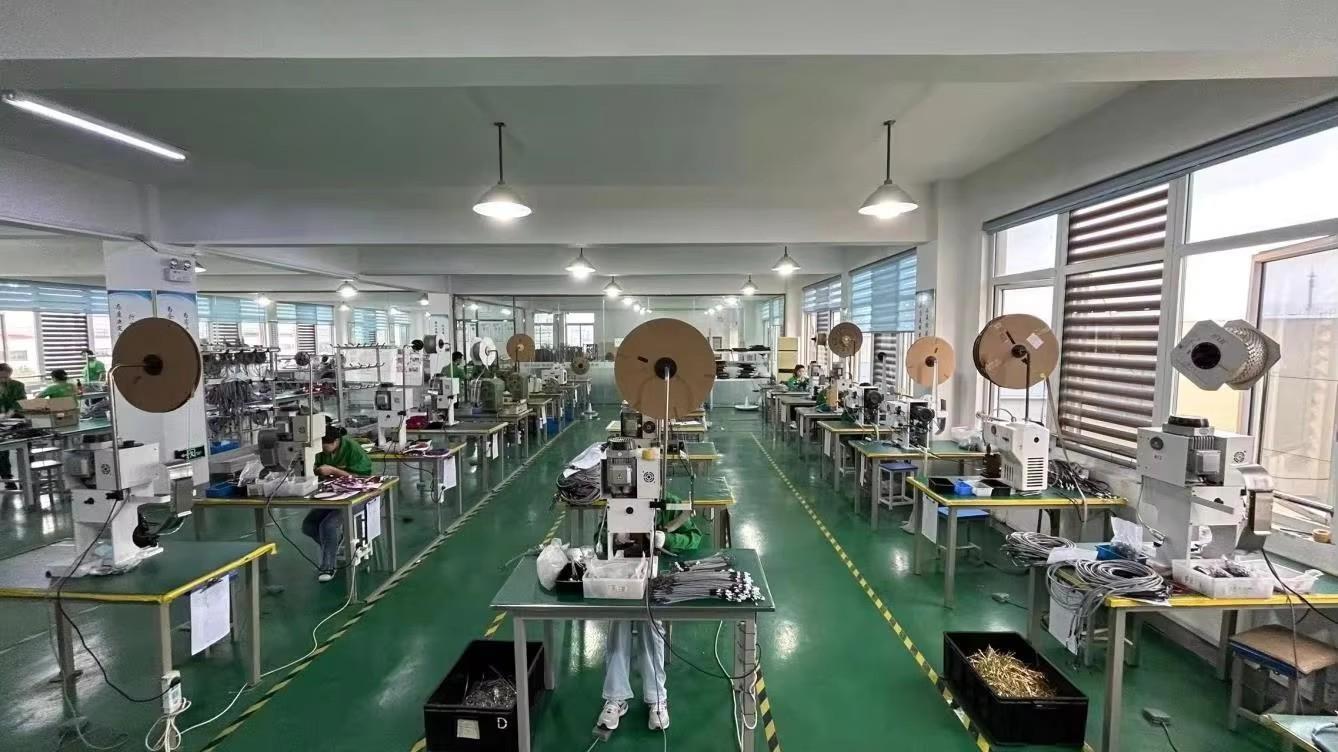
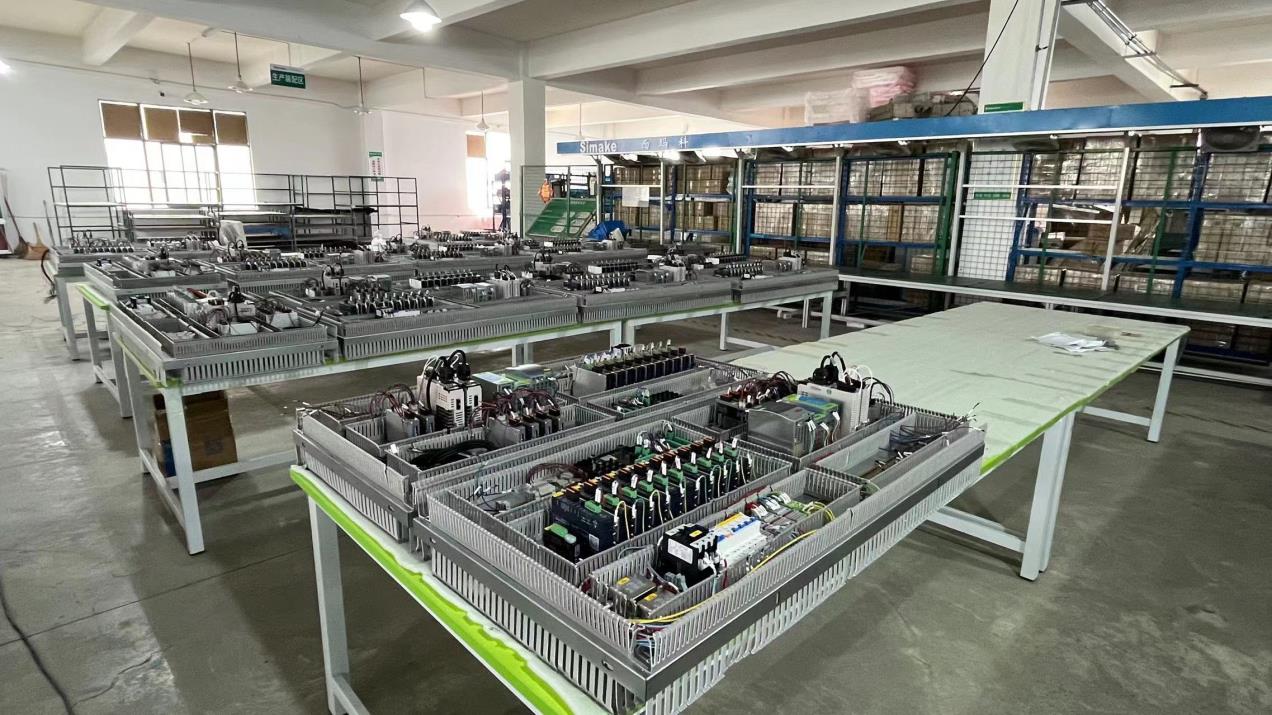
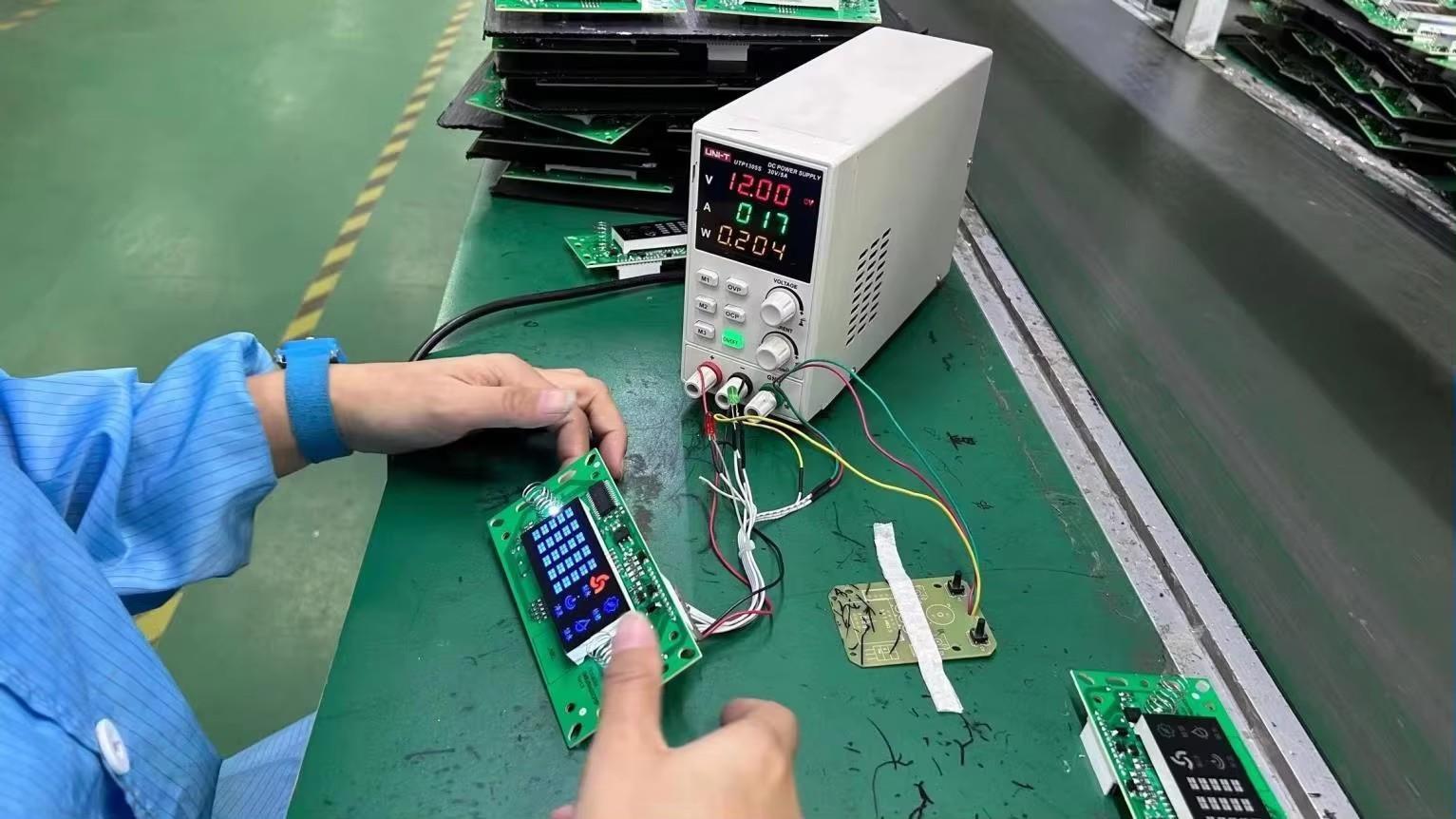
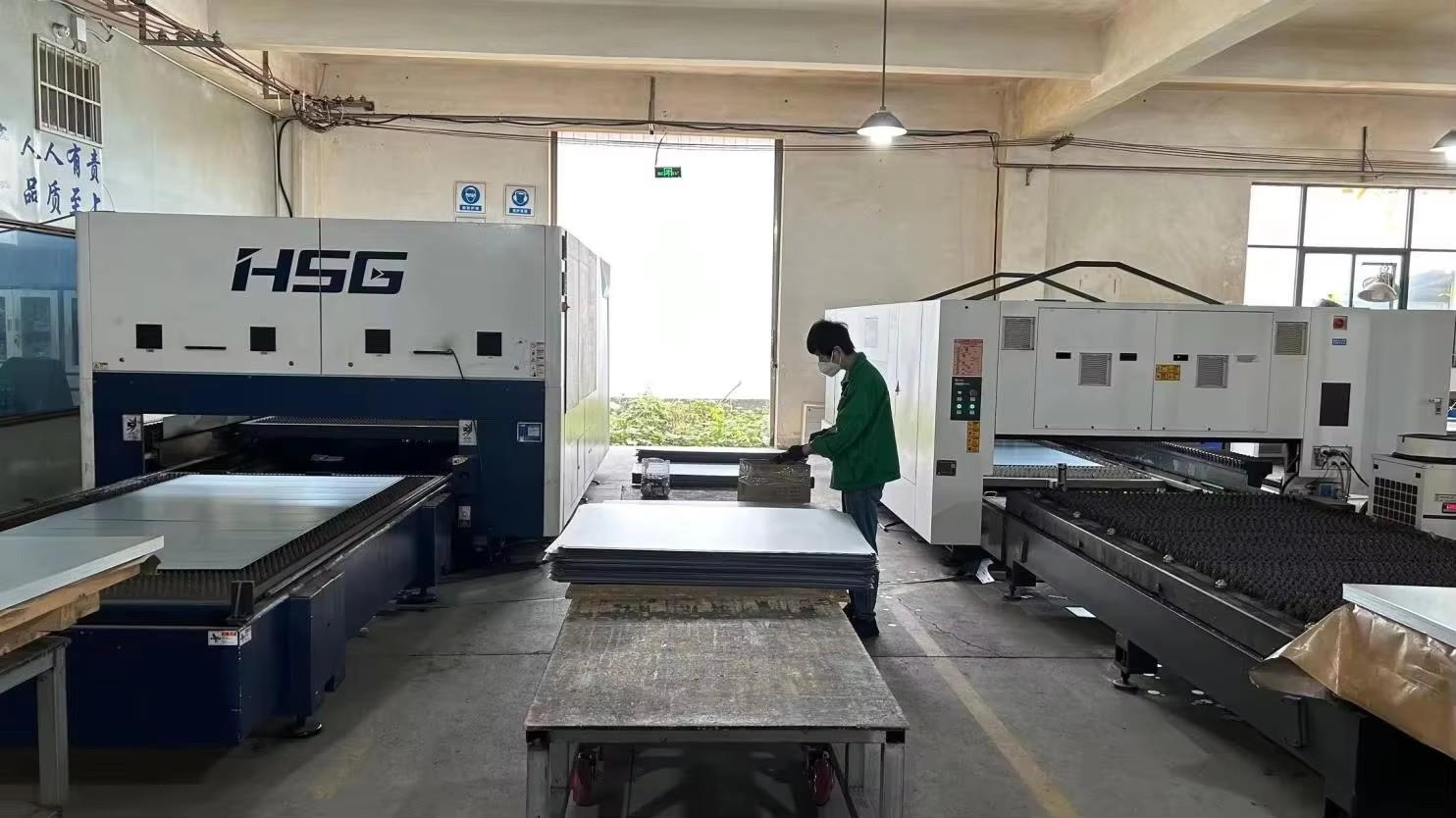
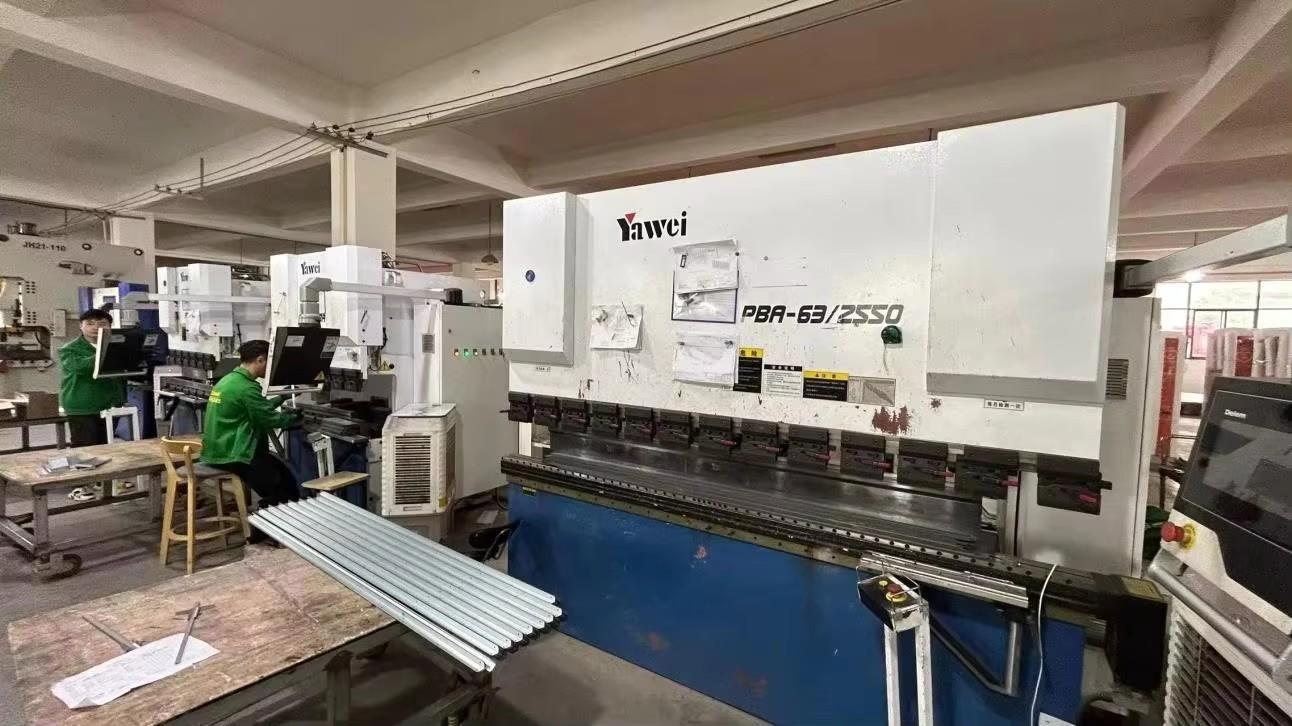
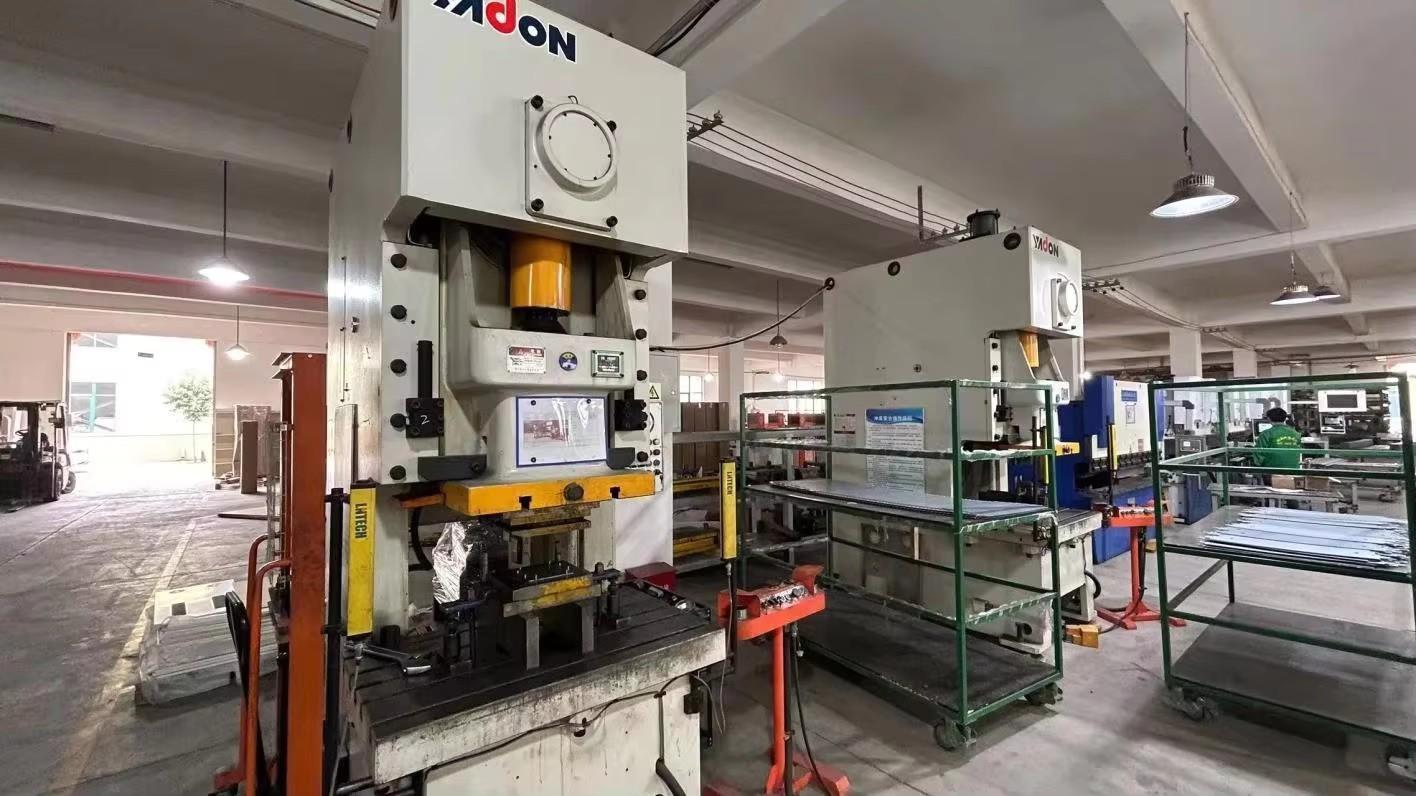
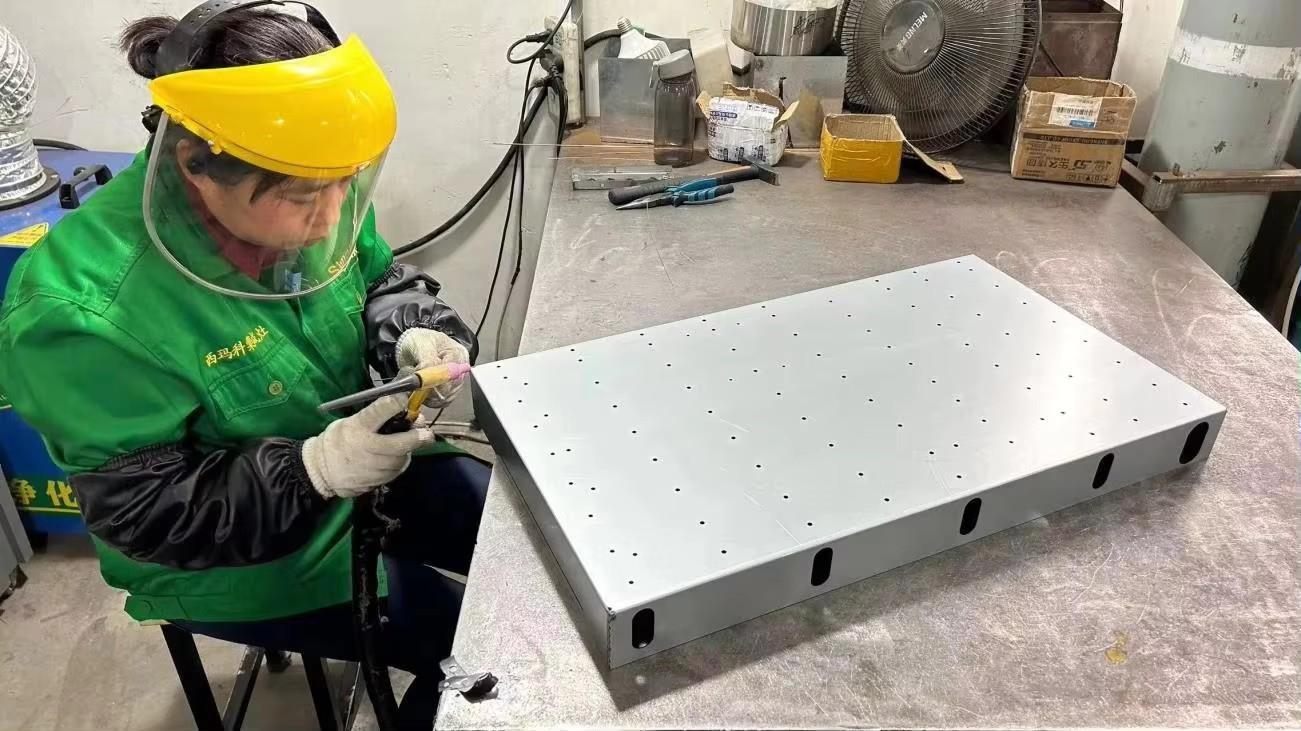
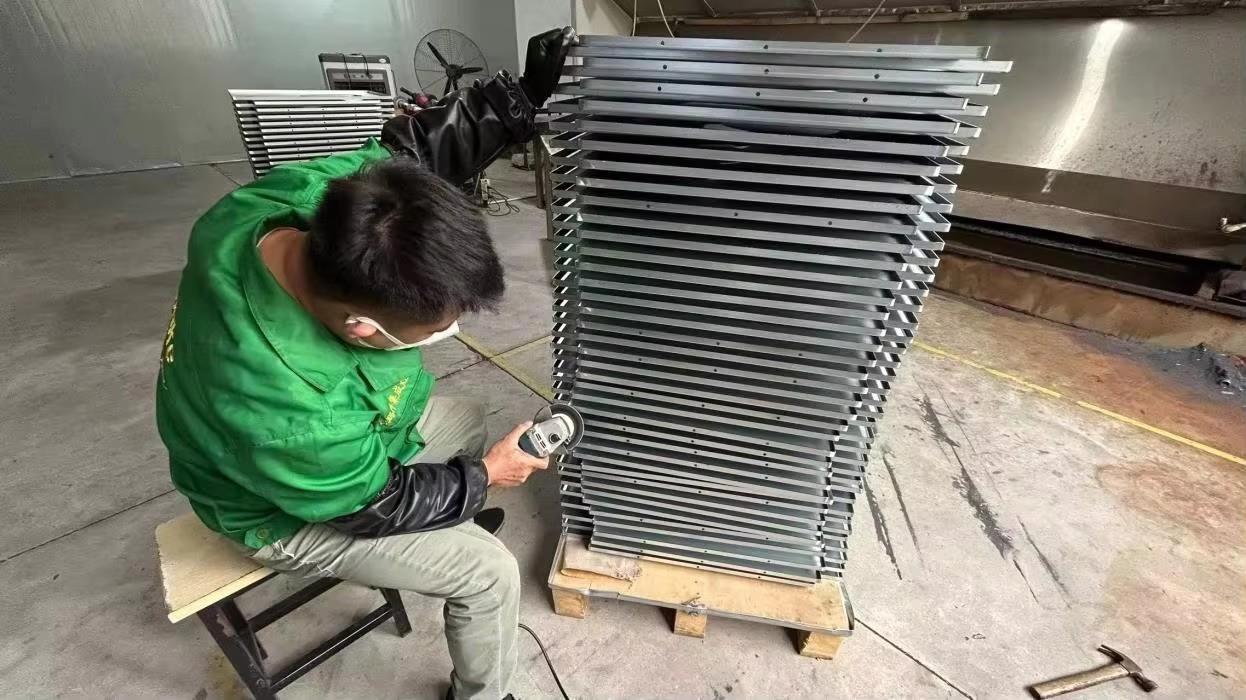
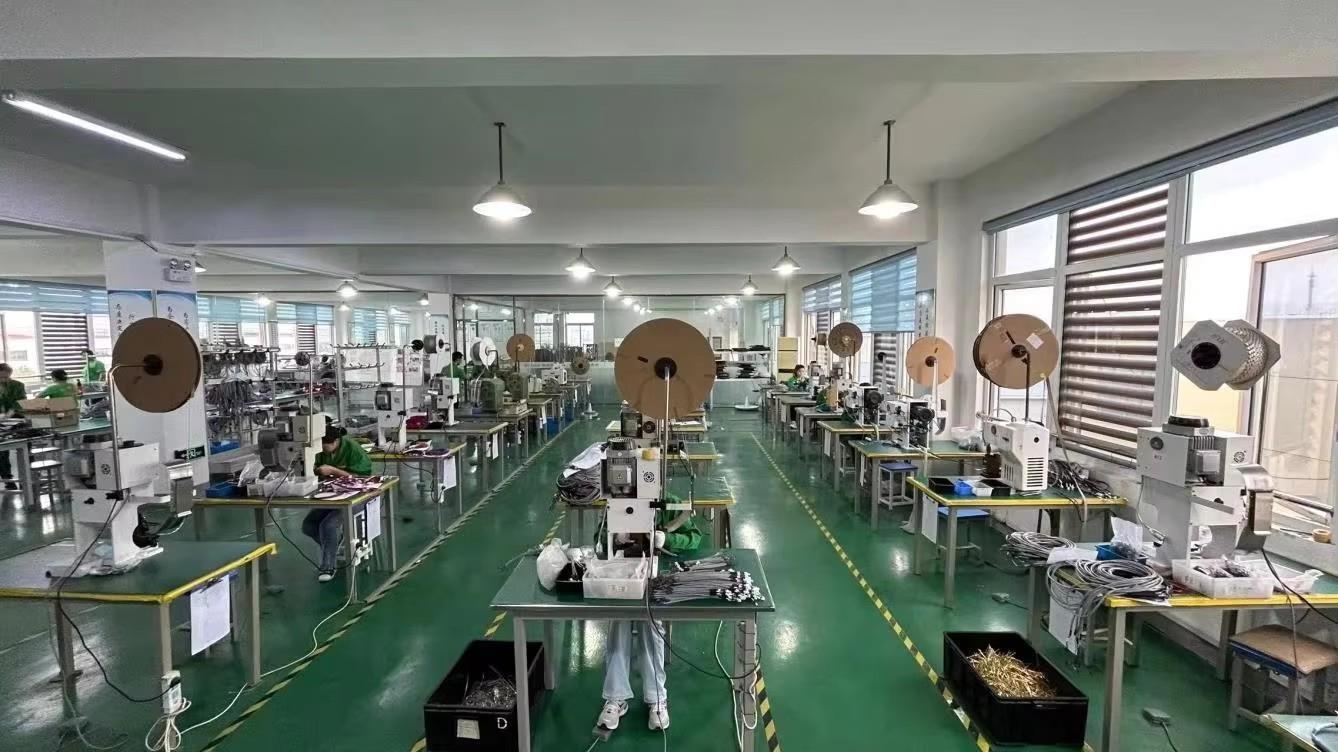
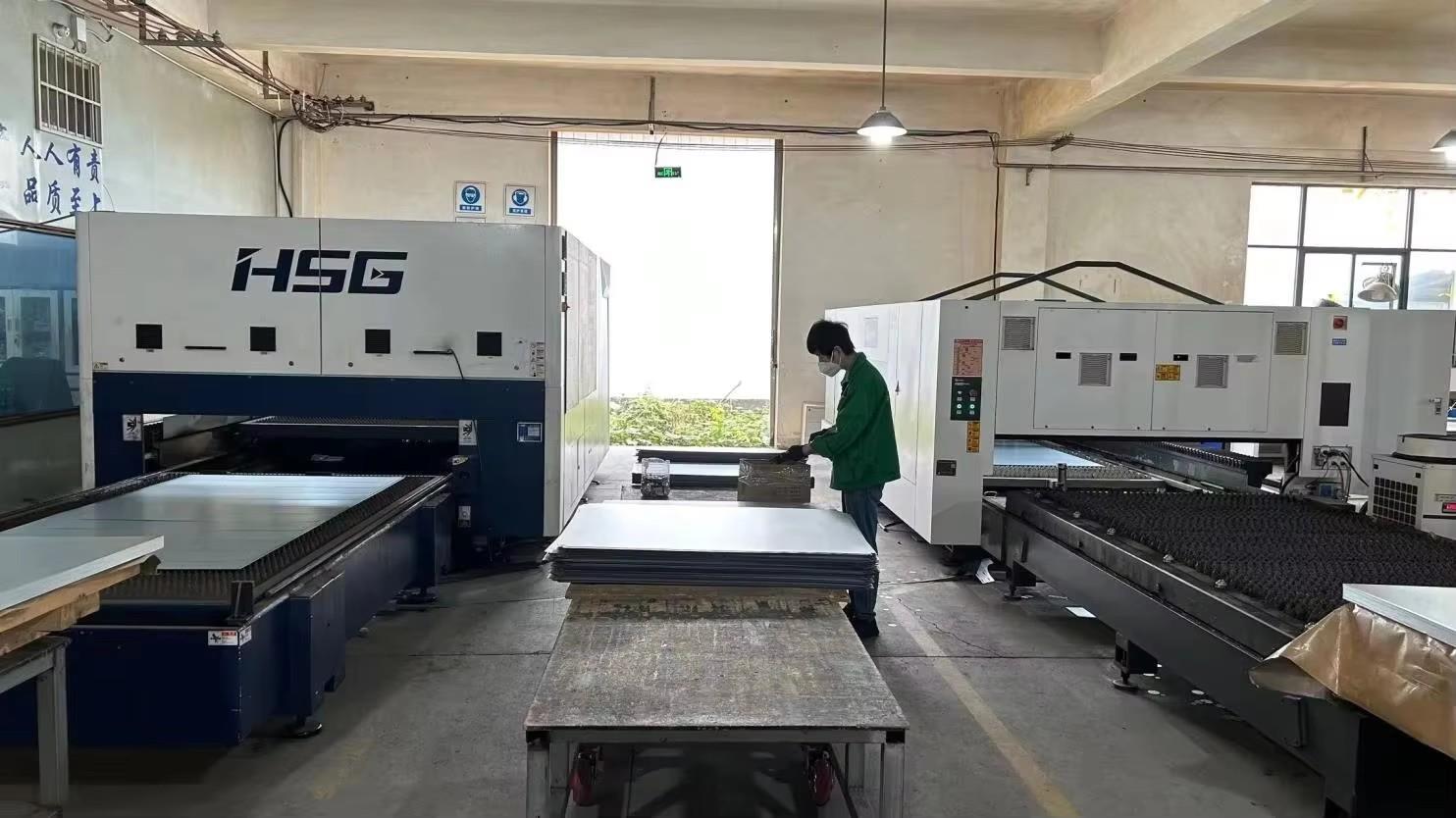
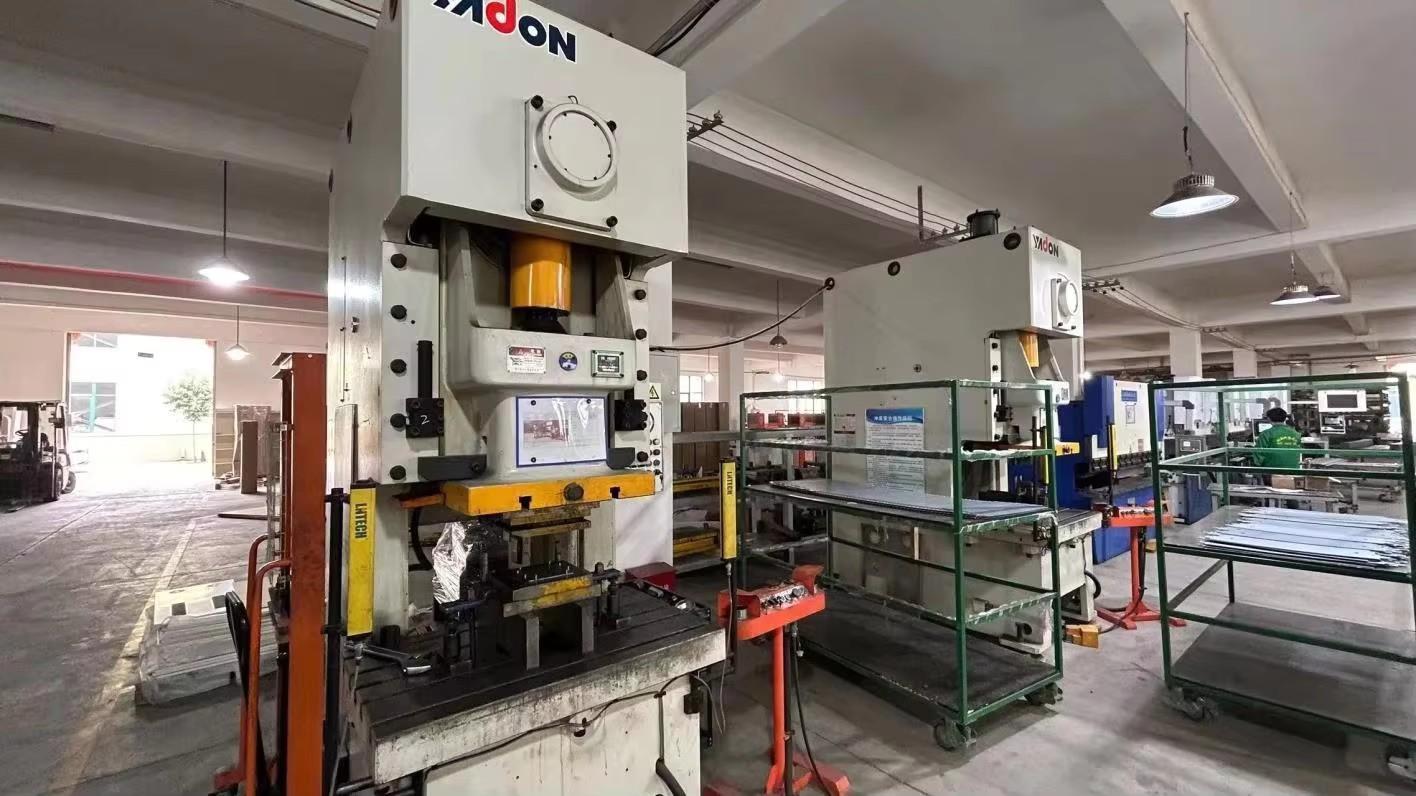
Inside Qingdao Luzz Solar's advanced manufacturing facility: transparency, precision engineering, and rigorous automated quality control pipelines.
The benchmark of an elite OEM/ODM solar manufacturer is defined by the automation and repeatability of its manufacturing processes. By implementing Industry 4.0 methodologies, Luzz Solar integrates real-time manufacturing execution systems (MES) with heavy automated machinery to minimize tolerance variances, optimize electrical path integrity, and secure structural durability.
How the convergence of semiconductor technology and electrochemical storage shapes off-grid reliability.
While lithium iron phosphate (LiFePO4) remains the gold standard for cycle life (up to 6000 cycles at 80% DoD) and thermal stability, the roadmap transitions toward semi-solid and solid-state batteries. These offer higher volumetric energy densities, zero risk of liquid electrolyte leakage, and reliable charge extraction in sub-zero alpine locations.
Modern high-capacity hybrid inverters are moving away from traditional silicon IGBTs towards Silicon Carbide (SiC) MOSFETs. This migration yields switching frequencies that are twice as fast, reduces heat dissipation by up to 45%, and pushes conversion efficiencies above 98.5%.
Utilizing local microprocessors loaded with AI algorithms, contemporary MPPT and BMS hardware process weather forecasts, load histories, and state-of-health (SoH) diagnostics locally. This optimizes discharge depths dynamically and significantly extends the operational lifespan of the entire system.
Navigating safety and regulatory standards is a primary friction point for international EPC (Engineering, Procurement, and Construction) companies. Top manufacturers prioritize compliance with the most stringent global standards to ensure seamless customs clearance and hassle-free local connection approvals.
By working with factories that offer certified local support, developers secure post-sale support networks, localized replacement modules, and dedicated technical help desks. This minimises down-time during critical project phases.
Key criteria to evaluate when auditing an off-grid solar equipment supplier.
Procuring equipment at scale requires a deep understanding of total cost of ownership (TCO) and long-term risk management. Enterprises should evaluate suppliers against these operational criteria:
Tier-1 manufacturers verify the origin of their materials. This ensures compliance with international trade regulations and labor laws, especially concerning the sourcing of key battery materials like lithium, cobalt, and nickel.
Factories with in-house cutting, bending, stamping, and welding control the structural precision of battery enclosures and inverter mounts. This guarantees consistent physical tolerances and robust protection against mechanical stresses.
Look for factories employing computerized testers, automated wiring harness analyzers, and load banks. Automated testing ensures every unit performs to specification before leaving the factory floor, minimizing field failures.
Direct, highly-technical answers to assist engineering and procurement teams.
Low-frequency inverters use massive copper transformers, making them heavier but highly reliable for handling large inductive motor starting surges (e.g., pumps, air conditioners, heavy power tools). High-frequency inverters utilize solid-state microprocessors and smaller components. They are lighter and more efficient at lower loads but are more susceptible to surge damage from inductive motors.
LiFePO4 cells are sensitive to temperature extremes. Charging below 0°C can cause lithium plating on the anodes, leading to permanent capacity loss and internal short circuits. Temperatures above 50°C accelerate capacity degradation and can lead to thermal runaway. High-quality systems integrate automated heating elements for cold weather and liquid cooling or active ventilation for hot climates to maintain cells within their optimal 15°C to 35°C operating range.
A Maximum Power Point Tracking (MPPT) controller continuously monitors the voltage and current output of the solar panels. It adjusts its input parameters to find the sweet spot that maximizes energy output, converting excess voltage into charging current. This delivers 20% to 30% higher harvesting efficiency compared to a Pulse Width Modulation (PWM) controller, which forces the solar panels to operate at the battery's voltage.
Modular lithium batteries are classified as Class 9 Dangerous Goods. Shipping them requires UN38.3 certification, which involves rigorous testing for thermal stability, vibration resistance, impact, external short circuits, and overcharging. The containers must also feature integrated fire suppression systems (such as aerosol or Novec 1230 gas systems) to meet safety requirements for marine transport and site installation.
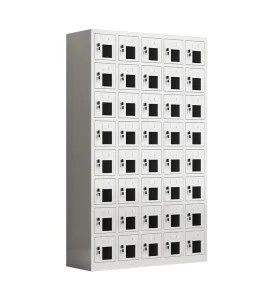
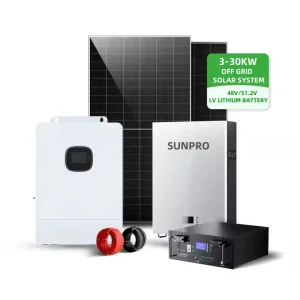
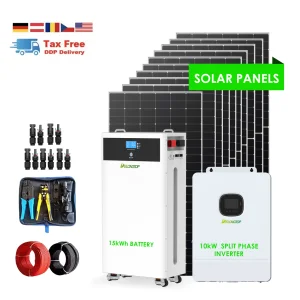
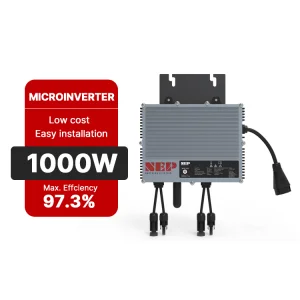
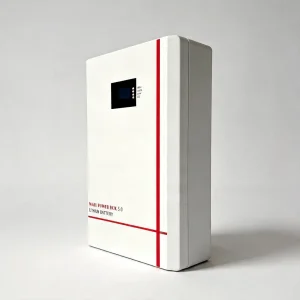
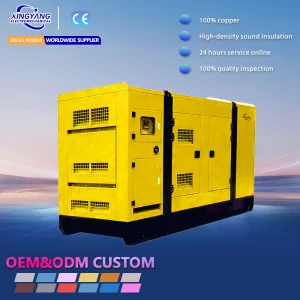
Discover our advanced storage systems, high-capacity hybrid kits, and load banks designed to handle large-scale off-grid power demands.
 Luzz Solar