High-capacity hybrid energy storage configurations, utility-grade steel foundations, and modular micro-inverters engineered for peak C&I performance.
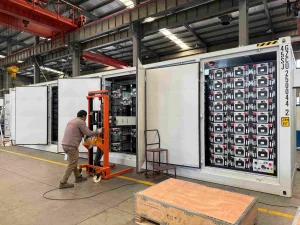

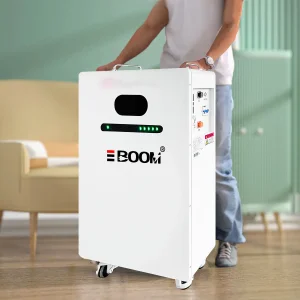
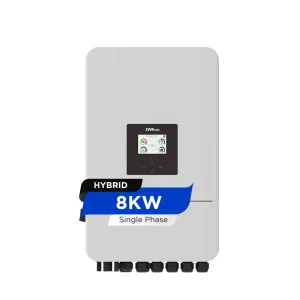
The global energy sector is transitioning through a paradigm shift, transitioning from centralized, fossil-fuel-dependent grids to highly distributed, digitized, and decarbonized energy networks. At the heart of this transformation is Smart Energy Management—a comprehensive suite of technologies merging power electronics with digital control mechanisms, Internet of Things (IoT) sensors, and predictive algorithms.
Historically, C&I (Commercial and Industrial) facilities operated as passive energy consumers, bearing the financial burden of peak-load tariffs and grid instability. Today, escalating carbon penalties, strict ESG (Environmental, Social, and Governance) targets, and the sheer volatility of grid power are compelling enterprises to transition into "prosumers"—entities that generate, store, and intelligently orchestrate their energy assets locally.
Battery Energy Storage Systems (BESS) are no longer simple backup reserves. Through advanced Battery Management Systems (BMS) and intelligent inverters, modern BESS assets participate in Virtual Power Plants (VPPs). By aggregating decentralized loads, they provide crucial ancillary services to national grids, generating new revenue streams through frequency regulation and peak shaving.
Across key economic zones in Europe, North America, and the Asia-Pacific region, the demand for modular energy solutions is surging. In Germany, rising peak-tariff costs have made containerized BESS systems essential for manufacturing plants aiming to secure uninterrupted production. In North America, regulatory mandates such as FERC Order 2222 are unlocking paths for distributed energy resources (DERs) to compete directly in wholesale markets, paving the way for substantial capital deployment in commercial-grade micro-inverters, utility-scale lifepo4 storage arrays, and hybrid solar infrastructure.
Why do leading global enterprises consistently select China as their primary manufacturing base for smart energy assets? The answer lies beyond raw labor rates; it is rooted in complete vertical integration, unparalleled supply-chain density, and advanced automation.
China's smart energy manufacturing ecosystem features highly localized supply loops. In regions like Shandong and Jiangsu, a single manufacturing hub can source lithium-ion cells, smart BMS units, high-frequency transformer cores, thermal management tubes, and precision-engineered enclosures within a 50-kilometer radius. This geographic concentration reduces logistical friction, shortens lead times, and allows for rapid prototyping cycles.
Qingdao Luzz Solar Co., Ltd. is a professional new energy enterprise specializing in the development, manufacturing, and global distribution of photovoltaic (PV) products and integrated energy storage solutions. Located in Qingdao, China, the company benefits from a well-established renewable energy industrial base and advanced manufacturing capabilities.
With the accelerating global transition toward carbon neutrality and sustainable development, Luzz Solar is committed to providing efficient, reliable, and cost-effective clean energy solutions to customers worldwide. Our product portfolio includes high-efficiency solar photovoltaic modules, energy storage systems, and integrated solar application solutions designed for residential, commercial, and utility-scale projects.
Driven by technological innovation and quality excellence, the company continuously invests in R&D and production optimization to improve product performance, energy conversion efficiency, and system reliability. We strictly adhere to international quality standards and implement rigorous quality control throughout the entire production process to ensure stable and long-term product performance.
Qingdao Luzz Solar actively expands its global market presence, with business coverage across Asia, Europe, the Middle East, Africa, and Latin America. By working closely with international partners, we are committed to delivering tailored energy solutions that meet diverse regional needs and support the global energy transition.
Guided by the core values of integrity, innovation, cooperation, and sustainability, Luzz Solar strives to become a trusted global partner in the new energy industry. We are dedicated to advancing solar technology and contributing to a greener, more sustainable future.
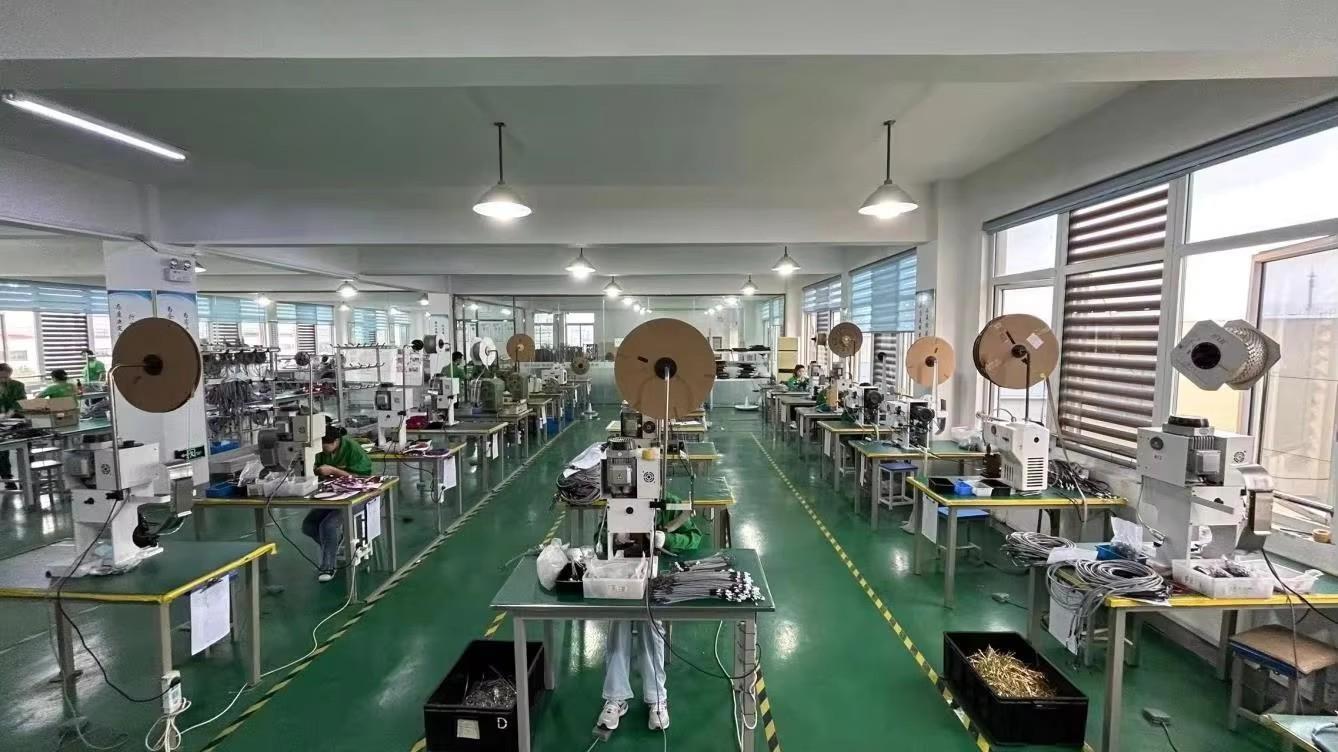
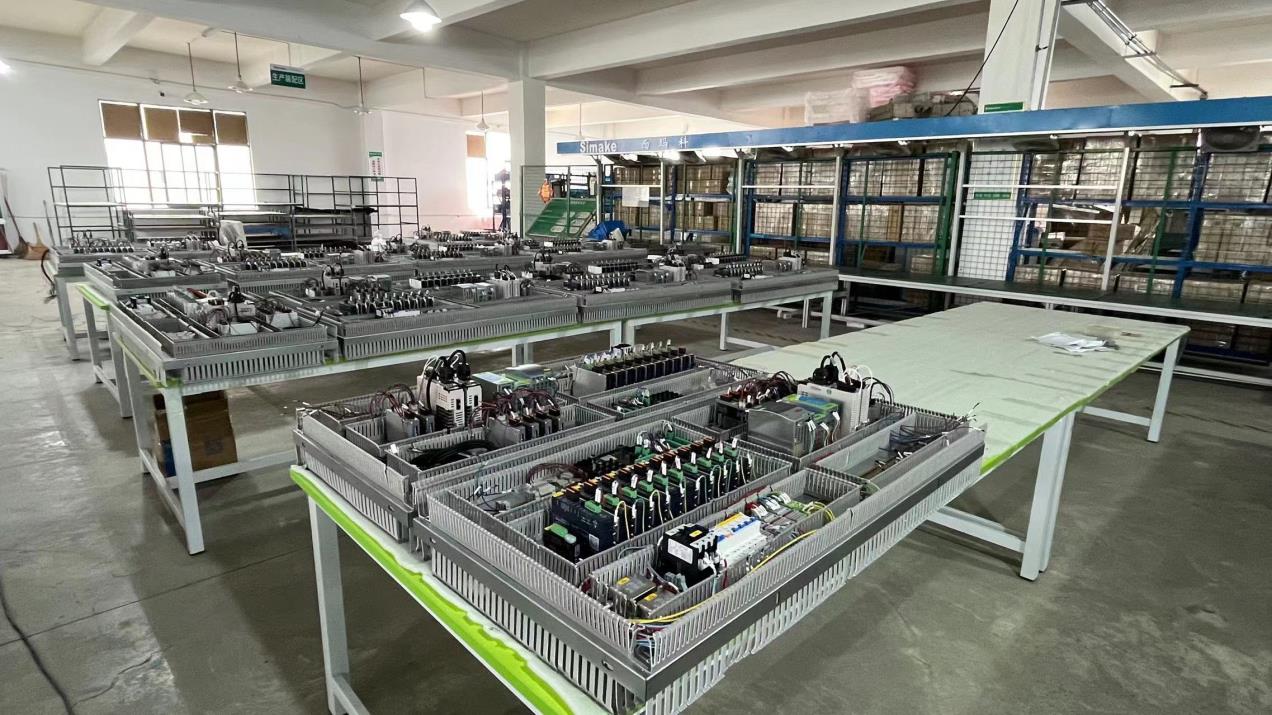
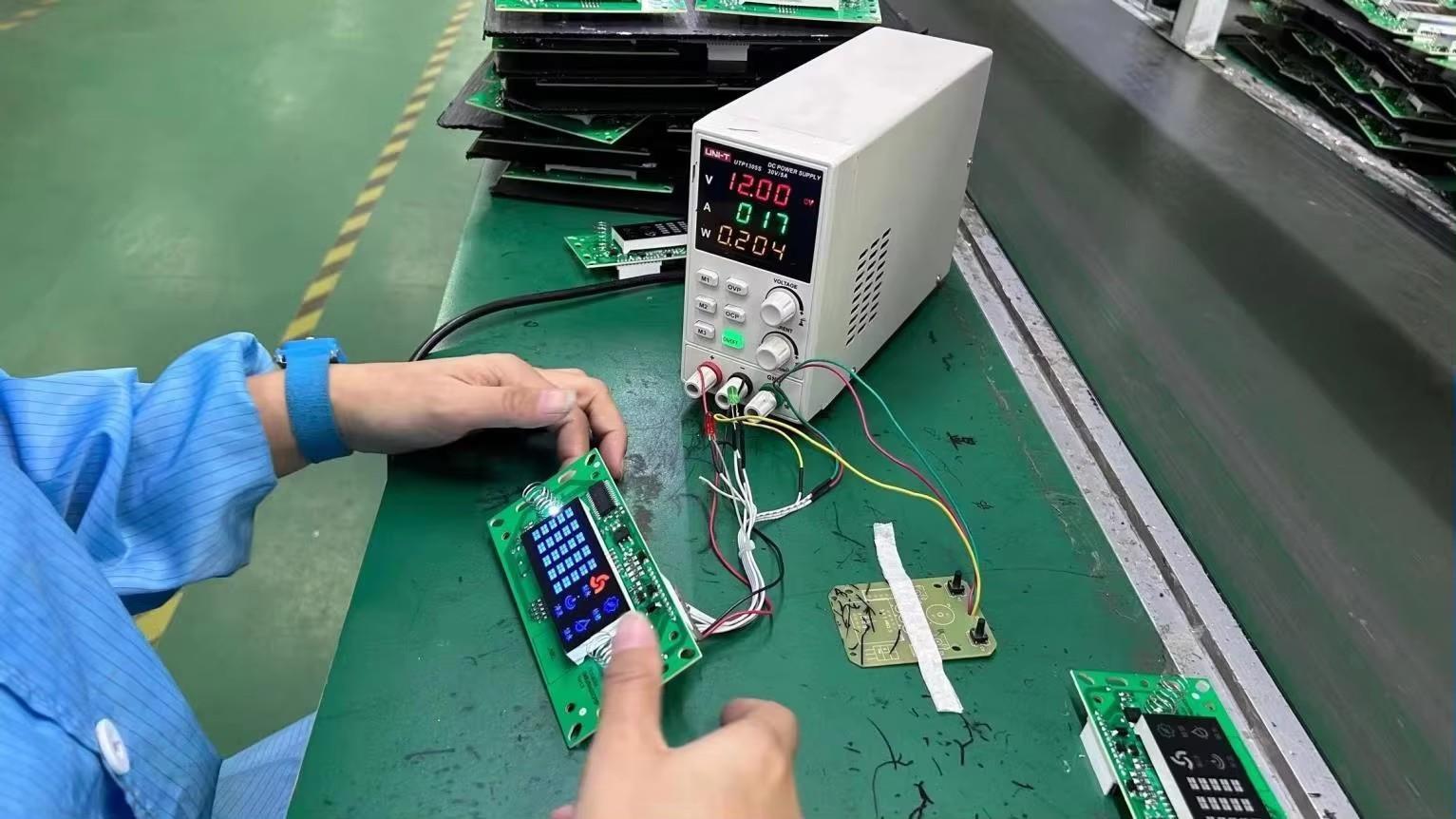
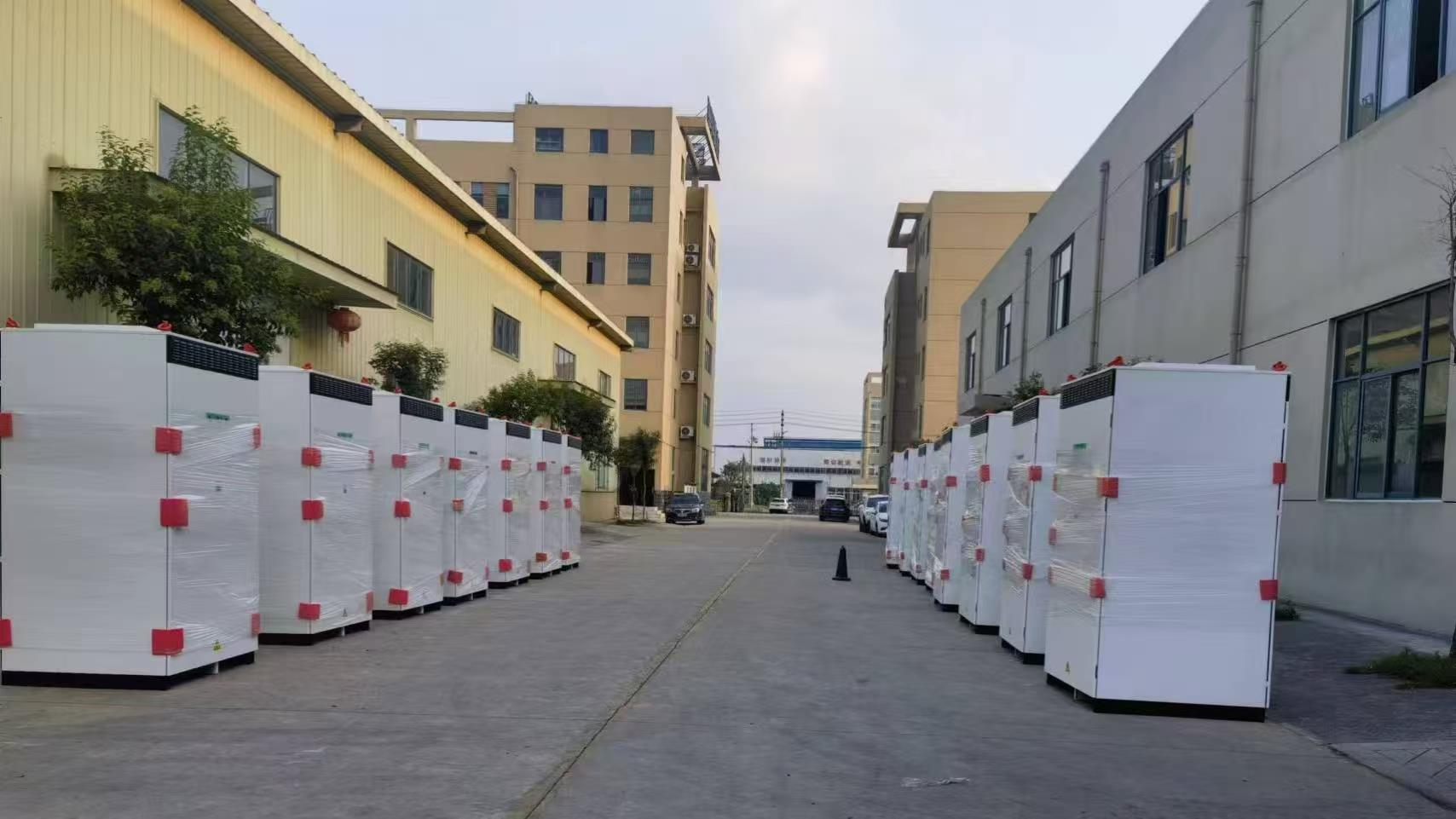
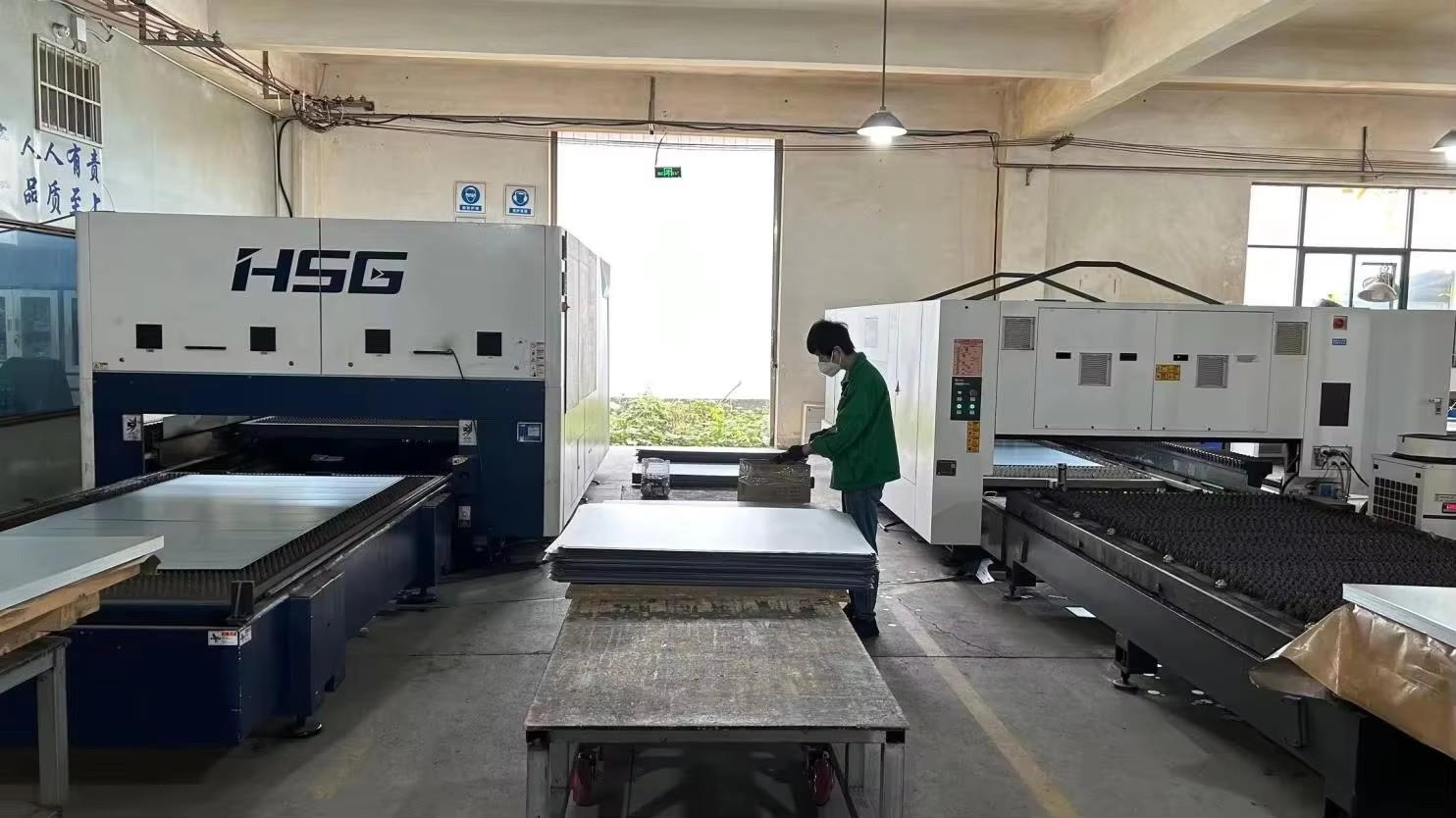
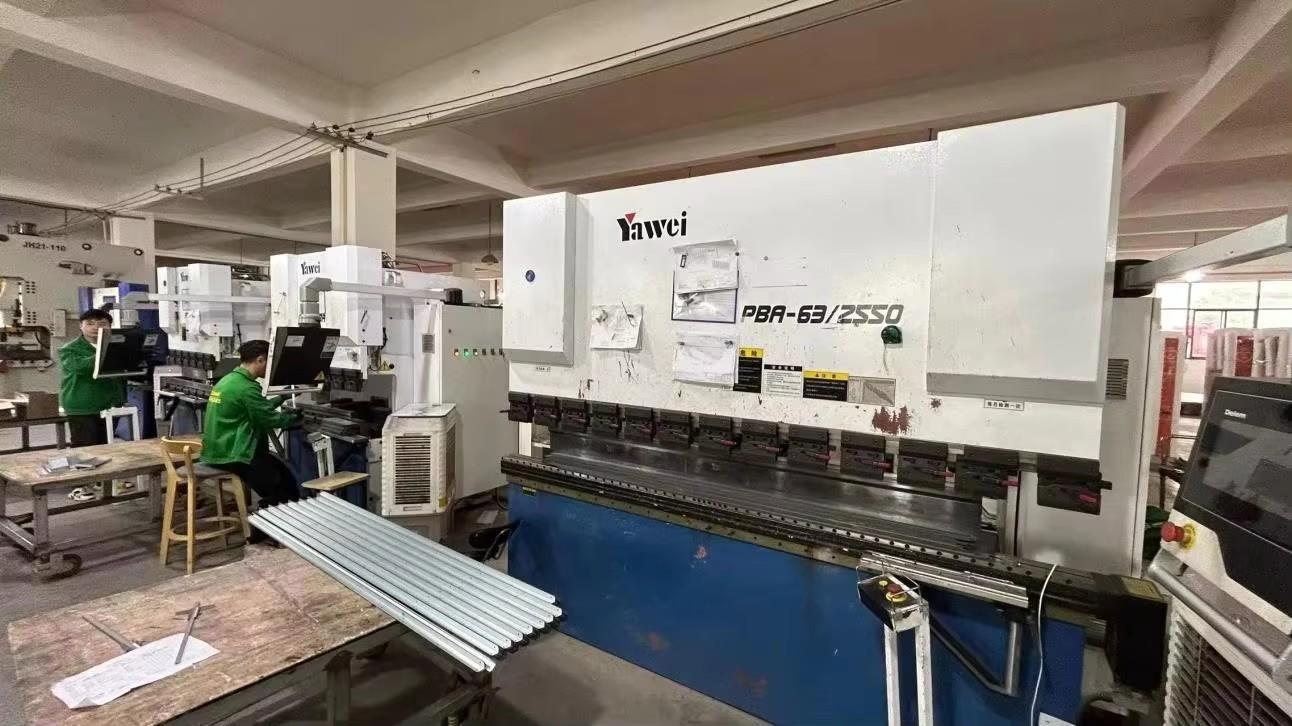
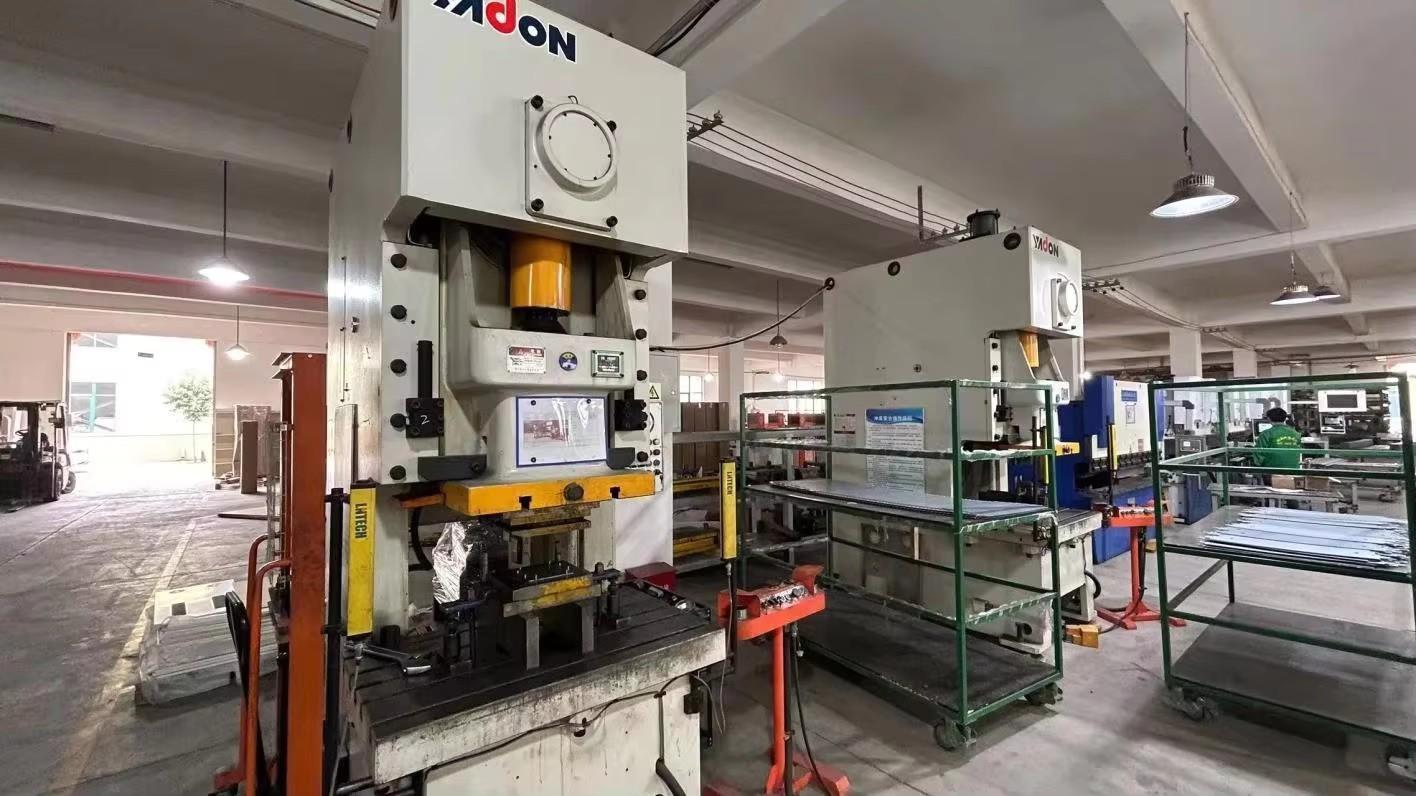
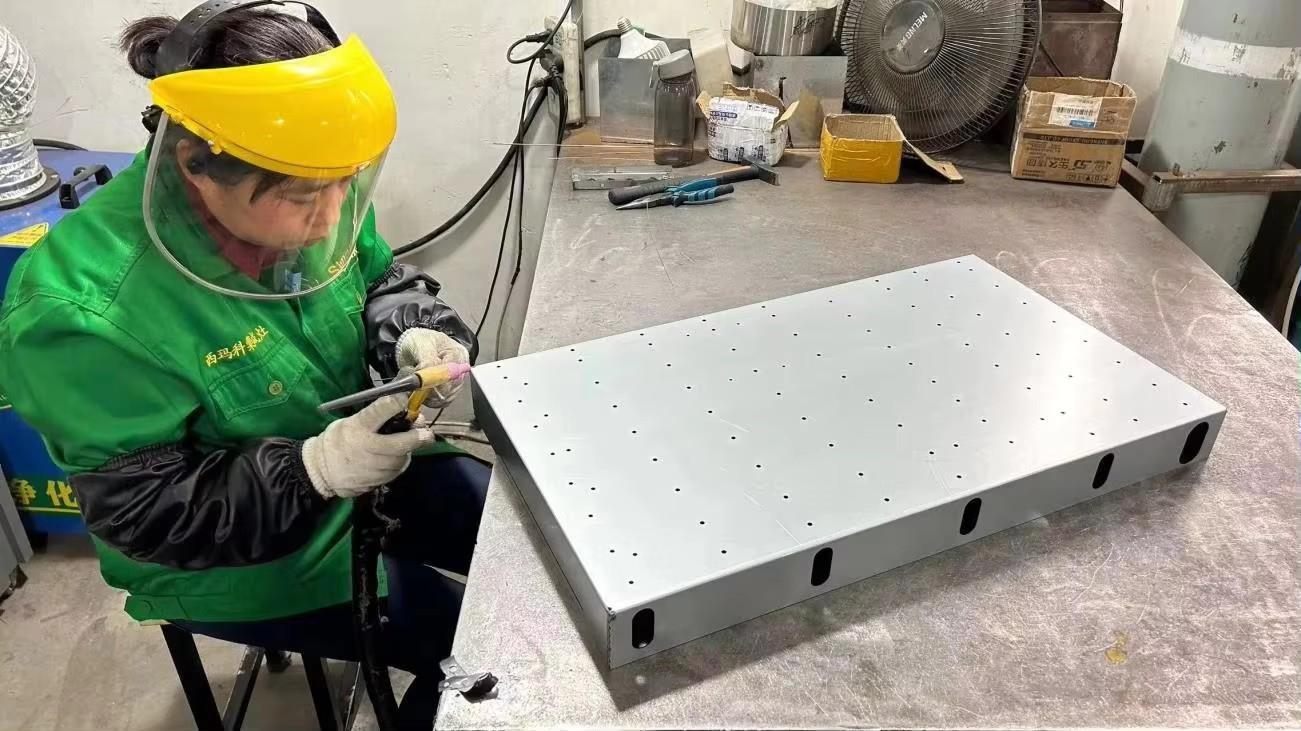
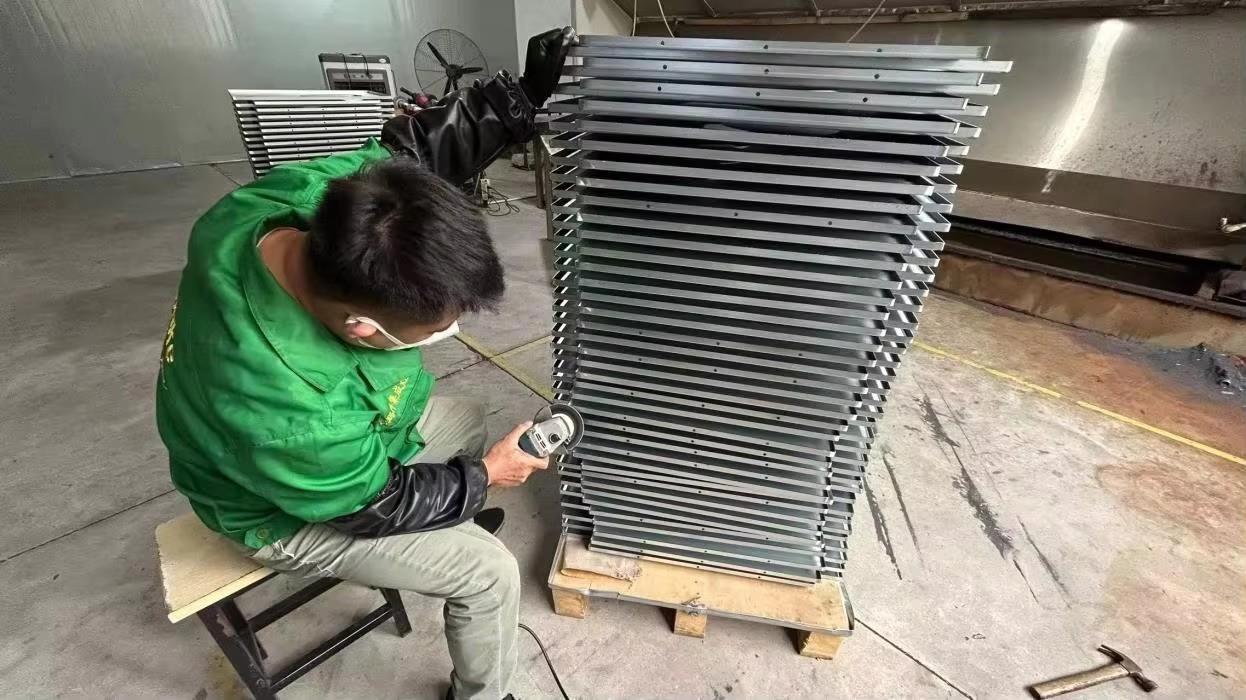
Every clean energy asset built at Luzz Solar is run through an advanced, ISO-certified automated manufacturing line. Our factory features high-precision machinery designed to ensure mechanical precision and electrical reliability across all production runs.
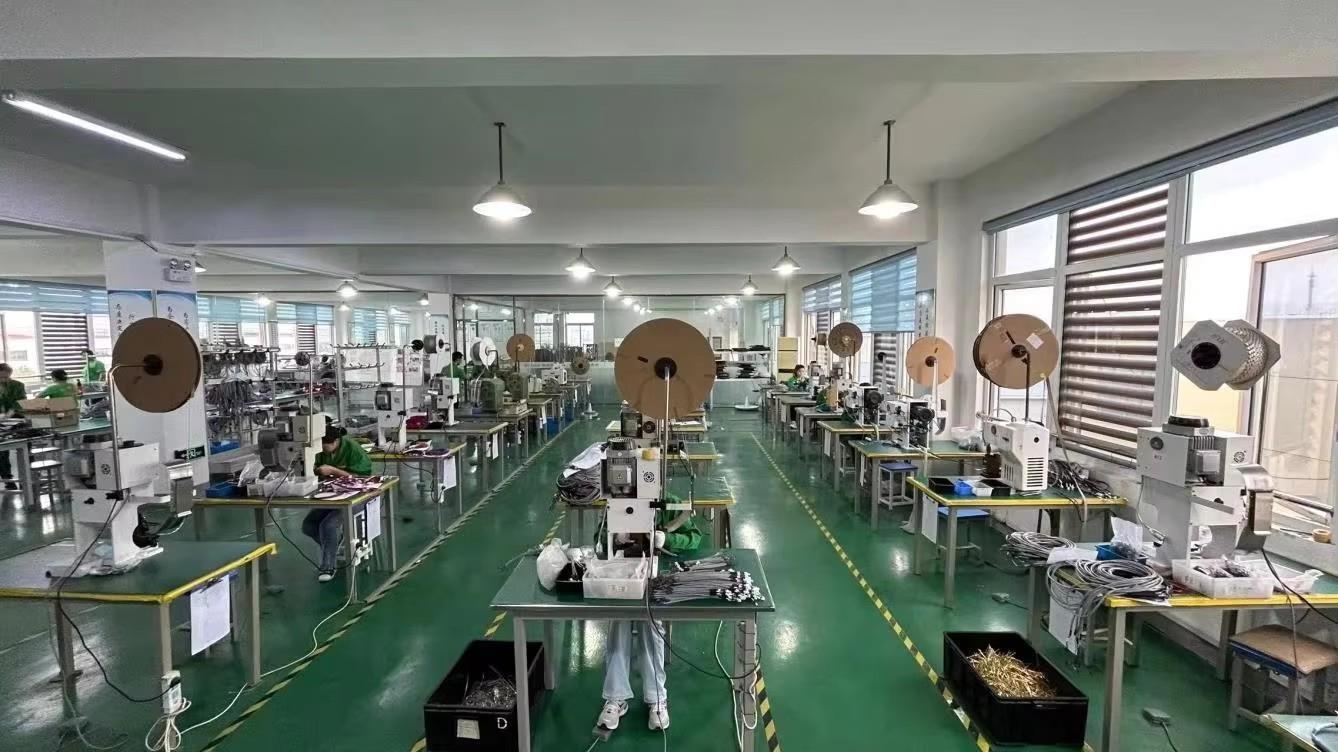
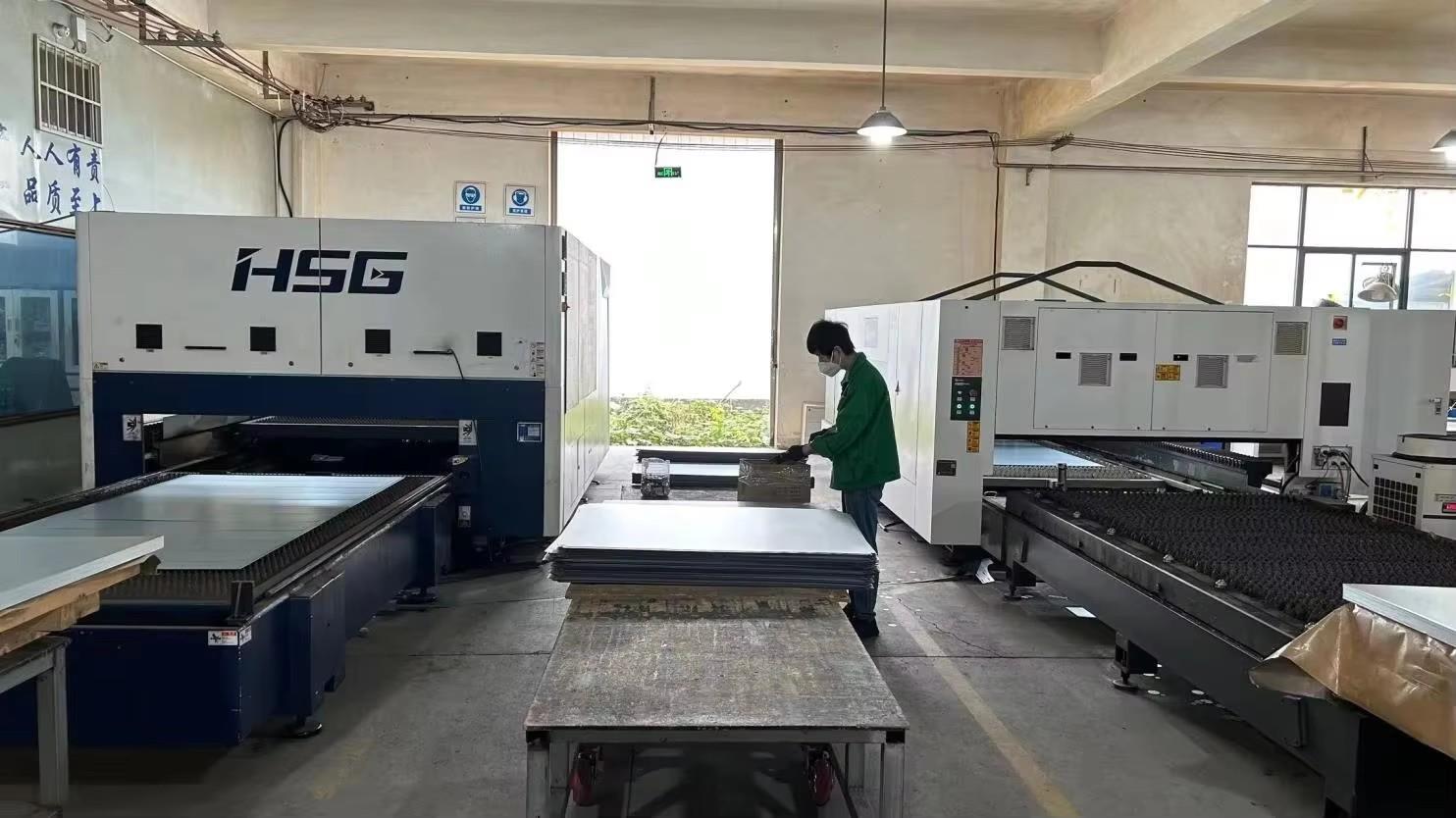
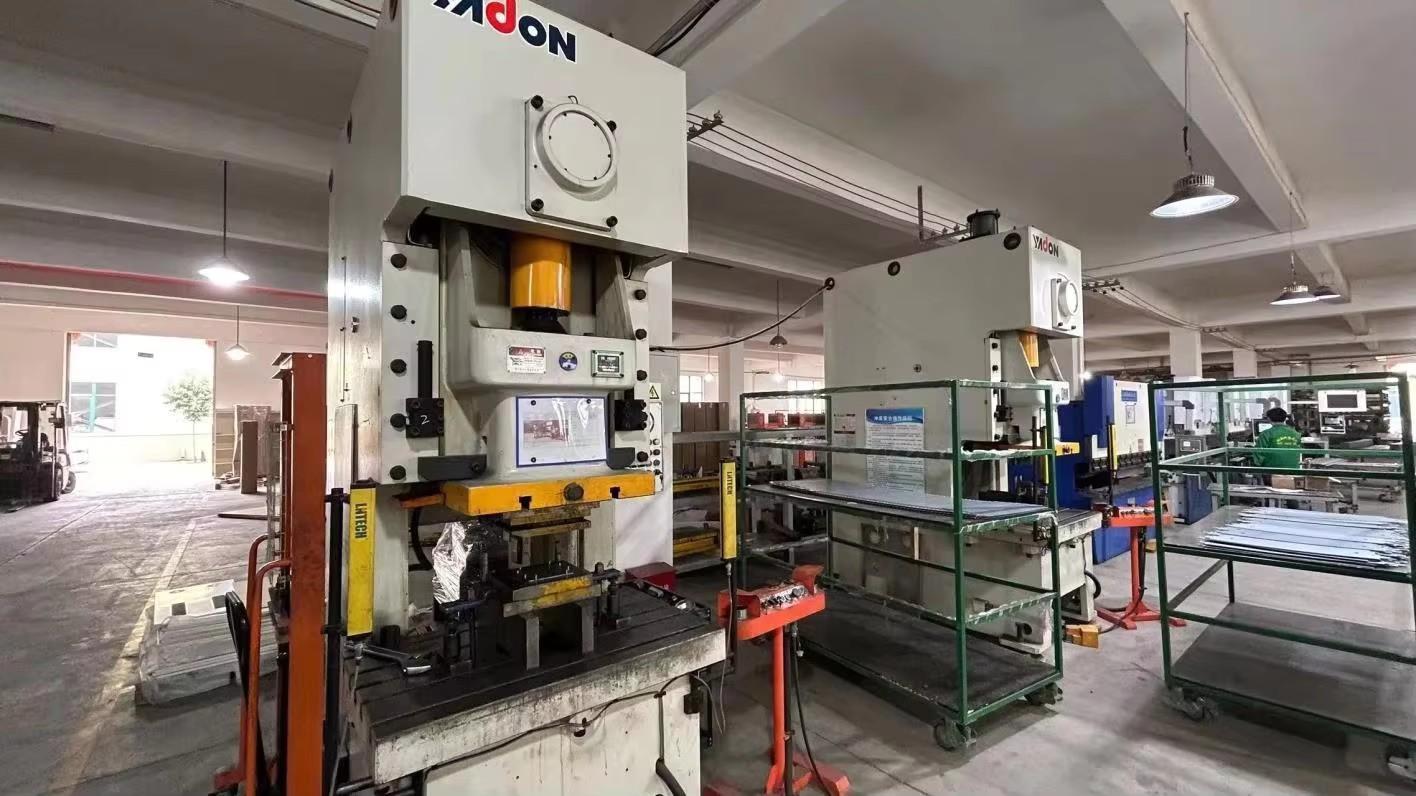
Clean energy system performance is heavily dependent on regional environmental conditions. Standard configurations rarely yield optimal results when applied across disparate geographic zones. Luzz Solar addresses this by designing systems tailored to specific localized environments.
For engineering procurement offices, evaluating smart energy equipment requires careful technical scrutiny. The table below highlights key performance metrics to consider during technical evaluation.
The future of smart energy management relies on tighter integration between physical hardware and advanced control software. As battery energy storage systems scale globally, we expect the following three industry trends to lead development through 2030:
Technical clarifications on key configuration, safety, and integration challenges in commercial projects.
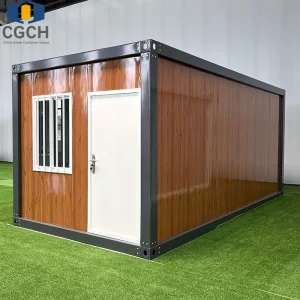
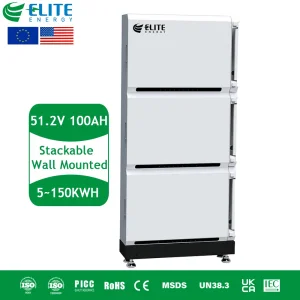
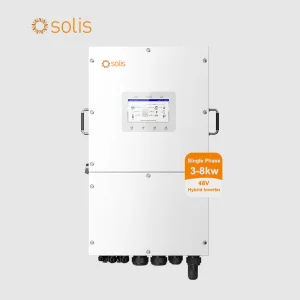
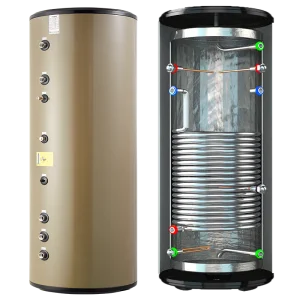
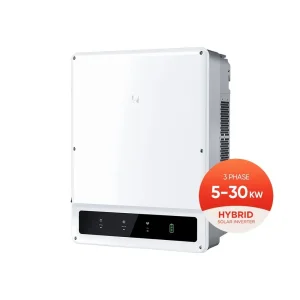
High-frequency MPPT charge controllers, thermodynamic thermal pumps, three-phase grid-connected hybrid inverters, and modular containerized systems.
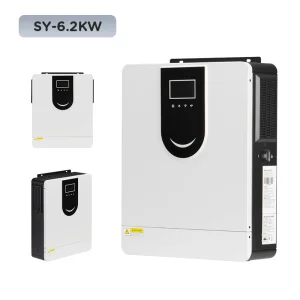
 Luzz Solar