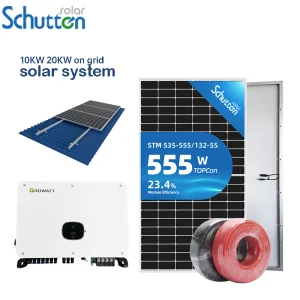
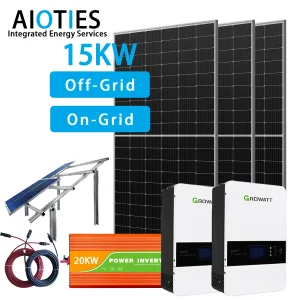
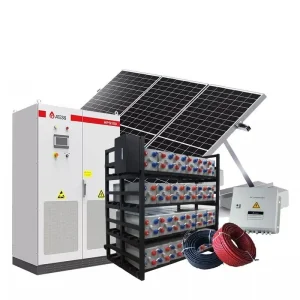
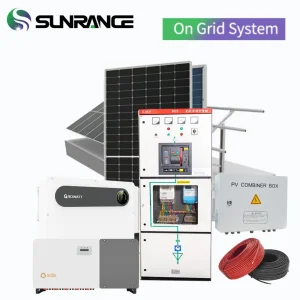
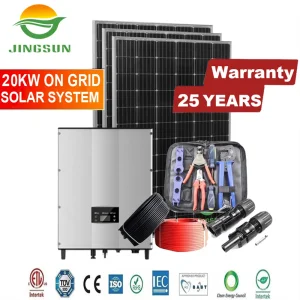
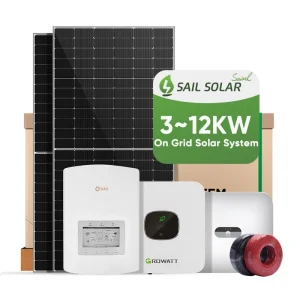
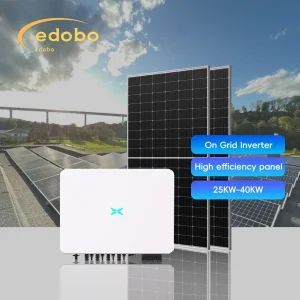
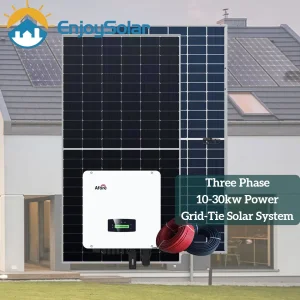
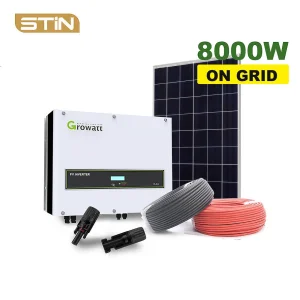
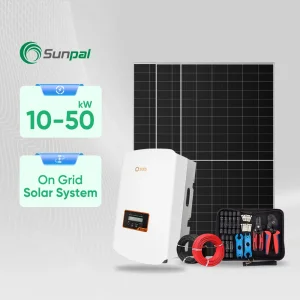
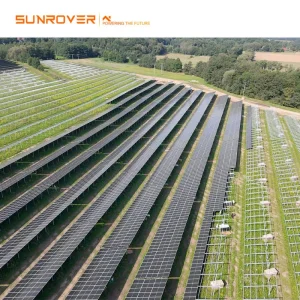
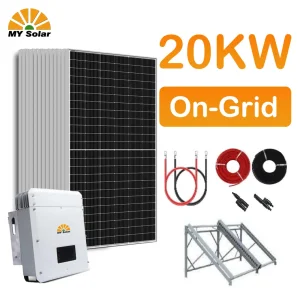
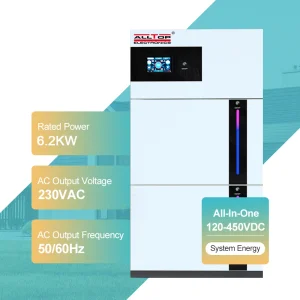
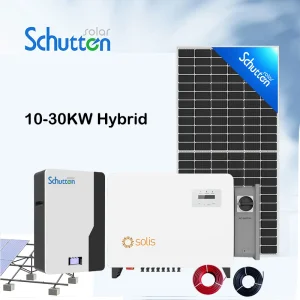
Optimized systems engineered for Spanish grid requirements, featuring local compliance, zero-injection support, and high performance.
Spain is currently positioned as one of the most prominent solar markets globally, thanks to its high levels of solar irradiance and forward-looking energy policies. Under the revised National Integrated Energy and Climate Plan (PNIEC) 2021-2030, Spain aims to achieve a total installed solar photovoltaic capacity of over 76 GW by 2030, targeting a energy framework where 81% of electricity generation originates from renewable sources. This shift is not just a utility-scale phenomenon; commercial and industrial (C&I) self-consumption has expanded considerably since the abolition of the "sun tax" via Royal Decree-Law 15/2018 and the introduction of Royal Decree 244/2019, which established clear parameters for collective self-consumption and simplified billing mechanisms.
For Spanish businesses, implementing a grid-tied solar system is a strategic tool for operating cost stabilization. By utilizing solar energy during peak daytime hours, manufacturing facilities, logistics hubs, and agricultural operations can offset high electricity tariffs. In a grid-tied setup, the solar system operates in parallel with the local grid. When solar production exceeds site demand, the excess power can either be exported to the grid for compensation (net-billing) or managed via zero-export injection controllers to meet local municipal grid codes.
The global manufacturing chain supports this regional expansion. Modern grid-tied systems must balance global manufacturing standards with Spain-specific grid compliance. Distributors and EPC (Engineering, Procurement, and Construction) companies in Spain seek manufacturing partners who understand the local Spanish regulatory environment, including grid connection procedures with distribution system operators (DSOs) like Endesa, Iberdrola, and Naturgy. This includes providing equipment that is pre-certified to local standards such as UNE 217001 (for active injection limitation) and UNE-EN 50549 (for grid parallel operation parameters).
Under Royal Decree 244/2019, Spain recognizes multiple self-consumption modalities: self-consumption without feed-in (incorporating anti-feed-in systems compliant with UNE 217001-1) and self-consumption with feed-in. In the latter category, installations ≤ 100 kW can benefit from simplified compensation (compensación simplificada), where excess energy is credited against the consumed grid energy at market-based rates.
Maximum Power Point Tracking (MPPT) technology forms the core of modern grid-tied inverters. Given Spain's varying climatic conditions—from the high ambient temperatures of Andalusia to the coastal humidity of Valencia—inverters must maintain stable efficiency curves. Multi-MPPT configurations allow for string optimization, minimizing mismatch losses caused by partial shading, dust accumulation, or multi-angle roof installations. Our grid-tied systems incorporate inverters with up to 98.8% MPPT efficiency, ensuring maximum energy yield under high solar irradiance conditions.
European grid codes demand that grid-tied systems actively support grid stability. Our systems feature advanced reactive power management, active frequency control, and low-voltage ride-through (LVRT) capabilities. The integrated string controllers are configured to interface directly with DSO telecontrol units, allowing grid operators to adjust parameters remotely if grid instability occurs. This capability simplifies the administrative approval process for utility-scale and large commercial connections in Spain.
High ambient temperatures in Spanish summer months can lead to thermal de-rating of solar modules and inverters. To prevent energy yield losses, we utilize monocrystalline half-cell modules with a low temperature coefficient of -0.34%/°C. Additionally, our commercial inverters employ smart forced-air cooling systems or natural convection cooling with large-surface heat sinks, maintaining optimal performance even when ambient temperatures exceed 40°C.
Spain's diverse economic sectors present unique requirements for grid-tied solar integration. Custom system designs help maximize both return on investment (ROI) and grid compatibility across these different applications:
Navigating the regulatory framework in Spain is a critical step for successful grid-tied PV integration. As a leading manufacturer and exporter, Qingdao Luzz Solar ensures that all exported equipment meets the relevant European and Spanish directives:
Our grid-tied inverters are certified under the UNE-EN 50549 standard, ensuring safe parallel connection to low-voltage and medium-voltage distribution networks across Europe, specifically conforming to Spanish DSO requirements.
For "zero-injection" installations (Inyección Cero), our systems utilize certified control devices that measure load consumption and adjust inverter output within milliseconds to prevent export to the grid, avoiding administrative delays.
All PV panels, mounting rails, and DC components carry full CE marking and conform to IEC 61215 (performance) and IEC 61730 (safety) guidelines, which are mandatory for obtaining municipal building permits and insurance cover in Spain.
The role of grid-tied solar installations is evolving from simple generation systems to interactive grid nodes. Our R&D team focuses on several key technological developments designed to meet future energy requirements:
1. Smart Hybridization (BESS Integration): While grid-tied systems without batteries remain cost-effective, hybrid grid-tied systems are becoming more common in Spain. Combining PV generation with Battery Energy Storage Systems (BESS) allows C&I customers to capture excess solar energy and discharge it during peak tariff windows, or during nighttime hours, maximizing self-consumption rates beyond 80%.
2. AI-Driven Energy Management Systems (EMS): Modern installations leverage cloud-connected AI algorithms to predict solar generation based on meteorological forecasts, while learning local load patterns. This enables the system to determine whether to consume, store, or export energy to optimize financial returns.
3. Transition to N-Type TOPCon Cells: To maximize output from limited roof space, our production lines have transitioned to N-type TOPCon module technology. These modules feature lower degradation rates (less than 1% in year one, and 0.4% annually thereafter) and a higher bifaciality factor, which is particularly beneficial for Spain's highly reflective soils and sandy environments.
Qingdao Luzz Solar Co., Ltd. — Professional Photovoltaic Engineering & High-Efficiency Production
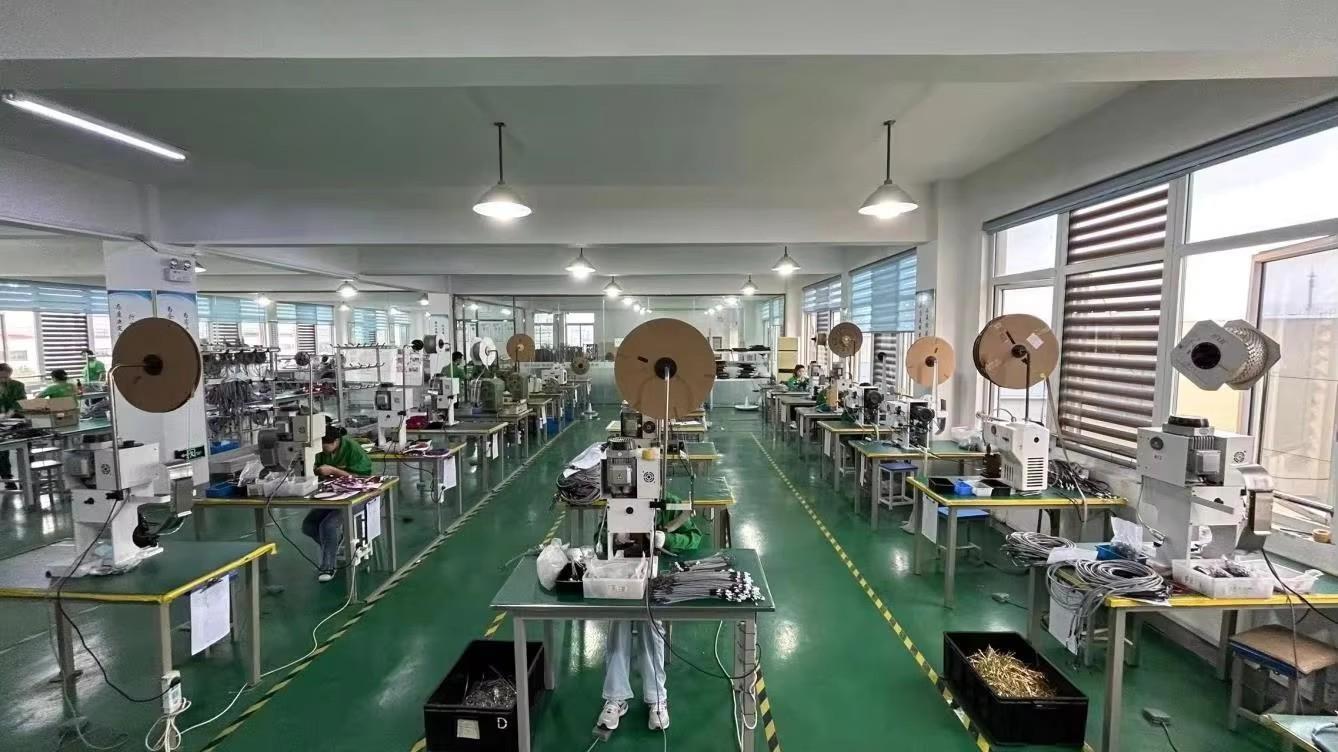
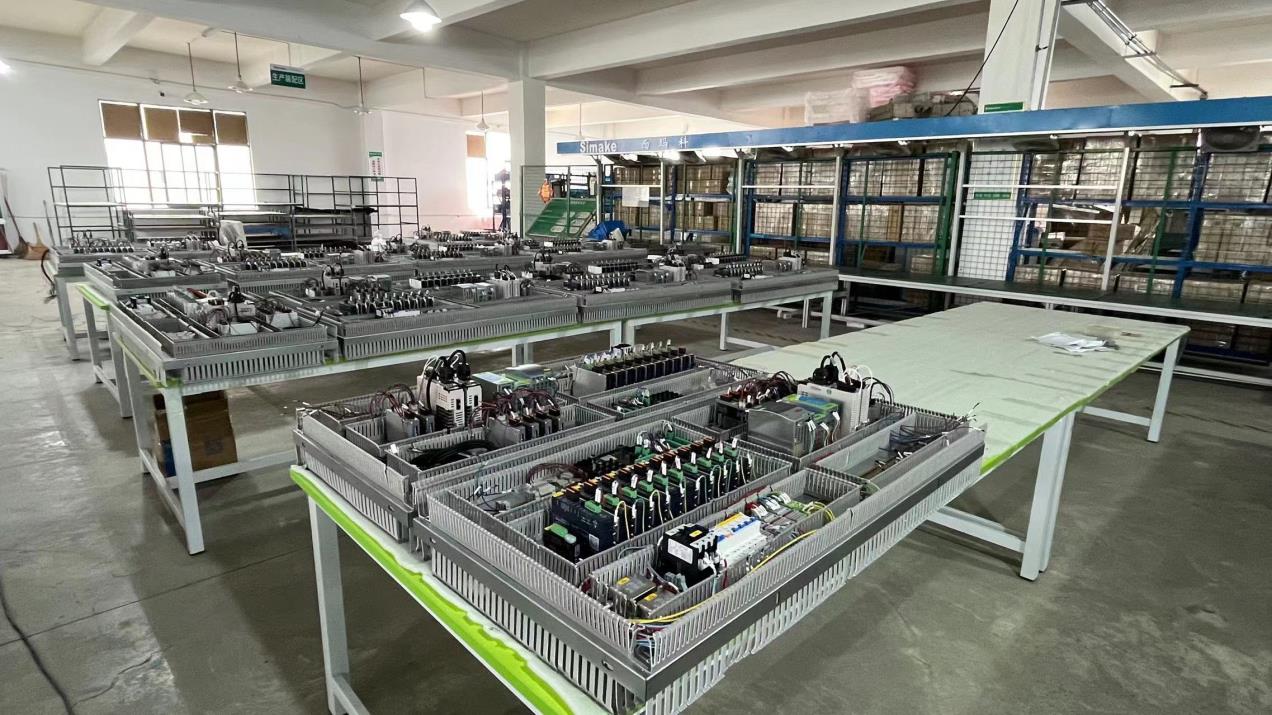
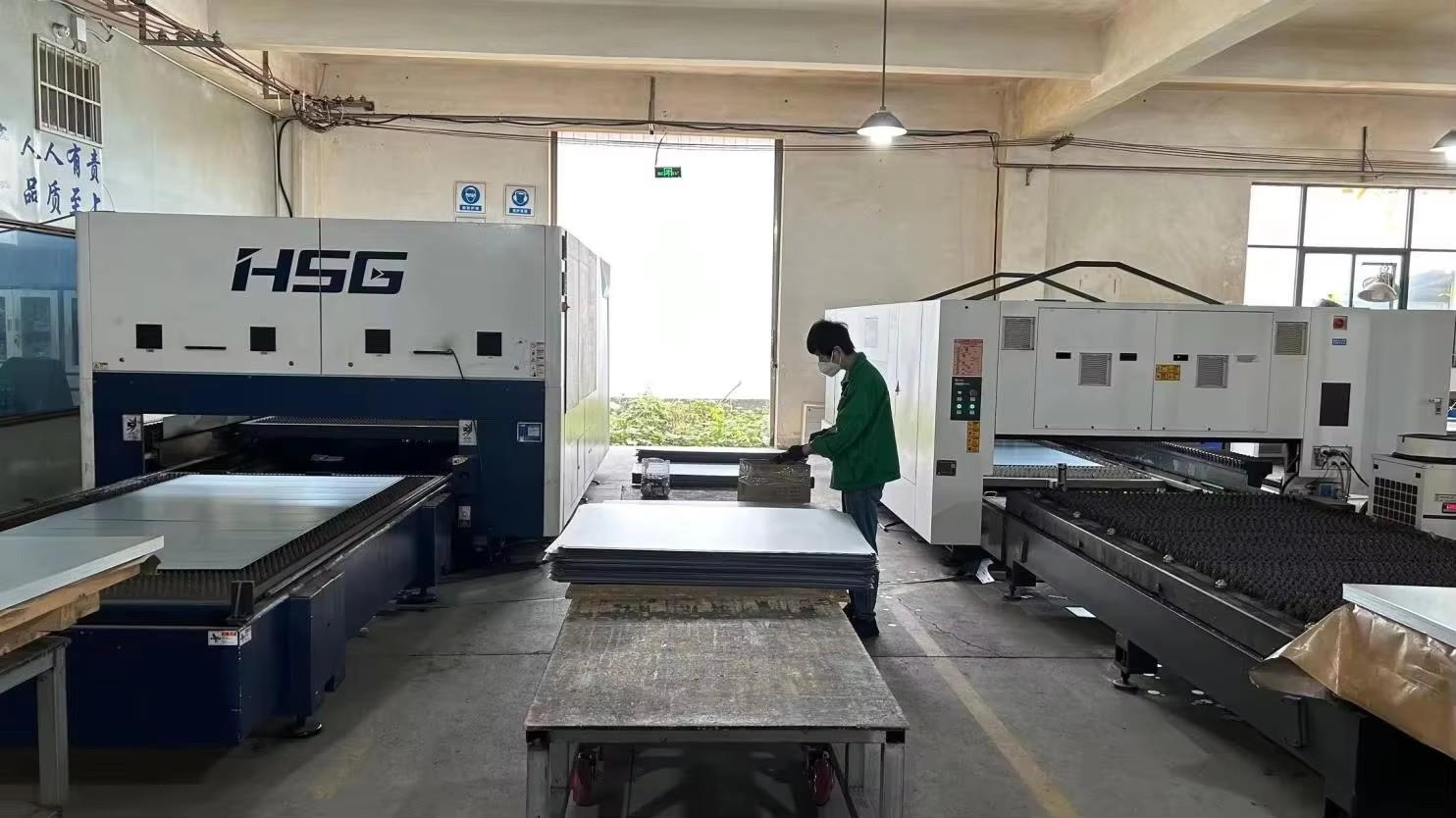
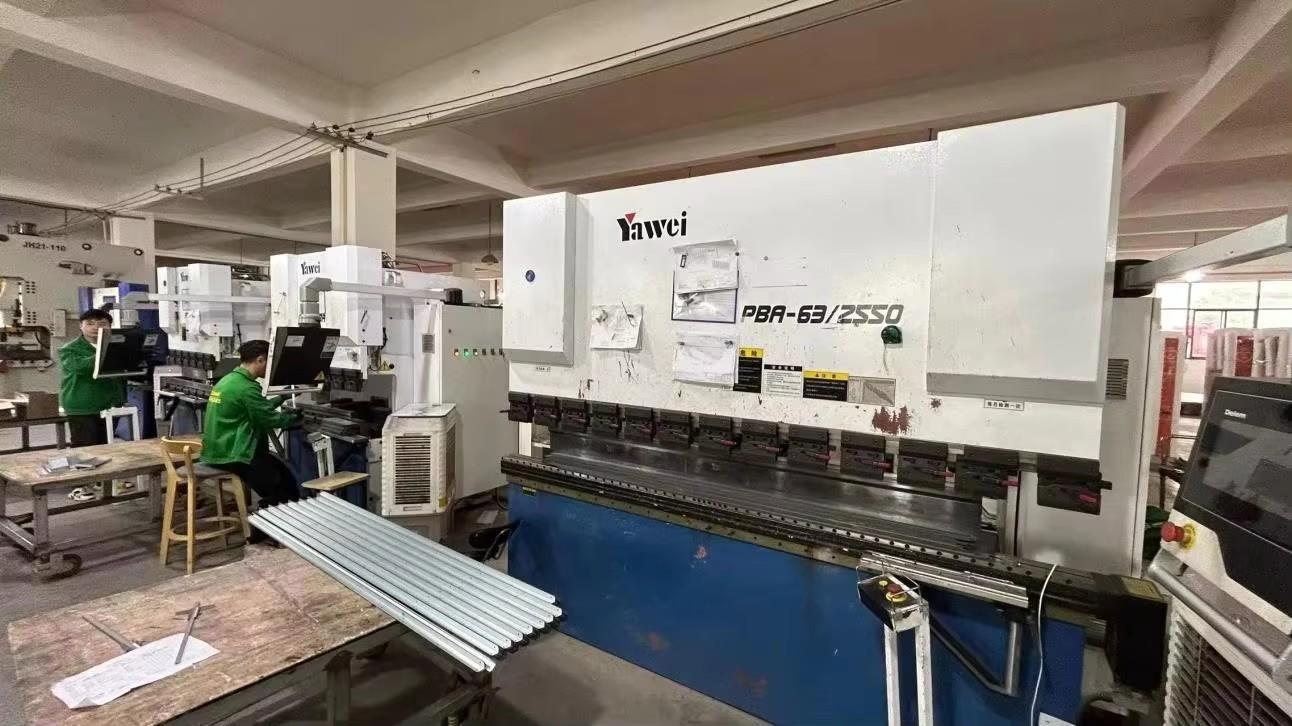
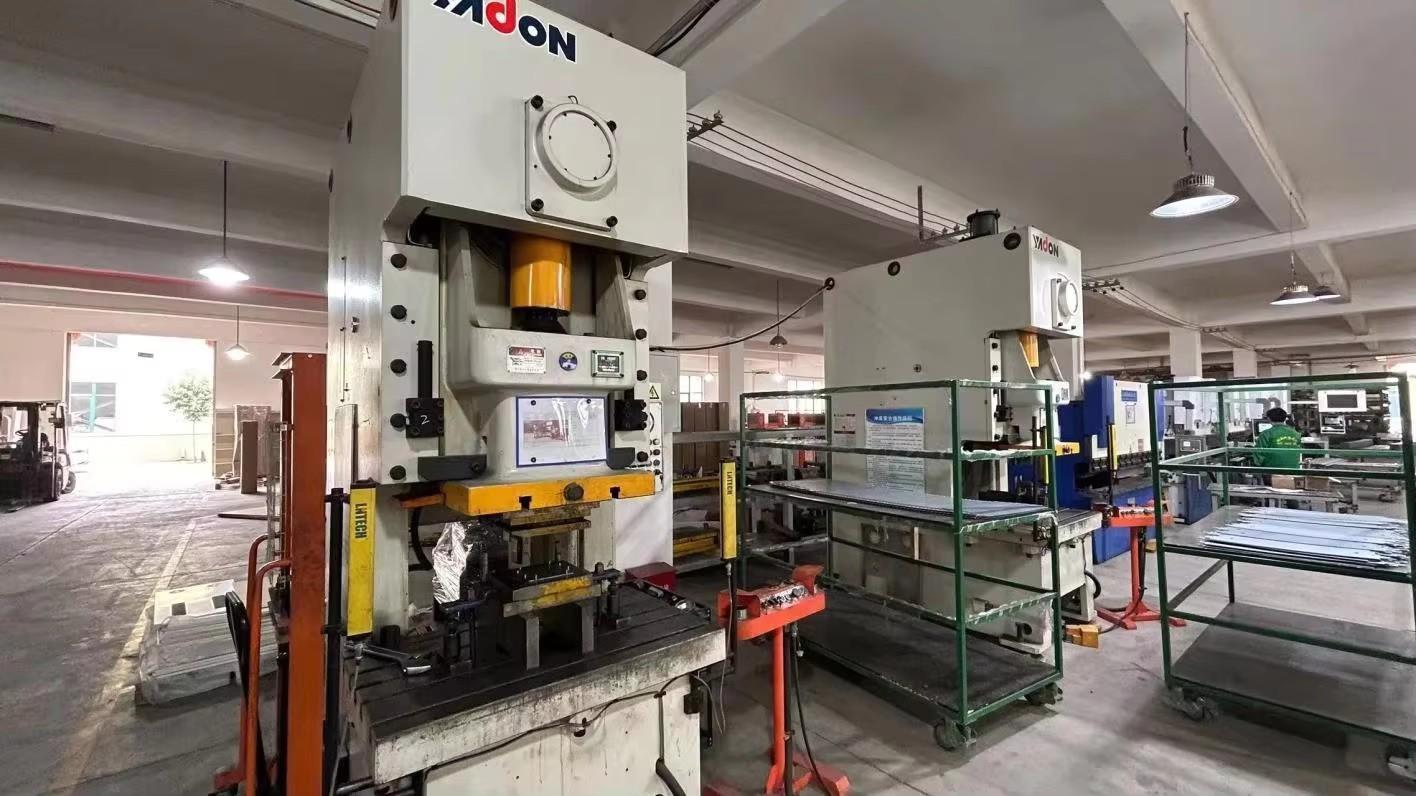
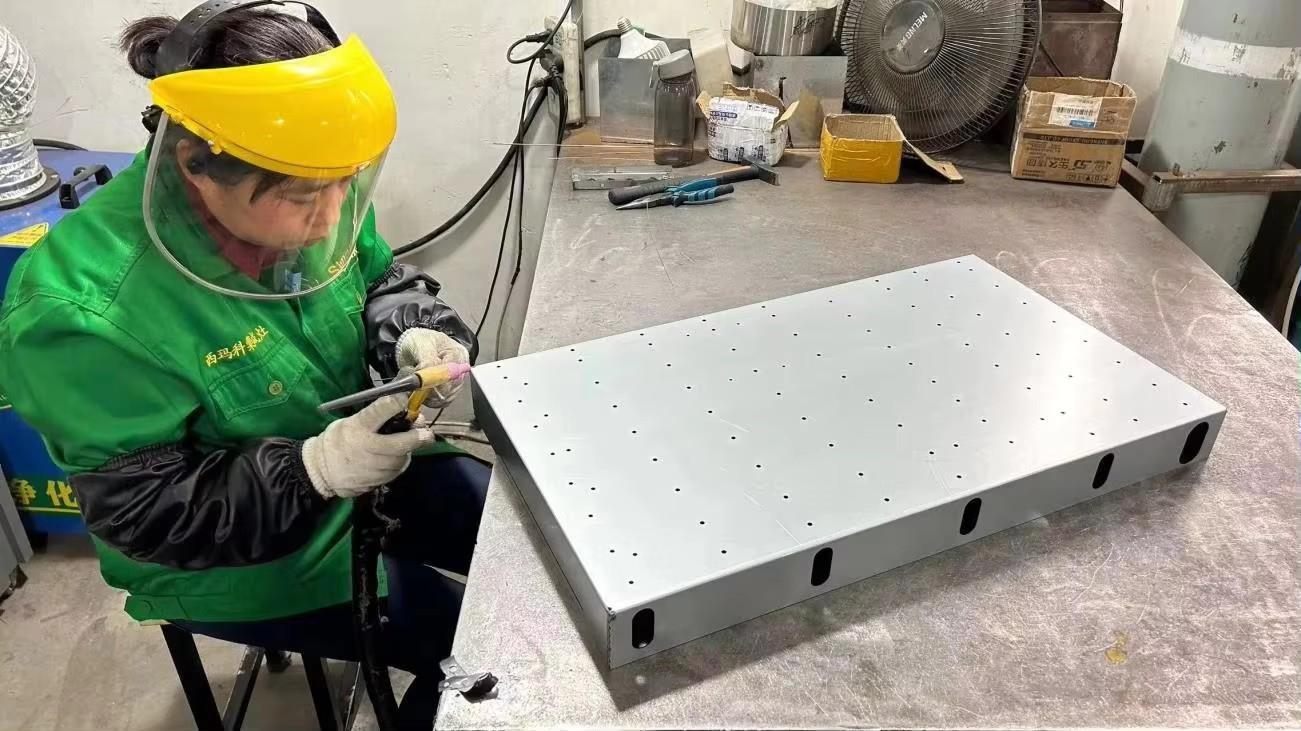
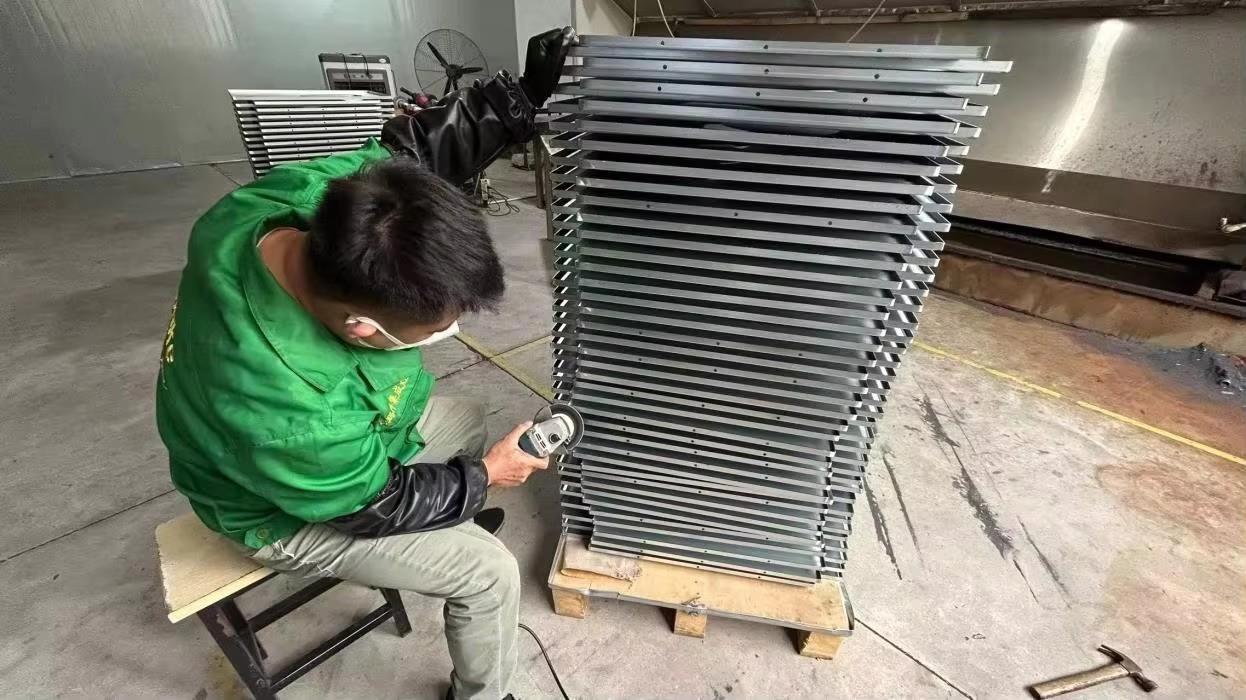
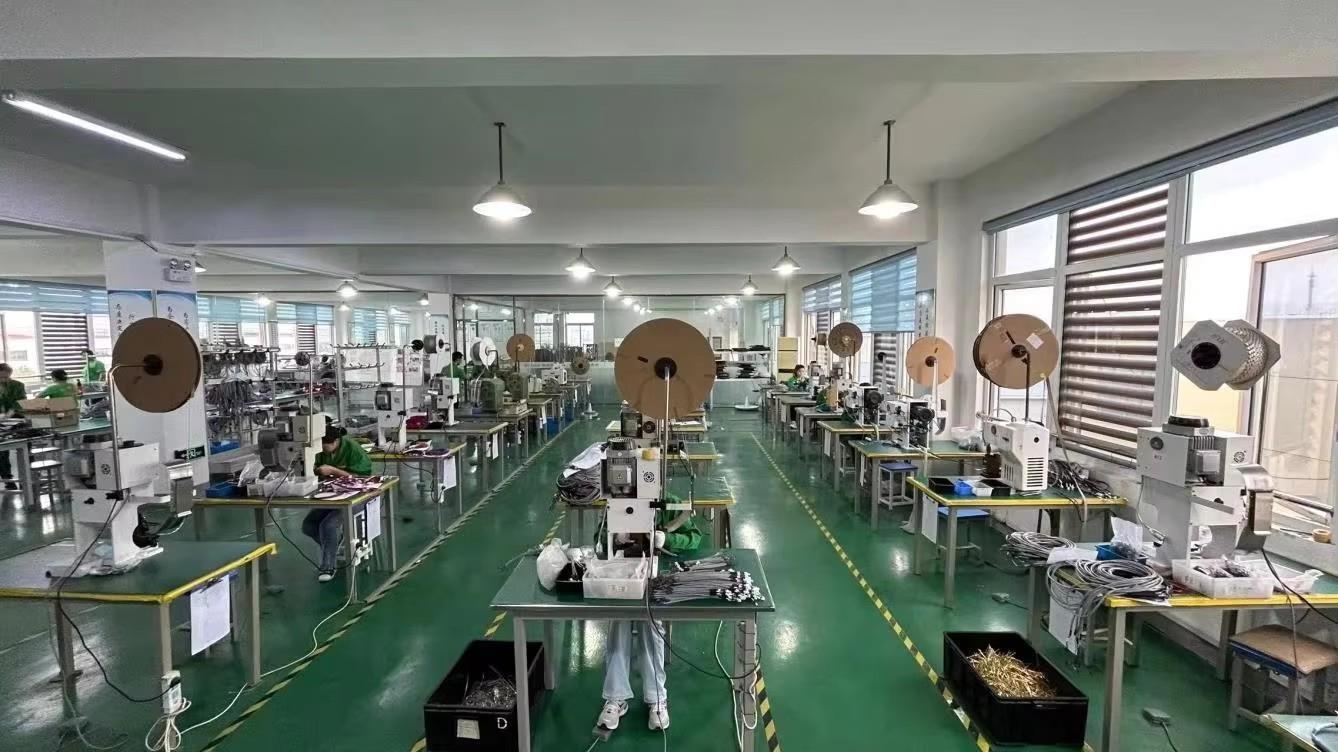
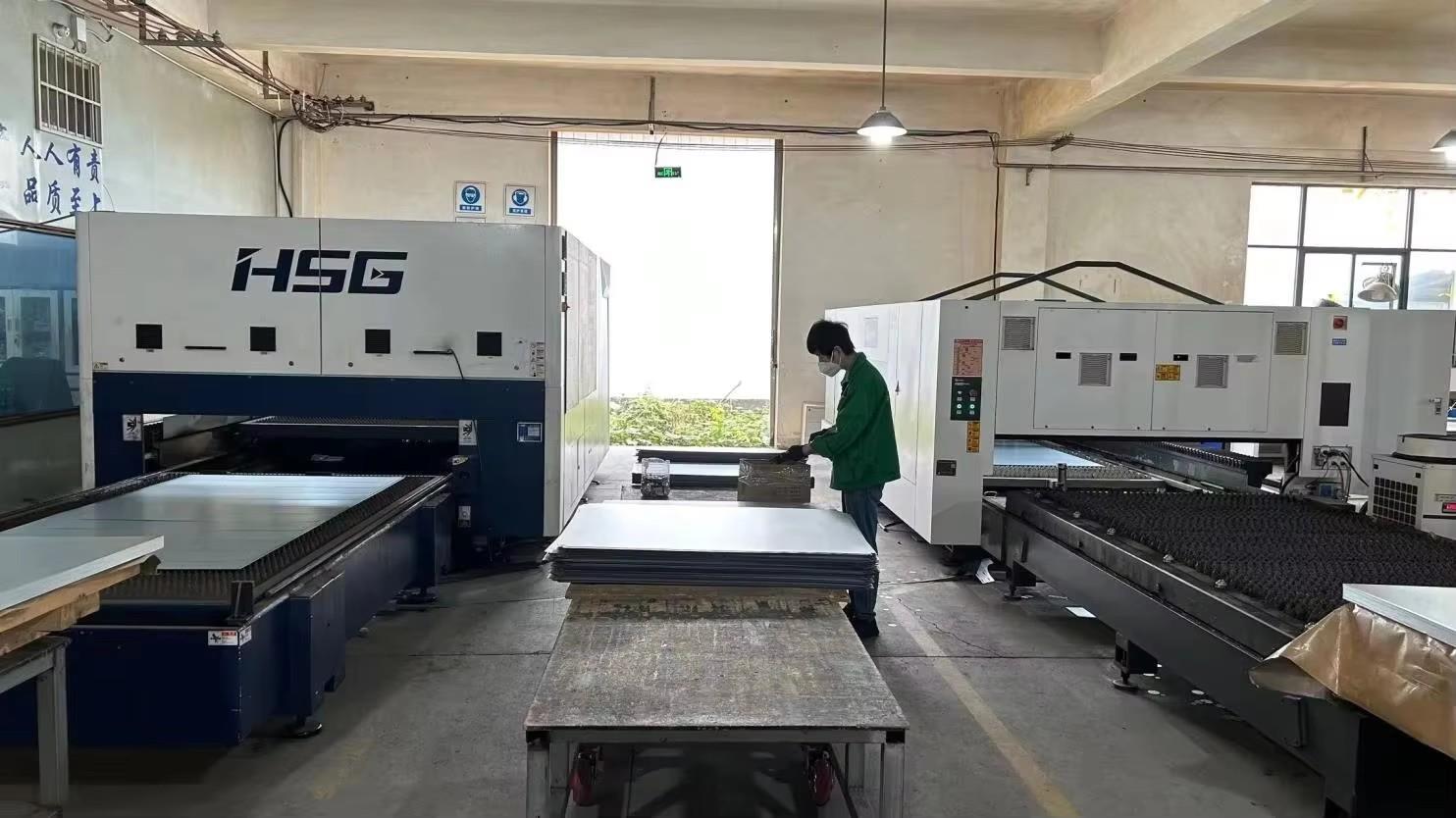
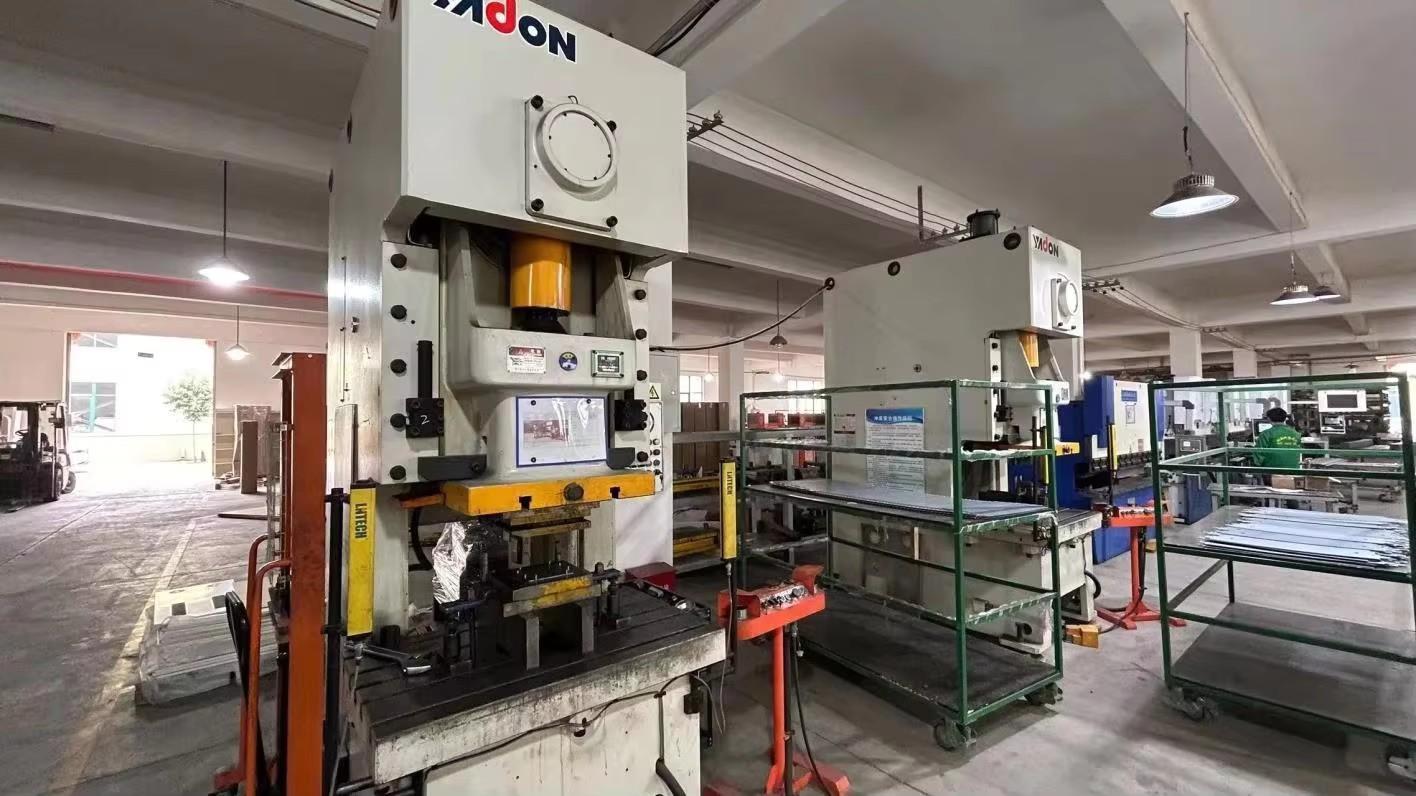
Qingdao Luzz Solar Co., Ltd. is a professional new energy enterprise specializing in the development, manufacturing, and global distribution of photovoltaic (PV) products and integrated energy storage solutions. Located in Qingdao, China, the company benefits from a well-established renewable energy industrial base and advanced manufacturing capabilities.
With the accelerating global transition toward carbon neutrality and sustainable development, Luzz Solar is committed to providing efficient, reliable, and cost-effective clean energy solutions to customers worldwide. Our product portfolio includes high-efficiency solar photovoltaic modules, energy storage systems, and integrated solar application solutions designed for residential, commercial, and utility-scale projects.
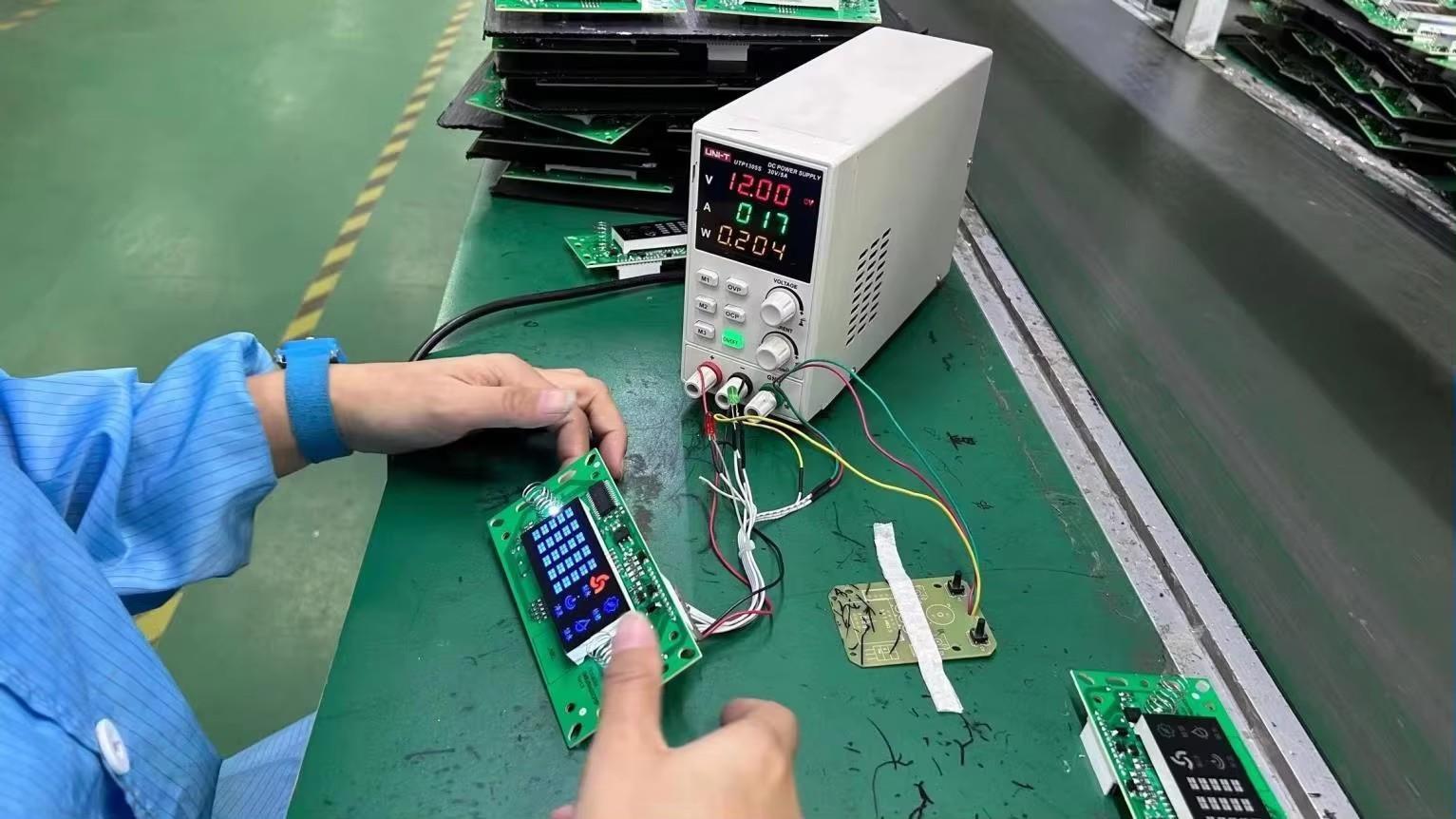
Driven by technological innovation and quality excellence, the company continuously invests in R&D and production optimization to improve product performance, energy conversion efficiency, and system reliability. We strictly adhere to international quality standards and implement rigorous quality control throughout the entire production process to ensure stable and long-term product performance.
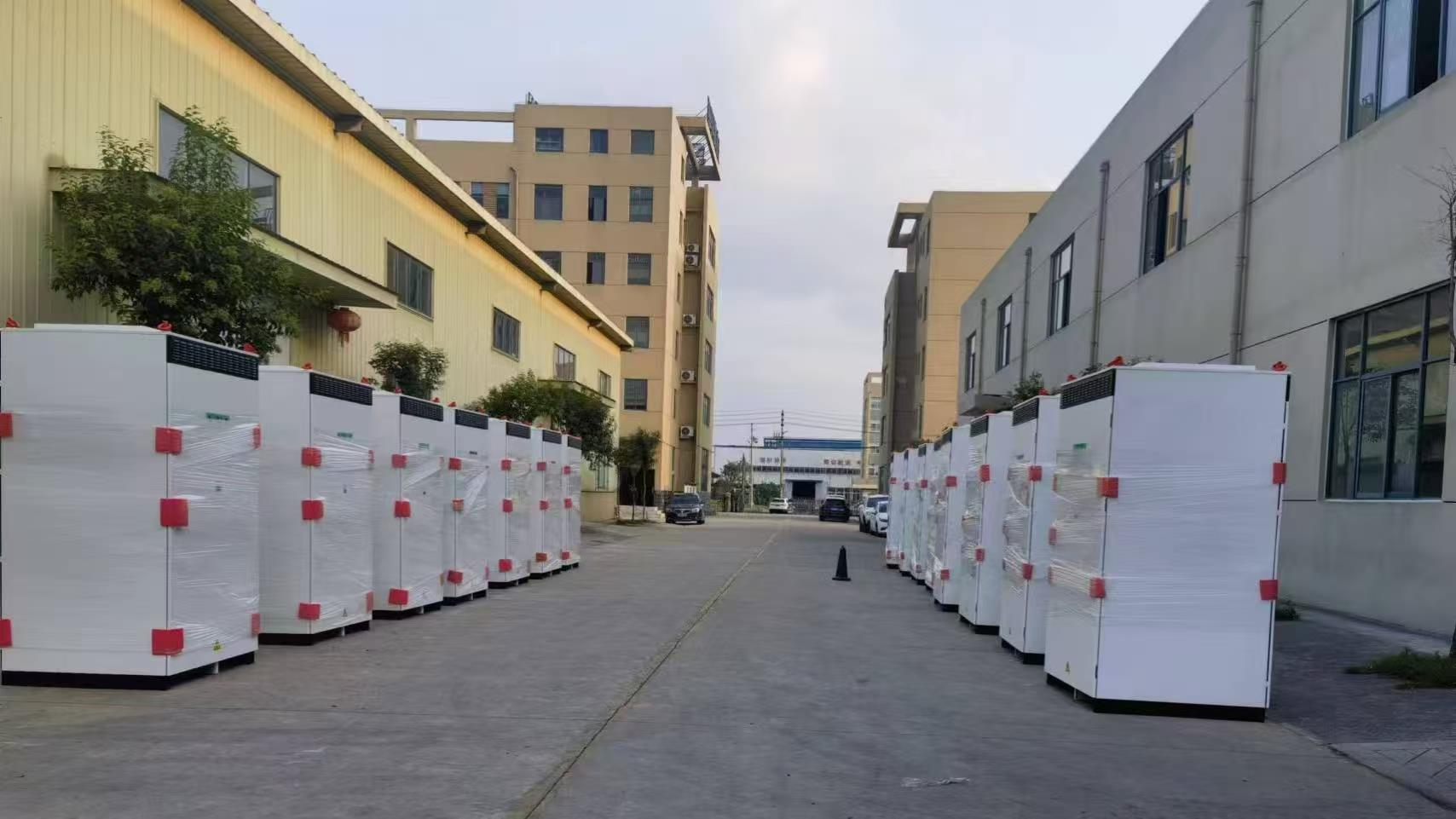
Qingdao Luzz Solar actively expands its global market presence, with business coverage across Asia, Europe, the Middle East, Africa, and Latin America. By working closely with international partners, we are committed to delivering tailored energy solutions that meet diverse regional needs and support the global energy transition.
Guided by the core values of integrity, innovation, cooperation, and sustainability, Luzz Solar strives to become a trusted global partner in the new energy industry. We are dedicated to advancing solar technology and contributing to a greener, more sustainable future.
Answers to common questions regarding grid-tied solar projects, exports, and compliance in the Spanish market.
Explore our full line of grid-tied systems and components certified for export to Spain and the broader EU market.
Connect with our engineering and logistics specialists to receive detailed product specifications, TUV/CE test reports, and factory-direct pricing for your projects.
Send Inquiry Now Luzz Solar