Select range of smart lithium-ion modules designed for fast integration with mainstream UK hybrid inverters, available with localized logistics dispatch.
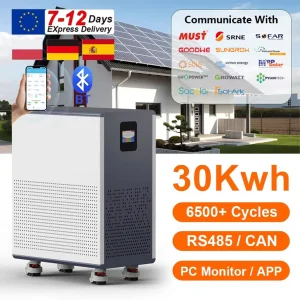
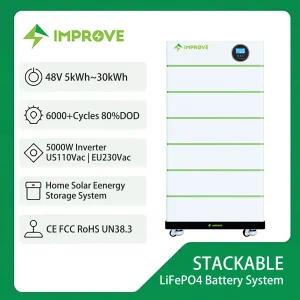
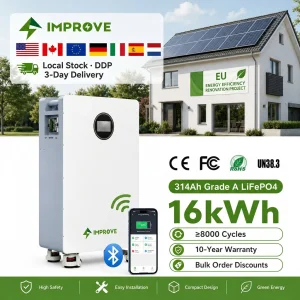
As the United Kingdom accelerates its binding commitment to achieve Net Zero greenhouse gas emissions by 2050, the national grid is undergoing a fundamental structural transition. The historical reliance on centralized, dispatchable fossil fuel assets is rapidly being replaced by intermittent renewable generation—primarily offshore wind and distributed solar photovoltaics. This structural shift introduces significant grid frequency fluctuations, transmission bottlenecks, and price volatility into the UK electricity market.
For commercial, industrial (C&I), and utility-scale operators, this transition presents both critical risks and unprecedented economic opportunities. High energy tariffs, coupled with triad charges and volatile Distribution Use of System (DUoS) tariffs, have forced businesses to seek proactive behind-the-meter (BTM) solutions. Rack-mounted energy storage battery systems (BESS) based on Lithium Iron Phosphate (LiFePO4) chemistry have emerged as the primary technological framework to address these challenges, offering high power density, scalability, and unmatched chemical stability.
In the UK, sophisticated dynamic tariffs such as Octopus Flux, combined with National Grid ESO balancing services (including Dynamic Containment, Moderation, and Regulation), reward energy consumers who can dynamically adjust their load profiles. Operating a local rack-mounted battery system enables automated peak shaving—charging the cells during low-carbon, low-cost off-peak windows, and discharging them during peak pricing periods to avoid severe red-band DUoS charges.
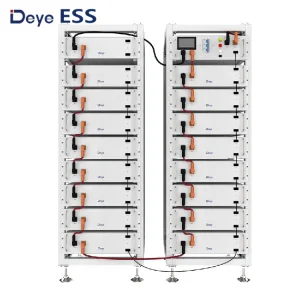
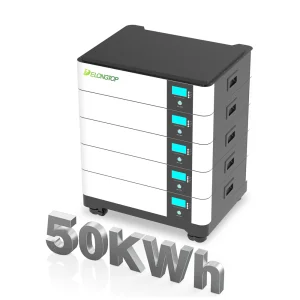
Furthermore, standard 19-inch rack enclosures allow system integrators to scale up battery capacities from a single 5.12kWh module up to megawatt-hour configurations within tight plant rooms. This space-saving design is critical for UK infrastructure projects where real estate footprint in commercial locations like London, Birmingham, and Manchester is at a premium.
Achieving grid connectivity in the United Kingdom requires absolute adherence to strict safety standards and electrical codes set by the Energy Networks Association (ENA).
Our battery storage solutions integrate seamlessly with inverters fully certified under ENA G98 (for installations up to 3.68kW per phase) and G99 (for systems exceeding 3.68kW), ensuring approval from local Distribution Network Operators (DNOs) like UK Power Networks, WPD, and SSE.
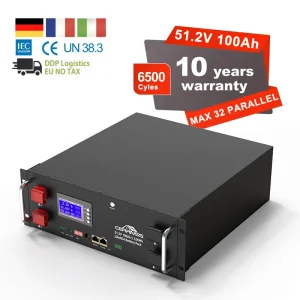
All exported modules conform strictly to EN 62619, IEC 63056, and UN38.3 standards. Equipped with smart Battery Management Systems (BMS) supporting CANbus and RS485 communication protocols compatible with major inverters.
To avoid costly grid reinforcement charges, our integrated smart BMS facilitates dynamic power control to comply with G100 requirements, allowing localized commercial operations to limit grid export while maximizing self-consumption.
Qingdao Luzz Solar Co., Ltd. is a leading global renewable energy enterprise specializing in the R&D, structural design, and automated manufacturing of Tier-1 lithium battery energy storage systems.
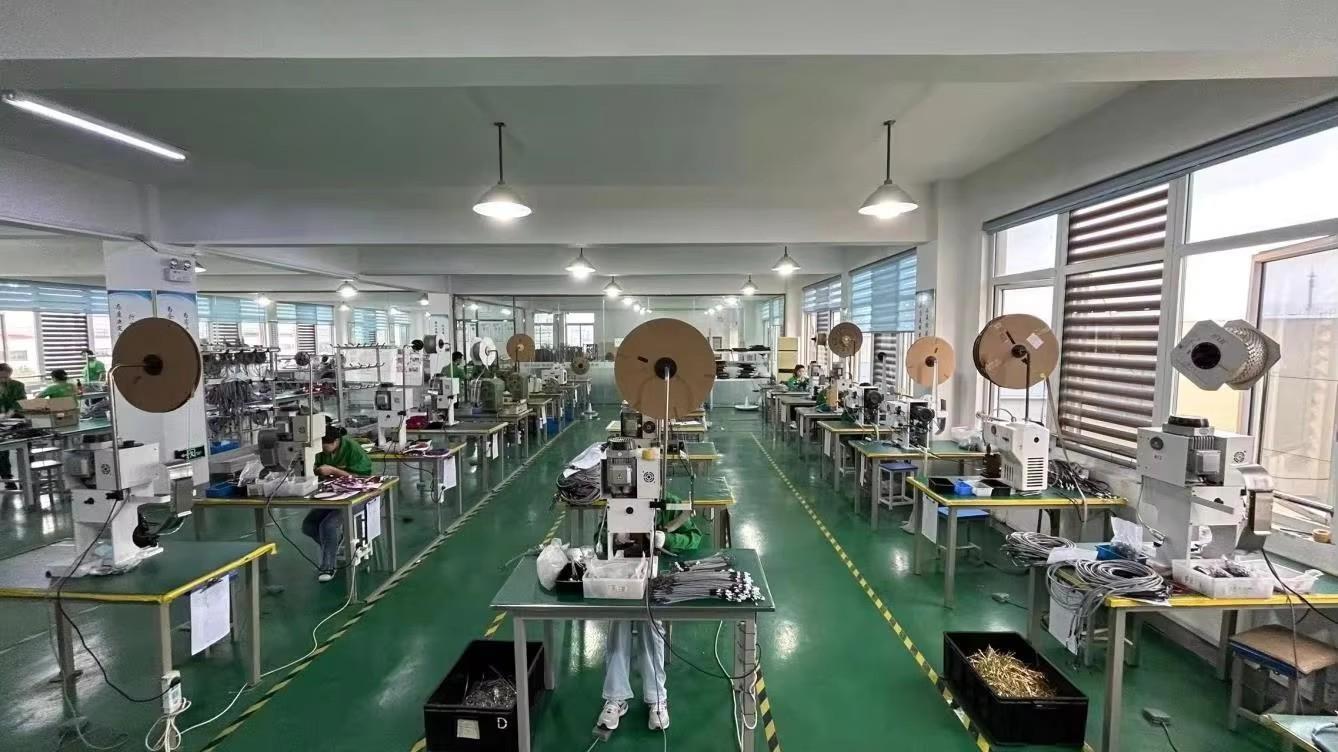
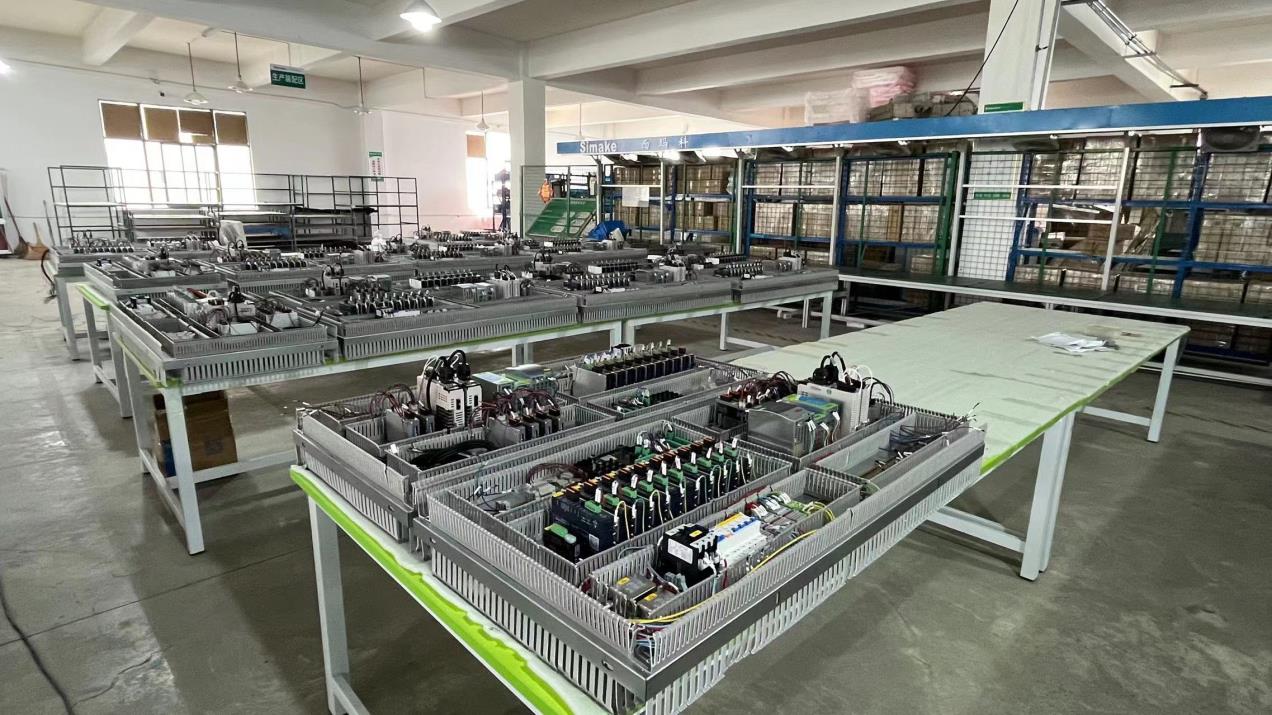
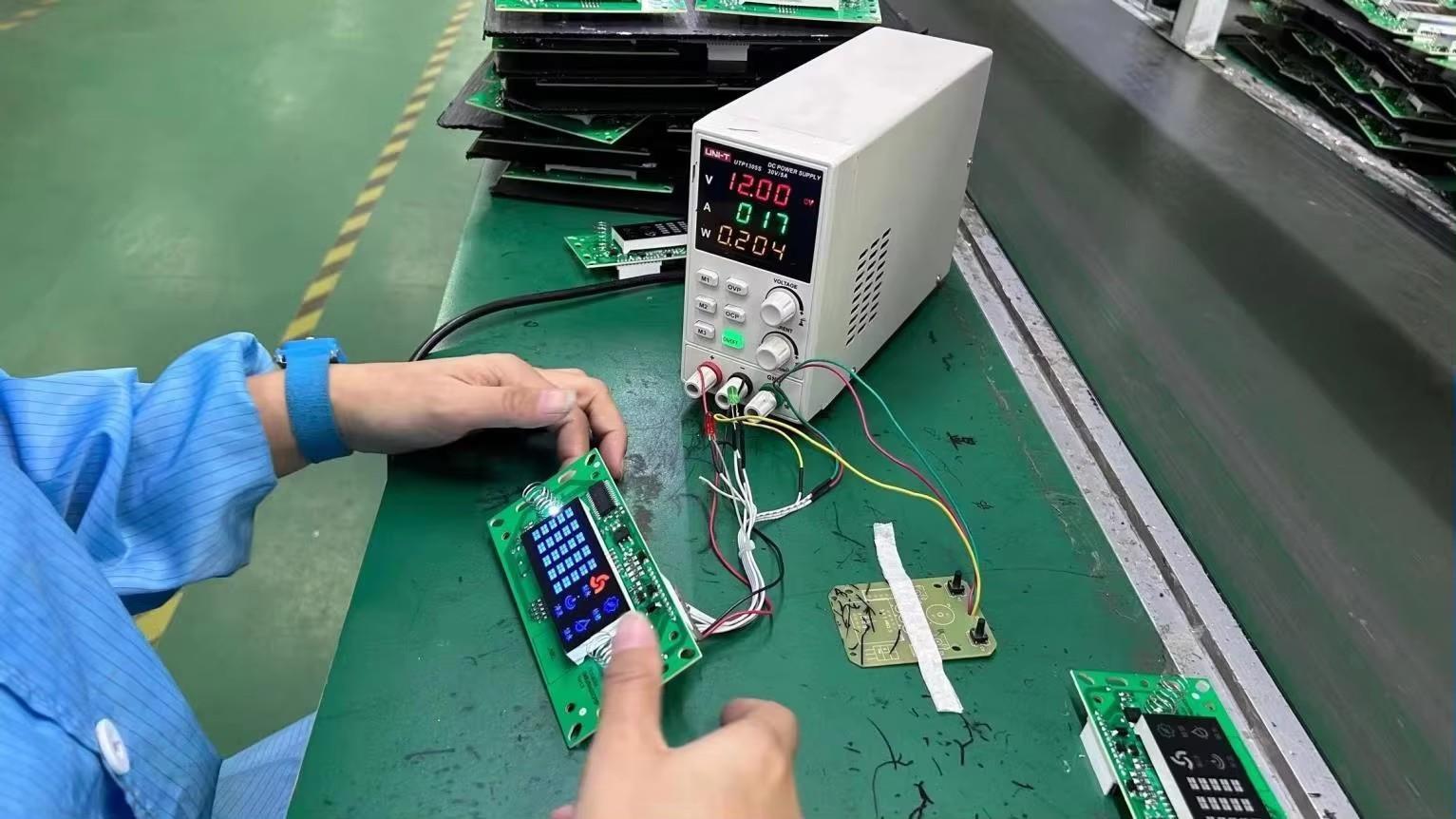
Operating out of Qingdao's high-tech industrial cluster, our facility features state-of-the-art automated production machinery. By combining precision metal fabrication, smart wiring architectures, and computerized cell sorting, we ensure that every rack-mounted module satisfies the rigorous requirements of European and UK industrial operations.
Our engineering team designs specifically for space efficiency, thermal management, and seamless communications integration, ensuring high uptime and compatibility with the world's most trusted inverter brands (Deye, Sol-Ark, Victron, Megarevo, and more).
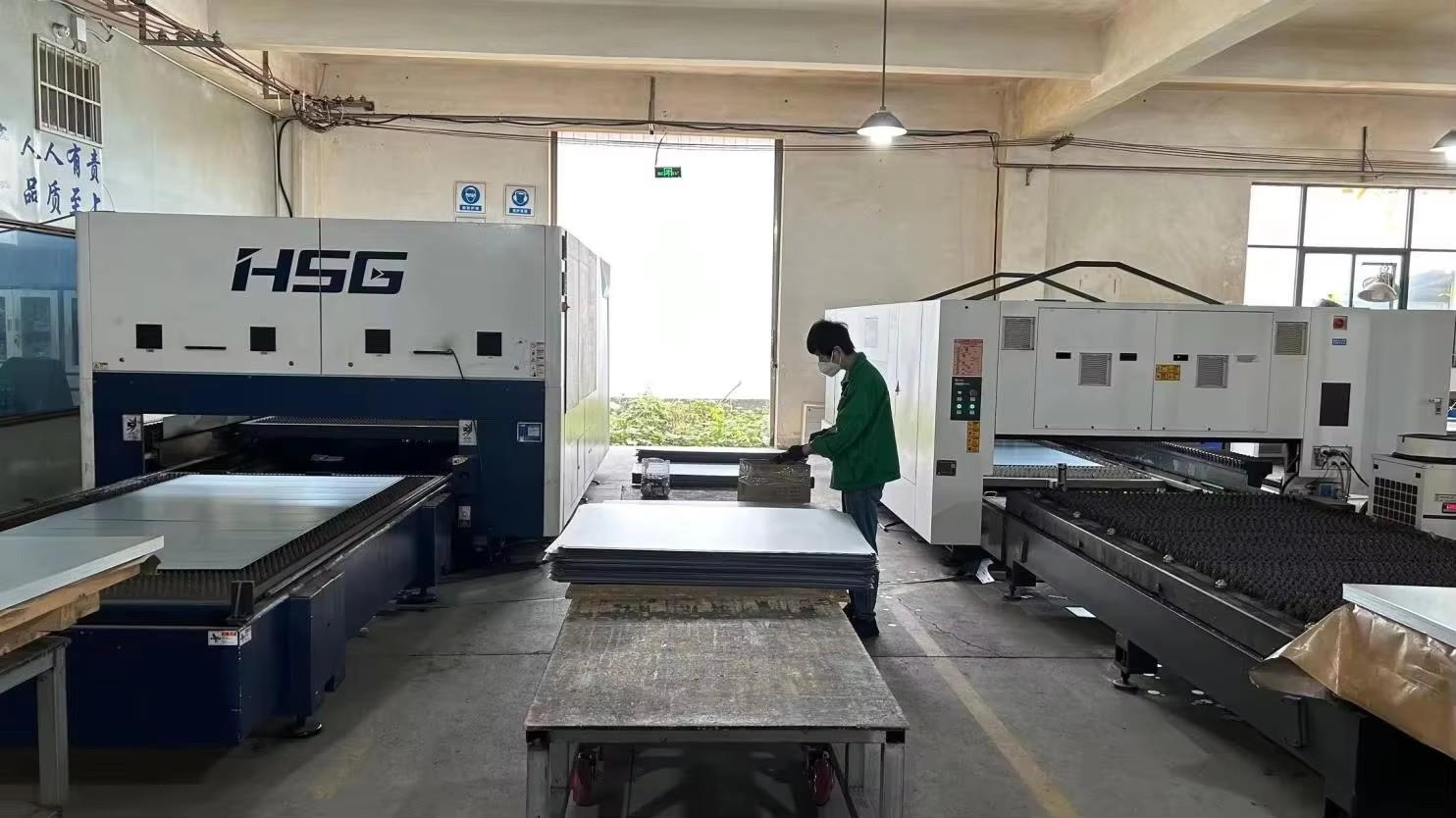
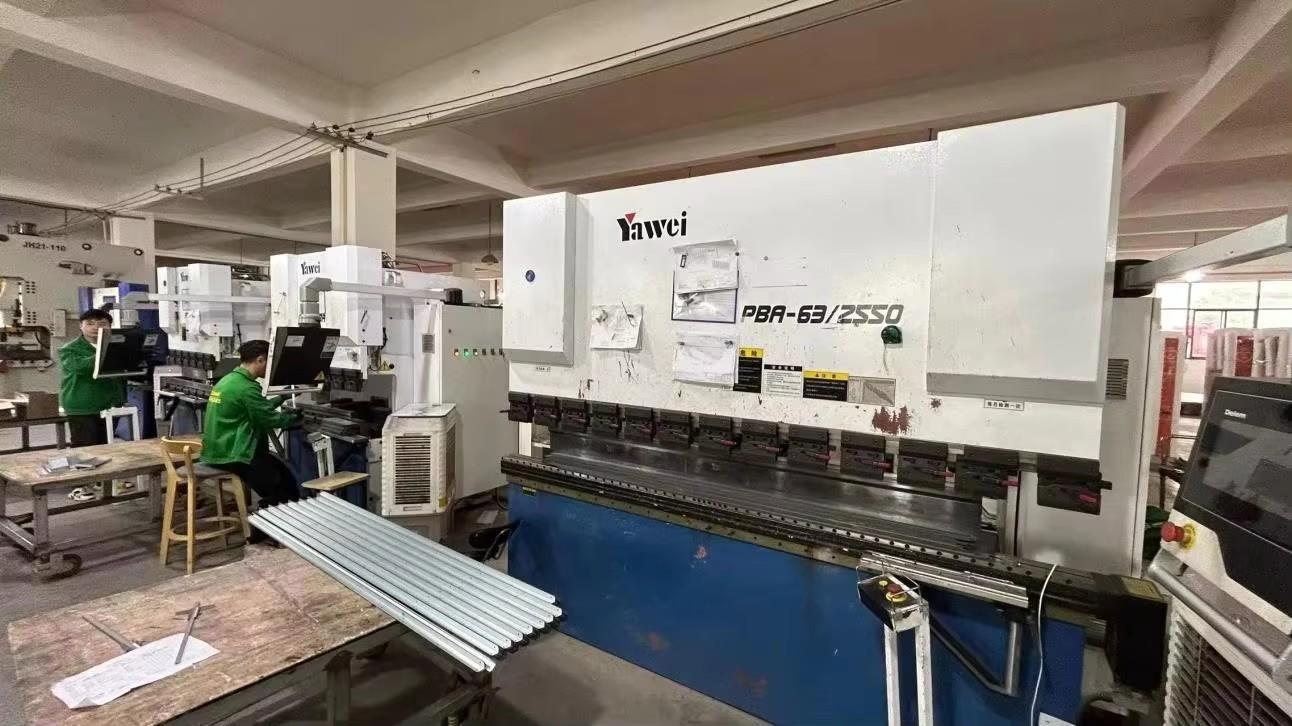
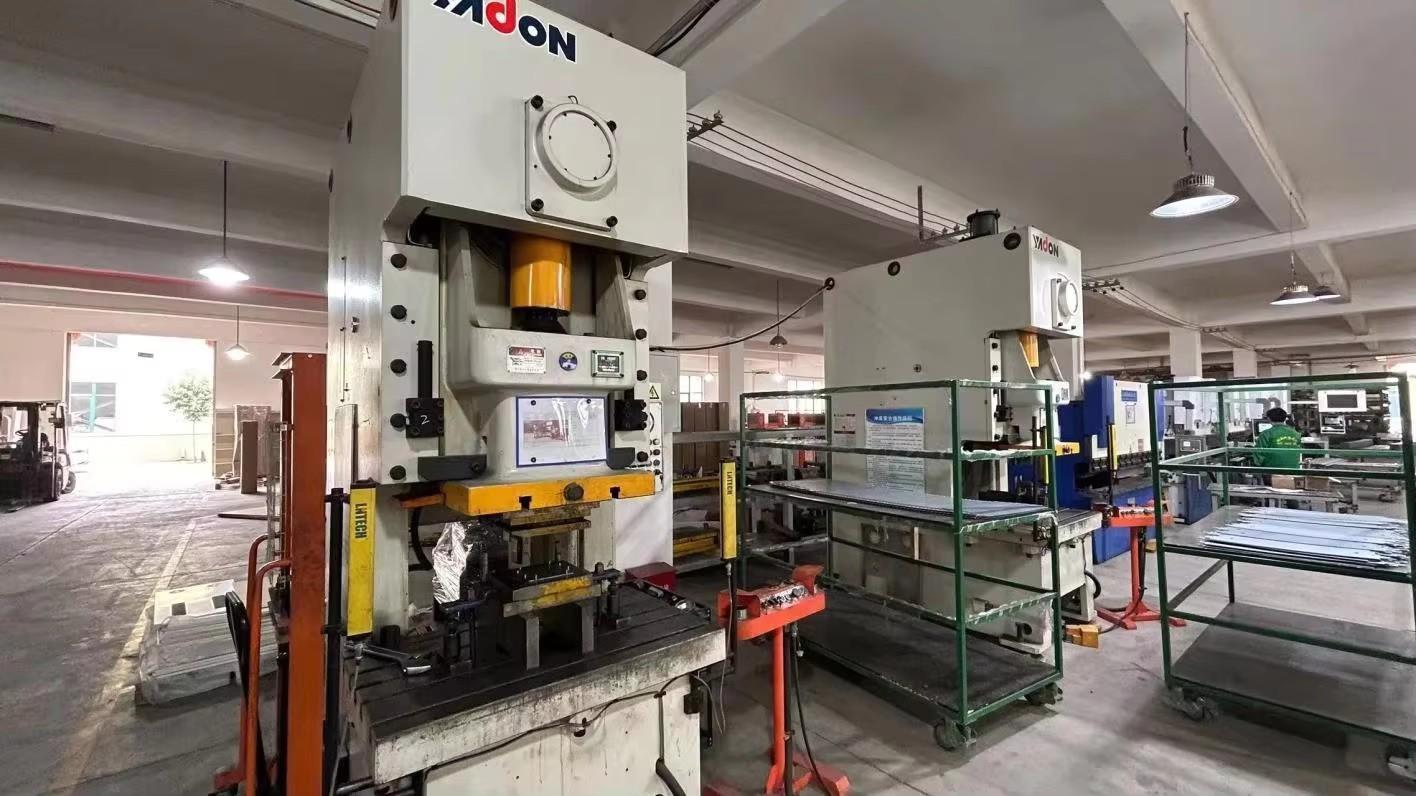
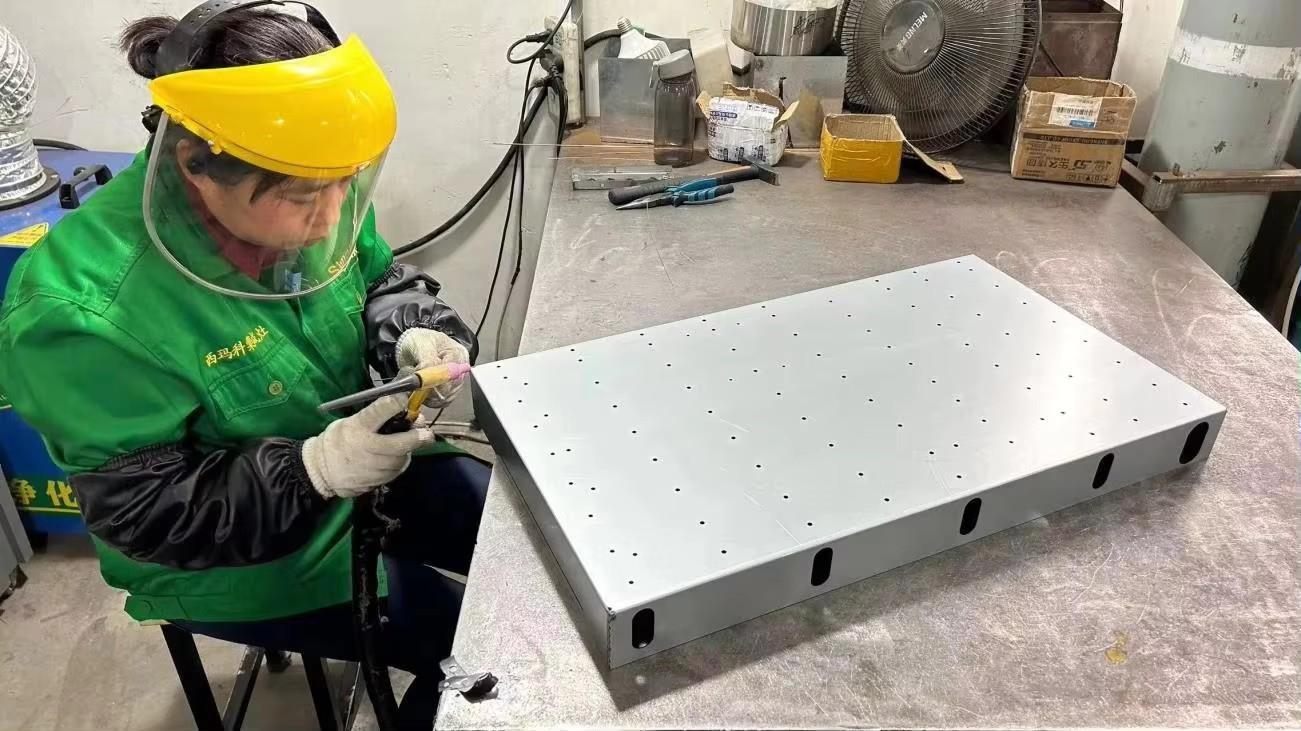
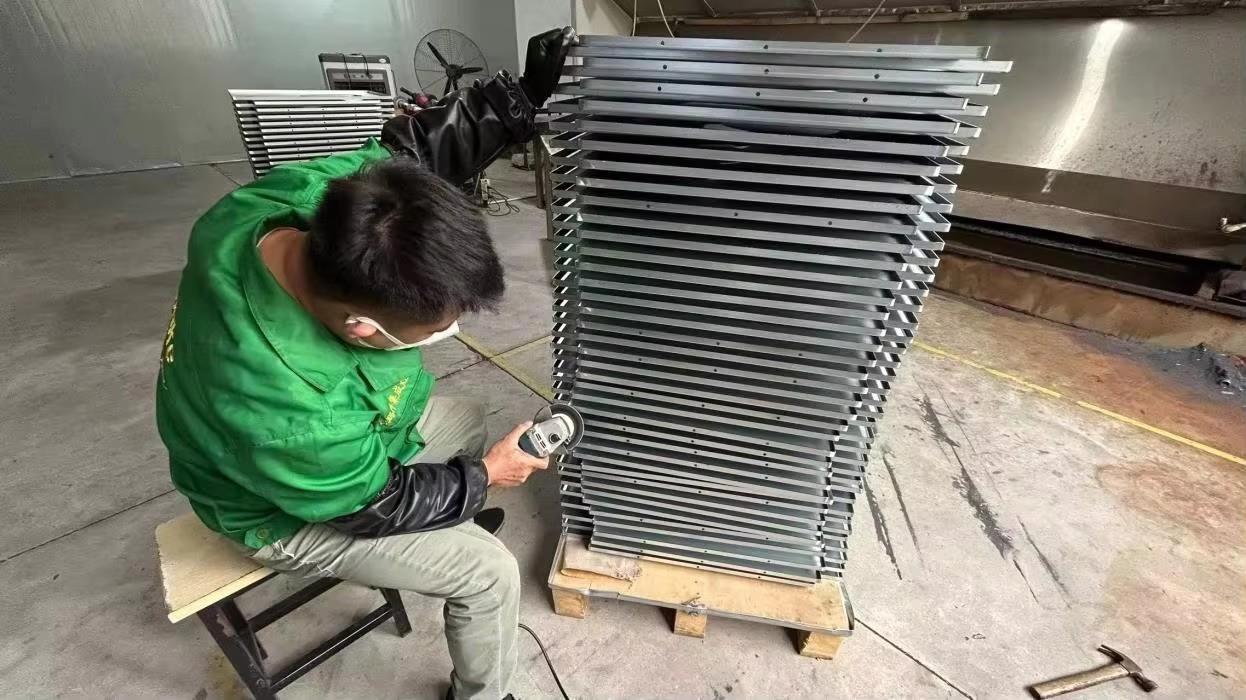
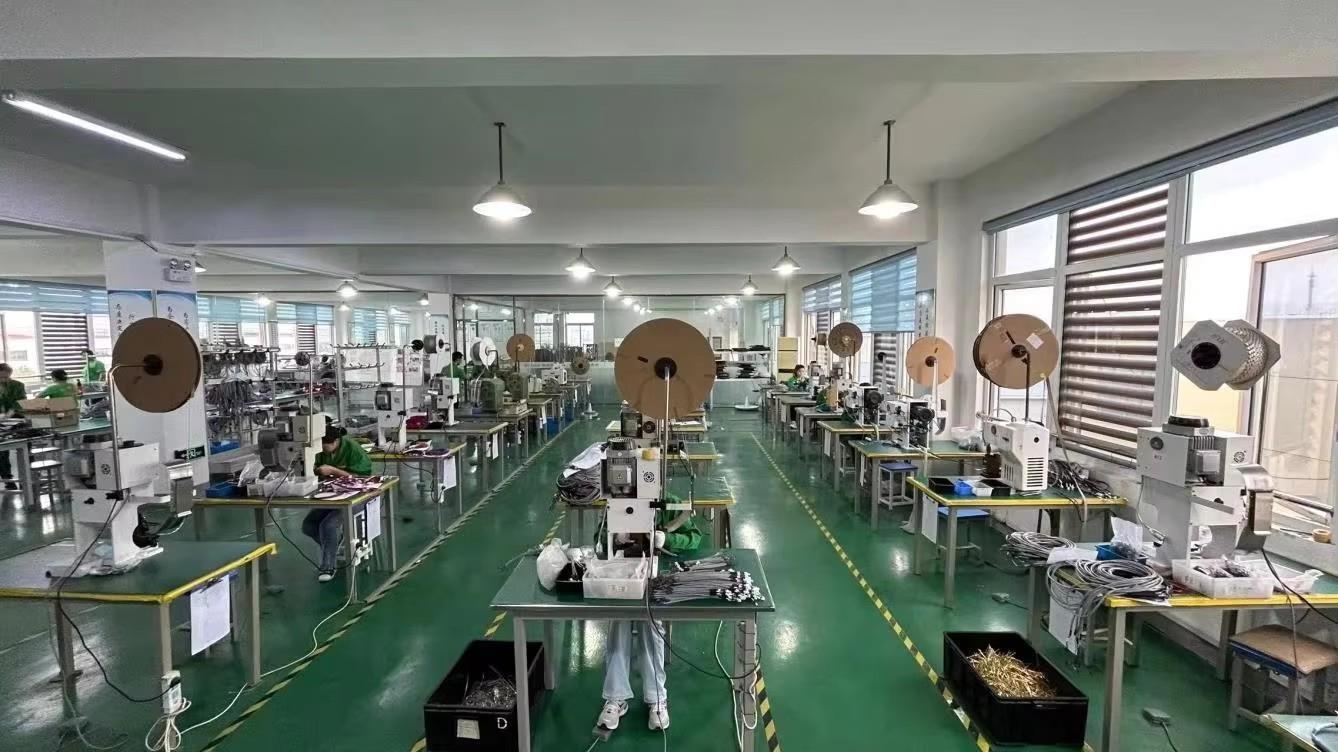
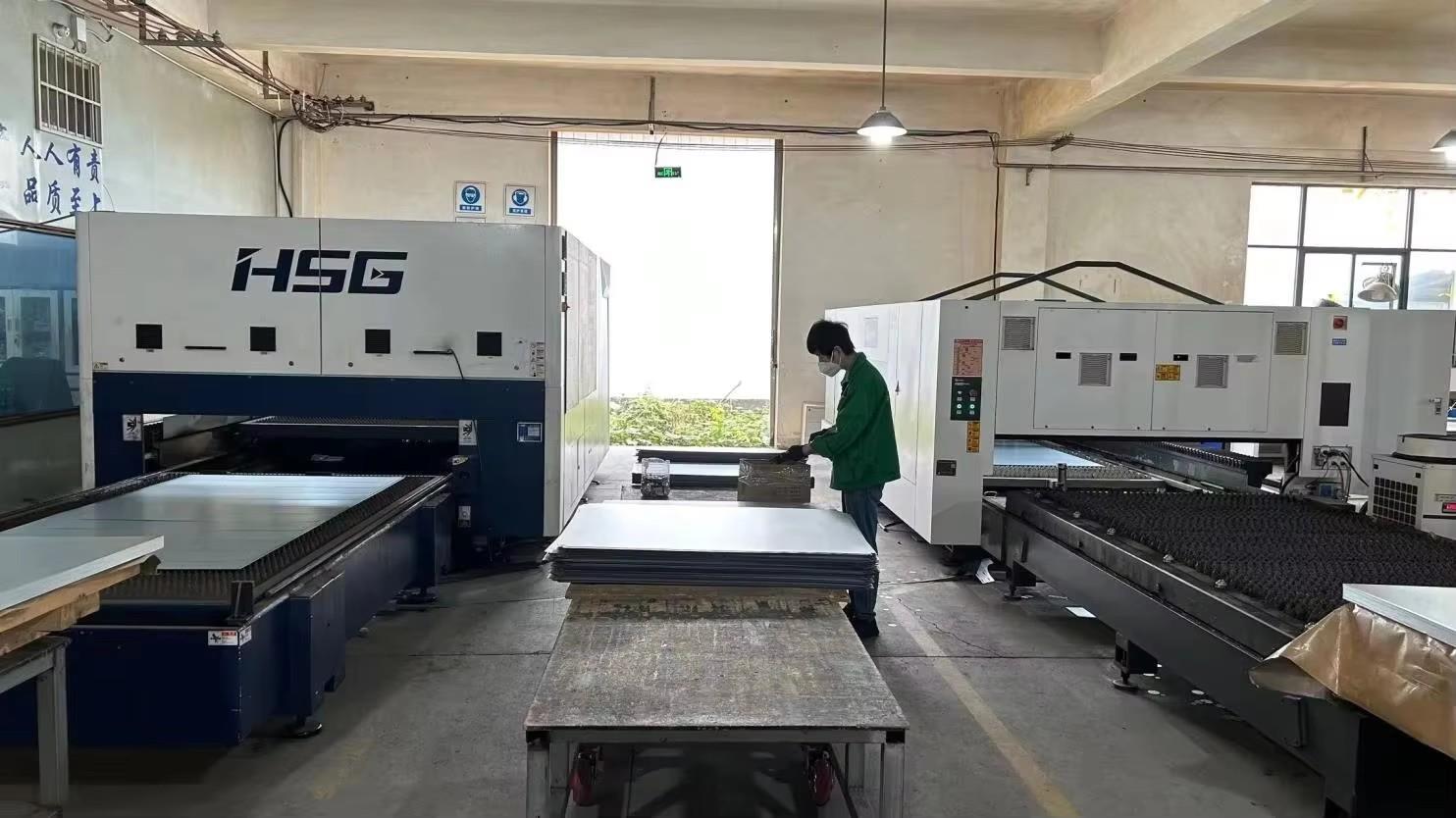
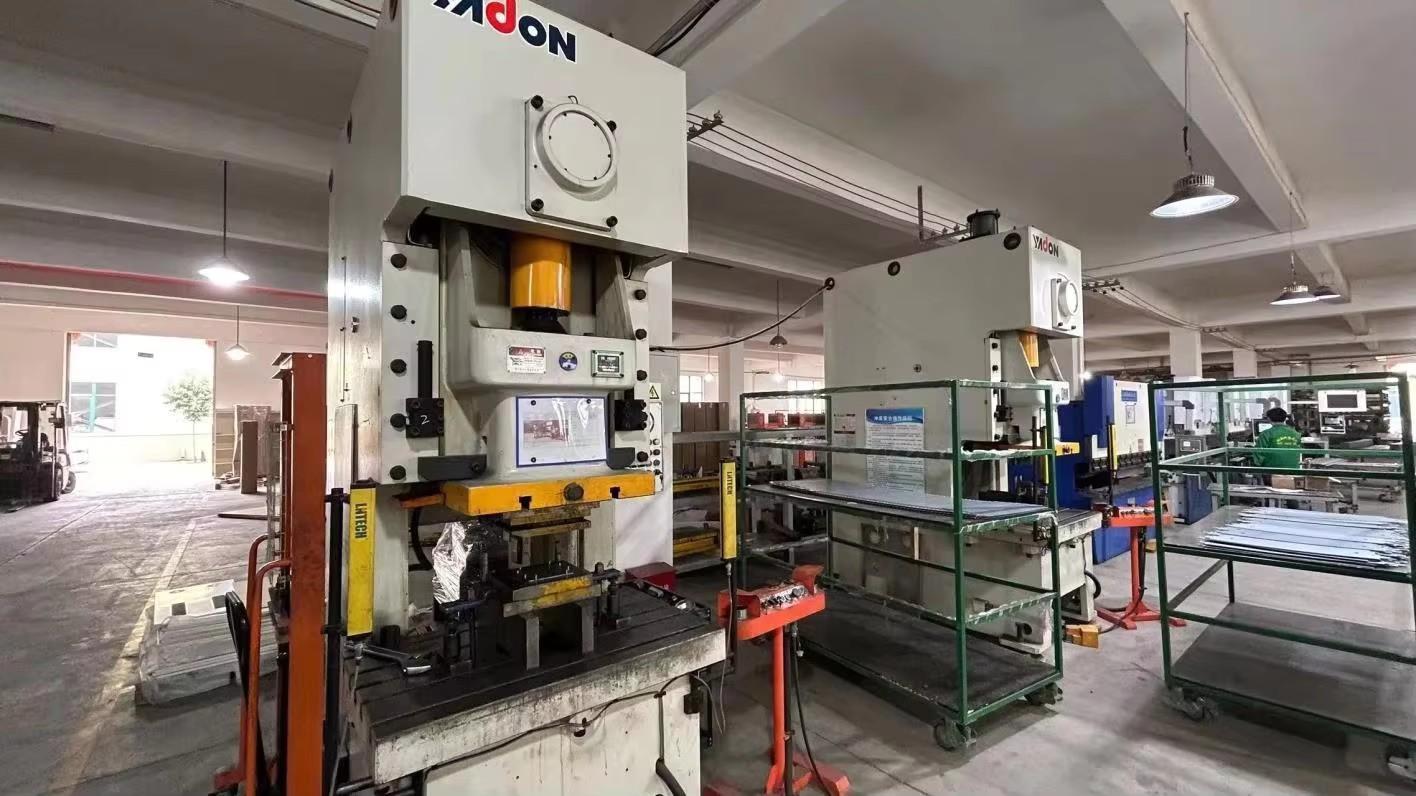
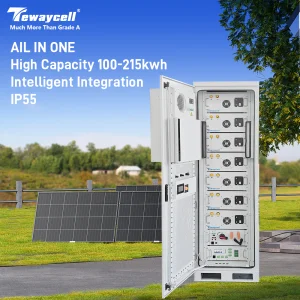
Engineered for deep-cycle reliability, scalability, and robust performance in telecom facilities, hospitals, agricultural facilities, and off-grid micro-utilities.
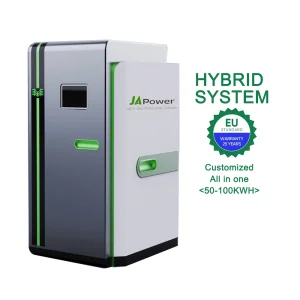
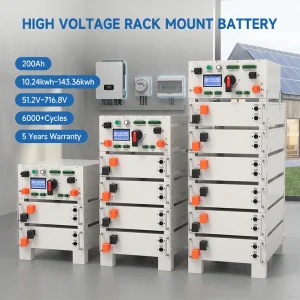
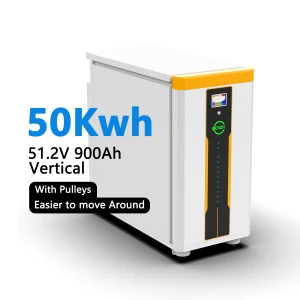
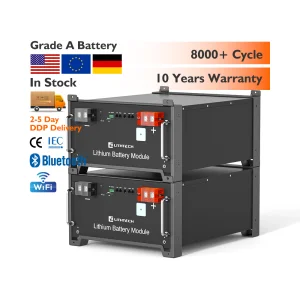
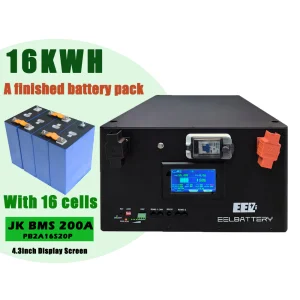
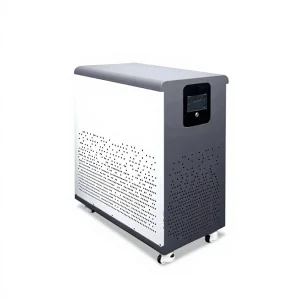
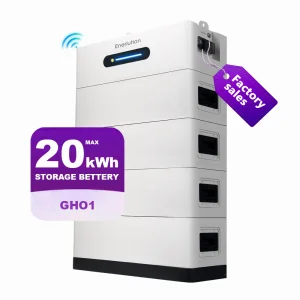
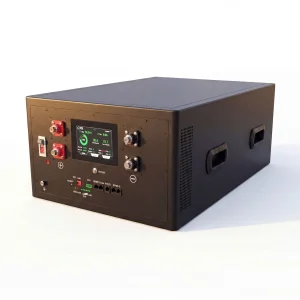
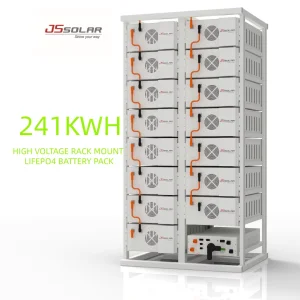
By leveraging the raw material and manufacturing ecosystem in China, Qingdao Luzz Solar integrates premium Grade-A cells from industry leaders such as EVE and CATL. This supply chain advantage guarantees high energy density, consistent voltage curves, and extremely low internal resistance across production batches. Furthermore, fully automated laser-welding lines ensure uniform inter-cell links, mitigating the mechanical and electrical risks associated with manual manufacturing.
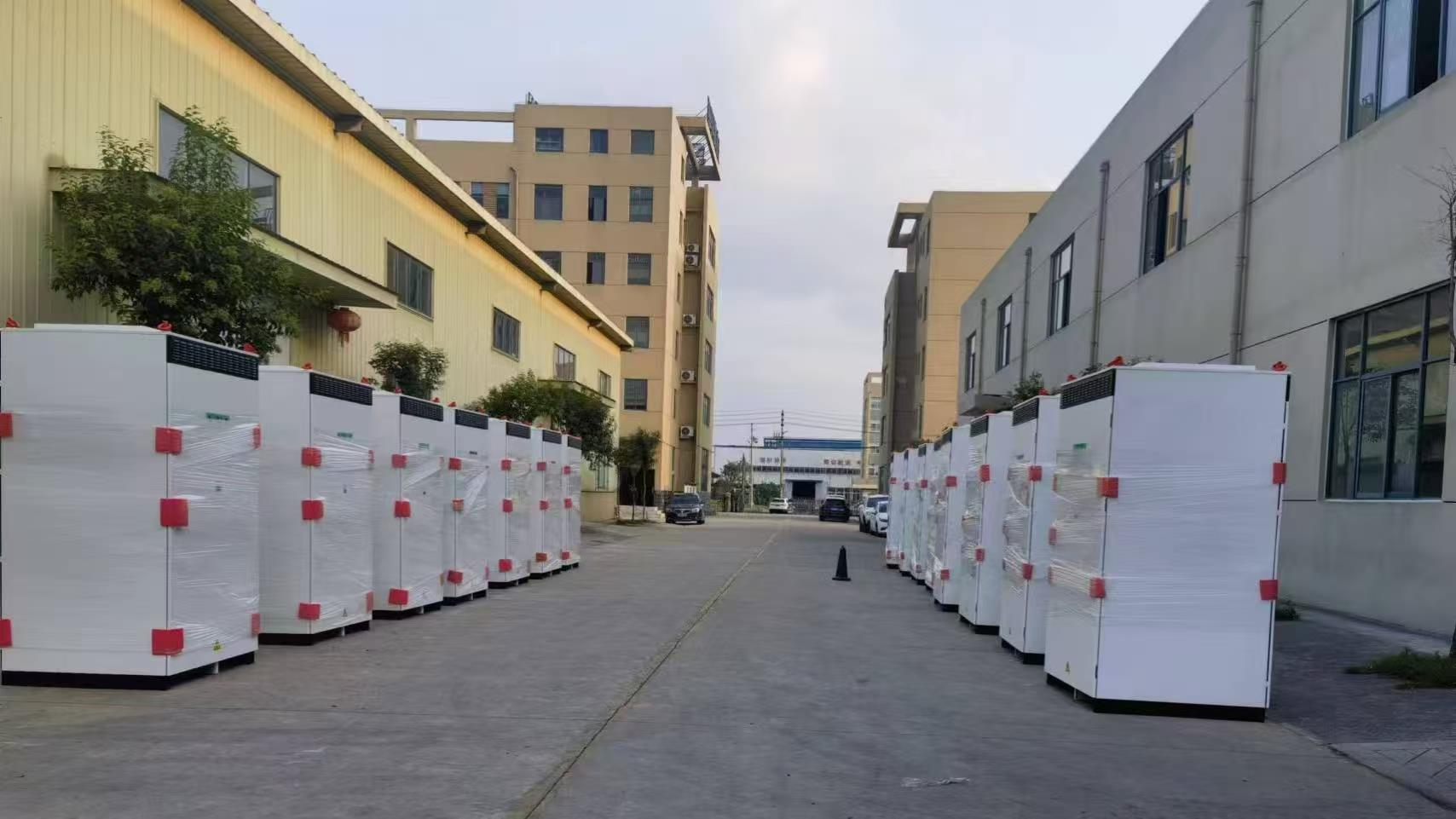
This localized Chinese manufacturing capability is backed by localized European logistics hubs. This dual approach allows UK buyers to benefit from Chinese cost efficiencies while maintaining rapid, duty-paid shipping structures with local warranty coverage.
Standard server rack environments demand exceptional thermal engineering. Our modules utilize thick structural aluminum alloy panels paired with passive natural heat dissipation or forced air-cooling mechanisms. Each modular tray includes dedicated internal physical cell separators, preventing cascading thermal runaway in the highly unlikely event of single-cell degradation.
Additionally, each system features an active balance BMS system that consistently checks voltage and cell temperatures, performing real-time balancing to increase overall cycle life and sustain energy discharge capacity over time.
From metropolitan offices in London to rural farm developments in Yorkshire, rack-mounted ESS modules are deployed to solve specific network challenges.
C&I entities face severe peak tariffs. By storing off-peak energy and discharging during peak operational windows, facilities significantly lower their energy expenditure, reducing payback windows to under 5 years.
Traditional lead-acid backup systems take up massive footprints. Upgrading to high-density 19-inch LiFePO4 rack systems allows IT and telecom operators to double backup runtimes within the same server room layout.
With the UK transition to EVs, logistics hubs face grid capacity constraints. Local energy storage systems provide buffer power to fast-charge fleets without requiring expensive substation capacity upgrades from the DNO.
In-depth answers to critical technical and regulatory queries commonly encountered by UK engineering teams and solar system designers.
G98 covers small-scale generation installations up to and including 16A per phase (approx. 3.68kW single-phase or 11.04kW three-phase). Connection under G98 is a simplified "fit and inform" process. G99 applies to any generation source exceeding 16A per phase, requiring formal prior consent from the local Distribution Network Operator (DNO) before commissioning. Our system integration options simplify G99 applications through built-in active power limiting interfaces.
Lithium Iron Phosphate (LiFePO4) offers significantly higher thermal stability, non-flammability up to high temperatures, and a much longer operational cycle life (exceeding 6,000 cycles at 90% Depth of Discharge). NMC (Nickel Manganese Cobalt) provides slightly higher energy density but has lower safety thresholds and a shorter lifespan (typically 1,500 to 2,000 cycles). For building safety and long-term ROI in UK commercial environments, LiFePO4 is the standard choice.
Maintaining localized inventory in regional warehouses minimizes transit times, simplifies logistics, and eliminates complex import customs and unexpected VAT processes. This approach reduces delivery lead times from several weeks to just a few business days, facilitating efficient procurement for installers and EPC contractors managing tight project schedules.
Yes, our batteries are designed with open standard communication buses (Modbus-RTU, CAN, and RS485). The smart BMS transmits detailed telemetry, including cell temperature, individual cell voltage, state of charge (SoC), and state of health (SoH), to external energy management platforms or third-party monitoring hardware.
 Luzz Solar