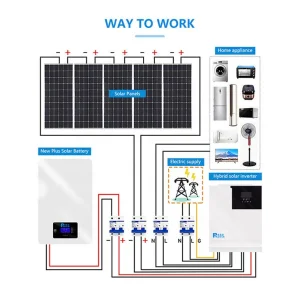
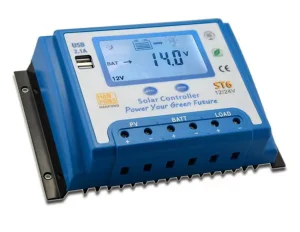
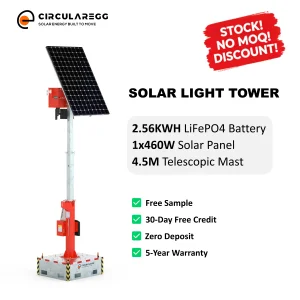
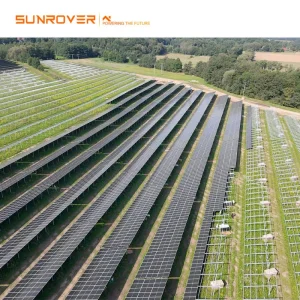
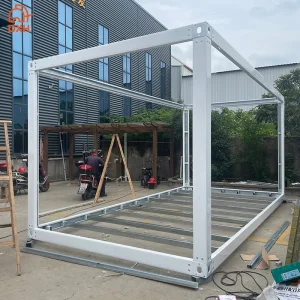
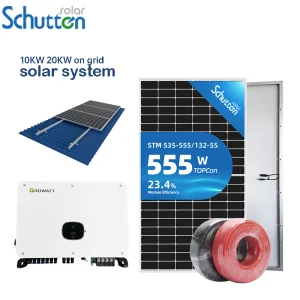
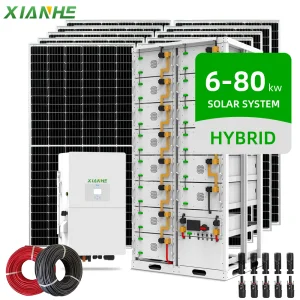
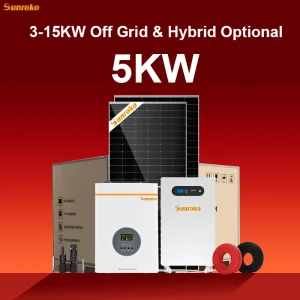
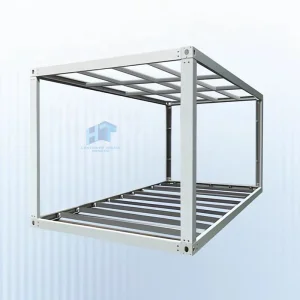
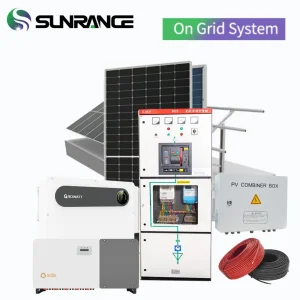
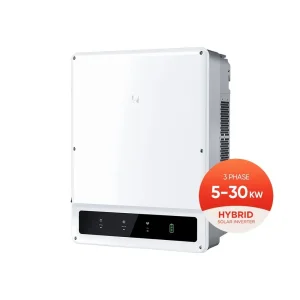
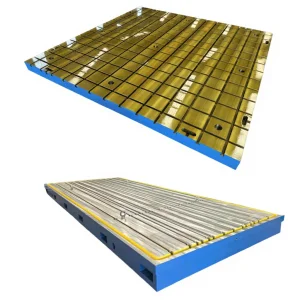
Explore our foundational photovoltaic panels, system controllers, industrial frames, and integrated solar kits built to maximize ROI.
Qingdao Luzz Solar Co., Ltd. is a professional new energy enterprise specializing in the development, manufacturing, and global distribution of photovoltaic (PV) products and integrated energy storage solutions. Located in the strategic industrial hub of Qingdao, China, the company benefits from a well-established renewable energy industrial base, advanced metallurgical supply chains, and state-of-the-art manufacturing capabilities.
With the accelerating global transition toward carbon neutrality and sustainable development, Luzz Solar is committed to providing efficient, reliable, and cost-effective clean energy solutions to customers worldwide. Our product portfolio includes high-efficiency solar photovoltaic modules, energy storage systems, and integrated solar application solutions designed for residential, commercial, and utility-scale projects.
Driven by technological innovation and quality excellence, the company continuously invests in R&D and production optimization to improve product performance, energy conversion efficiency, and system reliability. We strictly adhere to international quality standards and implement rigorous quality control throughout the entire production process to ensure stable and long-term product performance.
Qingdao Luzz Solar actively expands its global market presence, with business coverage across Asia, Europe, the Middle East, Africa, and Latin America. By working closely with international partners, we deliver tailored energy solutions that meet diverse regional needs and support the global energy transition.
Delving deep into the crystal lattices, thermal dynamics, and structural superiority of Lithium Iron Phosphate technology.
To understand why LiFePO4 (Lithium Iron Phosphate) has become the gold standard for stationary energy storage systems (ESS) and electric utility infrastructures, one must analyze the material at the molecular level. Unlike Nickel Manganese Cobalt (NMC) chemistries, which exhibit layered structures susceptible to oxygen release at high temperatures, LiFePO4 features an olivine crystalline structure.
The strong covalent P-O (phosphorus-oxygen) bonds within the PO43- tetrahedral units form a rigid three-dimensional framework. This atomic configuration prevents oxygen release during structural stress or thermal events, effectively mitigating the risk of thermal runaway. Consequently, Luzz Solar’s LiFePO4 batteries are structurally self-terminating in fire hazards, maintaining safety up to temperatures exceeding 60.0°C (140°F) where NMC chemistries risk combustion.
Advanced BMS Integration: Luzz Solar pairs its CE-certified LiFePO4 configurations with an intelligent Battery Management System (BMS). This BMS actively manages charge balancing, state of charge (SoC) projection, state of health (SoH) diagnostics, and offers multi-tier overcurrent protection. This intelligent oversight preserves cell lifespan, delivering upwards of 15 years of operational integrity in variable climate envelopes.
An inside look at our highly automated Qingdao production facility, illustrating the detailed processes from cutting raw components to final product testing.
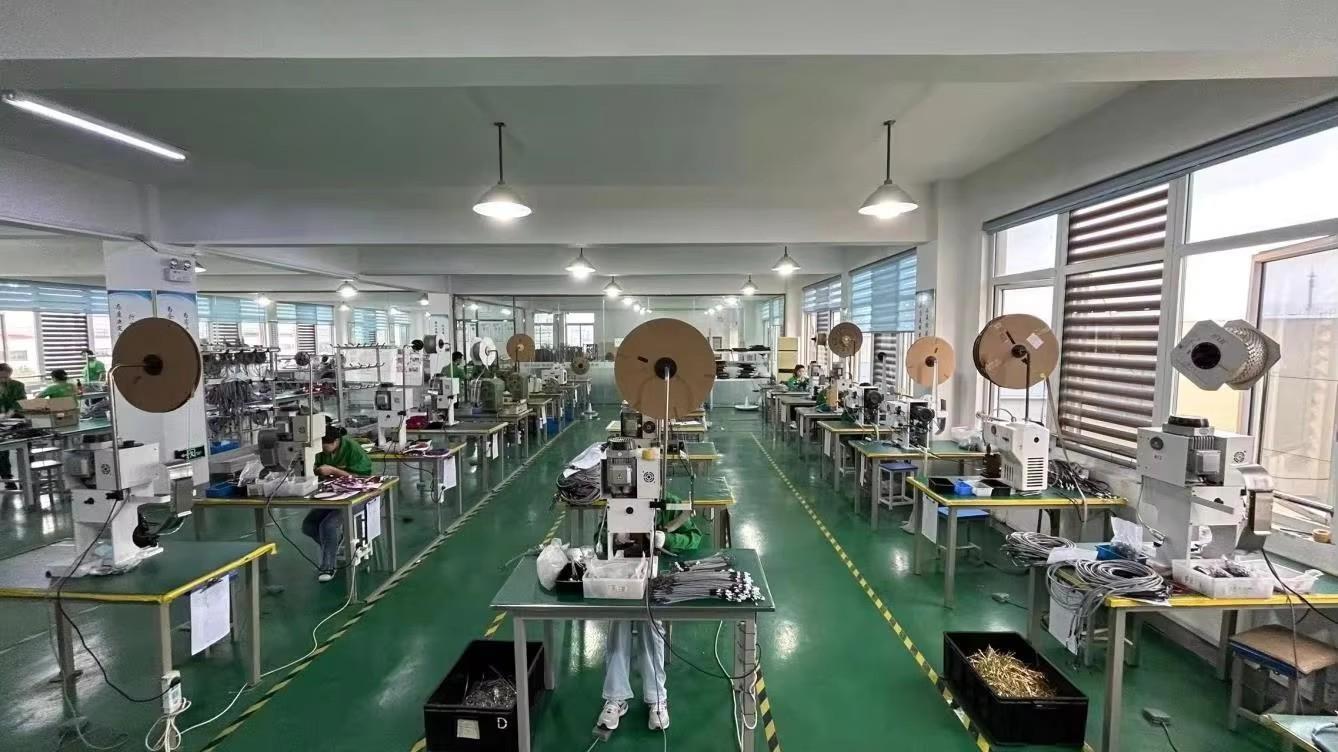
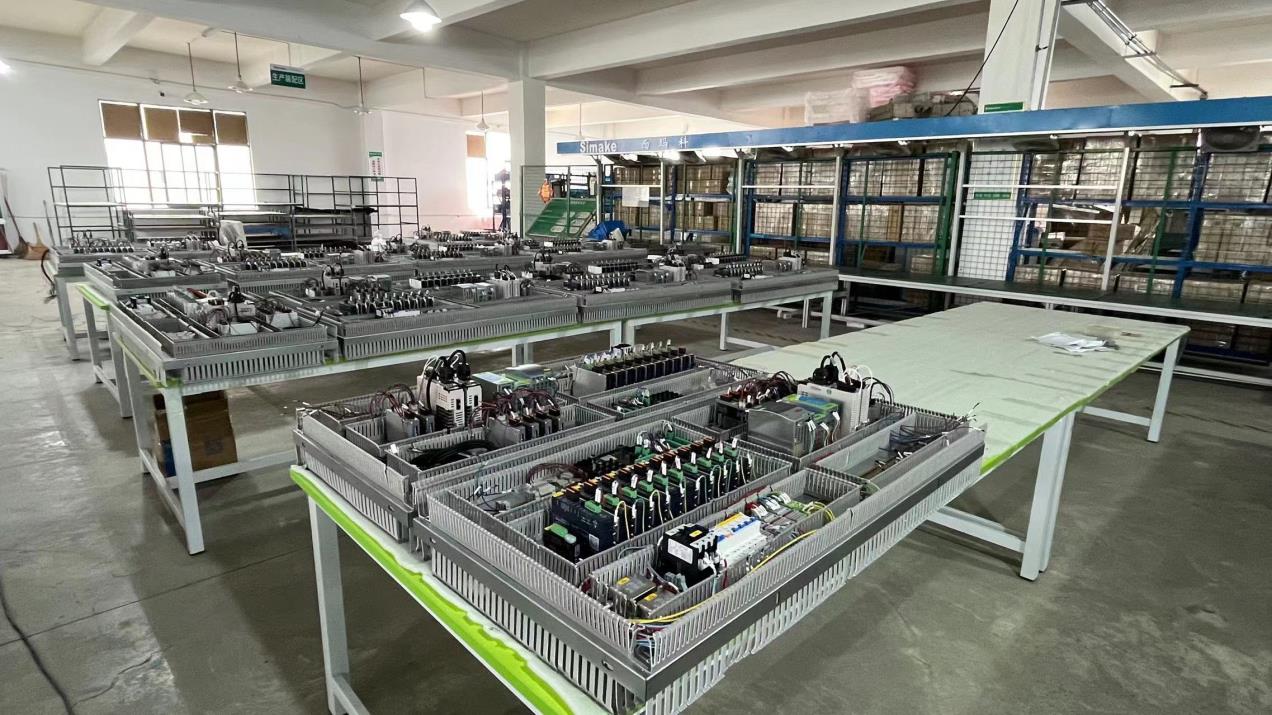
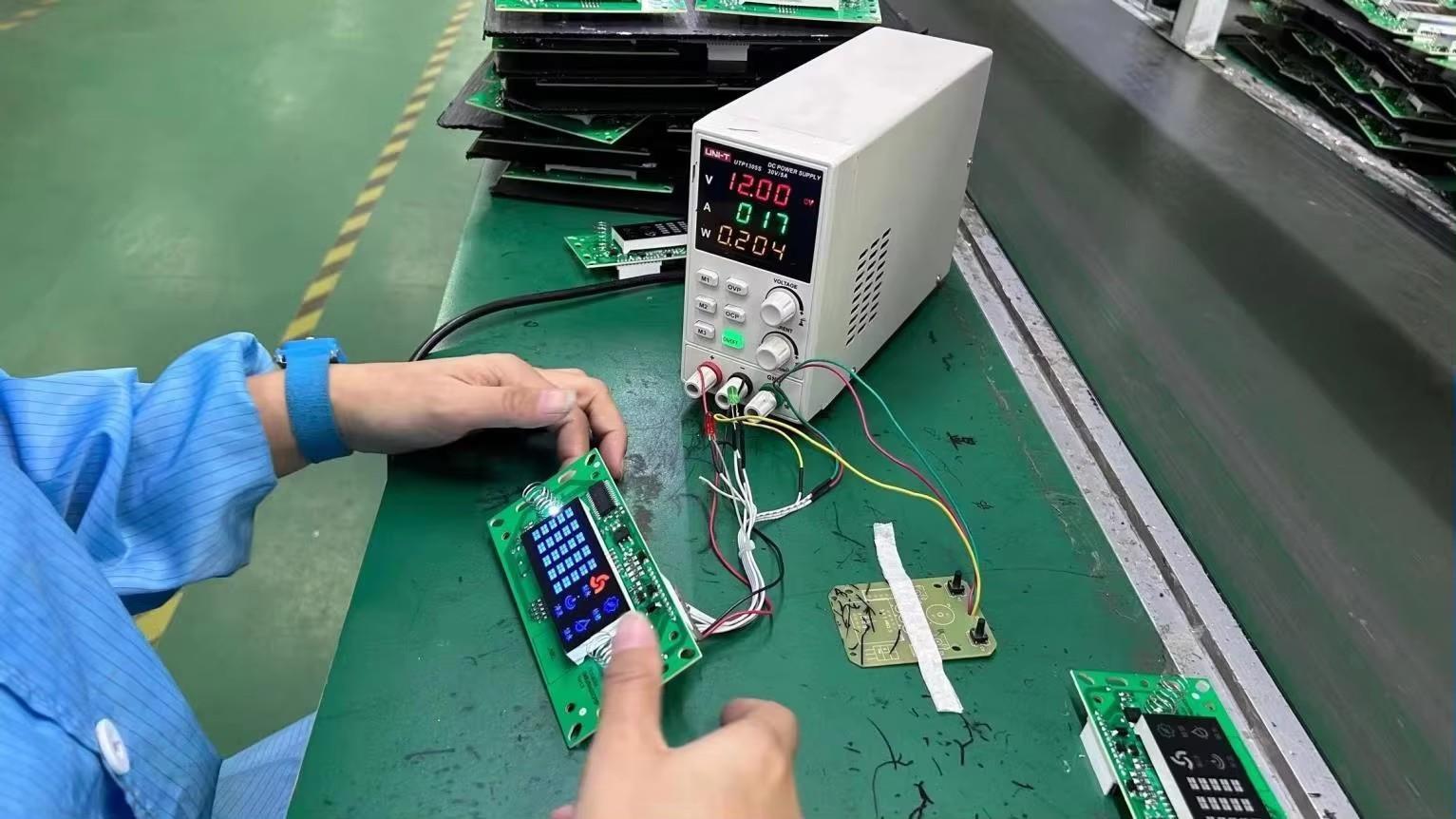
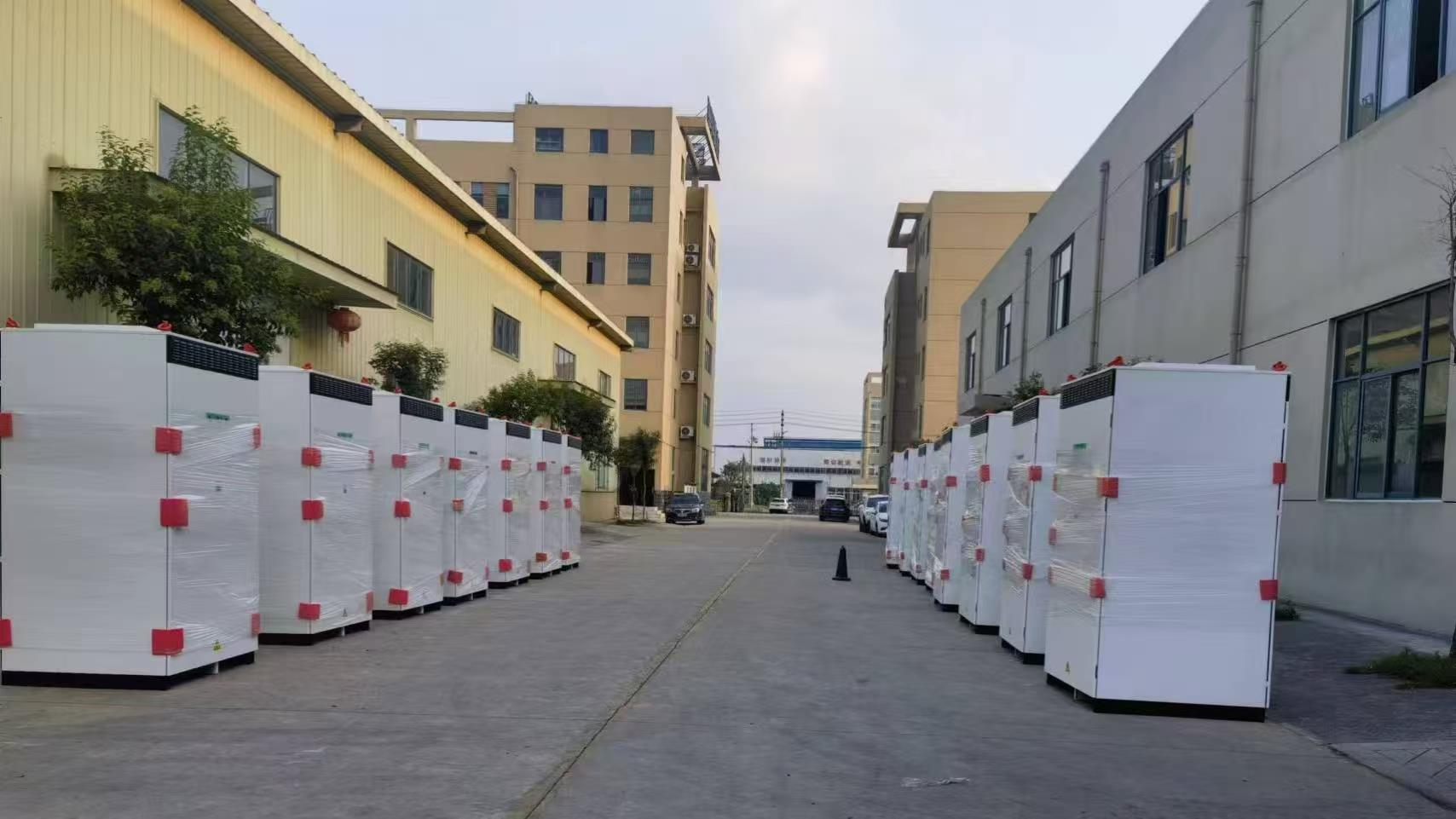
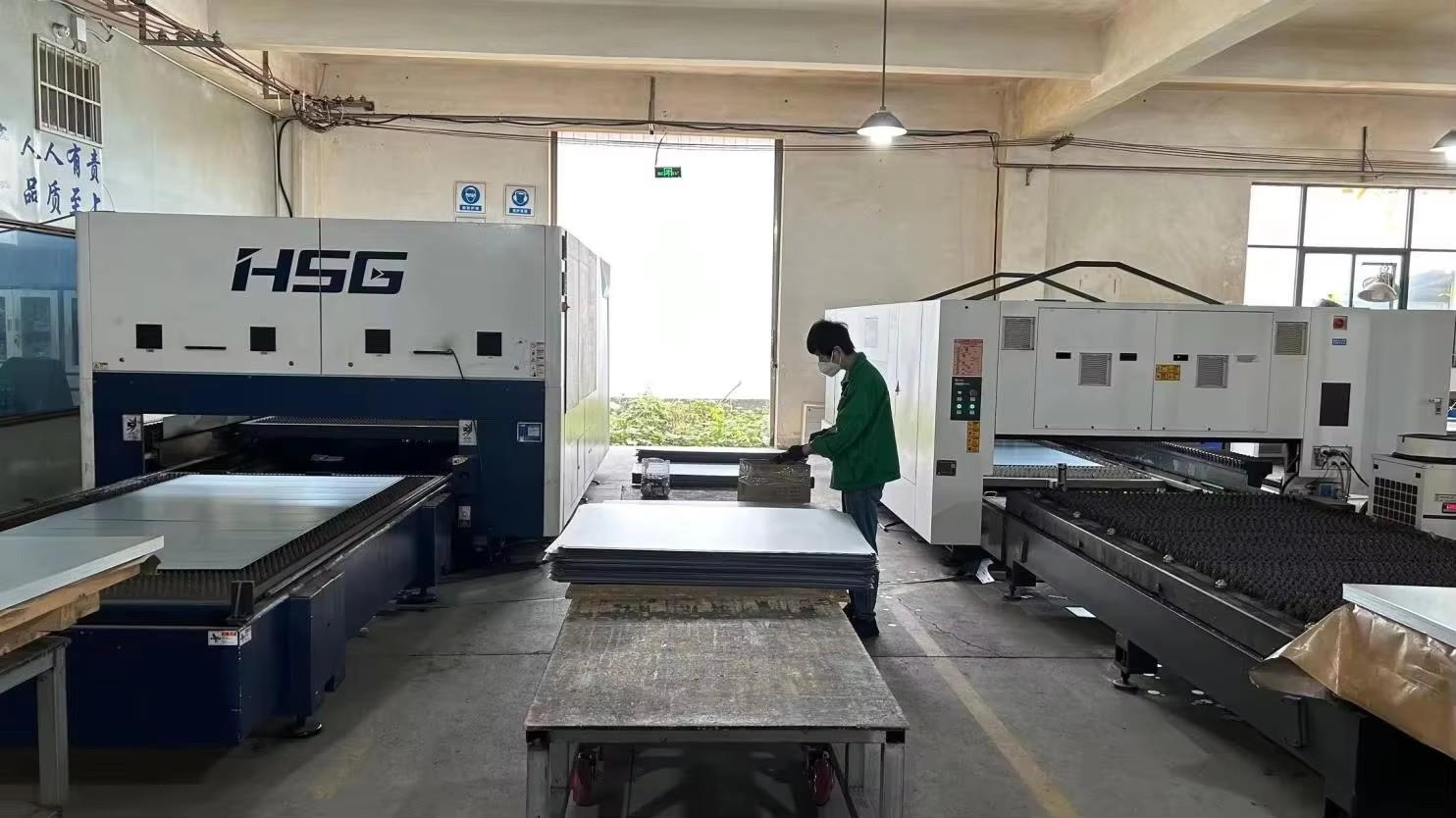
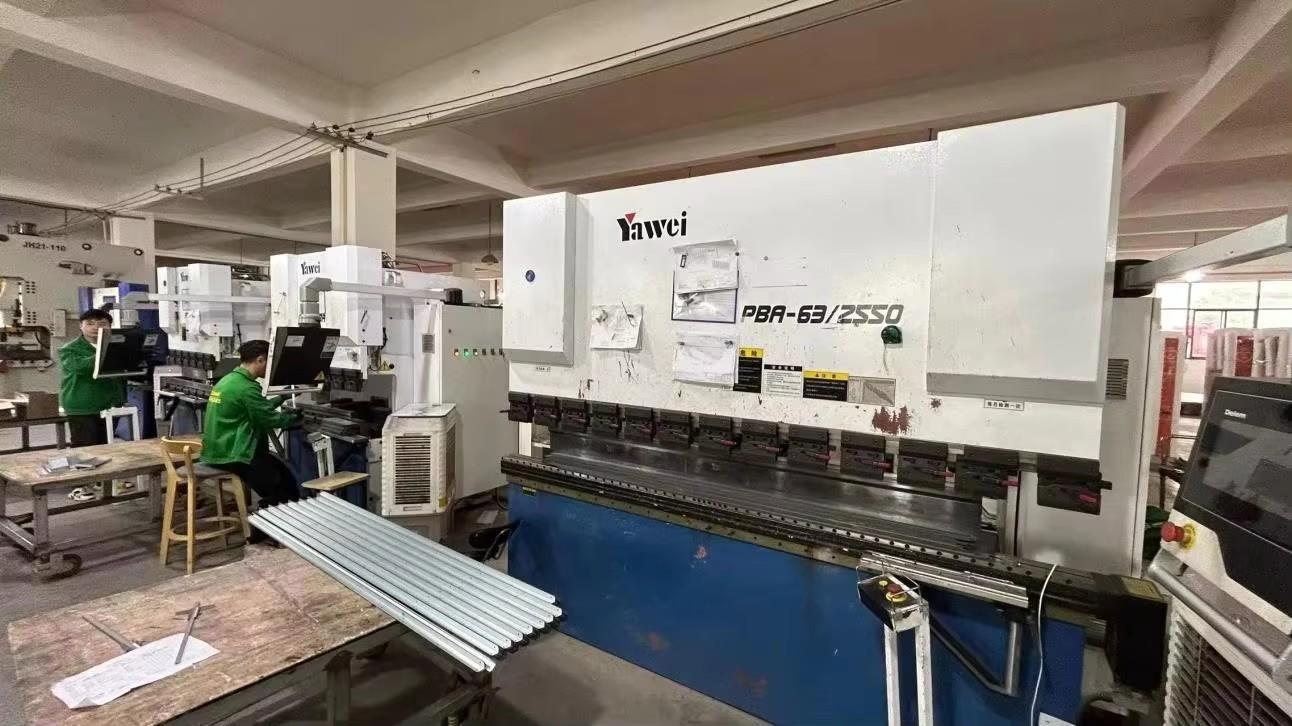
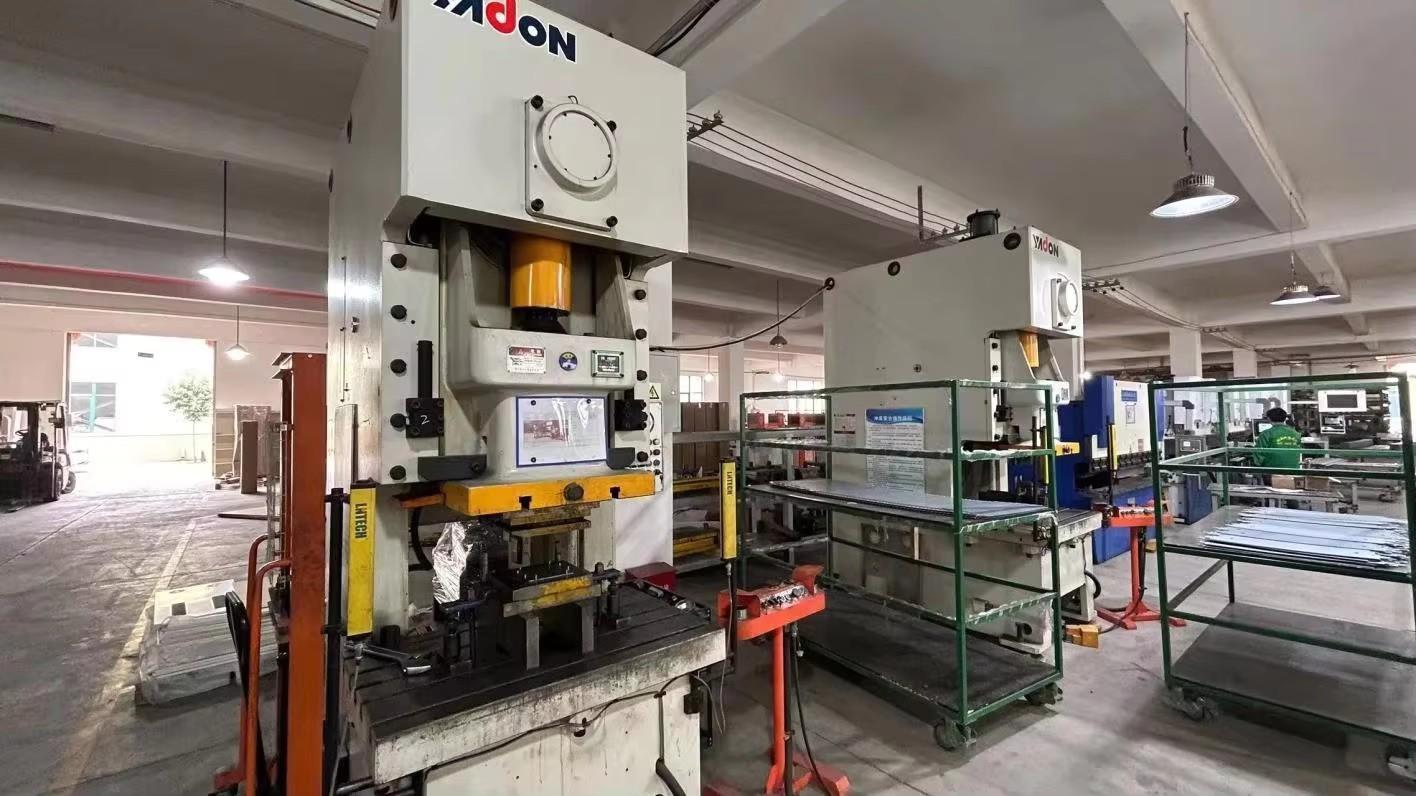
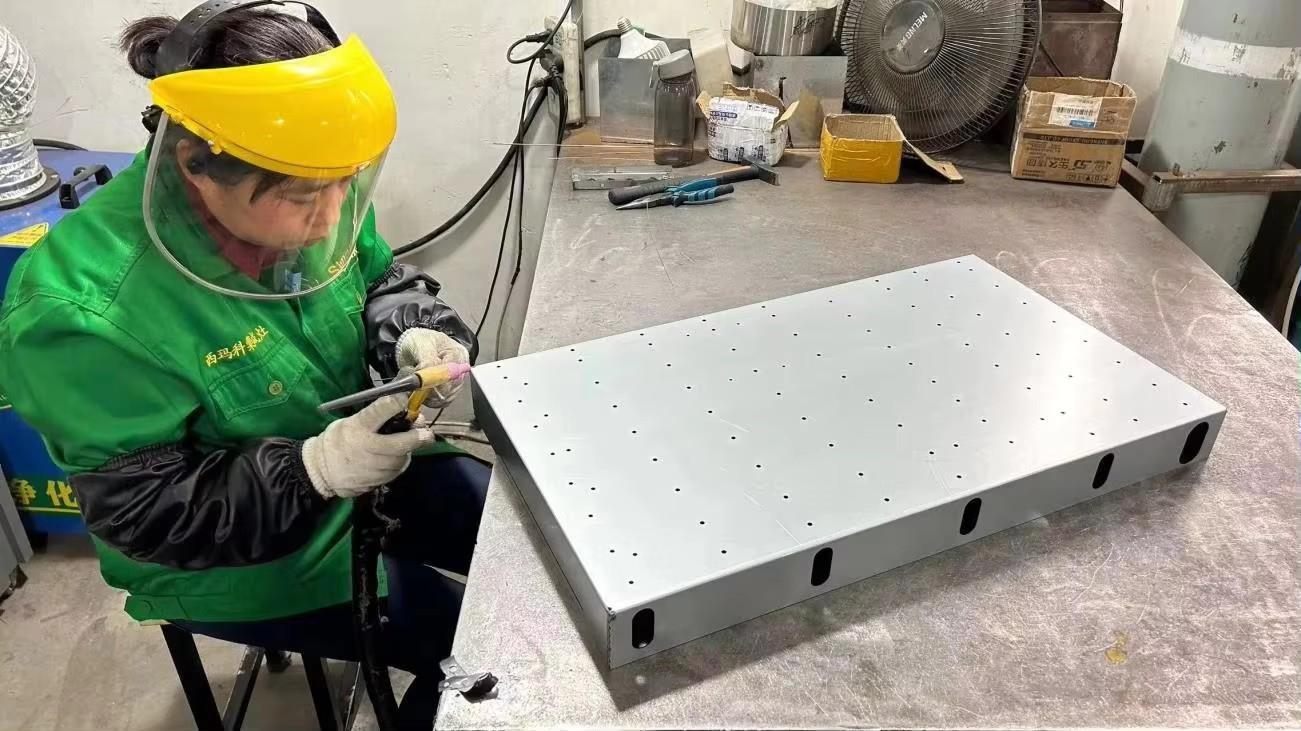
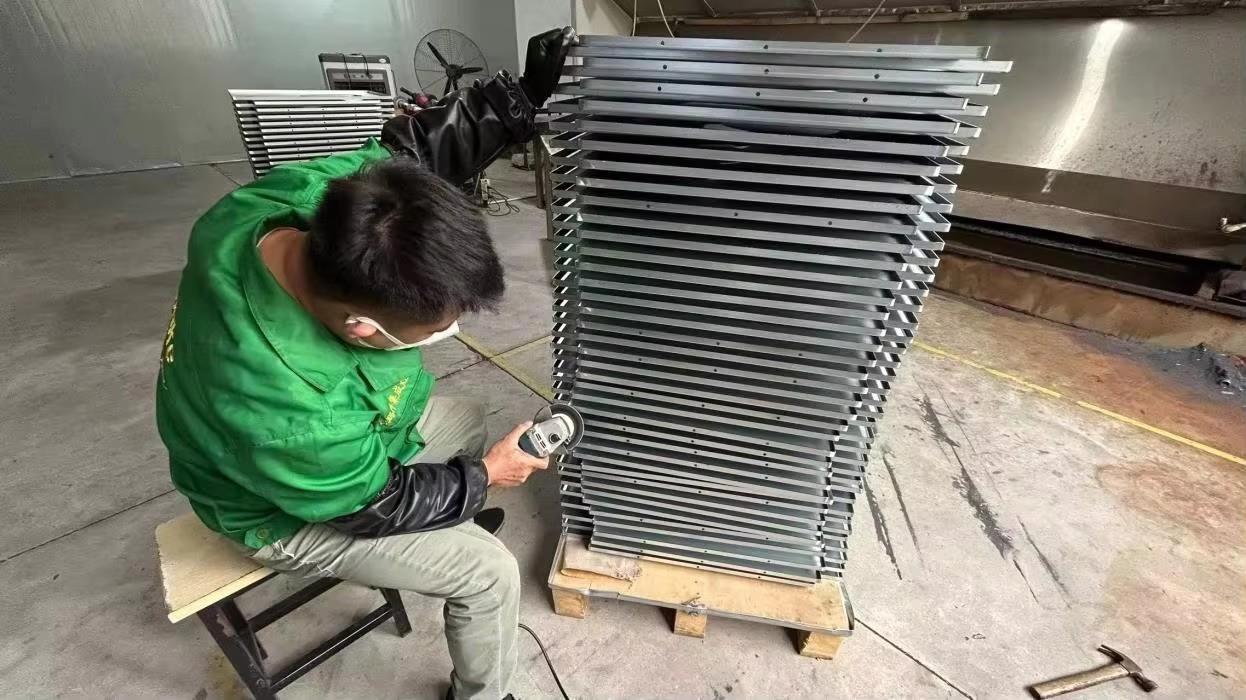
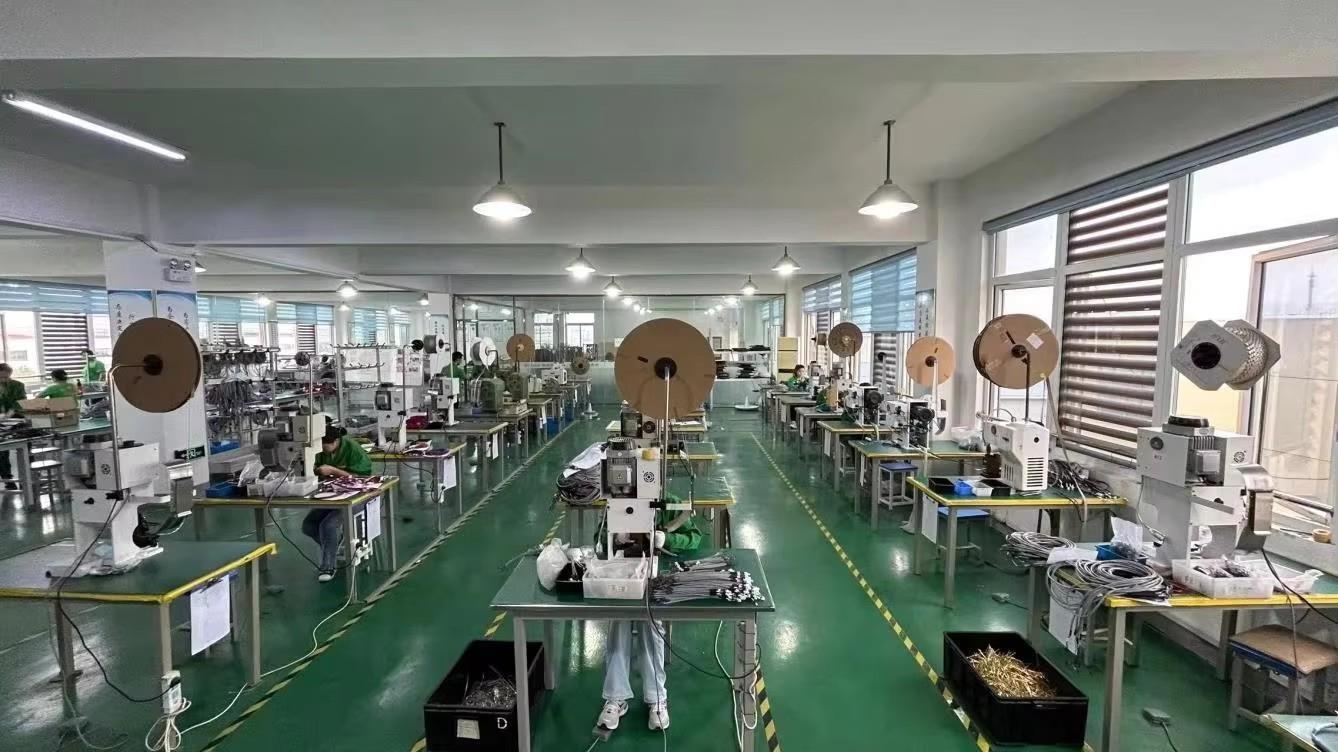
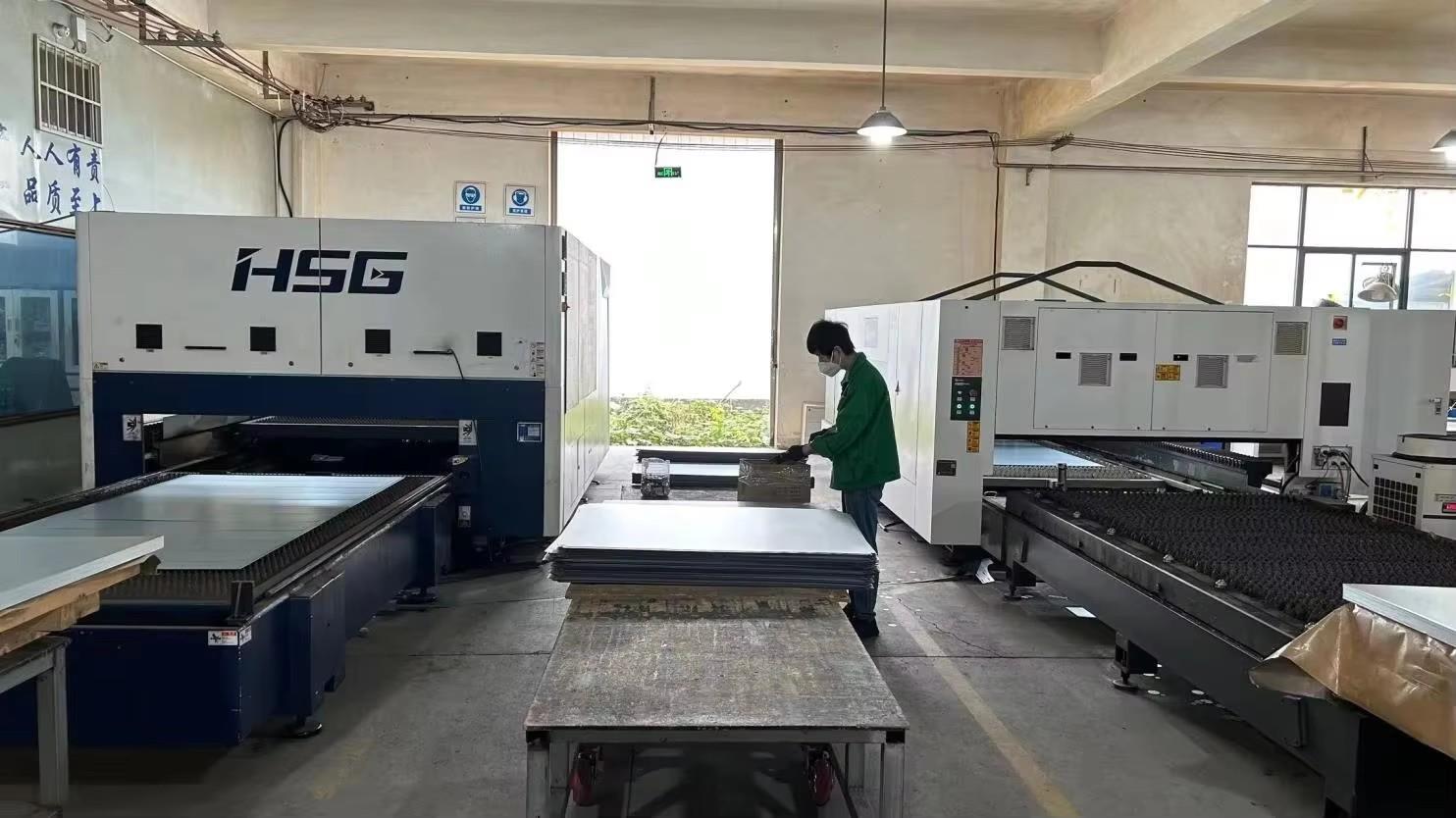
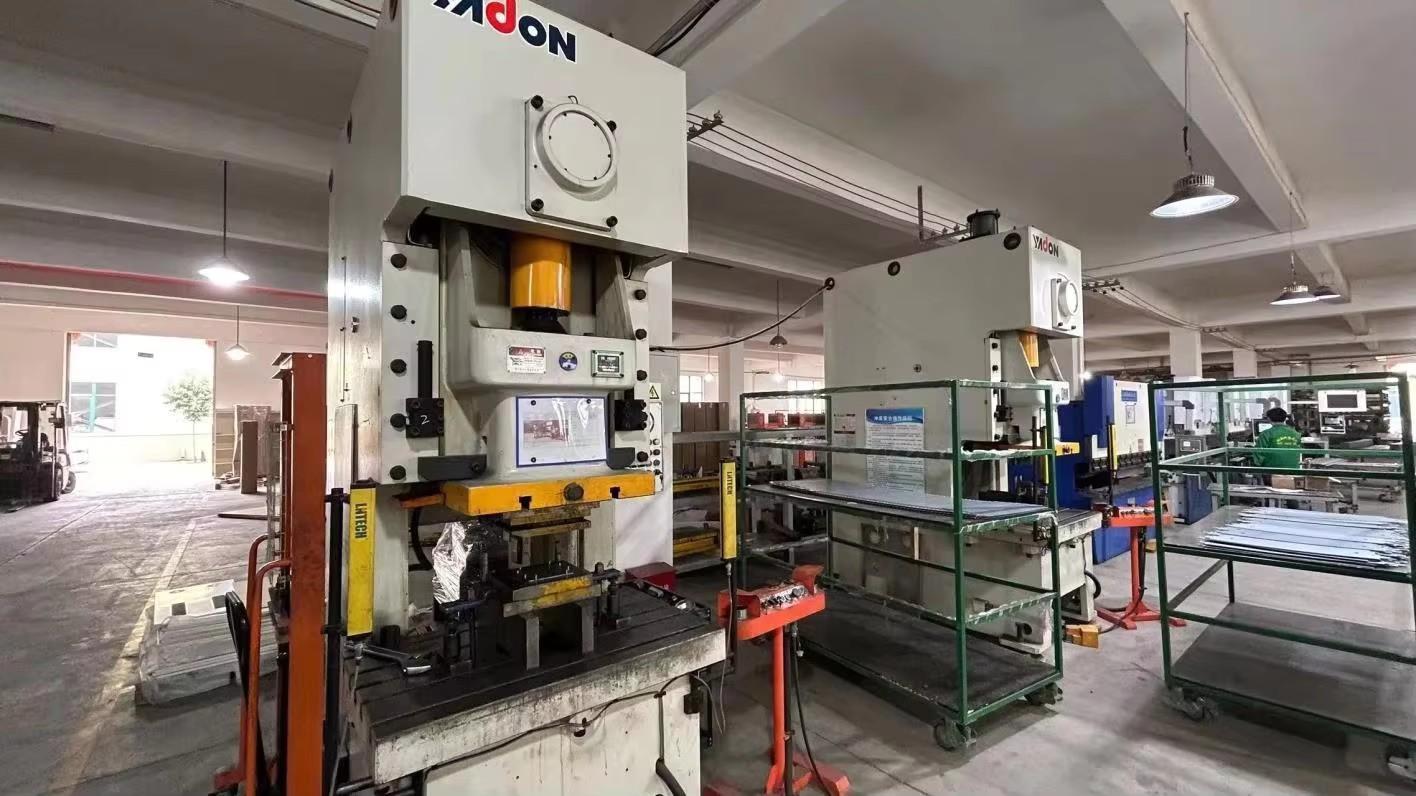
China refines over 65% of the world's lithium, 70% of its graphite, and controls more than 85% of global anode and cathode production capacity. Luzz Solar leverages this industrial ecosystem to ensure stability in raw material supply, reducing production bottlenecks and insulating clients from global price shocks.
One of Luzz Solar’s principal competitive advantages is our integration into the broader renewable energy industrial grid of China. Our factory locations enable direct sourcing pathways to lithium extraction and chemical refinement giants. By eliminating long-distance shipping of unformed active materials, we keep logistics clean, transparent, and economically lean.
In addition, our proximity to Qingdao Port—one of the largest deepwater container hubs in the world—streamlines our export pathways. We slash maritime scheduling delay risk by maintaining on-dock container yards and prioritizing dynamic customs clearings. This logistics edge guarantees shorter lead times for large-scale energy projects across North America, Europe, and the Middle East.
How CE-Certified LiFePO4 batteries solve regional infrastructure, power stability, and microgrid demands.
Renewable energy demands shift significantly depending on local climates, regulatory structures, and grid architectures. Our LiFePO4 solutions are engineered to thrive in diverse operational conditions:
By integrating automated thermal heating blankets within our battery casing configurations, Luzz Solar cells operate safely down to -20°C in Northern Europe and up to +55°C in desert microgrids in the Middle East. The active BMS controls cell heating cycles to prevent lithium plating during freezing recharge windows.
For commercial and industrial sites in regions with high peak-use electricity pricing, our high C-rate LiFePO4 setups act as local buffers. They recharge during off-peak hours and discharge during high-demand intervals, lowering electricity tariffs and relieving pressure on local utility transformers.
In areas with unstable or non-existent central grid access, our battery arrays pair with solar setups to create stable off-grid systems. These units support deep cycles (up to 100% discharge depth without structural damage) to power water pumps, sorting lines, and small communities continuously.
A strategic vision detailing Luzz Solar's pathway toward solid-state chemistry, AI-driven diagnostics, and sustainable recycling loops.
Advancing active cell energy density up to 185 Wh/kg. Integrating silicon-carbon composite anodes to improve low-temperature conductivity and reduce charge degradation curves.
Deploying cloud-linked BMS engines featuring machine learning diagnostics to anticipate degradation trends, schedule preventive maintenance, and dynamically optimize multi-pack load distributions.
Implementing non-flammable solid polymer electrolytes within our production lines to double cycle safety. Implementing cradle-to-cradle material retrieval systems for zero-loss lithium recycling.
For European and global markets, regulatory compliance is more than a checkbox—it is a foundation of system safety. Luzz Solar batteries are fully CE certified, meaning they adhere to the strict directives of the European Economic Area (EEA), including the Low Voltage Directive (LVD) 2014/35/EU and the Electromagnetic Compatibility (EMC) Directive 2014/30/EU.
Furthermore, our battery cells and packs undergo testing according to UN38.3 standards for safe air, land, and sea shipping, as well as IEC 62619 standards for industrial safety. These evaluations subject our batteries to thermal abuse, drop impact, external short circuit, impact, overcharge, and forced discharge scenarios to verify system resilience.
Addressing the core technical, procurement, and safety questions raised by engineering teams and global distributors.
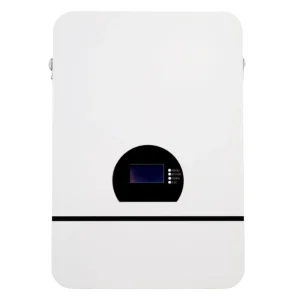
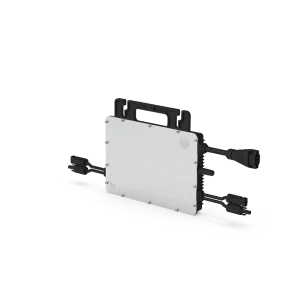
Browse our selection of heavy-duty storage batteries, off-grid micro-inverters, and structural frames built to support clean energy setups.
 Luzz Solar