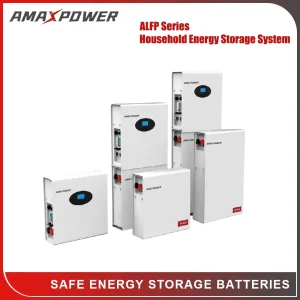
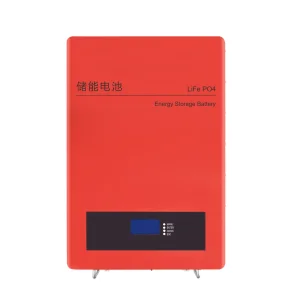
Explore our flagship hardware configurations optimized for high-efficiency grid interaction, zero-export scenarios, and peak-shaving applications across the global energy infrastructure.
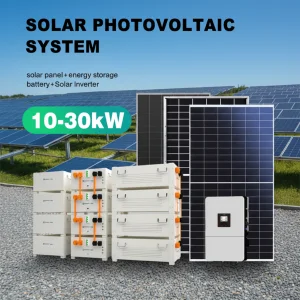
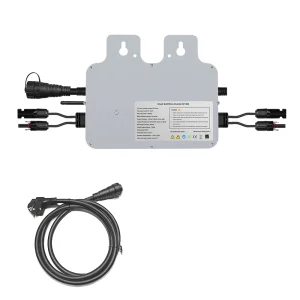
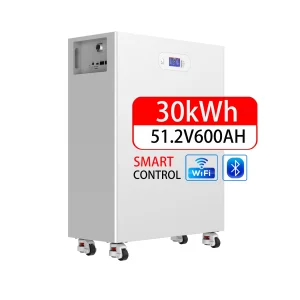
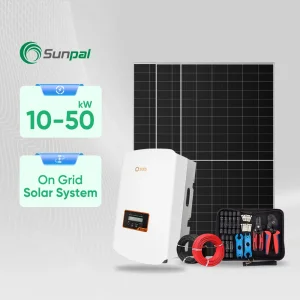
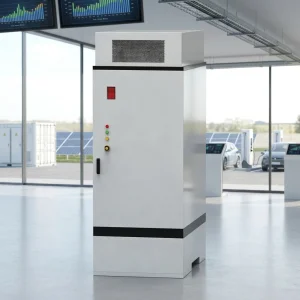
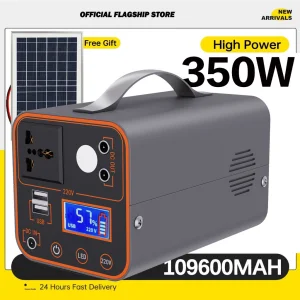
The global renewable energy landscape is transitioning from passive power generation to highly active, intelligent grid-forming architectures. Solar power management is no longer defined solely by solar panel placement; it is determined by the orchestration of multi-tier energy systems. Engineers and system integrators now demand robust, real-time control to address grid congestion, voltage fluctuations, and strict zero-export protocols.
By leveraging advanced digital processing units, modern solar controllers achieve Maximum Power Point Tracking (MPPT) metrics above 99% in static environments and maintain top efficiency during dynamic irradiance shifts. This technological progression is crucial as grid operators worldwide implement stringent compliance mandates, requiring local installations to modulate reactive power dynamically and transition seamlessly into islanding mode during localized outages.
Modern commercial deployments are transitioning away from passive grid-following architectures. The rise of virtual synchronous generators allows smart hybrid inverters to dynamically stabilize local microgrid voltage and frequency levels, functioning independently of larger public utilities when required.
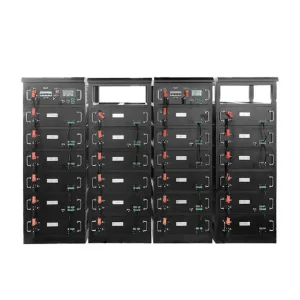
Industrial storage designs rely on cell-level Temperature/Voltage monitoring combined with high-grade Battery Management Systems (BMS). Using automotive-grade LiFePO4 cells ensures safety compliance and thermal stability across diverse operating environments.
Corporate procurement officers, EPC contractors, and global energy developers look beyond upfront unit costs to evaluate systemic parameters. The fundamental metrics of capital expenditure (CapEx) amortized over system lifespan (LCOE) dictates commercial decisions. This necessitates hardware that delivers extended operational life with minimal degradation.
Key procurement vectors include standard compliance (such as IEC 62109, UL 1741, and CE certifications), compatibility with multiple legacy battery chemistries, and the integration of open communication protocols (such as Modbus RTU/TCP, CAN bus, and IoT Wi-Fi/4G monitoring). Clean energy system architectures must withstand challenging environments, including high-humidity coastal zones and arid desert regions, without experiencing thermal throttling.
| System Architecture Type | Key Application Focus | Control Communication | Optimized Load Type |
|---|---|---|---|
| On-Grid Interactive | Commercial Feed-in & Arbitrage | Modbus TCP / RS485 | Continuous Industrial Base-load |
| Hybrid BESS Systems | Self-Consumption & Peak Shaving | CAN / RS485 / WiFi / App | Dynamic Residential & Office Loads |
| Telecom Microgrid (IP54) | Remote Telecommunications Cells | Dry Contact / SNMP / RJ45 | DC Base Station Equipment |
Qingdao Luzz Solar Co., Ltd. combines precise CNC processing, robotic welding, automated wire harness routing, and thorough electrical testing to deliver reliable performance in challenging environments.
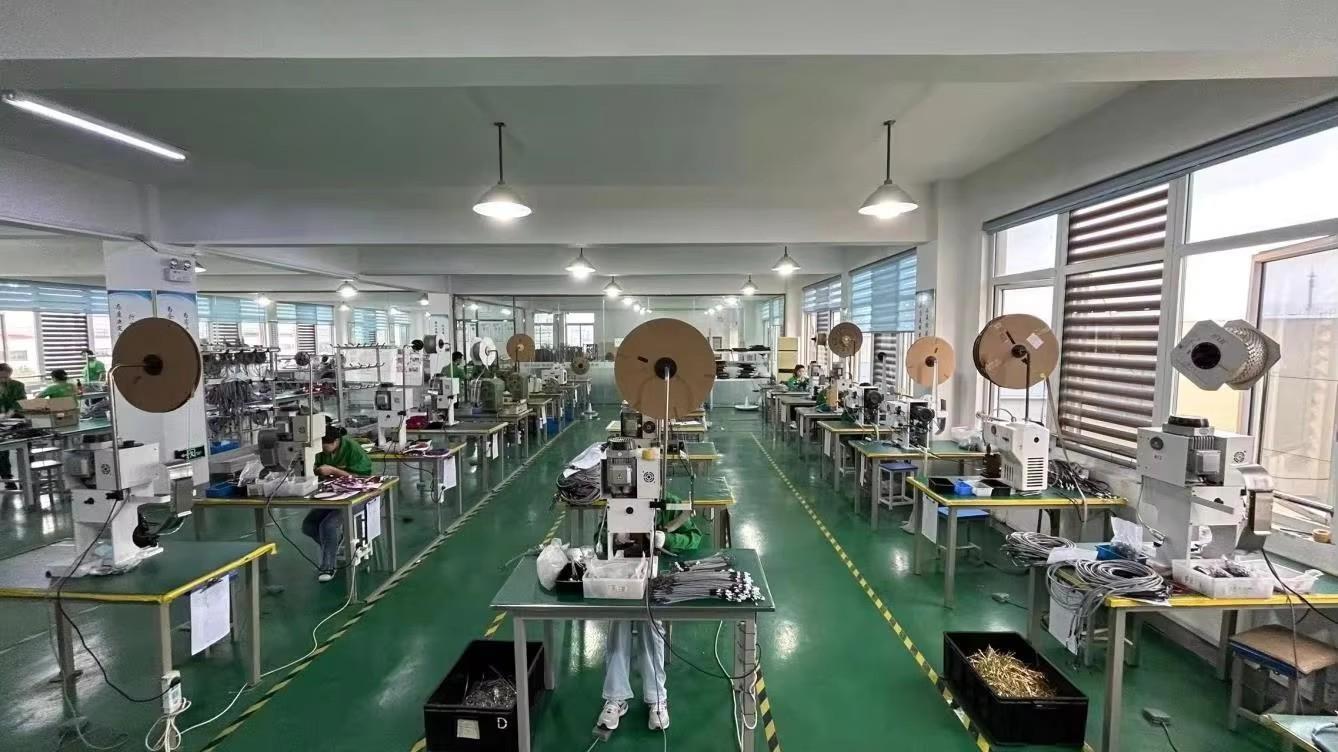
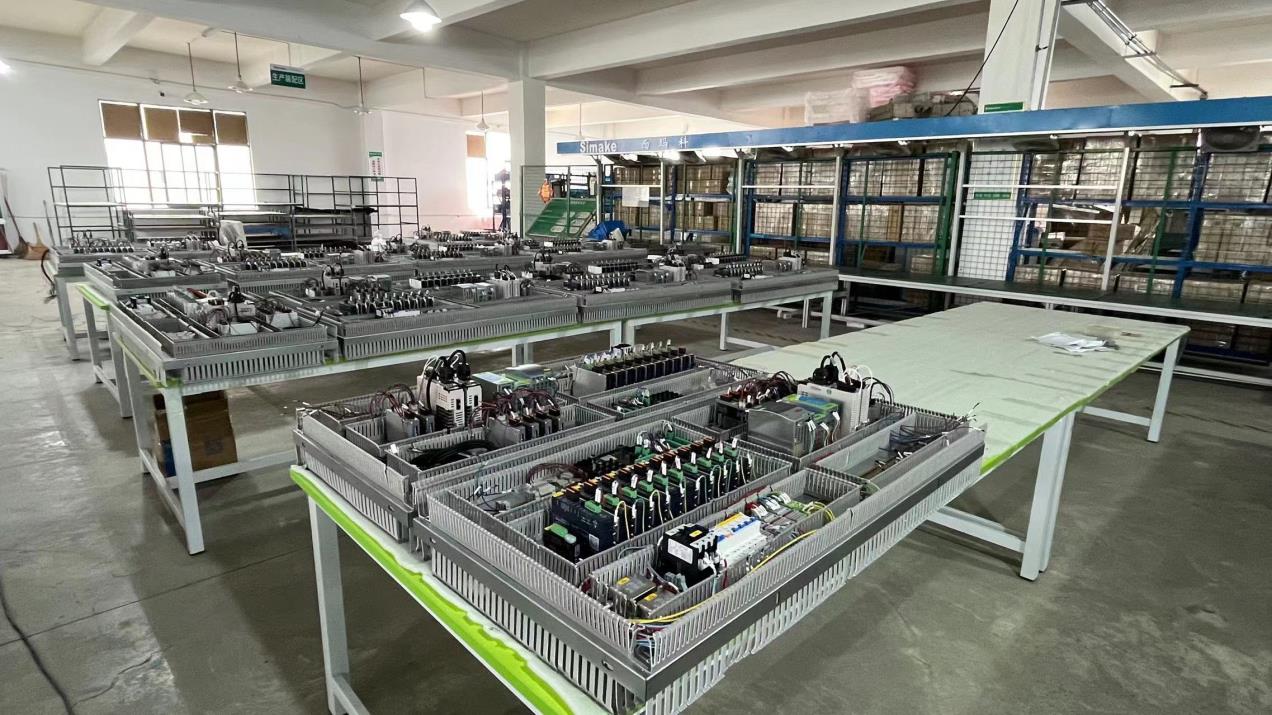
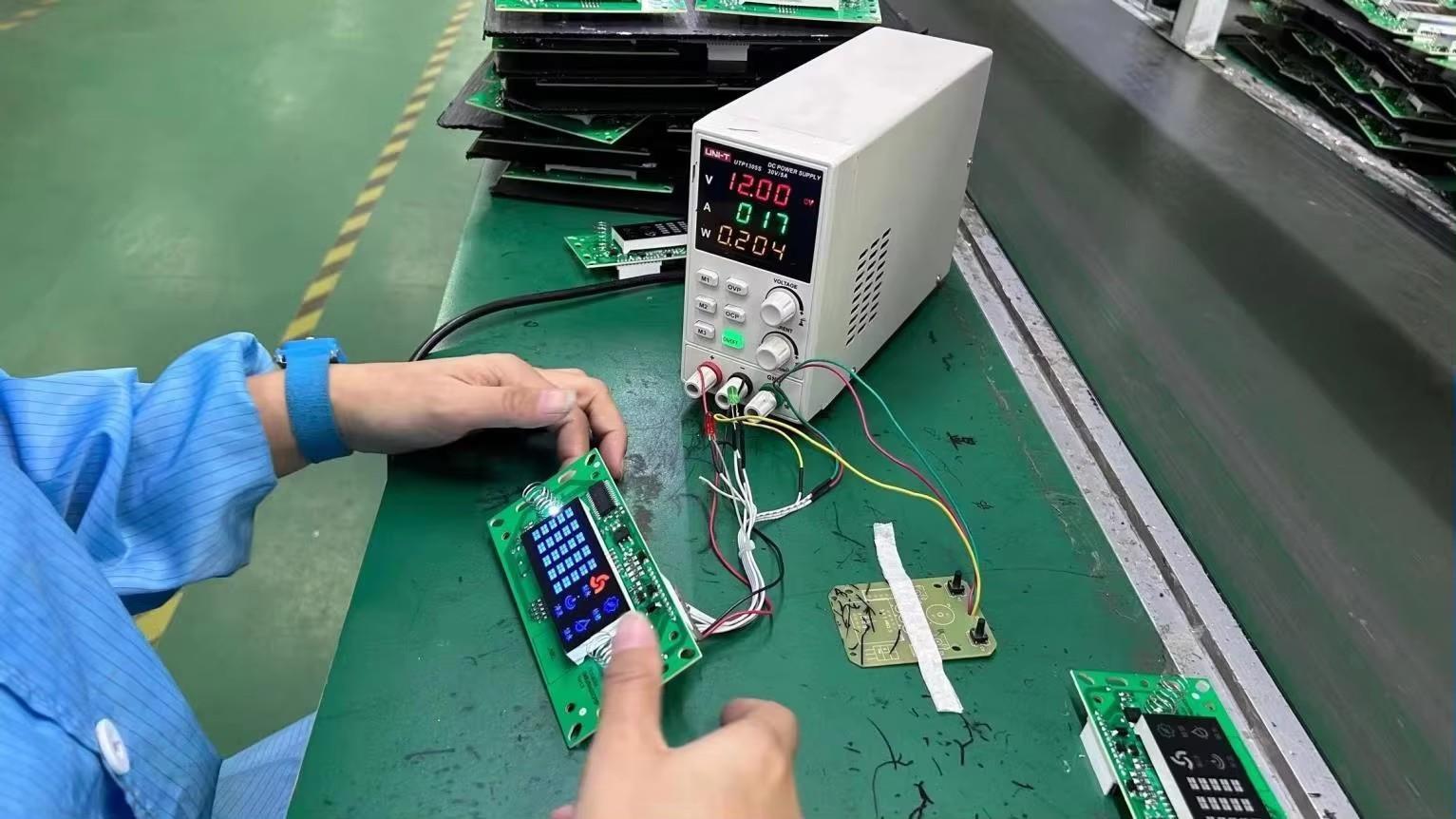
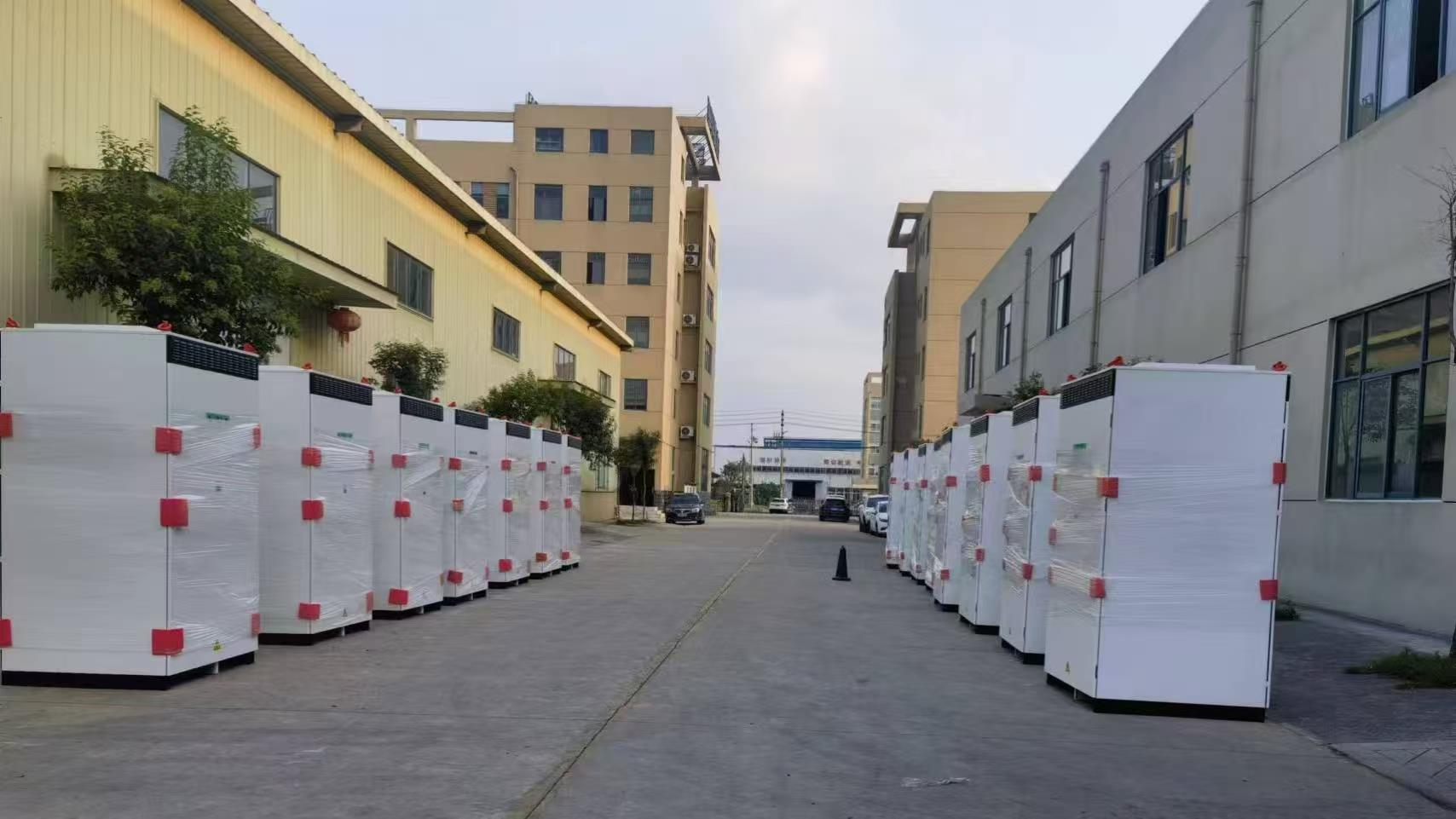
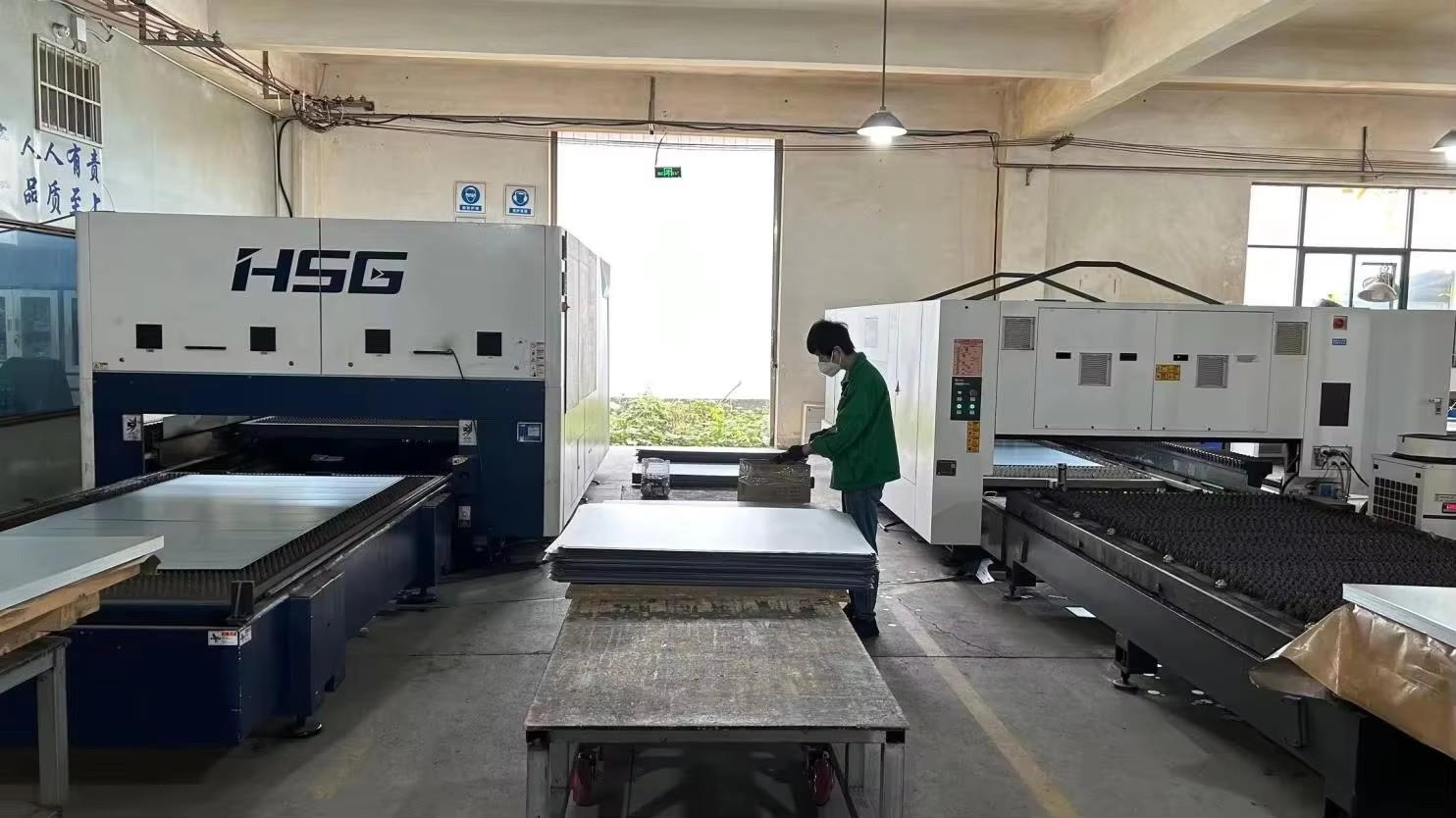
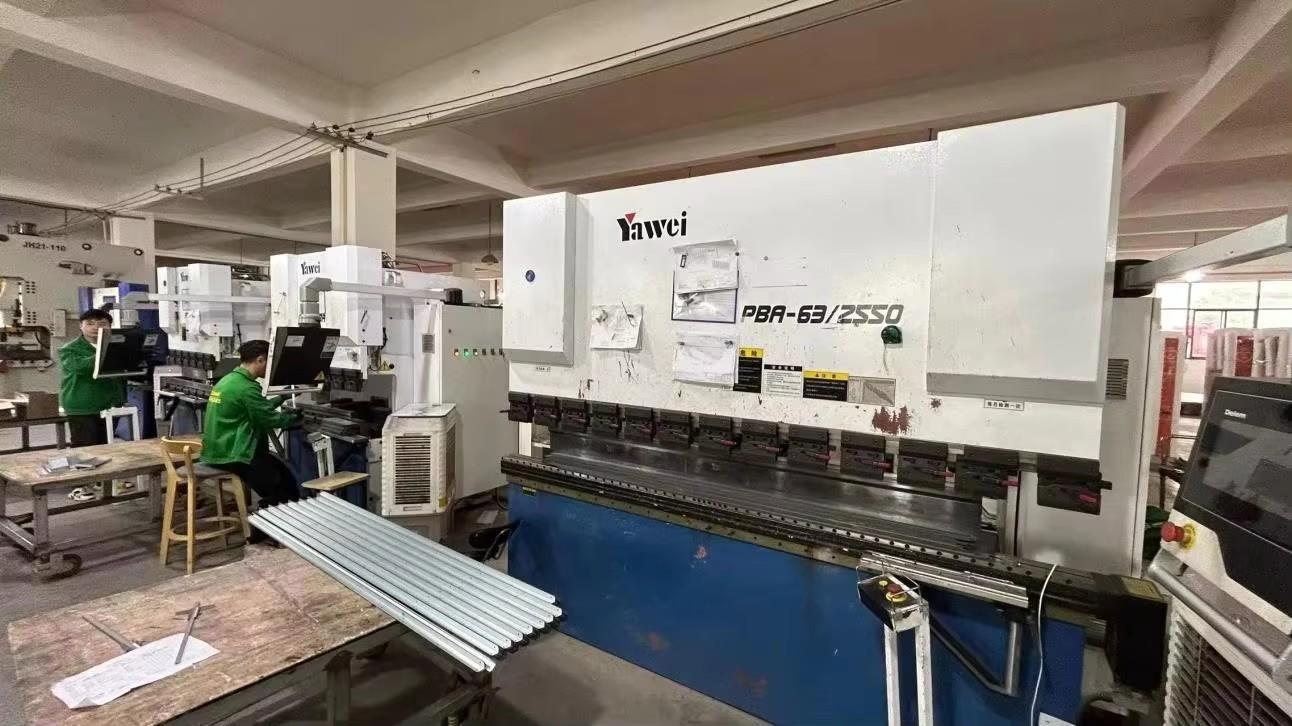
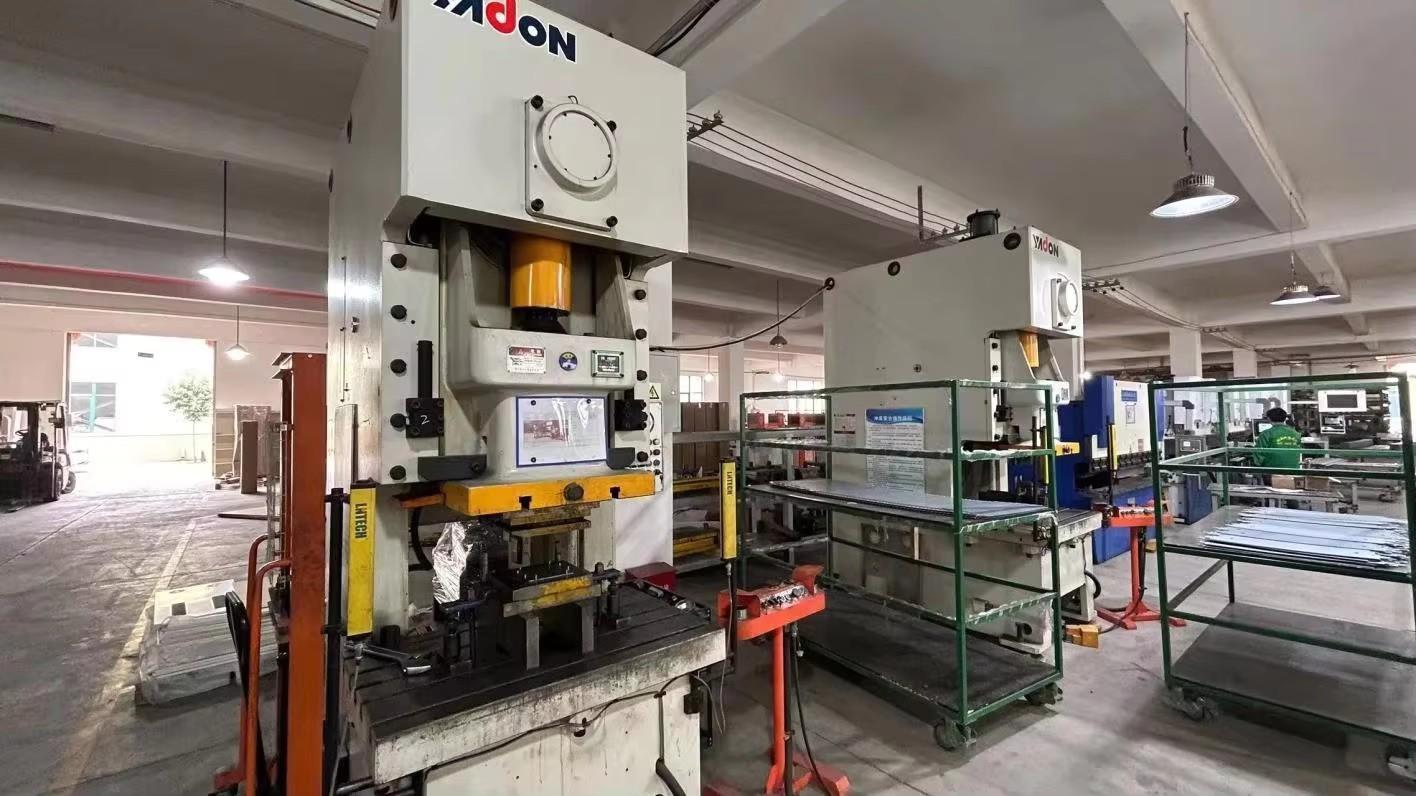
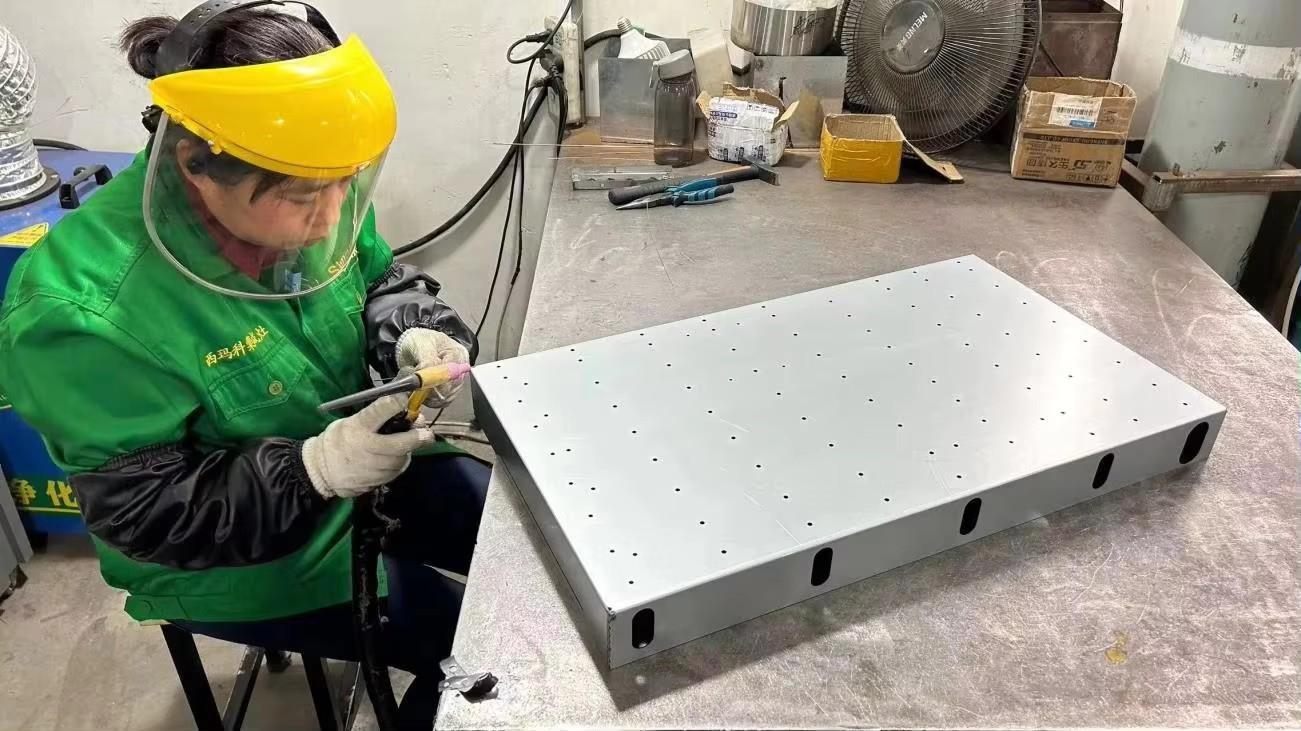
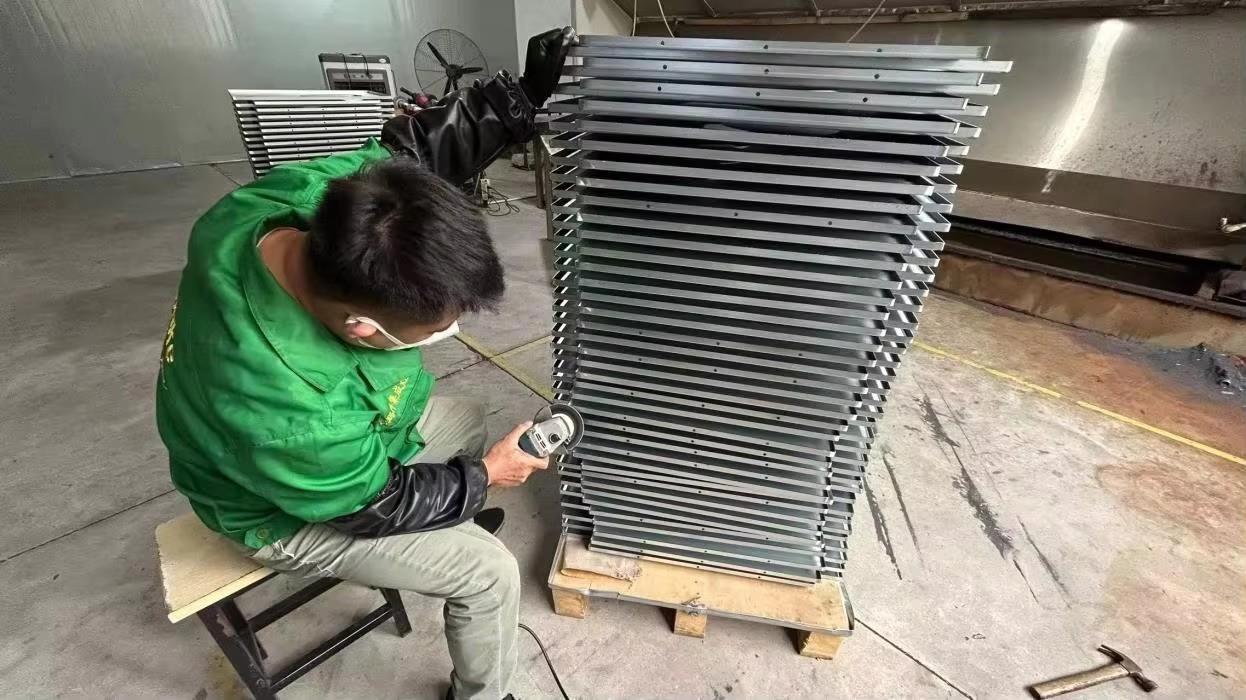
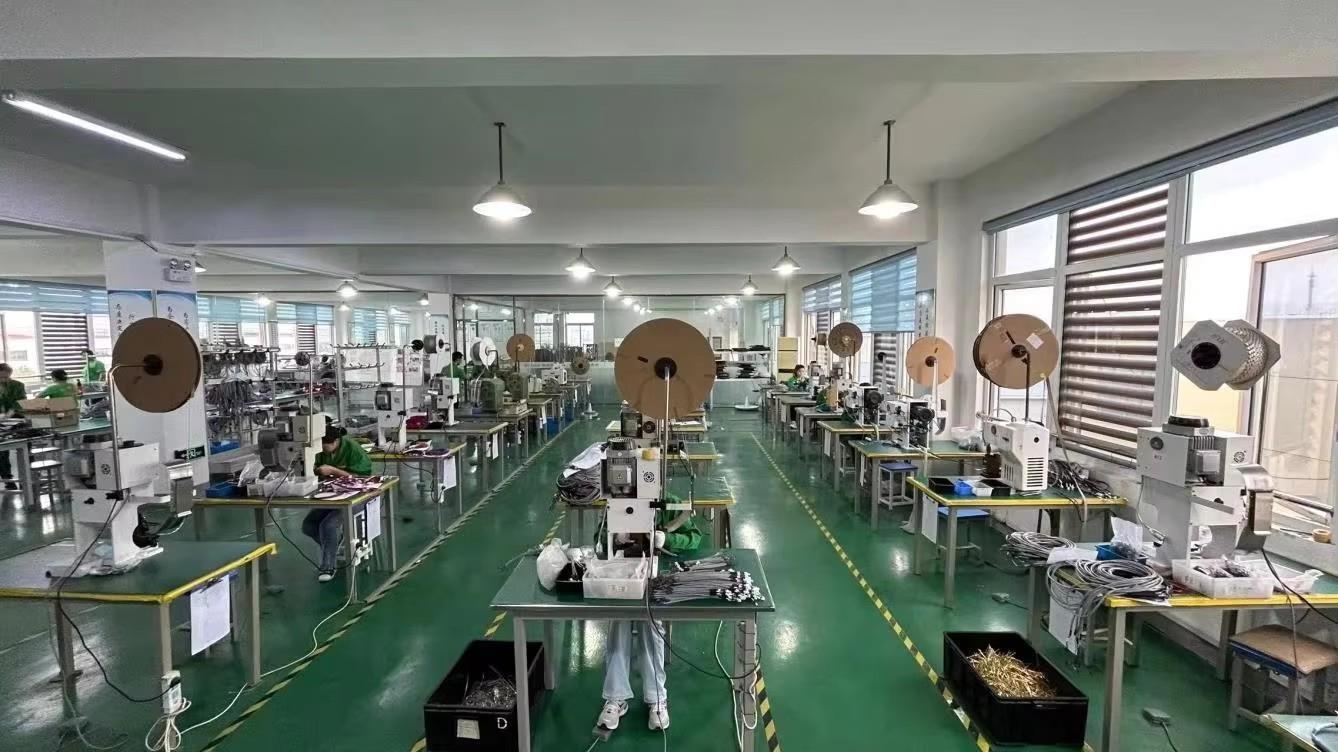
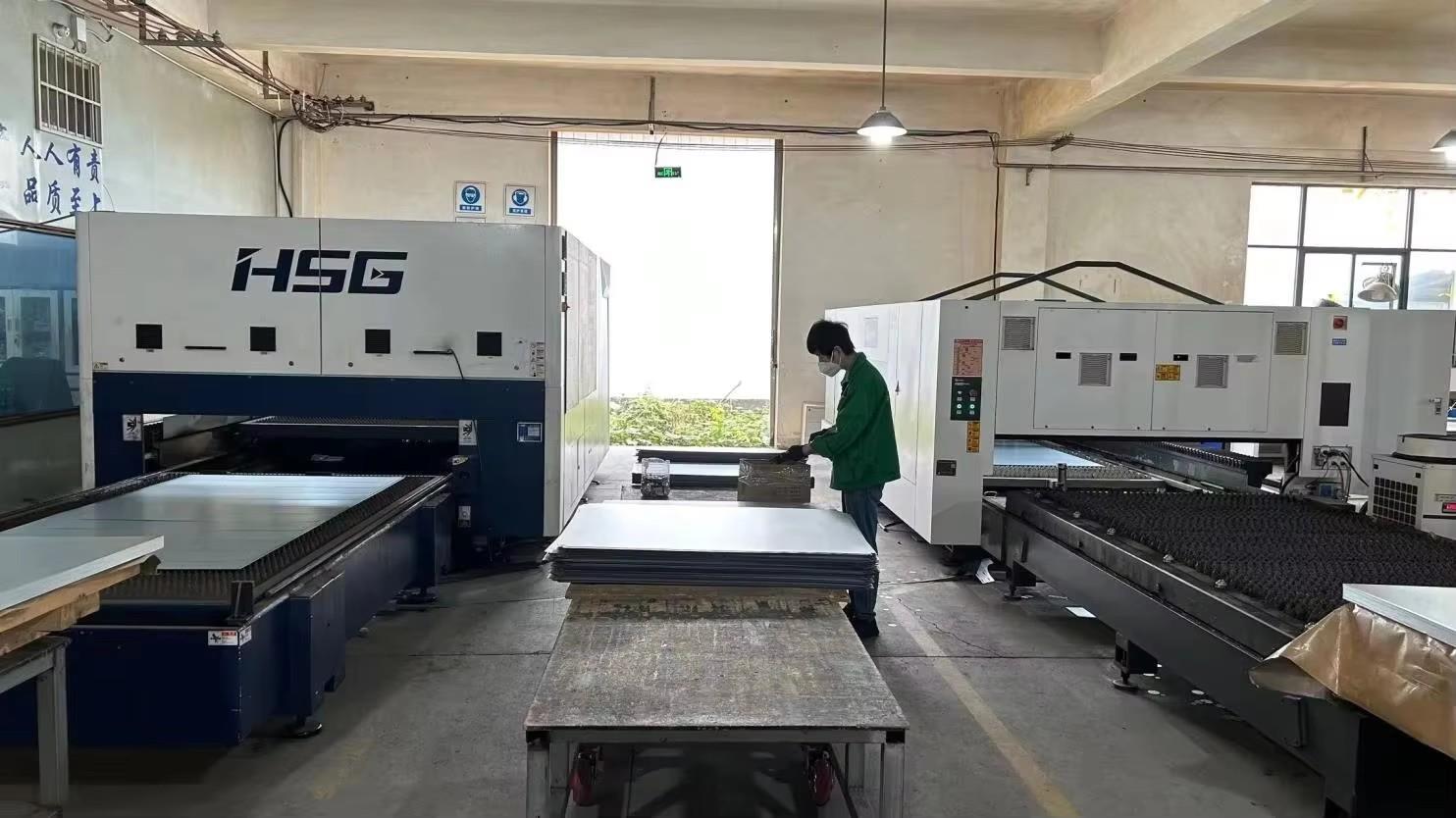
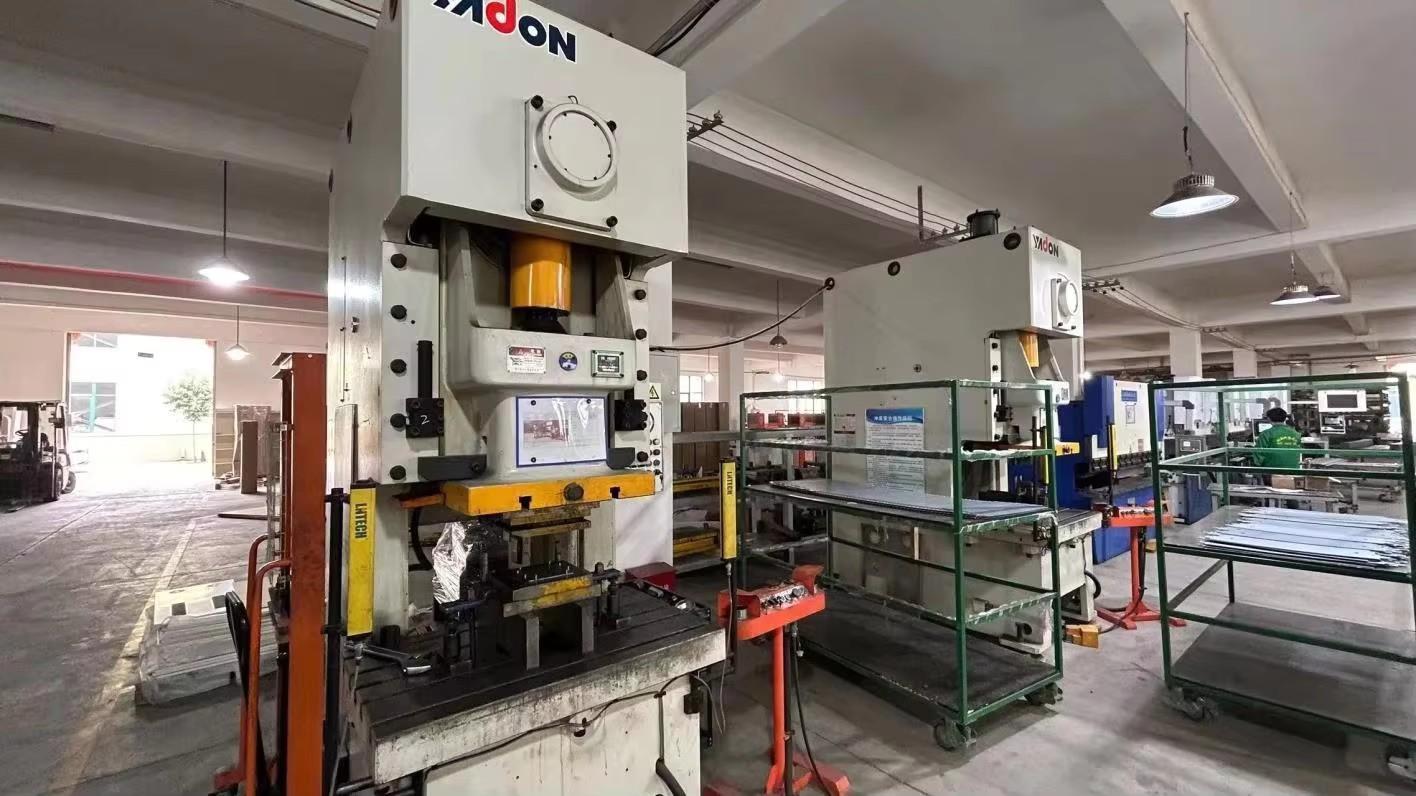
Qingdao Luzz Solar Co., Ltd. is a professional new energy enterprise specializing in the development, manufacturing, and global distribution of photovoltaic (PV) products and integrated energy storage solutions. Located in Qingdao, China, the company benefits from a well-established renewable energy industrial base and advanced manufacturing capabilities.
With the accelerating global transition toward carbon neutrality and sustainable development, Luzz Solar is committed to providing efficient, reliable, and cost-effective clean energy solutions to customers worldwide. Our product portfolio includes high-efficiency solar photovoltaic modules, energy storage systems, and integrated solar application solutions designed for residential, commercial, and utility-scale projects.
Driven by technological innovation and quality excellence, the company continuously invests in R&D and production optimization to improve product performance, energy conversion efficiency, and system reliability. We strictly adhere to international quality standards and implement rigorous quality control throughout the entire production process to ensure stable and long-term product performance.
Qingdao Luzz Solar actively expands its global market presence, with business coverage across Asia, Europe, the Middle East, Africa, and Latin America. By working closely with international partners, we are committed to delivering tailored energy solutions that meet diverse regional needs and support the global energy transition.
Guided by the core values of integrity, innovation, cooperation, and sustainability, Luzz Solar strives to become a trusted global partner in the new energy industry. We are dedicated to advancing solar technology and contributing to a greener, more sustainable future.
Every system architecture that leaves the Luzz Solar facility undergoes complete load testing, isolation resistance validation, and temperature sweep checks under simulated operating profiles to ensure consistent thermal stability.
Luzz Solar platforms are deployed across challenging operational landscapes worldwide, delivering consistent uptime under varying environmental stresses.
Optimized for dynamic peak shaving, backup energy assurance, and peak-to-valley power price arbitrage. Our containerized formats scaling to 313kWh incorporate automated cooling systems to maintain steady thermal environments for large lithium installations.
With remote monitoring and robust structural ratings, Luzz Solar cabinets provide continuous backup for off-grid operations. Integrated smart battery systems offer remote operation capabilities that minimize field maintenance expenses.
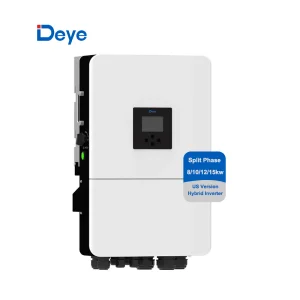
Enables complete residential power autonomy. Utilizing split-phase inverter topologies (120V/240V) matching regional building code architectures, homeowners can transition between grid, generator, and battery power profiles.
Professional insights addressing system sizing, battery life optimization, and standard installation certifications.
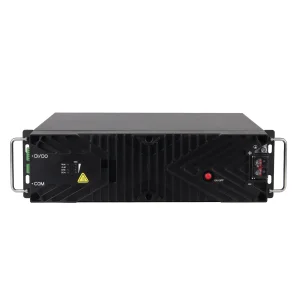
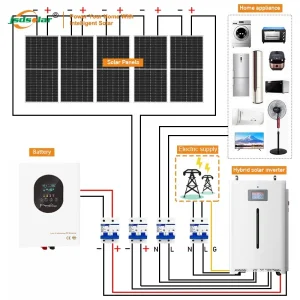
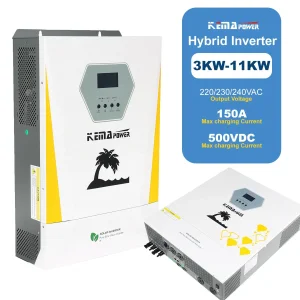
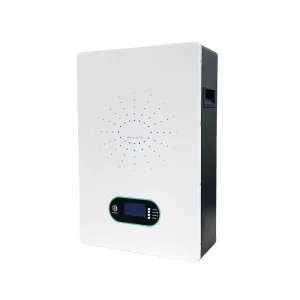
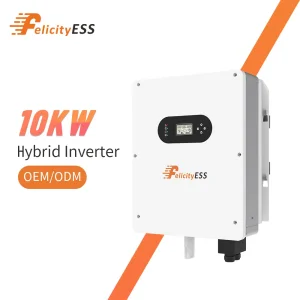
Browse our extensive portfolio of hybrid split-phase controllers, rugged high-capacity battery assemblies, and commercial support accessories.
 Luzz Solar