Explore our Tier-1 commercial, industrial, and residential infrastructure components. Backed by proprietary smart management firmware, certified with leading international grid codes, and engineered for maximum Levelized Cost of Energy (LCOE) reduction.
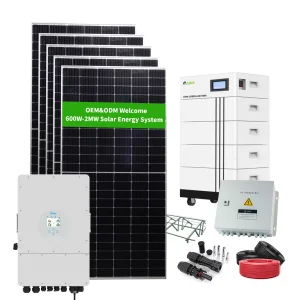
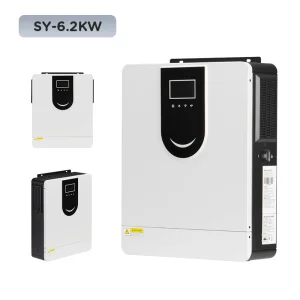
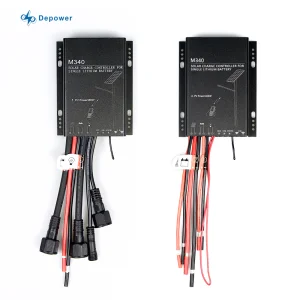
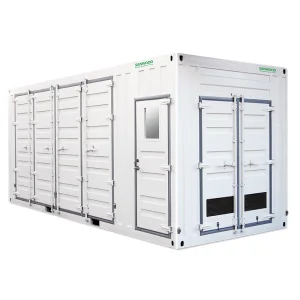
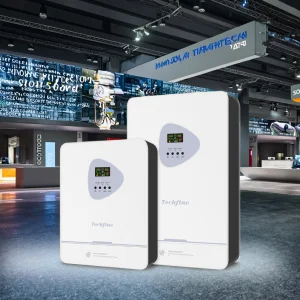
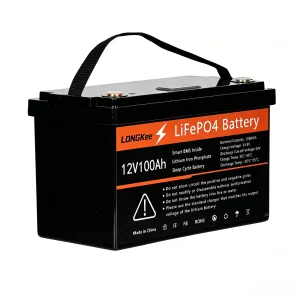
The global transition toward carbon neutrality and escalating volatility in traditional utility pricing have transformed solar energy from an environmental consideration into a core economic imperative. Multi-national corporations, manufacturing facilities, utility developers, and EPC (Engineering, Procurement, and Construction) contractors are looking to optimize their capital expenditure (CAPEX) while establishing resilient operating expenditure (OPEX) metrics. This shift has elevated the demand for wholesale Smart Energy Solutions that integrate high-performance energy storage systems (ESS) with advanced power conversion technology.
Today's procurement directors prioritize suppliers capable of delivering standardized, interoperable products that scale from light commercial carports to megawatt-level modular containerized systems. Key parameters, such as round-trip efficiency (RTE), thermal management protocols, and multi-protocol communication compliance (Modbus RTU, CAN, TCP/IP), dictate the success of large-scale solar projects. As a leading partner in China's advanced manufacturing corridor, Qingdao Luzz Solar Co., Ltd. addresses these complex engineering demands by providing verified, tested components that integrate into diverse, hybrid power networks.
Designing a stable power supply demands deep knowledge of electrochemical characteristics, power conversion topologies, and dispatch algorithms. For instance, selecting the ideal cell chemistry requires matching the load profile of the facility with the operational limits of the battery chemistry. The table below details the performance traits of our core energy storage options.
| Performance Metrics | Lithium Iron Phosphate (LiFePO4) | Lithium Titanate (LTO) | Traditional Lead-Acid (Gel/AGM) |
|---|---|---|---|
| Nominal Cell Voltage | 3.2 V | 2.3 V | 2.0 V |
| Cycle Life (80% Depth of Discharge) | 6,000+ Cycles | 20,000+ Cycles | 500 - 1,200 Cycles |
| Operating Temperature Range | -20°C to +60°C | -40°C to +65°C | -15°C to +40°C |
| C-Rate Capability (Charge/Discharge) | 0.5C - 1.0C continuous | 5.0C - 10.0C pulse capability | 0.1C - 0.2C optimal |
| Safety / Thermal Runaway Threshold | High (Approx. 270°C) | Ultra-High (Virtually immune to short-circuit) | Moderate (Risk of gassing/acid leakage) |
| Levelized Storage Cost over Life (LCOS) | Lowest per kWh/cycle ratio | Optimal for high-frequency cycling | High initial cost-to-performance ratio |
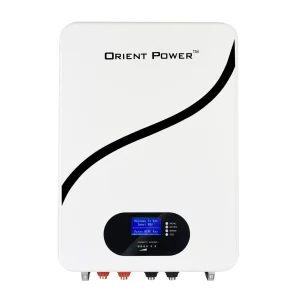
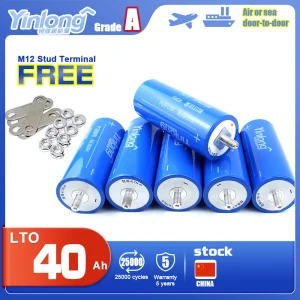
While LiFePO4 cells (such as our 3.2V modules and wall-mounted 10kWh battery banks) provide the benchmark density and cost structure for standard residential and commercial systems, Lithium Titanate (LTO) options (like the Yinlong 66160 cells) serve high-demand environments. LTO technology allows rapid charge acceptance and delivers performance in cold-weather locations where other lithium chemistries require heating systems.
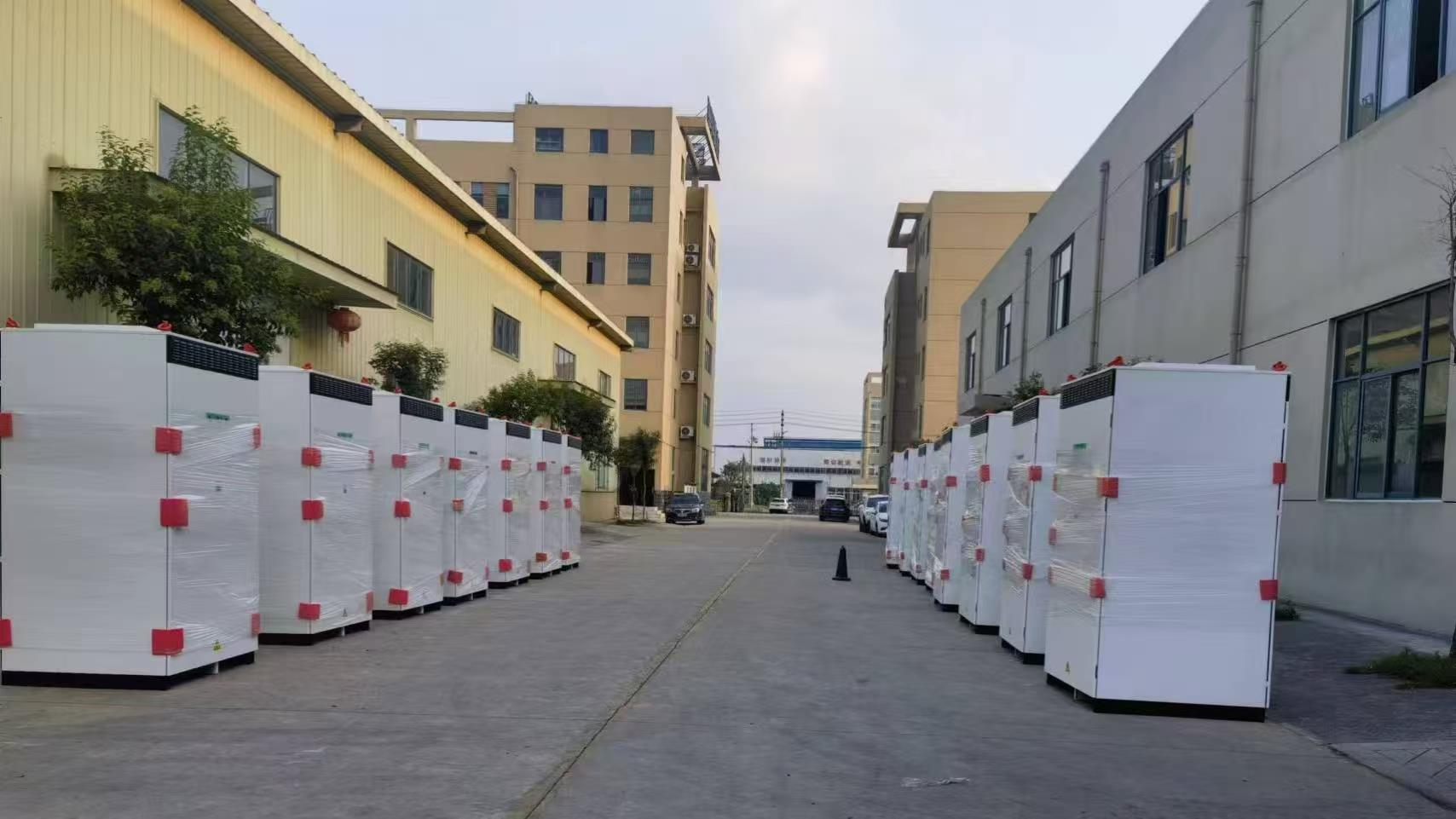
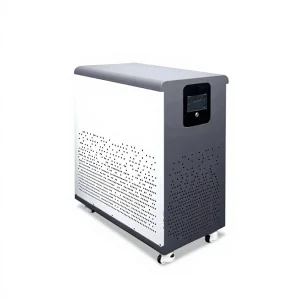
Engineered for utility-scale backup, load leveling, and peak shaving, our containerized ESS platforms combine liquid-cooled battery compartments, intelligent Energy Management Systems (EMS), and integrated fire suppression (NFPA 855 compliant). These mobile units scale rapidly to provide megawatts of dispatchable capacity.
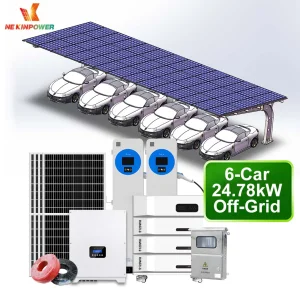
Designed to maximize land use, our solar carport structures transform vast parking lots into active generation assets. These structural frames support high-wattage modules while integrating EV charging stations and battery banks, providing off-grid resilience for corporate and commercial vehicle fleets.
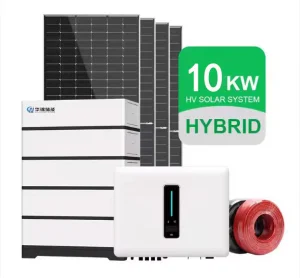
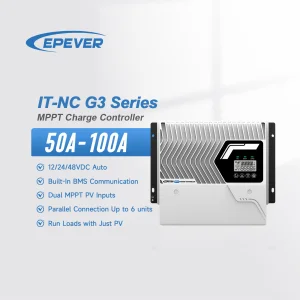
For regions with restricted feed-in tariffs or unstable grids, our hybrid systems use zero-export controls. By combining high-frequency MPPT solar charge controllers with rapid-response hybrid inverters, facilities run on solar and battery power while keeping zero back-feed to the grid.
Qingdao Luzz Solar Co., Ltd. is a professional new energy enterprise specializing in the development, manufacturing, and global distribution of photovoltaic (PV) products and integrated energy storage solutions. Located in Qingdao, China, the company benefits from a well-established renewable energy industrial base and advanced manufacturing capabilities.
With the accelerating global transition toward carbon neutrality and sustainable development, Luzz Solar is committed to providing efficient, reliable, and cost-effective clean energy solutions to customers worldwide. Our product portfolio includes high-efficiency solar photovoltaic modules, energy storage systems, and integrated solar application solutions designed for residential, commercial, and utility-scale projects.
Driven by technological innovation and quality excellence, the company continuously invests in R&D and production optimization to improve product performance, energy conversion efficiency, and system reliability. We strictly adhere to international quality standards and implement rigorous quality control throughout the entire production process to ensure stable and long-term product performance.
Qingdao Luzz Solar actively expands its global market presence, with business coverage across Asia, Europe, the Middle East, Africa, and Latin America. By working closely with international partners, we are committed to delivering tailored energy solutions that meet diverse regional needs and support the global energy transition. Guided by our core values of integrity, innovation, cooperation, and sustainability, Luzz Solar strives to become a trusted global partner in the new energy industry. We are dedicated to advancing solar technology and contributing to a greener, more sustainable future.
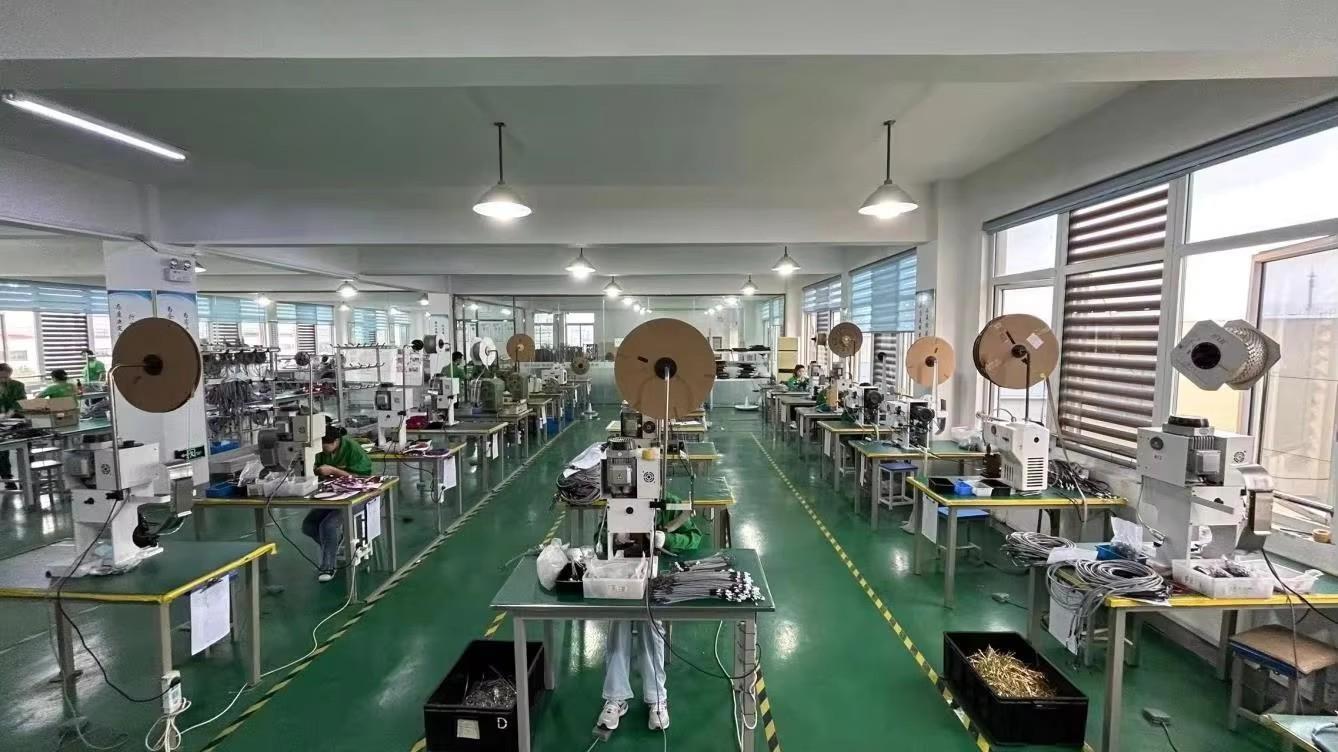
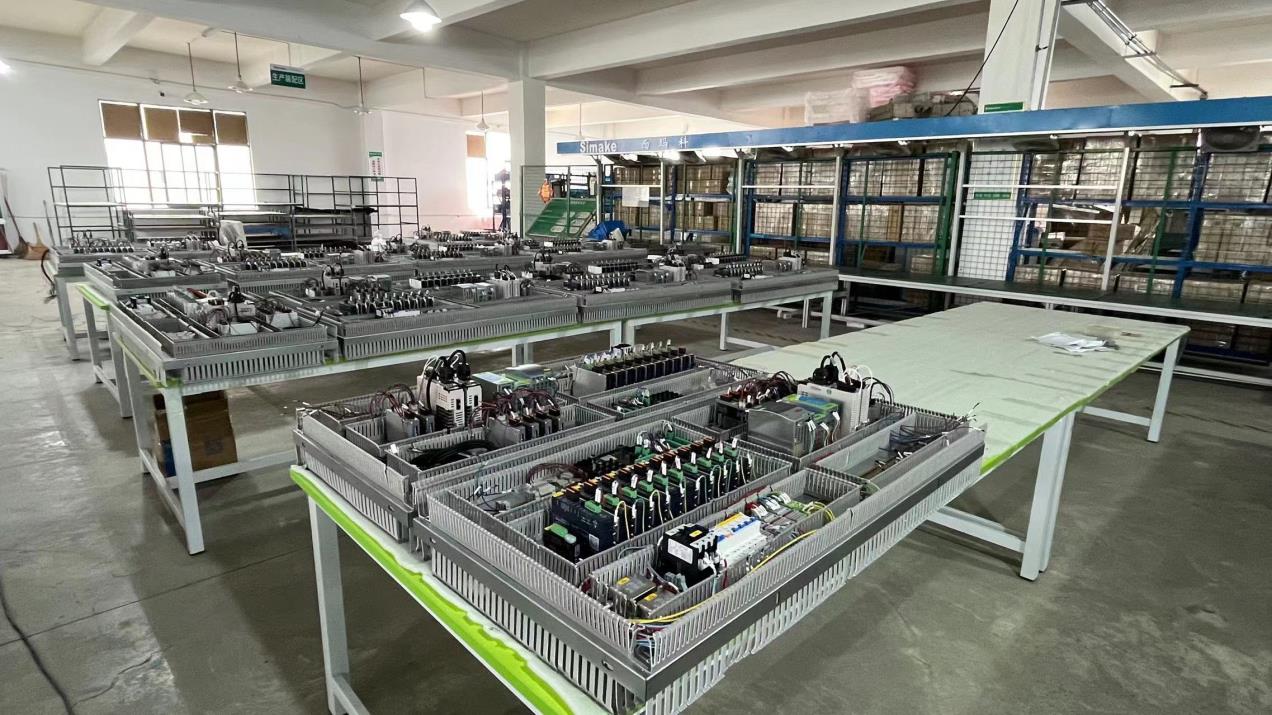
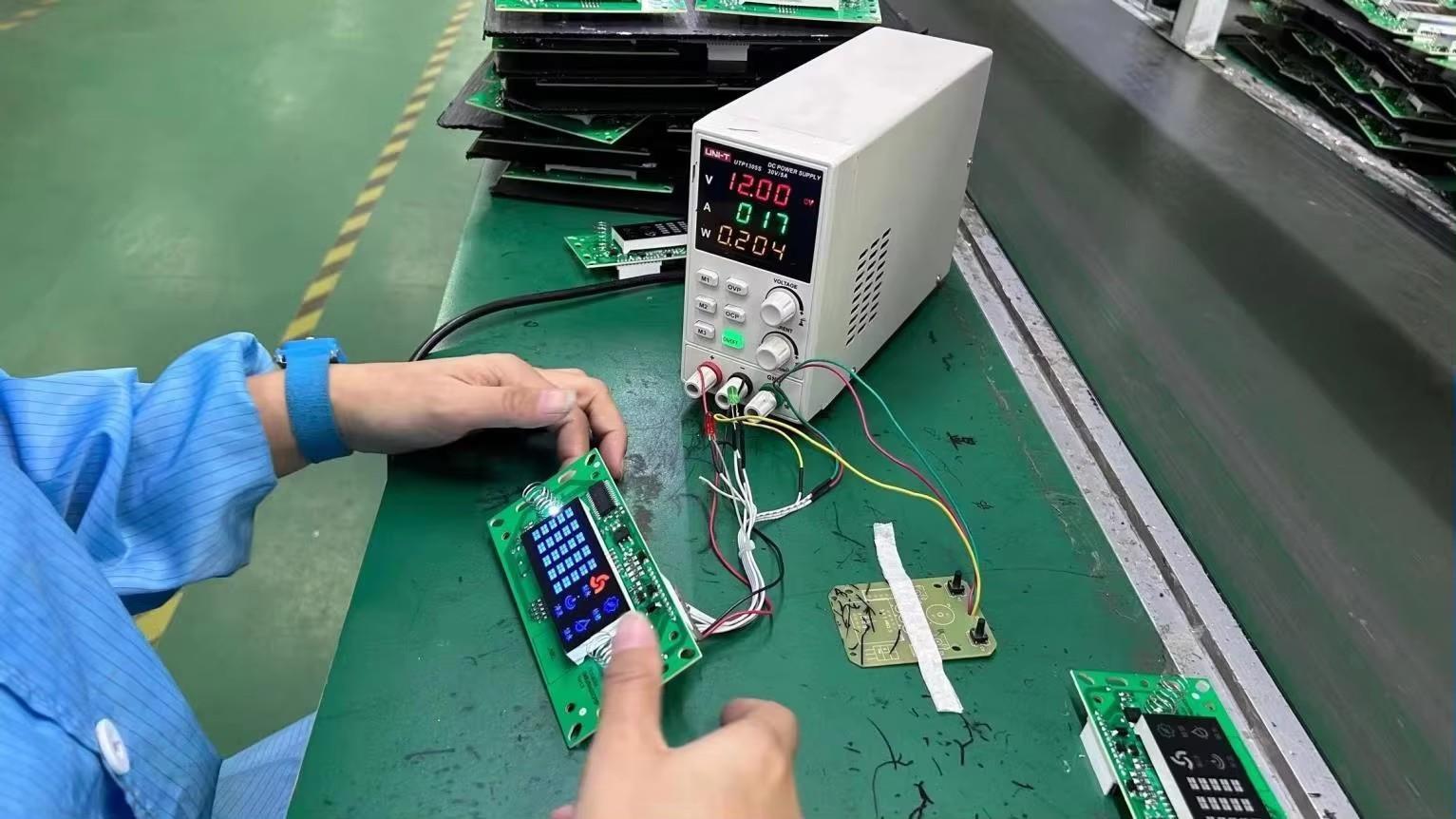
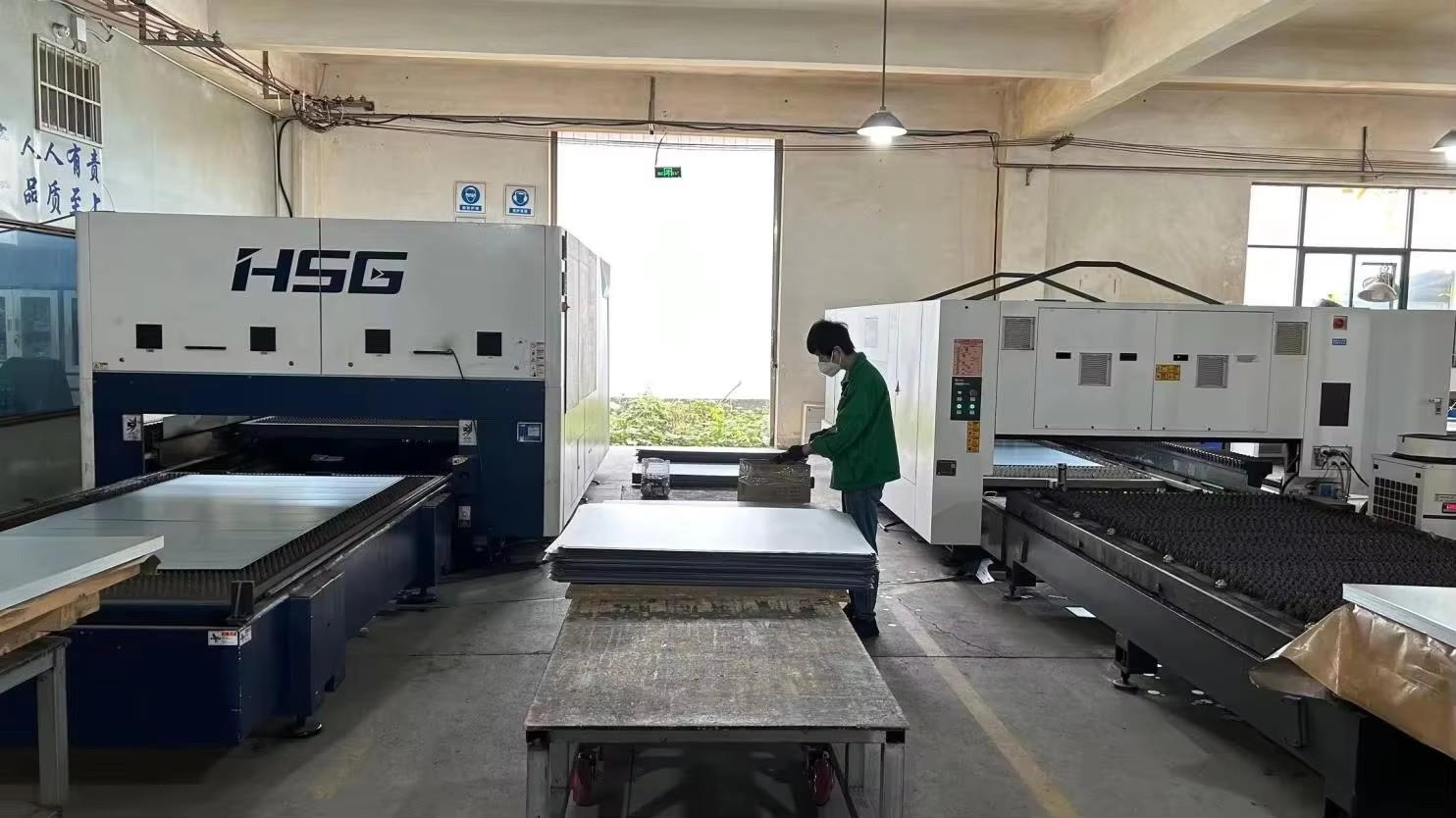
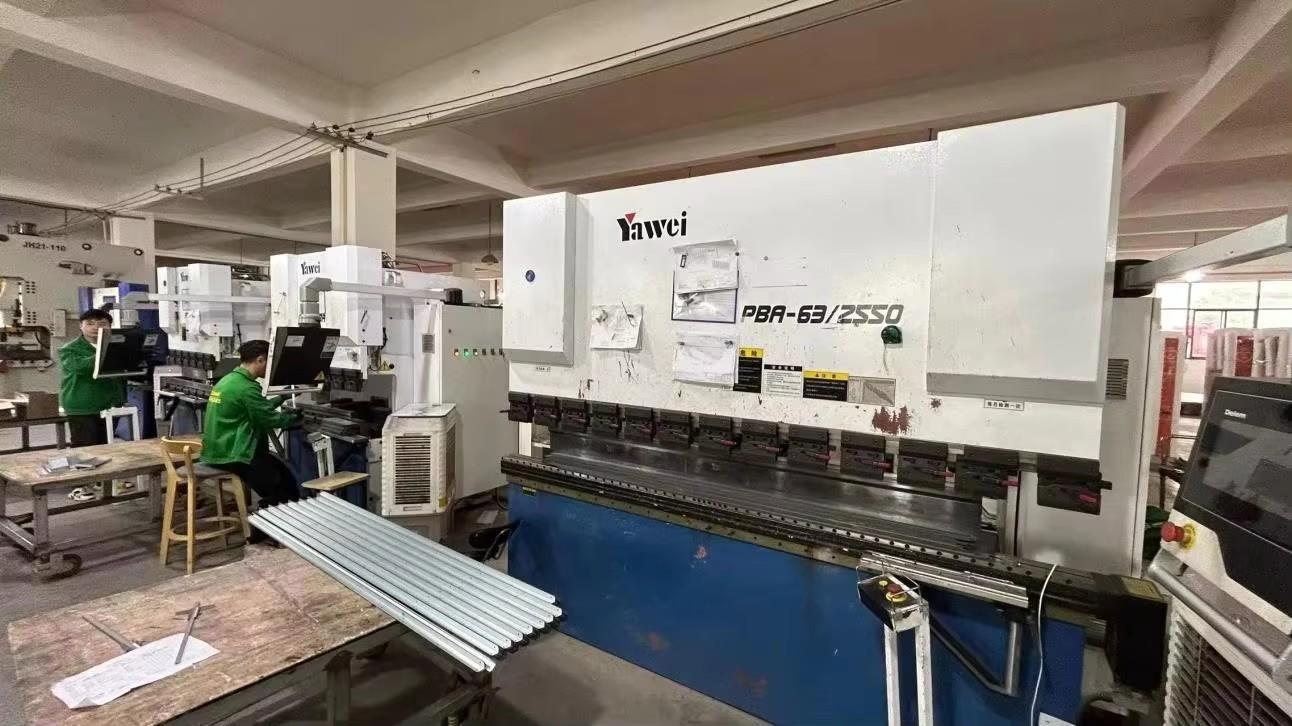
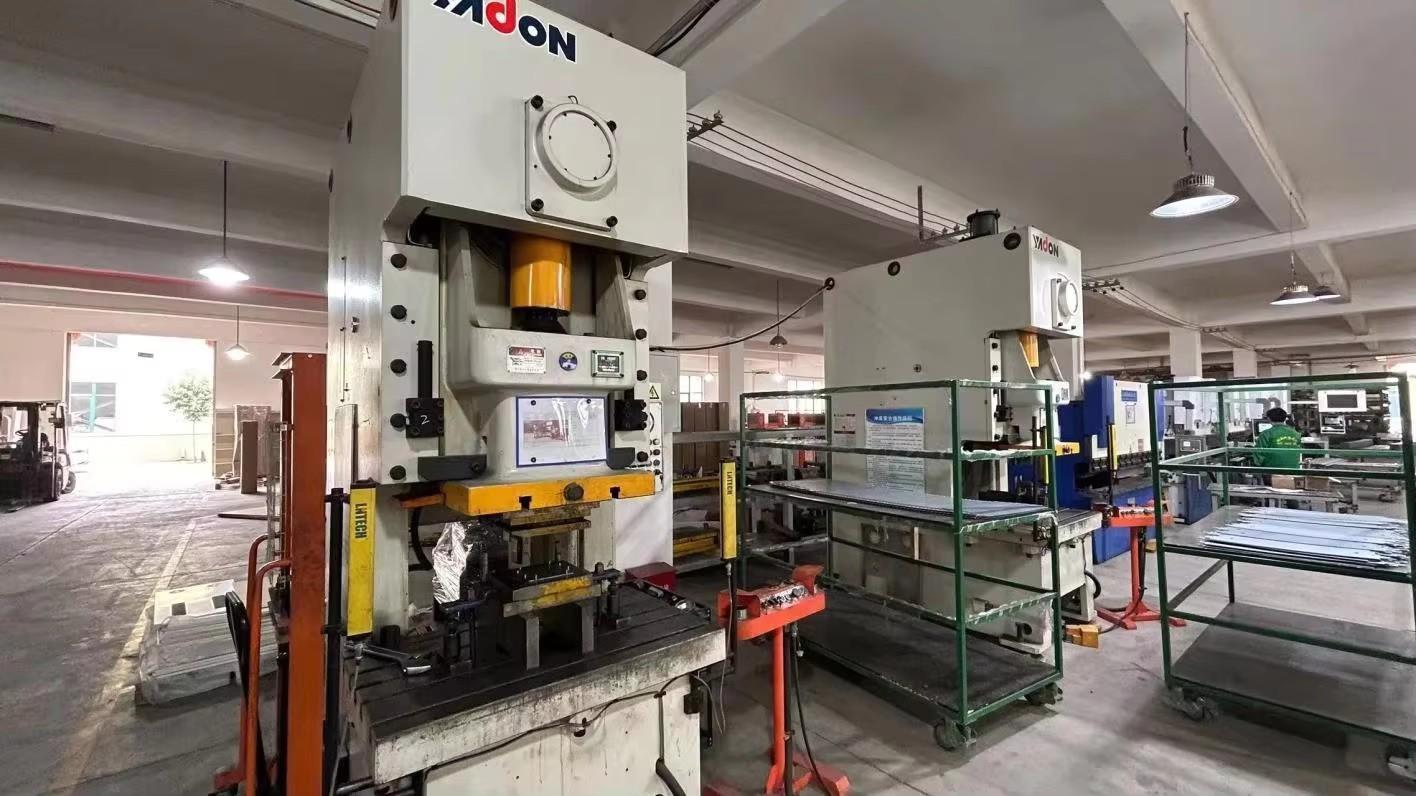
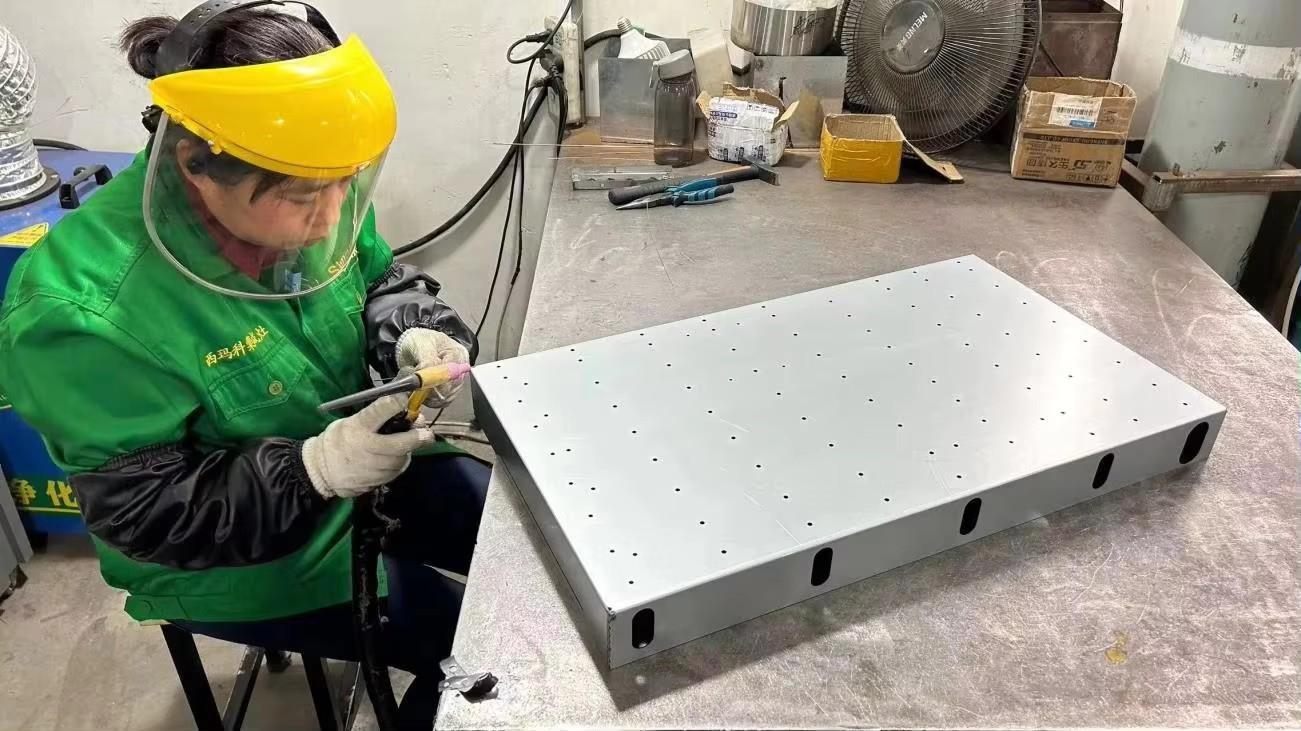
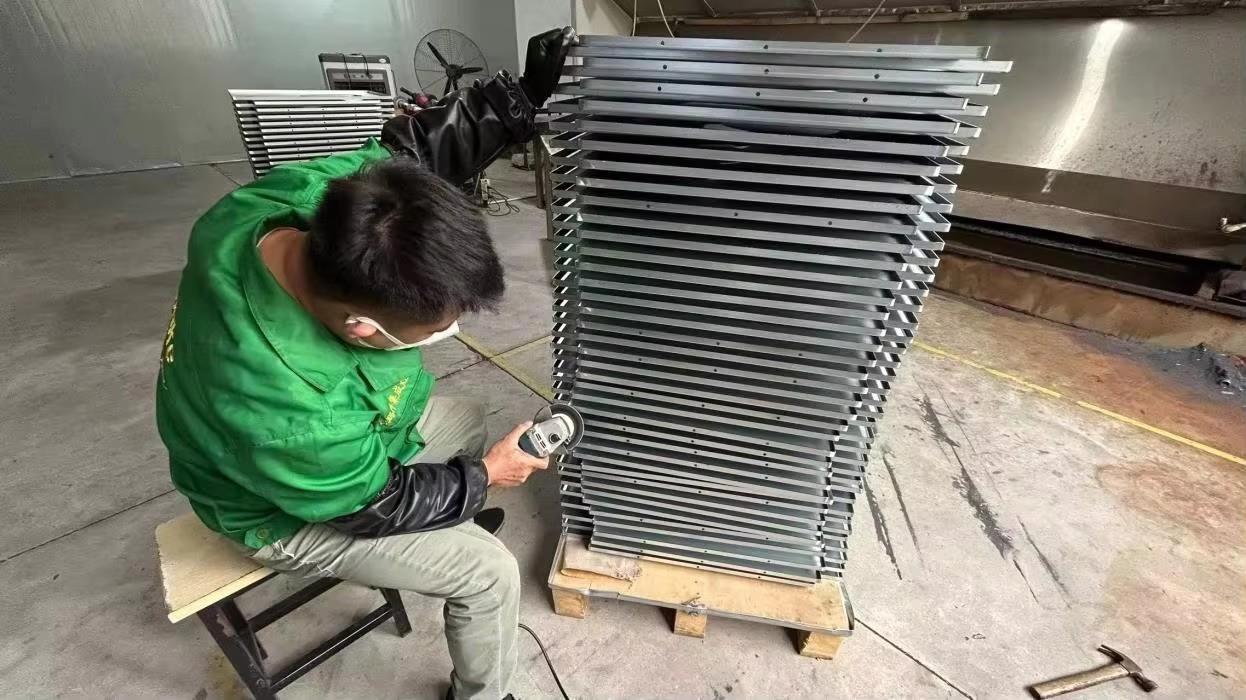
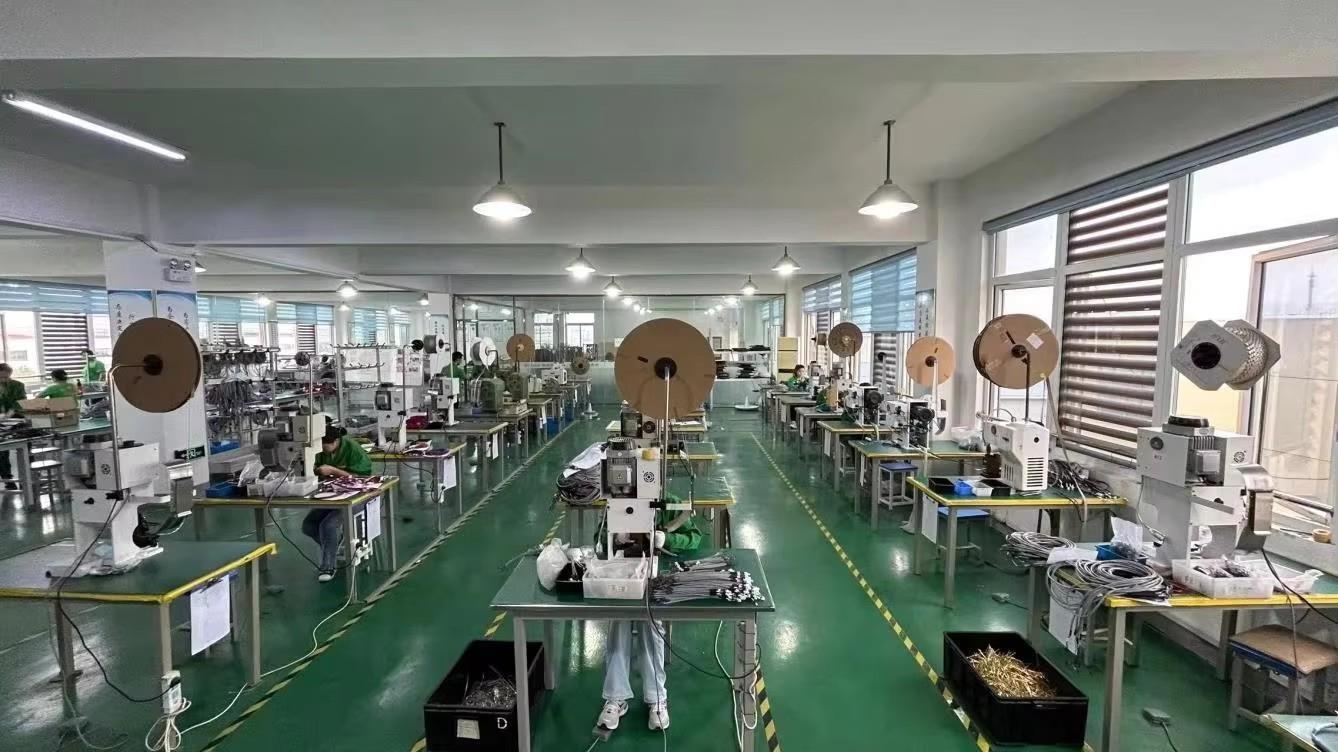
Our production facilities implement automated precision fabrication, mechanical stamping, electrical assembly, and multiple stages of safety inspection. Here is a view of our manufacturing workflow:
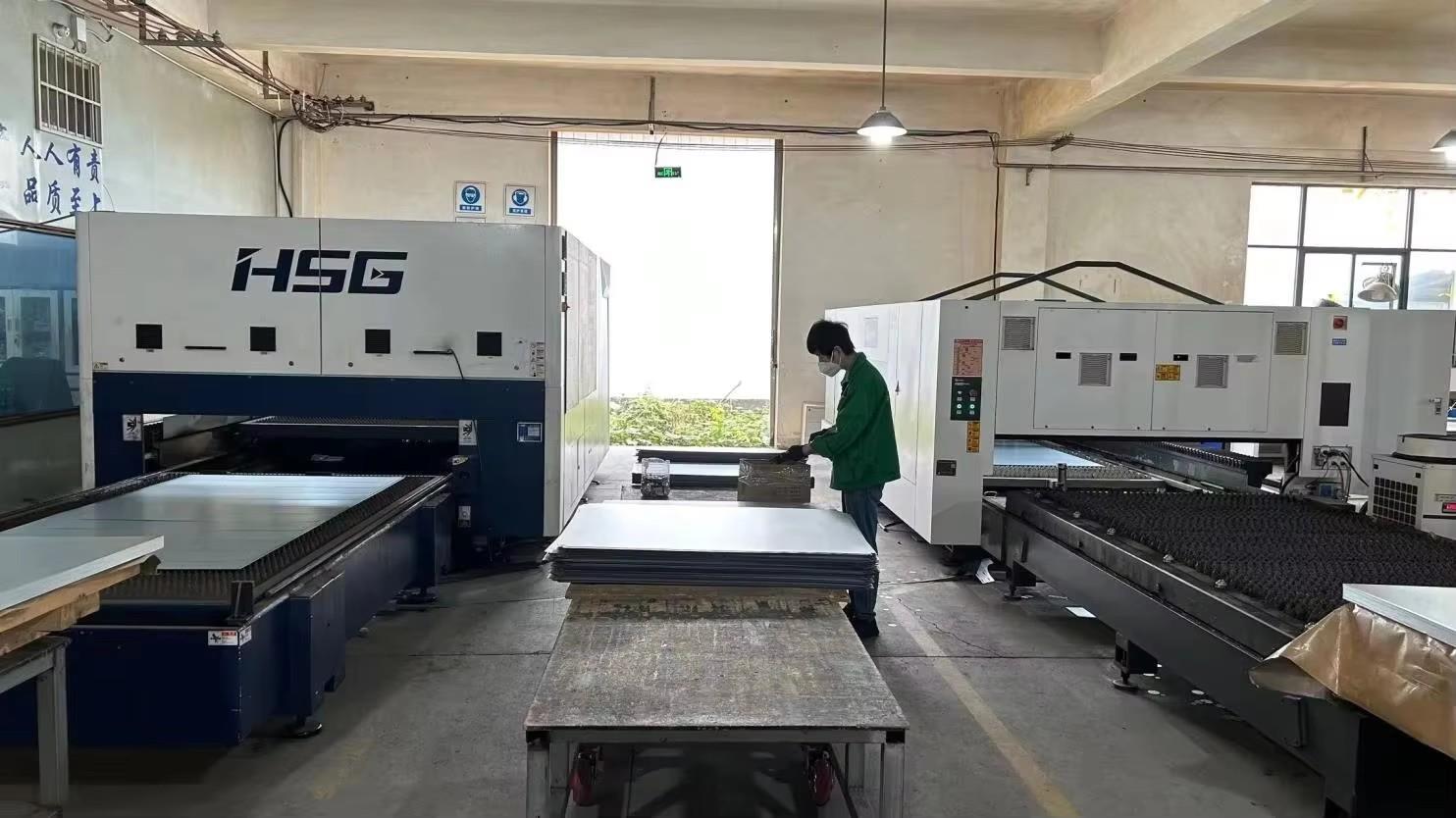
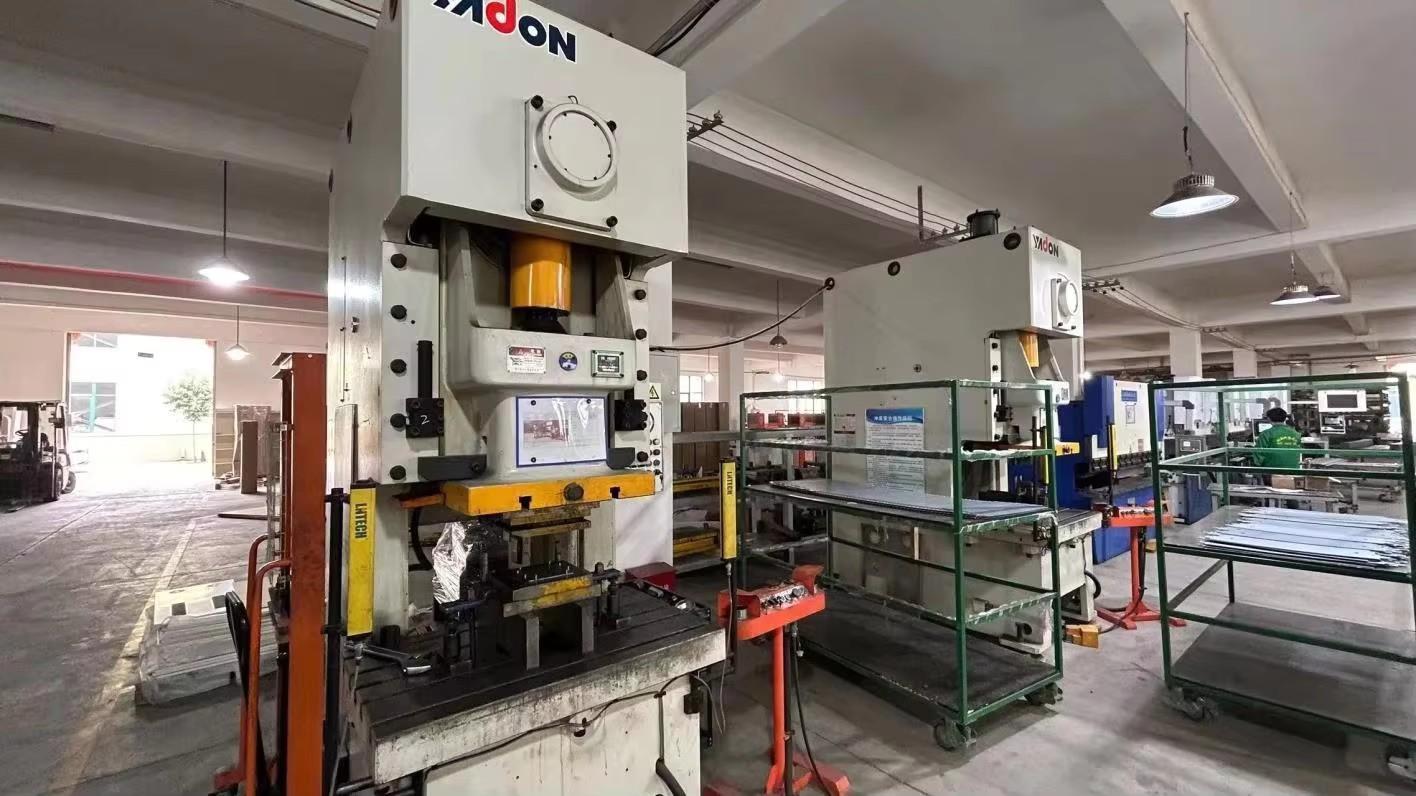
Connecting industrial solar generation and battery assets to local utility grids requires compliance with diverse standards and certifications. Our systems undergo testing to satisfy strict international standards, including **IEC 62109** (safety of power converters), **UL 1973** (batteries for stationary application), **UN 38.3** (lithium battery transport safety), and **CE/EN 50549** for European grid connection.
Through partnerships with global testing bodies, Qingdao Luzz Solar Co., Ltd. ensures that our custom configurations match the local grid requirements of destination countries. We customize local settings for parameters like grid frequency tolerances, voltage-frequency curves (ride-through performance), and automatic islanding detection protocols. This localized engineering minimizes commission delays and helps EPC partners pass municipal and utility inspections.
Review our engineering answers below to address common technical challenges during design, procurement, and site integration phases.
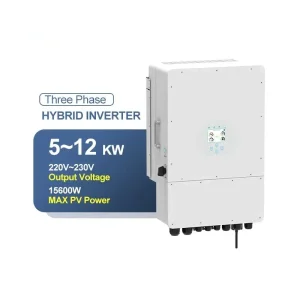
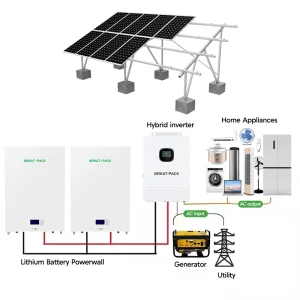
A standard off-grid inverter works exclusively with battery and solar arrays, disconnected from the grid. In contrast, a hybrid inverter (like the Deye 15kW or stackable units) manages multiple inputs dynamically: solar panels, battery storage, local utility grid, and external generators. It features real-time power routing to run on solar, charge batteries, or feed energy back into the grid based on time-of-use tariffs, maximizing ROI.
Lithium Iron Phosphate (LiFePO4) offers an exceptional safety profile, thermal stability, and cycle life (over 6000 cycles at 80% Depth of Discharge). Unlike standard lithium cobalt chemistries, LiFePO4 cells are resistant to thermal runaway, making them safe for indoor and commercial installations.
A containerized ESS is a turnkey utility-grade power system inside a standard container. It houses battery racks, an integrated battery management system (BMS), industrial HVAC for temperature regulation, and a bi-directional power conversion system (PCS). It supports peak shaving, emergency backup, grid stabilization, and peak-demand management for factories, warehouses, and remote infrastructure.
Yes. Our high-frequency pure sine wave hybrid inverters provide surge power capabilities up to two times their continuous rating. This temporary power capacity supports the high inductive starting currents required by machinery, pumps, and HVAC systems without causing voltage drops or system trips.
We offer comprehensive warranty coverage on all key components: up to 5 years for high-frequency inverters and up to 10 years for integrated LiFePO4 battery storage units. Our technical team provides complete diagnostics, firmware updates, and component replacements, ensuring long-term system performance and low lifetime cost of ownership.
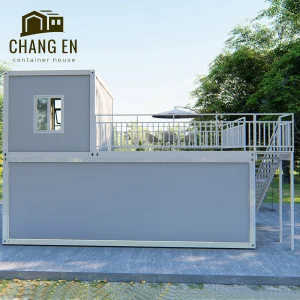
Discover our specialized power controllers, heavy-duty machinery bases, modular structural housings, and fast-cycling LTO cells. Designed to ensure system durability and performance across extreme environments.
 Luzz Solar