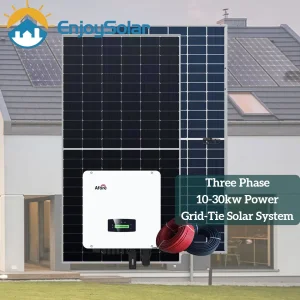
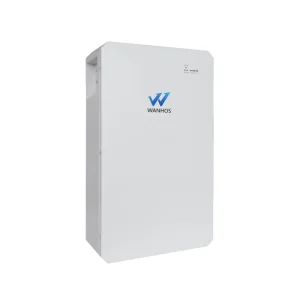
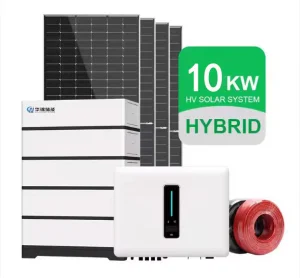
Industrial and commercial-grade solar charging hardware, smart PV combiner systems, and high-efficiency LFP battery packs engineered for maximum energy yield.
The global shift toward decentralized renewable grids has pushed solar charging systems far beyond simple photovoltaic (PV) collection. Today's commercial, industrial, and utility infrastructure demands intelligent integrations that merge PV power generation with advanced battery energy storage systems (BESS), smart energy management applications, and electric vehicle (EV) fleet infrastructure. Across Europe, North America, and high-growth markets in Latin America and the MENA region, high energy volatility and strict carbon mandates are urging corporations to seek reliable tier-1 manufacturing partners in China to optimize their LCOE (Levelized Cost of Energy).
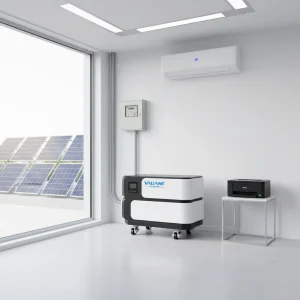
Modern Smart Solar Charging is defined by dynamic load balancing, peak-shaving capabilities, and multi-protocol grid synchronization. From wall-mounted residential setups of 5kWh up to megawatt-scale, high-voltage containerized energy storage units (BESS) designed for grid stability, manufacturers are shipping modular, plug-and-play setups that reduce installation lead times and maximize system lifespan. Industrial operations rely heavily on robust hardware integration, demanding IP65 or IP67 ratings, integrated BMS monitoring, and advanced thermal management to withstand extreme environmental parameters.
As wholesale importers and EPC contractors navigate supply chains, the priority has shifted from raw material cost to design and engineering versatility. A premium wholesale factory must offer customization at scale—ranging from custom PCB controller layouts, hybrid inverter power matching, to prefabricated structural layouts for solar-integrated commercial buildings. The capability to manufacture under ISO standards and provide IEC, CE, and UL certifications sets top-tier manufacturers apart in securing municipal utility and C&I bids.
As clean energy systems scale, three major technical trends define the next generation of Smart Solar Charging infrastructures:
“The transition from static solar accumulation to active grid support via software-hardware synergy represents the biggest technological leap of the decade.” — Renewables Engineering Report
In response to these trends, we have established a clear technology roadmap focusing on grid-interactive smart systems, cloud-controlled hybrid inverters, and scalable commercial energy structures.
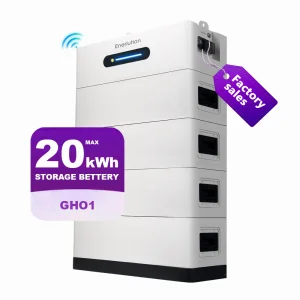
Establishing native compatibility between stackable 48V / 51.2V LFP battery packs, smart hybrid inverters, and cloud monitoring apps. Incorporating multi-channel MPPT inputs to handle diverse shading layouts.
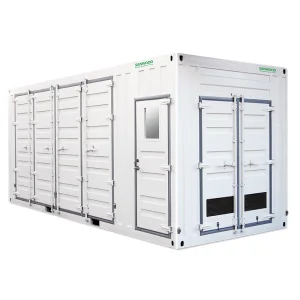
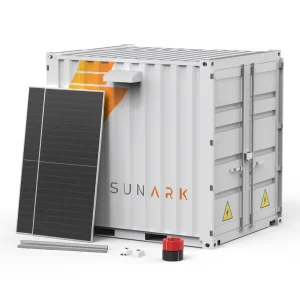
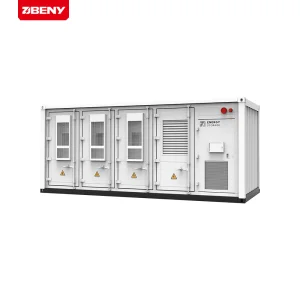
Developing 1MWH liquid and active air-cooled container systems integrated with fire suppression systems and high-voltage DC protection panels, targeting large-scale commercial grid peak-shaving applications.
Building automated energy management systems that sync solar generation forecasts with real-time grid pricing models, enabling automated energy arbitrage and localized battery-to-grid dispatching.
Qingdao Luzz Solar Co., Ltd. is a professional new energy enterprise specializing in the development, manufacturing, and global distribution of photovoltaic (PV) products and integrated energy storage solutions. Located in Qingdao, China, the company benefits from a well-established renewable energy industrial base and advanced manufacturing capabilities.
With the accelerating global transition toward carbon neutrality and sustainable development, Luzz Solar is committed to providing efficient, reliable, and cost-effective clean energy solutions to customers worldwide. Our product portfolio includes high-efficiency solar photovoltaic modules, energy storage systems, and integrated solar application solutions designed for residential, commercial, and utility-scale projects.
Driven by technological innovation and quality excellence, the company continuously invests in R&D and production optimization to improve product performance, energy conversion efficiency, and system reliability. We strictly adhere to international quality standards and implement rigorous quality control throughout the entire production process to ensure stable and long-term product performance.
Qingdao Luzz Solar actively expands its global market presence, with business coverage across Asia, Europe, the Middle East, Africa, and Latin America. By working closely with international partners, we are committed to delivering tailored energy solutions that meet diverse regional needs and support the global energy transition.
Guided by the core values of integrity, innovation, cooperation, and sustainability, Luzz Solar strives to become a trusted global partner in the new energy industry. We are dedicated to advancing solar technology and contributing to a greener, more sustainable future.
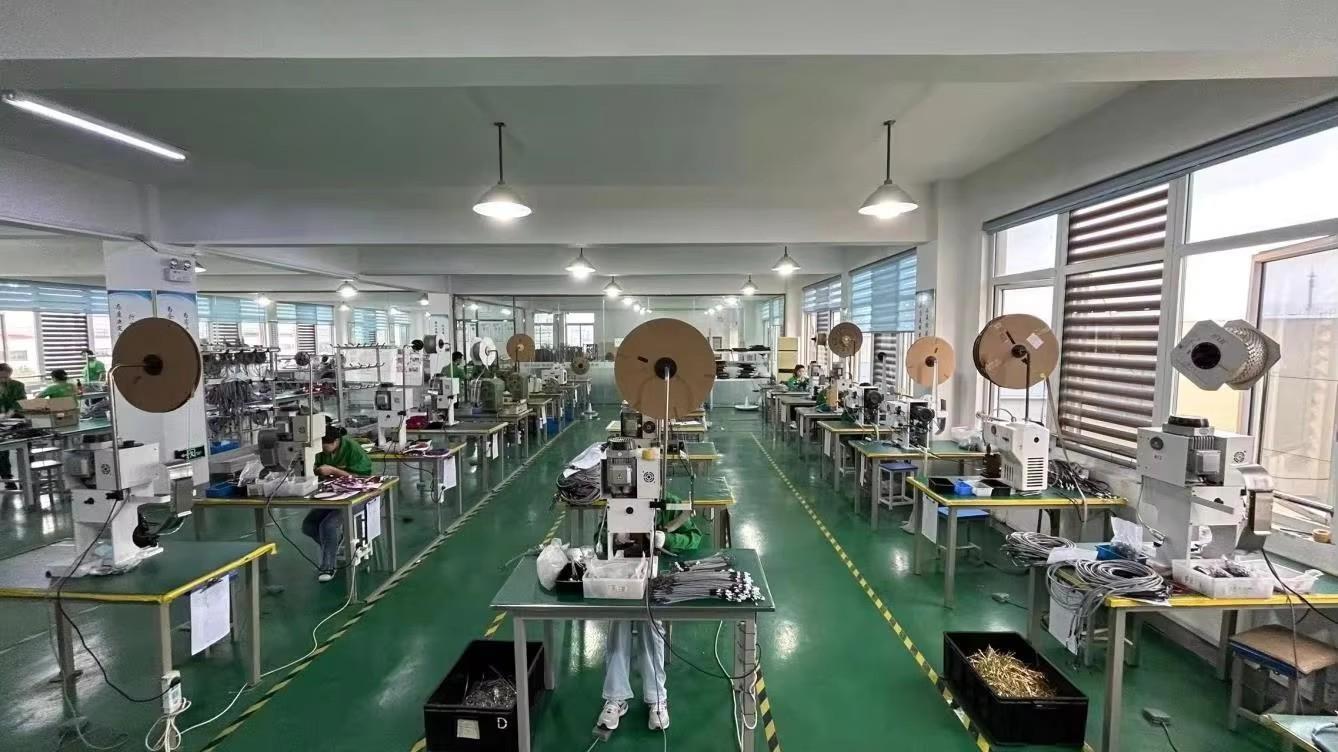
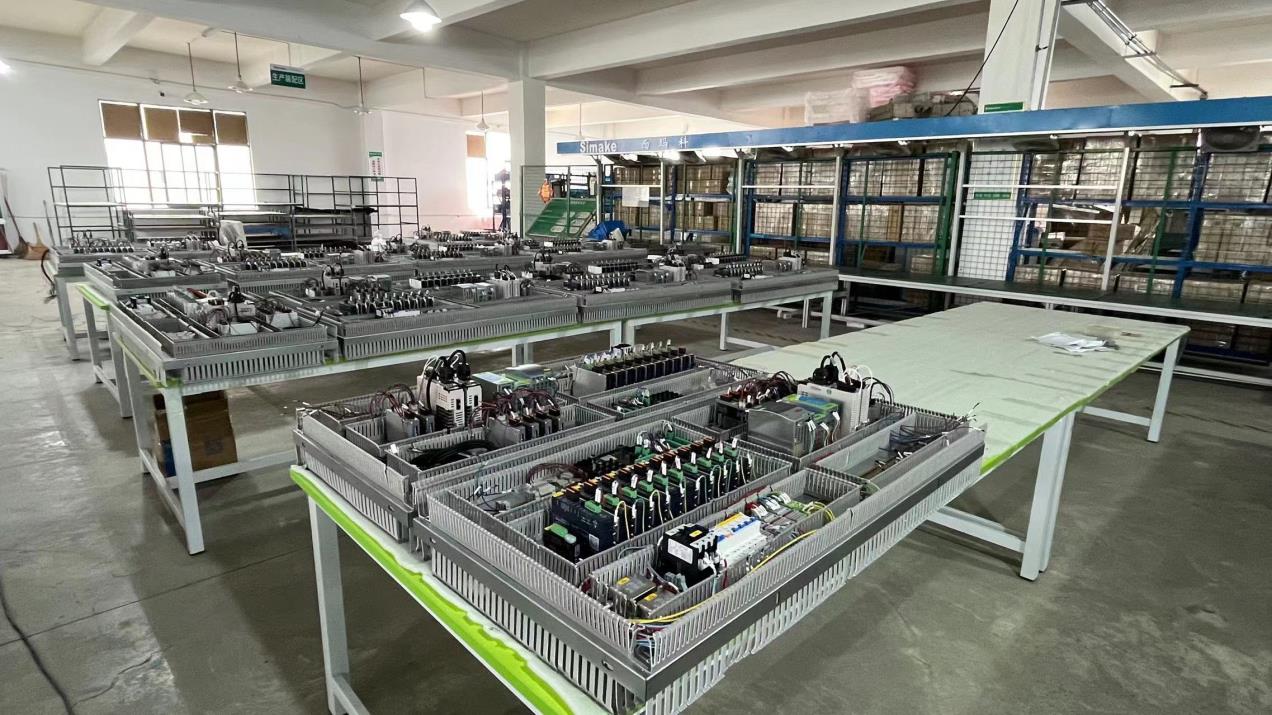
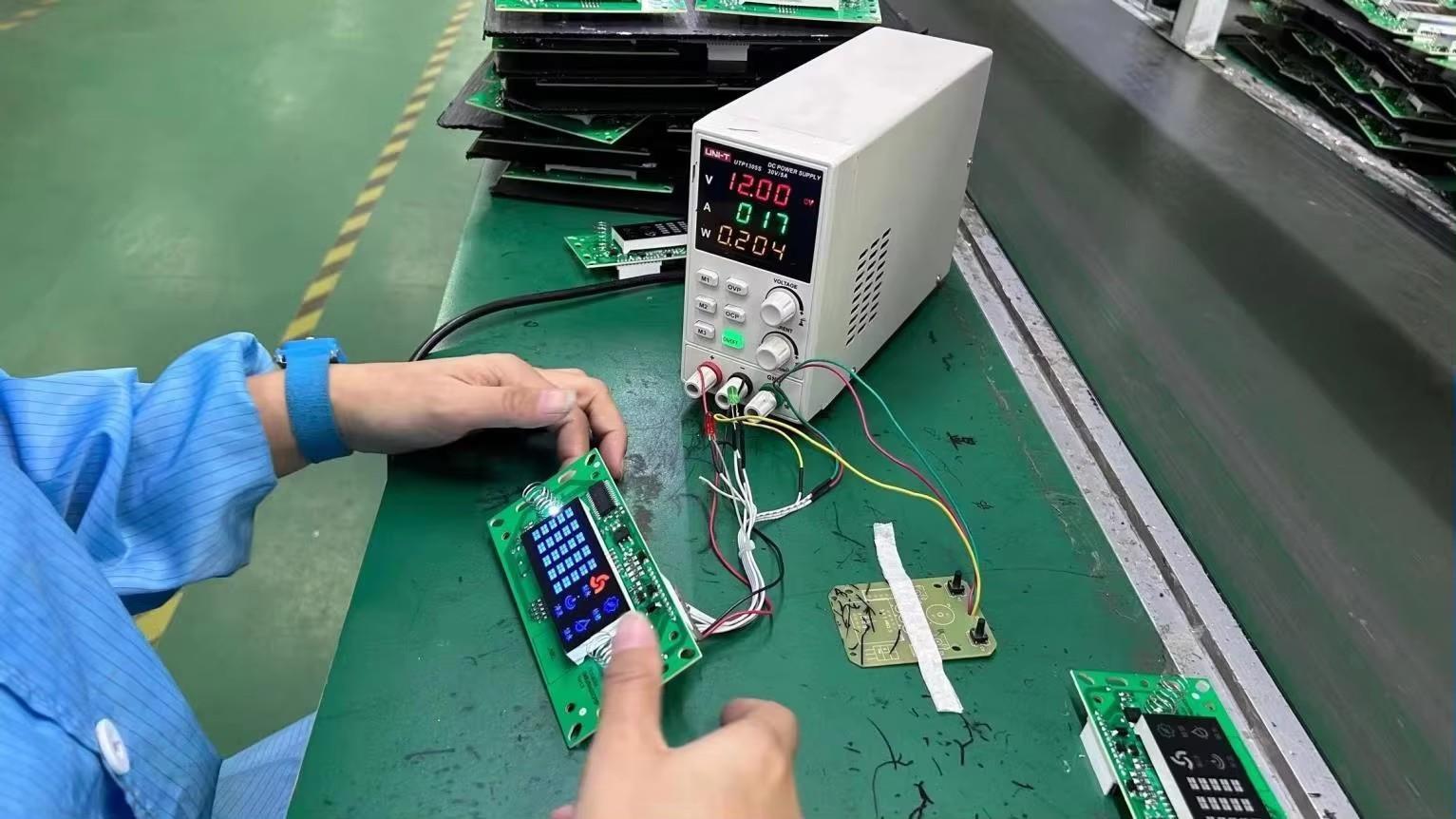
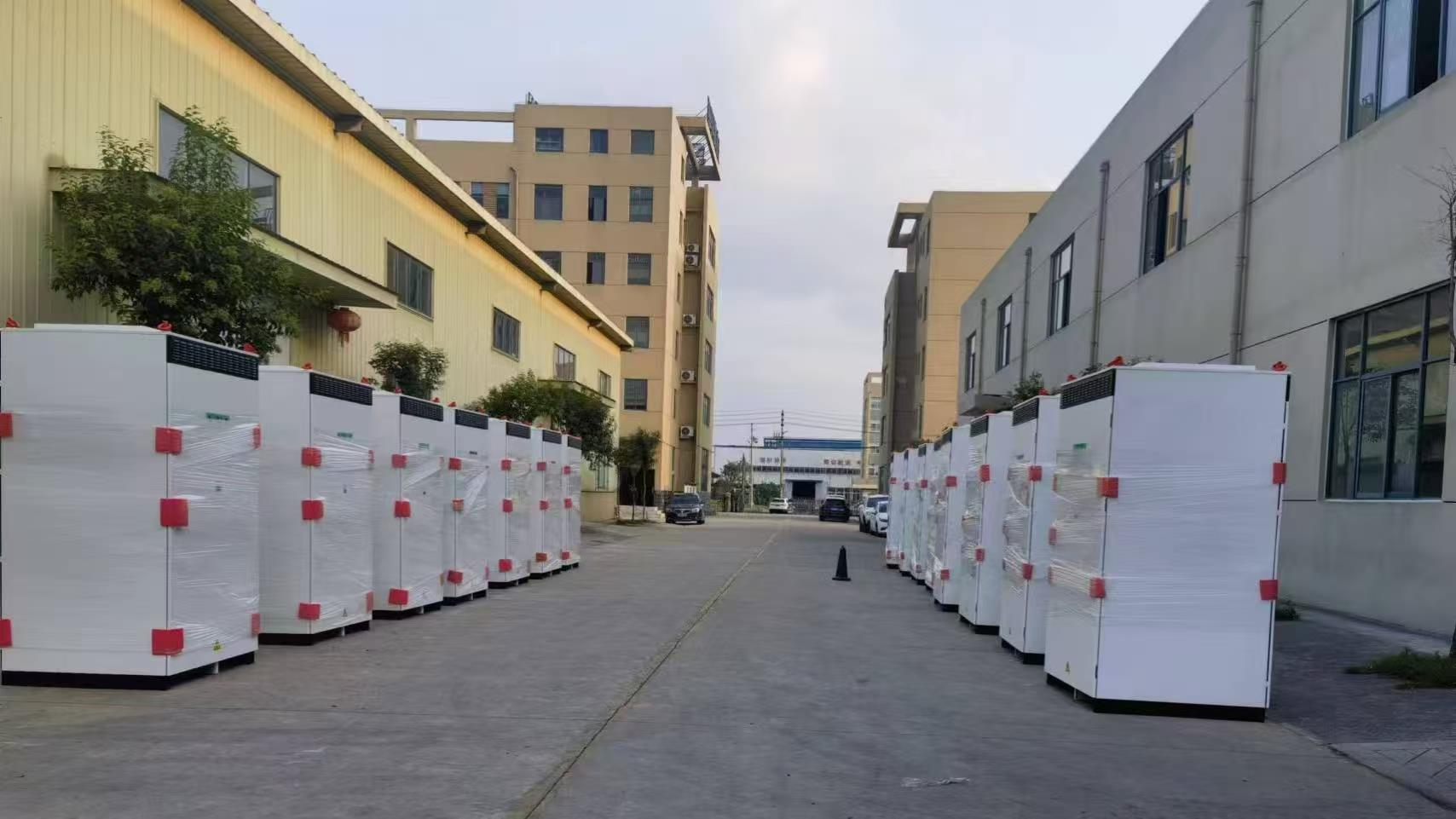
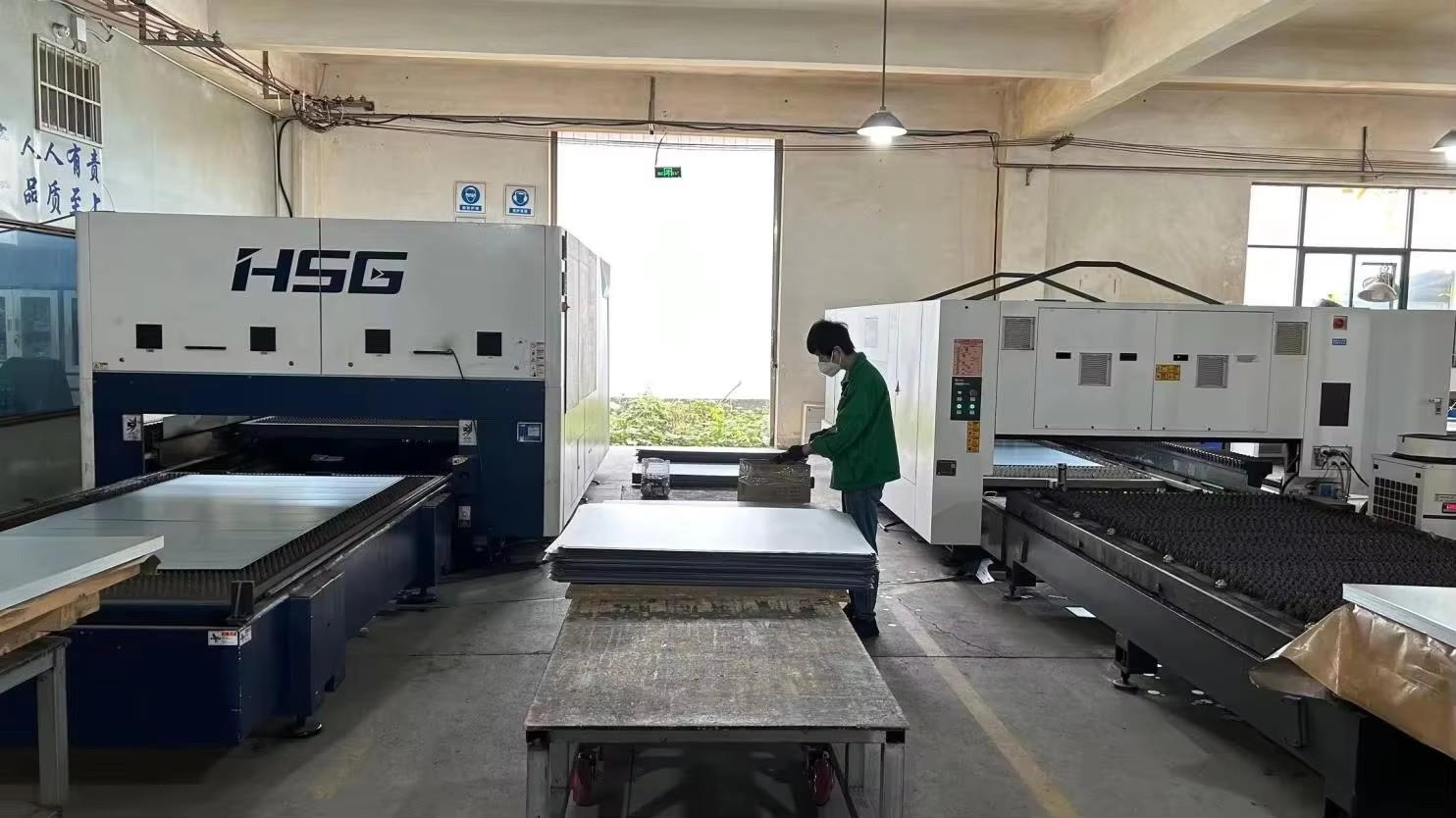
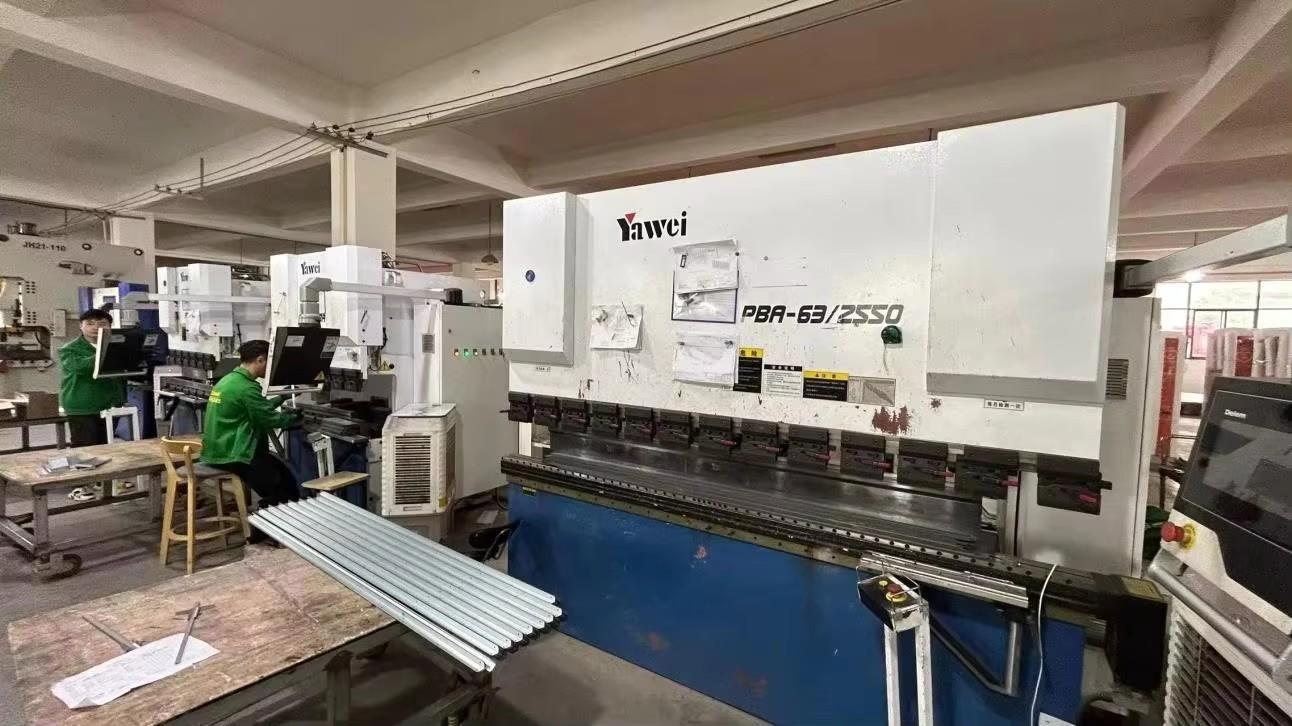
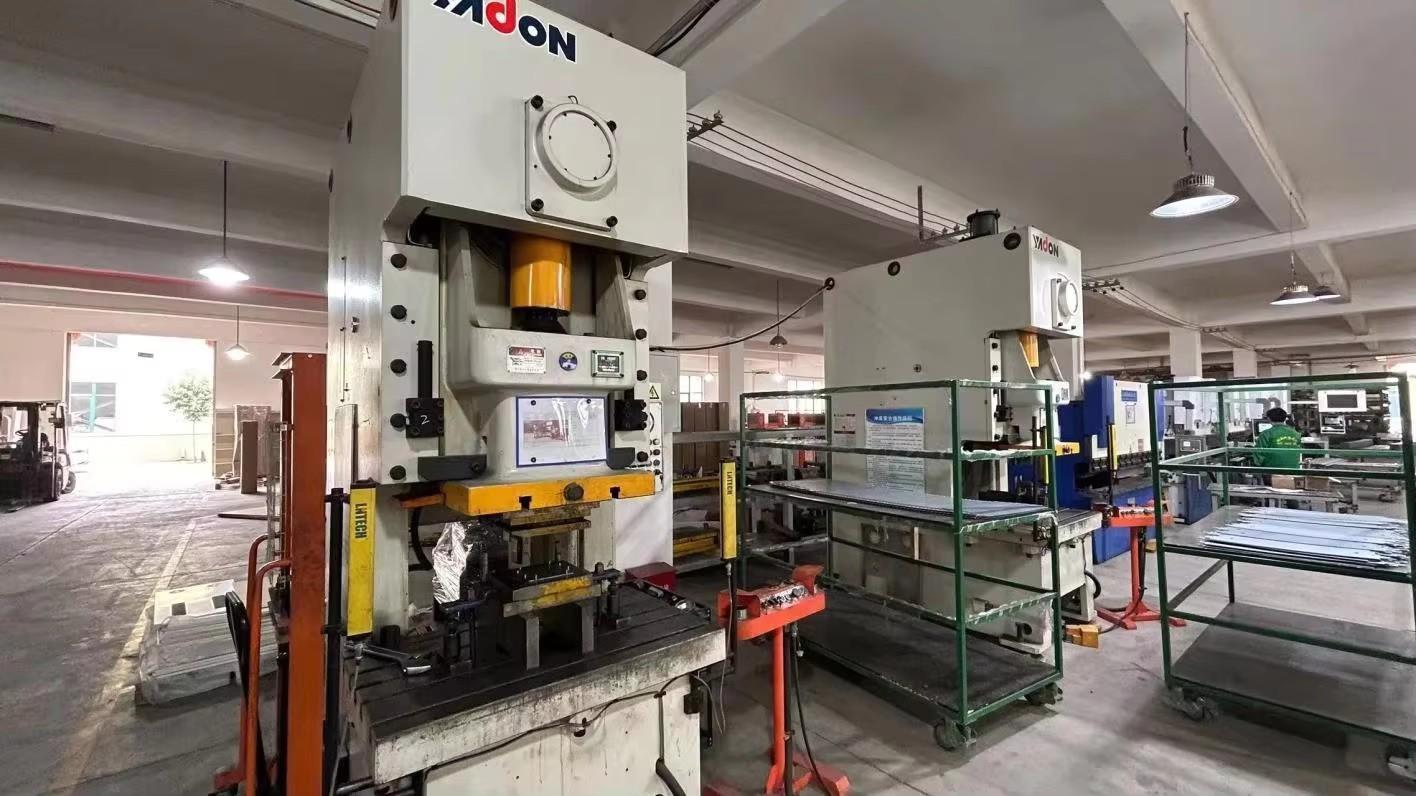
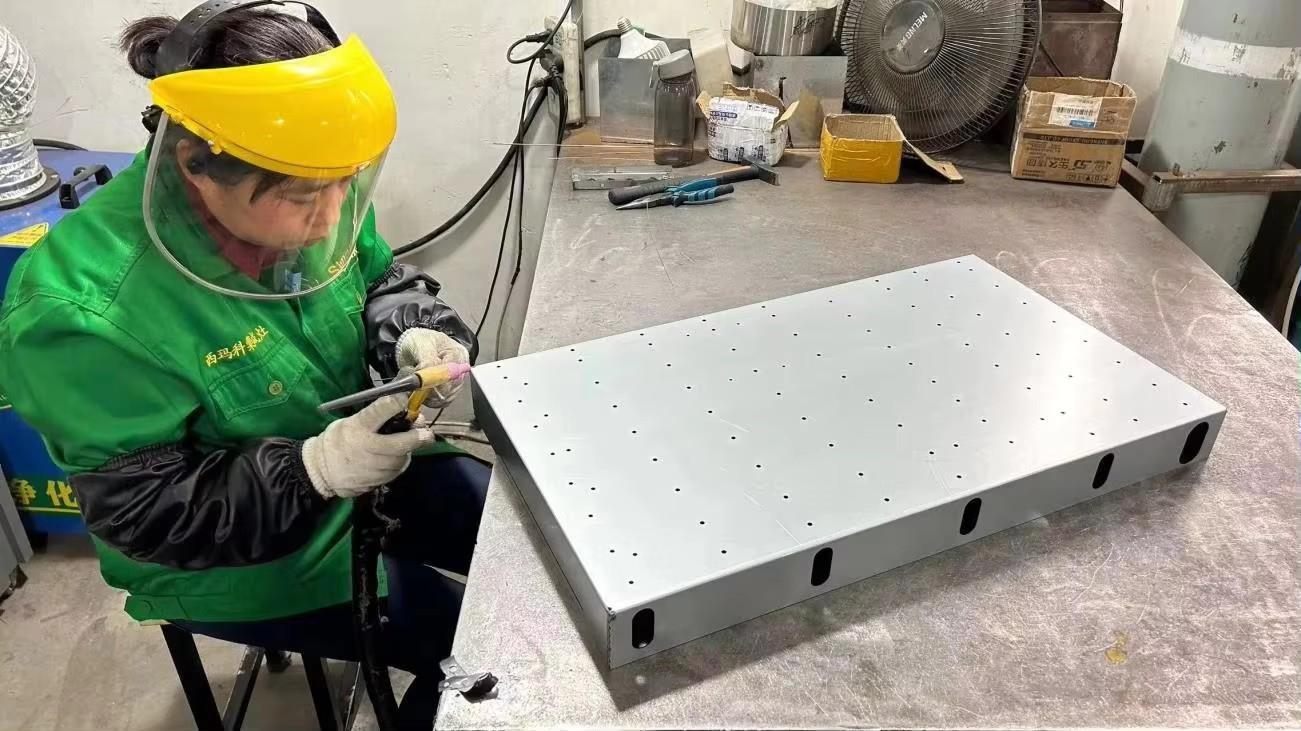
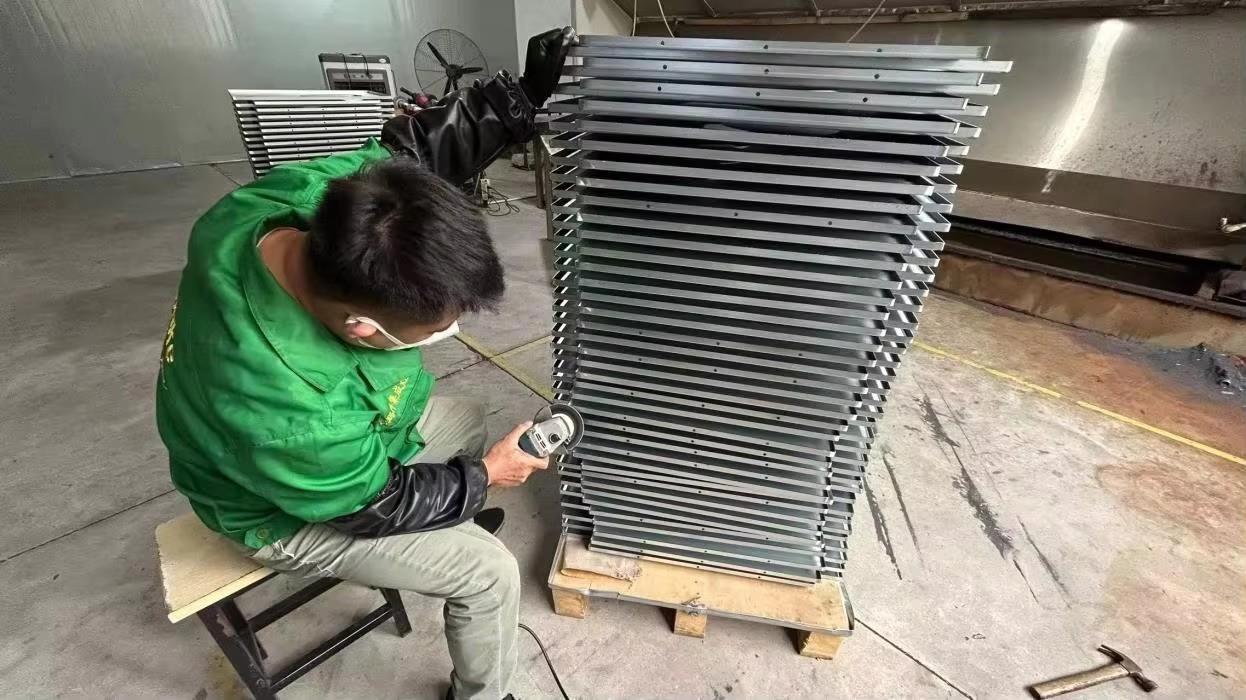
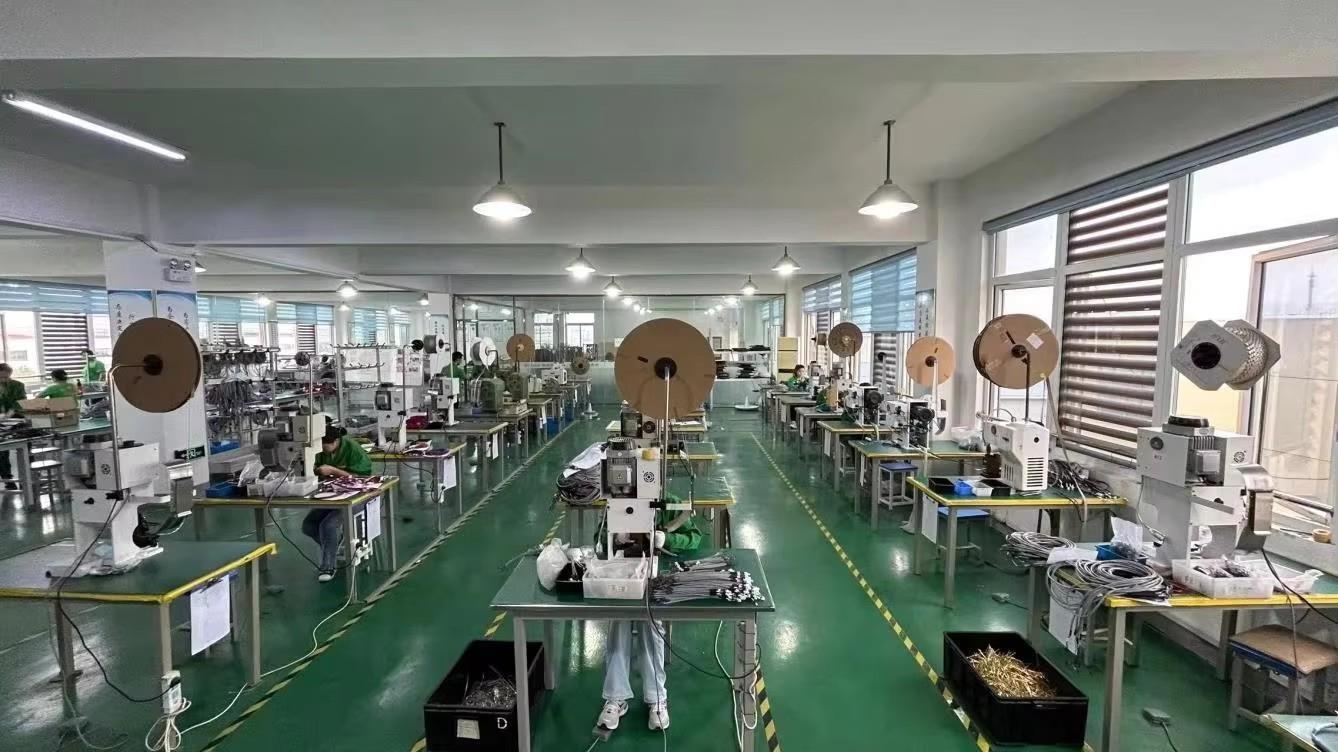
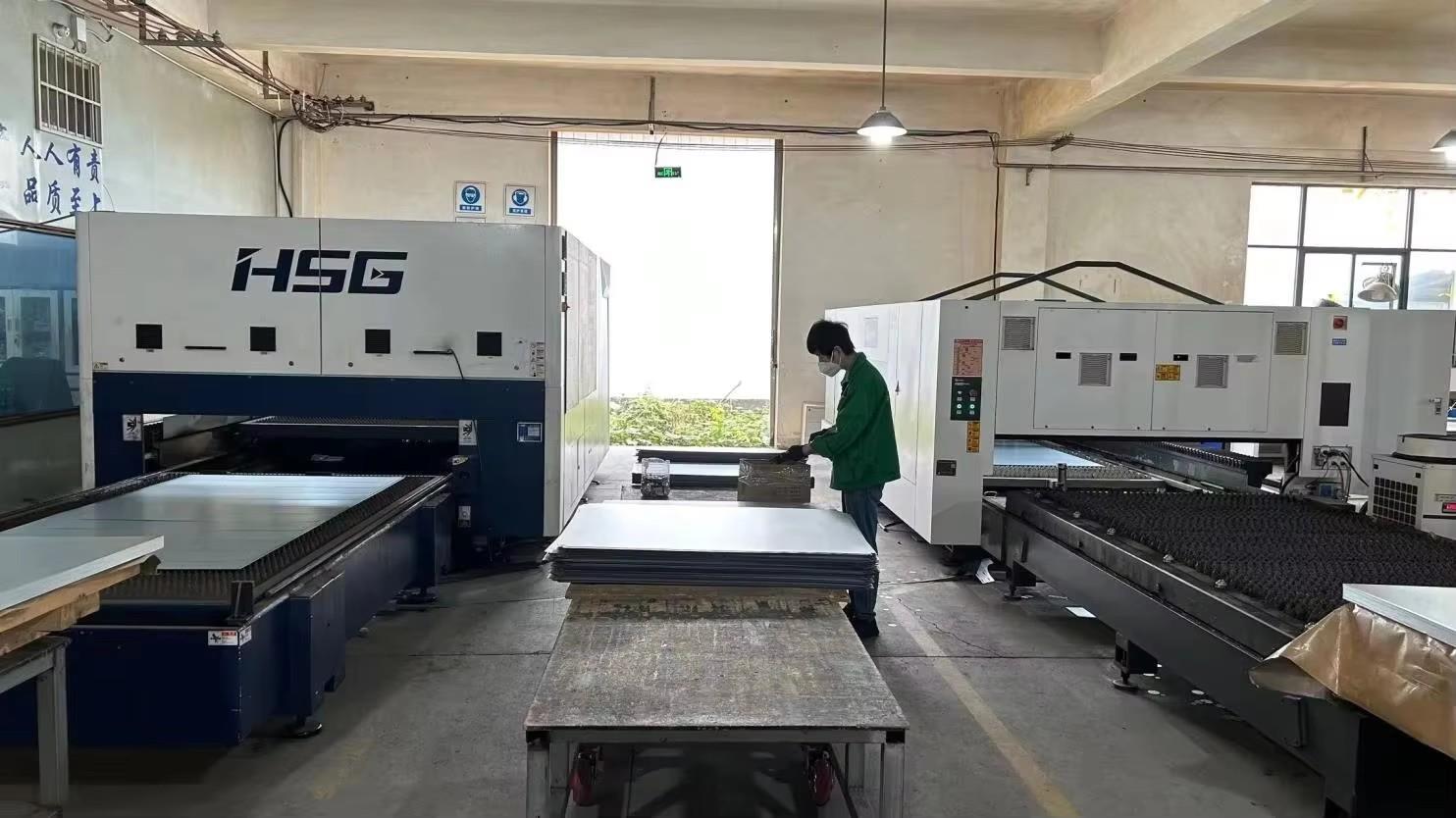
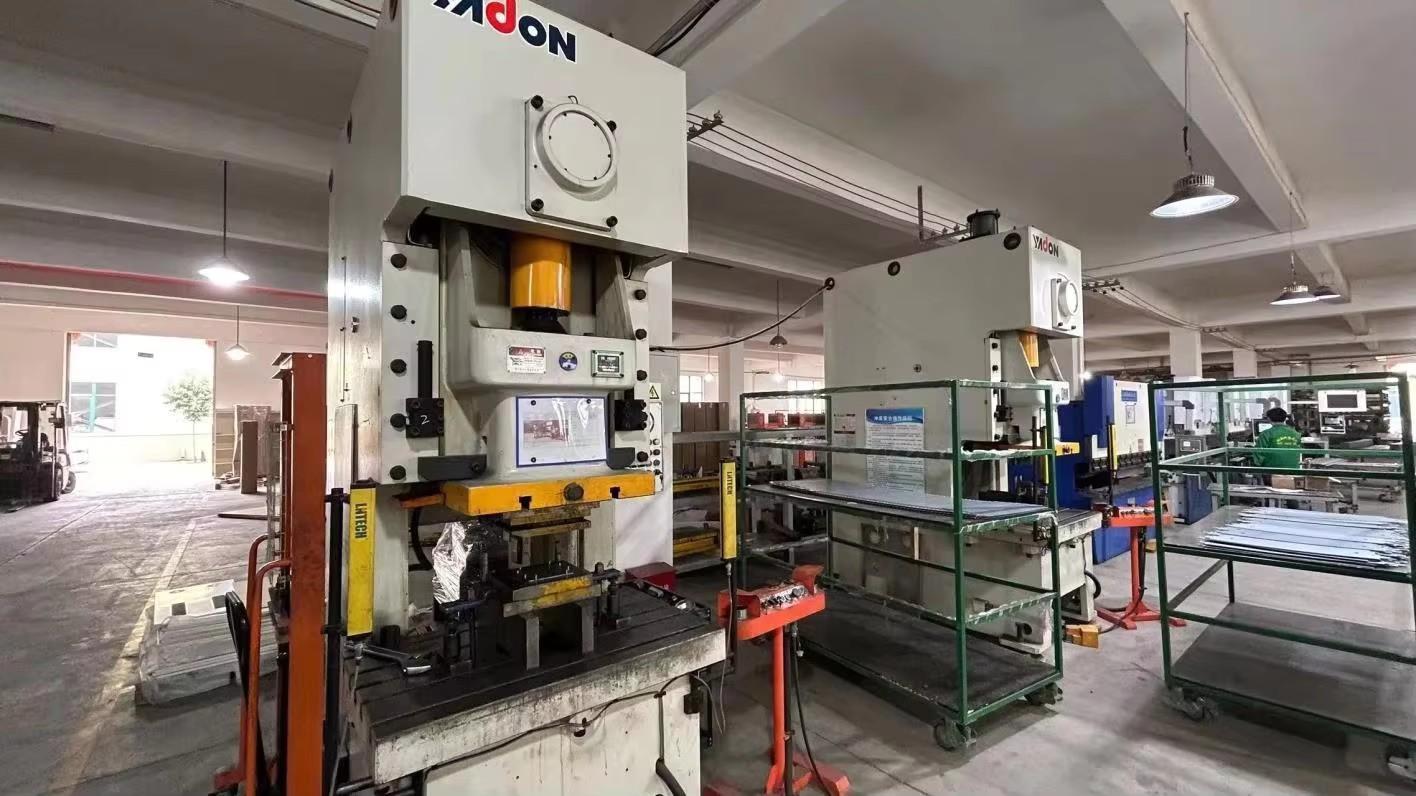
Every solar array, battery storage enclosure, and electronic assembly is fabricated under rigorous Quality Control (QC) standards inside our state-of-the-art China manufacturing facilities.
Deploying smart solar charging components demands specific adjustments to fit distinct regional compliance, climatic, and industrial regulations. Luzz Solar targets and solves distinct local challenges with specialized microgrid packages:
In highly dense European neighborhoods, space limitations prevent the deployment of vast rooftop arrays. Balcony microgrids combining the 800W IP67 Waterproof Micro-Inverter with stackable LiFePO4 modules have emerged as a high-density, code-compliant alternative. These designs employ simplified three-core plugs and sockets for plug-and-play connectivity into standard home circuits. Integrated smart software meters local draw, dynamically minimizing export energy to comply with European net-metering regulations.
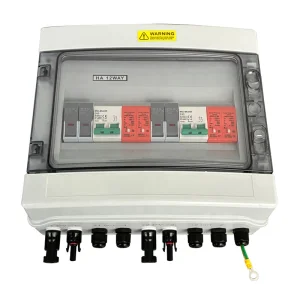
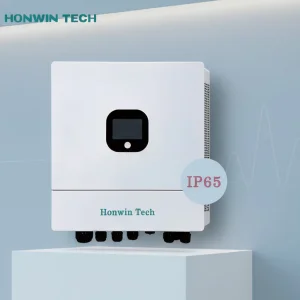
For rural operations, off-grid clinics, and grid-vulnerable commercial buildings, our modular hybrid inverter systems supporting batteries and APP controls supply uninterrupted energy during blackouts. These systems support auxiliary diesel generator integrations, operating as hybrid off-grid ecosystems that transition between PV energy capture, battery backup, and emergency generators. Our heavy-duty DC combiner boxes (DC1000V) and multi-channel safety designs guarantee stable operations across remote industrial regions.
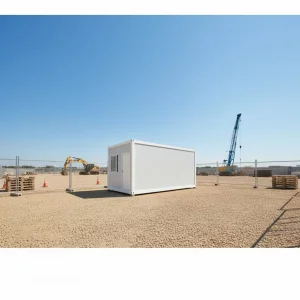
To balance grid variability in megawatt-level solar plants, industrial properties utilize containerized BESS arrays (100kWh to 1MWh+ container systems). These setups manage high-density solar energy collection during peak daylight, saving clean power to run heavy machinery during grid peak-hours. Incorporating integrated liquid or high-velocity cooling designs helps stabilize LFP pack temperatures under high desert heat, minimizing degradation and securing long system lifespans.
Answers to crucial structural, engineering, and manufacturing questions for global procurement managers.
Browse our complete catalog of industrial storage solutions, micro-inverters, hybrid system kits, and prefabricated commercial building structures.
 Luzz Solar