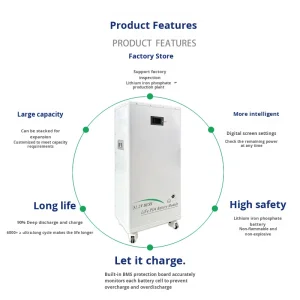
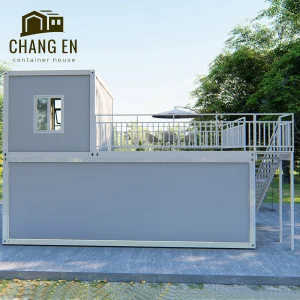
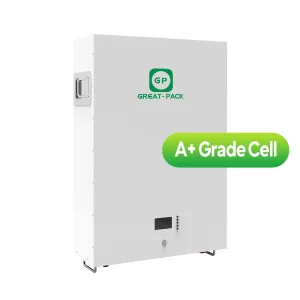
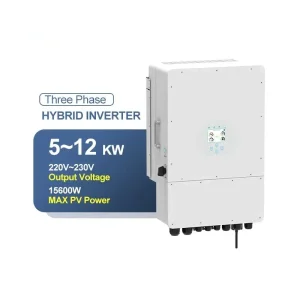
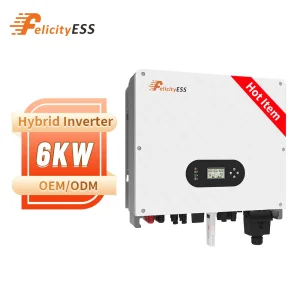
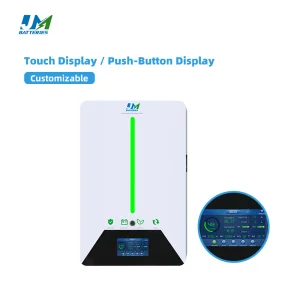
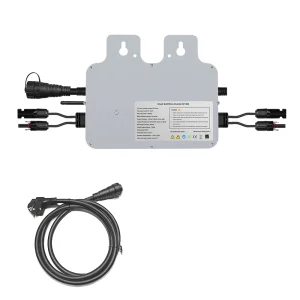
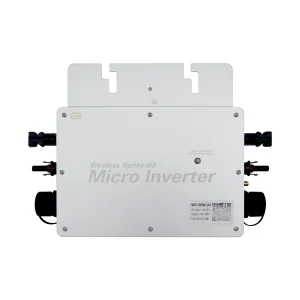
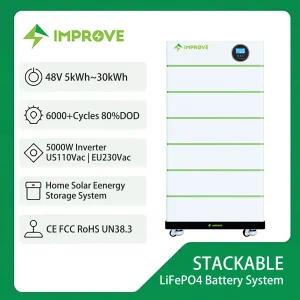
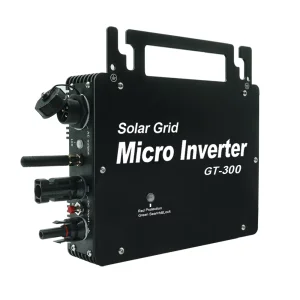
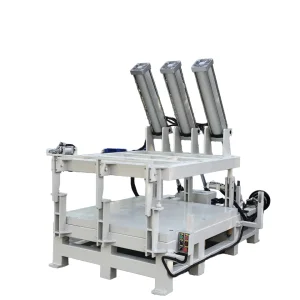
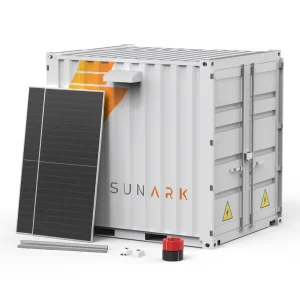
Explore our cutting-edge, top-rated products designed for high-efficiency green energy integration.
As utility-scale projects and industrial installations expand exponentially across the globe, the engineering behind solar panel mounting solutions has undergone a paradigm shift. No longer viewed as mere structural support, mounting systems are recognized as critical components that dictate the lifetime efficiency, safety, and levelized cost of energy (LCOE) of a solar PV plant.
Modern commercial and industrial (C&I) operations require structural designs capable of withstanding extreme environmental loads—including hurricane-force winds, intense snow accumulation, and highly corrosive maritime environments. Selecting the right mounting manufacturer is vital for EPC contractors, project developers, and distributors who prioritize long-term asset security and rapid on-site installation speeds.
An in-depth analysis of critical technical metrics for global EPC buyers, procurement managers, and structural engineers.
Utilizing high-grade structural alloys like Anodized Aluminum AL6005-T5 and Hot-Dip Galvanized Steel (Q235B / Q355B) ensures a service life exceeding 25 years. Anti-corrosive finishes prevent galvanic reaction between copper, steel, and aluminum components.
Finite Element Analysis (FEA) and Wind Tunnel Testing determine structural limits under peak local loads. Custom tracking and fixed systems are dynamically engineered to resist upward pull-out and downward bending stress under severe weather scenarios.
Advanced pre-assembled components significantly reduce mechanical assembly steps on-site. Precision-machined clamps, hooks, and rails lock into place quickly, yielding up to 40% savings in site labor expenses and EPC setup times.
Qingdao Luzz Solar Co., Ltd. is a professional new energy enterprise specializing in the development, manufacturing, and global distribution of photovoltaic (PV) products and integrated energy storage solutions. Located in Qingdao, China, the company benefits from a well-established renewable energy industrial base and advanced manufacturing capabilities.
With the accelerating global transition toward carbon neutrality and sustainable development, Luzz Solar is committed to providing efficient, reliable, and cost-effective clean energy solutions to customers worldwide. Our product portfolio includes high-efficiency solar photovoltaic modules, energy storage systems, and integrated solar application solutions designed for residential, commercial, and utility-scale projects.
Driven by technological innovation and quality excellence, the company continuously invests in R&D and production optimization to improve product performance, energy conversion efficiency, and system reliability. We strictly adhere to international quality standards and implement rigorous quality control throughout the entire production process to ensure stable and long-term product performance.
Qingdao Luzz Solar actively expands its global market presence, with business coverage across Asia, Europe, the Middle East, Africa, and Latin America. By working closely with international partners, we are committed to delivering tailored energy solutions that meet diverse regional needs and support the global energy transition.
Guided by the core values of integrity, innovation, cooperation, and sustainability, Luzz Solar strives to become a trusted global partner in the new energy industry. We are dedicated to advancing solar technology and contributing to a greener, more sustainable future.
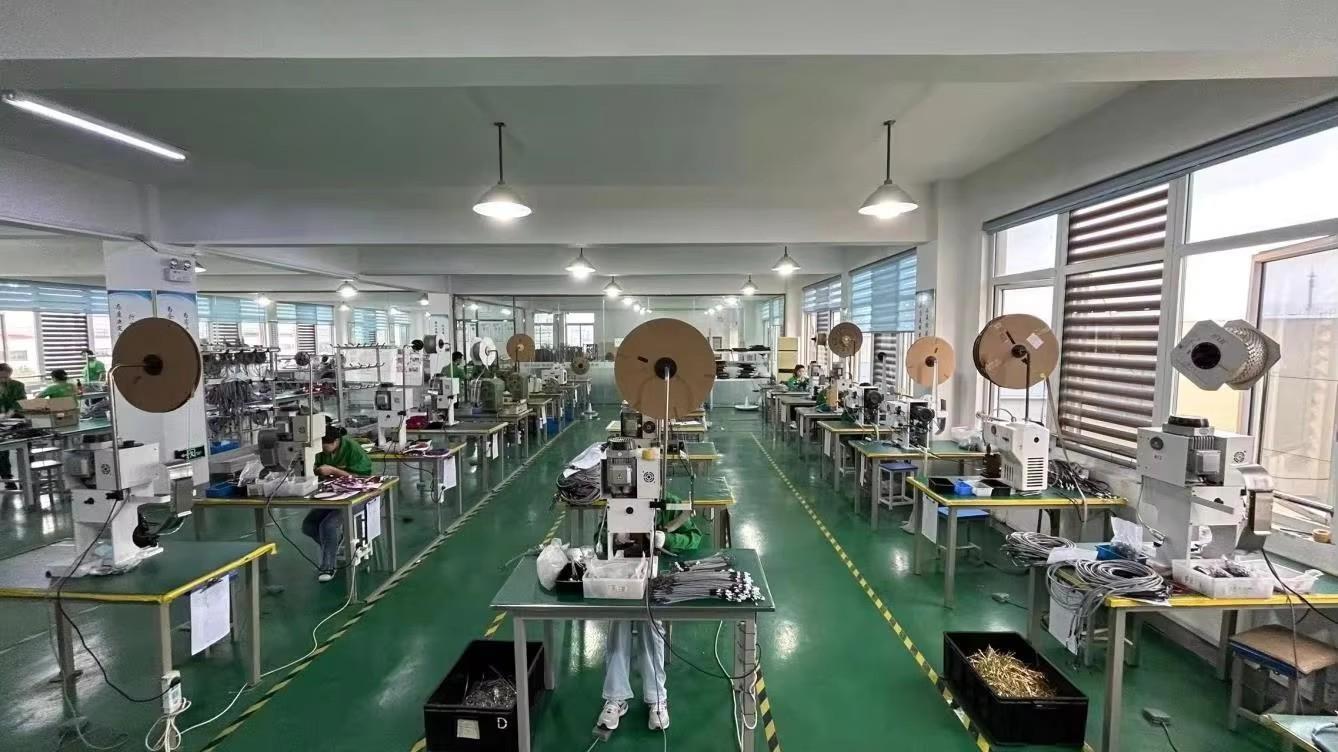
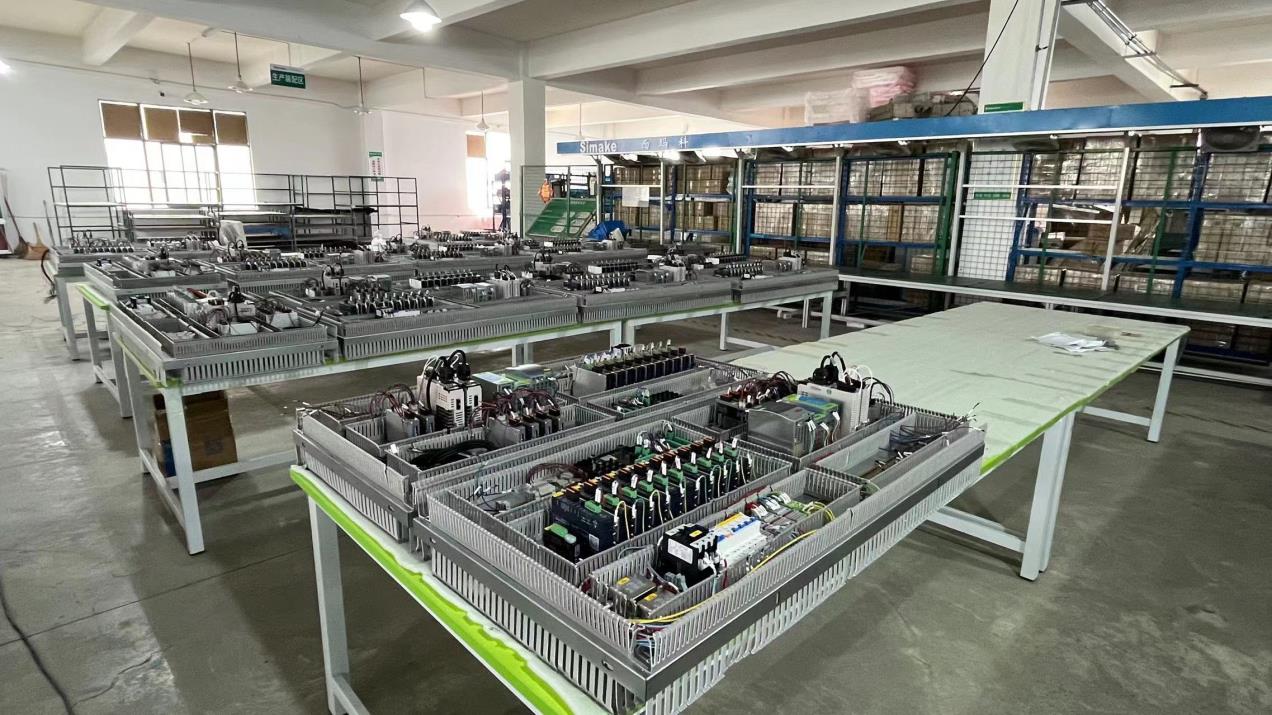
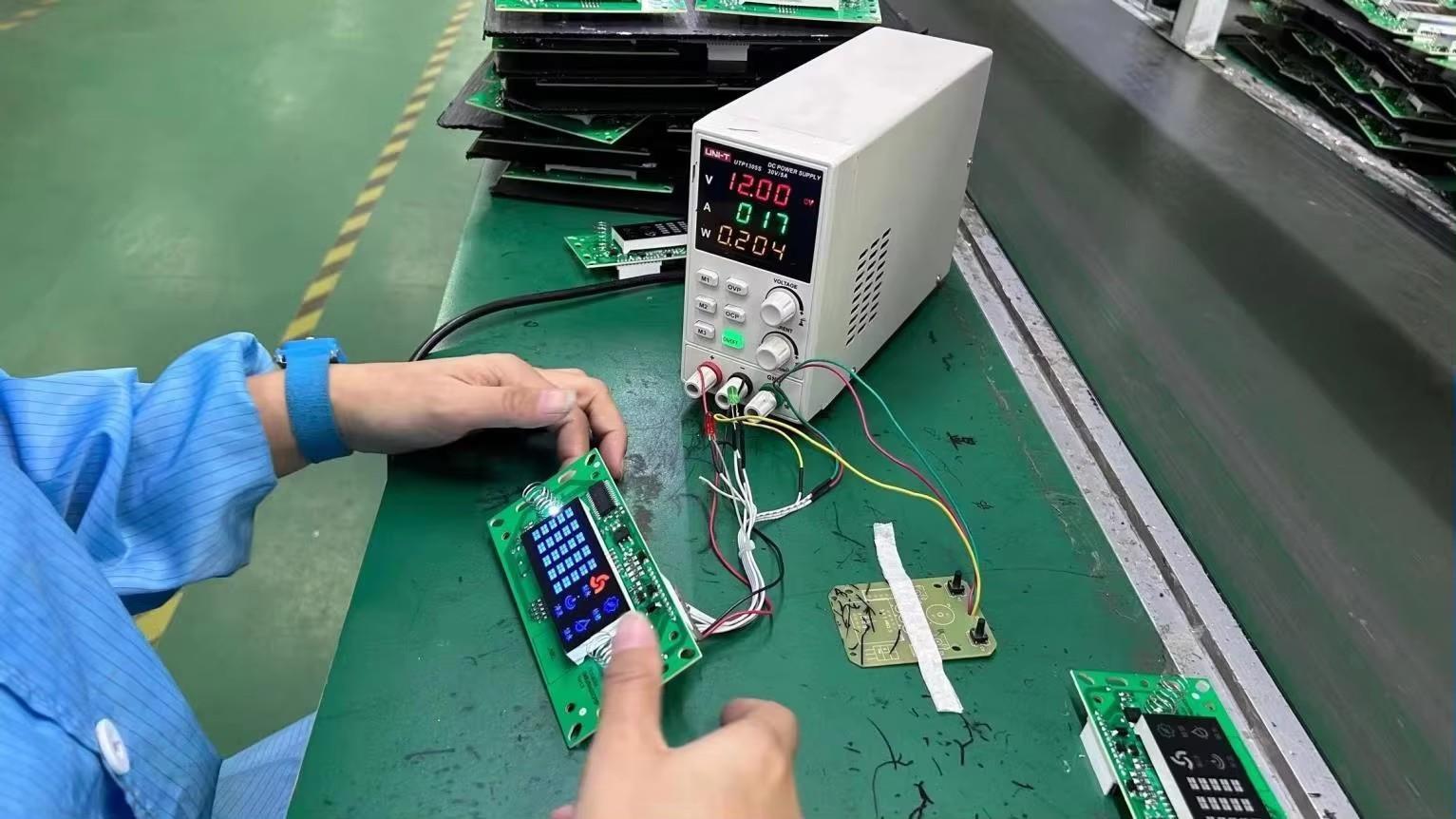
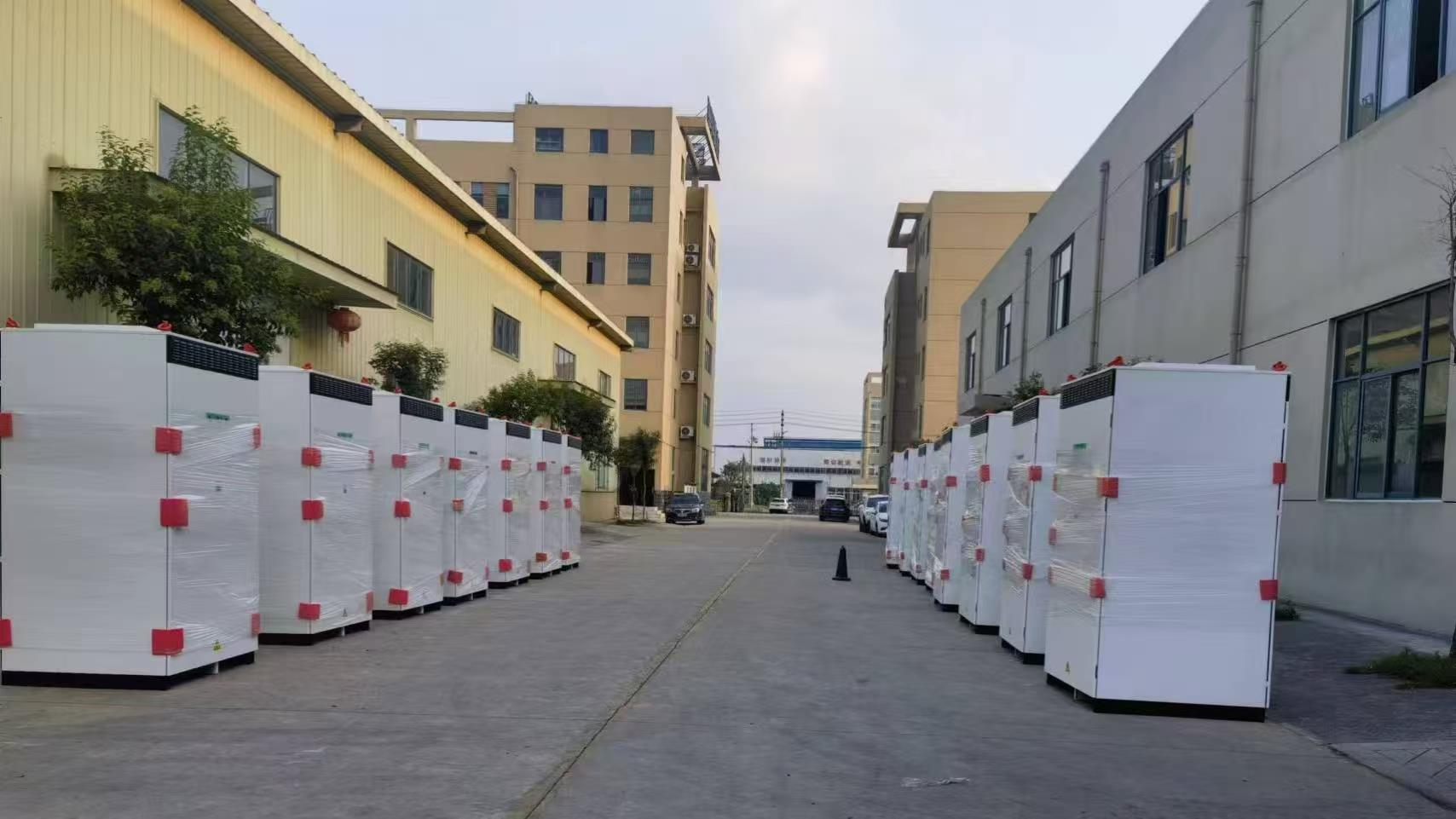
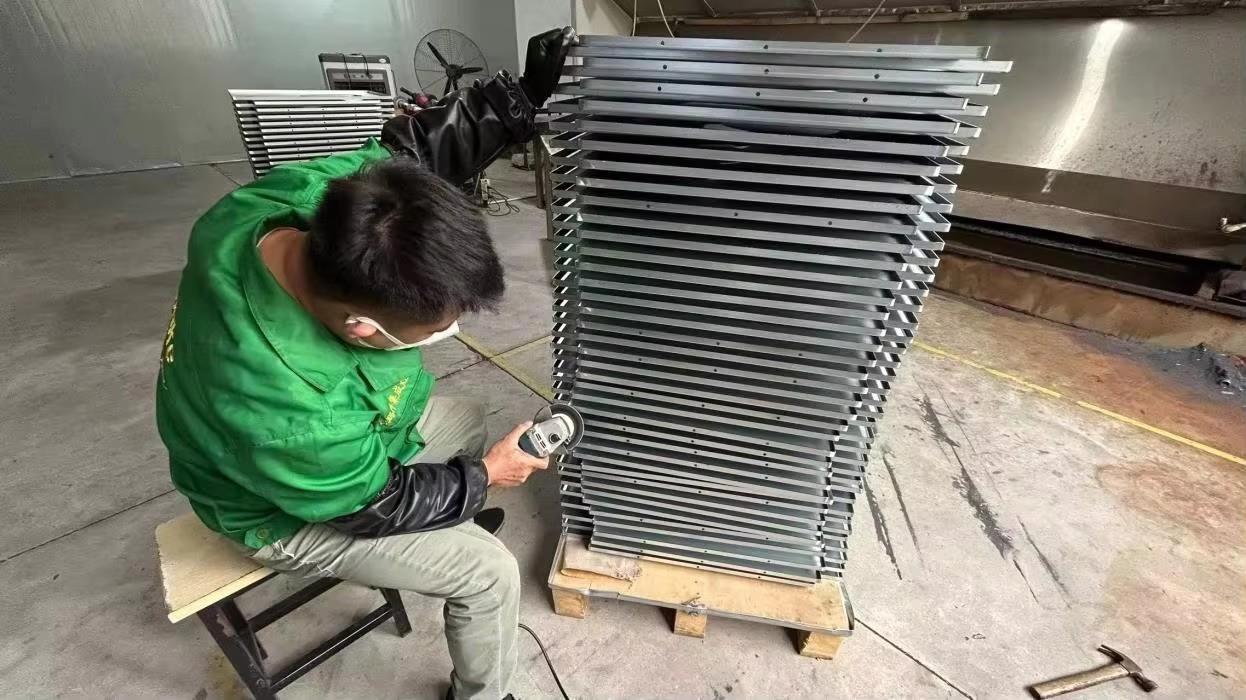
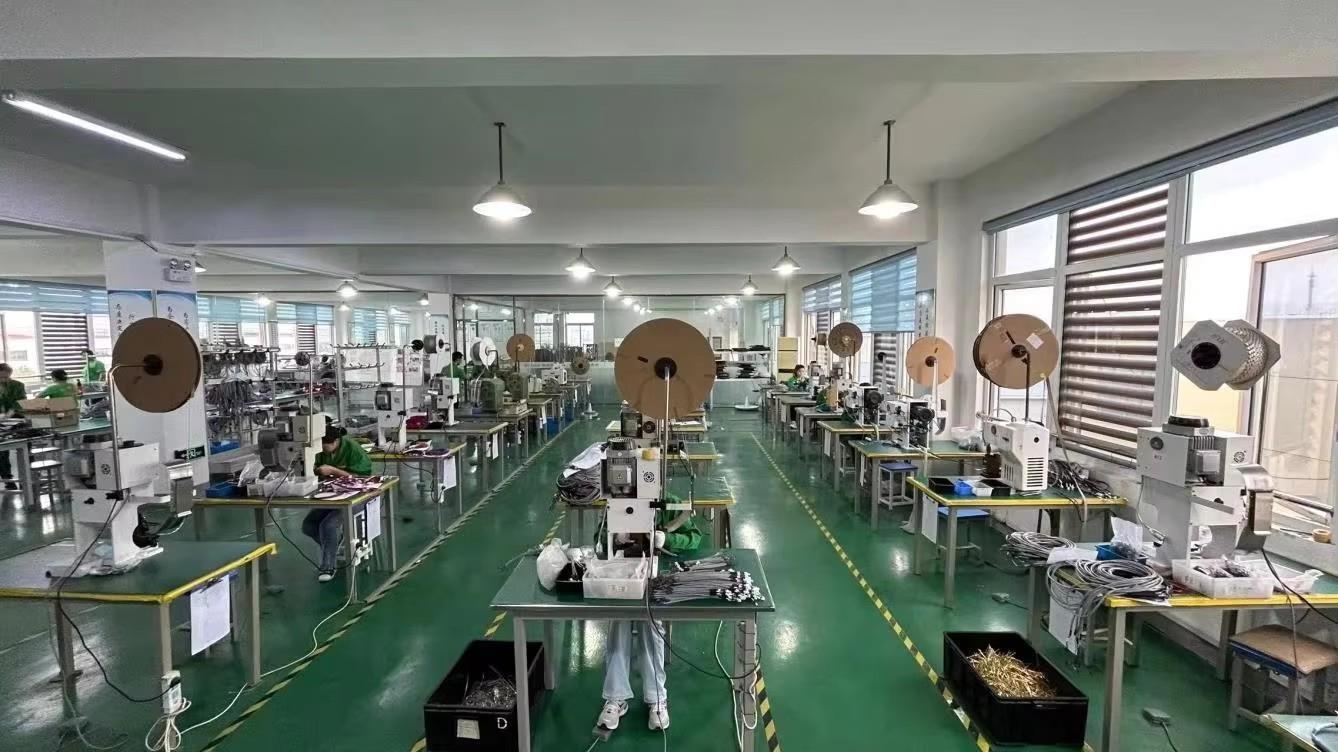
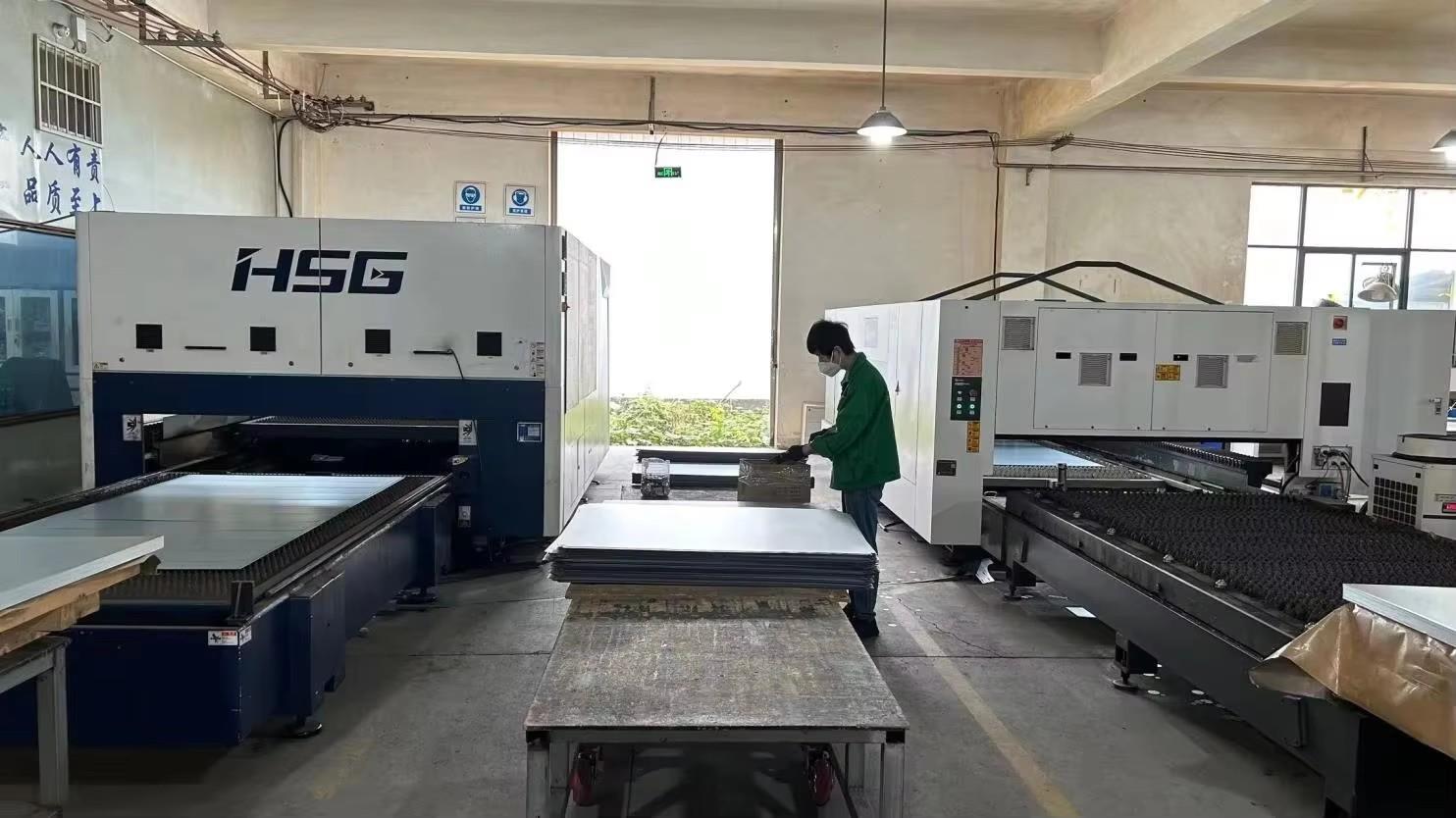
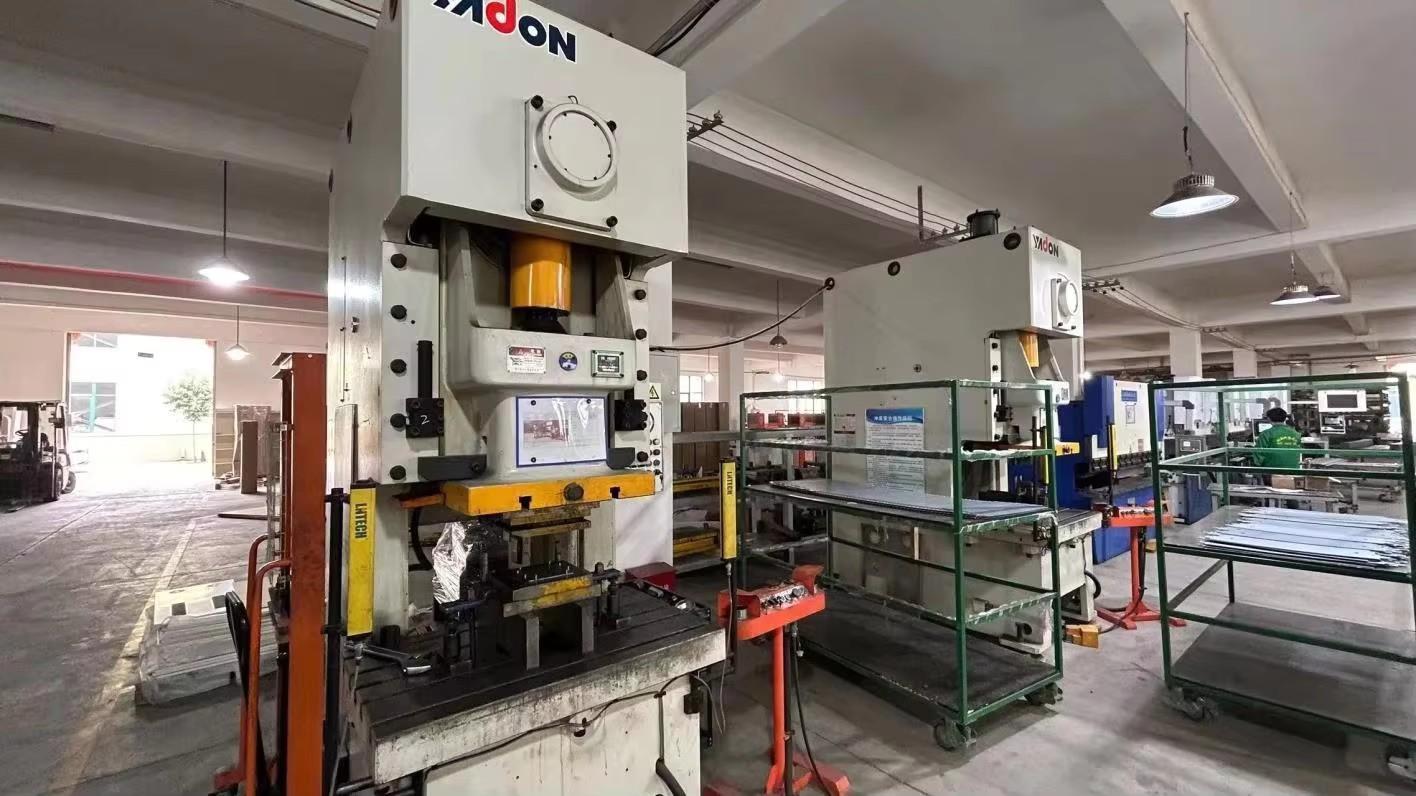
Our manufacturing and processing facilities represent the peak of industrial efficiency, ensuring strict QA/QC tolerances.
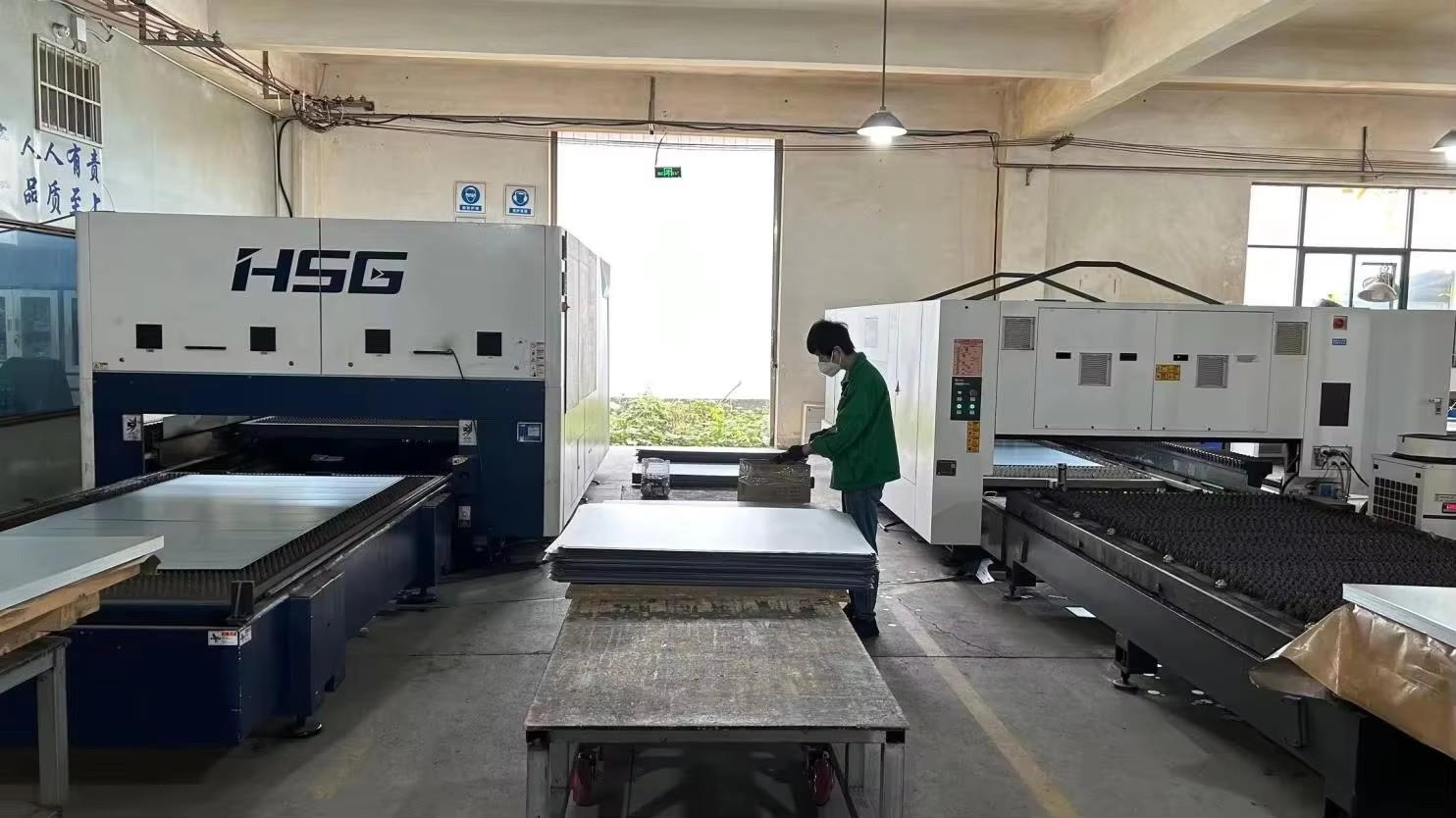
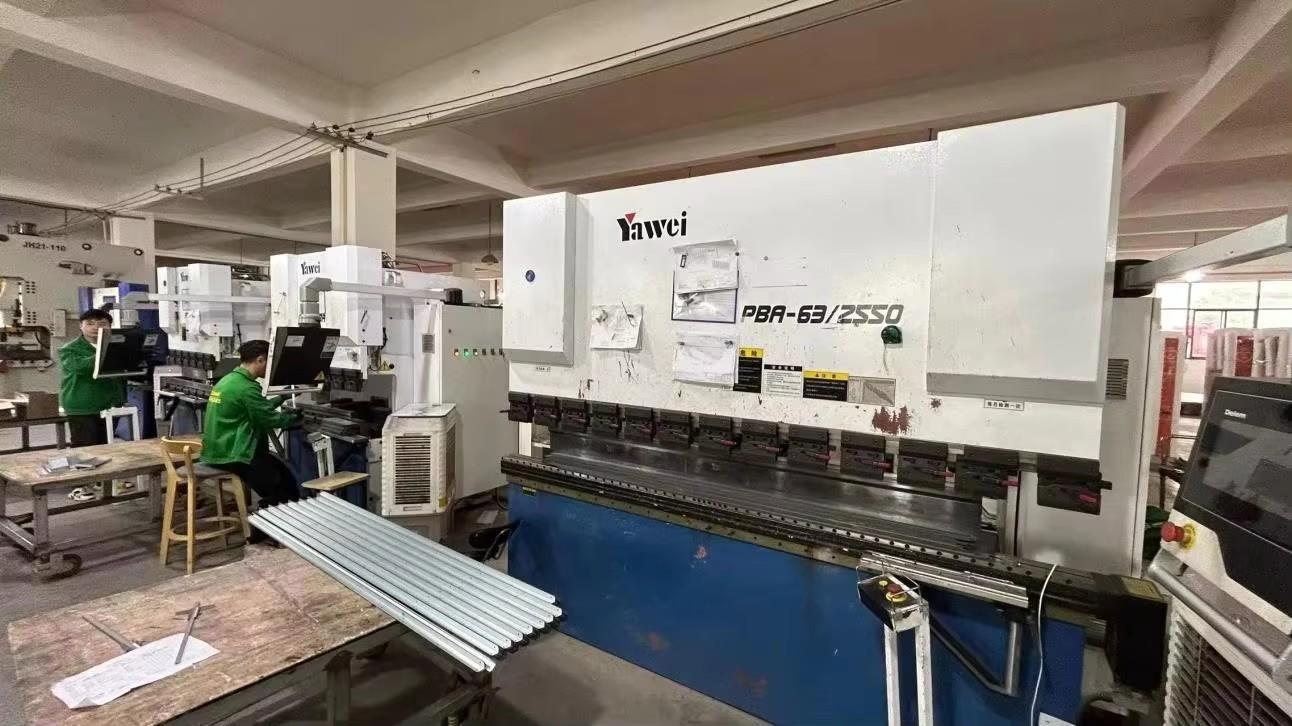
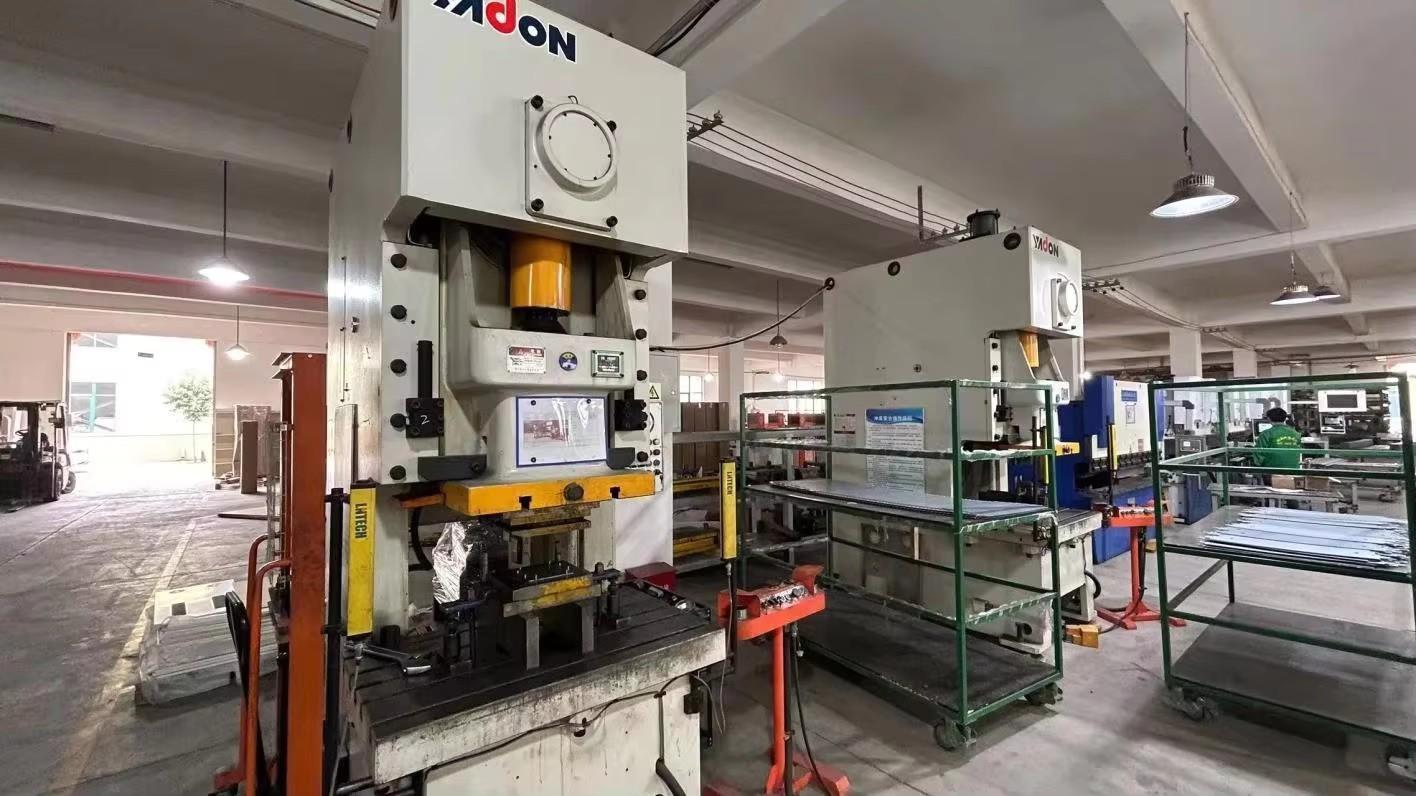
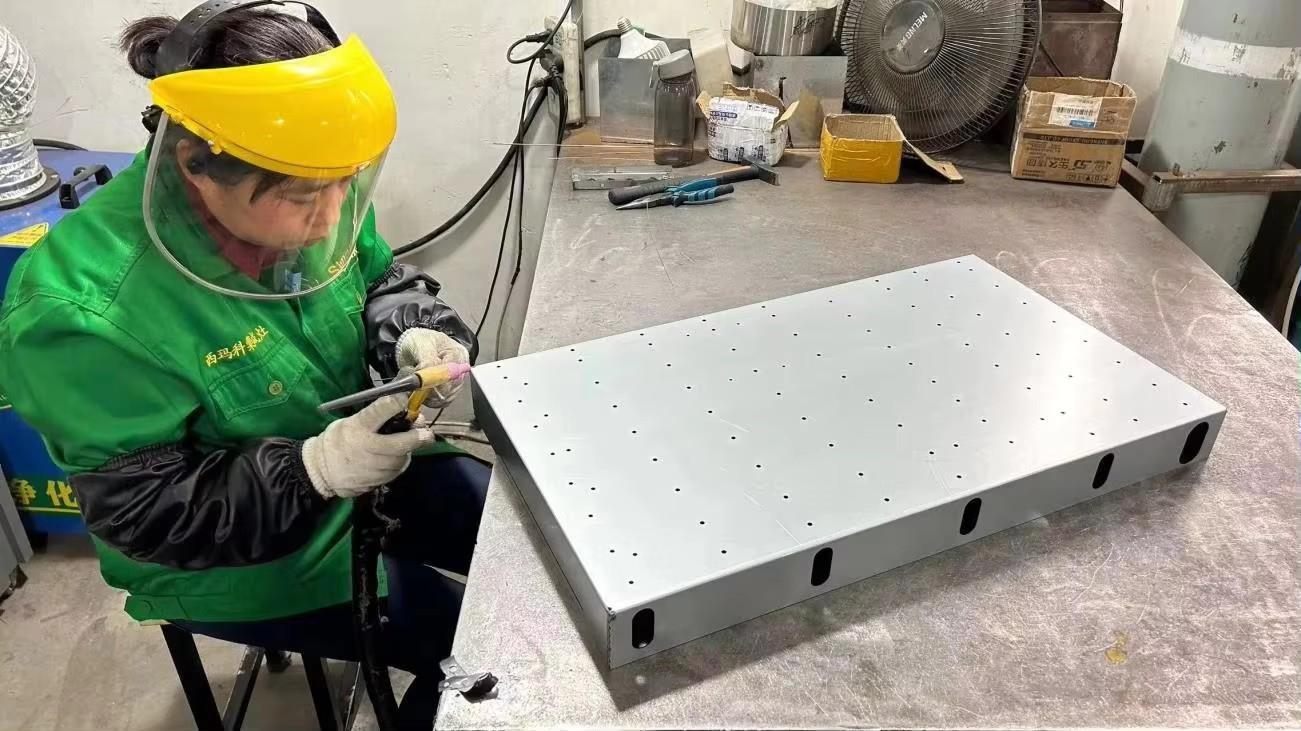
How top-tier mounting manufacturers address regional climate diversity and regulatory criteria.
Maritime climates with elevated chloride content require anodized layer thickness of Class AA15 (15μm) or higher, coupled with SUS304 fasteners. This configuration prevents rapid galvanic oxidation, extending structural integrity for offshore or coastal PV assets.
In high-latitude regions (e.g., Northern Europe, Canada), structures are configured with steep tilt angles (35° to 45°) to facilitate natural snow shedding. Heavy-duty aluminum rails and structural reinforcements prevent roof collapsing or structural deflection.
For high-wind zones like Japan and Southeast Asia, mounting configurations leverage double-bolted grounding screws or heavy concrete ballasts, certified to withstand wind velocities exceeding 200 km/h under rigorous AS/NZS 1170 standards.
China's PV ecosystem delivers unprecedented production speed and cost efficiency due to vertical supply integration. Factories located in specialized industrial hubs like Qingdao enjoy direct access to raw high-purity aluminum and advanced extrusion facilities.
By leveraging automated stamping, computerized laser welding, and high-speed bending machines, Chinese manufacturers maintain tight dimensional tolerances (within ±0.5mm) while scaling production to gigawatt capacities. This industrial synergy translates directly to competitive pricing and short delivery windows for international EPC partners.
Understanding the key technological shifts defining the next generation of PV structural engineering.
Dynamic and wide-span tracking systems elevated 2.5 to 4 meters high enable agricultural machinery to pass beneath while generating green energy. Optimized structural configurations allow precise tilt adjustments to optimize crop photosynthesis and PV generation simultaneously.
Replacing traditional building materials with structural solar components. Specialized mounting frameworks integrate waterproof flashing and thermal isolation mechanisms directly into roofs and building facades, eliminating secondary structural costs.
Integration of real-time wind sensors and astronomical algorithms allows brackets to dynamic position solar arrays. In severe storms, trackers shift to stow mode automatically, while during low-light conditions, they minimize backtracking losses.
Addressing structural calculations, material certifications, and custom installations for commercial solar projects.
Premium energy storage, hybrid solar technologies, and modern pre-fabricated container structures.
 Luzz Solar