An authoritative analysis of how smart grid interaction, demand-side flexibility, and next-generation energy storage systems are reshaping utility platforms worldwide.
In the contemporary energy landscape, the relationship between electricity providers and end-users has undergone a fundamental transformation. Historically, electricity distribution networks operated under a linear model where centralized utility stations generated power and transmitted it unidirectionally to passive consumers. Today, the rapid expansion of Distributed Energy Resources (DERs) and the rise of the energy "prosumer" demand a bidirectional, highly dynamic infrastructure.
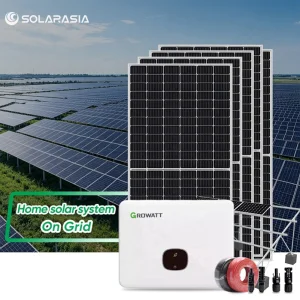
Grid-interactive technologies refer to systems that can dynamically communicate with, adapt to, and feed power back into the utility grid. These systems leverage intelligent power electronics, digital controls, and state-of-the-art electrochemical energy storage to provide ancillary services such as frequency containment reserve, load balancing, and peak-shaving. Our specialized portfolio at Qingdao Luzz Solar represents the cutting edge of this transition, combining high-efficiency solar modules, hybrid microinverters, and utility-grade energy storage systems (ESS).
"Modern electrical grids require assets that do not simply consume energy, but actively defend the grid's operational equilibrium. By deploying smart inverter systems and decentralized lithium iron phosphate (LiFePO4) storage, we enable commercial and residential nodes to act as stabilizing assets rather than liabilities."
Across North America, Europe, and the Asia-Pacific region, heavy industries and commercial enterprises face escalating operational hurdles. The key issues are dual-fold: rising tariff volatility during peak demand windows, and the risk of catastrophic power disruptions caused by aging utility transmission frameworks. As dynamic carbon-border adjustment mechanisms (like Europe's CBAM) phase into law, industrial facilities must secure green energy inputs to preserve export margins.
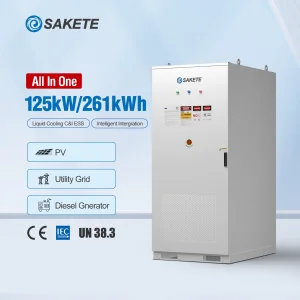
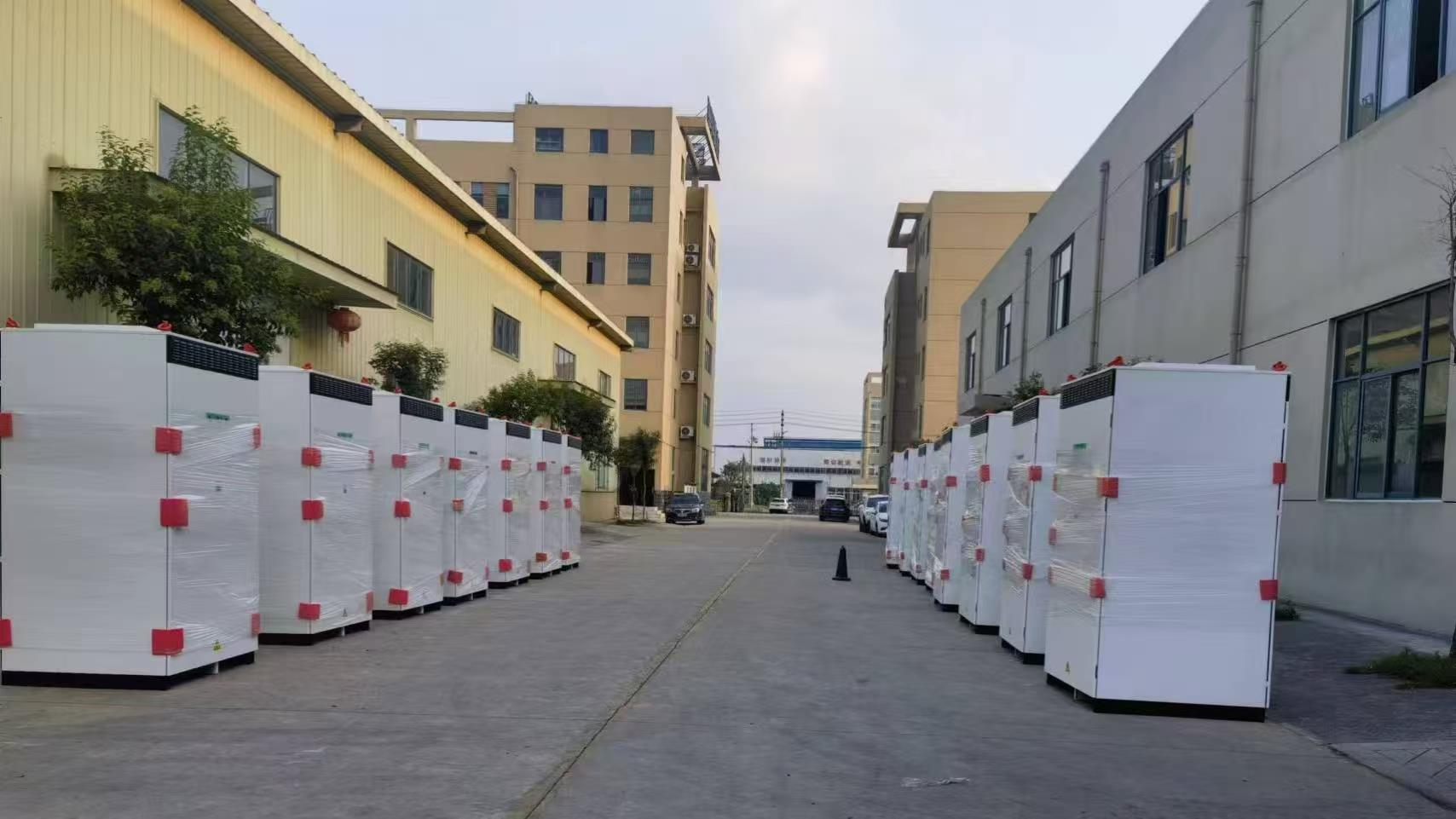
To address this, the implementation of commercial-scale containerized ESS (ranging from 215kWh to 1MWh) has emerged as an industry benchmark. These installations facilitate peak load management, shifting grid dependence to off-peak periods when tariffs are lower, while providing instantaneous uninterrupted power supply (UPS) backups. For critical public installations like hospitals, data centers, and advanced manufacturing lines, these units guarantee uninterrupted uptime and significant financial savings.
Leveraging Qingdao's premier industrial infrastructure to execute complex vertical integration, ensuring high reliability and structural perfection.
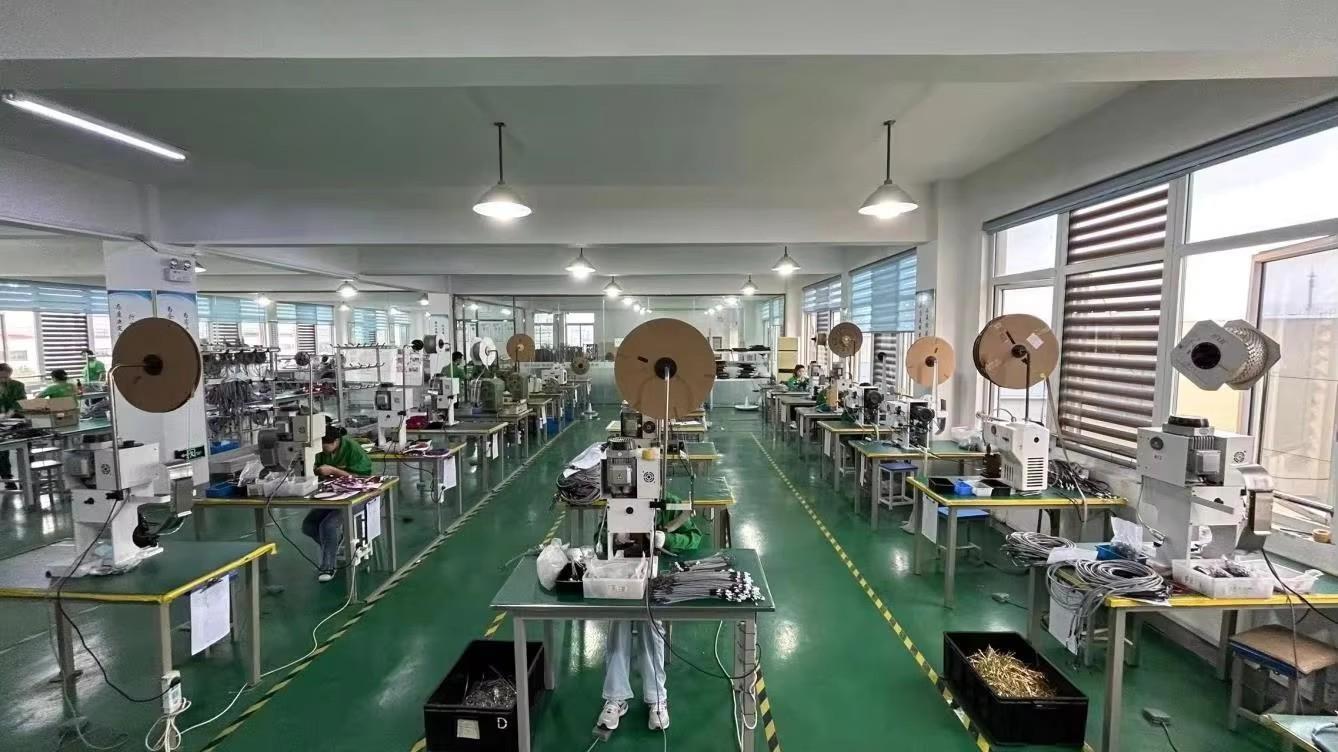
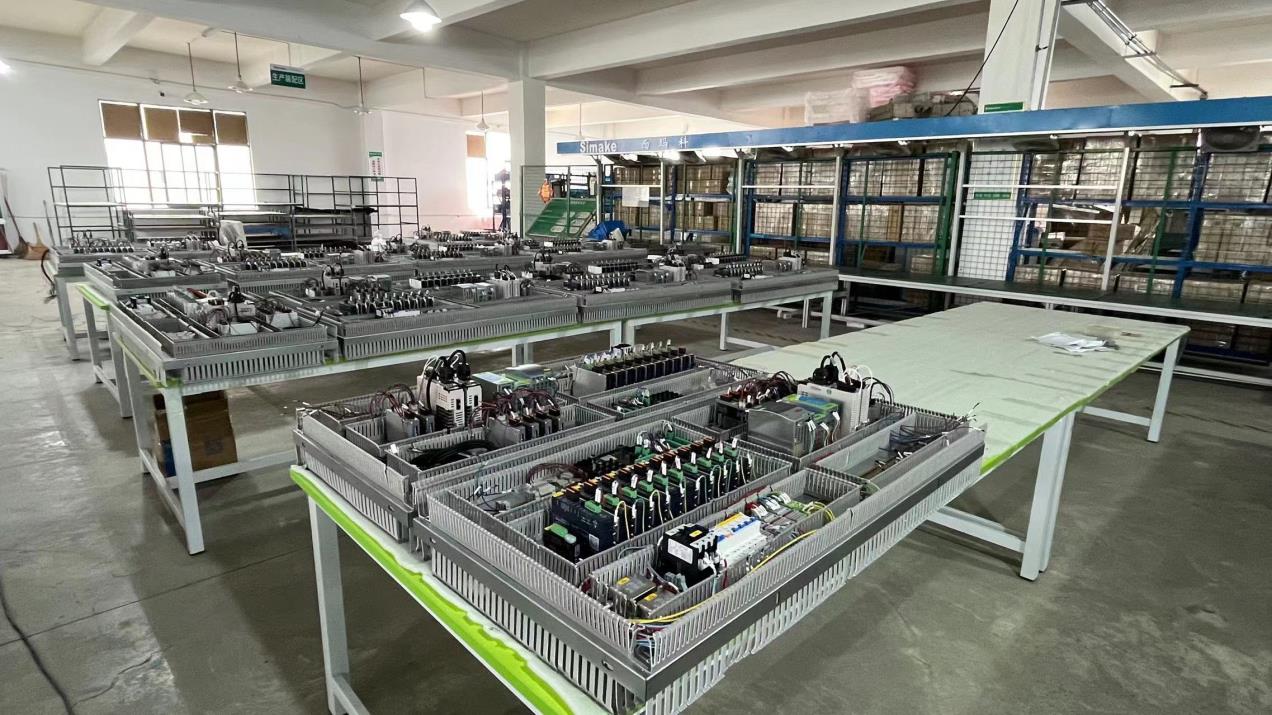
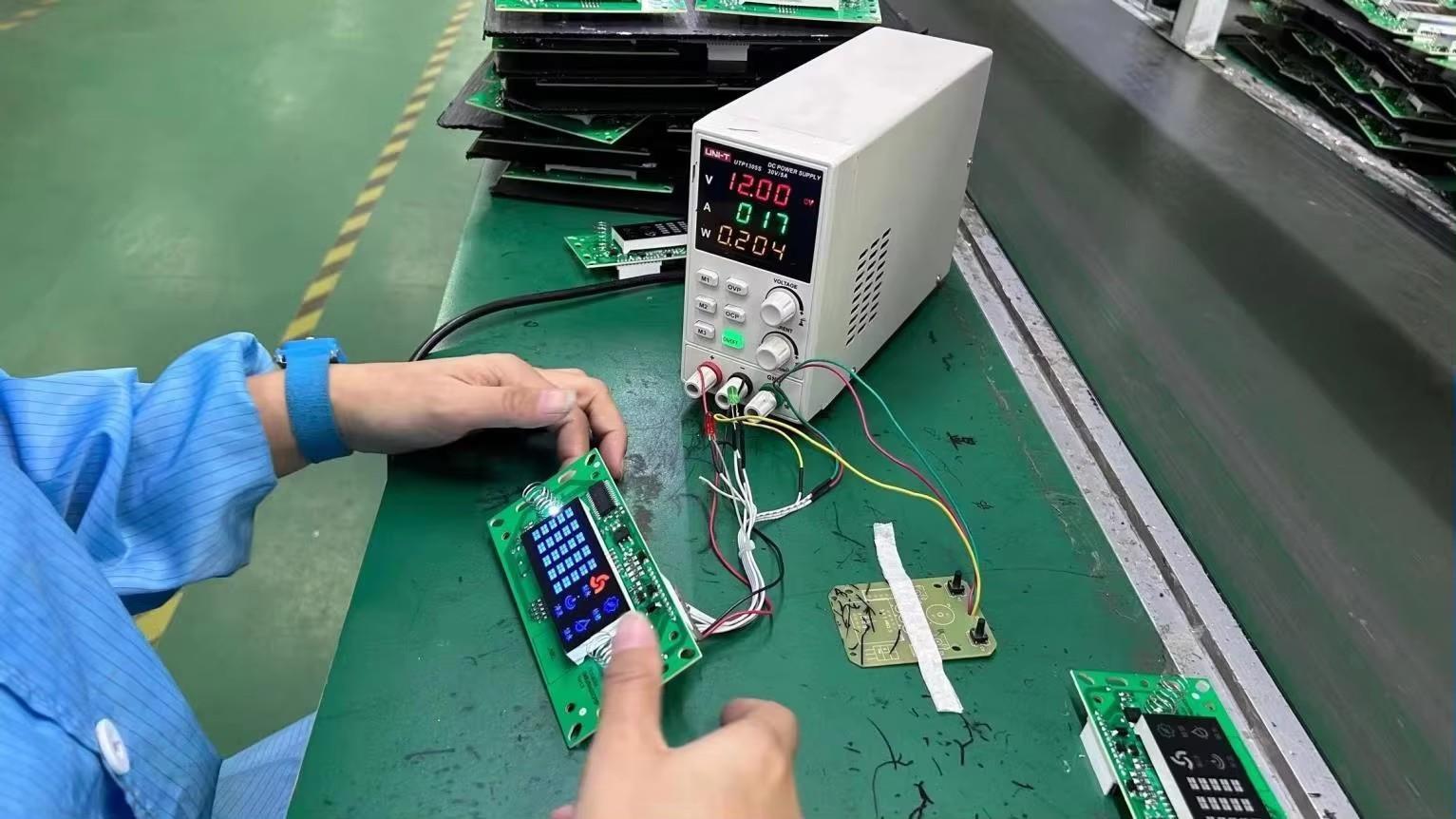
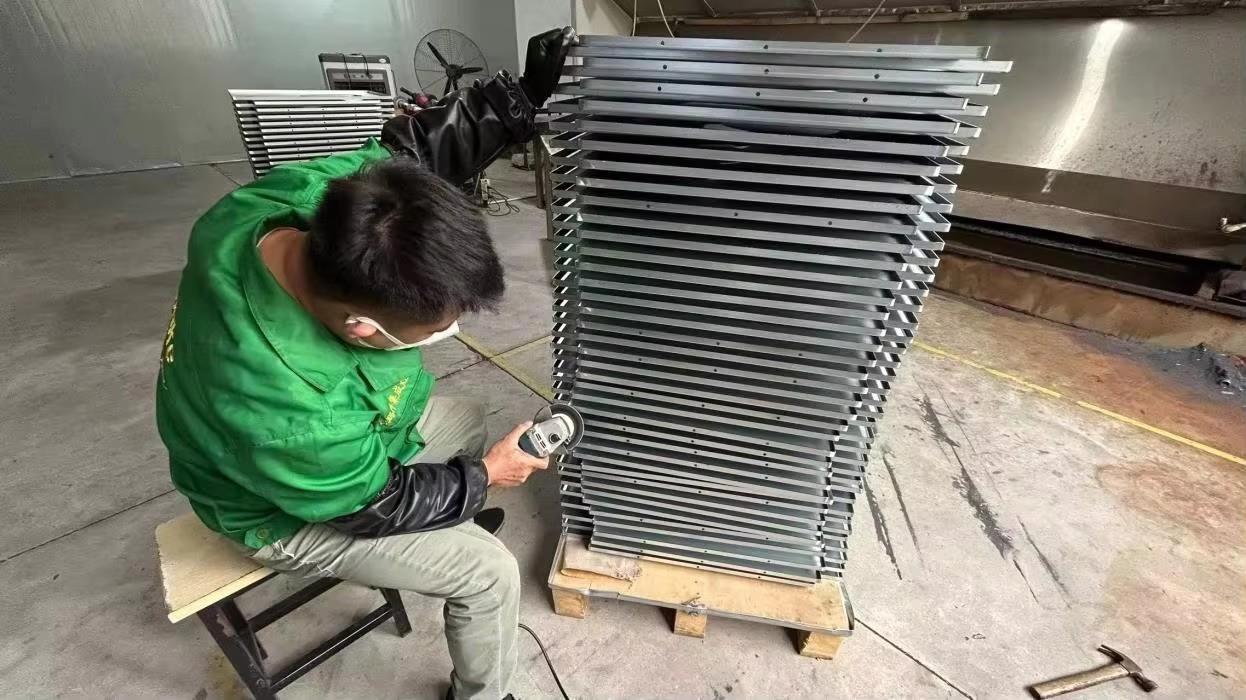
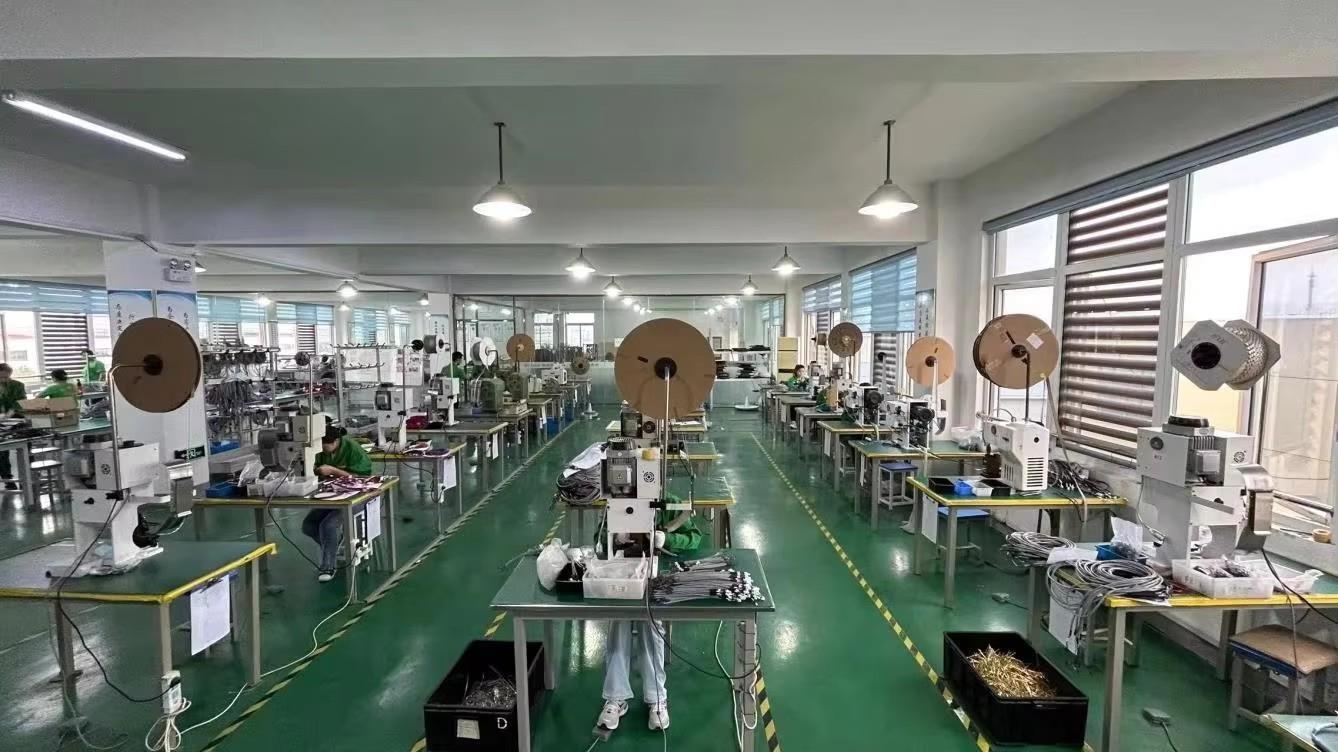
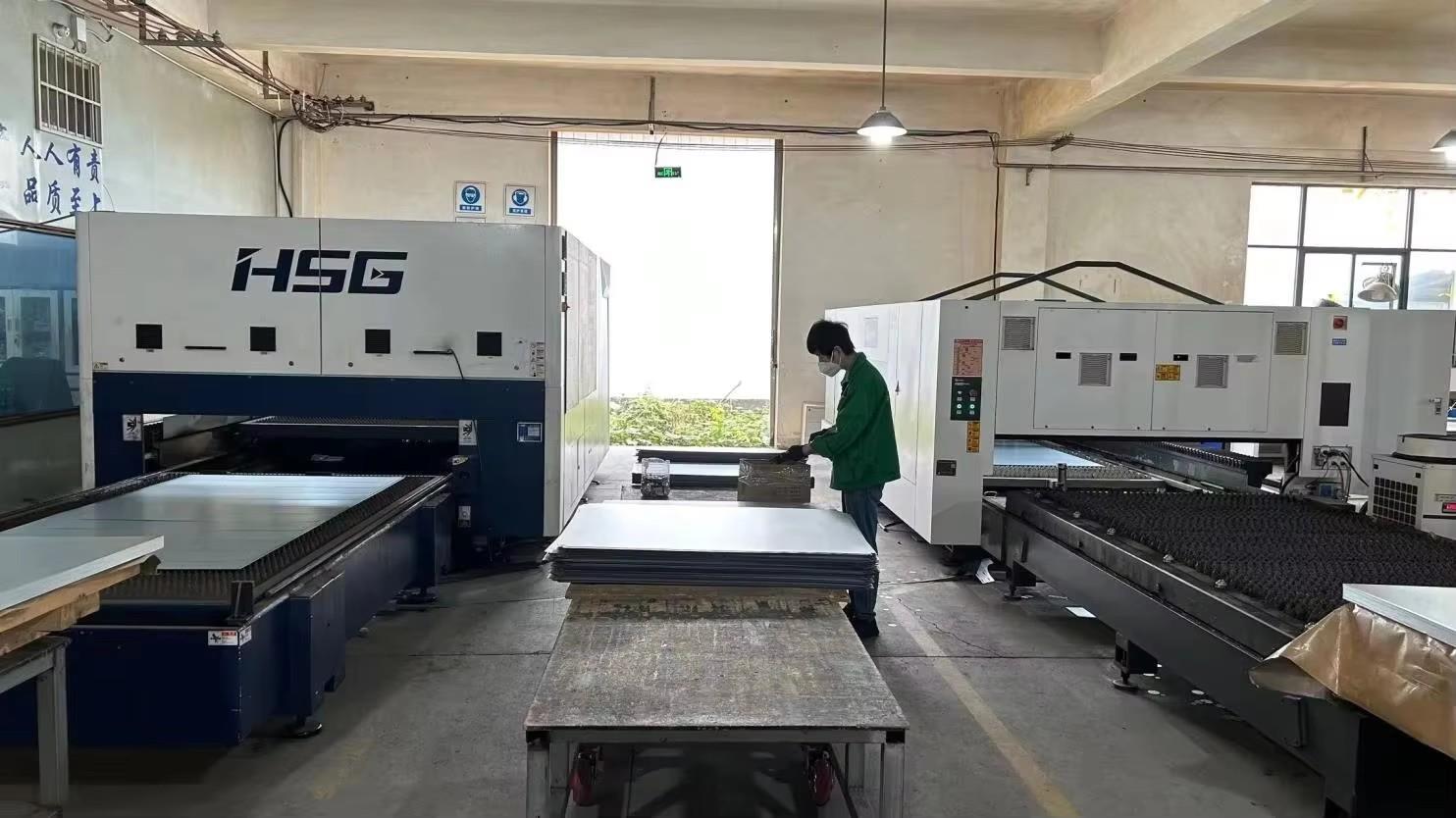
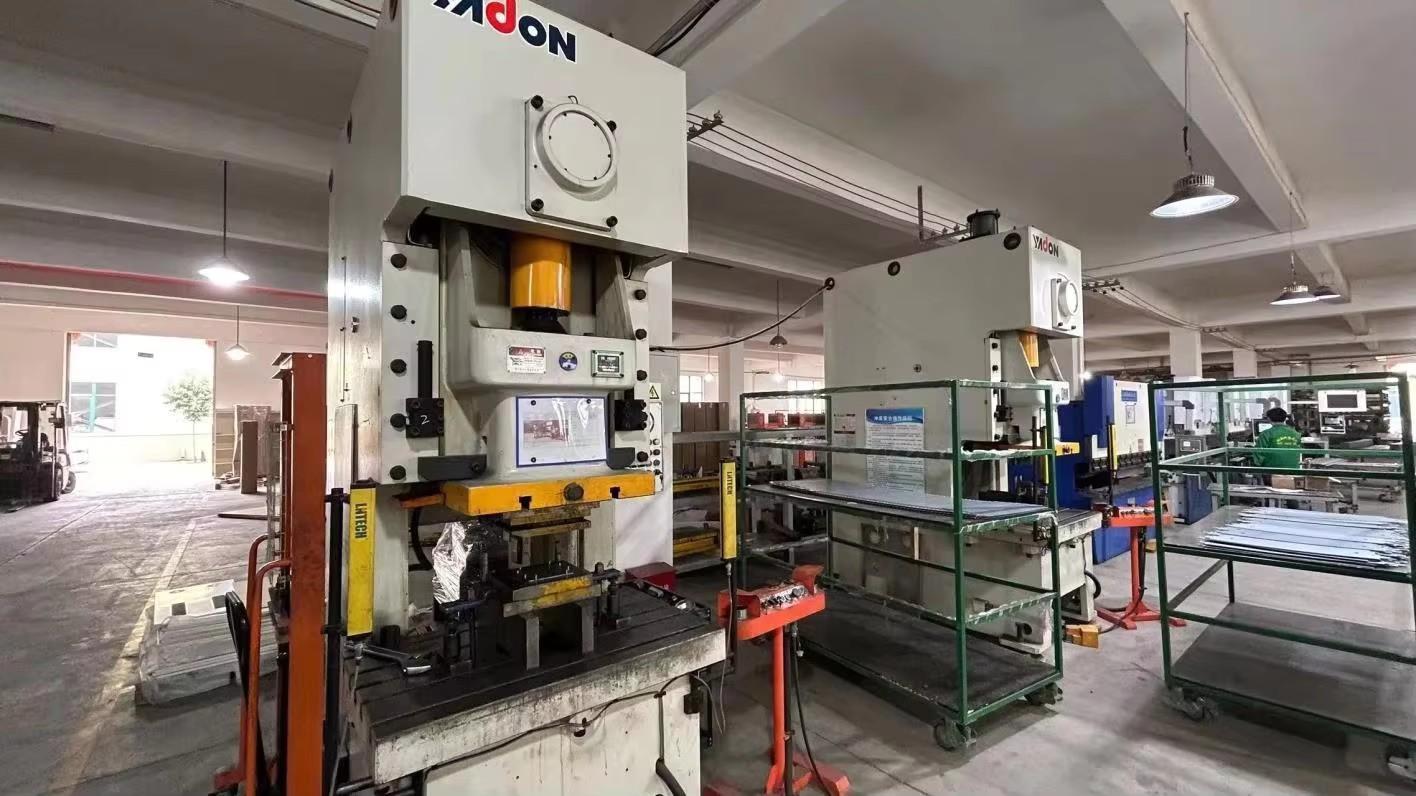
Qingdao Luzz Solar Co., Ltd. exploits its strategic geographical advantage in the heart of Shandong’s advanced manufacturing belt. The integration of high-grade raw metal fabrication and advanced power electronics assembly under one cohesive quality management system minimizes logistical latency and mitigates component failure risks. By deploying automated laser welding, computerized bending, and precision stamping, our production plants achieve rigorous structural tolerance thresholds while maintaining cost structures that are highly competitive globally.
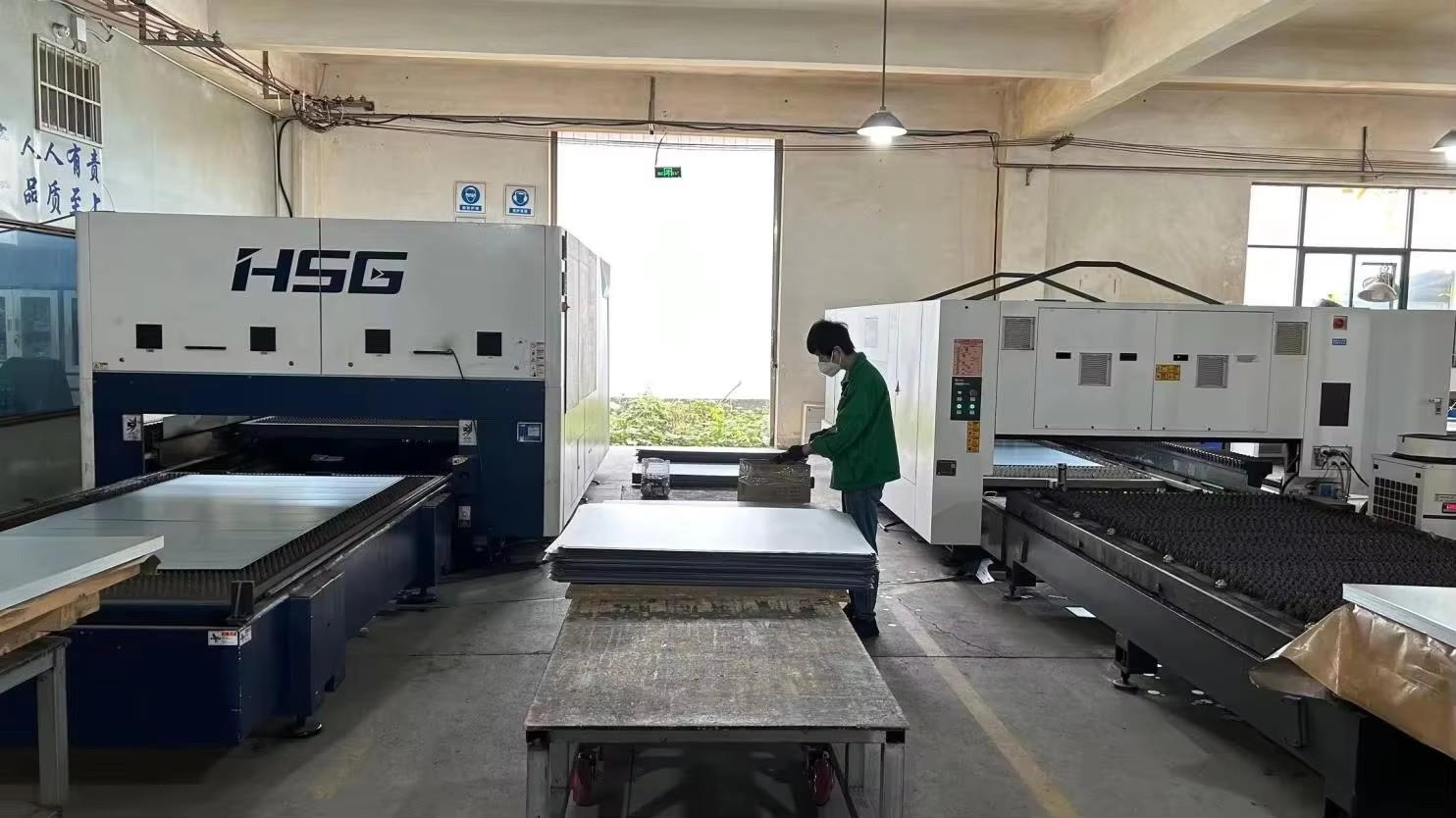
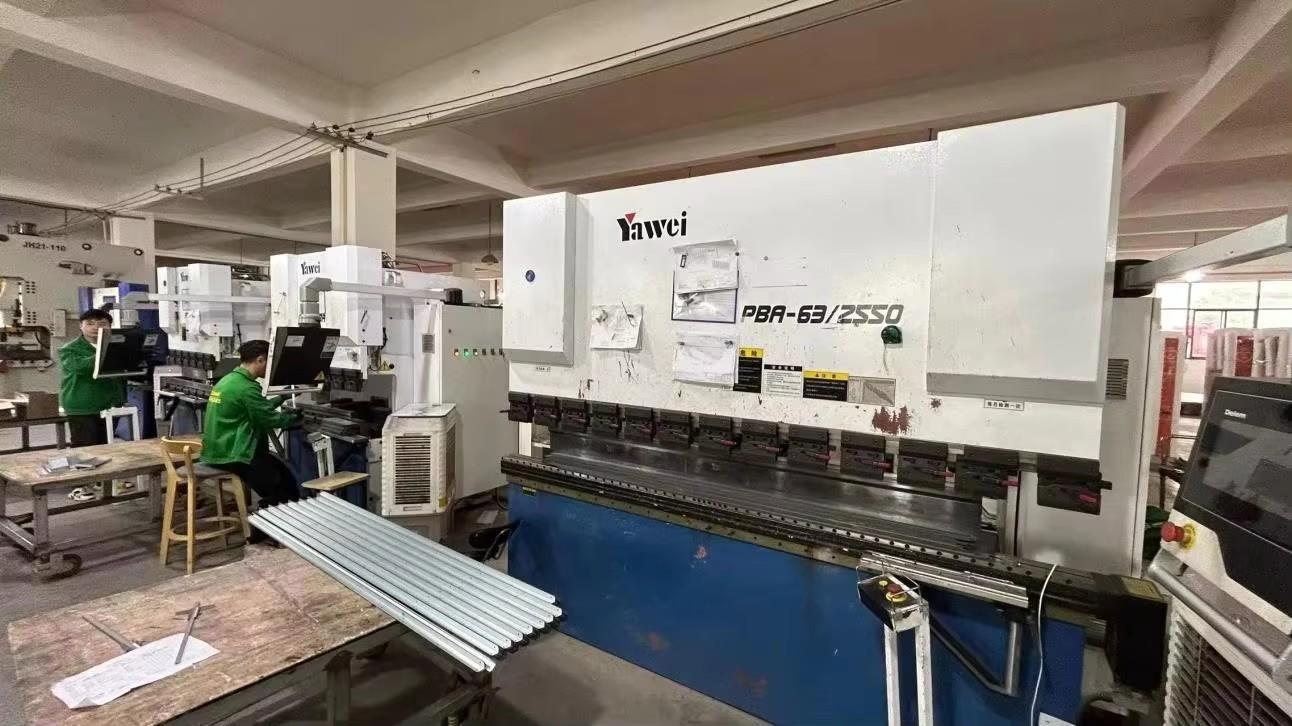
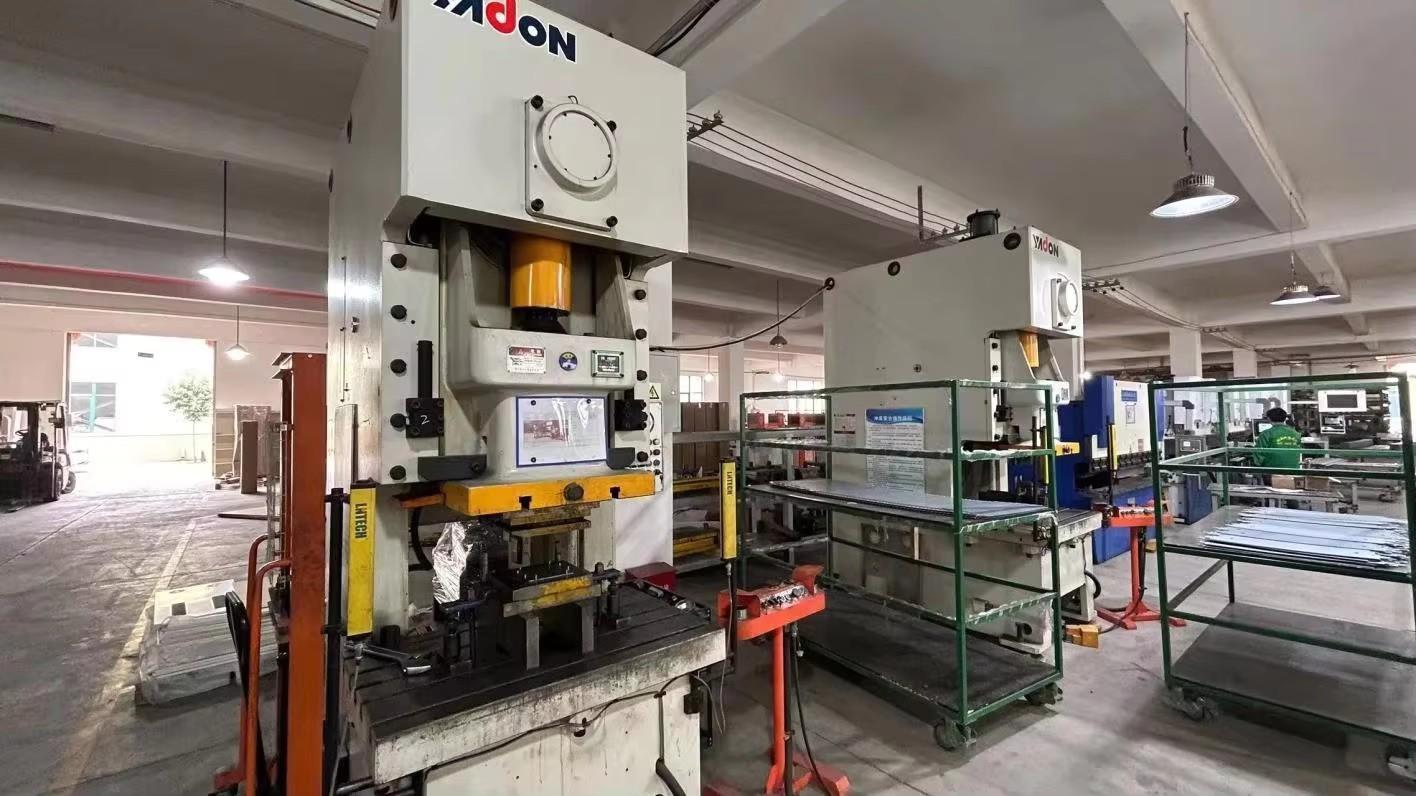
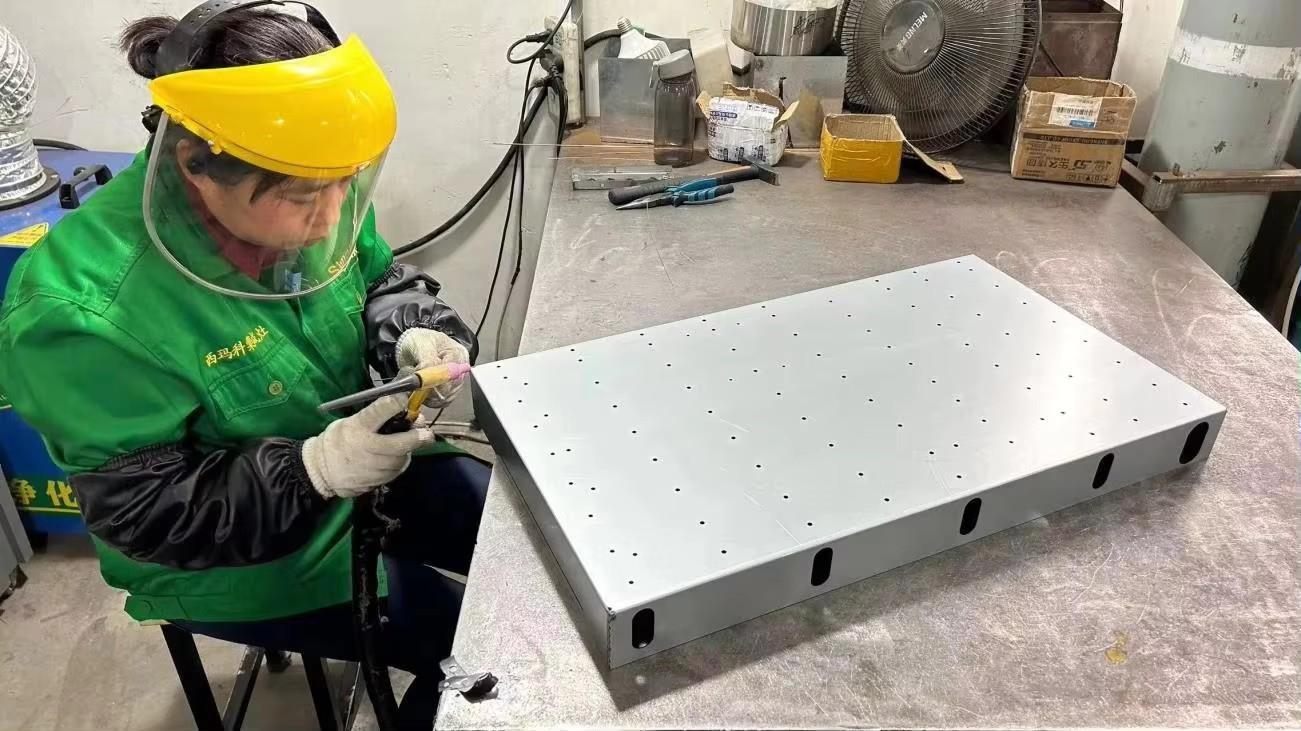
Analyzing specific implementation topologies of grid-interactive systems across diverse global regions.
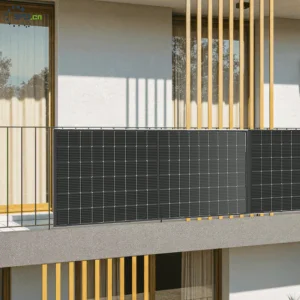
Strict historical building conservation and space limitations in Germany, France, and Benelux have created high demand for microinverter-powered balcony systems. These plug-and-play kits prevent backflow while allowing tenants in urban settings to feed green energy directly into domestic ring mains, reducing baseline grid consumption during expensive peak-pricing hours.
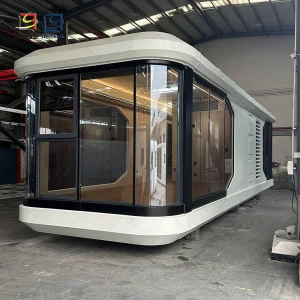
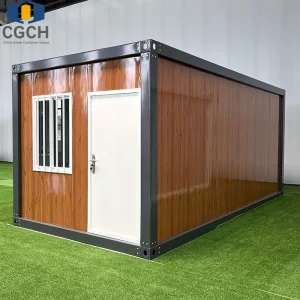
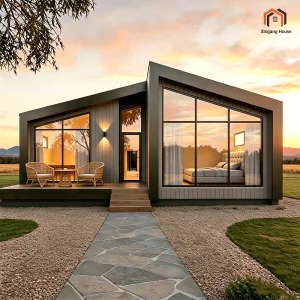
Mining operations, field exploration camps, and remote communities require robust, high-performance power generation that does not rely on local grid access. Combining off-grid containerized solar setups with heavy-duty modular prefabricated houses provides a resilient, turn-key microgrid solution. These frameworks stand up to extreme weather conditions while delivering stable thermal management and high structural durability.
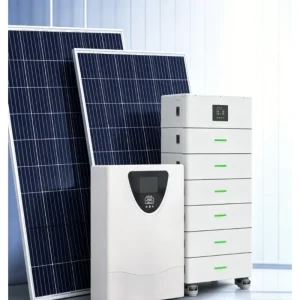
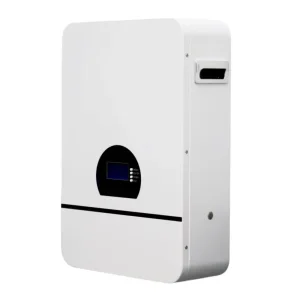
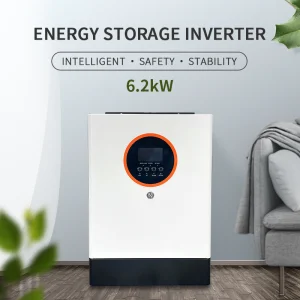
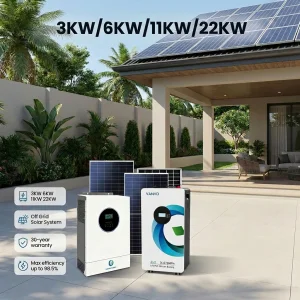
In regions such as Sub-Saharan Africa and parts of Latin America, utility networks suffer from frequent voltage drops and supply interruptions. The deployment of smart hybrid inverters and floor-standing LiFePO4 batteries enables commercial farms, health clinics, and cold-storage facilities to switch seamlessly between solar generation, grid supply, and battery backup, safeguarding critical machinery.
A strategic framework for EPC contractors, developers, and industrial procurement managers to minimize lifecycle costs.
When purchasing utility-grade grid-interactive technology, procurement managers must move past simple upfront cost analyses (CapEx) to look at total lifecycle cost of ownership (OpEx). Key indicators include the battery's degradation rate over time (measured in maximum cycles), cell chemistry safety, thermal management performance, and structural compliance with local building codes.
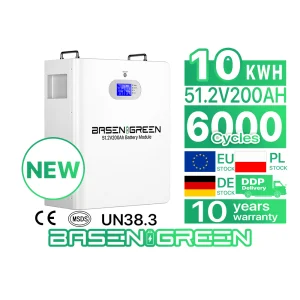
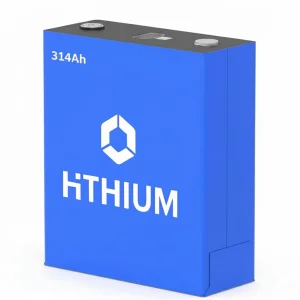
A battery’s true value is determined by its total energy throughput over its lifespan. Standard batteries degrade quickly after 3,000–5,000 charge cycles, but premium LiFePO4 cells with CE and UL certifications can reach over 11,000 cycles at a controlled depth of discharge (DoD). This drastically lowers the system’s Levelized Cost of Storage (LCOS), making the investment much more profitable over time.
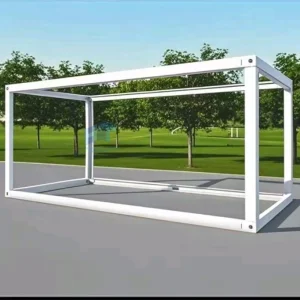
Outdoor energy storage systems (ESS) and delicate control electronics must be housed in structures that resist environmental weathering. Modern modular flat-pack steel frames and custom container housings protect components from high wind loads, seismic activity, and moisture ingress. These structures use non-asbestos materials and fire-rated insulation panels to guarantee compliance with regional safety standards.
Qingdao Luzz Solar Co., Ltd. is a professional new energy enterprise specializing in the development, manufacturing, and global distribution of photovoltaic (PV) products and integrated energy storage solutions. Located in Qingdao, China, the company benefits from a well-established renewable energy industrial base and advanced manufacturing capabilities.
With the accelerating global transition toward carbon neutrality and sustainable development, Luzz Solar is committed to providing efficient, reliable, and cost-effective clean energy solutions to customers worldwide. Our product portfolio includes high-efficiency solar photovoltaic modules, energy storage systems, and integrated solar application solutions designed for residential, commercial, and utility-scale projects.
Driven by technological innovation and quality excellence, the company continuously invests in R&D and production optimization to improve product performance, energy conversion efficiency, and system reliability. We strictly adhere to international quality standards and implement rigorous quality control throughout the entire production process to ensure stable and long-term product performance.
Qingdao Luzz Solar actively expands its global market presence, with business coverage across Asia, Europe, the Middle East, Africa, and Latin America. By working closely with international partners, we are committed to delivering tailored energy solutions that meet diverse regional needs and support the global energy transition.
Guided by the core values of integrity, innovation, cooperation, and sustainability, Luzz Solar strives to become a trusted global partner in the new energy industry. We are dedicated to advancing solar technology and contributing to a greener, more sustainable future.
Expert technical answers regarding the integration, lifespans, and certifications of our grid-interactive products.
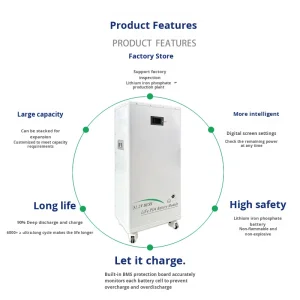
Lithium Iron Phosphate (LiFePO4) offers superior thermal stability and a long cycle life compared to Lithium Nickel Manganese Cobalt (NMC) chemistries. It resists thermal runaway even under high temperatures, which is critical for industrial facilities. Our high-cycle cells sustain over 11,000 cycles under controlled parameters, ensuring a lower lifetime ownership cost for long-term grid integration.
Our microinverter balcony solar kits feature built-in current backflow prevention controls. Using smart sensors at the main meter, the microinverter realigns its power output in real-time to match the home's real-time consumption. This ensures zero excess energy flows back into the grid, preventing issues with local utilities.
Luzz Solar products conform strictly to international benchmarks, holding CE, IEC, and UN38.3 certifications for our lithium storage systems and solar setups. Our structural components (including flat-pack modular frames) follow ISO9001 quality standards, assuring structural integrity and safety for residential, commercial, and utility-scale projects.
Yes, our structures are engineered for heavy-duty applications. They feature premium steel framing and precision-ground, rust-resistant coatings. They are designed to withstand high winds, heavy snow, and seismic shifts, making them ideal for housing sensitive power electronics in remote areas.
 Luzz Solar