Engineered for immediate integration within commercial properties, utility installations, and industrial networks in the Houston metroplex.
As the energy capital of the world, Houston, Texas, harbors one of the most dense concentrations of heavy manufacturing, petrochemical refining, biomedical centers, and deep-water shipping infrastructure. However, operating within the Texas electricity market—managed by the Electric Reliability Council of Texas (ERCOT)—presents significant localized challenges. High-temperature summer weather domes, intense humidity, and severe weather anomalies (such as hurricanes and winter freezes) put massive strain on the localized grid network.
To navigate these structural vulnerabilities, leading Houston businesses are transitioning from passive energy consumption to active distribution-level generation and storage. Commercial & Industrial Battery Energy Storage Systems (BESS) represent the foundation of this paradigm shift. By storing surplus power during low-demand periods and discharging it during peak times, BESS solutions insulate industrial processors from price volatility, prevent catastrophic downtime from power sags, and support grid stability across Harris County.
Every industrial zone in Houston—from the Energy Corridor to the Houston Ship Channel—demands unique electrical performance criteria. A generalized energy storage approach fails to account for regional temperature profiles, soil conditions, and specific regulatory demands. Below are the primary application scenarios where local BESS deployment delivers maximum economic and operational return:
Large industrial electricity consumers in Texas pay transmission charges based on their power usage during the single peak 15-minute interval of each summer month (June, July, August, and September). These are known as the 4CP periods. By leveraging an advanced BESS with automated forecasting, Houston plants can run off stored battery power during predicted peak periods, reducing their coincident peak load to zero and saving hundreds of thousands of dollars annually in transmission tariff costs.
In refining and chemical processing, a voltage sag lasting even a few milliseconds can trigger safety shutdowns of crucial processes, leading to days of lost production and massive material waste. Dynamic BESS configurations integrated with rapid-switch Power Conversion Systems (PCS) act as continuous power quality stabilizers. They filter incoming grid noise, inject active power to mitigate sags, and seamlessly establish a local microgrid if the main line drops.
Given the vast rooftop space of Houston distribution warehouses and fabrication yards, combining photovoltaic (PV) generation with utility-grade battery storage creates a self-sustaining energy loop. During sunny daylight hours, excess solar energy is directed into local storage arrays instead of being curtailed or sold to the grid at low rates. During evenings or grid stress periods, the BESS discharges this carbon-free energy back to offset base operations.
Building resilient energy storage requires deep supply chain coordination. The global market for high-energy density cells relies significantly on manufacturing hubs that balance raw materials sourcing, safety engineering, and fast logistical throughput. Qingdao Luzz Solar Co., Ltd. is positioned at the intersection of this global supply pipeline, providing optimized manufacturing and technological depth to support distributors and system integrators worldwide, including the competitive North American market.
Qingdao Luzz Solar Co., Ltd. is a professional new energy enterprise specializing in the development, manufacturing, and global distribution of photovoltaic (PV) products and integrated energy storage solutions. Located in Qingdao, China, the company benefits from a well-established renewable energy industrial base and advanced manufacturing capabilities.
With the accelerating global transition toward carbon neutrality and sustainable development, Luzz Solar is committed to providing efficient, reliable, and cost-effective clean energy solutions to customers worldwide. Our product portfolio includes high-efficiency solar photovoltaic modules, energy storage systems, and integrated solar application solutions designed for residential, commercial, and utility-scale projects.
Driven by technological innovation and quality excellence, the company continuously invests in R&D and production optimization to improve product performance, energy conversion efficiency, and system reliability. We strictly adhere to international quality standards and implement rigorous quality control throughout the entire production process to ensure stable and long-term product performance.
Qingdao Luzz Solar actively expands its global market presence, with business coverage across Asia, Europe, the Middle East, Africa, and Latin America. By working closely with international partners, we are committed to delivering tailored energy solutions that meet diverse regional needs and support the global energy transition.
Guided by the core values of integrity, innovation, cooperation, and sustainability, Luzz Solar strives to become a trusted global partner in the new energy industry. We are dedicated to advancing solar technology and contributing to a greener, more sustainable future.
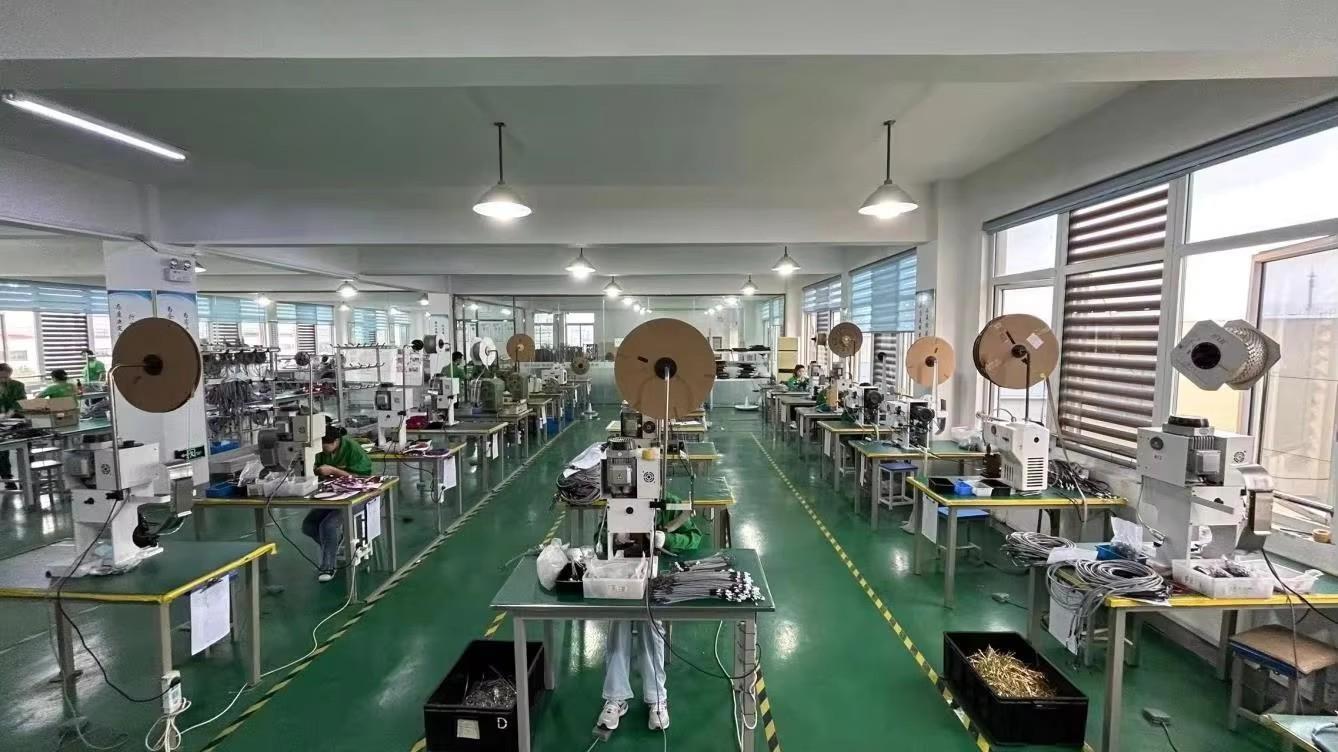
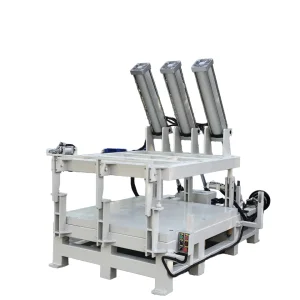
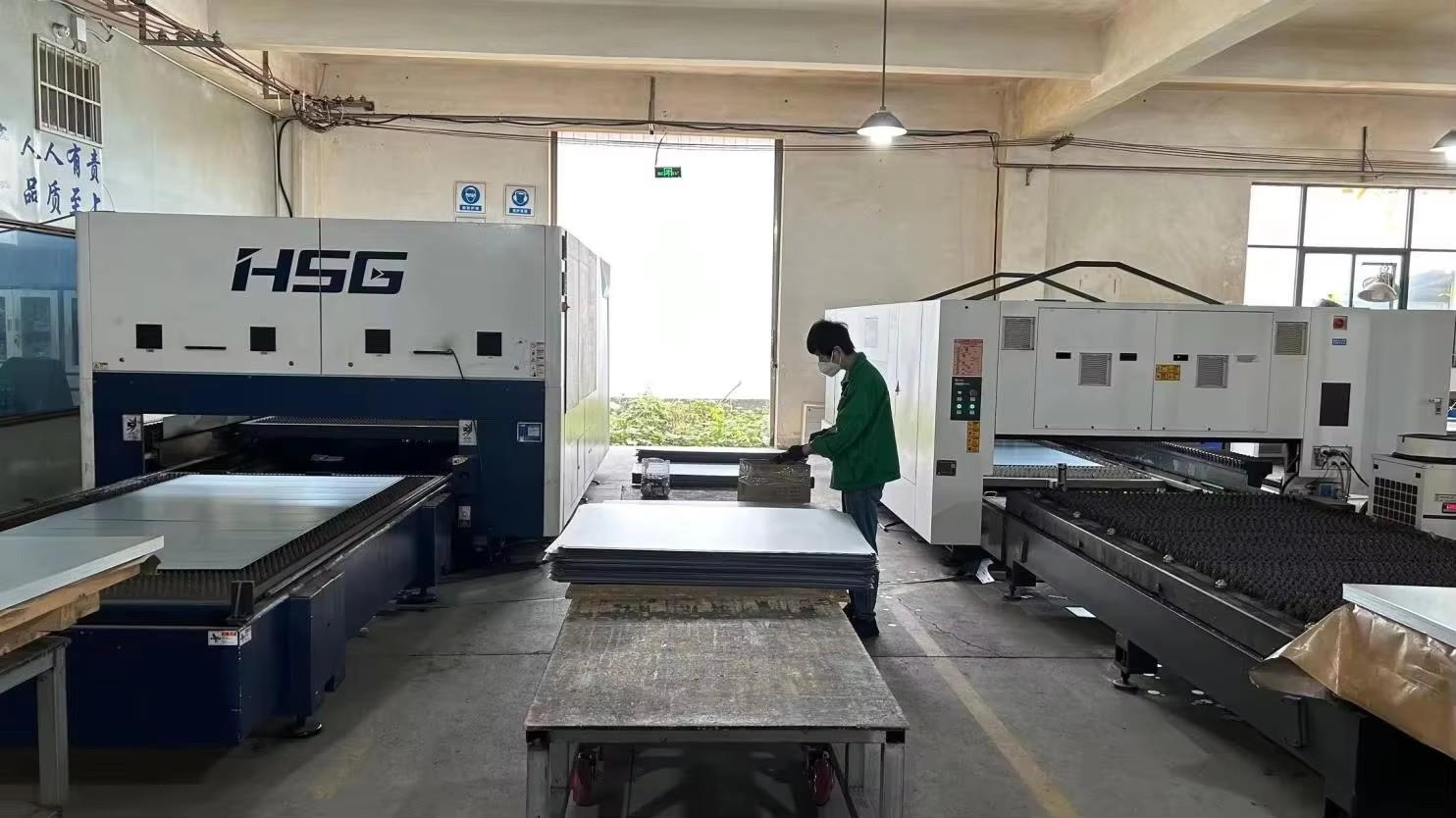
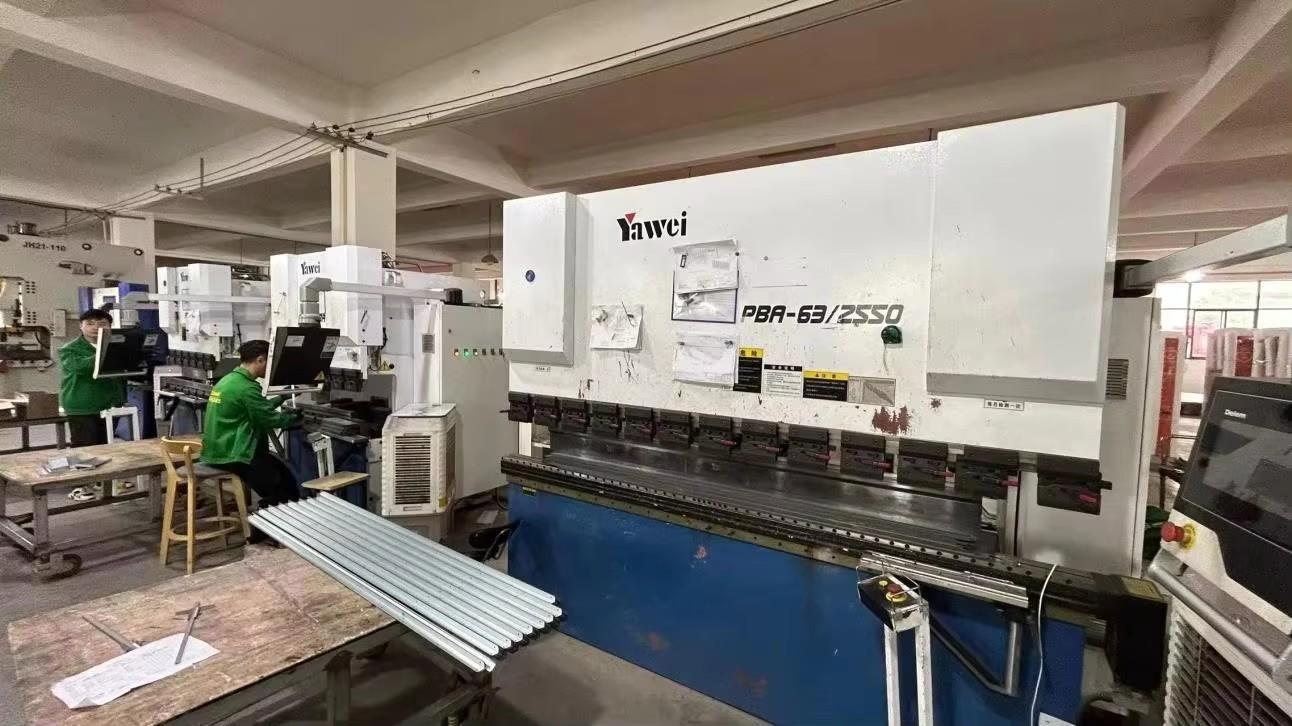
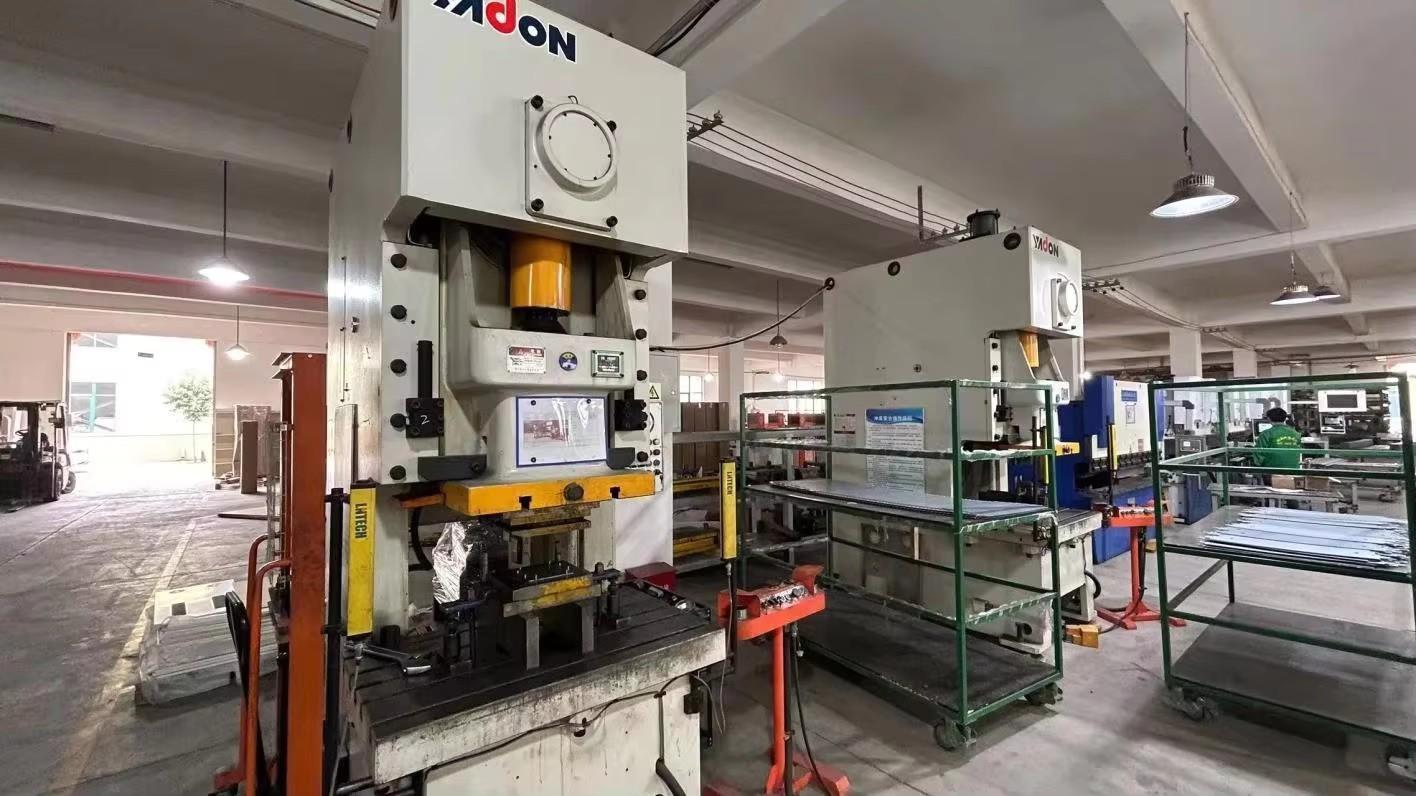
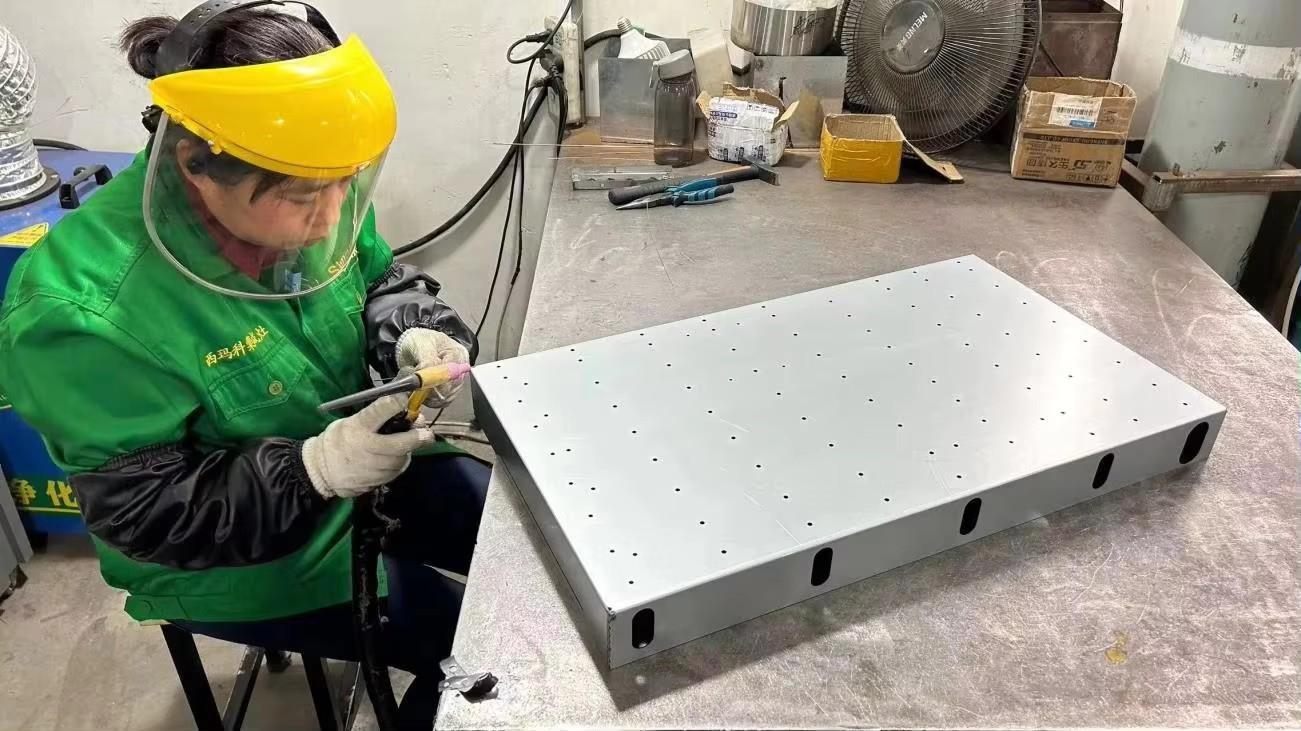
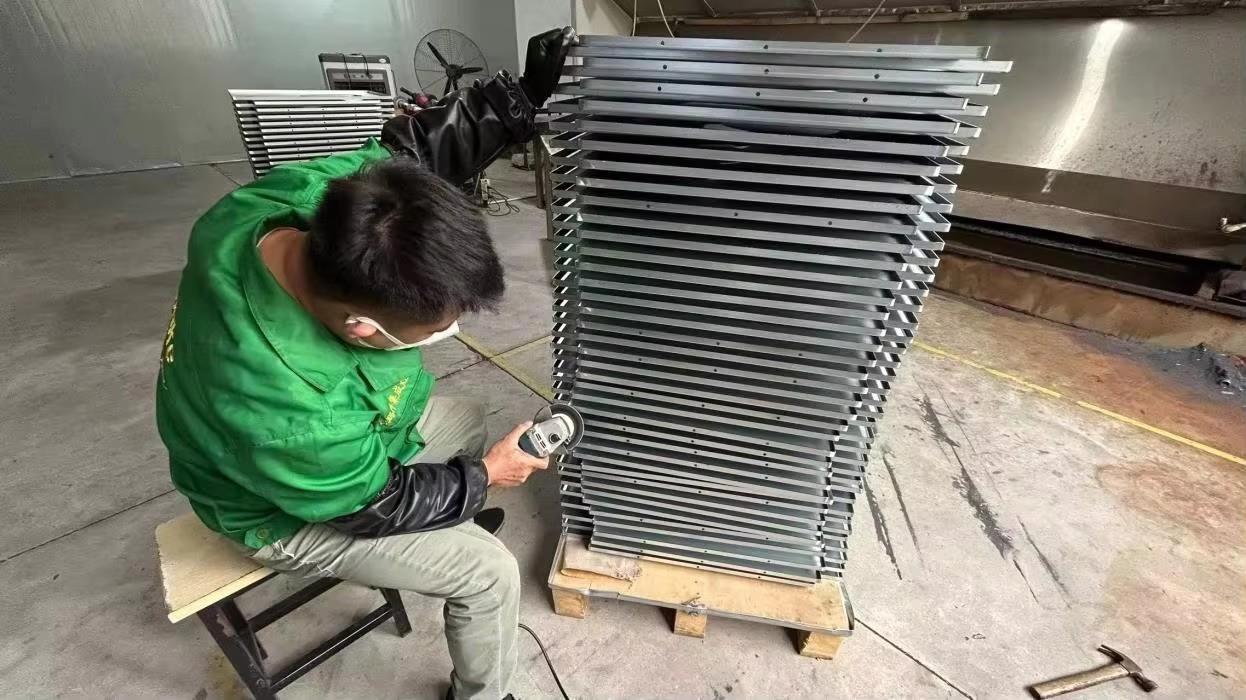
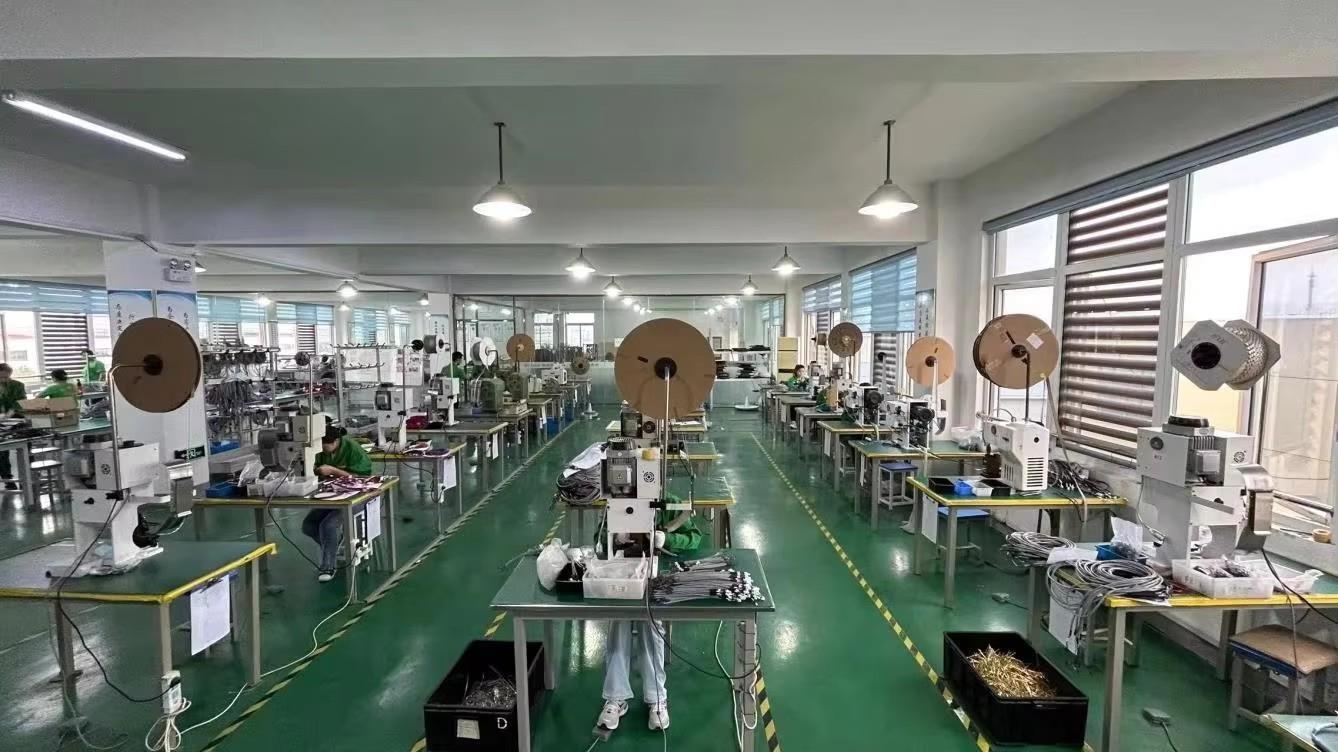
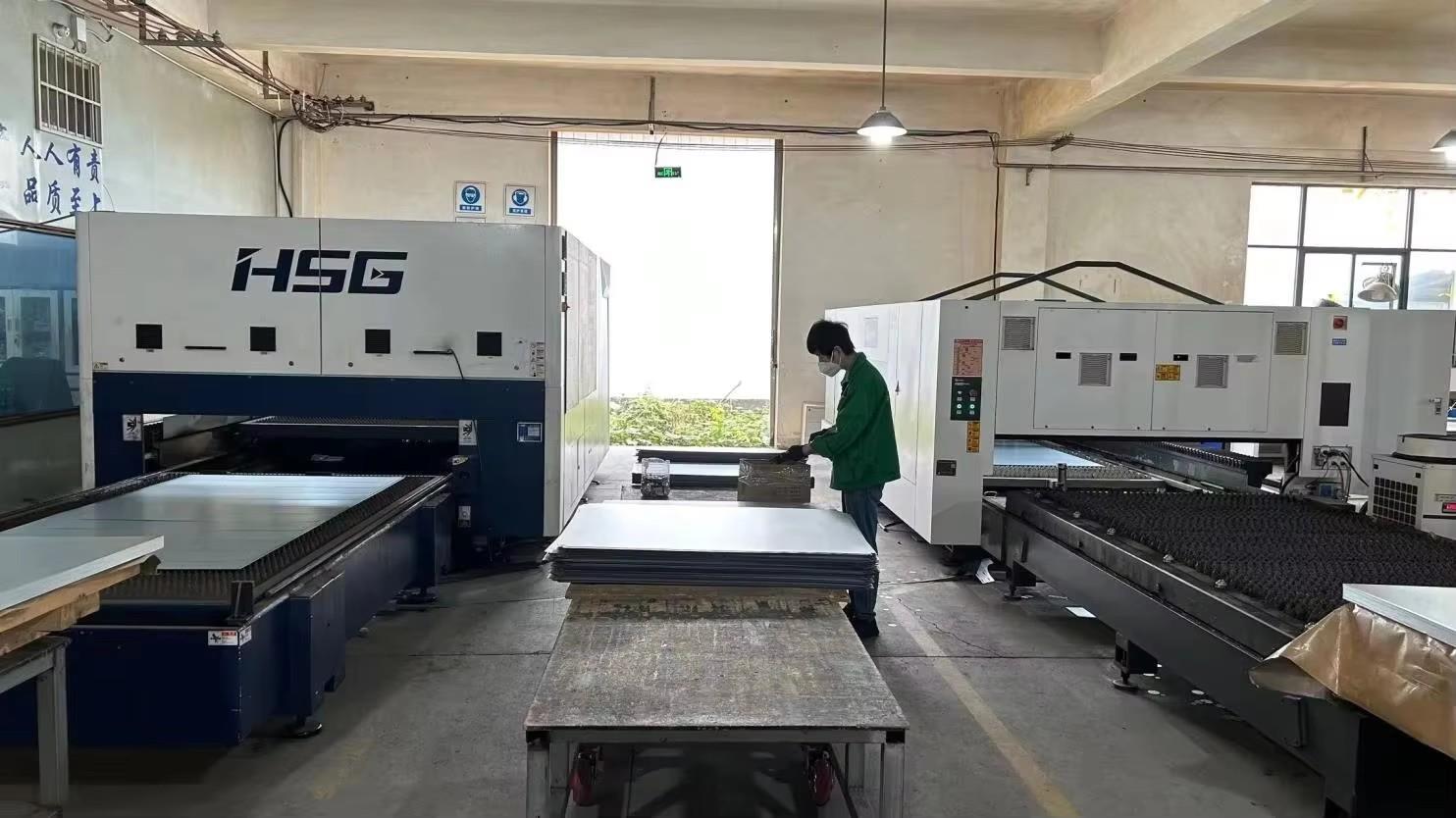
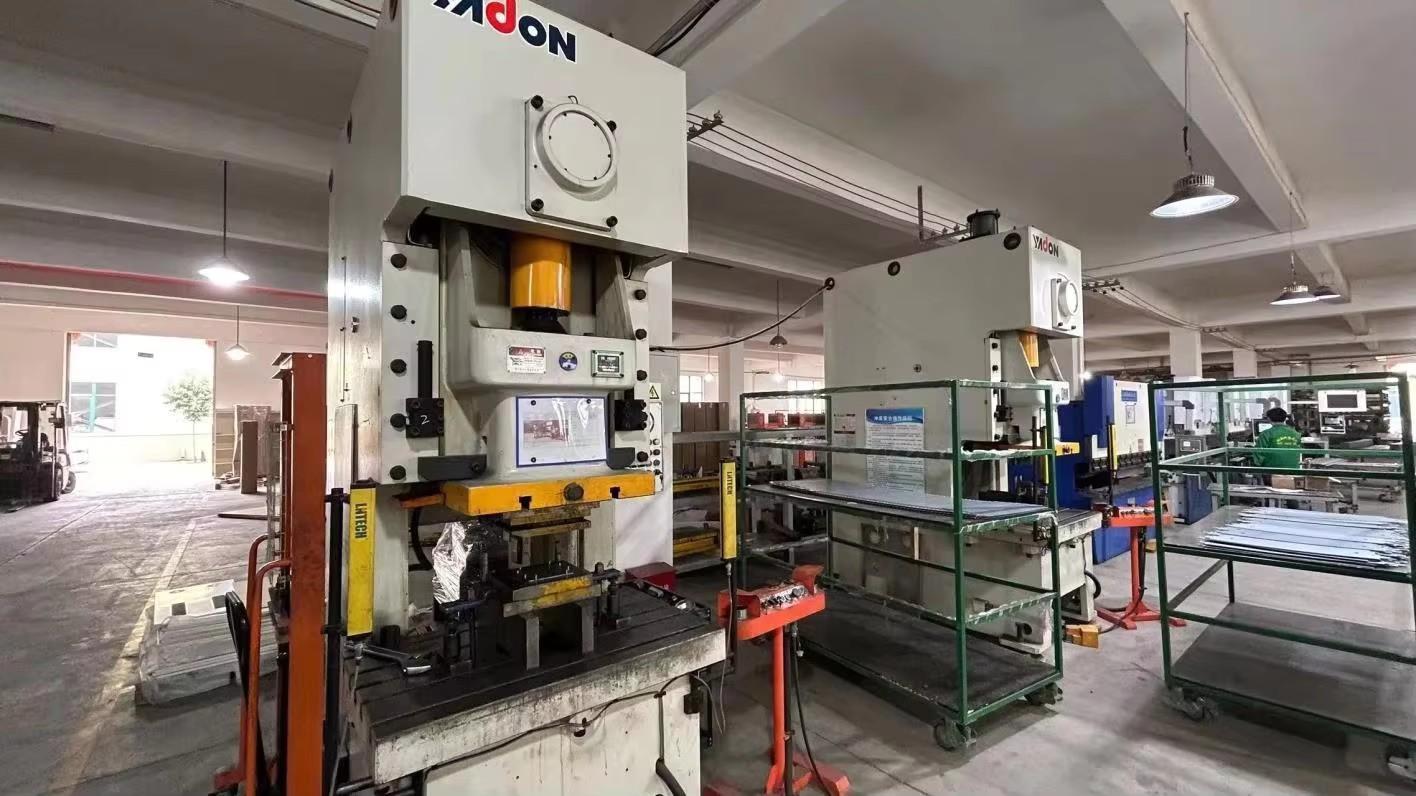
We control every aspect of production, from raw steel stamping to precision laser welding and functional testing, guaranteeing compliance with global standards.
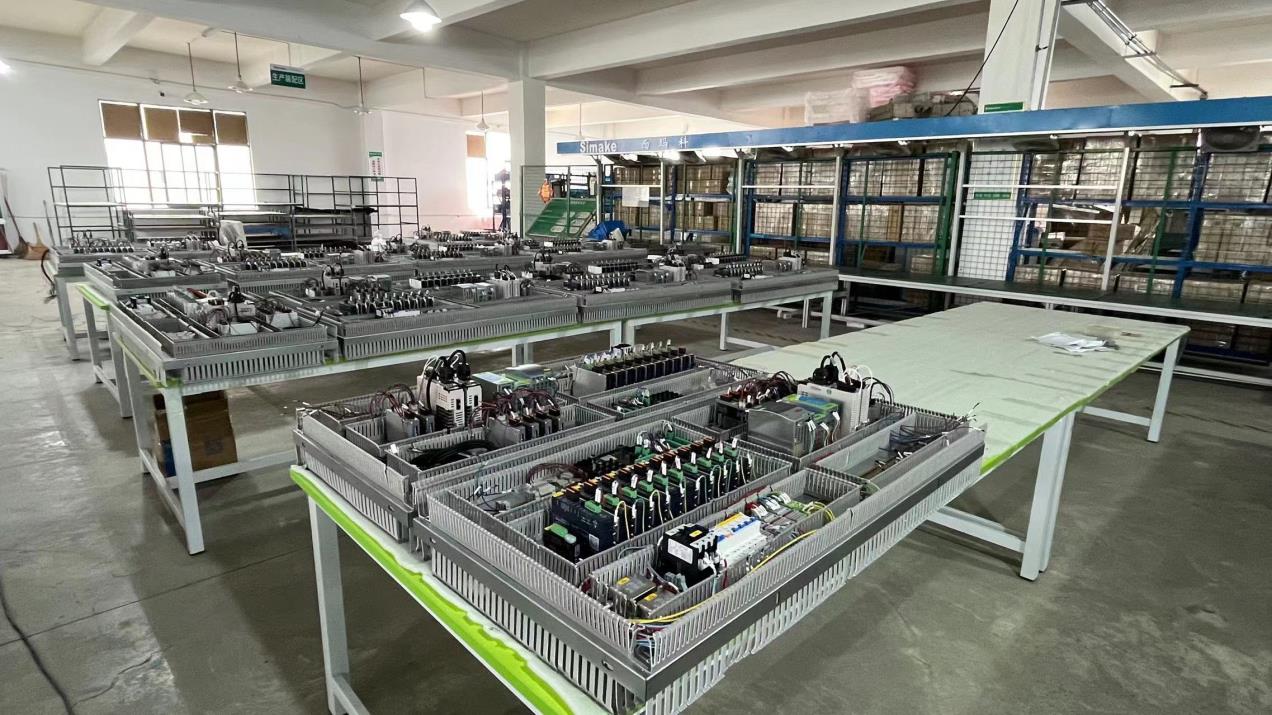
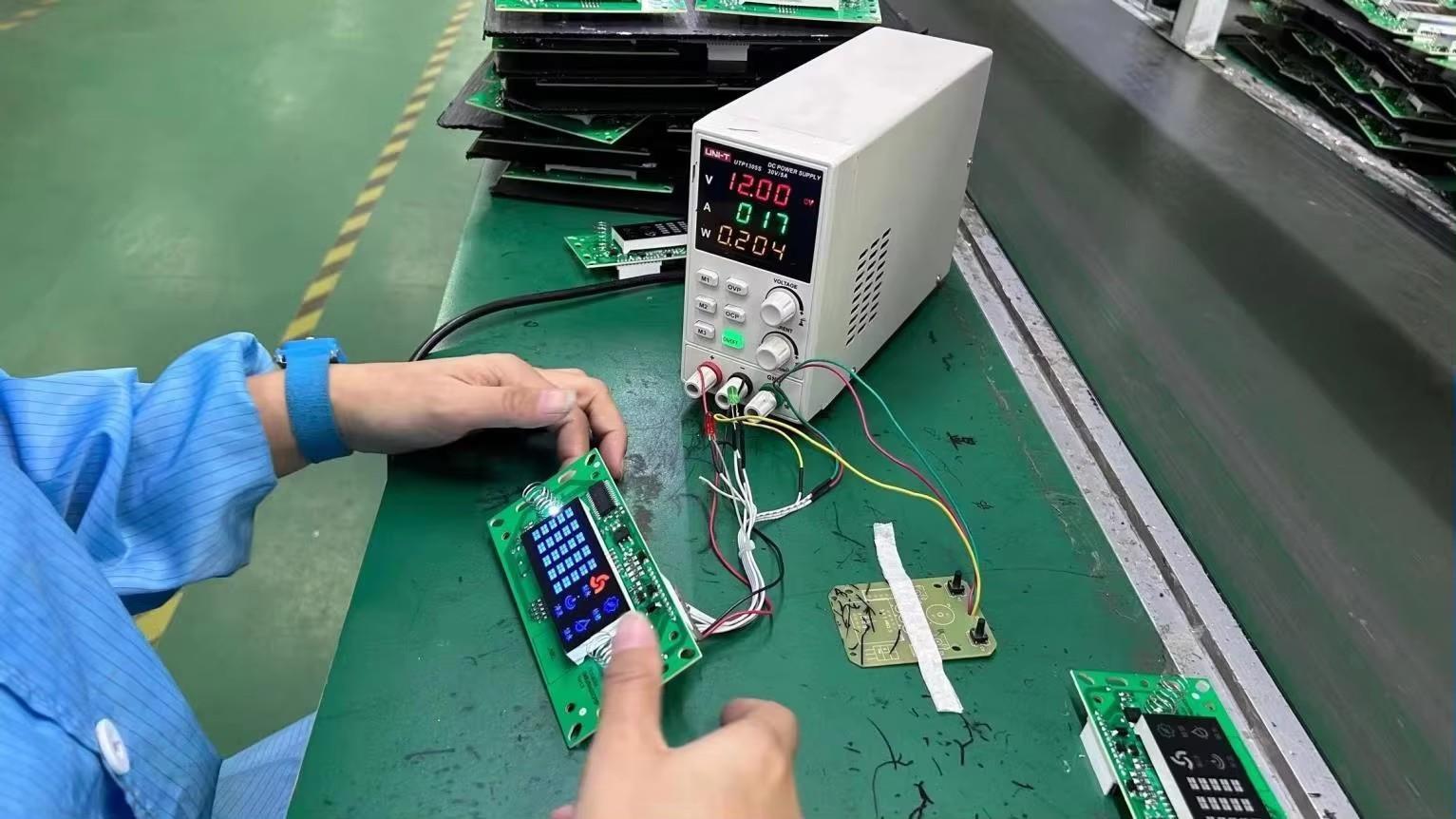
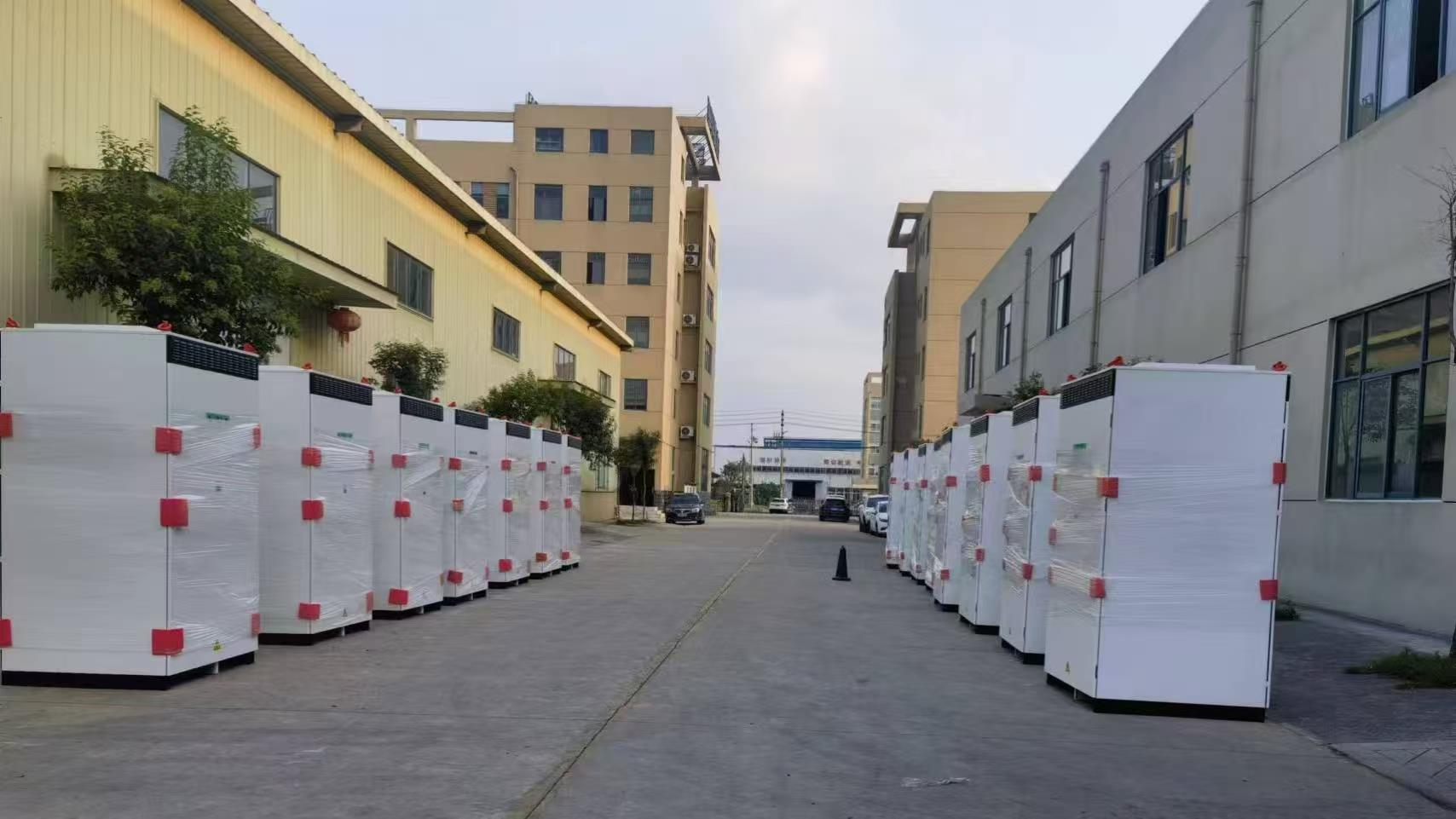
A BESS installation operating in Houston must confront extreme thermal conditions. Ambient temperatures regularly surpass 100°F (38°C) during summer peak demands. High heat accelerates cell degradation and increases thermal runaway risks if not managed by sophisticated engineering protocols.
While standard air-cooled systems represent a lower initial capital expenditure, they struggle to maintain uniform cell temperatures in high-humidity regions like Houston. Modern C&I projects rely on liquid cooling configurations. Liquid cooling runs specialized dielectric fluid channels directly adjacent to the battery cells, maintaining temperature deltas across the pack to less than 2°C. This maximizes battery lifecycle and round-trip efficiency (RTE).
LFP chemistry has become the industry standard for stationary C&I energy storage. Compared to Nickel Manganese Cobalt (NMC) alternatives, LFP offers superior thermal stability, a longer operational life (often exceeding 6,000 charge cycles at 80% Depth of Discharge), and avoids toxic heavy metals. This makes compliance with strict Houston environmental regulations far more straightforward.
Permitting a BESS in Houston requires strict adherence to local fire codes and municipal building regulations. Key compliance standards include:
Core electrical structures, solar hybrid kits, and secure heavy enclosures built to support local C&I installations.
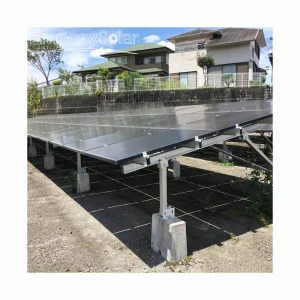
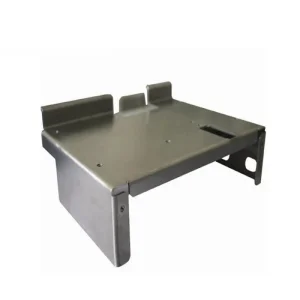
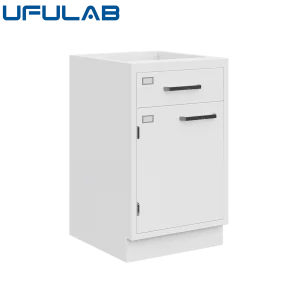
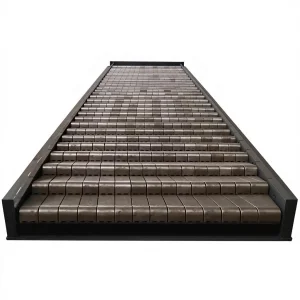
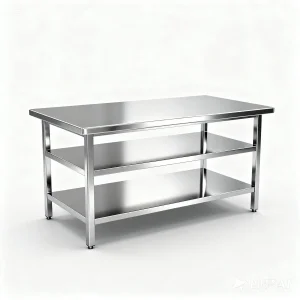
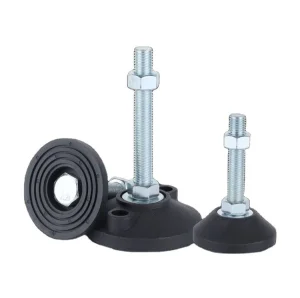
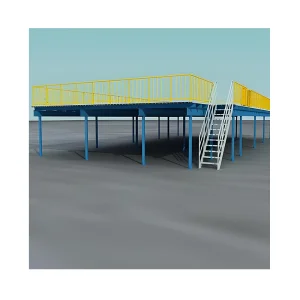
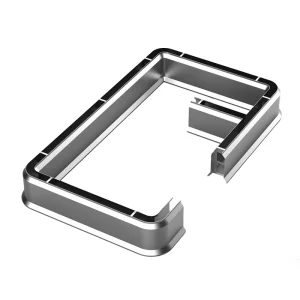
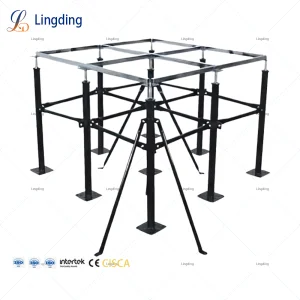
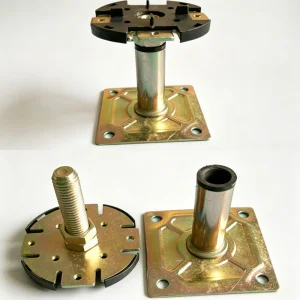
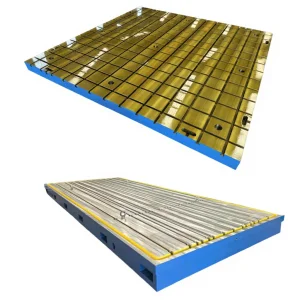
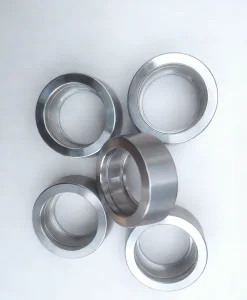
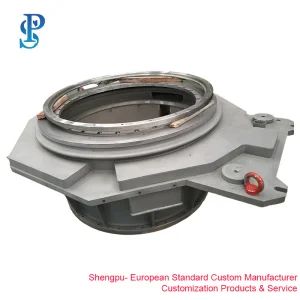
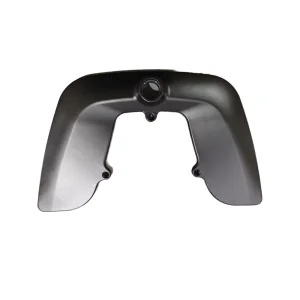
High-capacity structural bases and high-precision casting components essential for secure physical installation of utility-grade BESS.
Key considerations regarding cost-performance metrics, structural resilience, local zoning, and compliance standards.
Houston operates under the ERCOT regulatory regime. Transmission charges for commercial and industrial users are determined by their power demand during the four Coincident Peak intervals across the months of June through September. By deploying a BESS integrated with predictive energy management systems (EMS), facilities can transition their electrical loads from the grid to the battery during peak times. Decreasing your load to near zero during these specific 15-minute windows dramatically lowers transmission tariffs for the entire following year.
To satisfy local municipal codes and the Houston Fire Department (HFD) guidelines, systems must show full certification under UL 1973 (for battery packs) and UL 9540 (for integrated systems). Additionally, you must provide UL 9540A testing data to prove that the cabinet architecture prevents thermal runaway propagation. Safe placement must comply with NFPA 855 standards, dictating proper boundaries, access pathways, and dedicated water lines for fire mitigation.
High ambient summer temperatures and extreme relative humidity near the Gulf Coast accelerate battery cell aging and degrade efficiency. We recommend high-performance liquid-cooled LFP systems. These ensure that the interior cells operate within their optimal thermal envelope. Sealed enclosures must be rated at least NEMA 3R or NEMA 4 to protect electrical nodes from moisture, salt-air corrosion, and extreme rain.
Yes, if equipped with a grid-forming inverter and a high-speed automatic transfer switch (ATS). When the ERCOT grid goes down (due to winter freezes or hurricanes), the system automatically islands your local grid within milliseconds. This creates a localized microgrid, using battery power combined with onsite solar to maintain critical operations without interruption.
Qingdao Luzz Solar coordinates every level of manufacturing—from base frame steel welding and high-precision stamping to terminal wiring and final diagnostics. By relying on a vertically integrated production line in China, we manage costs, guarantee material quality, and speed up transport to North American regional partners. This provides reliable sourcing to system integrators installing grid-scale energy systems in Houston and throughout Texas.
 Luzz Solar