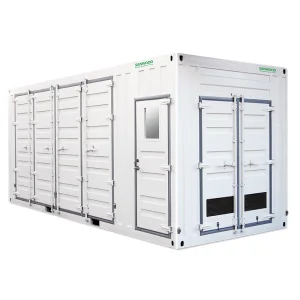
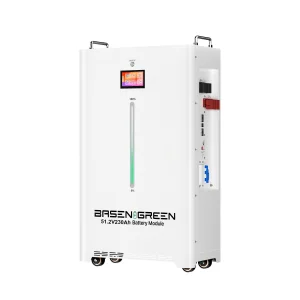
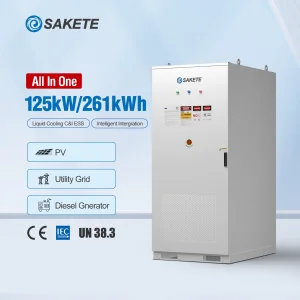
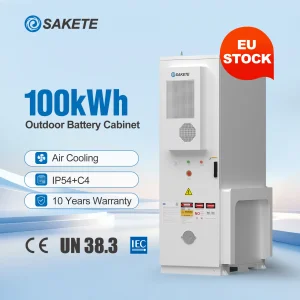
The French energy landscape is undergoing a systemic transformation. Historically dependent on its centralized nuclear fleet, the French grid (managed by **RTE - Réseau de Transport d'Électricité**) is increasingly integrating decentralized renewable sources like solar PV and wind. Under France's multi-year energy plan (**Programmation Pluriannuelle de l'Énergie - PPE**), renewable capacities are mandated to scale rapidly. However, this shift introduces volatility into the grid, creating an unprecedented demand for localized, heavy-duty energy storage solutions.
Commercial and Industrial (C&I) players in France face compounding challenges: rising network access charges (**TURPE - Tarif d'Utilisation des Réseaux Publics d'Électricité**), stringent building decarbonization laws (**RE2020**), and grid capacity bottlenecks in rural agricultural sites. Containerized Battery Energy Storage Systems (BESS) are emerging as the standard technology to resolve these bottlenecks. By implementing containerized LFP systems, French companies can capture arbitrage value, optimize peak-shaving, avoid high TURPE fees, and guarantee power quality for automated production lines.
In France, containerized battery assets are highly valued for their ability to participate in frequency containment reserves (FCR) and automatic frequency restoration reserves (aFRR). These ancillary grid markets require response times of less than 30 seconds, a specification only highly responsive lithium-ion battery management systems (BMS) with optimized inverter combinations can deliver.
Procuring energy storage systems for the French market requires strict adherence to European and local regulatory standards. Unlike general markets, French installations are governed by strict safety classifications (such as ICPE - *Installations Classées pour la Protection de l'Environnement* under rubric 29253 or related regulations). The core engineering focus centers on thermal runaway mitigation, structural integrity, and long-term electrochemical stability.
BESS units entering Europe must hold certifications including **IEC 62619** (electrochemical safety of industrial lithium batteries), **IEC 63056** (safety requirements for electrical energy storage systems), and **EN 50549-1/2** for connection to local distribution networks (Enedis and RTE). Advanced container systems utilize **liquid cooling systems** over conventional air cooling, achieving a temperature differential inside the cabinet of under ±2°C. This critical factor prevents cell degradation, limits hot-spot propagation, and maintains high round-trip efficiency (RTE > 90%) even during peak summer demand in southern regions like Occitanie.
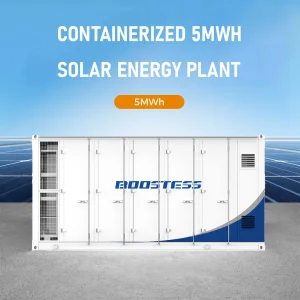
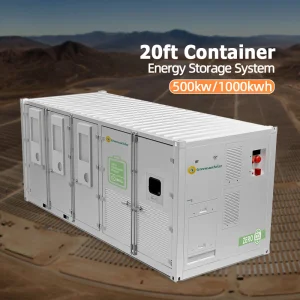
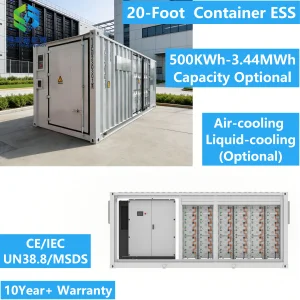
Global BESS procurement is experiencing a rapid architectural evolution. The industry is moving from standard 1000V DC systems to **1500V DC high-voltage architectures**. By operating at higher DC voltages, system designers reduce structural cabling requirements, optimize footprint density, and improve overall inverter efficiency. A 1500V DC liquid-cooled containerized system (such as our 5MWh container models) can increase energy density by up to 35% compared to air-cooled 1000V systems.
Furthermore, total cost of ownership (TCO) evaluation has replaced simple upfront CapEx as the primary purchasing metric. Buyers look for long-term cell reliability, advanced Battery Management System (BMS) telemetry, and standard SCADA integrations via protocols such as Modbus TCP and IEC 61850. With 8,000+ cycle guarantees at 0.5C/0.5C charge-discharge rates, these containerized configurations are engineered to operate continuously for over 15 to 20 years.
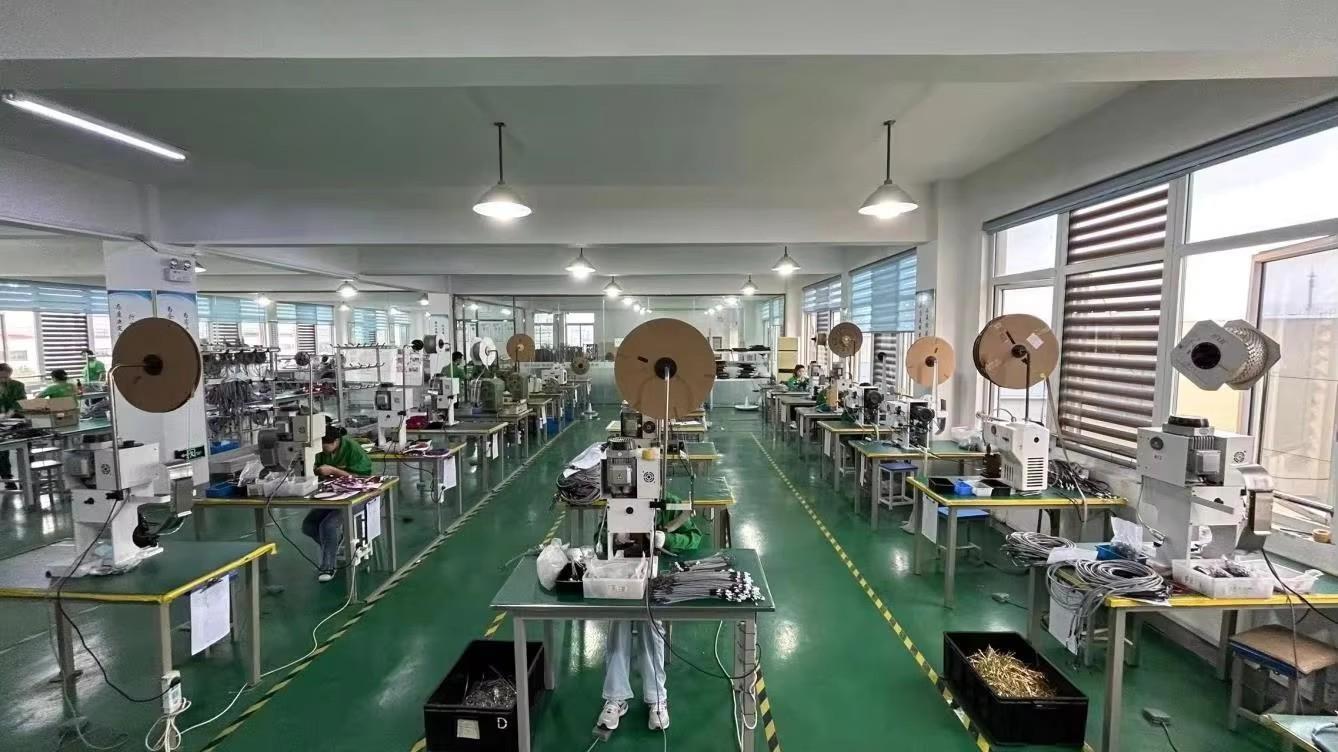
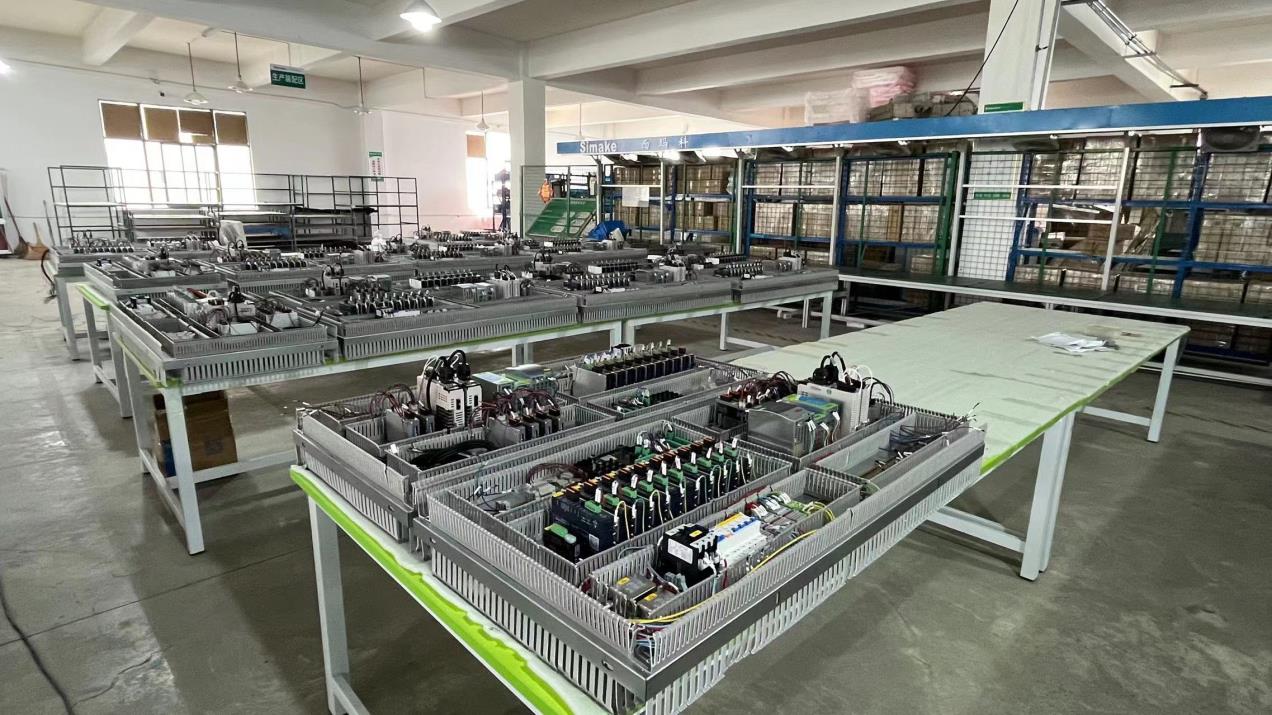
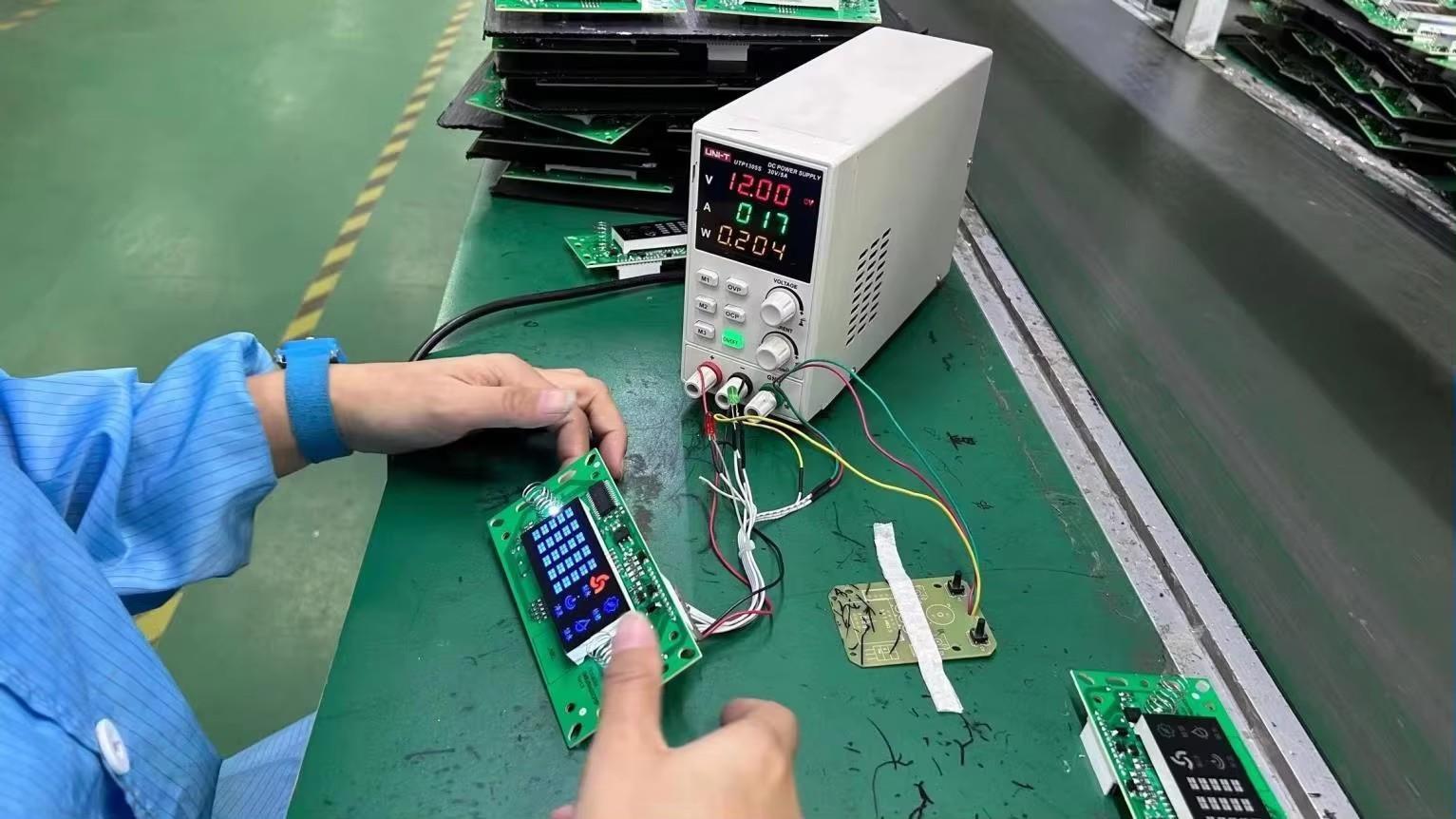
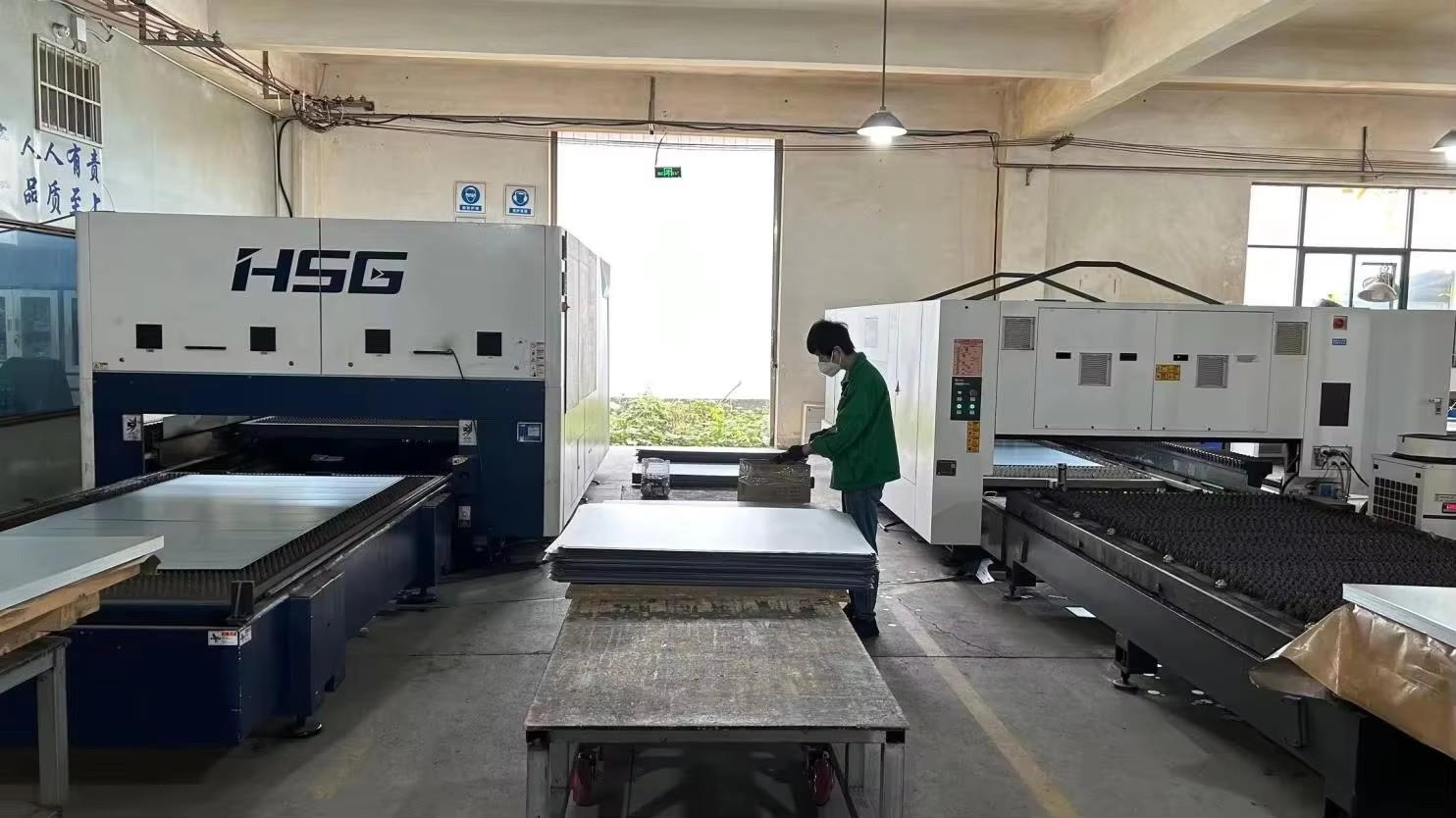
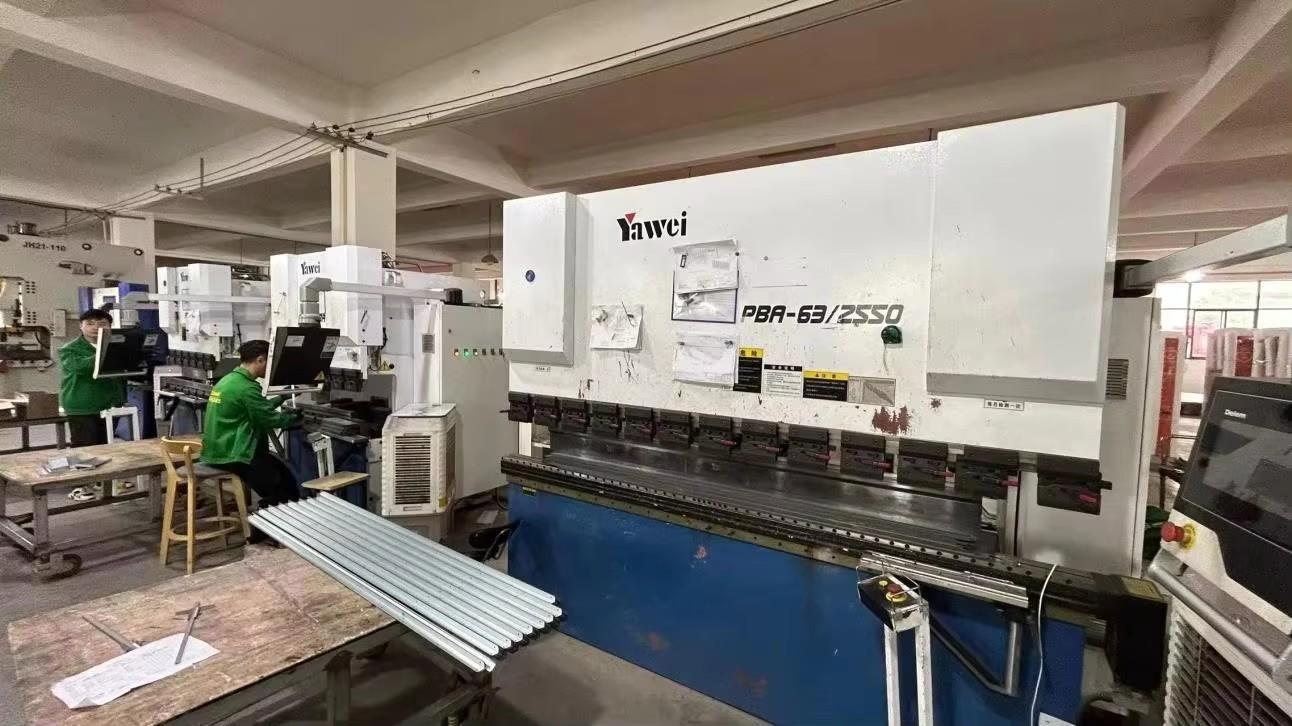
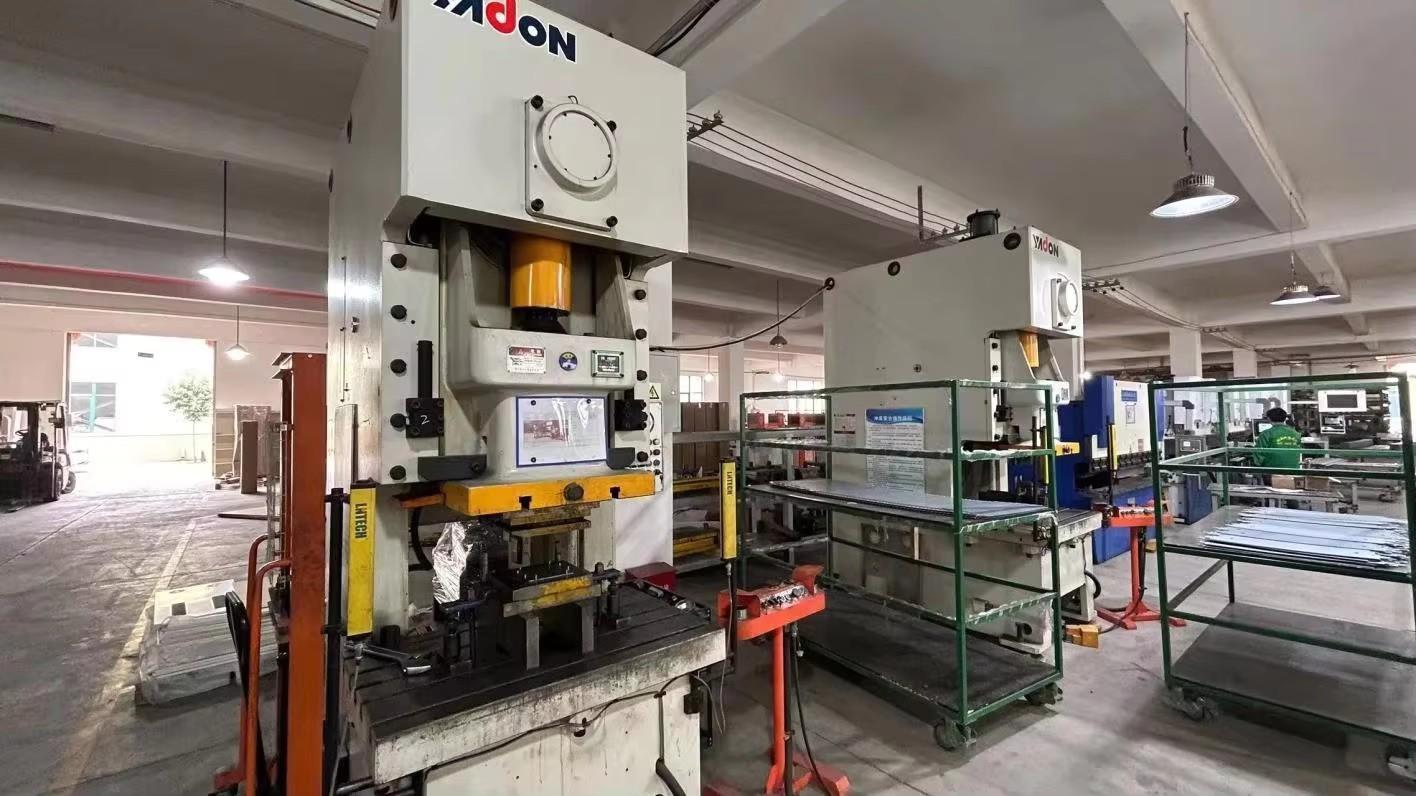
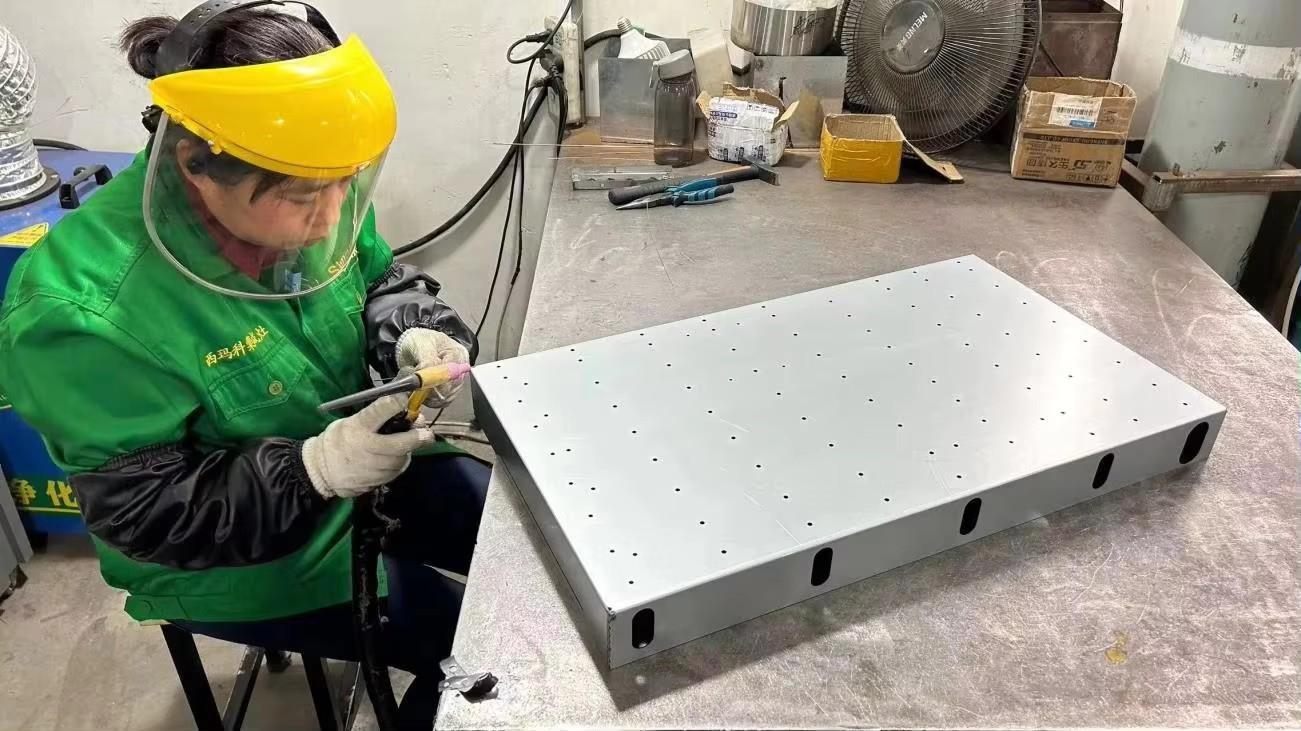
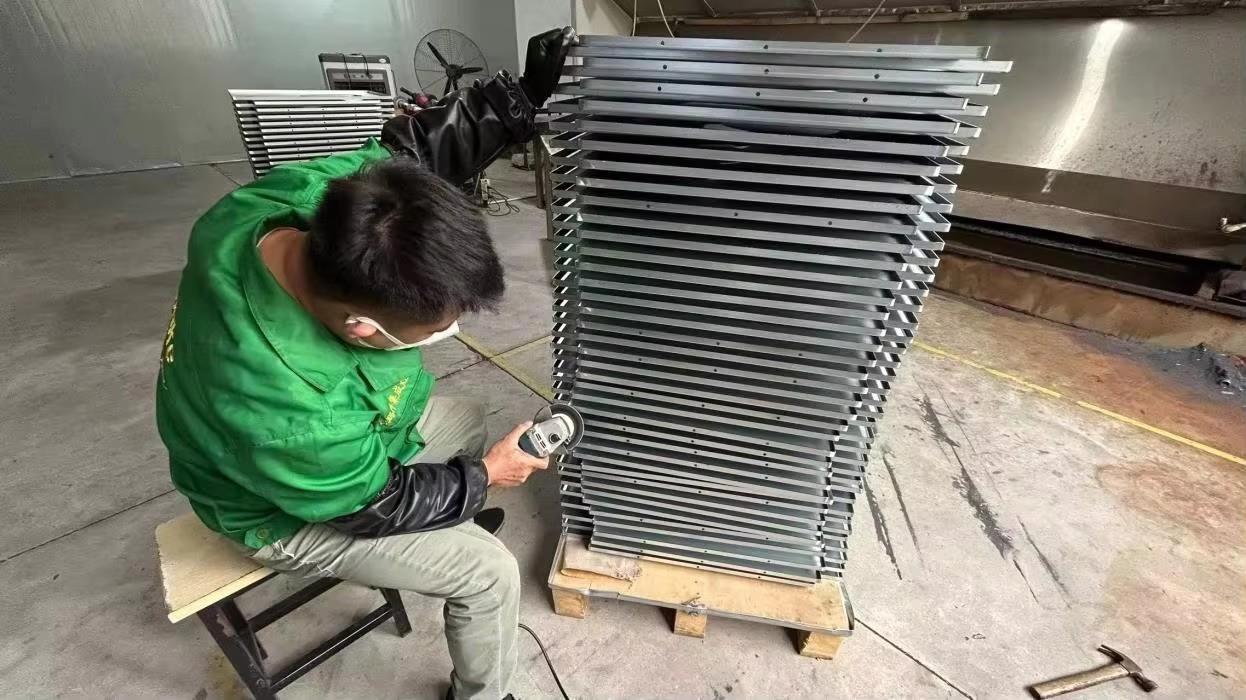
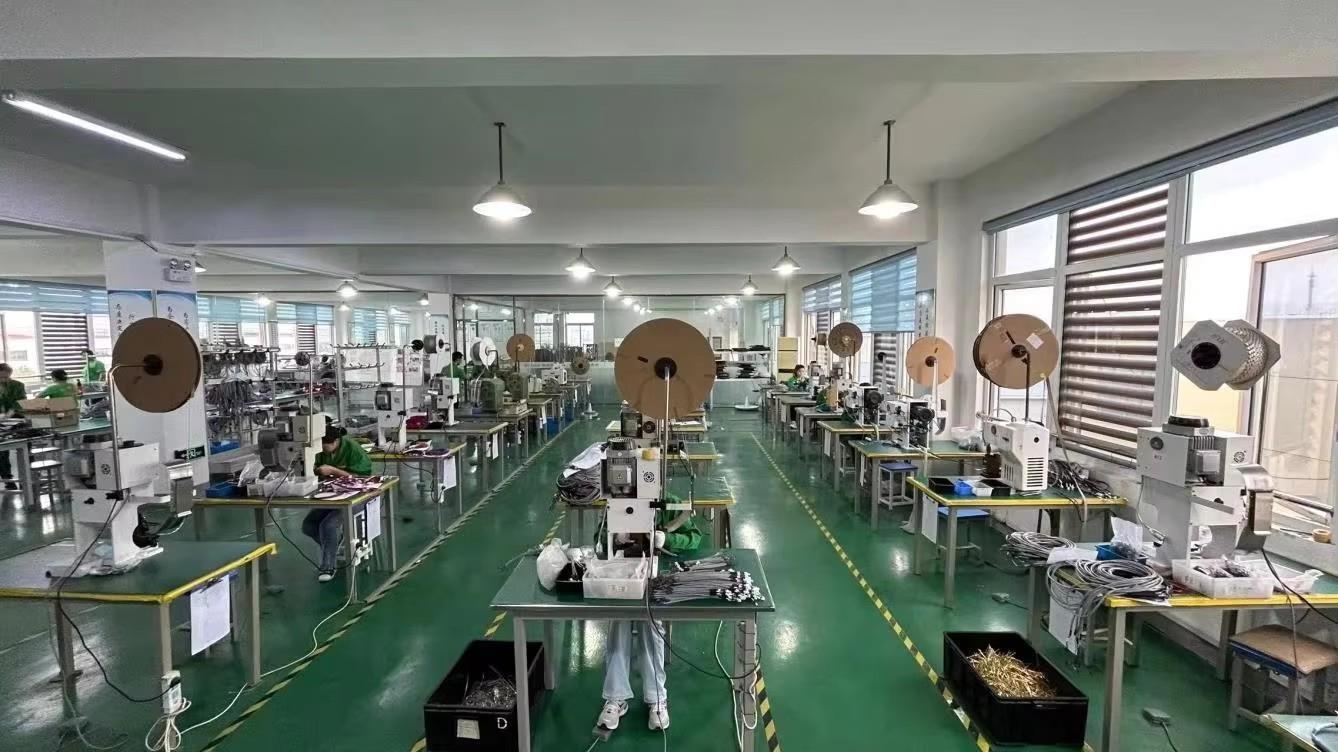
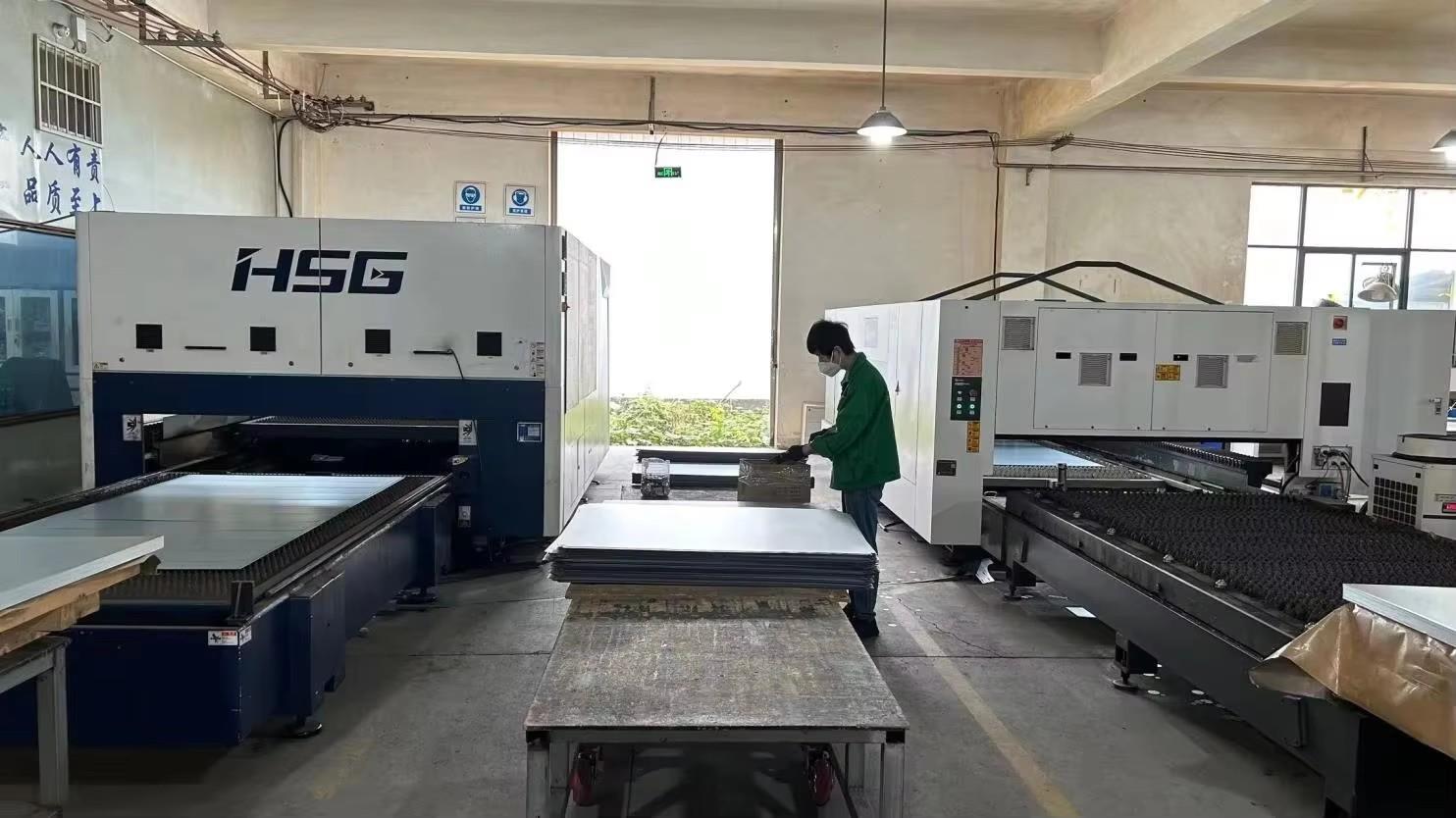
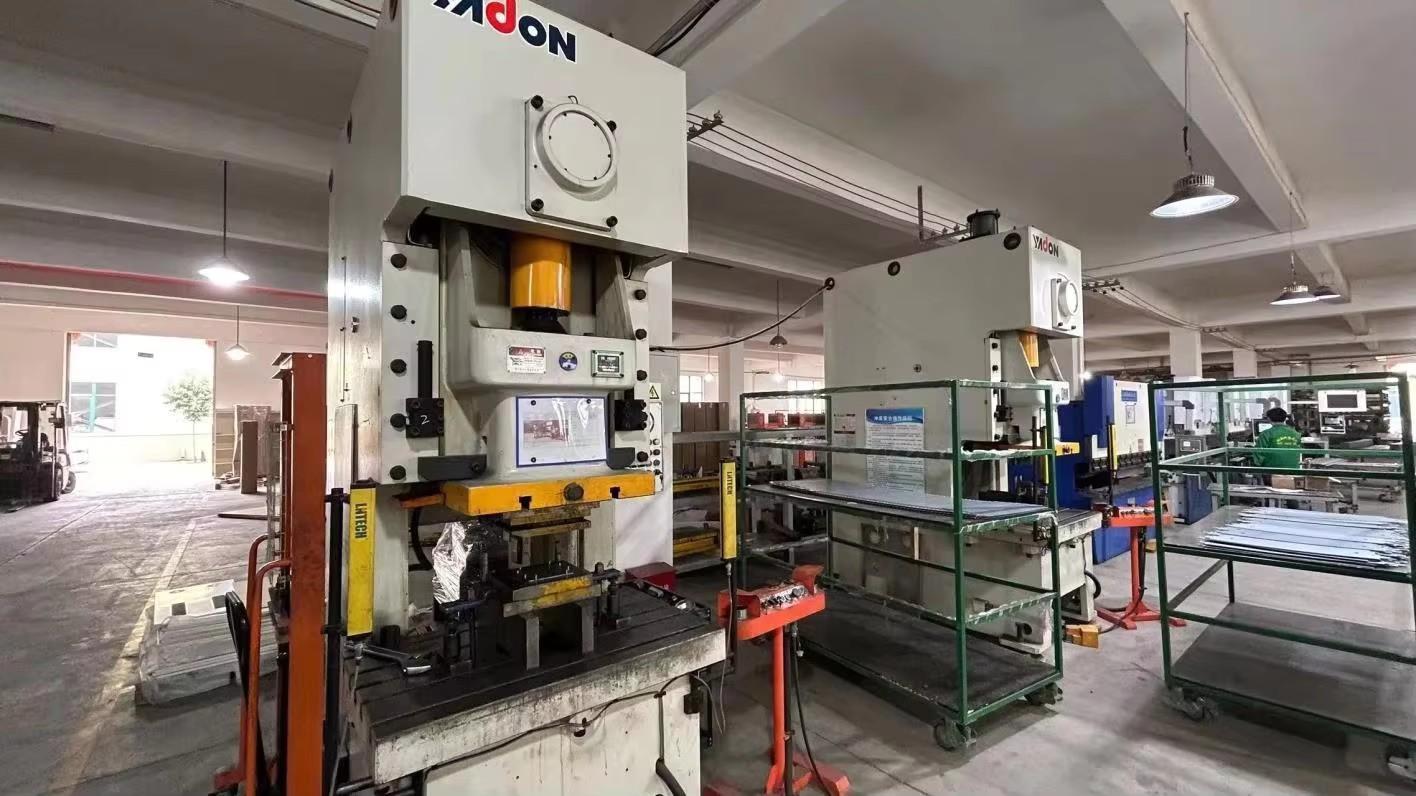
As a leading hub for new energy technology manufacturing, China's Factory 4.0 infrastructure plays a critical role in stabilizing the global BESS supply chain. Utilizing state-of-the-art automation, automated guided vehicles (AGVs), and laser welding machines ensures that the high-voltage cells are configured with structural consistency and negligible contact resistance. Let us introduce the comprehensive production processes of Qingdao Luzz Solar Co., Ltd., where German automation standards meet high-efficiency manufacturing.
Qingdao Luzz Solar Co., Ltd. is a professional new energy enterprise specializing in the development, manufacturing, and global distribution of photovoltaic (PV) products and integrated energy storage solutions. Located in Qingdao, China, the company benefits from a well-established renewable energy industrial base and advanced manufacturing capabilities.
With the accelerating global transition toward carbon neutrality and sustainable development, Luzz Solar is committed to providing efficient, reliable, and cost-effective clean energy solutions to customers worldwide. Our product portfolio includes high-efficiency solar photovoltaic modules, energy storage systems, and integrated solar application solutions designed for residential, commercial, and utility-scale projects.
Driven by technological innovation and quality excellence, the company continuously invests in R&D and production optimization to improve product performance, energy conversion efficiency, and system reliability. We strictly adhere to international quality standards and implement rigorous quality control throughout the entire production process to ensure stable and long-term product performance.
Qingdao Luzz Solar actively expands its global market presence, with business coverage across Asia, Europe, the Middle East, Africa, and Latin America. By working closely with international partners, we are committed to delivering tailored energy solutions that meet diverse regional needs and support the global energy transition. Guided by the core values of integrity, innovation, cooperation, and sustainability, Luzz Solar strives to become a trusted global partner in the new energy industry. We are dedicated to advancing solar technology and contributing to a greener, more sustainable future.
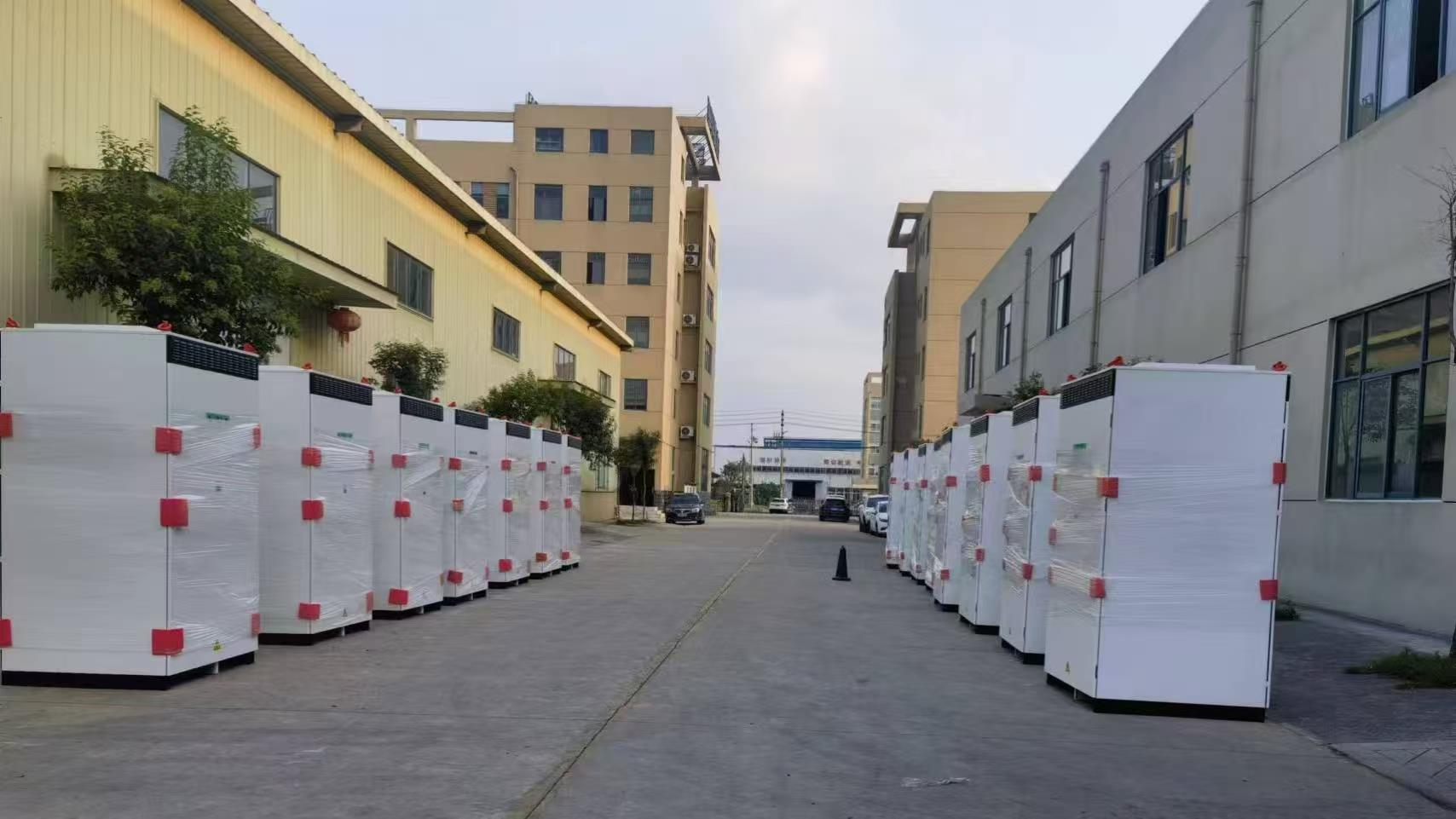
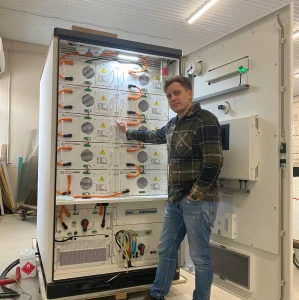
Every containerized energy storage system undergoes a strict, multi-stage production sequence to ensure failure-free deployment at your site in France:
Mitigate grid congestion and prevent feed-in curtailment in southern French utility-scale solar farms. Smooth output injection curves to meet Enedis seasonal grid codes.
Significantly lower high-voltage tariff brackets during peak winter months in manufacturing clusters. Reduce maximum contracted capacity costs under local TURPE contracts.
Instantly restore power to medical, IT, and transportation hubs. Operates with sub-20ms seamless microgrid transitions to protect sensitive operations from line disturbances.
Consult with our engineering and procurement team for RTE-compliant containerized solutions tailored for the European utility and industrial sectors.
Send Inquiry Now Luzz Solar