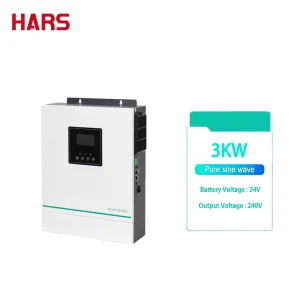
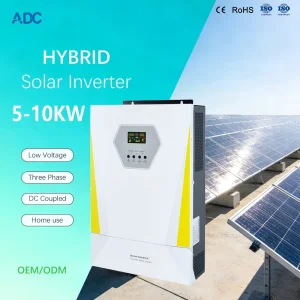
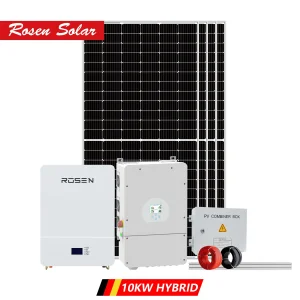
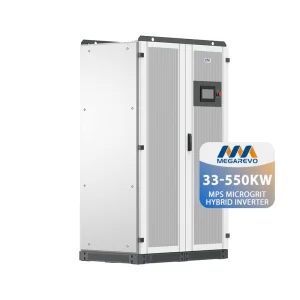
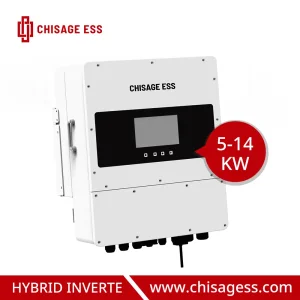
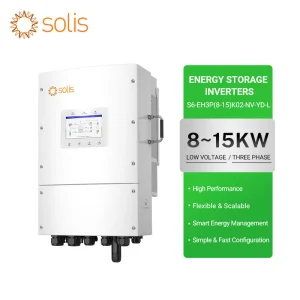
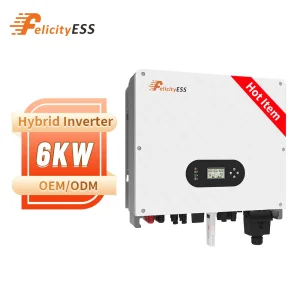
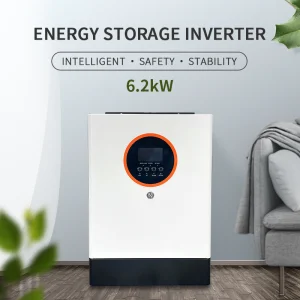
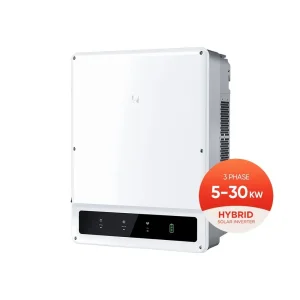
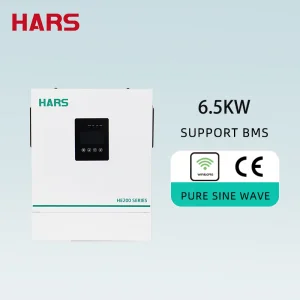
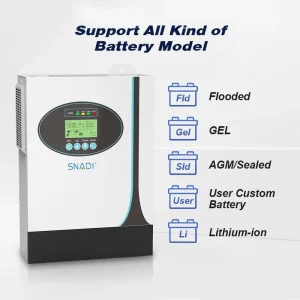
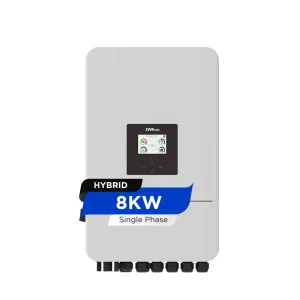
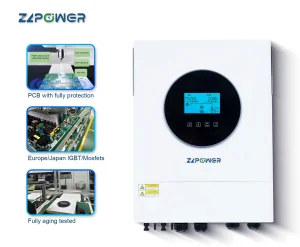
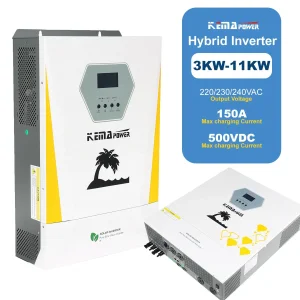
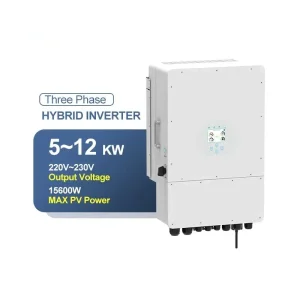
Designed to withstand extreme ambient temperatures up to 50°C and manage severe voltage fluctuations. Explore our high-efficiency range built for residential backups and industrial microgrids.
Pakistan is undergoing an unprecedented shift in its energy landscape. High grid tariffs dictated by NEPRA, combined with supply-side interruptions and load-shedding, are putting heavy pressure on commercial and industrial (C&I) sectors. Industrial clusters in Faisalabad, Karachi, and Lahore are turning to self-generation through photovoltaic solutions to maintain operation continuity and reduce reliance on diesel generators.
Unlike simple grid-tied set-ups, the weak grid and unstable voltages of the national transmission lines demand an active energy storage layer. This is where Hybrid Solar Inverters play a vital role. They balance solar inputs, backup battery energy, diesel generators, and the national grid seamlessly.
As a leading hybrid solar inverter exporter, Luzz Solar designs products equipped with high reactive power capability, fast switching times, and intelligent management algorithms. Our systems protect sensitive machinery and textile looms from damage caused by sudden power quality drops.
To ensure optimal return on investment, Luzz Solar hybrid systems are configured to match specific use cases within Pakistan's geographic and climatic zones.
In residential communities across Karachi (DHA, Clifton) and Lahore (Bahria Town), Luzz Solar's 5kW to 15kW low-voltage hybrid inverters serve as the core energy manager. By programming the battery charge schedule to bypass peak tariff rates, homeowners can lower their electricity bills by up to 70% while keeping critical appliances running during load shedding.
In rural Punjab and Sindh, where the grid connection is unreliable or non-existent, our 10kW to 30kW off-grid-ready hybrid inverters are integrated with deep-well submersible tubewells. Dual MPPT charge controllers optimize water flow during high sunlight periods while storing surplus energy to power domestic farming equipment overnight.
For manufacturing plants and cold storage facilities, our Megarevo 100kW to 500kW PCS series balances rooftop PV modules, heavy duty LiFePO4 battery banks, and backup diesel generators. The smart generator control link automatically starts diesel backups only when solar power and battery capacity drop below safe thresholds, reducing fuel consumption by up to 45%.
The international shift toward distributed generation is driving technology toward higher battery voltages, modular architectures, and AI-enabled grid management.
Globally, commercial projects are transitioning from 48V low-voltage architectures to high-voltage (HV) systems ranging from 400V to 800V. HV architectures reduce current demands, which minimizes thermal losses, allows for smaller cable cross-sections, and improves overall system efficiency. Our high-voltage three-phase hybrid inverters deliver efficiency rates up to 98.6%, making them ideal for heavy machinery applications.
Modern inverters are no longer passive power converters; they are cloud-connected energy nodes. Leveraging machine learning models, our intelligent software predicts next-day PV production based on weather forecasts, compares it against historic load curves, and coordinates charging cycles to maximize local self-consumption or sell energy back to the grid during high-demand windows.
Luzz Solar's development roadmap focuses on wide-bandgap semiconductors and software integration to help future-proof energy infrastructures.
We are integrating Silicon Carbide (SiC) and Gallium Nitride (GaN) components into our power stages. This lowers switching losses, reduces cooling requirements, and helps us design more compact, lightweight enclosures.
Our next-generation residential and commercial hybrid platforms will feature bi-directional EV charging (V2H/V2G). This allows electric vehicles to serve as auxiliary home backup power sources.
We are developing multi-inverter parallel controllers that run on decentralized blockchain protocols. This technology allows adjacent facilities to trade energy with one another without a central coordinator.
Qingdao Luzz Solar Co., Ltd. is a professional new energy enterprise specializing in the development, manufacturing, and global distribution of photovoltaic (PV) products and integrated energy storage solutions. Located in Qingdao, China, the company benefits from a well-established renewable energy industrial base and advanced manufacturing capabilities.
With the accelerating global transition toward carbon neutrality and sustainable development, Luzz Solar is committed to providing efficient, reliable, and cost-effective clean energy solutions to customers worldwide. Our product portfolio includes high-efficiency solar photovoltaic modules, energy storage systems, and integrated solar application solutions designed for residential, commercial, and utility-scale projects.
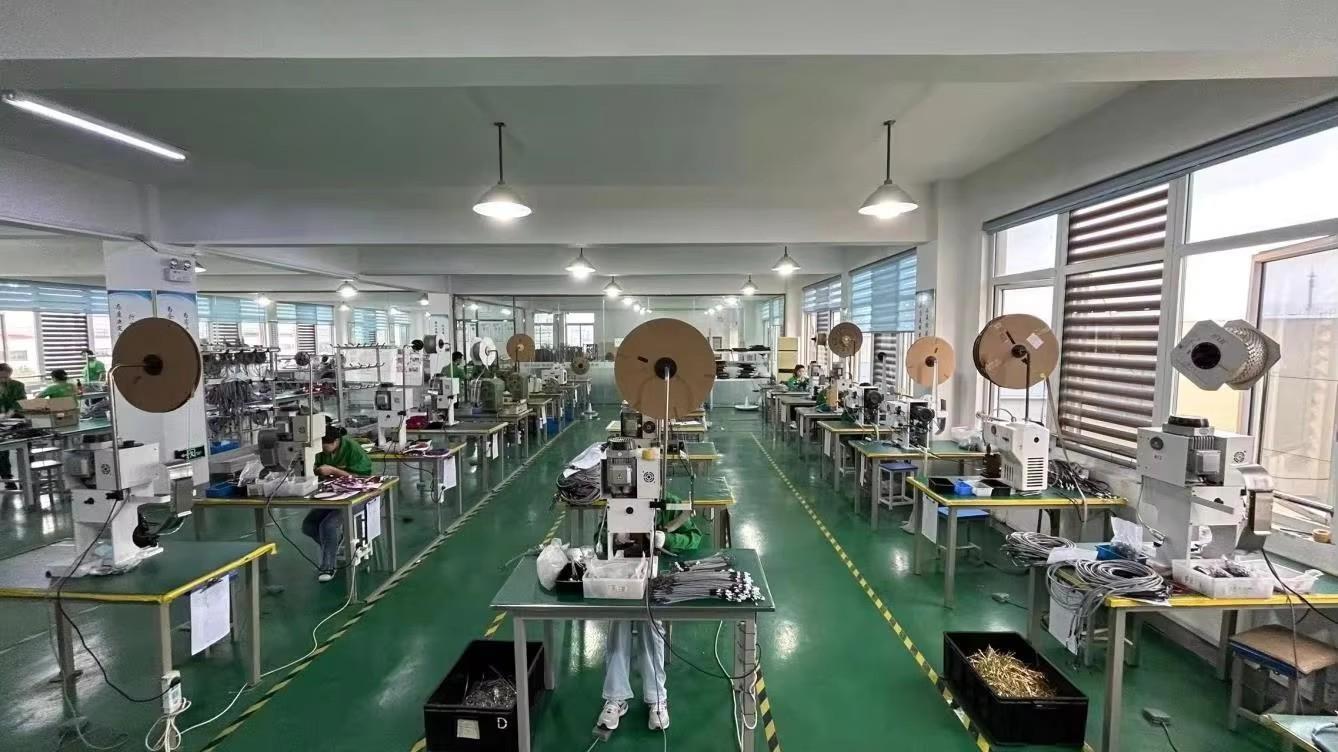
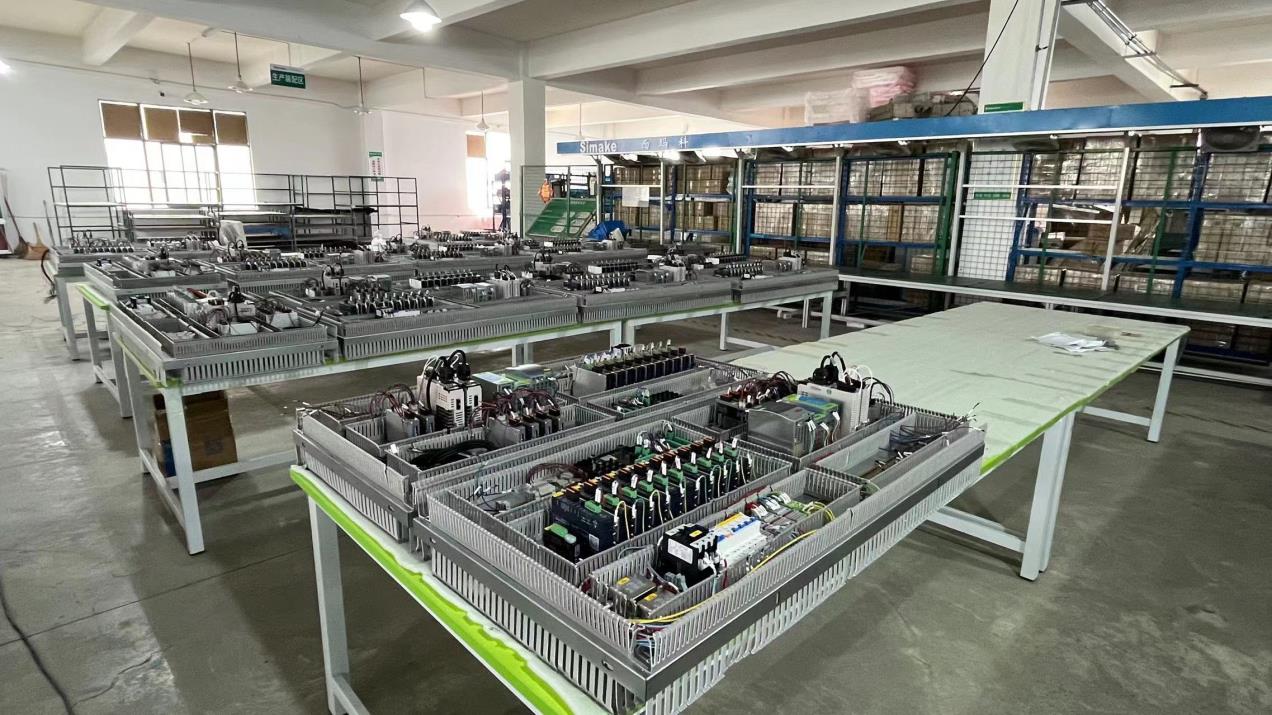
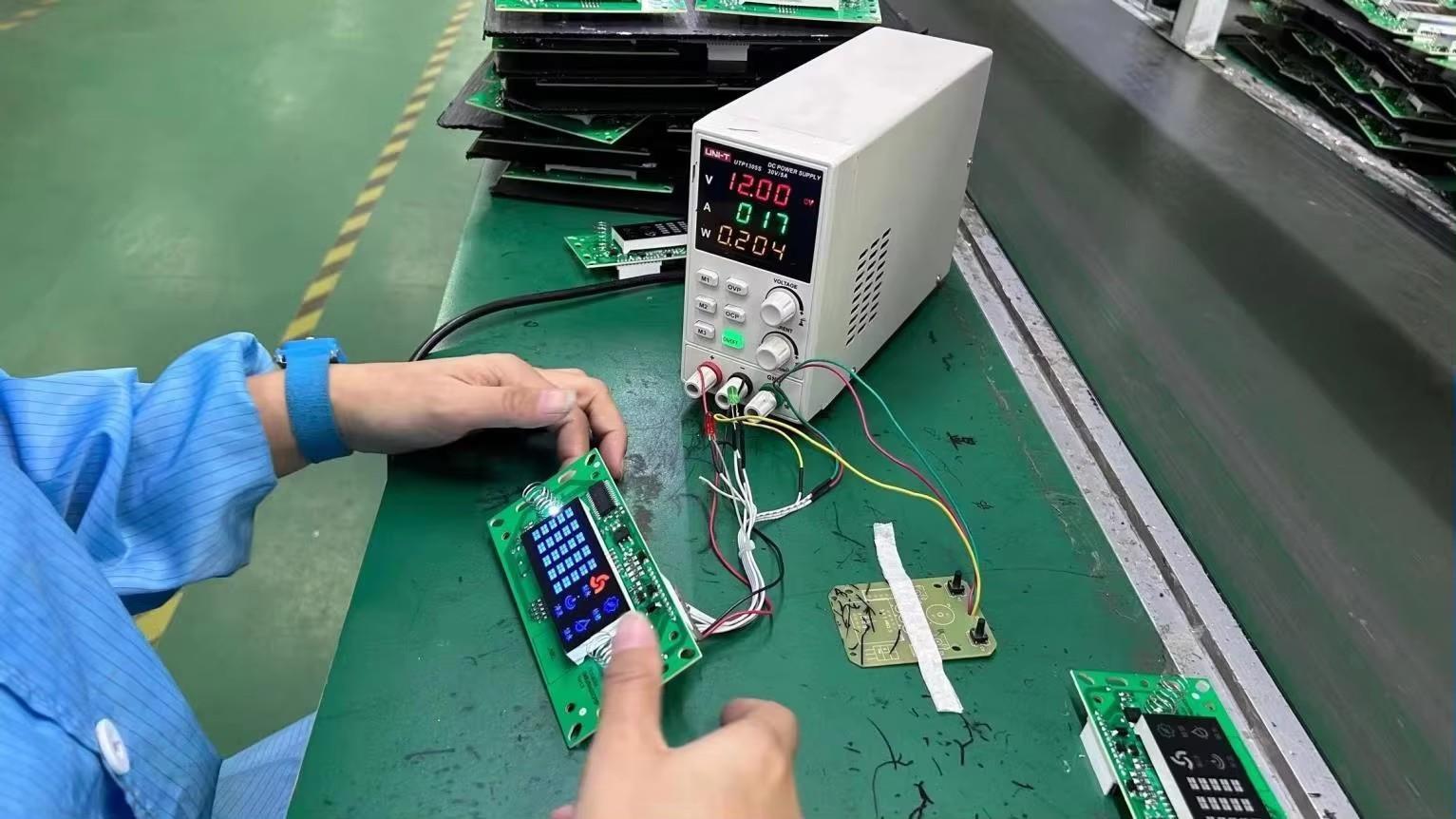
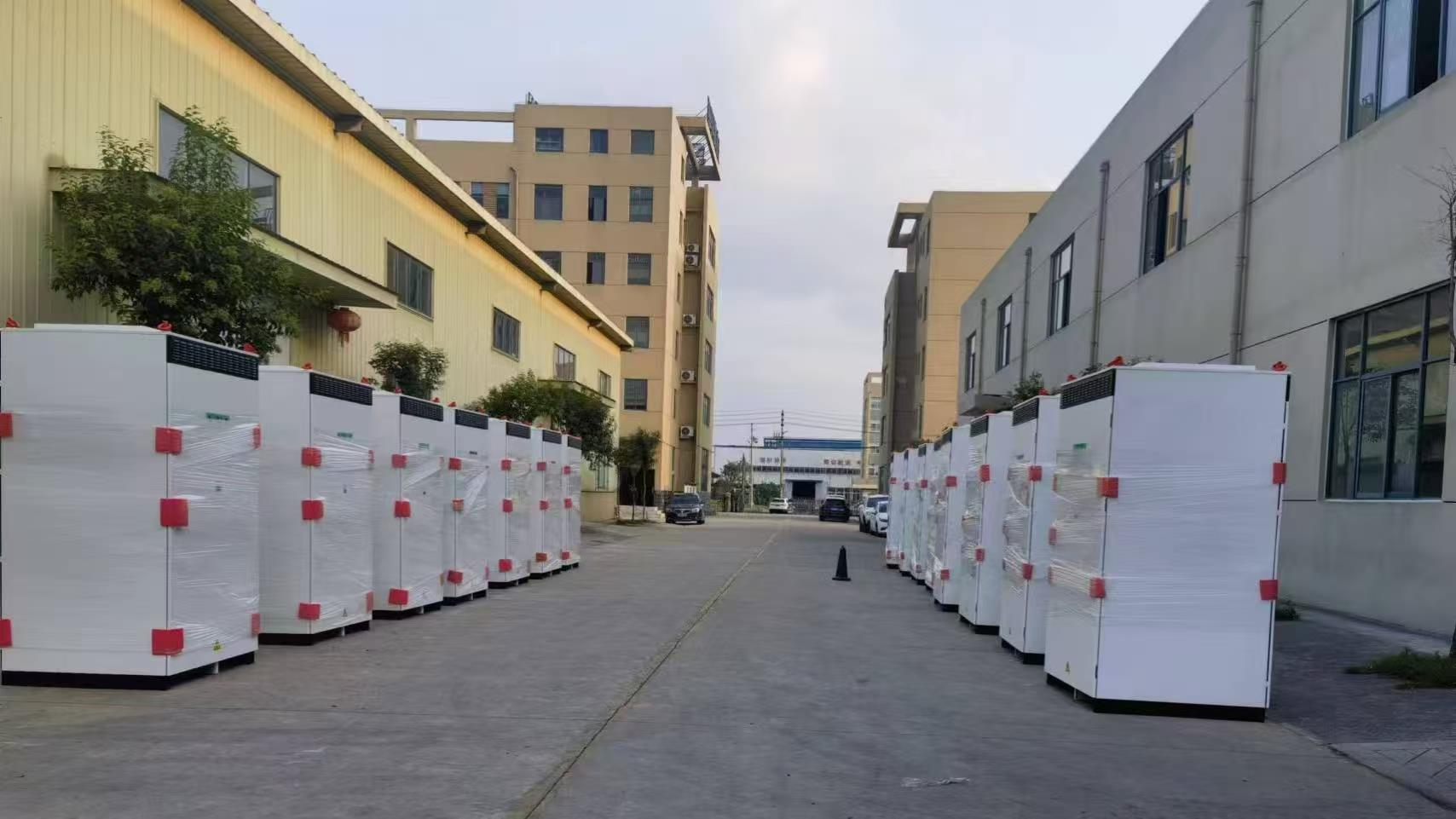
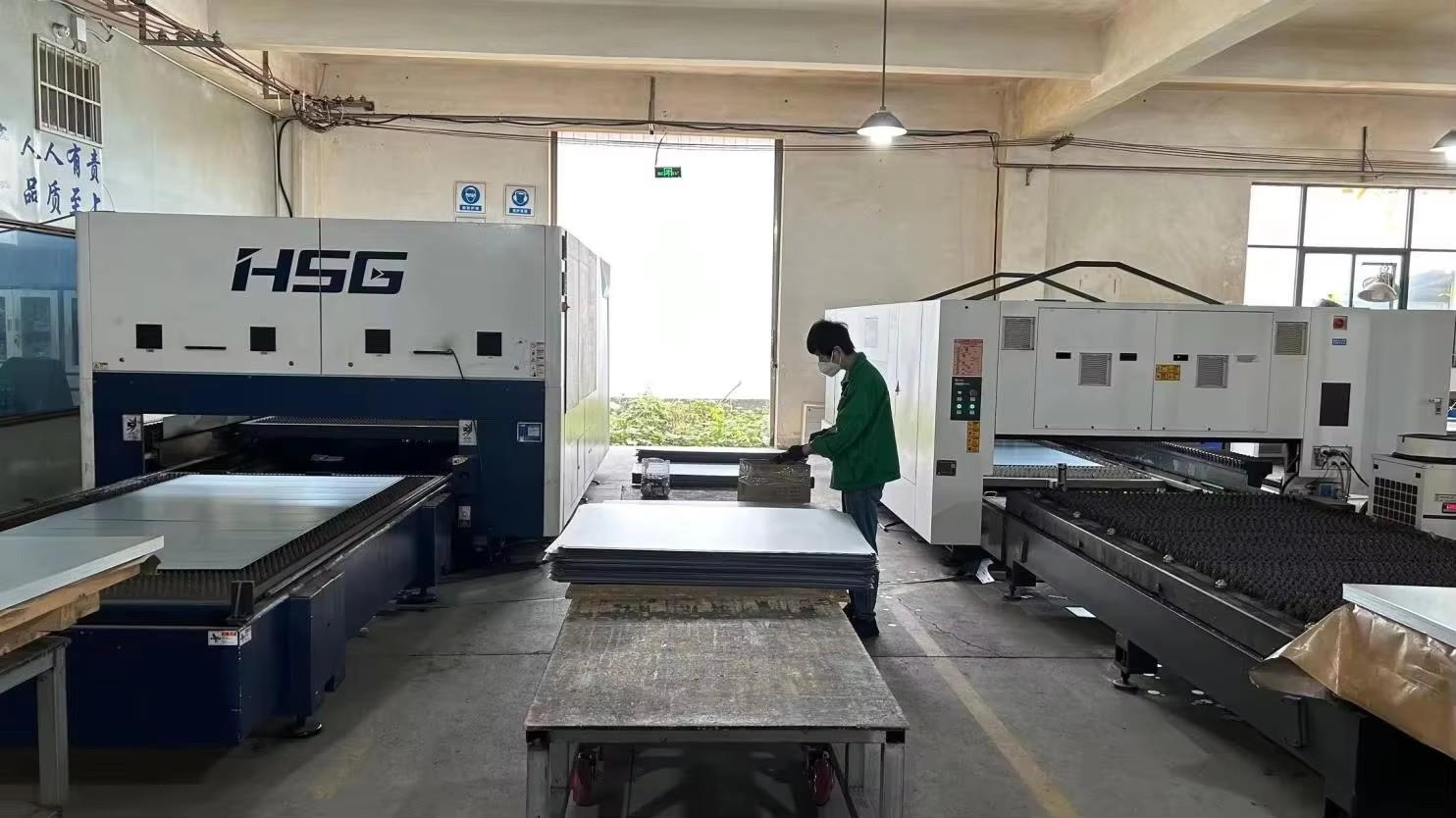
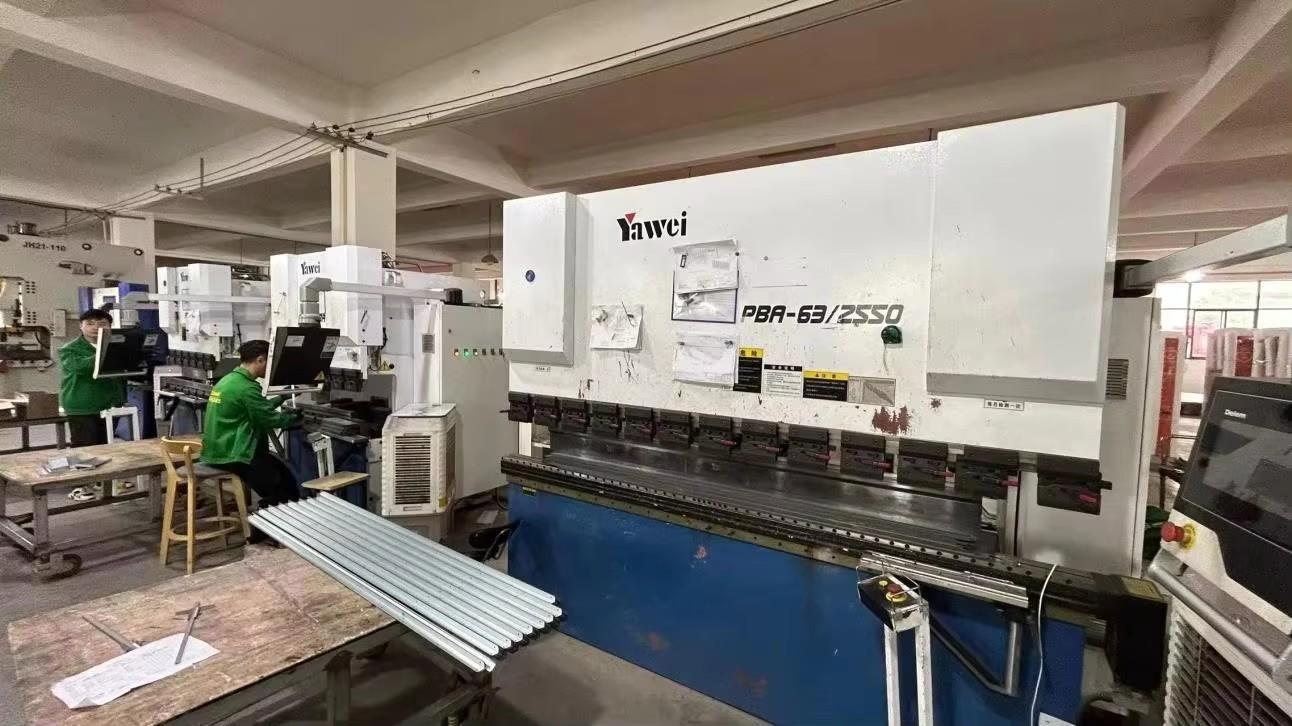
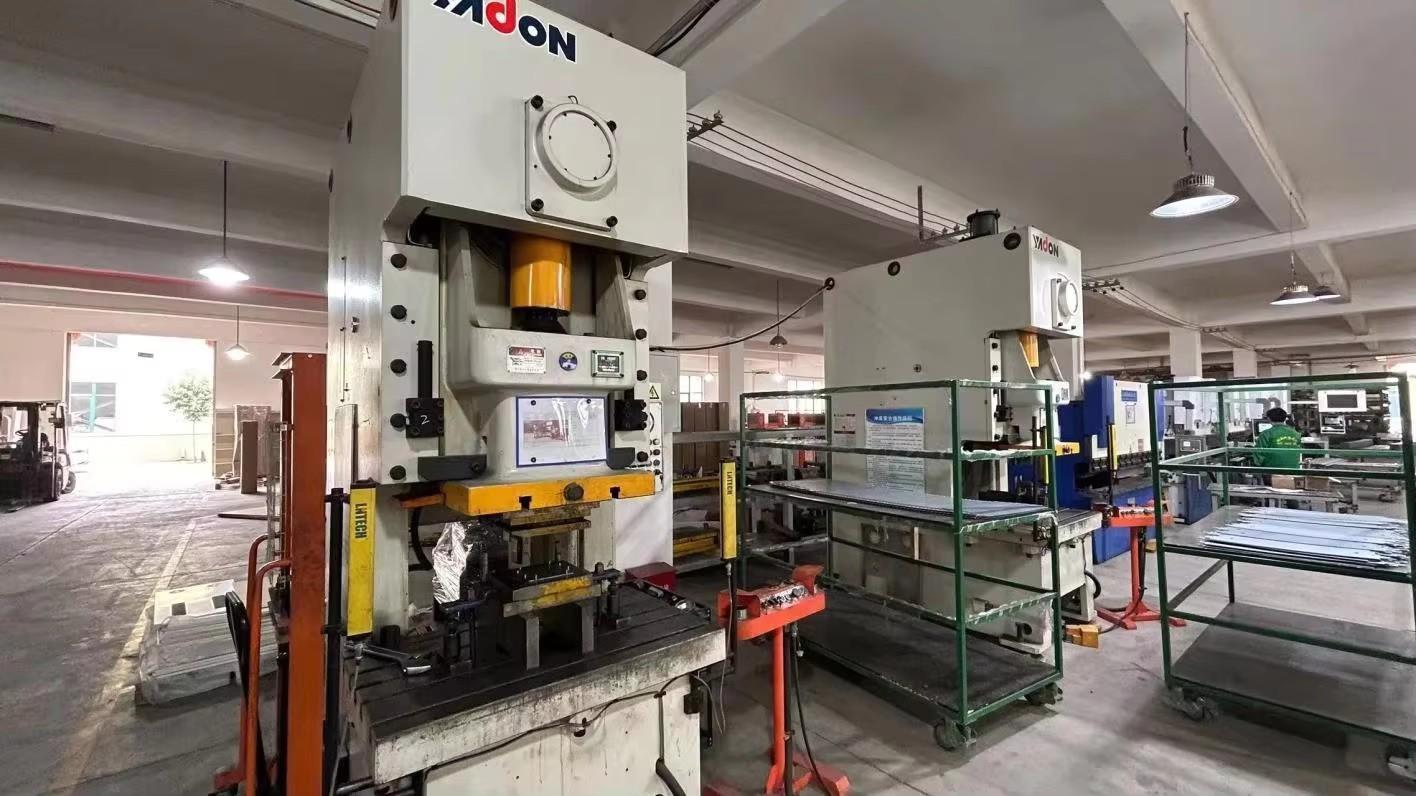
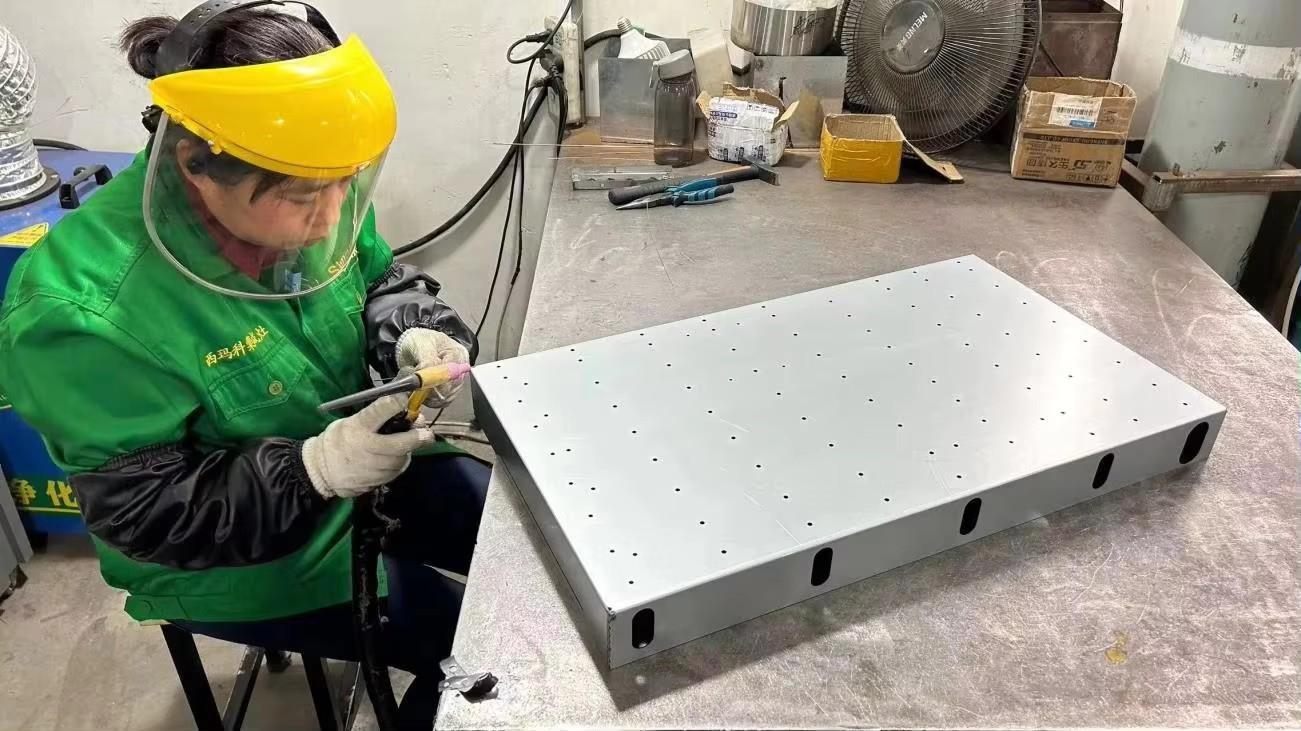
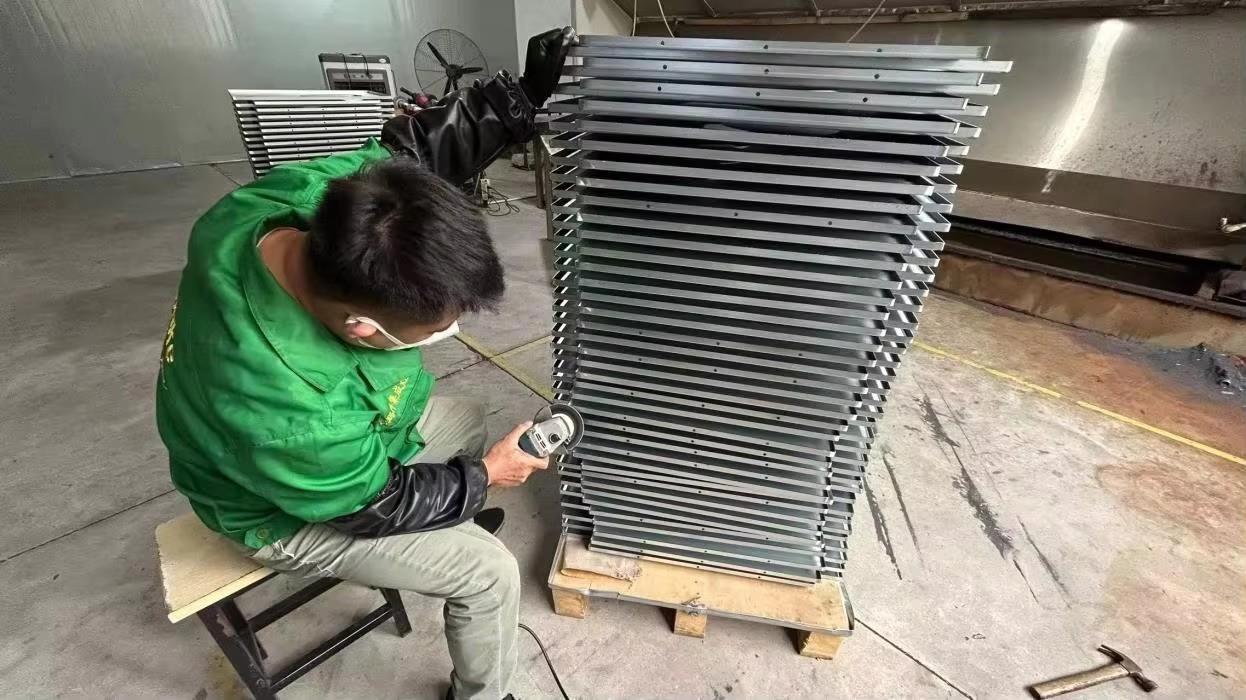
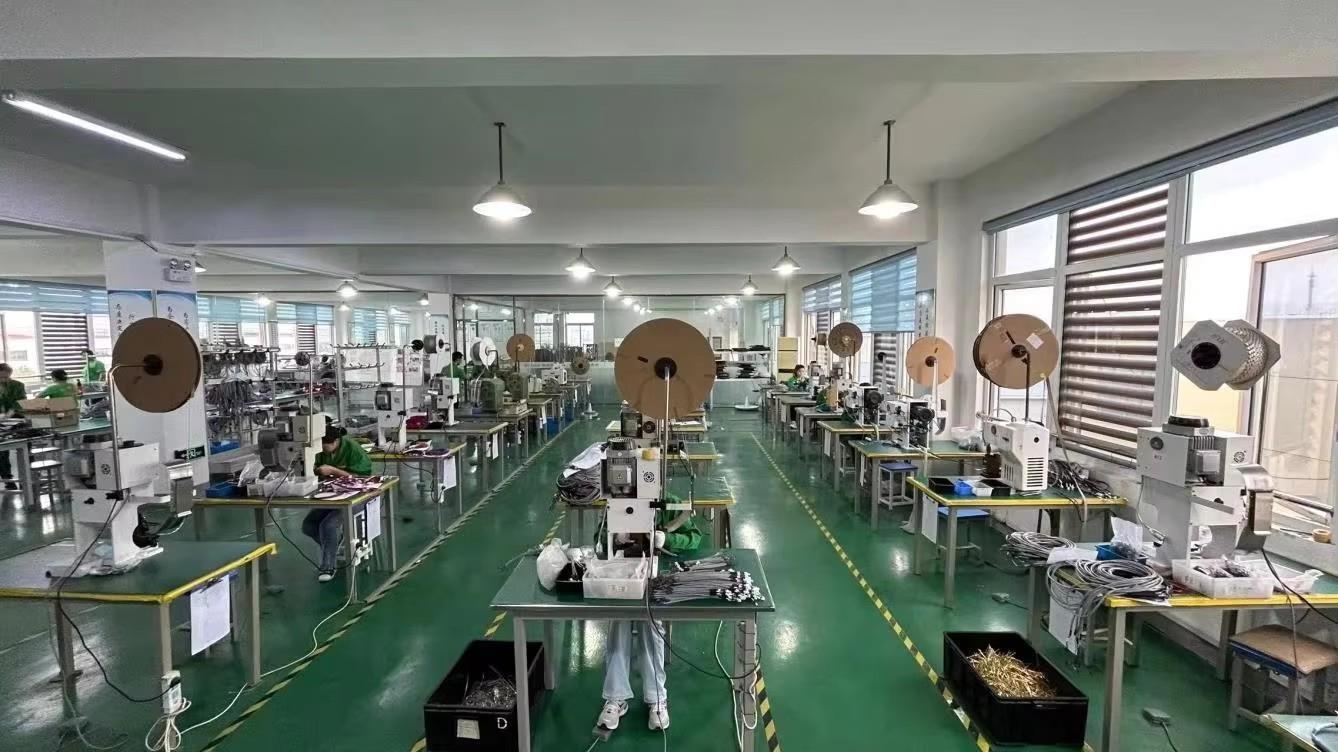
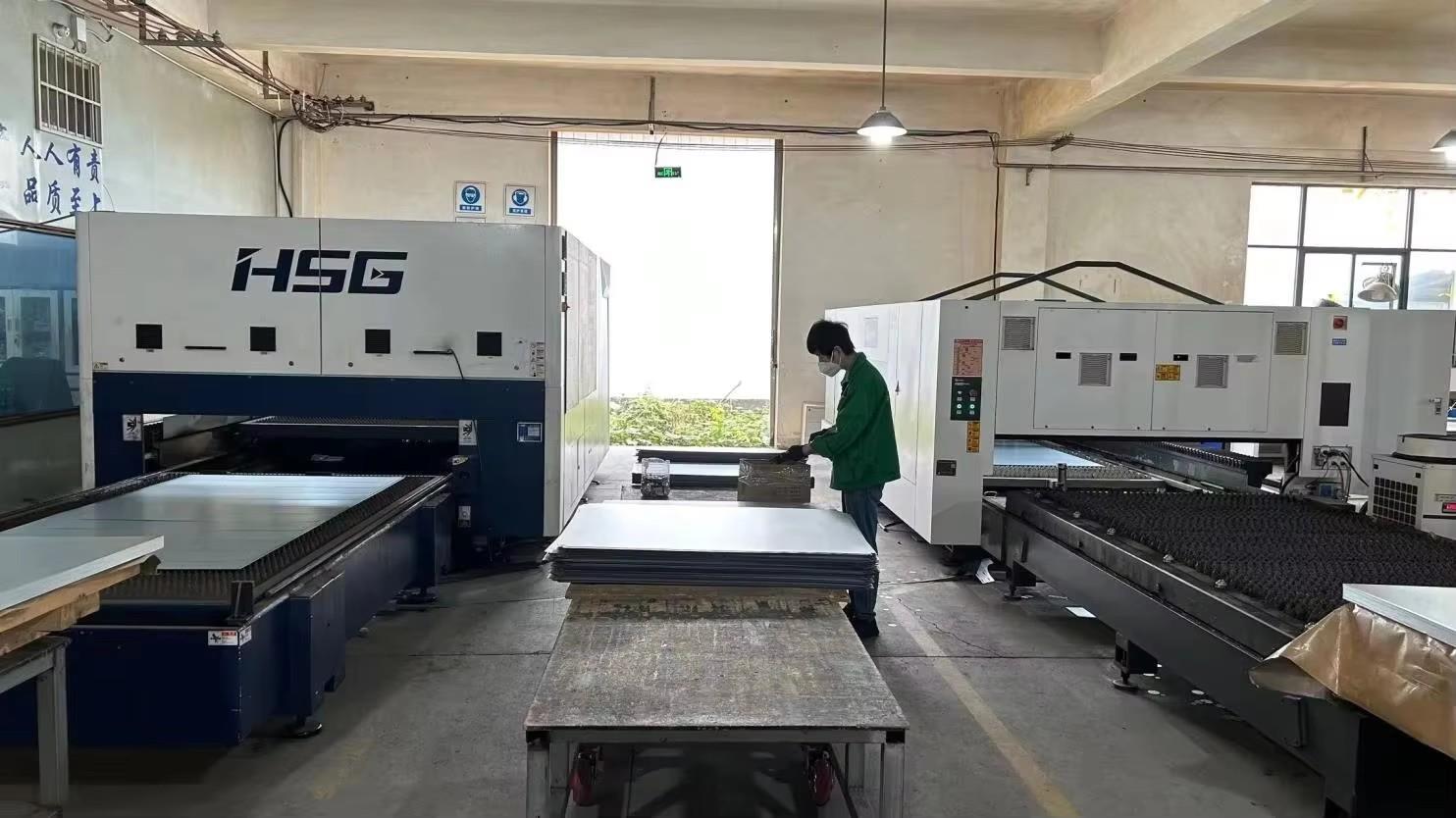
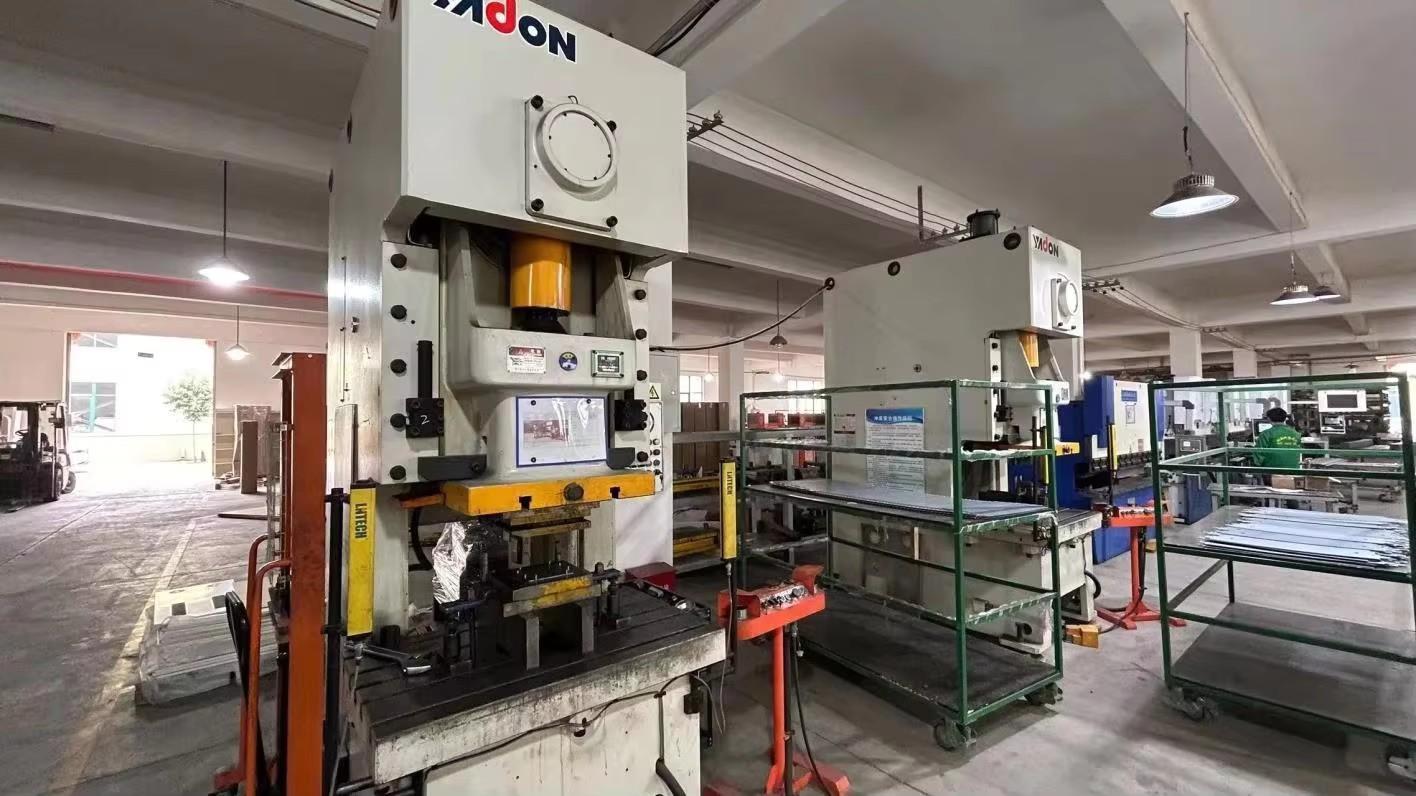
Operating from the industrial hub of Qingdao, Luzz Solar integrates raw materials sourcing, component assembly, and multi-stage testing into a single supply chain. This helps protect our operations from fluctuations in shipping and material costs.
By partnering directly with domestic component manufacturers and maintaining strategic buffer stocks of critical microprocessors, we guarantee stable lead times for projects across Pakistan.
Our hybrid solar inverters are fully certified under major international standards, including IEC 62109, IEC 61727, and EN 50549. They meet NEPRA's net metering requirements for grid-interactive installations.
Equipped with rapid shutdown protection, anti-islanding detection, and zero-export control modes, our systems prevent unwanted grid backfeed, helping operators avoid regulatory fines or equipment safety issues.
Explore our complete selection of hybrid and off-grid inverters. Each model can be customized to meet specific power and battery requirements.
Key technical and commercial answers for energy directors, engineers, and solar distributors in Pakistan.
 Luzz Solar