Luzz Solar
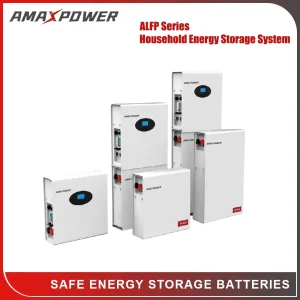
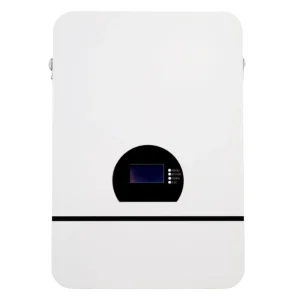
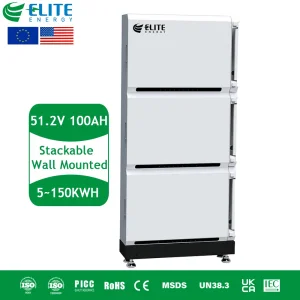
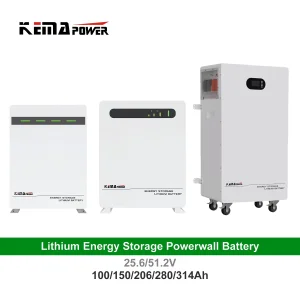
Executive Summary: Saudi Arabia’s Renewable Transition & Battery Storage
The Kingdom of Saudi Arabia (KSA) is undergoing a major energy transition. Driven by the ambitious goals of Saudi Vision 2030 and the Saudi Green Initiative (SGI), the country aims to generate 50% of its electricity from renewable sources by 2030. In this shifting landscape, decentralized energy storage has emerged as a key technology for grid stability. Among various options, wall-mounted lithium iron phosphate (LiFePO4) battery systems have become a standard choice for both residential micro-generation and commercial peak-shaving applications.
Due to the region's high ambient temperatures, which frequently exceed 50°C in the summer, traditional storage options like lead-acid and standard NMC lithium chemistries can face performance degradation and safety issues. Consequently, local engineering firms, real estate developers, and utility integrators are turning to high-temperature-resilient, smart-monitored LiFePO4 wall-mounted systems. These systems are designed to operate safely in hot desert environments while helping to reduce demand charges, manage peak loads from air conditioning, and provide reliable backup power.
Industrial & Commercial Landscape in Saudi Arabia
Historically, KSA relied on a centralized, oil-fueled power grid. Today, the country's utility structure is changing rapidly. The introduction of the Saudi Electricity Company's (SEC) net-billing framework for small-scale solar PV installations has made residential and commercial-industrial (C&I) energy storage systems (BESS) financially viable.
Industrial zones like those managed by MODON, alongside major projects like NEOM, the Red Sea Project, and Qiddiya, are using decentralized solar and storage setups. In these desert installations, wall-mounted batteries provide several practical benefits:
- Mitigating Air Conditioning Peak Demands: In Saudi Arabia, air conditioning accounts for up to 70% of residential electricity consumption during summer peak hours. Wall-mounted batteries help shift the energy load, storing solar power during the day and discharging it during high-tariff evening hours.
- Ensuring Power Reliability for Remote Industrial Sites: Telecom towers, remote oil-gas monitoring equipment, and desert agricultural pumps rely on standalone solar-plus-storage systems to avoid the high costs of diesel generator fuel and maintenance.
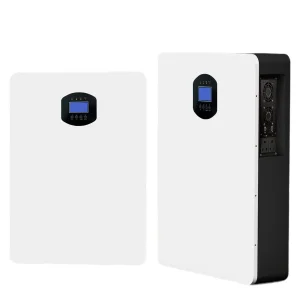
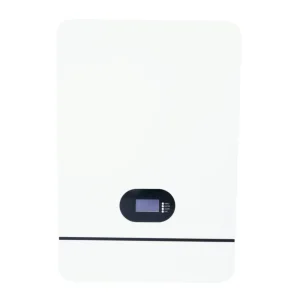
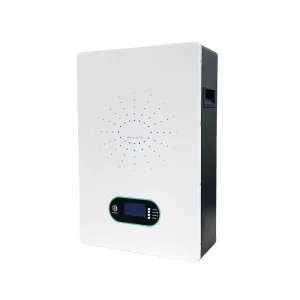
- Optimizing Space: The compact, wall-mounted design helps protect battery systems from ground-level sand accumulation, dust storms, and potential localized flooding, while keeping floor space free in utility rooms.
Focus on Vision 2030 Local Content (IKTVA)
As part of Saudi Arabia's localization programs, developers look for manufacturers that offer reliable global supply chains, clear technical documentation, and compliance with SASO standards to simplify the import and installation process.
Localized Application Scenarios in the Middle East
Operating energy storage systems in the Middle East requires addressing specific environmental challenges, particularly high temperatures and dust. Standard lithium chemistries can degrade quickly under these conditions. Our wall-mounted energy storage systems are built to meet these challenges through specific design features:
1. Off-Grid Hybrid Microgrids for Desert Farms
Many agricultural developments in regions like Al-Qassim rely on off-grid power. By pairing wall-mounted LiFePO4 batteries with solar PV arrays, operators can reduce their reliance on diesel generators, lowering operating costs and minimizing fuel transport logistics.
2. Residential Smart Home Integration in Riyadh & Jeddah
Modern urban residential projects are increasingly incorporating smart home energy management systems. Wall-mounted batteries, compatible with hybrid inverters, allow homeowners to store excess daytime solar energy, lower their utility bills under net-billing policies, and maintain backup power during occasional grid maintenance.
3. Commercial Edge and Telecom Backup Systems
Telecom companies operating across the Rub' al Khali (Empty Quarter) require reliable backup power systems. Compact, wall-mounted batteries with integrated smart BMS (Battery Management Systems) allow for remote monitoring of voltage, temperature, and state of charge (SoC) via RS485 or CAN communication buses, reducing the need for on-site maintenance.
Technical Specifications Comparison Matrix
Understanding the technical differences between various capacities is key to selecting the right system. Below is a comparison of standard configurations used in residential and commercial settings:
| Model Configuration | Nominal Capacity | Cell Chemistry | Max Charge/Discharge Current | Communication Interfaces | Target Applications |
|---|---|---|---|---|---|
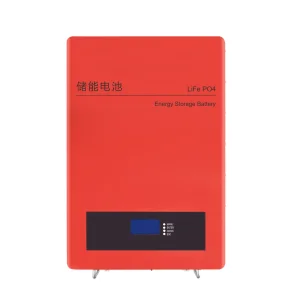
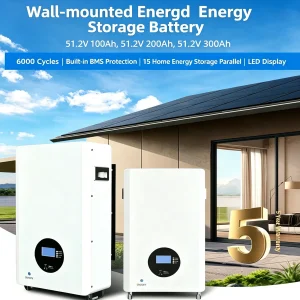
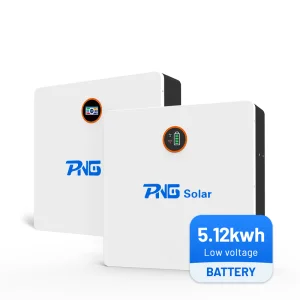
| 5.12 kWh Wall-Mounted | 51.2V 100Ah | LiFePO4 (LFP) | 100A | CAN, RS485, RS232 | Residential backup, small solar setups, telecom stations |
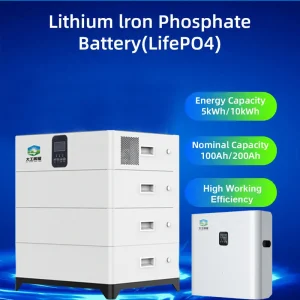
| 10.24 kWh Wall-Mounted | 51.2V 200Ah | LiFePO4 (LFP) | 100A / 150A | CAN, RS485, RS232 | Medium-sized homes, backup power for small businesses |
| 15.36 kWh High Capacity | 51.2V 300Ah | LiFePO4 (LFP) | 150A / 200A | CAN, RS485, Modbus | Larger residences, light commercial buildings, microgrids |
| Stackable Modular BESS | 5kWh to 30kWh+ | LiFePO4 (LFP) | Scalable Up to 200A | CAN, RS485, Ethernet | Scalable industrial backup, C&I peak shaving |
Technology Roadmap: Adapting to Desert Climates
Operating battery systems in extreme environments requires specialized engineering. Our development process focuses on several key areas to ensure reliability and performance in hot climates:
- Thermal Management Systems: We design our batteries with high-precision internal heat sinks, optimized airflow channels, and active thermal management options to help keep cell temperatures within their optimal operating range, even in high ambient heat.
- High-Temperature Grade LFP Cells: Our modules use premium lithium iron phosphate chemistry with high-purity electrolytes and specialized additives. These materials are chosen to resist thermal degradation and extend the battery's cycle life in hot conditions.
- Intelligent BMS Protections: The integrated Battery Management System provides real-time monitoring of cell-level temperature, voltage, and current. If the system detects abnormal heat, it automatically initiates safety cut-offs to prevent thermal runaway.
- Robust IP-Rated Enclosures: Dust and moisture ingress can cause electrical shorts and components to degrade. Our battery enclosures feature high ingress protection (IP54/IP65 ratings) to keep out fine desert dust and moisture.