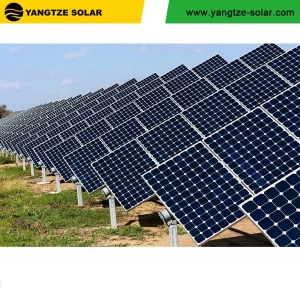
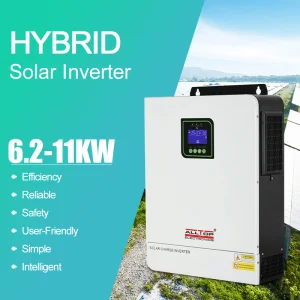
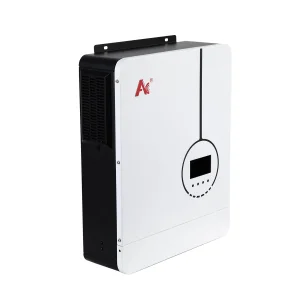
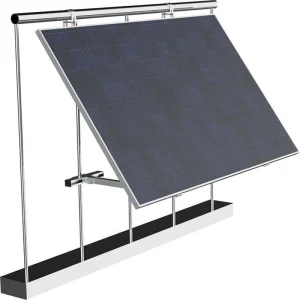
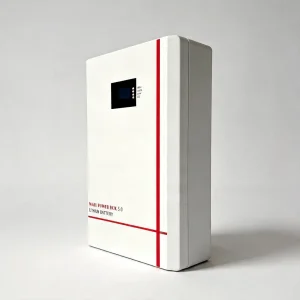
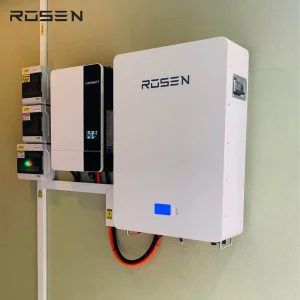
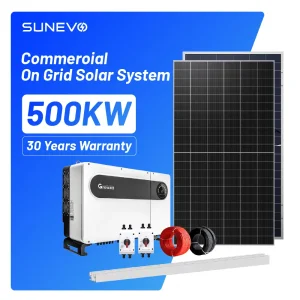
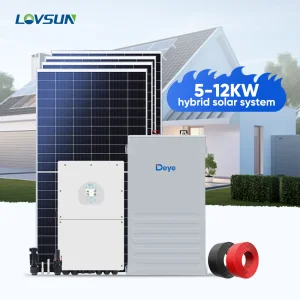
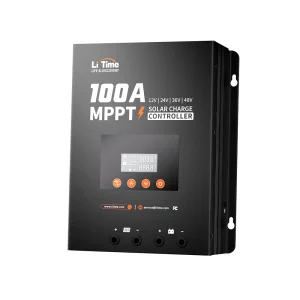
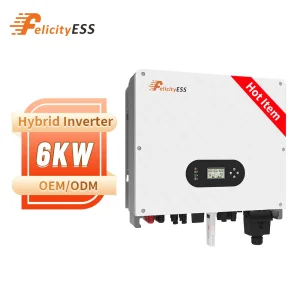
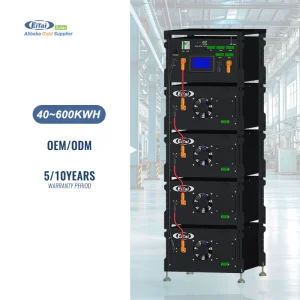
Discover our primary core-integrated PV distribution and storage configurations engineered for industrial reliability.
The global energy landscape is undergoing a paradigm shift, where conventional, rigid silicon panels no longer satisfy the spatial, structural, and aesthetic requirements of modern architectures. As a leading Custom OEM Flexible Solar Technology Manufacturer & Supplier, we bridges this technological gap by engineering bendable, low-weight, and highly adaptive photovoltaic modules built to thrive in conditions where rigid frameworks fail.
Flexible solar technology relies on depositing thin photo-reactive semiconductor layers onto specialized flexible substrates—such as high-performance polyimide (PI) or stainless steel foil. By utilizing advanced material compositions like Copper Indium Gallium Selenide (CIGS), ultra-thin Monocrystalline Silicon, or next-generation Perovskite structures, we manufacture cells that exhibit unparalleled mechanical endurance and high solar-to-electrical conversion efficiency.
Standard solar arrays exert substantial static loads (often exceeding 15kg/㎡ including mounting gear) onto building systems. This weight prevents installation on aging industrial rooftops, membranes, or transportation structures. Conversely, our flexible solar modules feature a weight profile of less than 2.5kg/㎡. They bond directly to the surface via custom-tailored industrial adhesives, entirely eliminating wind-lift dynamics and structural penetration requirements.
| Technology Class | Primary Substrate | Efficiency (Commercial) | Bending Performance | Degradation Profile (25 Yrs) | Optimal Use Cases |
|---|---|---|---|---|---|
| CIGS Thin-Film | Stainless Steel / PI Foil | 16.5% - 18.5% | Exceptional (High durability) | < 18.2% | Curved Facades, BIPV, Marine Decking |
| Ultra-Thin Mono-Si | Composite Polymer Backsheet | 21.0% - 23.5% | Moderate (Semi-flexible) | < 15.0% | RV Roofs, C&I Low-load Roof Membranes |
| Organic PV (OPV) | PET / Barrier Film | 8.0% - 12.0% | Maximum (Rollable) | < 35.0% | Smart Windows, Wearables, Portable IoT |
| Perovskite-Si Tandem | Flexible Conducting Glass/Foil | 22.0% - 25.0% (R&D stage) | High (Emerging technology) | Subject to encapsulation | Aerospace, UAV Wings, High-Yield Agrivoltaics |
Your Dedicated Manufacturing Partner in China for Global Renewable Infrastructure.
Qingdao Luzz Solar Co., Ltd. is a professional new energy enterprise specializing in the development, manufacturing, and global distribution of high-efficiency photovoltaic (PV) products and integrated energy storage solutions.
Located in the coastal logistics and manufacturing hub of Qingdao, China, the company benefits from a well-established renewable energy industrial base, advanced material supply chains, and highly optimized deep-water export corridors.
With the accelerating global transition toward carbon neutrality and sustainable development, Luzz Solar is committed to providing efficient, reliable, and cost-effective clean energy solutions to customers worldwide. Our product portfolio includes high-efficiency solar photovoltaic modules, energy storage systems, and integrated solar application solutions designed for residential, commercial, and utility-scale projects.
Driven by technological innovation and quality excellence, the company continuously invests in R&D and production optimization to improve product performance, energy conversion efficiency, and system reliability. We strictly adhere to international quality standards and implement rigorous quality control throughout the entire production process to ensure stable and long-term product performance.
Qingdao Luzz Solar actively expands its global market presence, with business coverage across Asia, Europe, the Middle East, Africa, and Latin America. Guided by the core values of integrity, innovation, cooperation, and sustainability, Luzz Solar strives to become a trusted global partner in the new energy industry, delivering tailored energy solutions that meet diverse regional needs and support the global energy transition.
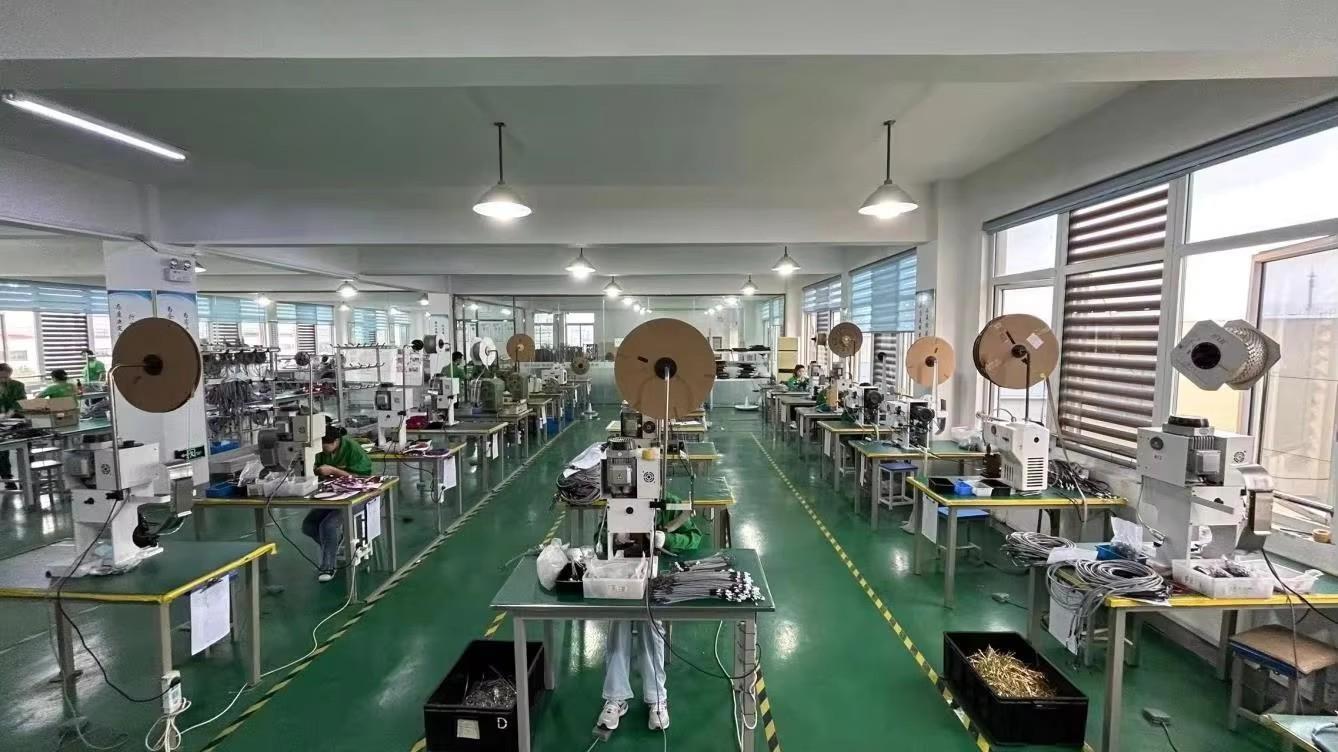
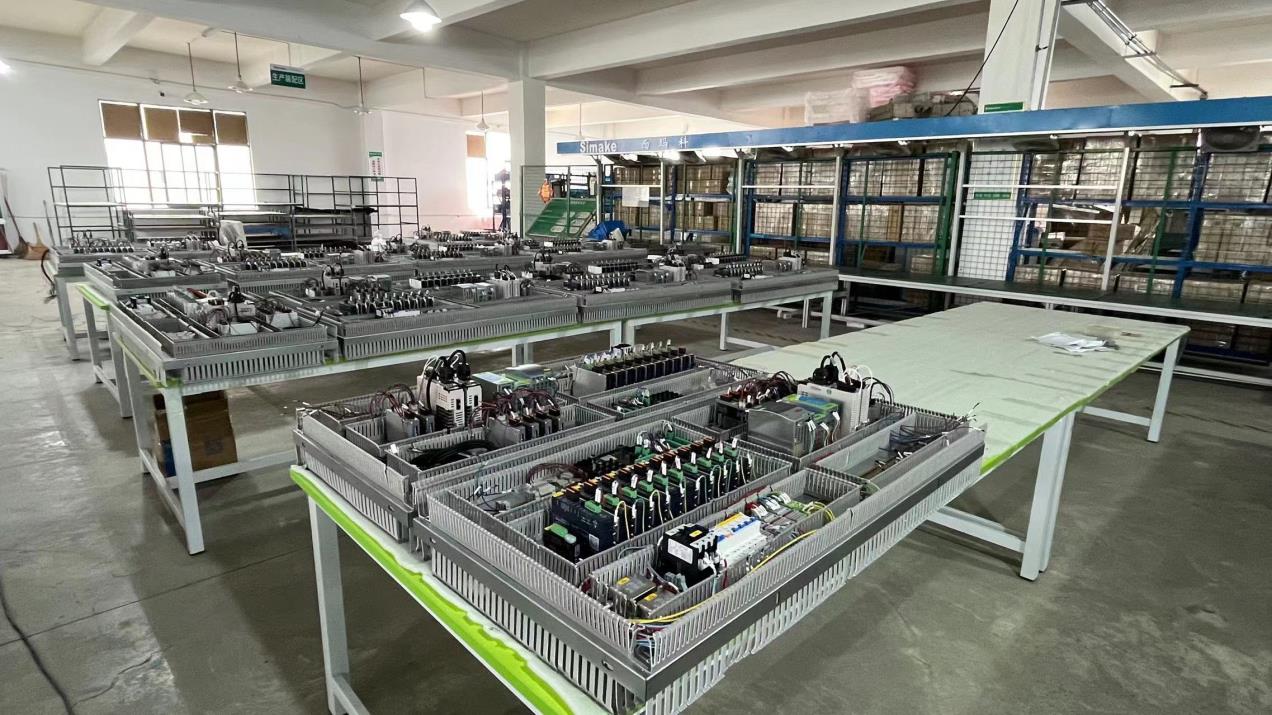
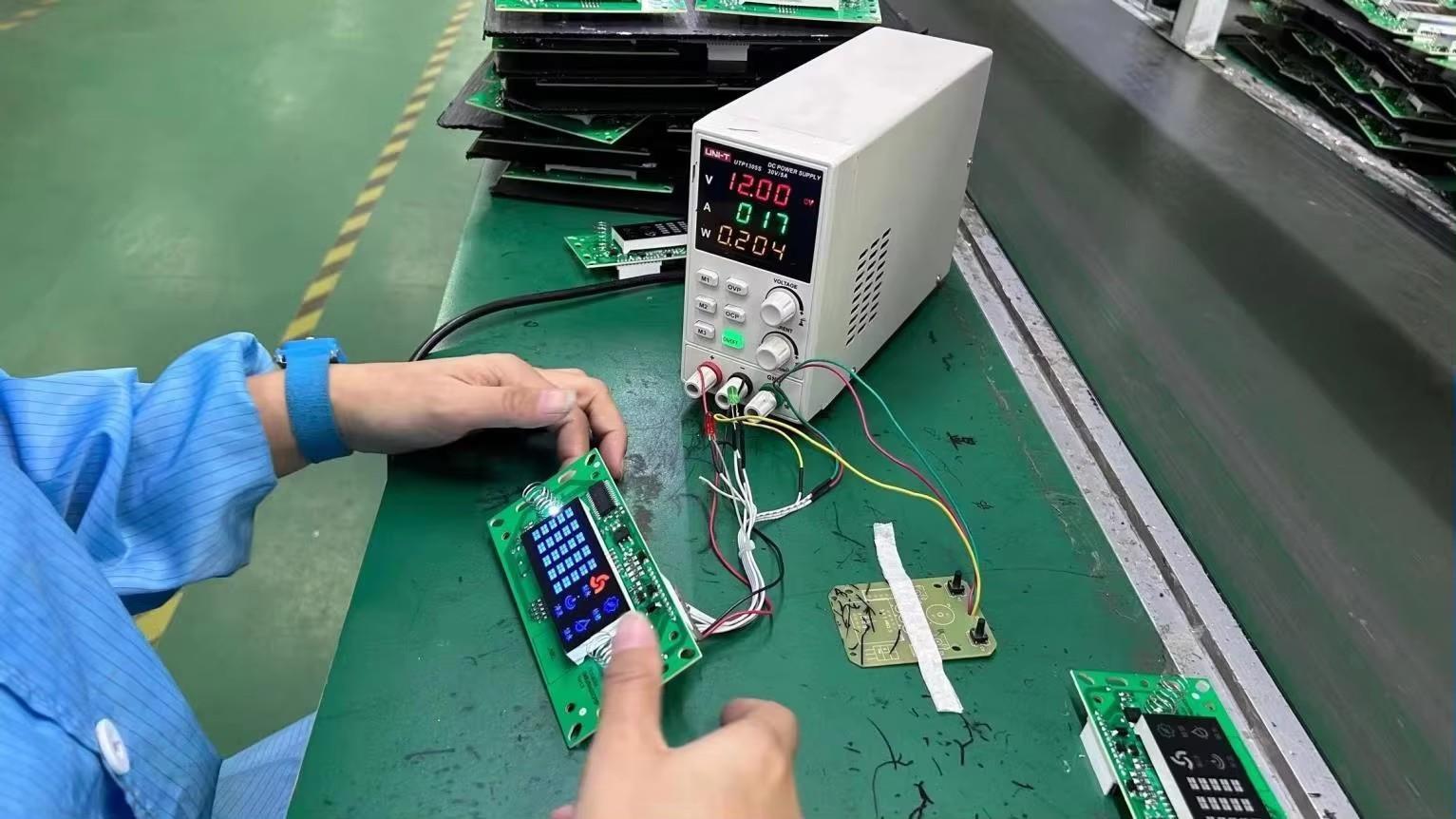
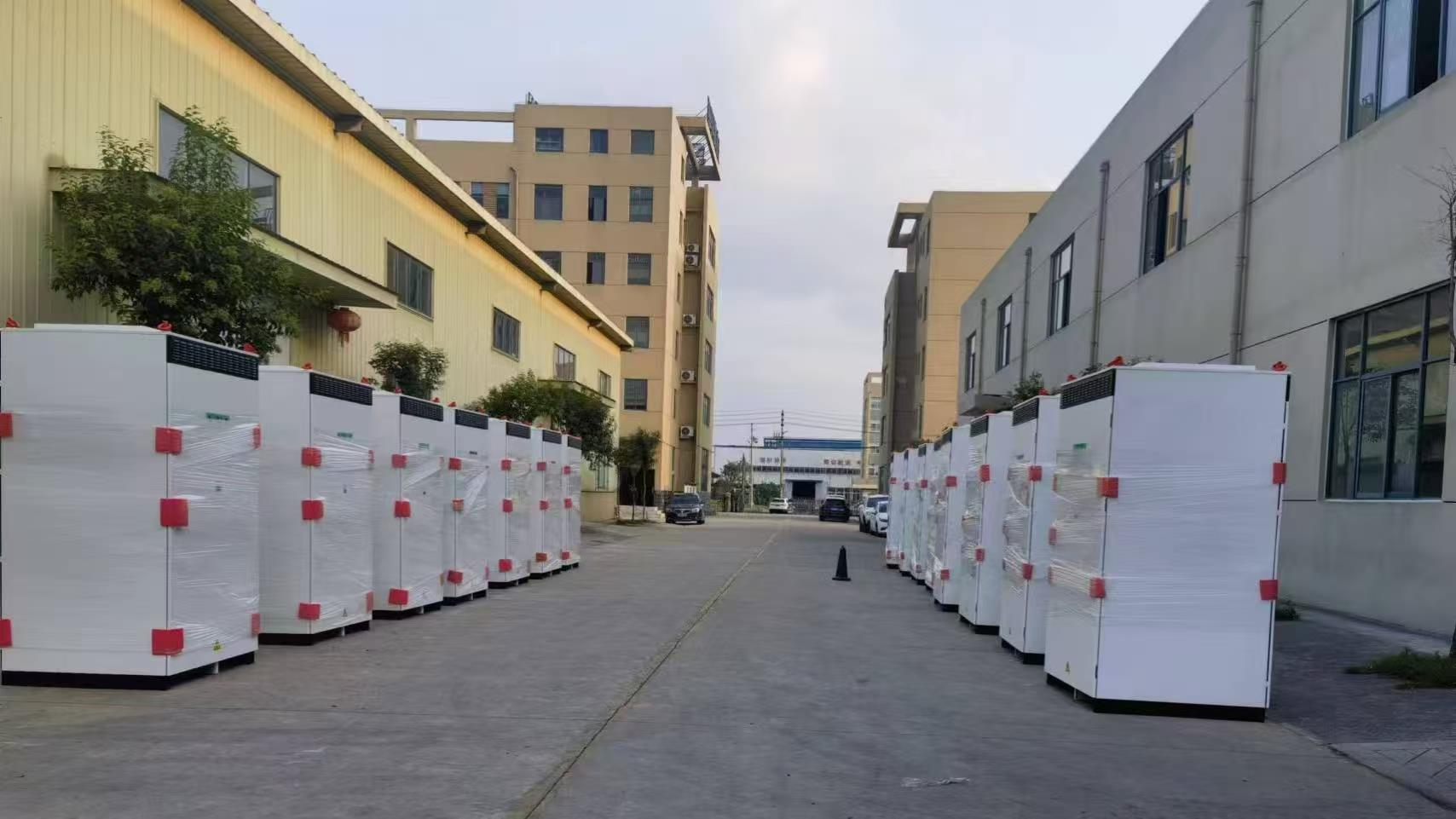
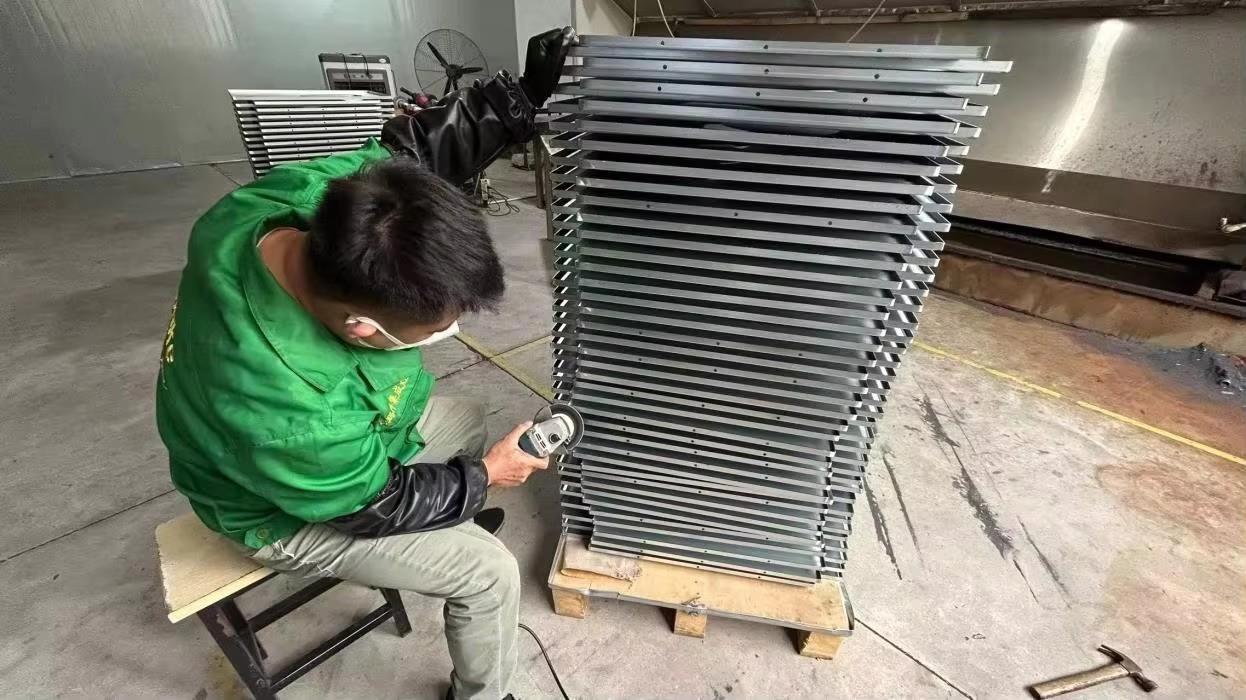
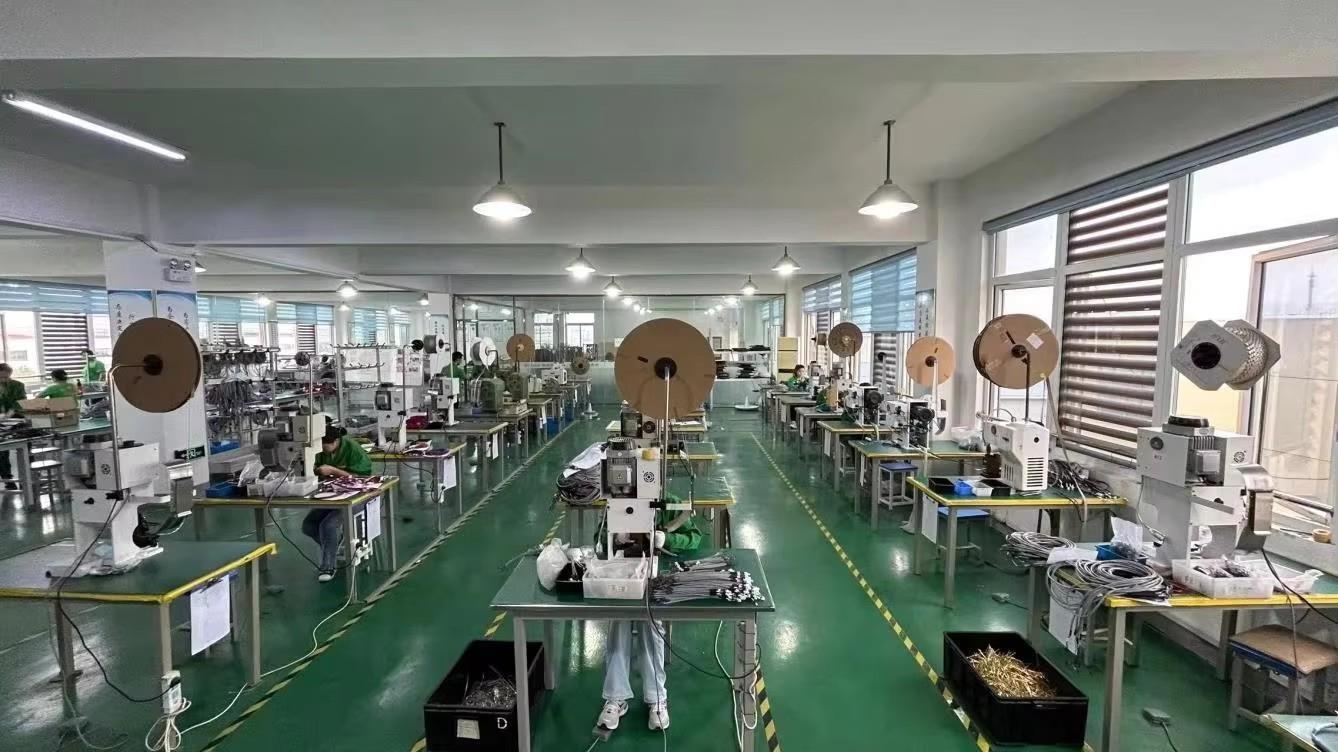
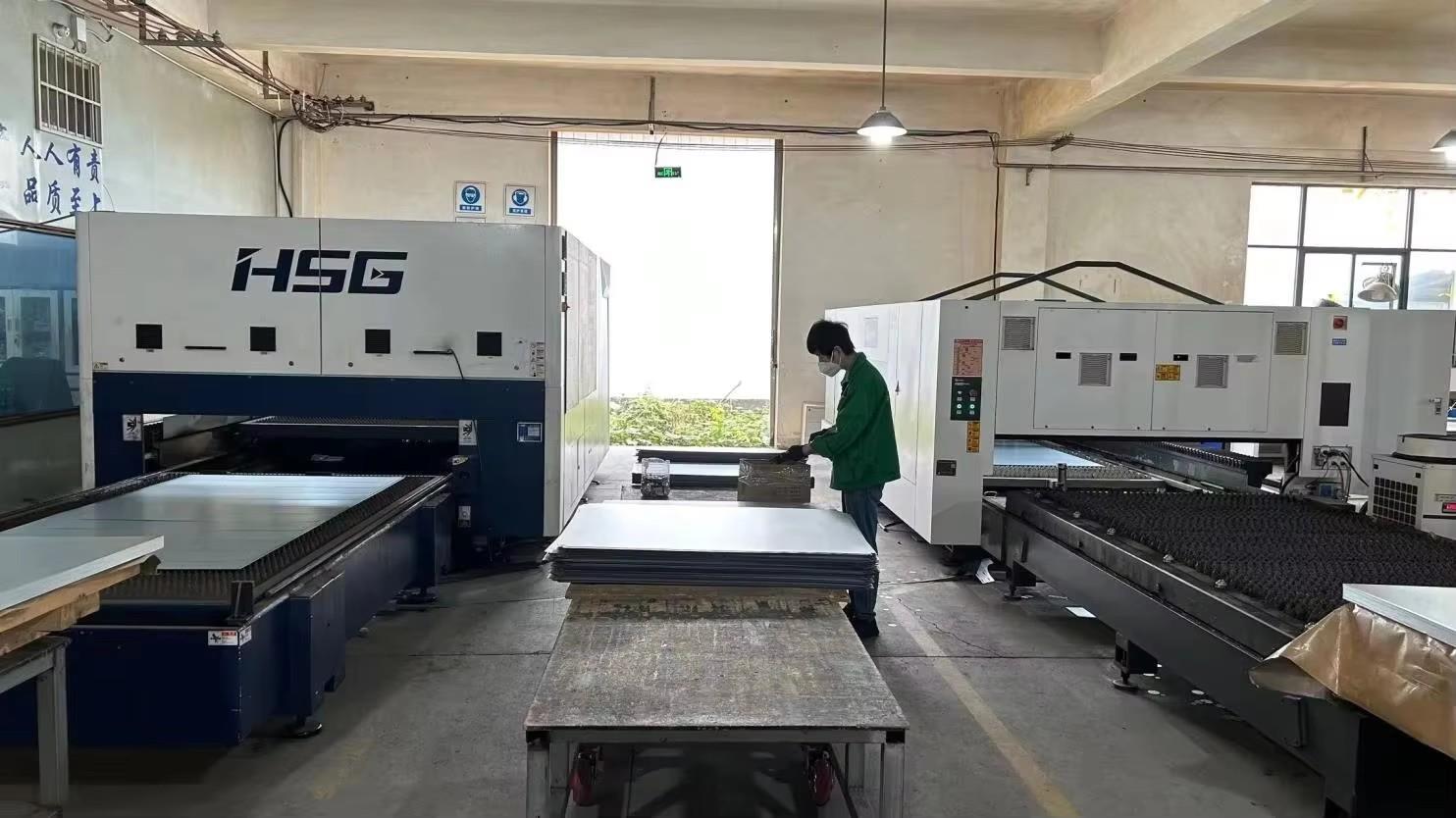
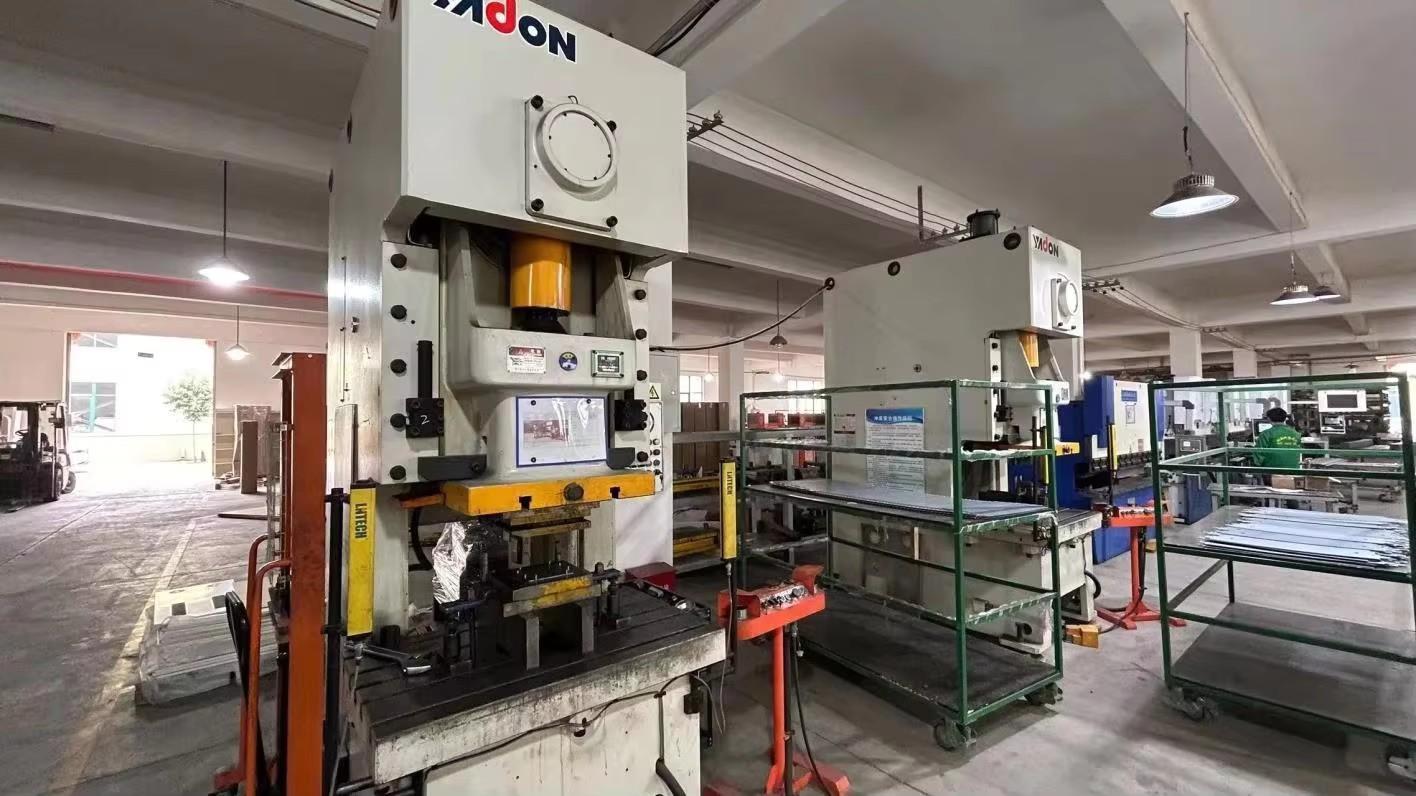
Every flexible solar panel and energy accessory undergoes strict manufacturing phases within our ISO-certified facilities. From precision cutting to multi-axis bending and high-frequency welding, here is our core assembly layout:
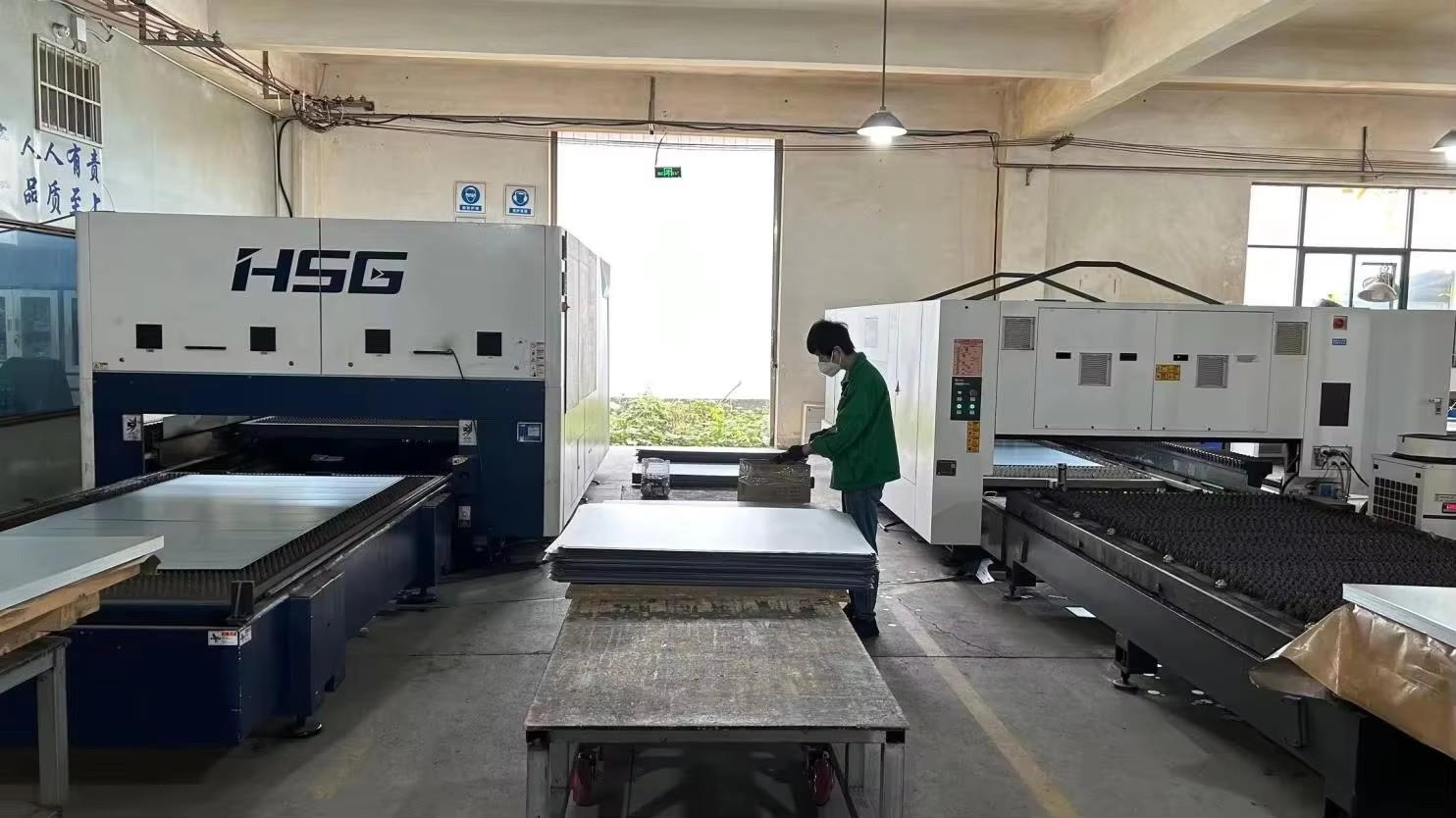
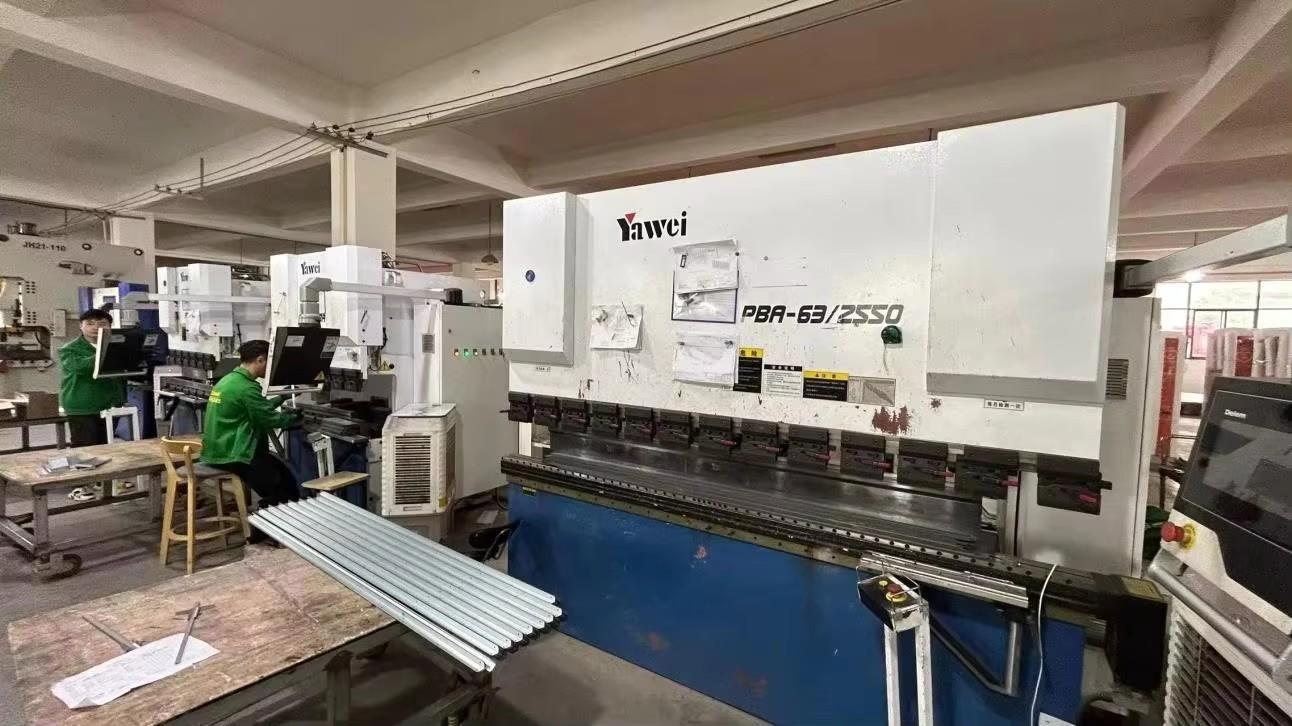
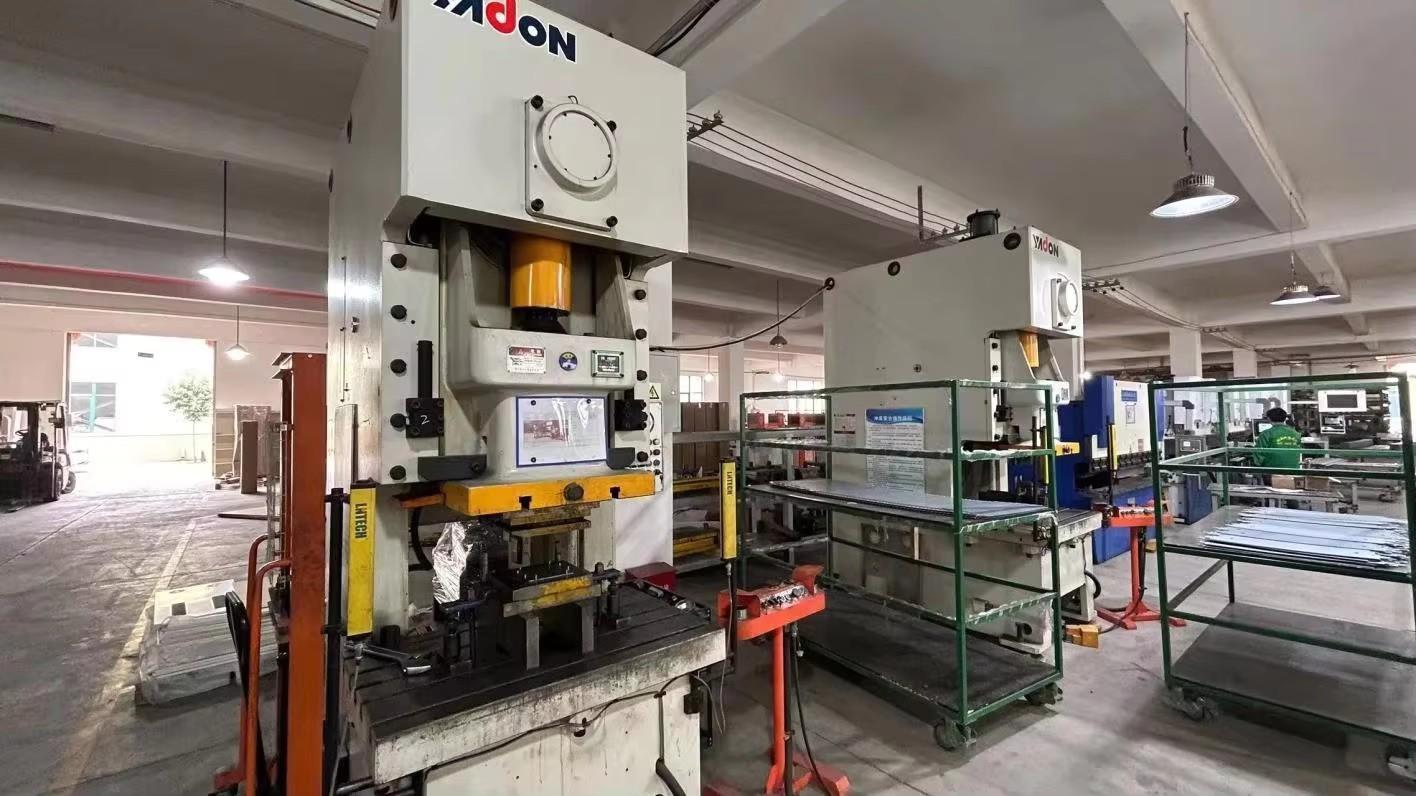
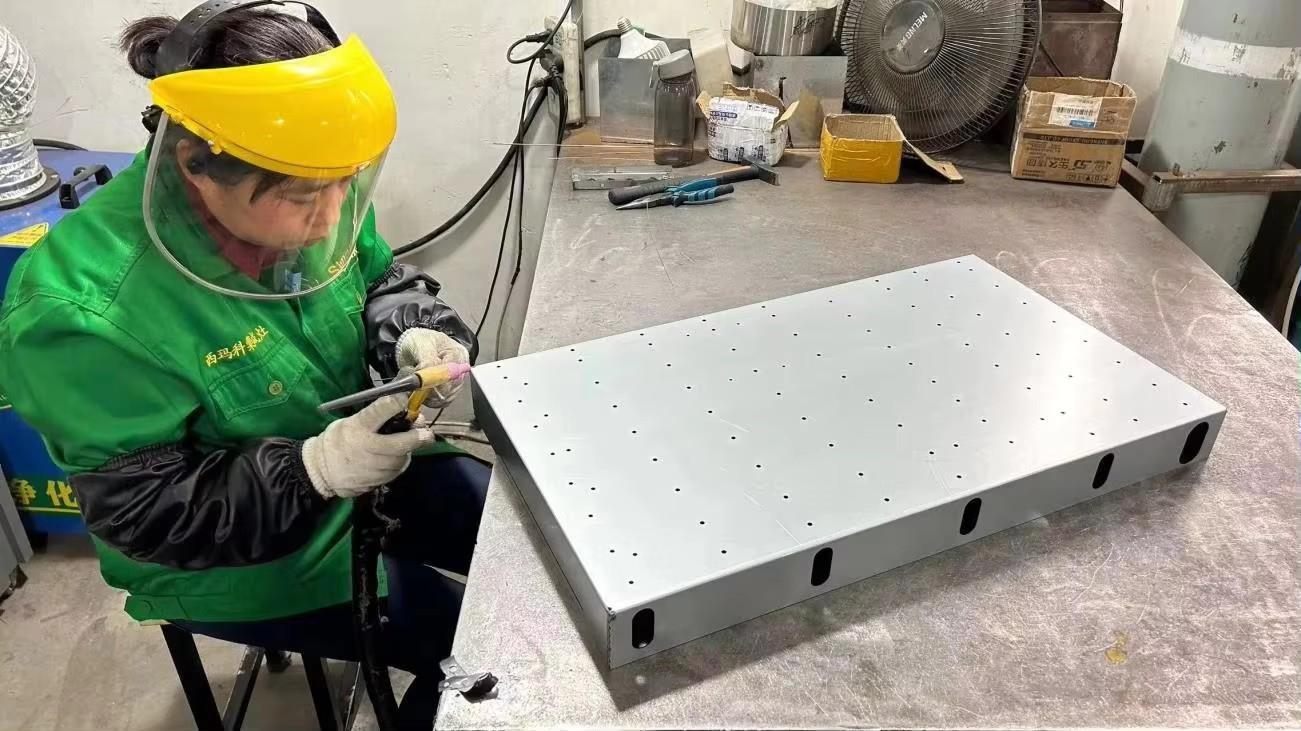
Analyzing the macro-economic and engineering demand driving thin-film flexible integration across continents.
The recast Energy Performance of Buildings Directive (EPBD) in the EU mandates that all new public and commercial buildings incorporate solar systems by 2026-2030. Since conventional retrofits demand heavy load verification, historical buildings and modern curved designs rely directly on adhesive flexible solar technology to bypass planning constraints and preserve structural integrity.
US and Canadian heavy shipping sectors are integrating Vehicle Integrated Photovoltaics (VIPV). Long-haul trailer roofs, auxiliary power units (APUs) in refrigerated transport, and military deployment tents require ultra-thin, low-aerodynamic-profile flexible modules to charge batteries, reduce diesel idling costs, and extend overall service ranges.
Densely populated Asian cities utilize urban retrofits on soundproof barriers, highway tunnels, and non-load-bearing factory corrugated roofs. Because our custom OEM modules bond directly to TPO, EPDM, or metal standing seams, installation speed is tripled compared to traditional rack systems, saving developers significant labor overheads.
Explaining raw material advancements, encapsulation techniques, and efficiency milestones leading up to 2030.
Our modules incorporate Ethylene Tetrafluoroethylene (ETFE) fluoropolymer protective coats. ETFE delivers 95%+ light transmission, high chemical resistance, and self-cleaning capabilities (dust washes off with rainfall). It features double the lifespan of cheaper PET or PVDF backings used by retail suppliers, minimizing yellowing and thermal stress failure.
Bending flexible cells generates micro-cracks in the internal semiconductor layers. To prevent loss of power, our OEM design implements Multi-Busbar (MBB) configurations. A tight mesh of micro-wires ensures alternate pathways for electrical current, maintaining 99.8% structural conductivity even under extreme continuous flexing cycles.
By layering high-bandgap Perovskite directly onto flexible monocrystalline thin silicon, we are developing cells projected to break the 26% commercial efficiency barrier. This research focuses on maintaining mechanical integrity under continuous wind shear and thermal fluctuation while maintaining high efficiency profiles.
From structural integration to off-grid off-shore backup grids, we customize each system to your unique engineering requirement.
Our solutions integrate cleanly into flat, curved, or vertical architectural surfaces. Utilizing non-reflective ETFE surface treatments, these modules conform to structural curvatures of modern facades, maximizing energy harvesting without causing glare hazards to surrounding areas.
Traditional solar systems suffer rapid degradation in saltwater environments. We optimize our marine-grade flexible modules with hermetically sealed polymer edges and waterproof junction boxes (IP67/IP68 rating), making them perfect for boat decks, luxury yachts, and offshore buoys.
We supply custom-dimensioned PV films designed for transit applications. Re-charging telemetry, tail lifts, and climate systems in heavy logistics trucks, commercial delivery vans, and RVs reduces alternator strain, saving fuel and prolonging main engine lifetimes.
Direct answers regarding flexible solar technologies, OEM capabilities, and deployment mechanisms.
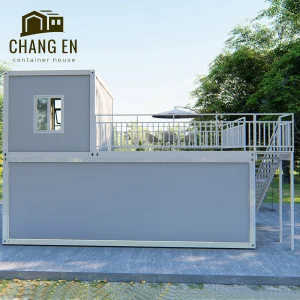
Integrate your system with our factory-tested storage units, micro-grids, and modular structures.
 Luzz Solar