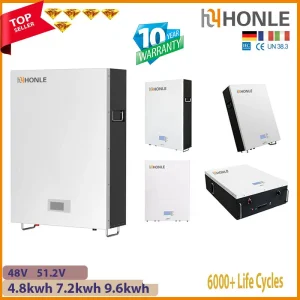
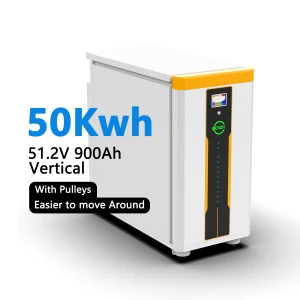
Premium energy storage technology engineered for residential configurations, light industrial microgrids, and heavy machinery interfaces.
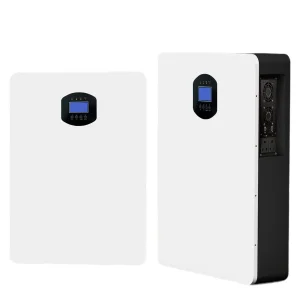
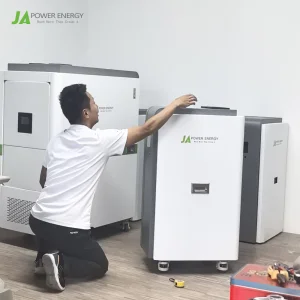
Modern global conglomerates are facing unprecedented pressure to decarbonize operations while maintaining grid resilience. Escalating peak-load tariffs, geopolitical grid disruptions, and ambitious corporate Environmental, Social, and Governance (ESG) mandates are driving companies away from simple grid reliance toward decentralized, smart energy topologies.
To successfully integrate sustainable solutions, developers and EPC contractors require highly adaptable OEM/ODM partners capable of delivering custom-configured systems. This involves tailoring lithium iron phosphate (LiFePO4) chemistries, dual active-balancing Battery Management Systems (BMS), and hybrid conversion architectures to match local grid parameters and specific load behaviors.
Reduces high Demand Charges by discharging localized stored energy during peak grid hours, significantly lowering operating expenses.
Ensures continuous industrial automation operations during main grid blackouts with millisecond-level transfer times.
A technical overview of the electronic controls, safety interfaces, and cell layouts that define modern, heavy-duty industrial ESS configurations.
Unlike passive balancing systems that bleed off excess energy as heat, our advanced Active Balancing BMS transfers charge dynamically from higher-capacity cells to lower-capacity cells. This maximizes usable capacity, increases system longevity by up to 15%, and prevents localized thermal hotspots.
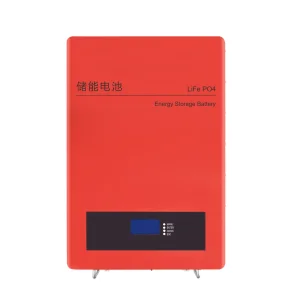
Engineered with electrical, mechanical, and thermal protection barriers. Features physical cell isolation, rapid-acting pyrofuses, and integrated aerosol-based fire suppression systems. This design meets safety standards like UL 9540A to mitigate thermal runaway risks.
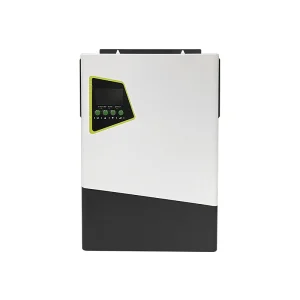
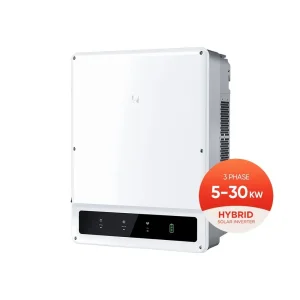
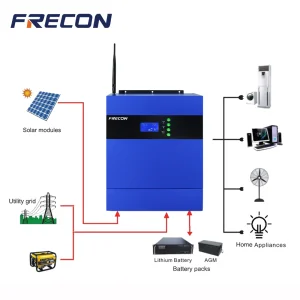
Integrates multi-input MPPT tracking with high-efficiency bidirectionality. Allows simultaneous inputs from utility grids, photovoltaic arrays, and local generator sets. This architecture provides seamless system control and optimizes energy usage based on current costs.
An established global manufacturer specializing in new energy systems, photovoltaic modules, and integrated energy storage technologies.
Qingdao Luzz Solar Co., Ltd. is a professional new energy enterprise specializing in the development, manufacturing, and global distribution of photovoltaic (PV) products and integrated energy storage solutions. Located in Qingdao, China, the company benefits from a well-established renewable energy industrial base and advanced manufacturing capabilities.
With the accelerating global transition toward carbon neutrality and sustainable development, Luzz Solar is committed to providing efficient, reliable, and cost-effective clean energy solutions to customers worldwide. Our product portfolio includes high-efficiency solar photovoltaic modules, energy storage systems, and integrated solar application solutions designed for residential, commercial, and utility-scale projects.
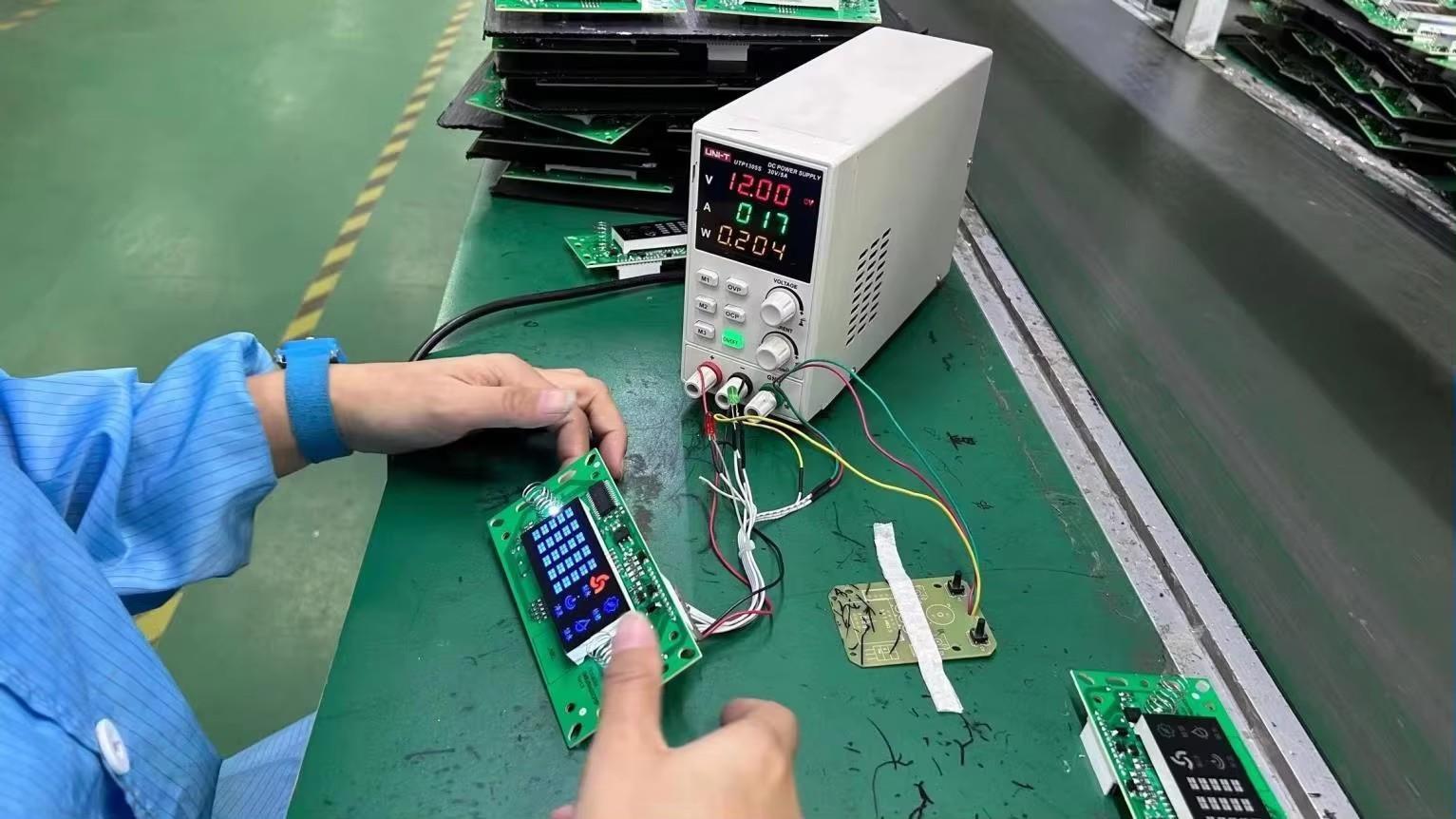
Driven by technological innovation and quality excellence, the company continuously invests in R&D and production optimization to improve product performance, energy conversion efficiency, and system reliability. We strictly adhere to international quality standards and implement rigorous quality control throughout the entire production process to ensure stable and long-term product performance.
Qingdao Luzz Solar actively expands its global market presence, with business coverage across Asia, Europe, the Middle East, Africa, and Latin America. By working closely with international partners, we are committed to delivering tailored energy solutions that meet diverse regional needs and support the global energy transition. Guided by the core values of integrity, innovation, cooperation, and sustainability, Luzz Solar strives to become a trusted global partner in the new energy industry. We are dedicated to advancing solar technology and contributing to a greener, more sustainable future.
The next phase of industrial energy storage depends on increasing energy densities and developing deeper grid-forming software. While current lithium-iron-phosphate (LiFePO4) chemistries provide safety and long cycle life, we are testing solid-state electrolyte interfaces to further reduce risks of thermal runaway.
Additionally, virtual power plant (VPP) integration is becoming standard. By incorporating real-time telemetry protocols directly into the system BMS, industrial facilities can coordinate their stored capacity, participating in grid balancing markets and generating new revenue streams.
Onboard processors monitor cell impedance and electrochemical patterns, predicting cell anomalies up to 48 hours before they affect system efficiency.
Choosing the correct topology is critical for maximizing Return on Investment (ROI) and meeting site reliability requirements.
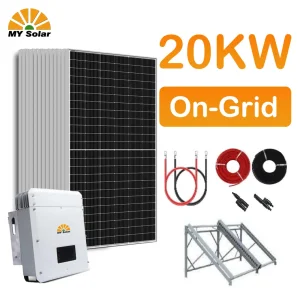
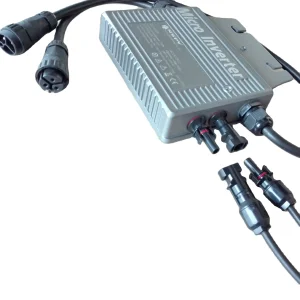
Designed to run in parallel with the utility grid, grid-tied setups prioritize localized solar consumption and peak demand reduction. High-frequency dual-MPPT microinverters optimize energy yield across complex roof surfaces, while commercial string inverters manage larger utility connections.
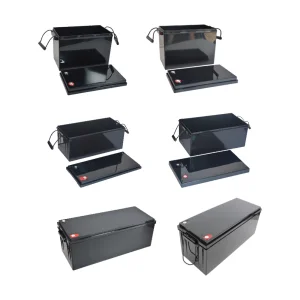
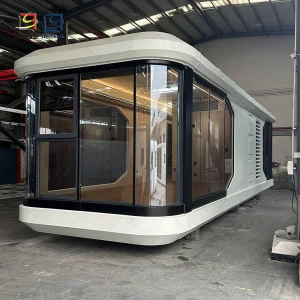
Engineered to build and maintain a local voltage grid independent of the main utility. These configurations rely on high-capacity LiFePO4 battery banks (such as 30kWh to 50kWh units) paired with grid-forming inverters. They are ideal for remote industrial sites, agricultural machinery, and mobile housing applications.
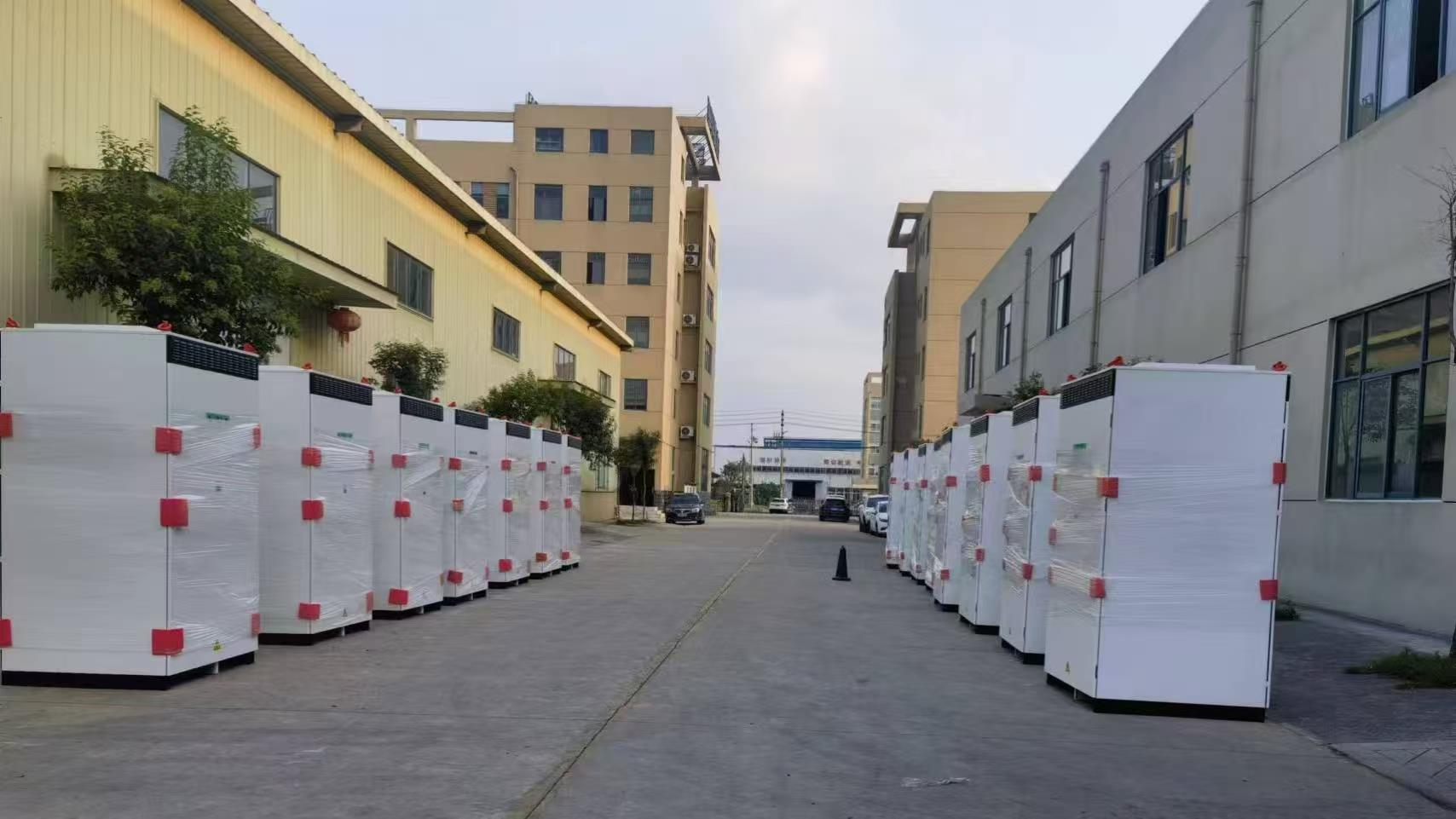
Exporting advanced battery chemistry requires compliance with complex shipping regulations and electrical codes. All Luzz Solar OEM/ODM systems are built using components certified to international standards. This speeds up project sign-offs for developers and EPC contractors in different markets.
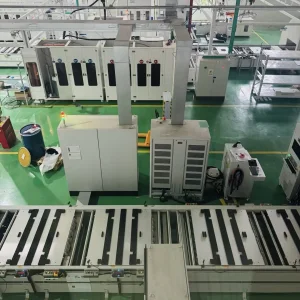
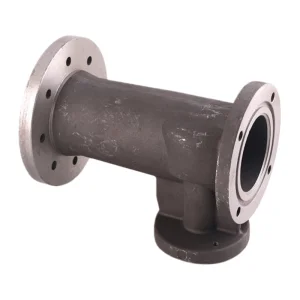
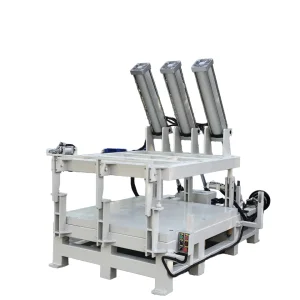
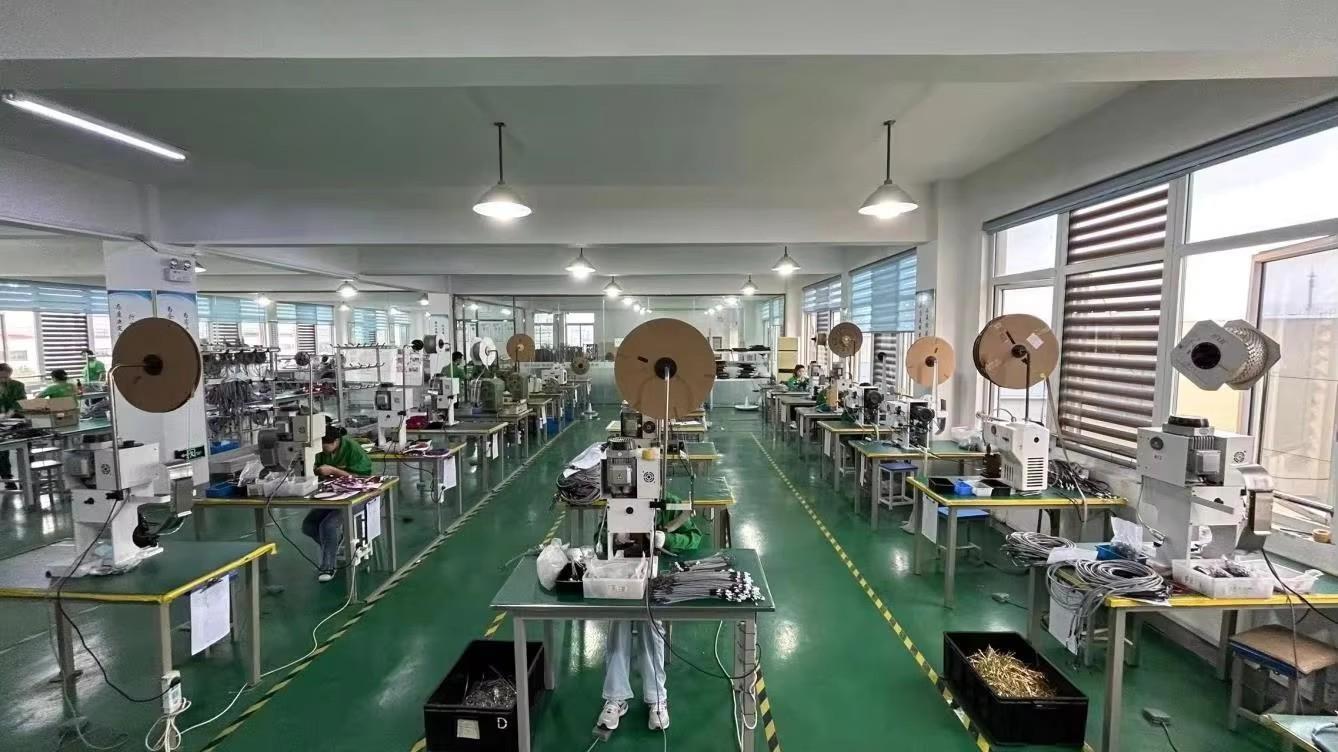
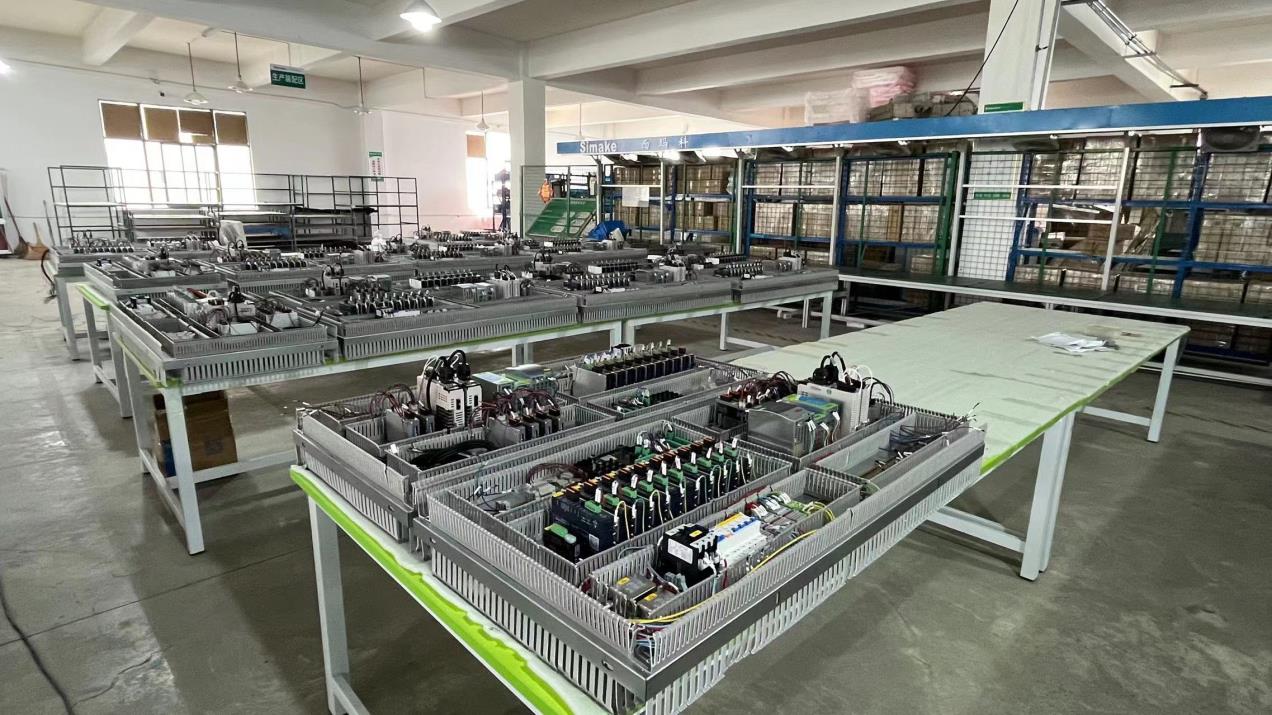
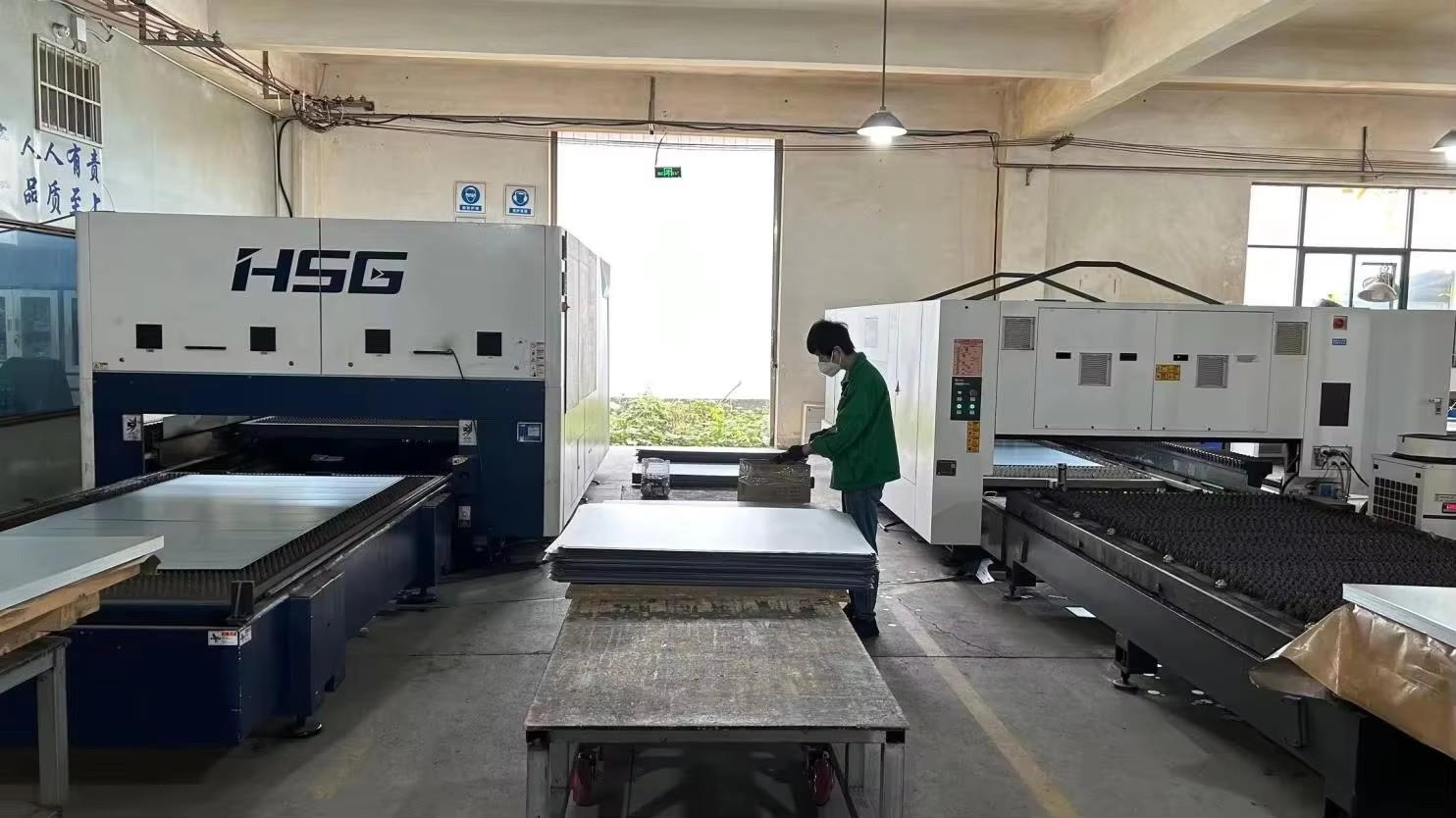
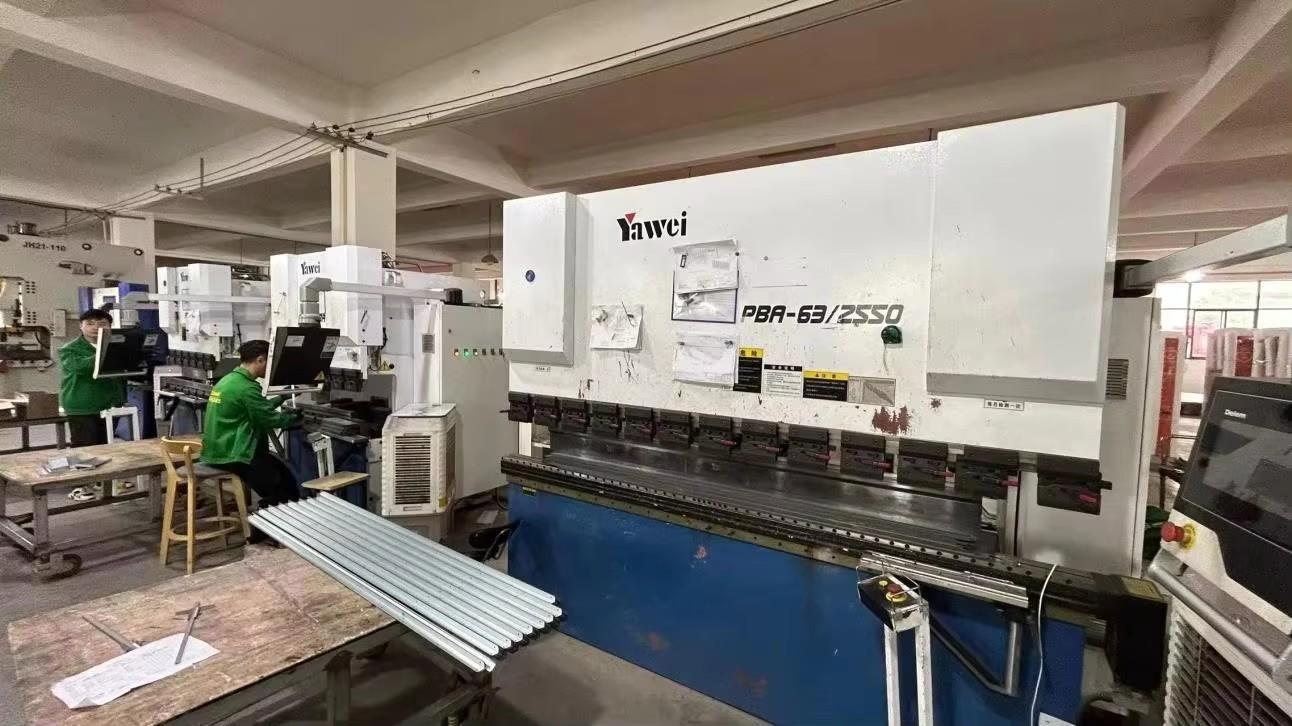
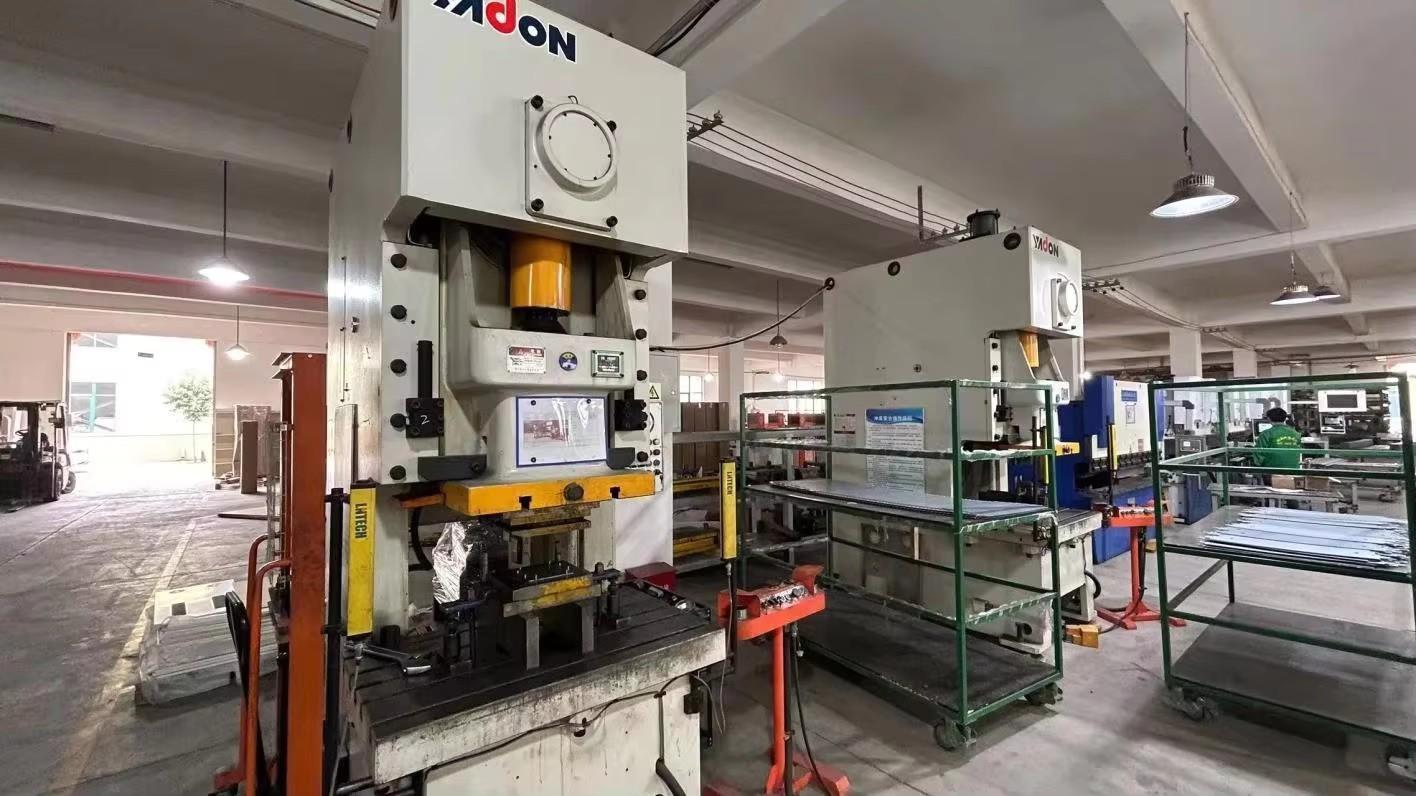
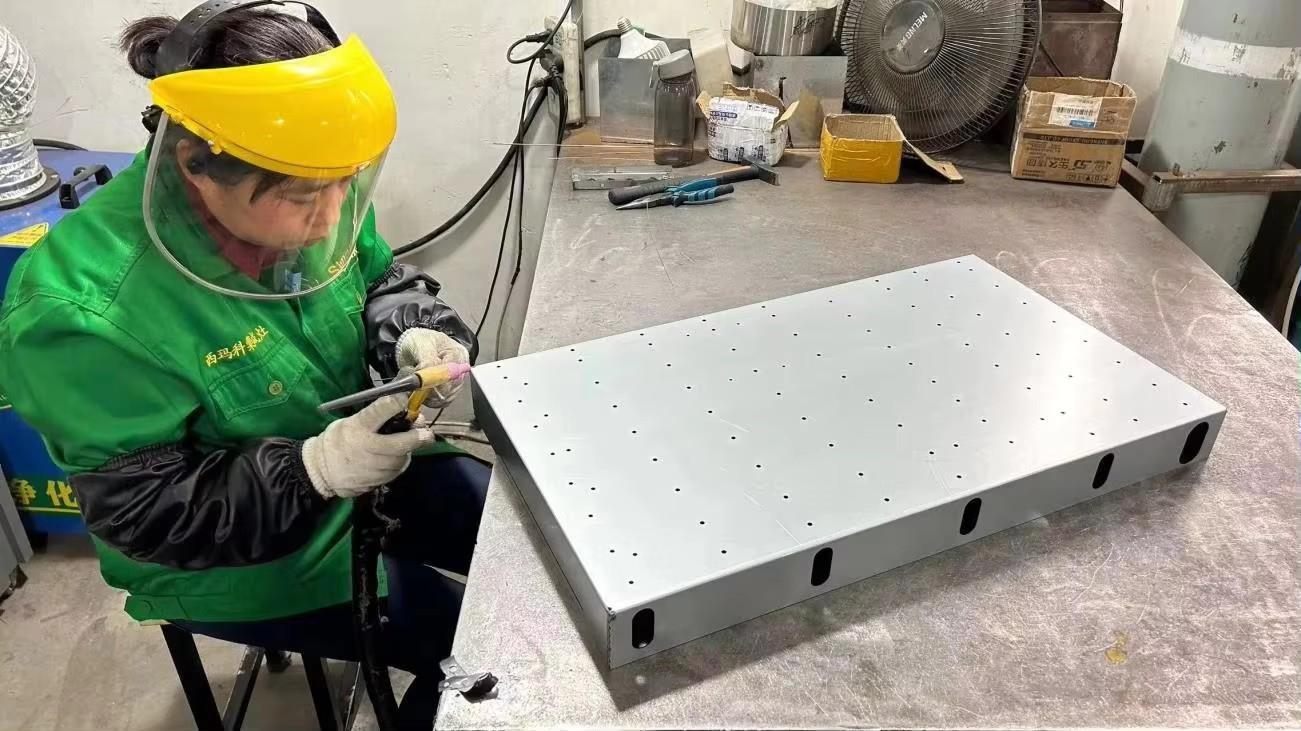
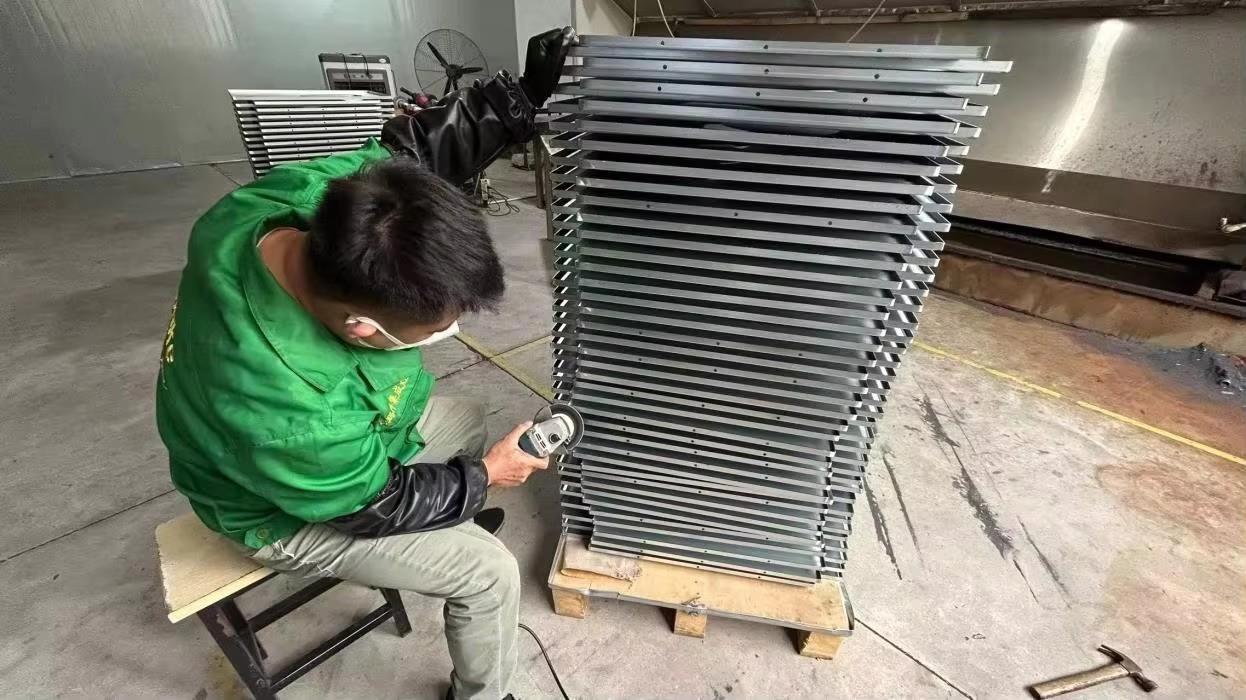
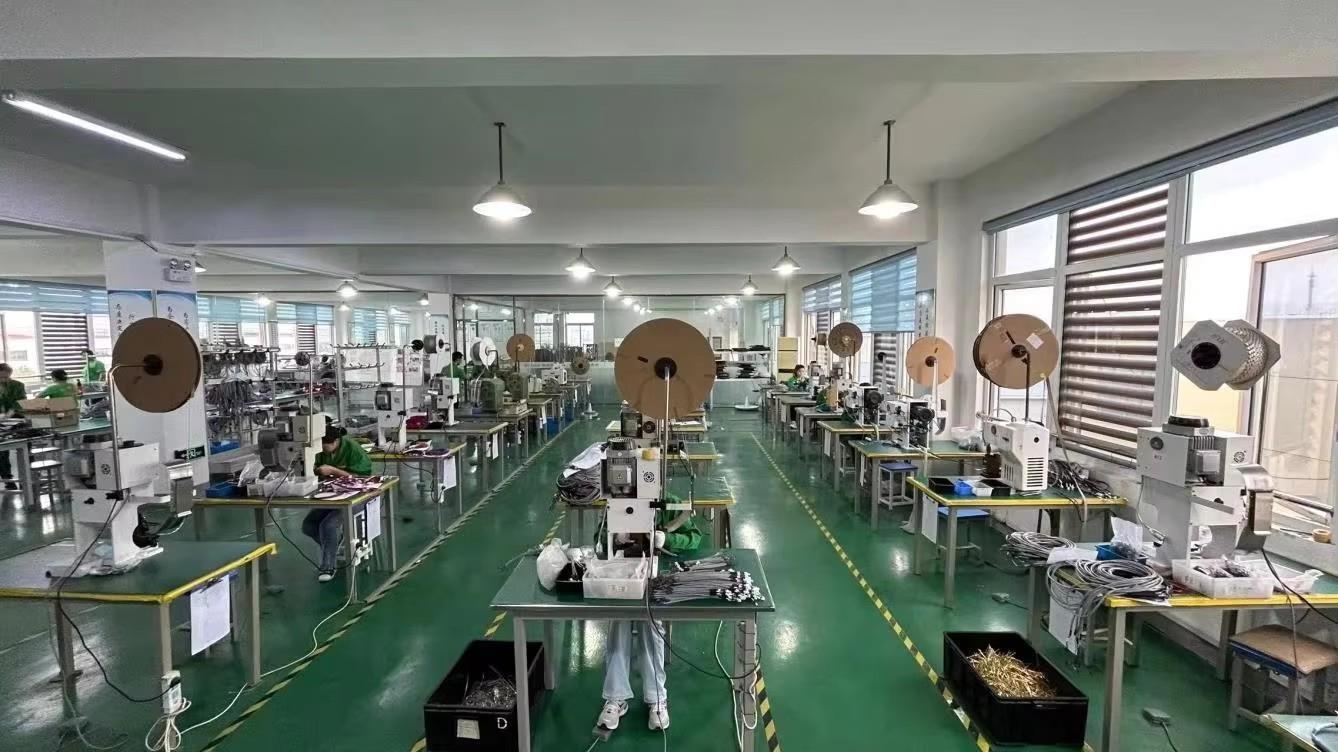
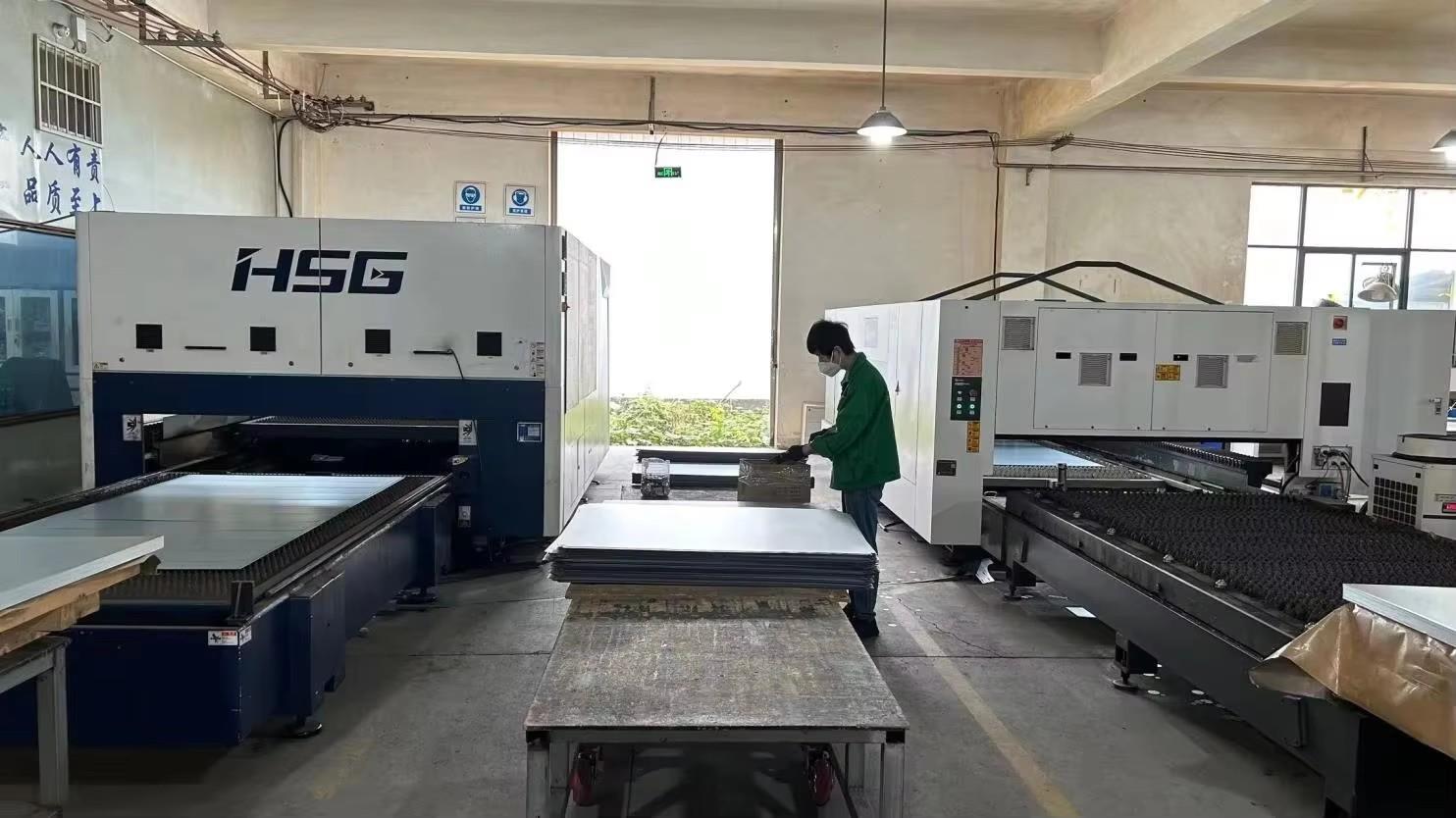
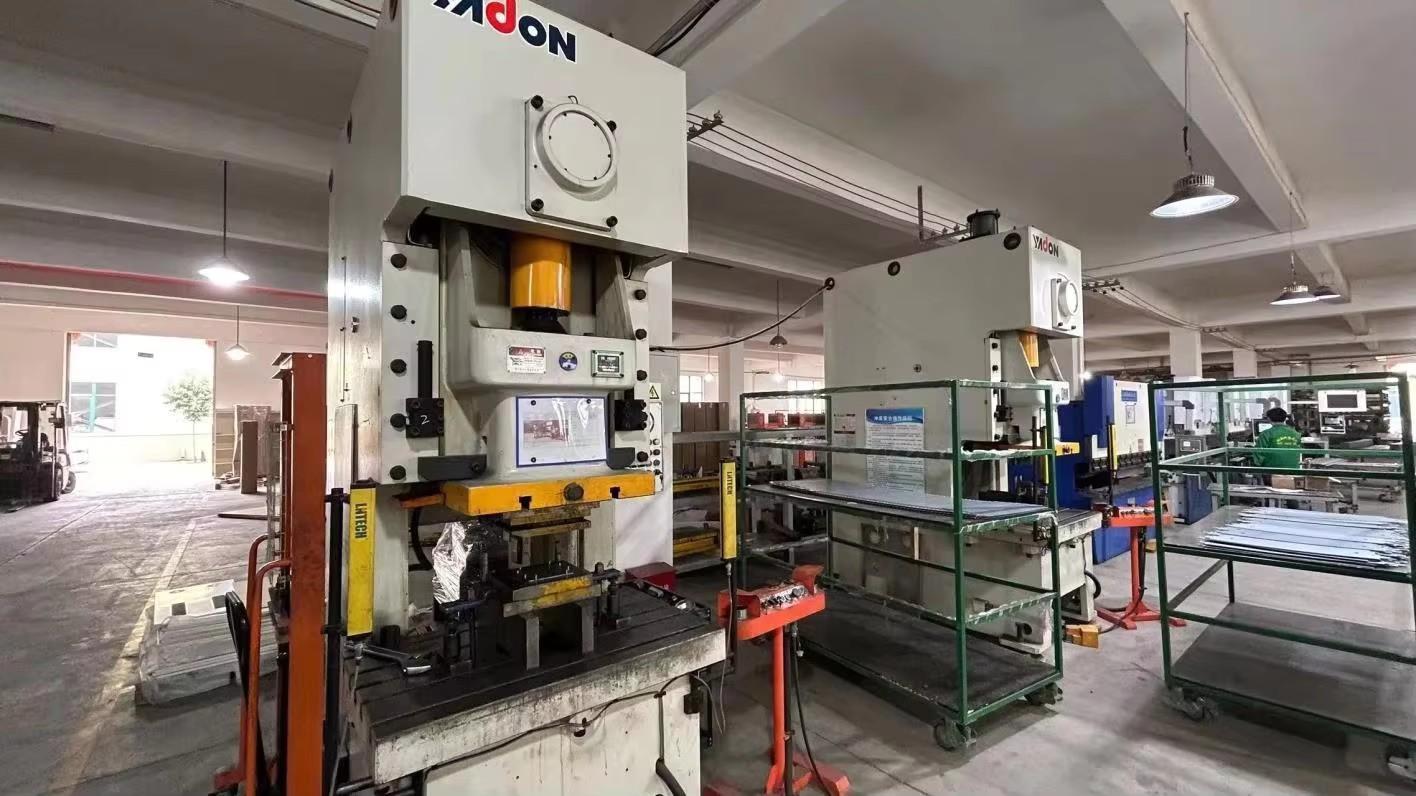
Our manufacturing facility handles precision engineering tasks, including sheet metal cutting, automated laser welding, and high-tolerance CNC machining. This setup ensures that both internal battery brackets and external structural parts meet required physical specifications.
Certified cell-level safety, assessing resistance to mechanical shock, vibration, and thermal abuse.
Ensures all lithium batteries pass drop, vibration, and altitude simulation testing for safe international transport.
Technical answers to common design and purchasing questions for industrial energy storage and conversion projects.
High-efficiency off-grid components, microinverters, and structural systems developed for international buyers.
 Luzz Solar