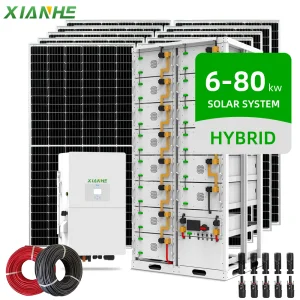
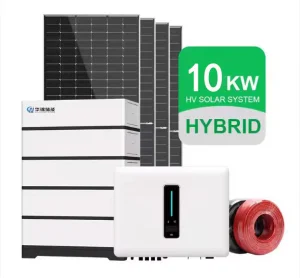
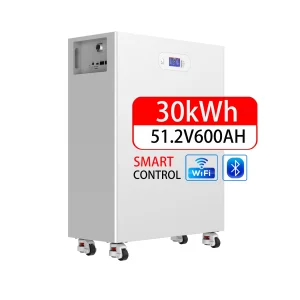
Pre-engineered configurations ready for immediate deployment in commercial, industrial, and high-end residential sites across Accra, Kumasi, and Tema.
Installed Solar Capacity in West Africa
Performance Guarantee on PV Modules
Dustproof & Climate Proof Enclosures
LiFePO4 Battery Cycles at 80% DoD
A comprehensive analysis of deployment challenges, local market constraints, design requirements, and ROI maximization in West African economic zones.
Ghana's commercial and industrial (C&I) sectors face persistent operational hurdles stemming from high grid tariffs and intermittent power outages, locally known as dumsor. While the Electricity Company of Ghana (ECG) and GRIDCo continue to expand infrastructure, industrial consumers bear heavy expenses, particularly from Peak demand charges and diesel generator fuel consumption.
For operations located in key areas like the Tema Free Zone, Kumasi Industrial Hub, or remote mining sites in the Western and Ashanti regions, grid dependency represents a volatility risk. To protect bottom lines, businesses are turning to Off-Grid Solar Photovoltaic (PV) systems integrated with Battery Energy Storage Systems (BESS). These solutions function as either primary power sources or hybrid dynamic systems that cut energy expenses while offering 100% operational redundancy.
Engineering systems to withstand high ambient temperatures, extreme relative humidity, and heavy seasonal Harmattan dust storms which reduce standard solar panel efficiency.
Minimizing initial capital expenditure (CAPEX) through directly shipped containerized components with verified international certificates (TUV, CE, RoHS).
Navigating Ghana Energy Commission imports approvals, GSA certifications, and port clearance procedures at Tema Harbor.
The transition toward decentralized solar energy setups is gaining speed due to three key factors:
For global procurement managers, purchasing solar setups for West African deployment requires strict adherence to precise technical parameters:
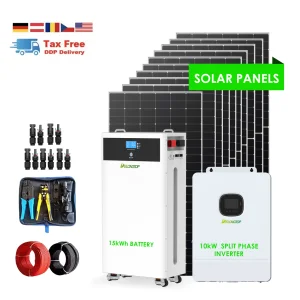
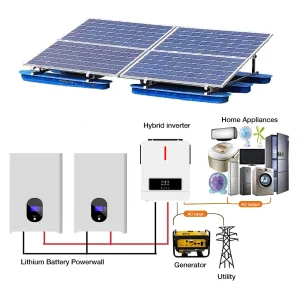
Luzz Solar provides integrated packages engineered to meet these strict environment demands. Our hybrid and off-grid units combine tier-1 components with robust power electronics. Ranging from 5kW systems for telecom towers to megawatt-level containers for industrial operations, our systems offer direct grid monitoring, generator integration, and real-time battery safety protocols.
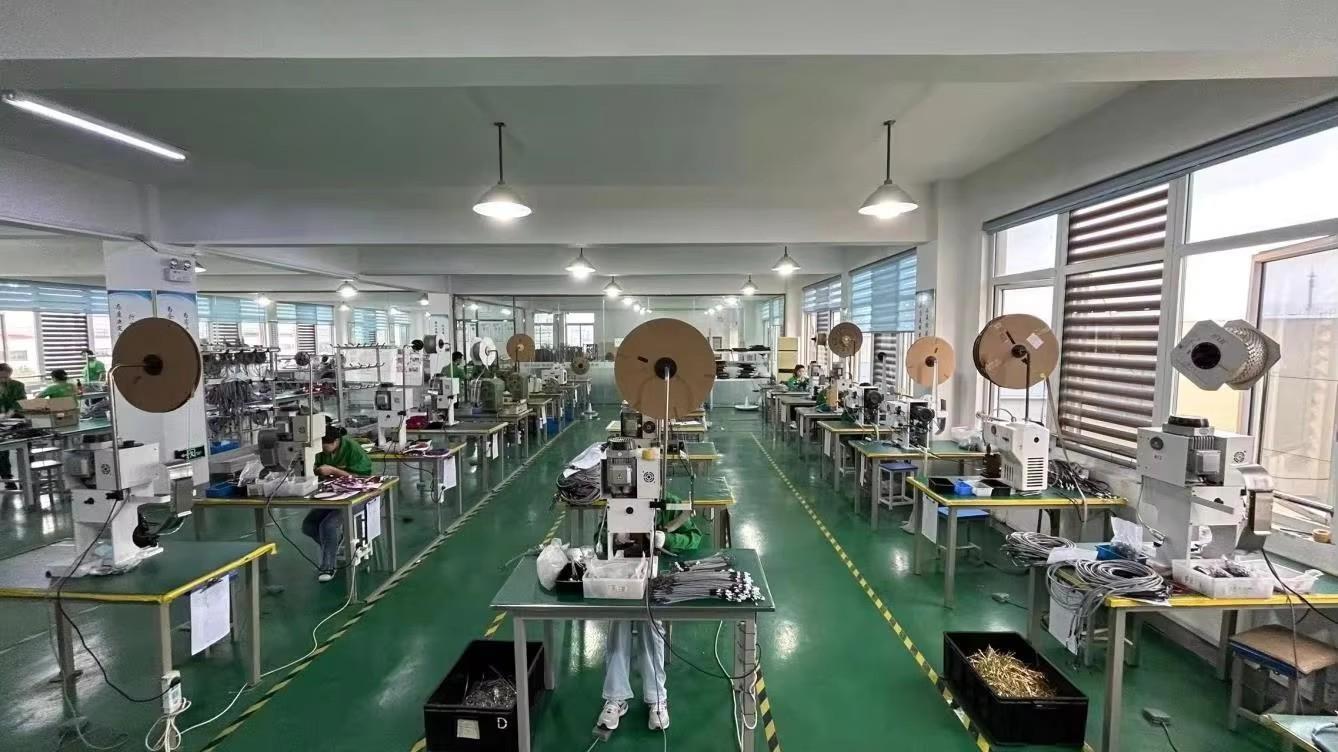
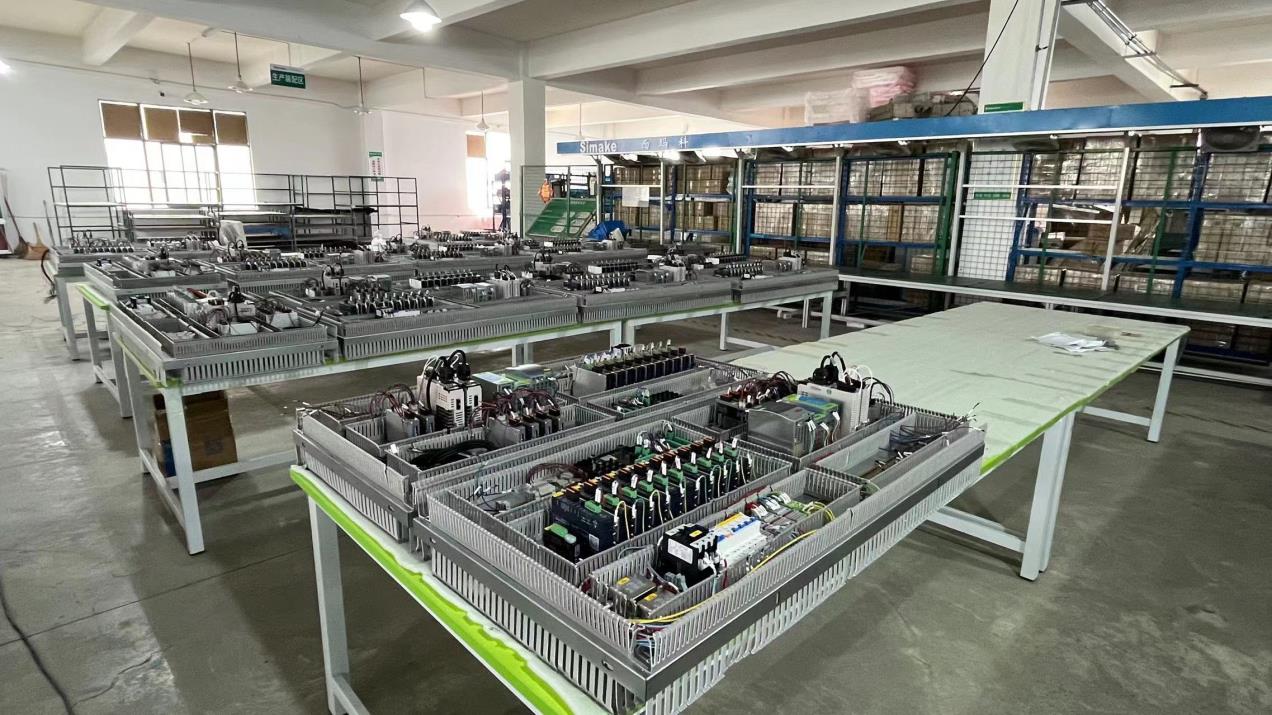
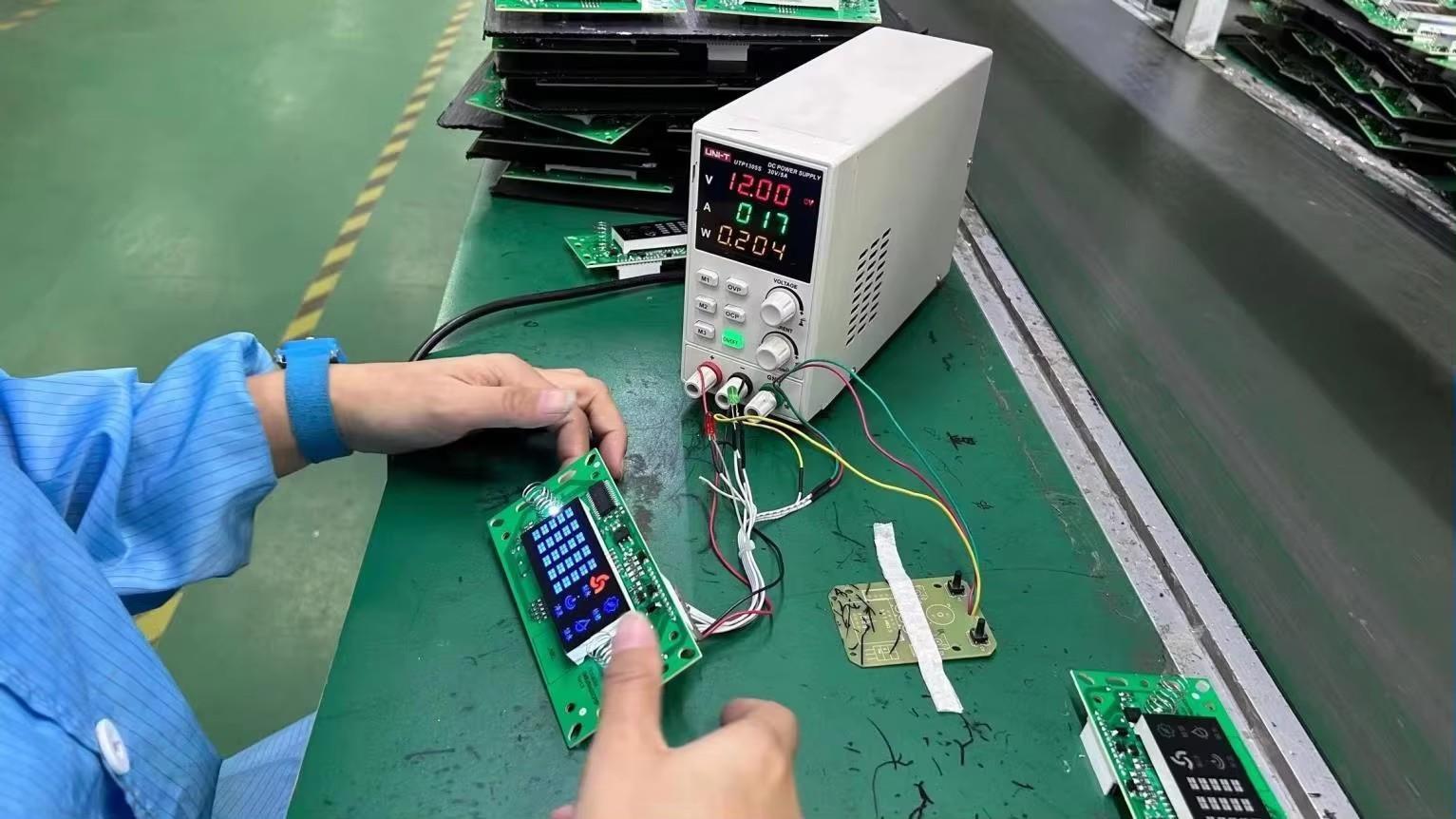
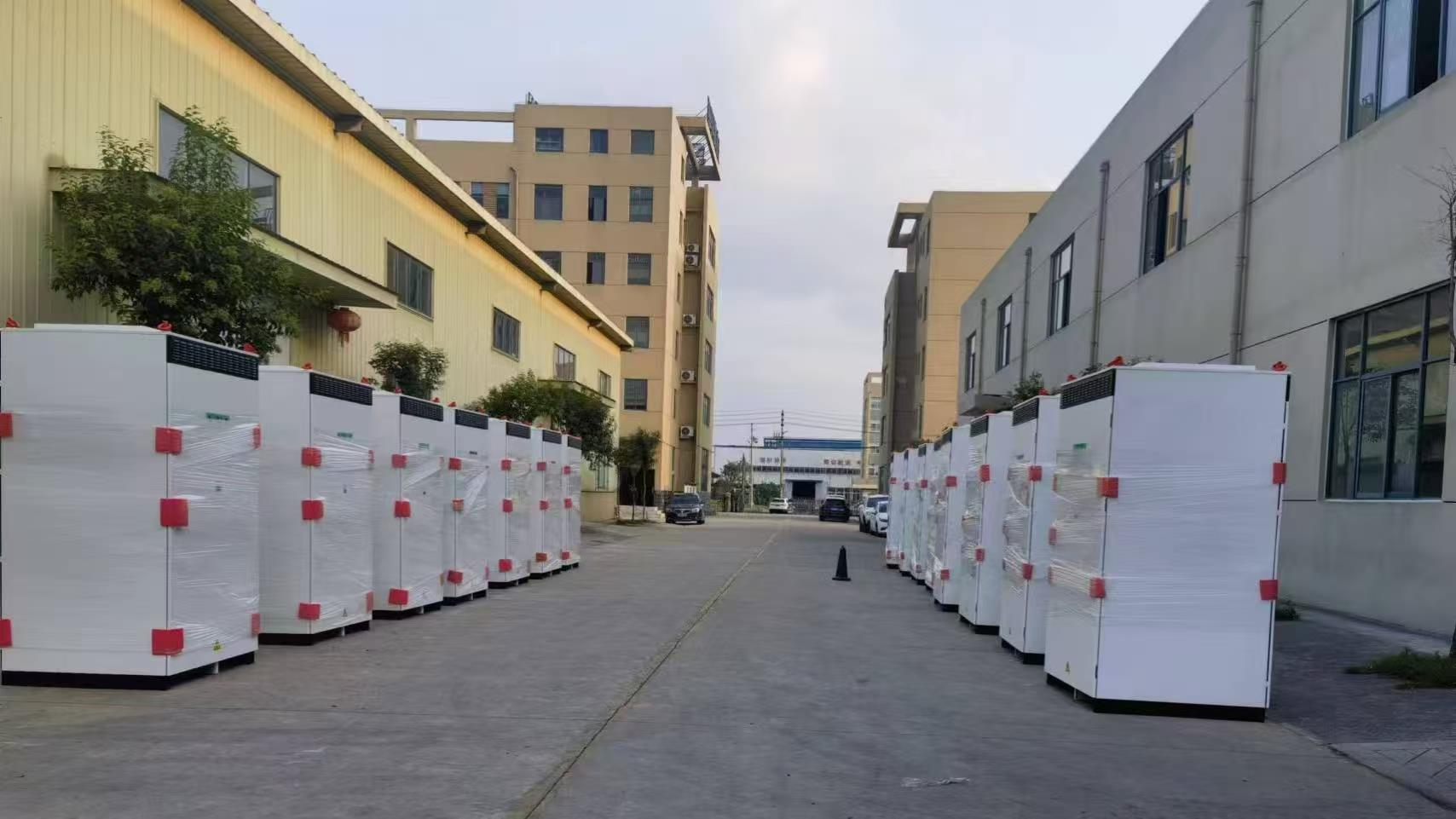
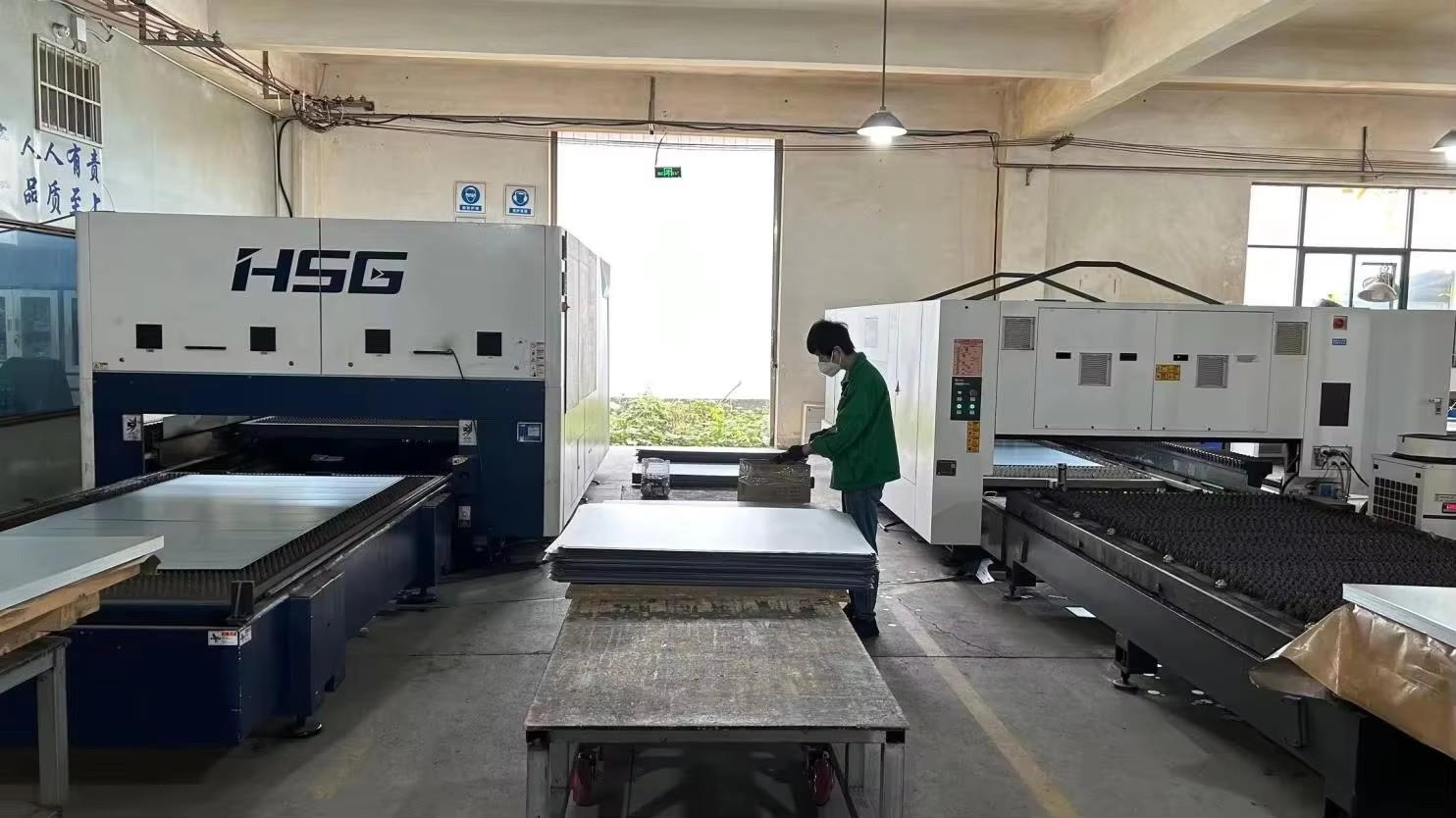
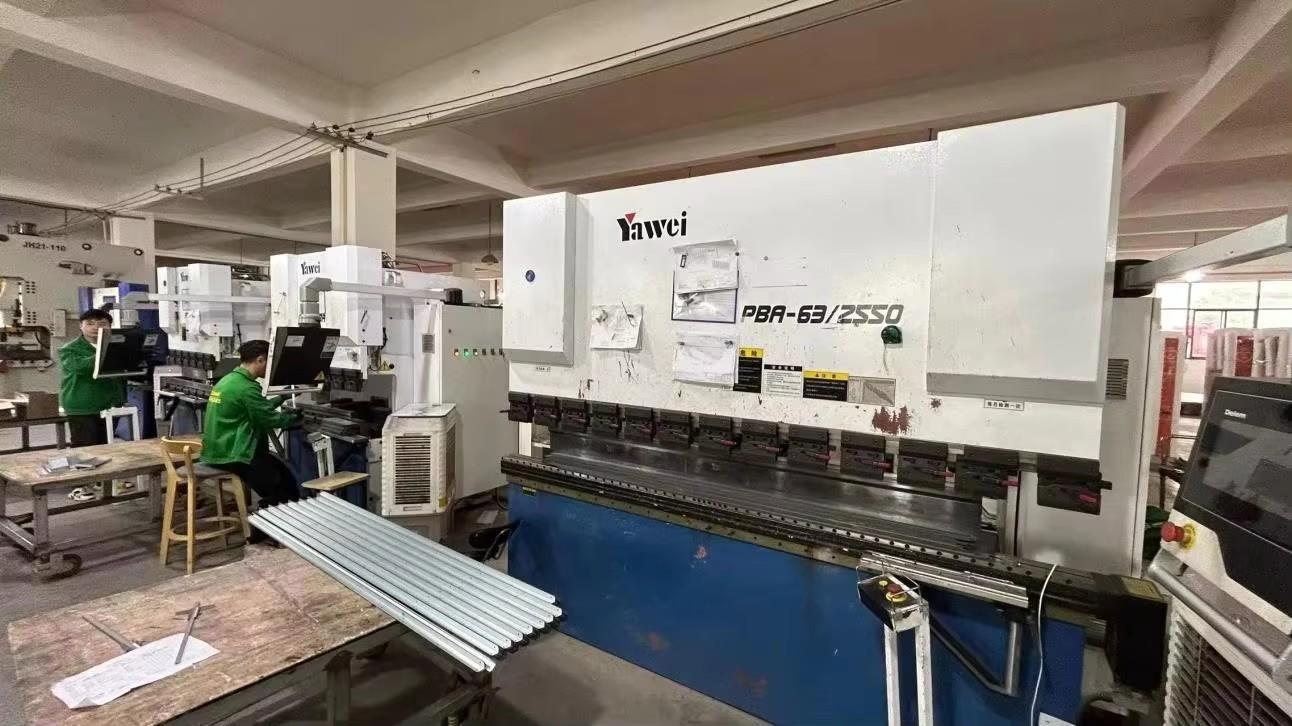
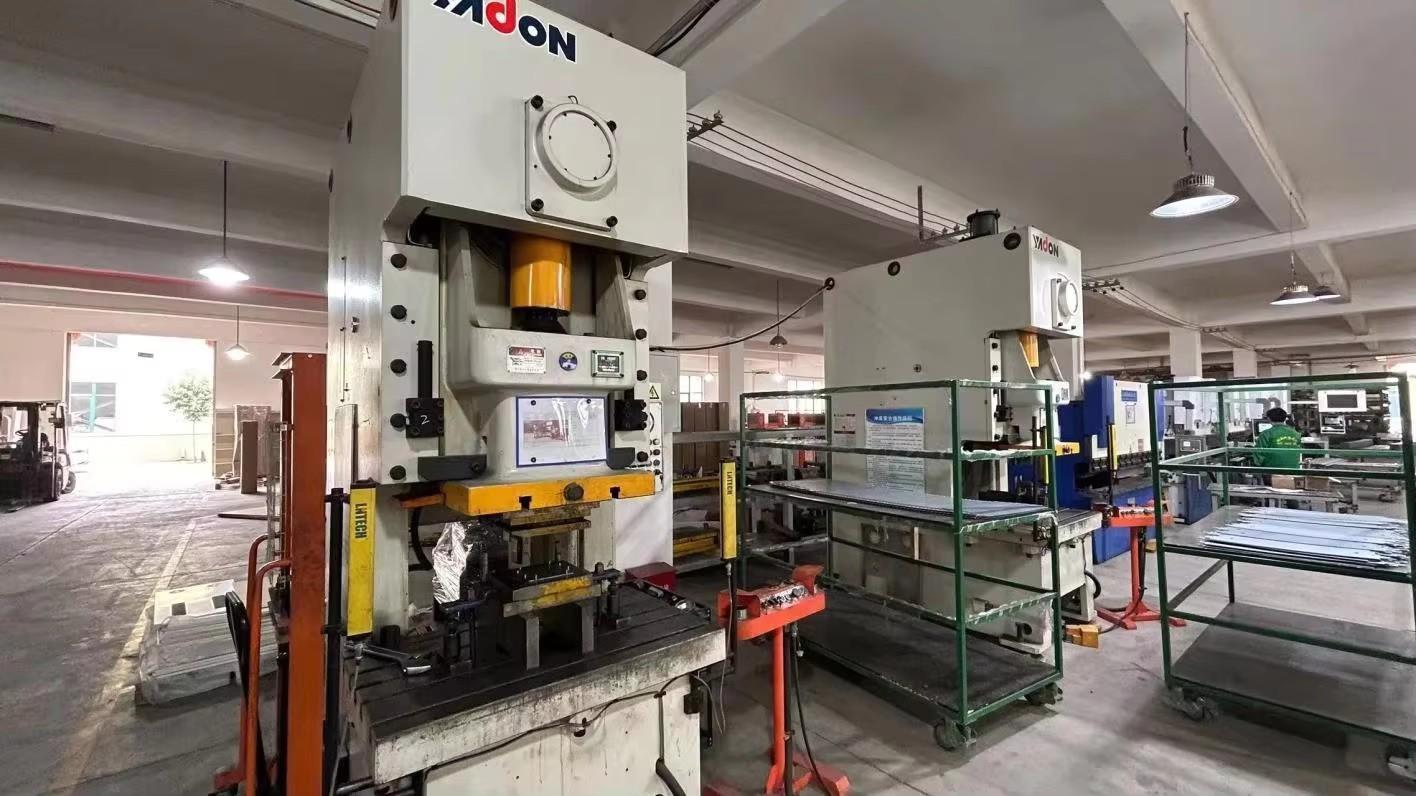
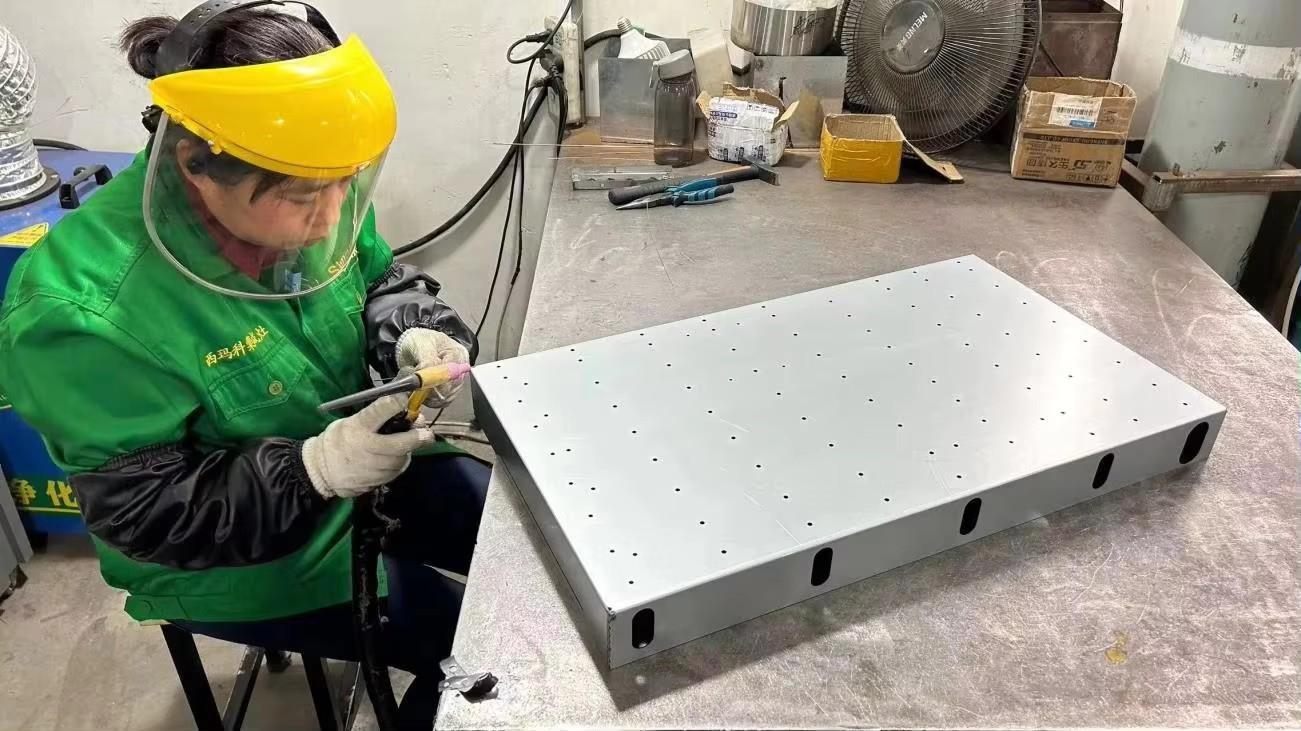
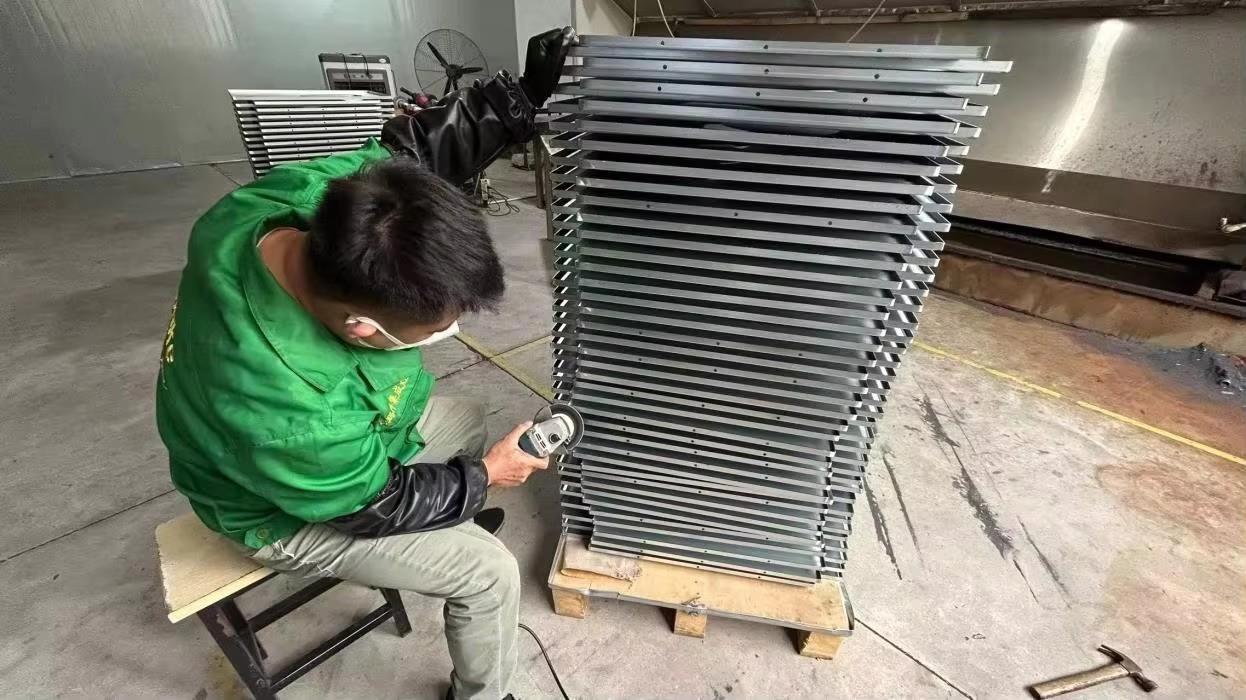
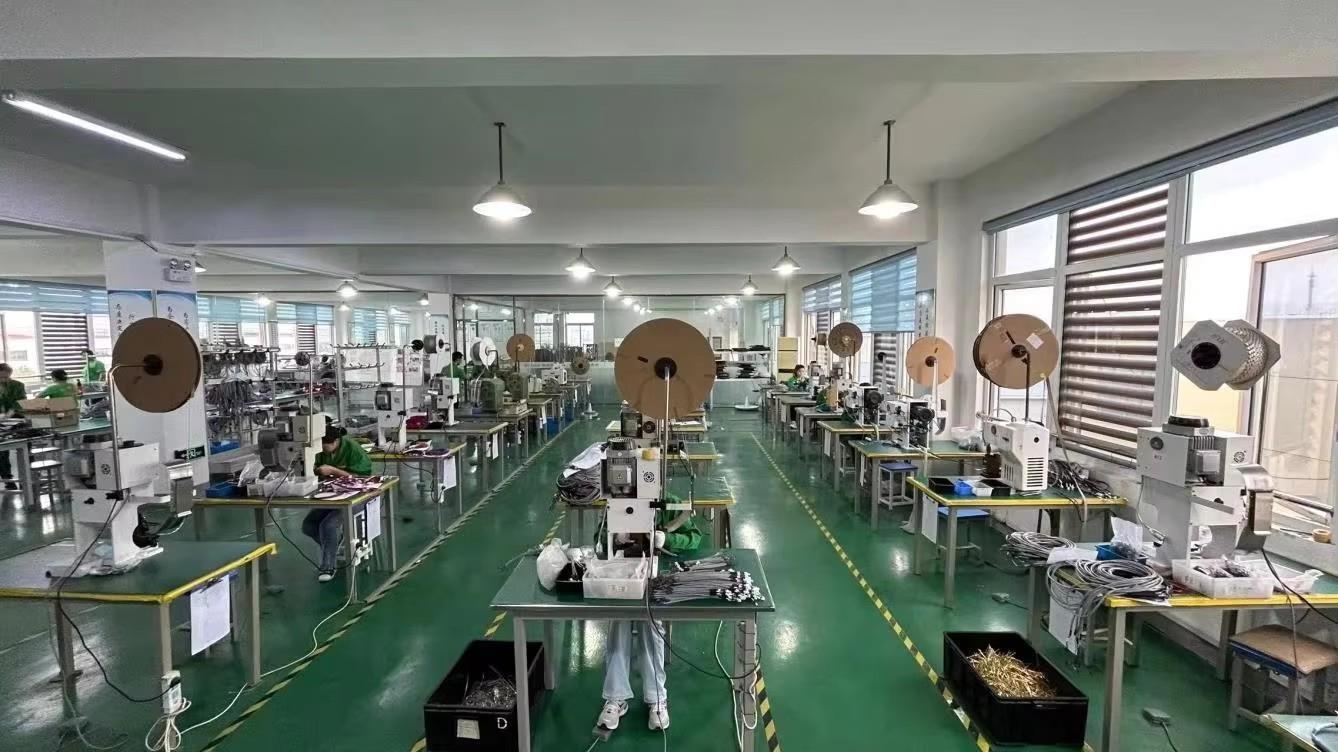
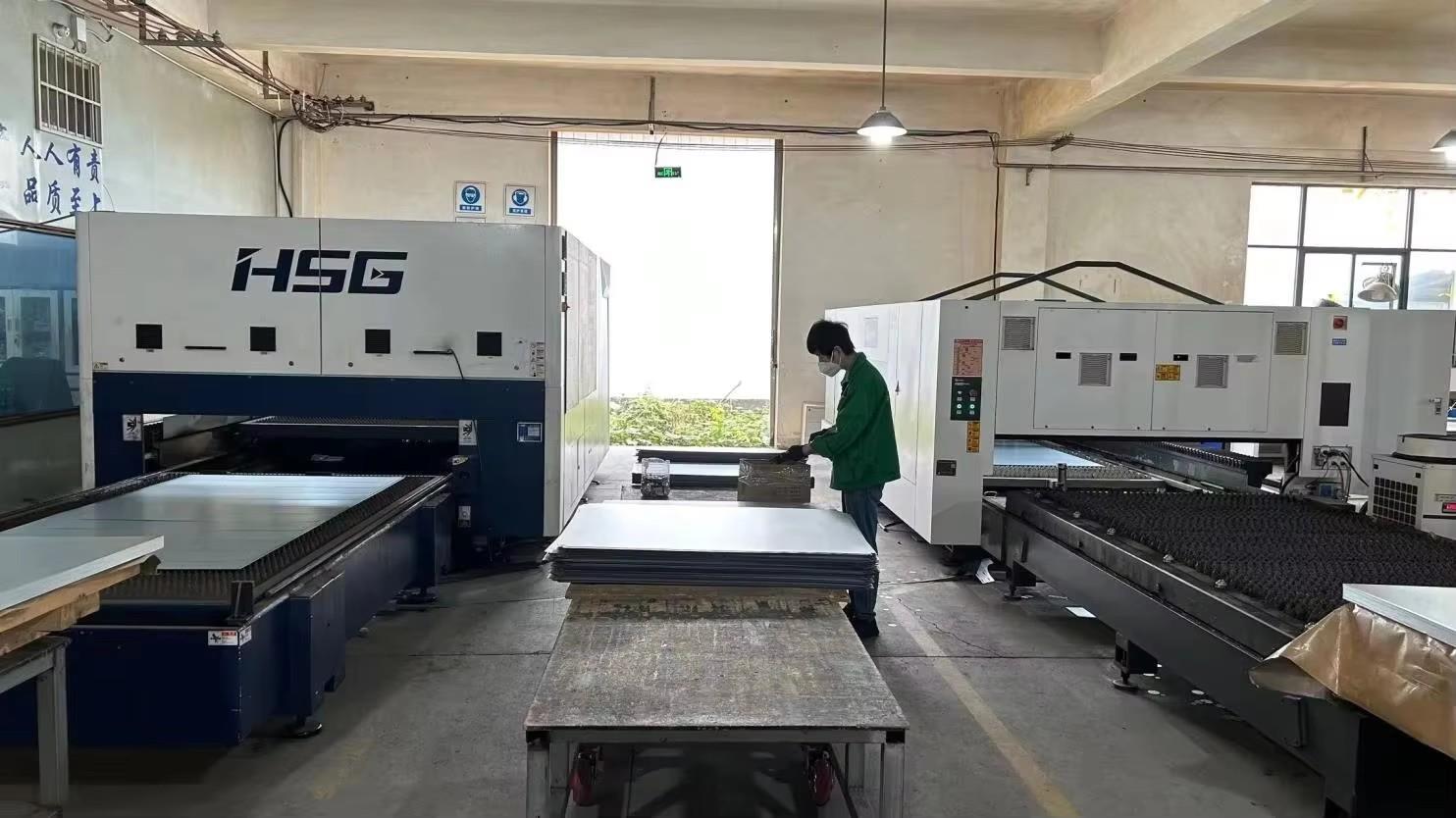
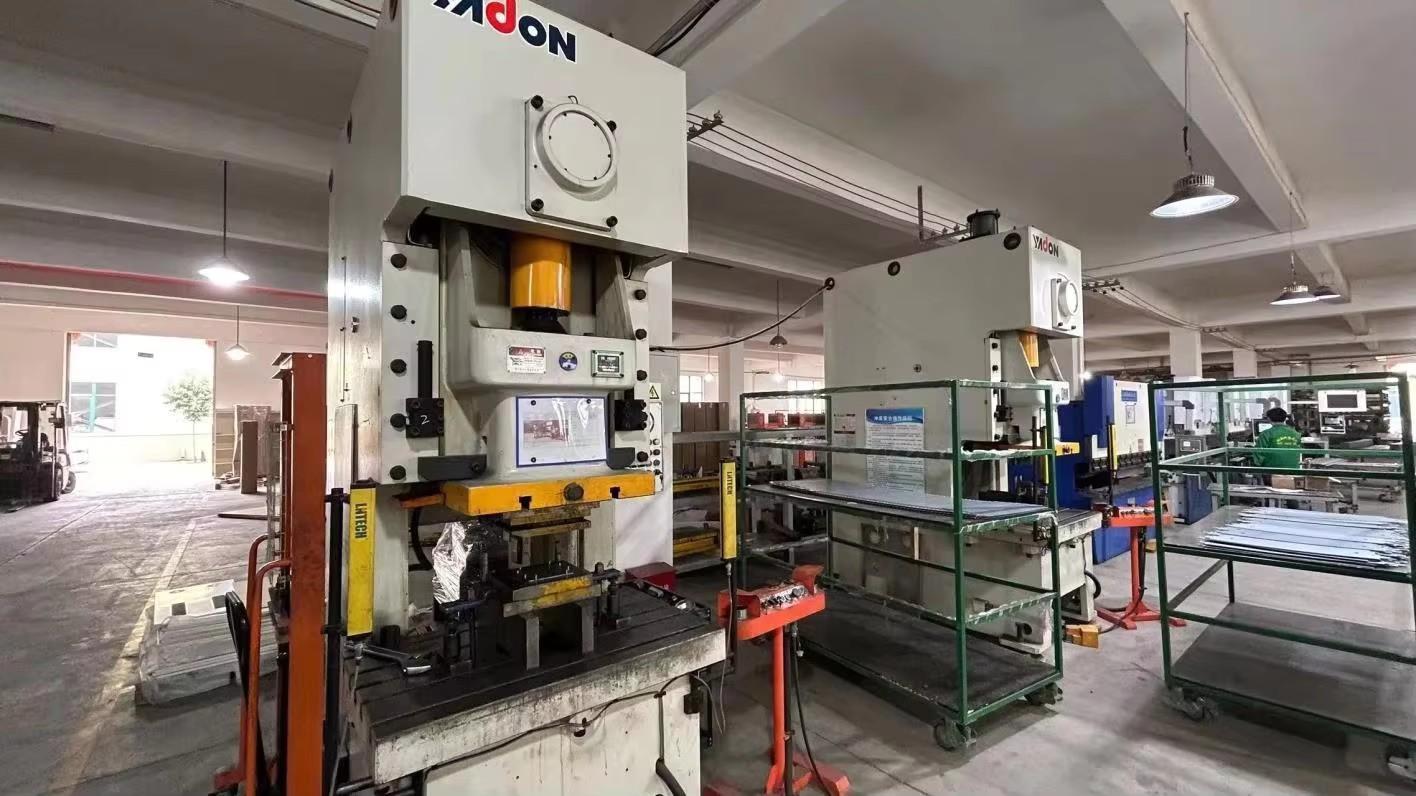
Qingdao Luzz Solar Co., Ltd. operates state-of-the-art production lines, guaranteeing certified precision across all stages of fabrication, assembly, and testing.
Qingdao Luzz Solar Co., Ltd. is a professional new energy enterprise specializing in the development, manufacturing, and global distribution of photovoltaic (PV) products and integrated energy storage solutions. Located in Qingdao, China, the company benefits from a well-established renewable energy industrial base and advanced manufacturing capabilities.
With the accelerating global transition toward carbon neutrality and sustainable development, Luzz Solar is committed to providing efficient, reliable, and cost-effective clean energy solutions to customers worldwide. Our product portfolio includes high-efficiency solar photovoltaic modules, energy storage systems, and integrated solar application solutions designed for residential, commercial, and utility-scale projects.
Driven by technological innovation and quality excellence, the company continuously invests in R&D and production optimization to improve product performance, energy conversion efficiency, and system reliability. We strictly adhere to international quality standards and implement rigorous quality control throughout the entire production process to ensure stable and long-term product performance.
Qingdao Luzz Solar actively expands its global market presence, with business coverage across Asia, Europe, the Middle East, Africa, and Latin America. By working closely with international partners, we are committed to delivering tailored energy solutions that meet diverse regional needs and support the global energy transition.
Guided by the core values of integrity, innovation, cooperation, and sustainability, Luzz Solar strives to become a trusted global partner in the new energy industry. We are dedicated to advancing solar technology and contributing to a greener, more sustainable future.
Our export division handles comprehensive shipping arrangements to West Africa. All shipments to Tema and Takoradi are packaged in seaworthy, heavy-duty wooden crates and include:
Expanding renewable energy footprints across Ghana requires more than importing premium hardware. It demands compliance with structural, electrical, and commercial guidelines to guarantee a rapid return on investment:
Future-proofing energy investments with next-generation smart-grid integrations and advanced storage chemistries.
Integrating localized GSM/4G SIM modules directly into inverter mainboards for remote monitoring across regional networks (MTN, Telecel), bypassing localized Wi-Fi drops.
Developing commercial solid-state battery systems designed to operate without active refrigeration in ambient temperatures up to 55°C, reducing auxiliary cooling draw.
Upgrading hybrid inverter firmware to support local microgrid energy trading, allowing neighboring commercial entities to share excess solar production.
Essential technical and logistical answers for buying, shipping, and setting up off-grid solar systems in Ghana.
Yes. Our systems comply with the Renewable Energy Act guidelines. The solar panels carry IEC 61215/61730 certificates, and our battery storage systems are certified under UN38.3 and IEC 62619 standards, satisfying import requirements of the Ghana Standards Authority (GSA) and the Energy Commission.
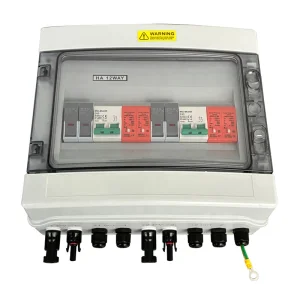
Our solar modules feature anti-soiling, hydrophobic surface coatings. We recommend setting solar arrays at a tilt angle of at least 10–15 degrees to allow natural rain cleaning. Our electronics housings (combiner boxes, inverters) are IP65 rated to prevent fine dust and moisture ingress.
Our premium LiFePO4 cells are rated for over 6,000 cycles at 80% Depth of Discharge (DoD) at 25°C. In high ambient temperatures (30°C - 38°C) without active cooling, lifetime holds strong at around 4,500–5,000 cycles. We recommend placing battery enclosures in ventilated, shaded, or temperature-controlled rooms to maximize service life.
Yes. Our hybrid and off-grid inverter setups feature dry contacts and integrated control circuits to manage standby generators. If battery voltage drops past set limits and solar generation is insufficient, the system automatically starts the generator, synchronizes loads, and shuts it down once battery banks are recharged.
We provide comprehensive technical support to local EPC engineers and installers. Our systems include remote monitoring features, allowing our engineering team in China to check system performance, run diagnostics, and update firmware remotely via internet connections.
Ocean freight transit from Qingdao port to Tema port typically takes 35 to 45 days. We provide necessary custom clearing documentation, including Bills of Lading, Commercial Invoices, Packing Lists, CE/TUV certificates, and PVoC compliance paperwork to minimize port delays.
Beyond generation and storage, secure energy distribution relies on robust protection components and custom structures.
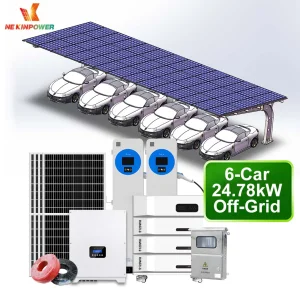
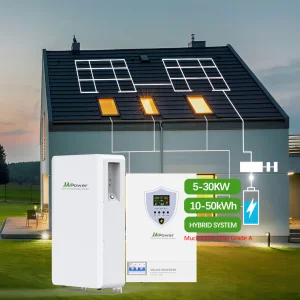
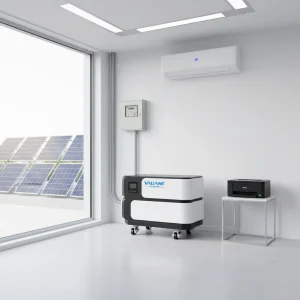
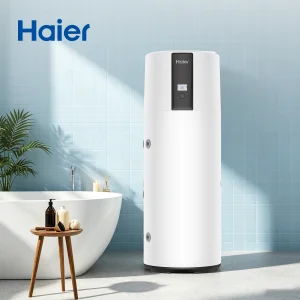
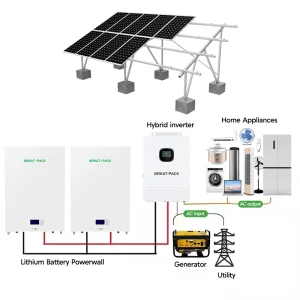
Explore our industrial range of LiFePO4 batteries, thermodynamic integrations, and all-in-one residential storage configurations.
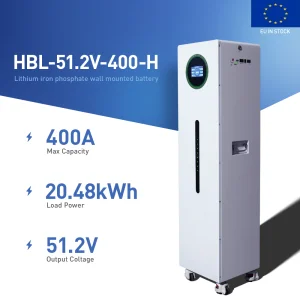
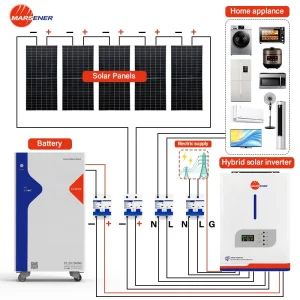
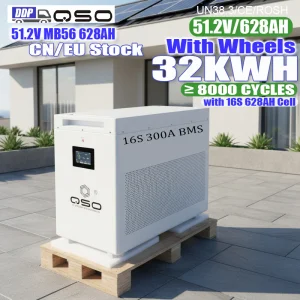
Leverage our advanced factory manufacturing, engineering depth, and shipping expertise to bring clean, stable power independence to your facilities. Get in touch with our engineering team for technical support, tailored quotes, or structural evaluations.
Send Inquiry Now Luzz Solar