The energy transition within the Greater Chicago Area and across Illinois is accelerating at an unprecedented rate, catalyzed by the historic Climate and Equitable Jobs Act (CEJA). For commercial enterprises, agricultural complexes, and critical logistics hubs in Cook County, DuPage County, and Will County, the reliance on grid-tied power poses evolving operational risks. Severe weather events—ranging from winter polar vortexes to summer convective storms—stress the PJM regional grid, driving up peak demand charges and distribution tariffs.
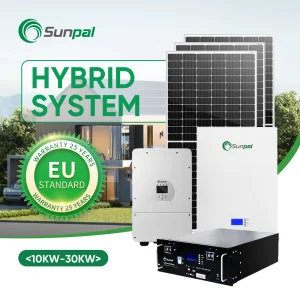
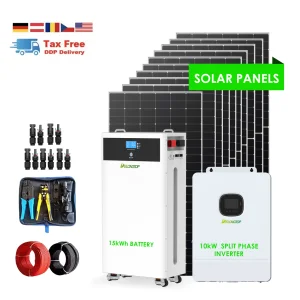
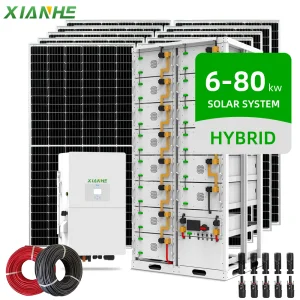
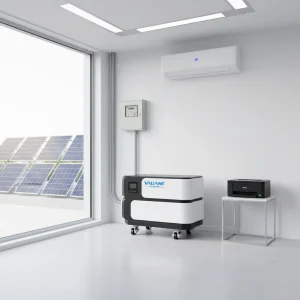
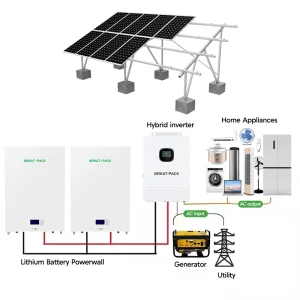
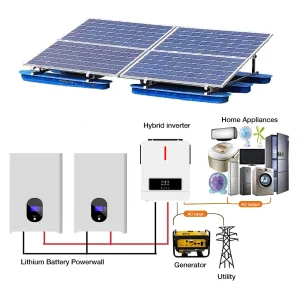
In this high-stakes environment, custom-engineered off-grid solar systems are transitioning from a sustainability objective to a fundamental infrastructure requirement. Our off-grid systems provide independent microgrid architectures that shield businesses from volatile capacity charges and local grid instability. By integrating high-power photovoltaic arrays with smart energy storage systems (BESS), Chicago enterprises can lock in operational continuity, optimize peak shaving, and secure true energy independence.
Designing off-grid solar infrastructure for Northern Illinois requires deep engineering adaptation to withstand intense seasonal shifts. Chicago’s climate demands specific mechanical and electrical configurations that standard off-the-shelf components cannot support.
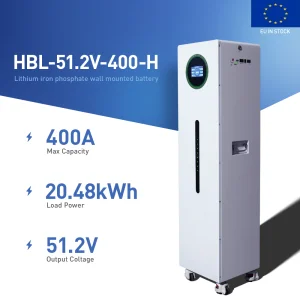
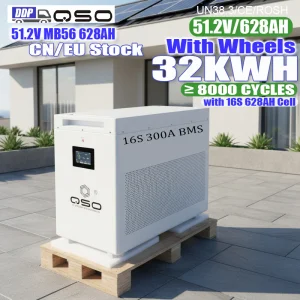
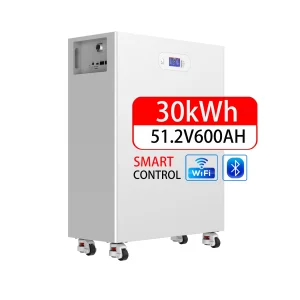
Lithium Iron Phosphate (LiFePO4) chemistry represents the gold standard for stationary energy storage due to its exceptional thermal stability and long cycle life. However, charging standard LFP cells at sub-zero temperatures (below 32°F / 0°C) can cause lithium plating, severely degrading battery capacity. Luzz Solar integrates intelligent Battery Management Systems (BMS) with internal thermal blankets and active liquid-heating loops. This ensures cells maintain a optimal temperature range of 50°F to 95°F (10°C to 35°C), ensuring seamless power delivery through Chicago's coldest winters.
Under Chicago Building Codes and ASCE 7 structural design guidelines, racking systems must be engineered to withstand severe wind loads (up to 115 mph) and heavy snow loads. Our off-grid mounting systems utilize high-tensile structural-grade anodized aluminum (6005-T5) and hot-dip galvanized steel. Racking angles are optimized between 35° and 45° to promote natural snow-shedding, preventing module shading and mechanical overload during winter storms.
Qingdao Luzz Solar Co., Ltd. is a professional new energy enterprise specializing in the development, manufacturing, and global distribution of photovoltaic (PV) products and integrated energy storage solutions. Located in Qingdao, China, the company benefits from a well-established renewable energy industrial base and advanced manufacturing capabilities.
With the accelerating global transition toward carbon neutrality and sustainable development, Luzz Solar is committed to providing efficient, reliable, and cost-effective clean energy solutions to customers worldwide. Our product portfolio includes high-efficiency solar photovoltaic modules, energy storage systems, and integrated solar application solutions designed for residential, commercial, and utility-scale projects.
Driven by technological innovation and quality excellence, the company continuously invests in R&D and production optimization to improve product performance, energy conversion efficiency, and system reliability. We strictly adhere to international quality standards and implement rigorous quality control throughout the entire production process to ensure stable and long-term product performance.
Qingdao Luzz Solar actively expands its global market presence, with business coverage across Asia, Europe, the Middle East, Africa, and Latin America. By working closely with international partners, we are committed to delivering tailored energy solutions that meet diverse regional needs and support the global energy transition.
Guided by the core values of integrity, innovation, cooperation, and sustainability, Luzz Solar strives to become a trusted global partner in the new energy industry. We are dedicated to advancing solar technology and contributing to a greener, more sustainable future.
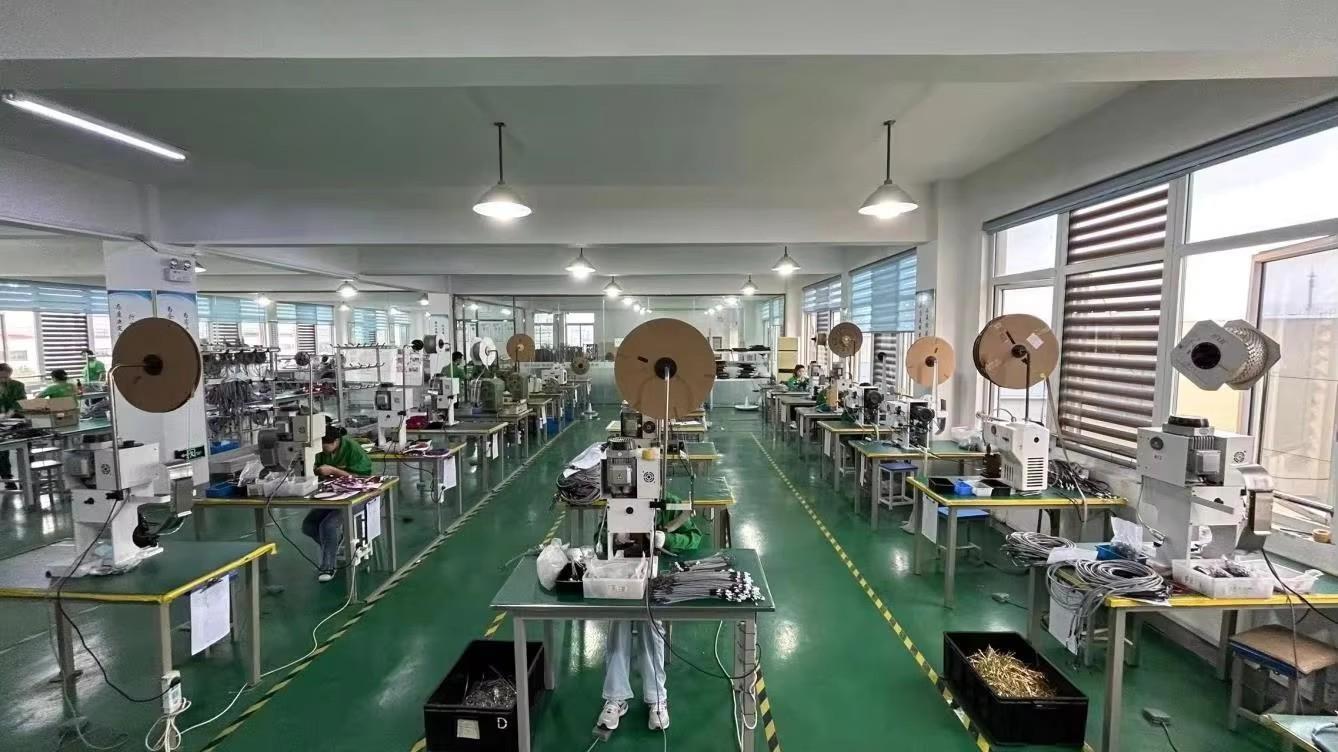
High-Precision Automation Assembly Floor at Luzz Solar Plant
Every stage of the fabrication process at our Qingdao facility is subject to strict quality gates, ensuring that systems exported to the Chicago market conform to local standards.
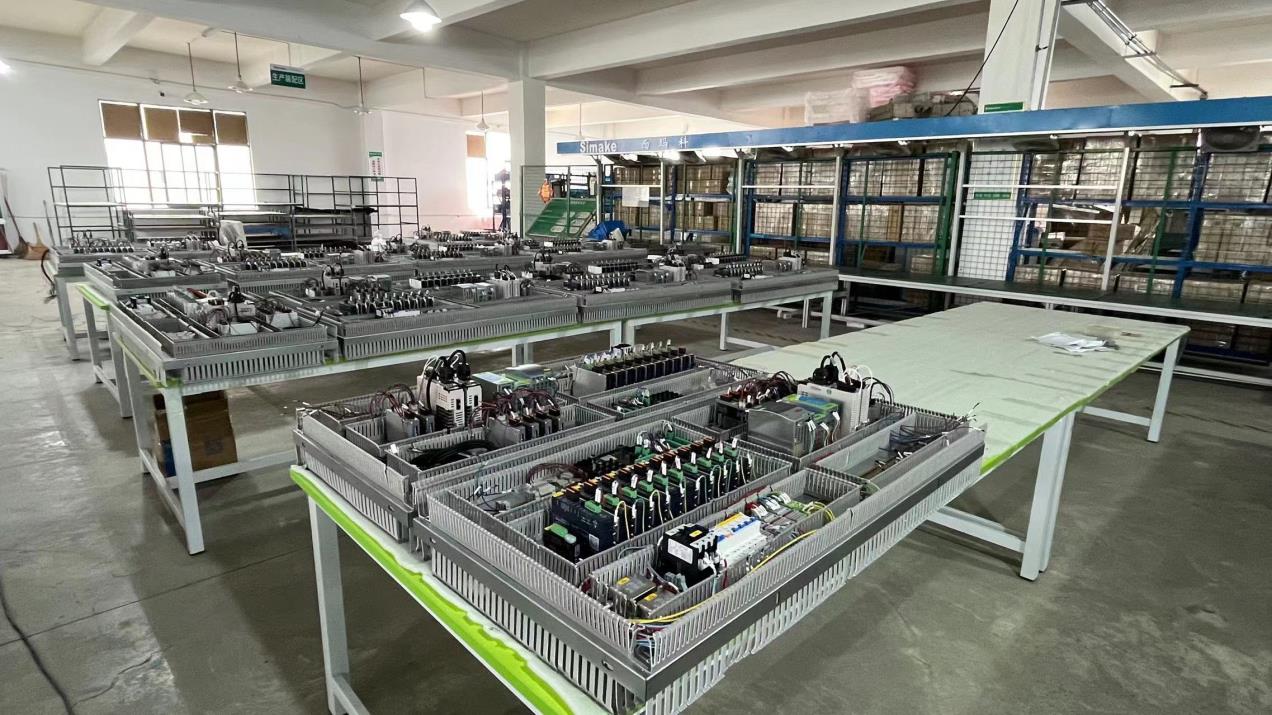
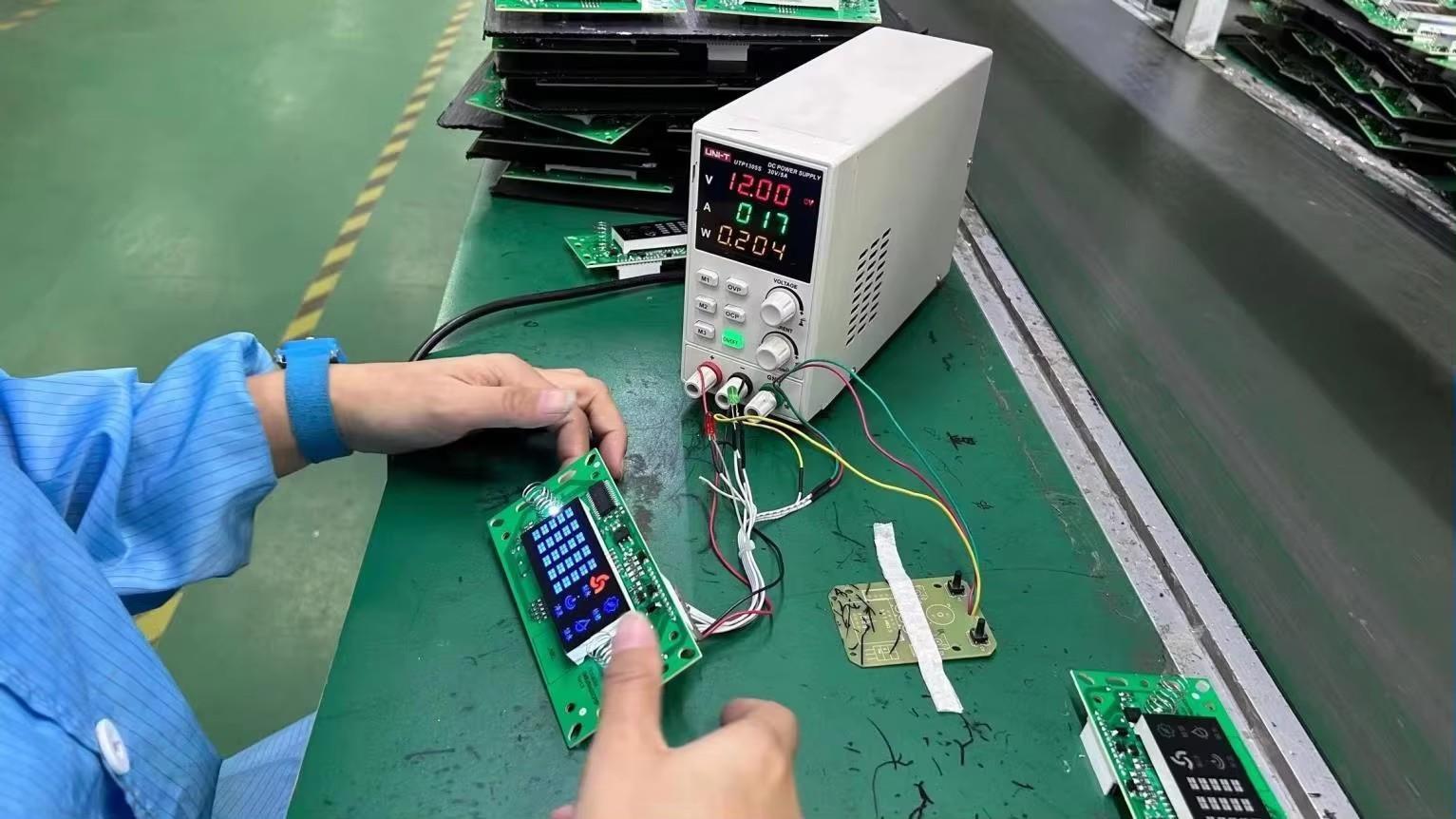
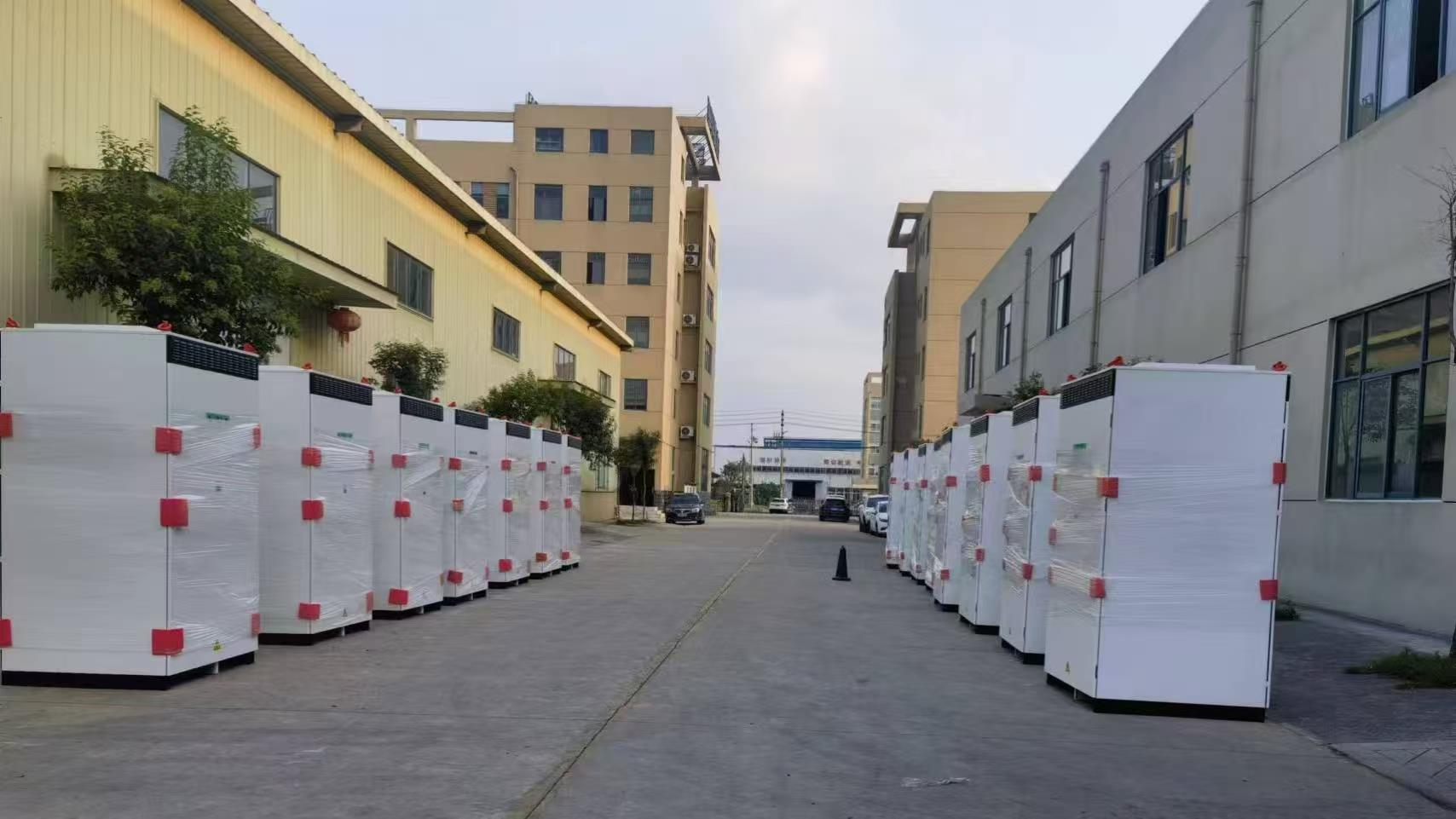
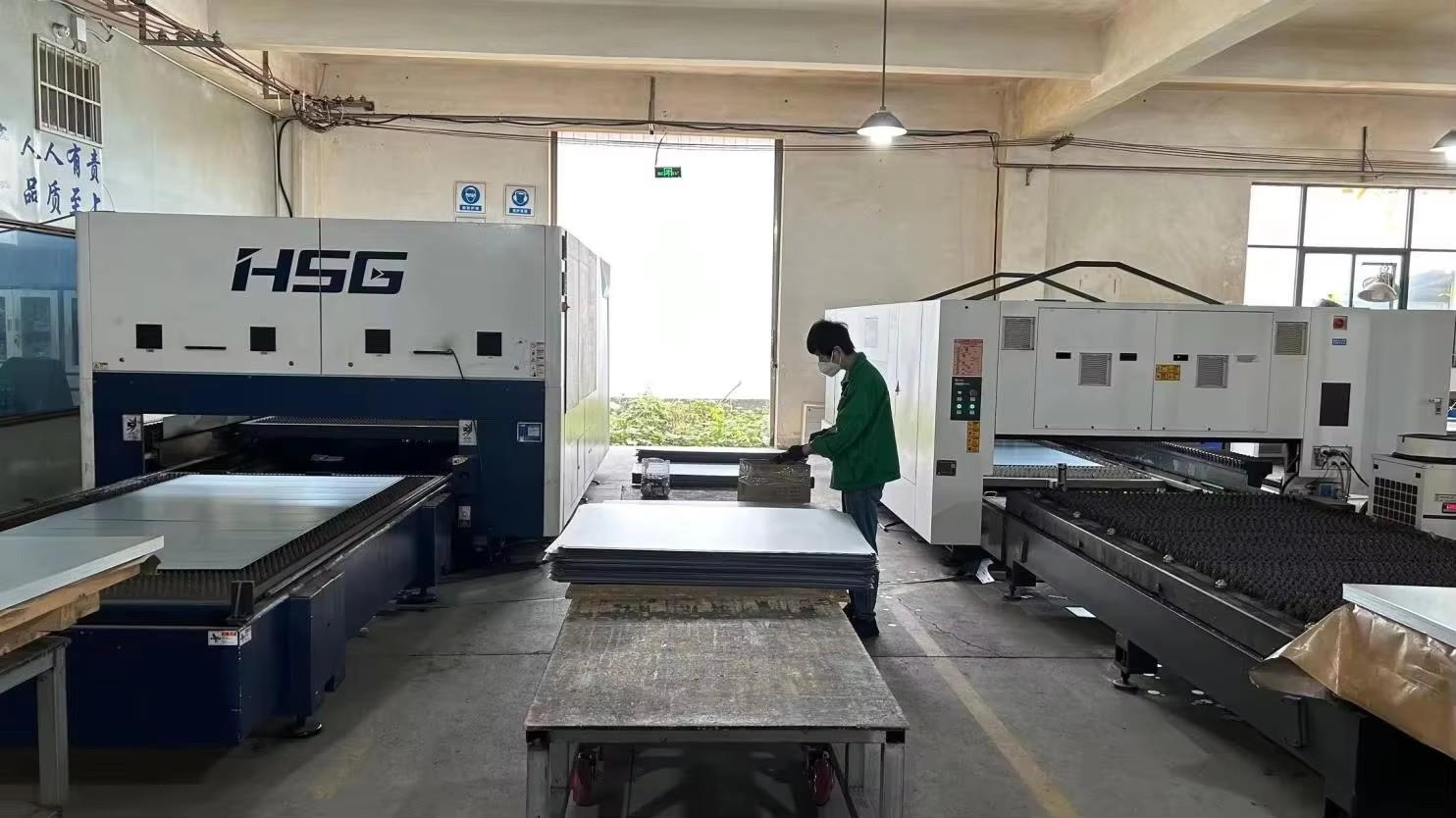
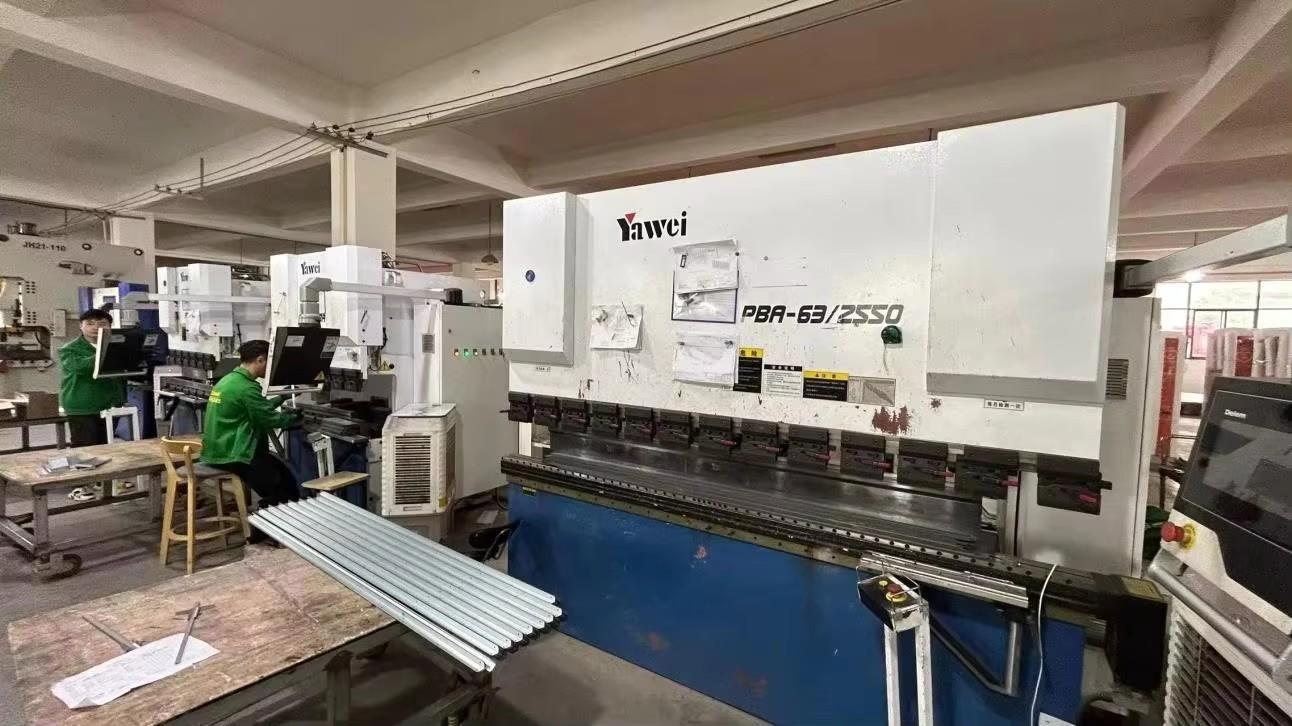
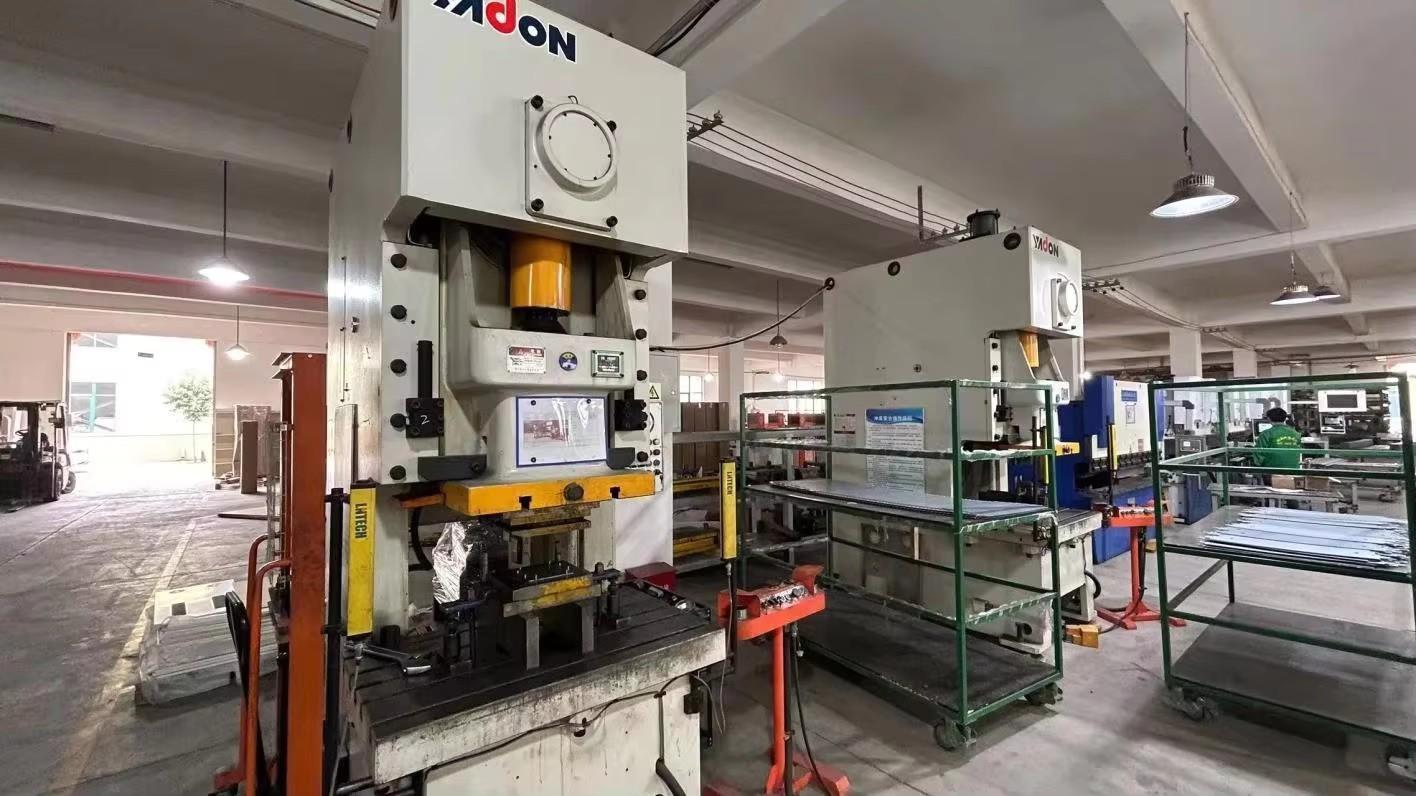
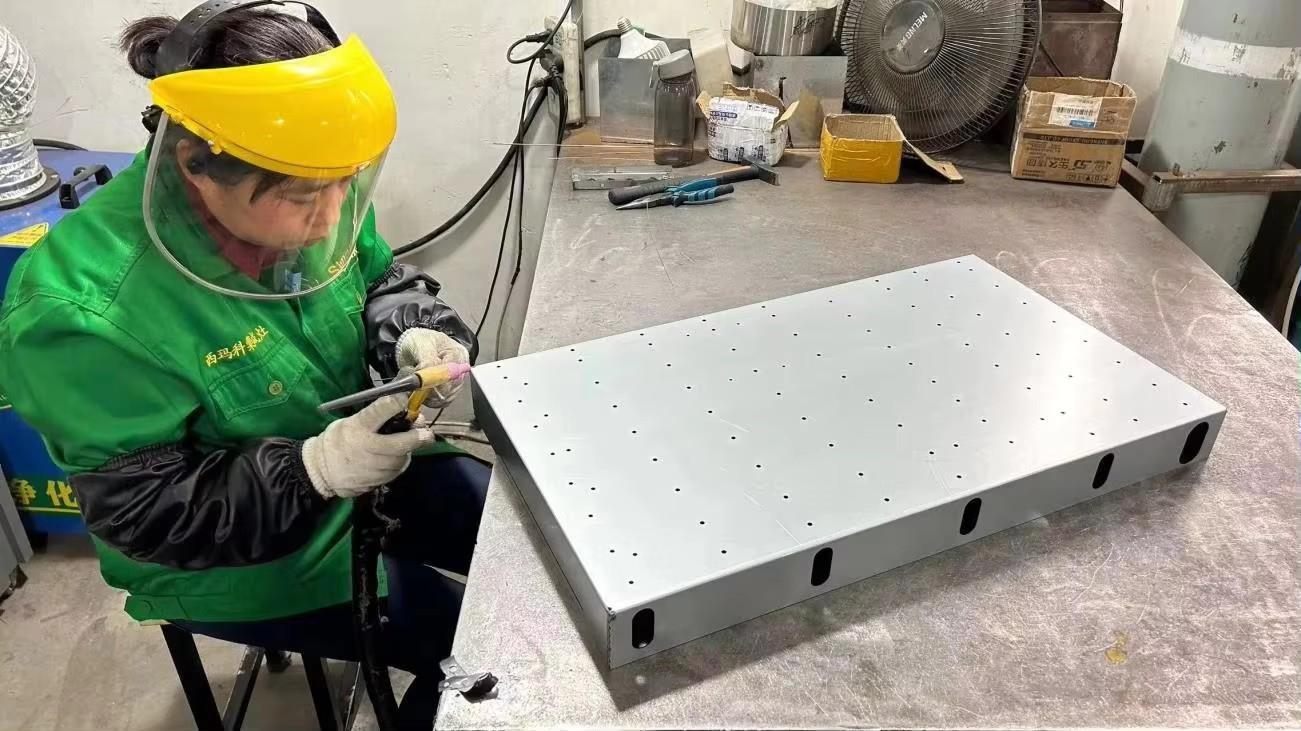
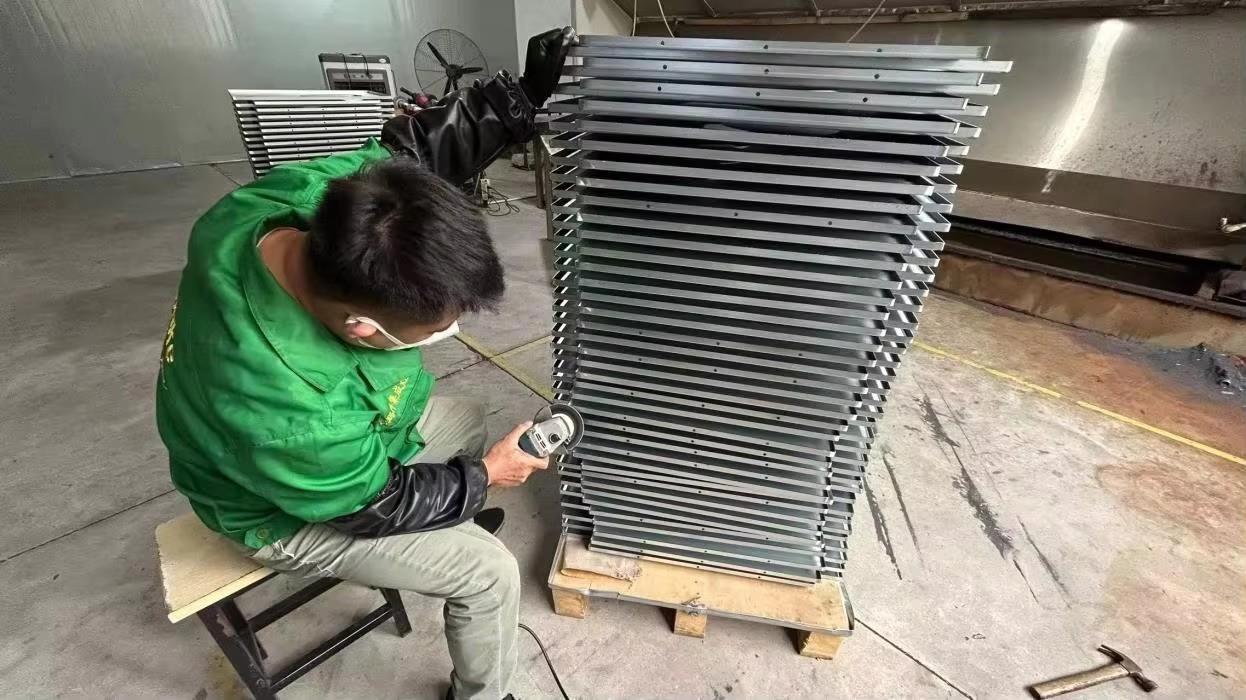
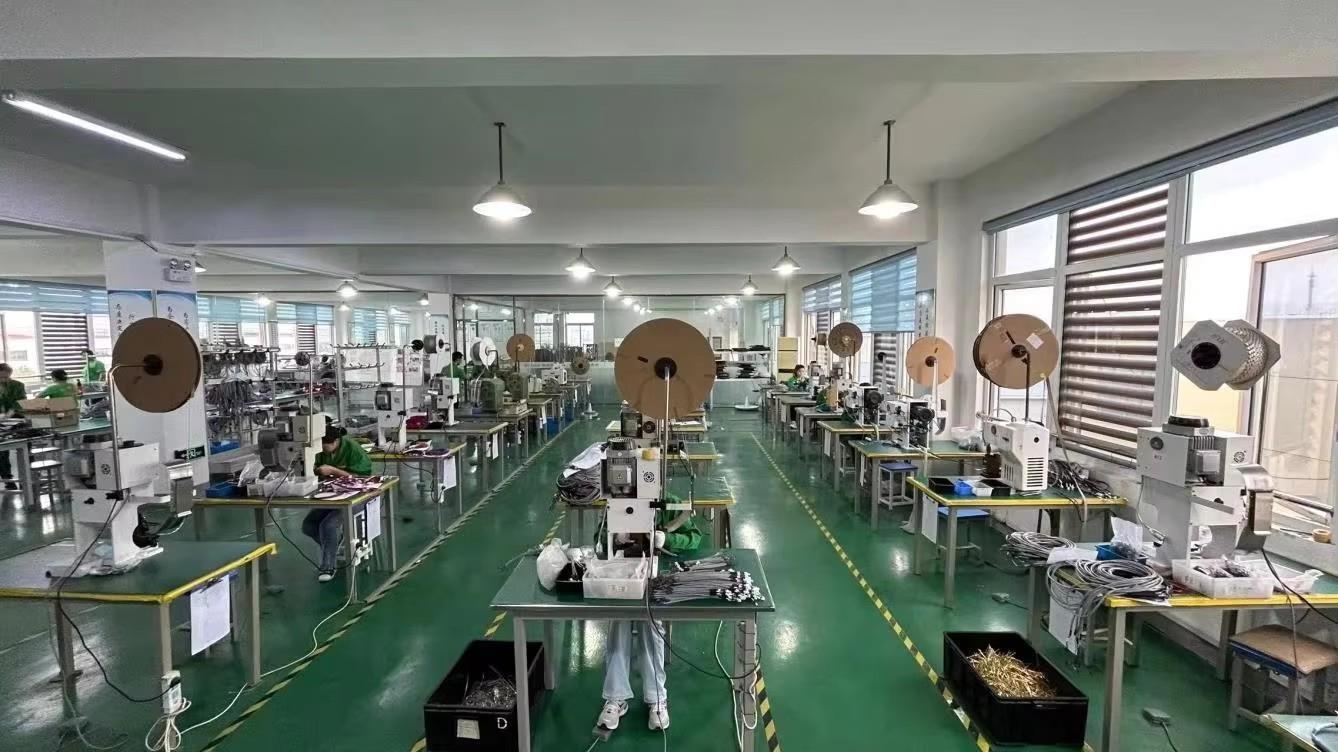
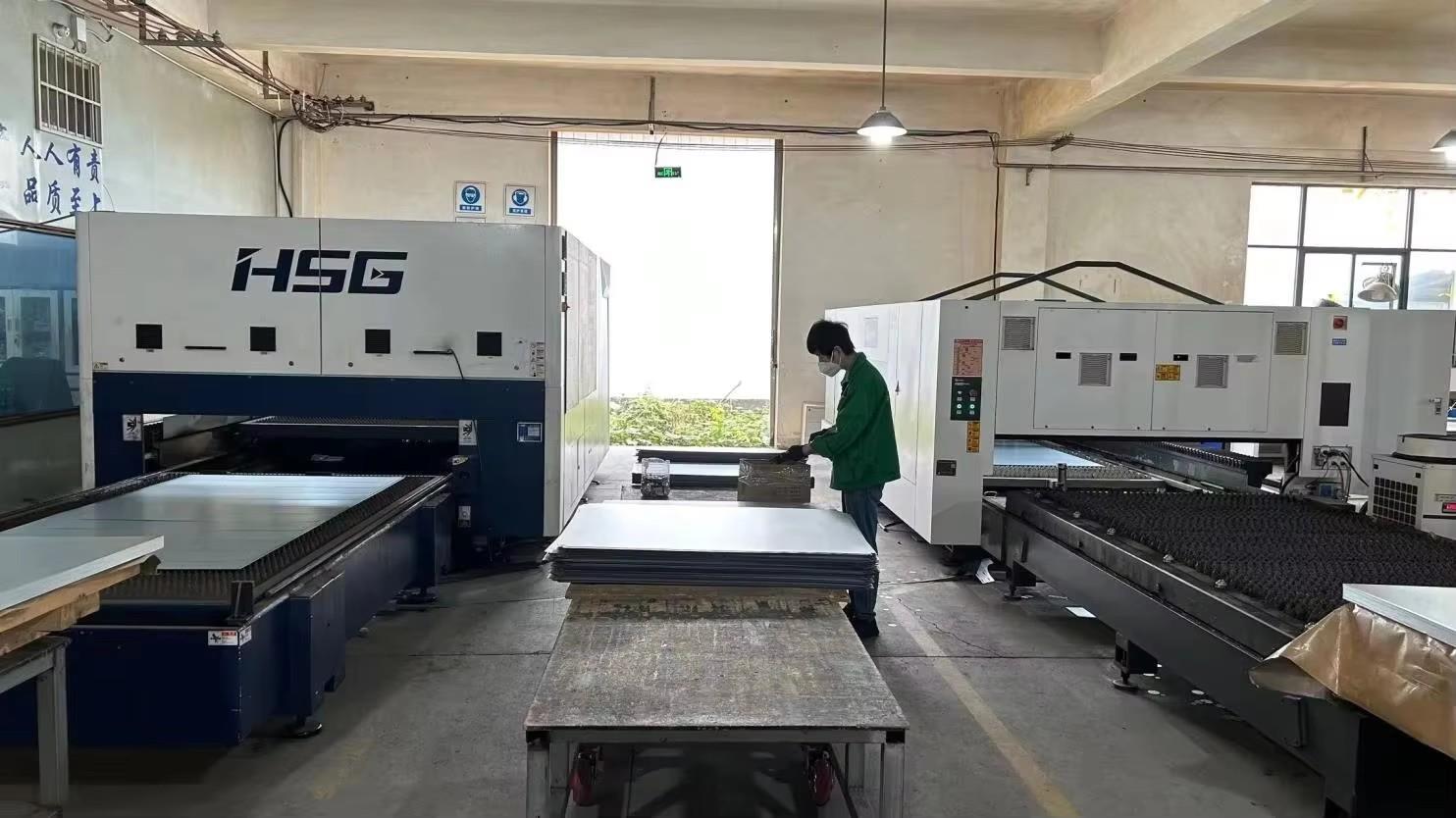
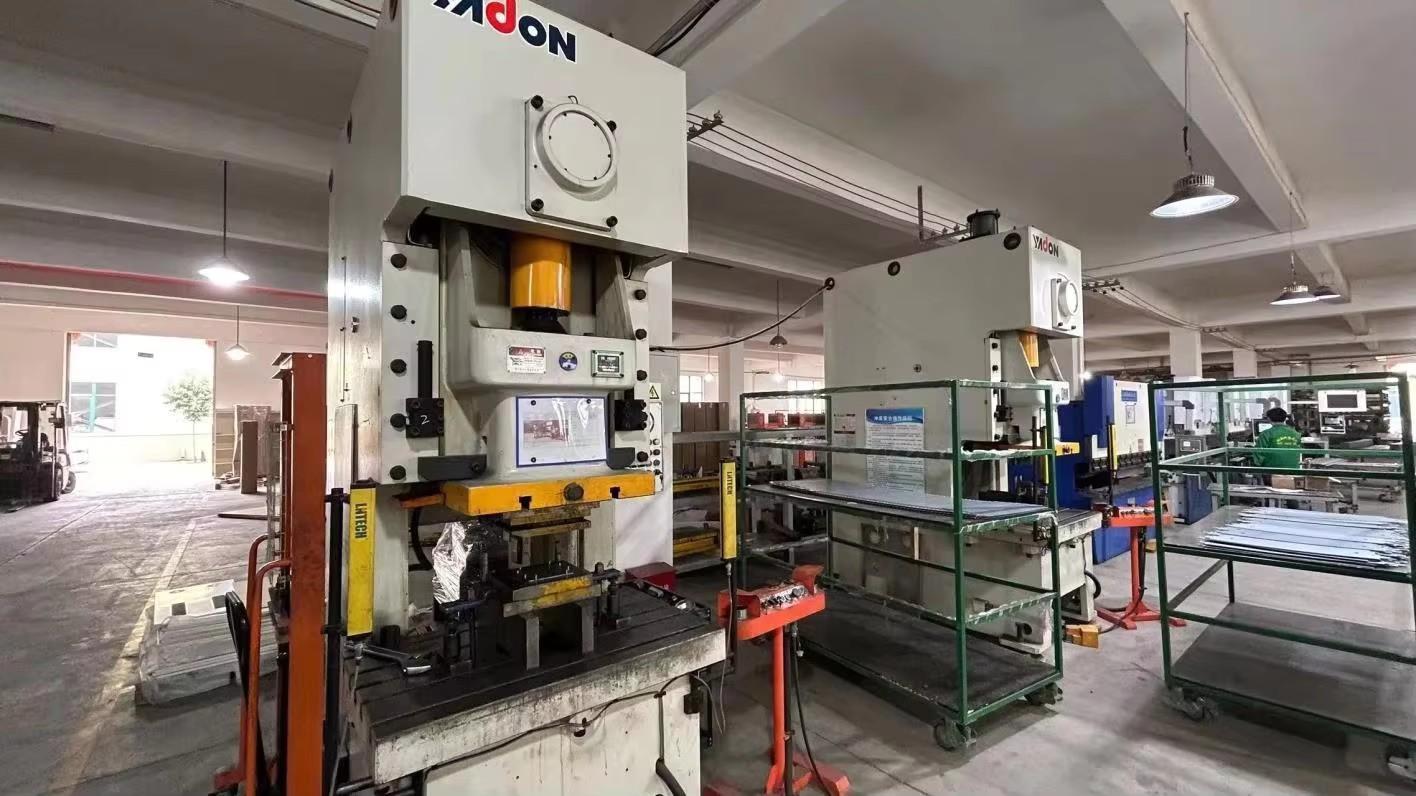
Navigating the complex regulatory environment in the Chicago market requires strict adherence to international and local standards. We design and deliver off-grid solar and energy storage systems engineered to meet the stringent demands of Chicago electrical codes, local utilities (ComEd), and fire safety marshals.
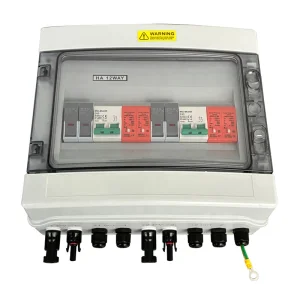
Our off-grid systems incorporate rapid shutdown capability complying with NEC 2020 / NEC 2023 Article 690.12, allowing emergency responders to quickly de-energize the PV array to safe voltage levels. Dual-channel safety communications ensure that if a thermal event or utility drop occurs, the system initiates self-protection protocols within milliseconds, isolating load panels and ensuring site safety.
The next generation of off-grid solar technology focuses on software intelligence, modular system designs, and advanced battery chemistry integrations. We are steering our R&D efforts towards three core technological developments:
Future off-grid systems will not just store and release power statically. Our development roadmap introduces predictive AI algorithms that monitor local weather forecasts, historical demand spikes, and real-time fuel/grid prices. The EMS dynamically adjusts the state-of-charge (SoC) reserves, ensuring that if a winter storm is predicted for the Chicago area, the system pre-charges the LFP batteries and optimizes energy conservation protocols in advance.
While standard LFP cells offer optimal performance, we are currently testing semi-solid-state chemistries. These promise to double the volumetric energy density while retaining LFP's inherent safety. This advancement will allow commercial installations in Chicago to reduce the structural footprint of their battery storage containers by up to 40%.
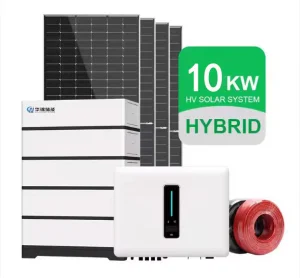
Although optimized for off-grid operations, our hybrid architectures are ready for Virtual Power Plant (VPP) aggregation. When configuration allows, these systems can assist with grid stabilization during peak summer grid stresses, generating secondary revenue for Chicago commercial and industrial operations.
Expert answers to the most common engineering and logistical questions regarding off-grid solar deployments in the US Mid-West.
Our off-grid battery cabinets are built with active thermal management. When the ambient temperature falls below 32°F, the system utilizes integrated thermal wraps and smart heaters powered by the PV array or reserve capacity to maintain the battery cells at their optimal operational window (above 50°F). This prevents internal lithium plating and maintains performance down to -20°F.
All Luzz Solar energy storage systems (BESS) are engineered to comply with UL 9540 (system-level safety) and UL 1973 (battery module safety). Our cells have completed UL 9540A thermal runaway fire safety testing, which is a key requirement for quick permit approval by the Chicago Department of Buildings and Cook County zoning officers.
Being based in Qingdao, a major deepwater seaport city, we offer streamlined shipping lines to the United States. We manage complete DDP/CIF logistics, routing equipment via the West Coast or East Coast ports and utilizing rail routes directly to Chicago’s major intermodal hubs. This ensures robust supply chain resilience and reliable delivery timelines.
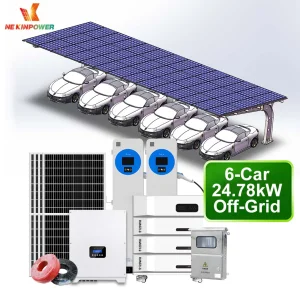
Yes. Our Off-Grid Solar Carport Systems (e.g., our 24.78kW array model) feature structural engineering designed for Chicago's wind loads (up to 115 mph) and snow loads. We provide PE-stamped structural drawings for the structural framing and concrete foundations to ensure absolute compliance with local building codes.
We design system ratios specifically for winter lows. By oversized PV array capacity relative to the inverter rating (DC-to-AC ratio of 1.3 to 1.5) and setting mounting angles to 40 degrees, we maximize low-angle winter sunlight capture. Additionally, our hybrid inverters integrate seamlessly with backup diesel or propane generators for automated dry-contact startup when state-of-charge drops below a set threshold during prolonged storm periods.
Get in touch with our engineering team for a customized off-grid solar system calculation, structural wind load analysis, and complete quote.
 Luzz Solar