Premium-tier industrial components engineered for utility-grade longevity and maximum conversion efficiency.
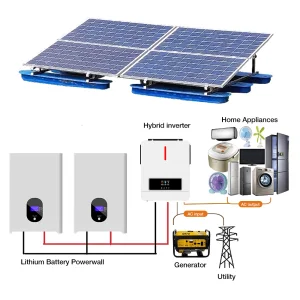
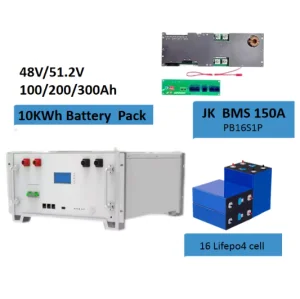
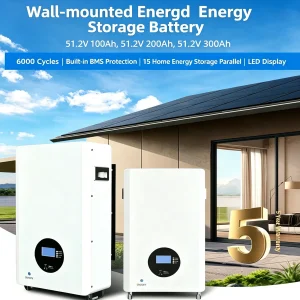
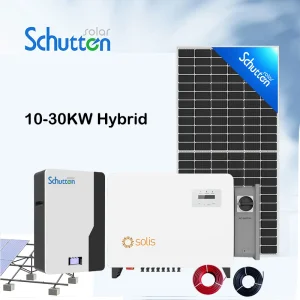
As the international energy grid undergoes an unprecedented shift toward decarbonization, commercial and industrial (C&I) sectors face double-pronged pressure: mitigating volatile electricity costs and adhering to stringent ESG mandates. The adoption of integrated solar photovoltaics and battery storage systems (BESS) has transformed from a voluntary sustainability statement into a mission-critical financial strategy.
China has firmly established itself as the epicenter of clean energy innovation. Today, Chinese commercial solar factories supply over 80% of the world’s PV components. This dominance is not simply a product of scale, but of deep technology integration. From high-efficiency N-type TOPCon and Heterojunction (HJT) solar cells to high-safety Lithium Iron Phosphate (LiFePO4) energy storage systems, Chinese suppliers offer unparalleled quality control, cost efficiency, and end-to-end design adaptability.
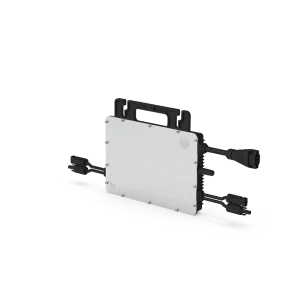
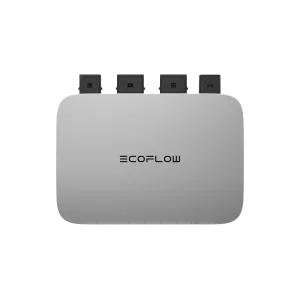
By coupling localized microinverters with high-capacity containerized battery banks, commercial facilities can achieve high levelized cost of energy (LCOE) reduction, secure operational redundancy, and capitalize on peak-shaving strategies that protect bottom lines.
Why leading global enterprises rely on Chinese factories for large-scale solar infrastructure integration.
From polysilicon purification to module assembly and advanced battery cell manufacturing, the entire value chain is co-located. This limits transit risks, stabilizes pricing, and guarantees component compatibility across high-capacity hybrid projects.
Chinese factories lead the global industry in performance metrics. Continued investment in TOPCon, HJT, and Perovskite tandem cell research ensures clients receive modules with low degradation rates and improved temperature coefficients.
Tier-1 factories apply multi-stage inspection methods, including dual EL testing, flash tests, high-precision thermal imaging, and pressure simulation, ensuring zero-defect output for long-term project viability.
Qingdao Luzz Solar Co., Ltd. is a professional new energy enterprise specializing in the development, manufacturing, and global distribution of photovoltaic (PV) products and integrated energy storage solutions. Located in Qingdao, China, the company benefits from a well-established renewable energy industrial base and advanced manufacturing capabilities.
With the accelerating global transition toward carbon neutrality and sustainable development, Luzz Solar is committed to providing efficient, reliable, and cost-effective clean energy solutions to customers worldwide. Our product portfolio includes high-efficiency solar photovoltaic modules, energy storage systems, and integrated solar application solutions designed for residential, commercial, and utility-scale projects.
Driven by technological innovation and quality excellence, the company continuously invests in R&D and production optimization to improve product performance, energy conversion efficiency, and system reliability. We strictly adhere to international quality standards and implement rigorous quality control throughout the entire production process to ensure stable and long-term product performance.
Qingdao Luzz Solar actively expands its global market presence, with business coverage across Asia, Europe, the Middle East, Africa, and Latin America. By working closely with international partners, we are committed to delivering tailored energy solutions that meet diverse regional needs and support the global energy transition.
Guided by the core values of integrity, innovation, cooperation, and sustainability, Luzz Solar strives to become a trusted global partner in the new energy industry. We are dedicated to advancing solar technology and contributing to a greener, more sustainable future.
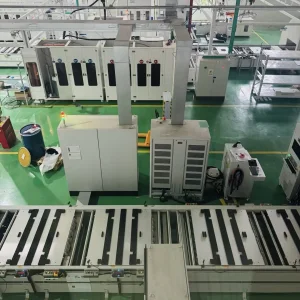
From raw sheet metal processing to automated cell alignment, explore the precise manufacturing phases within our Chinese production plants.
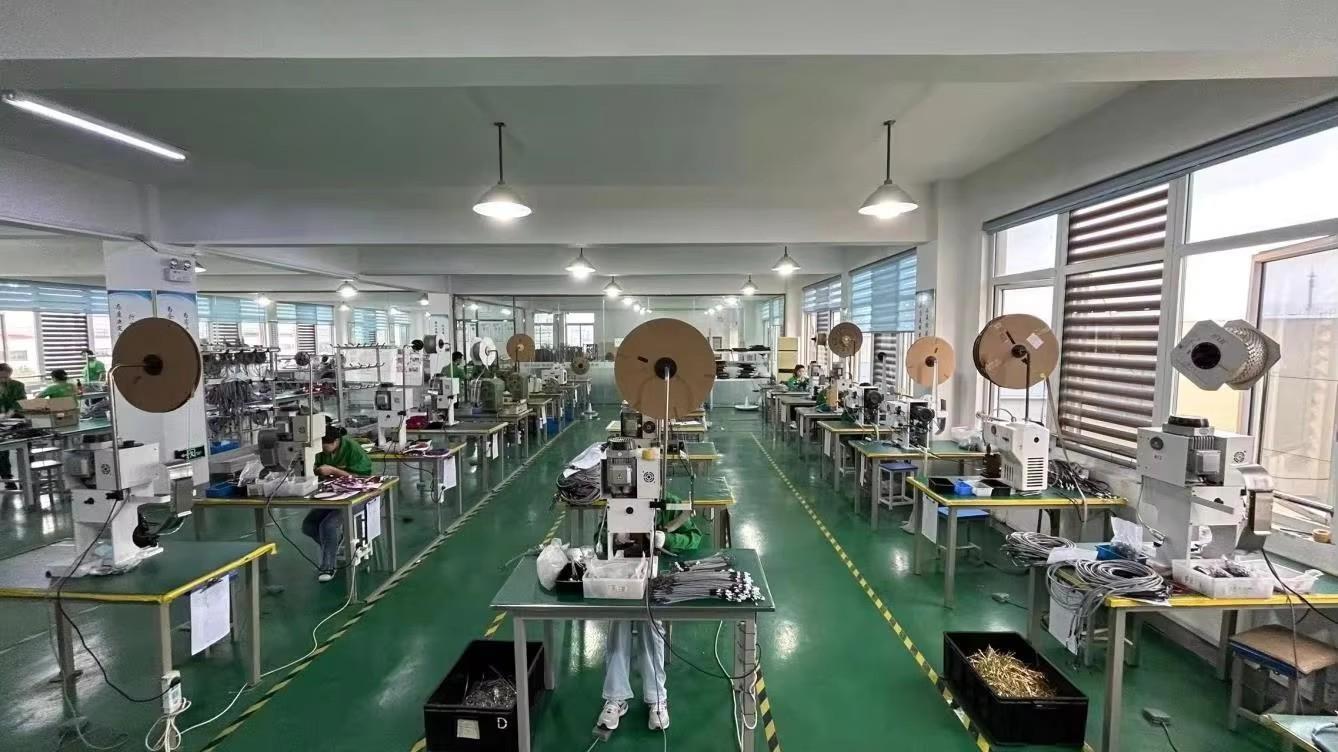
Wiring Harness
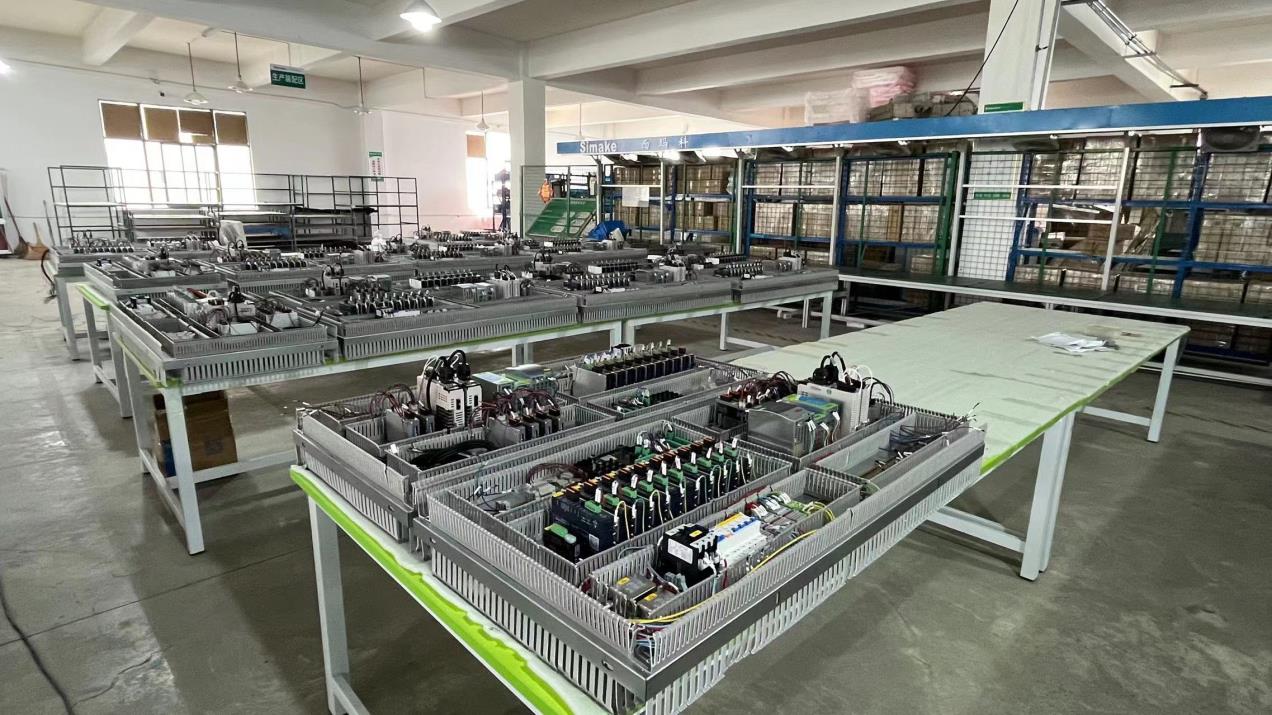
Assembly
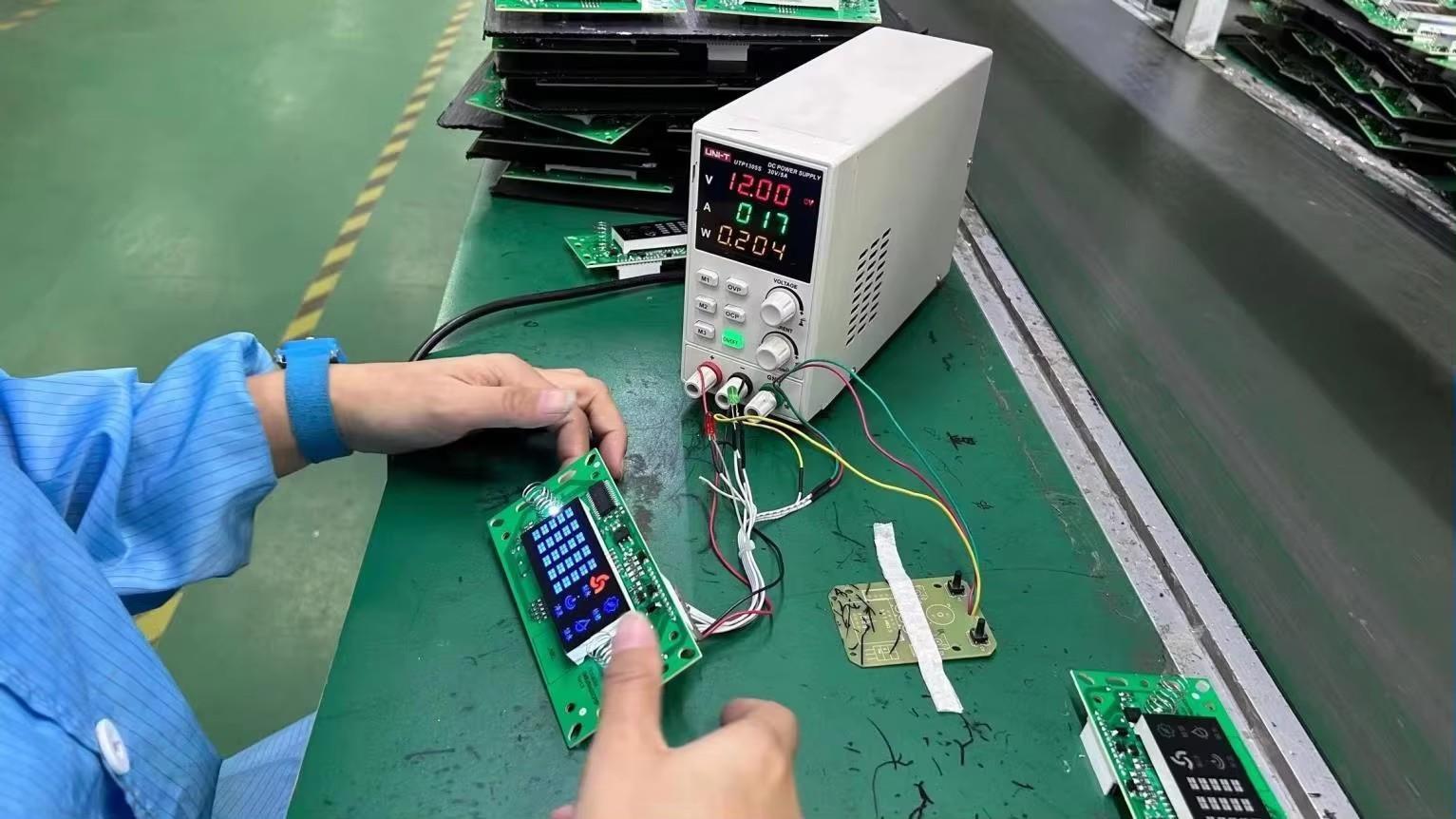
Detection
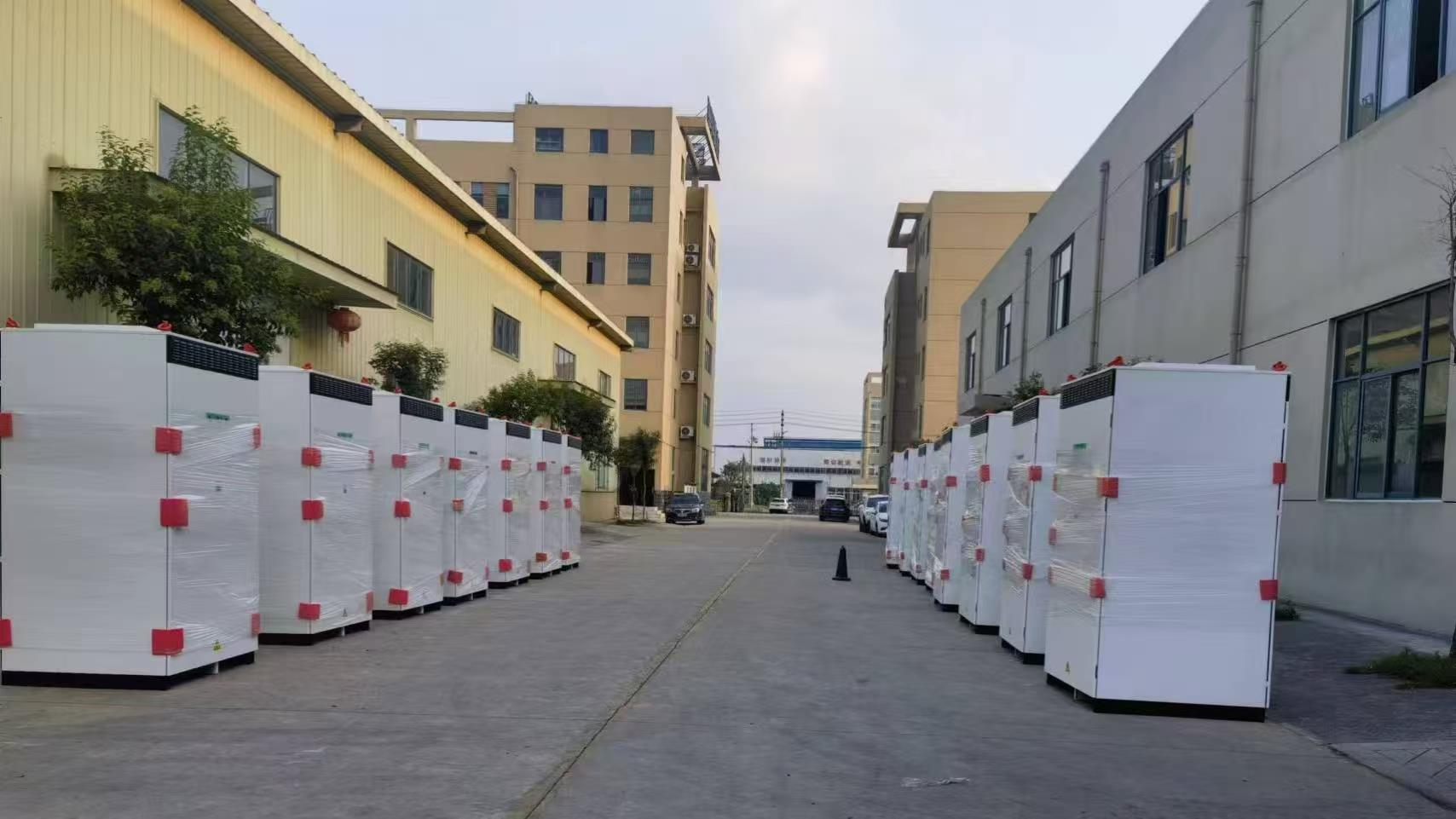
Packing
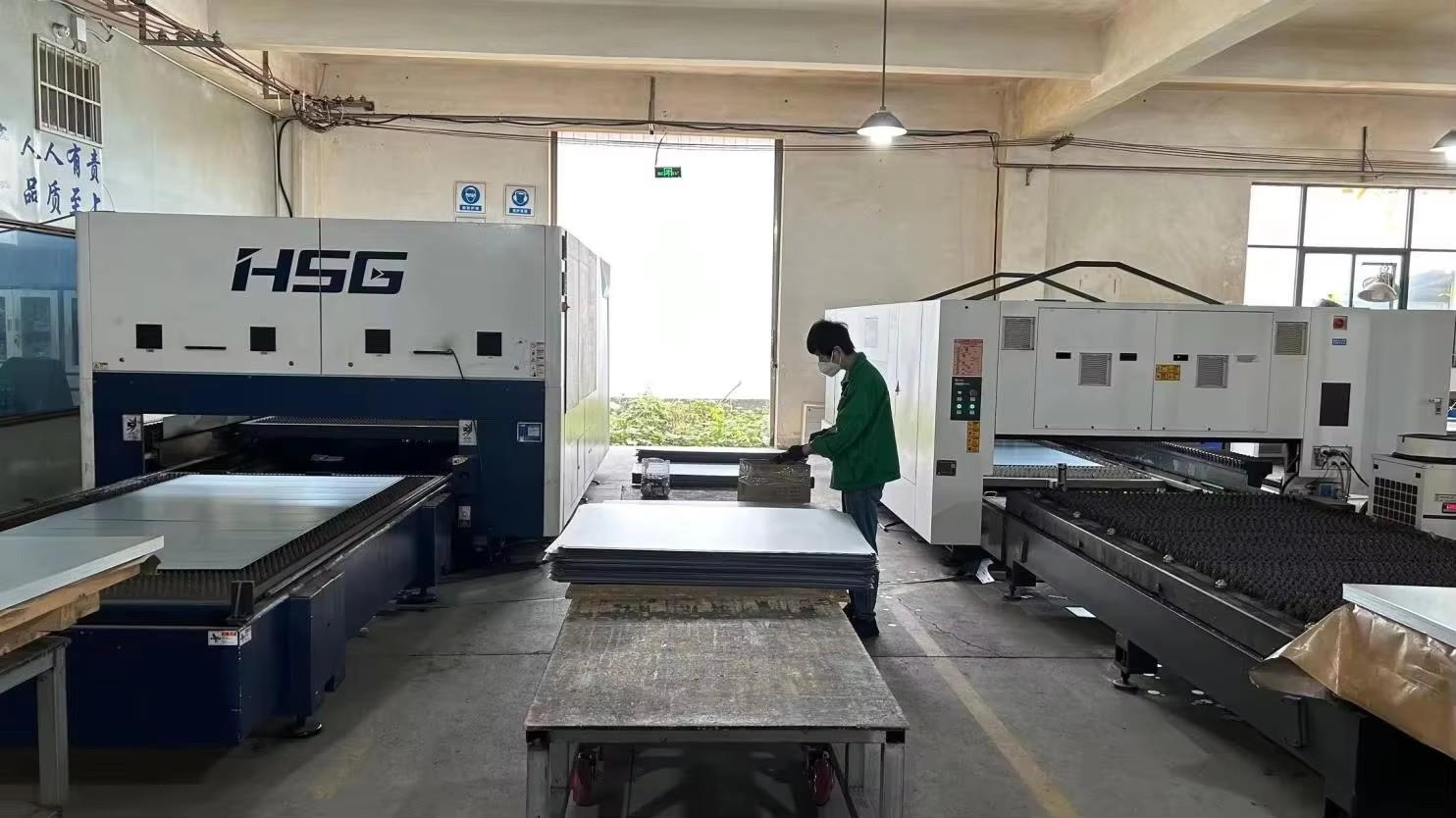
Cutting
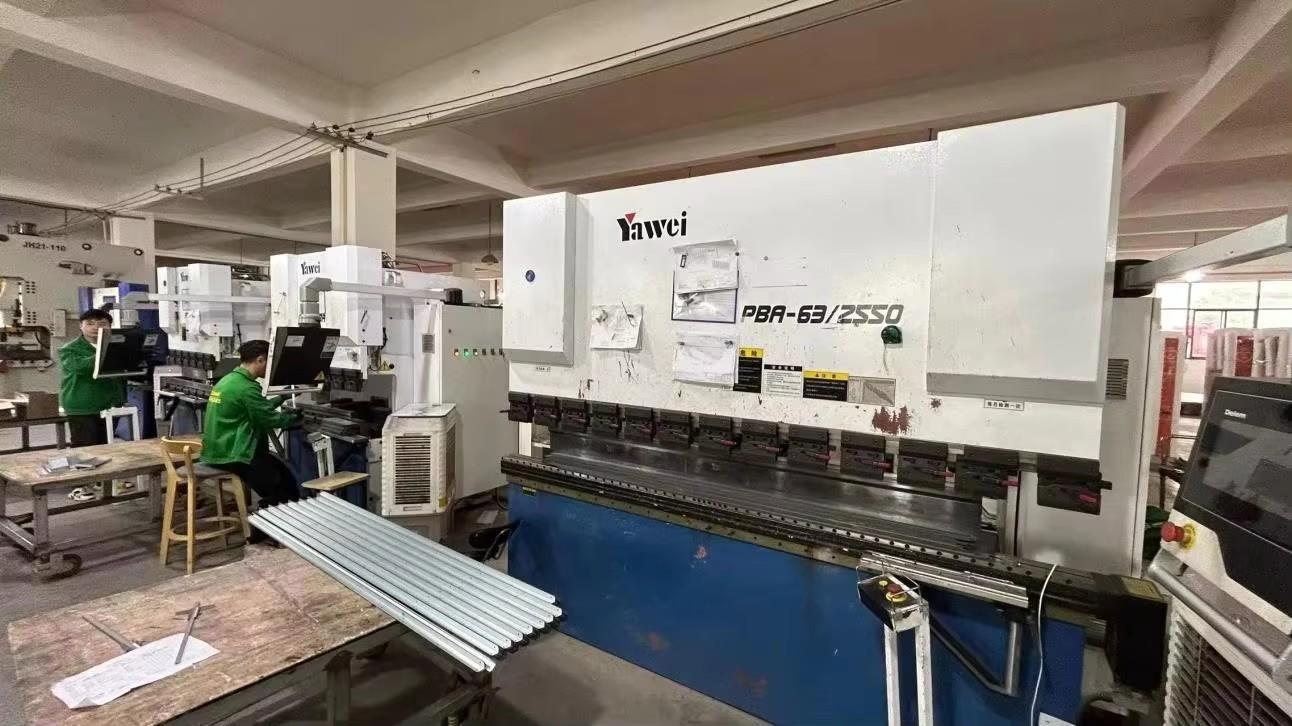
Bending
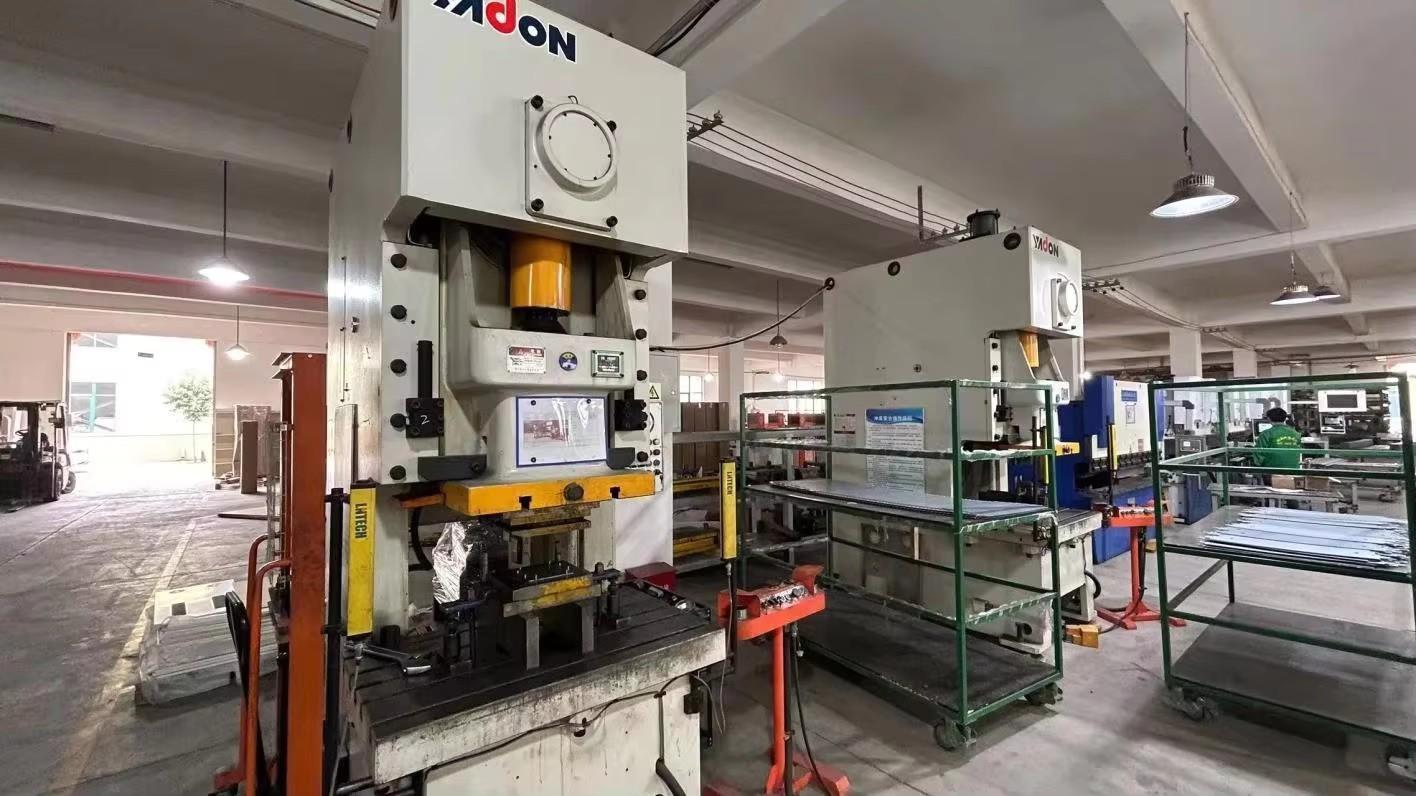
Stamping
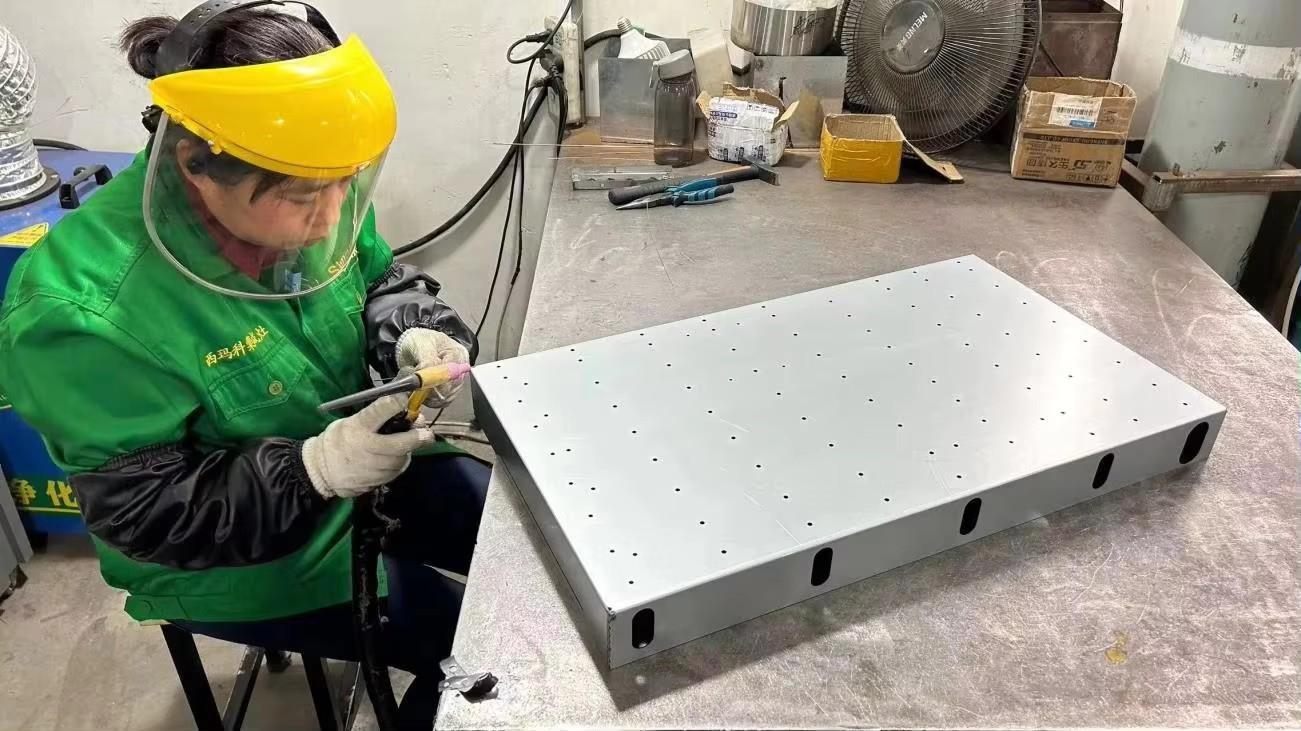
Welding
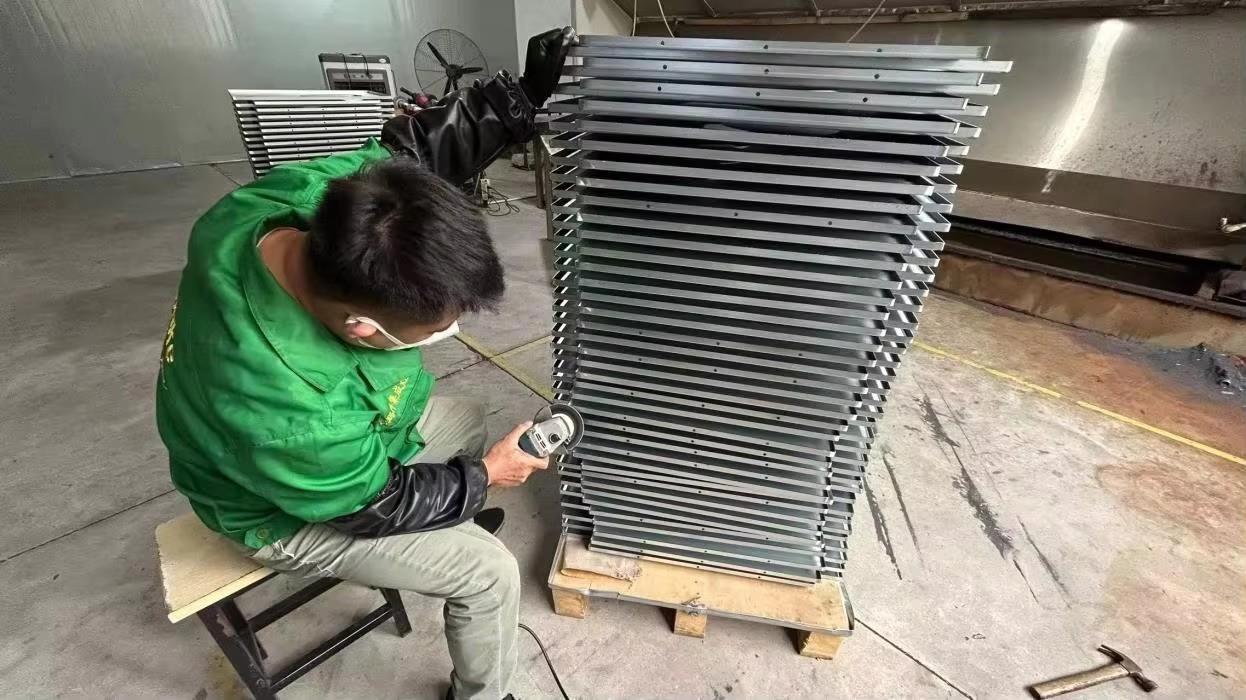
Grinding
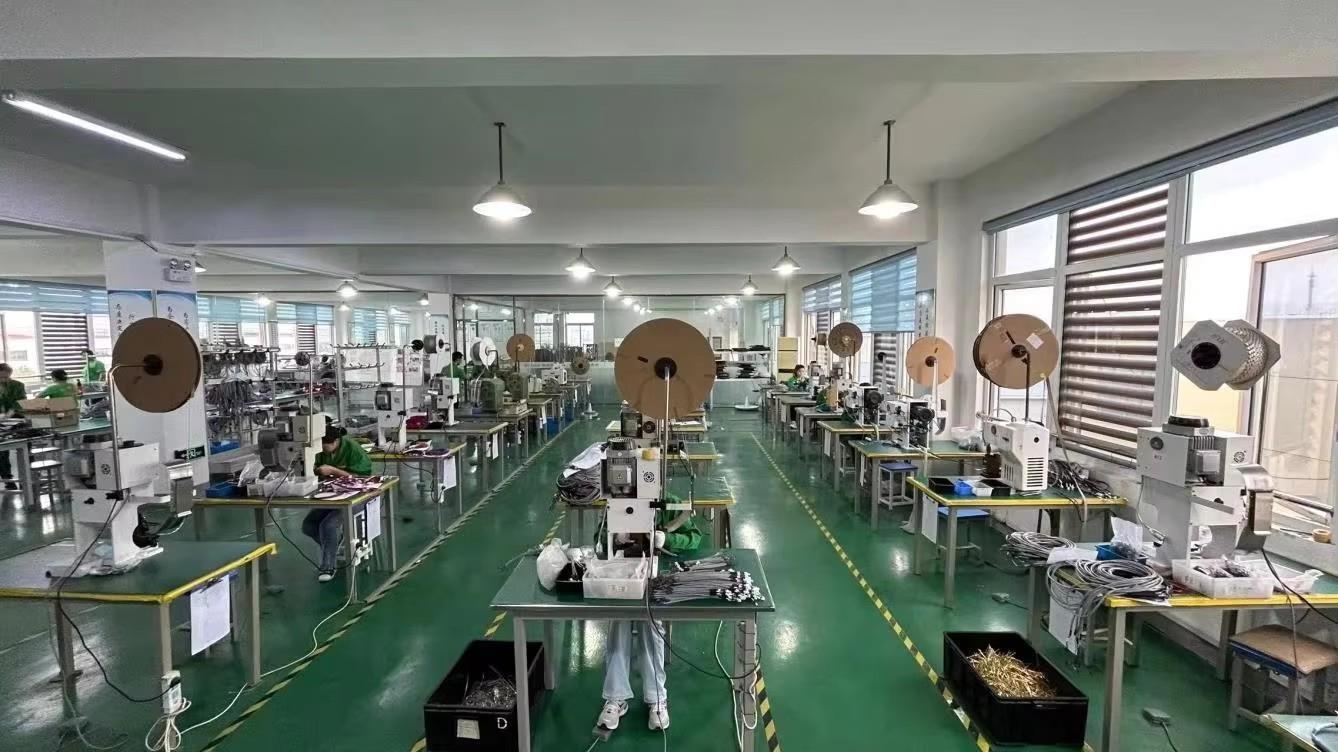
Silent Terminal Machine
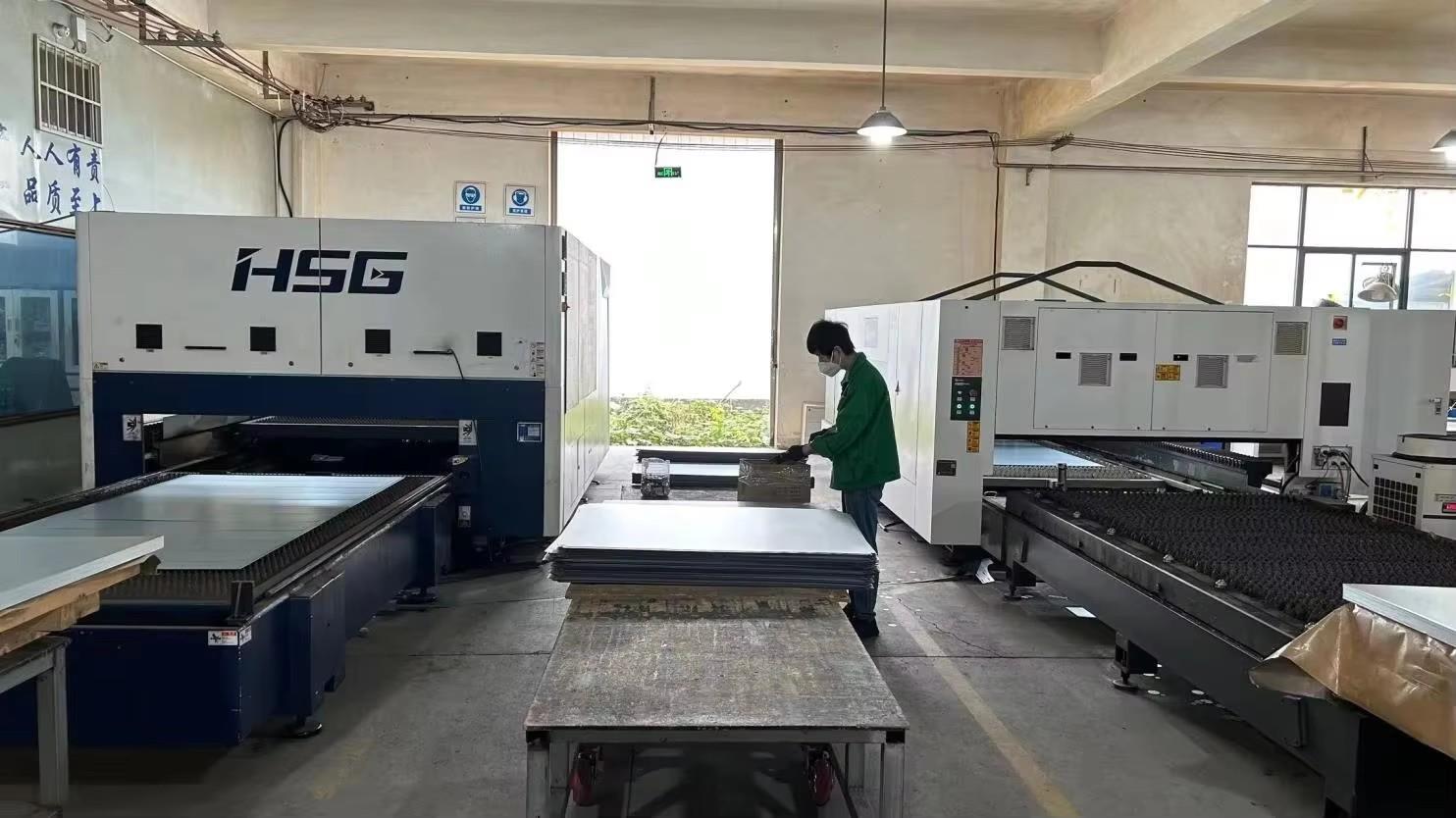
Laser Welding Machine
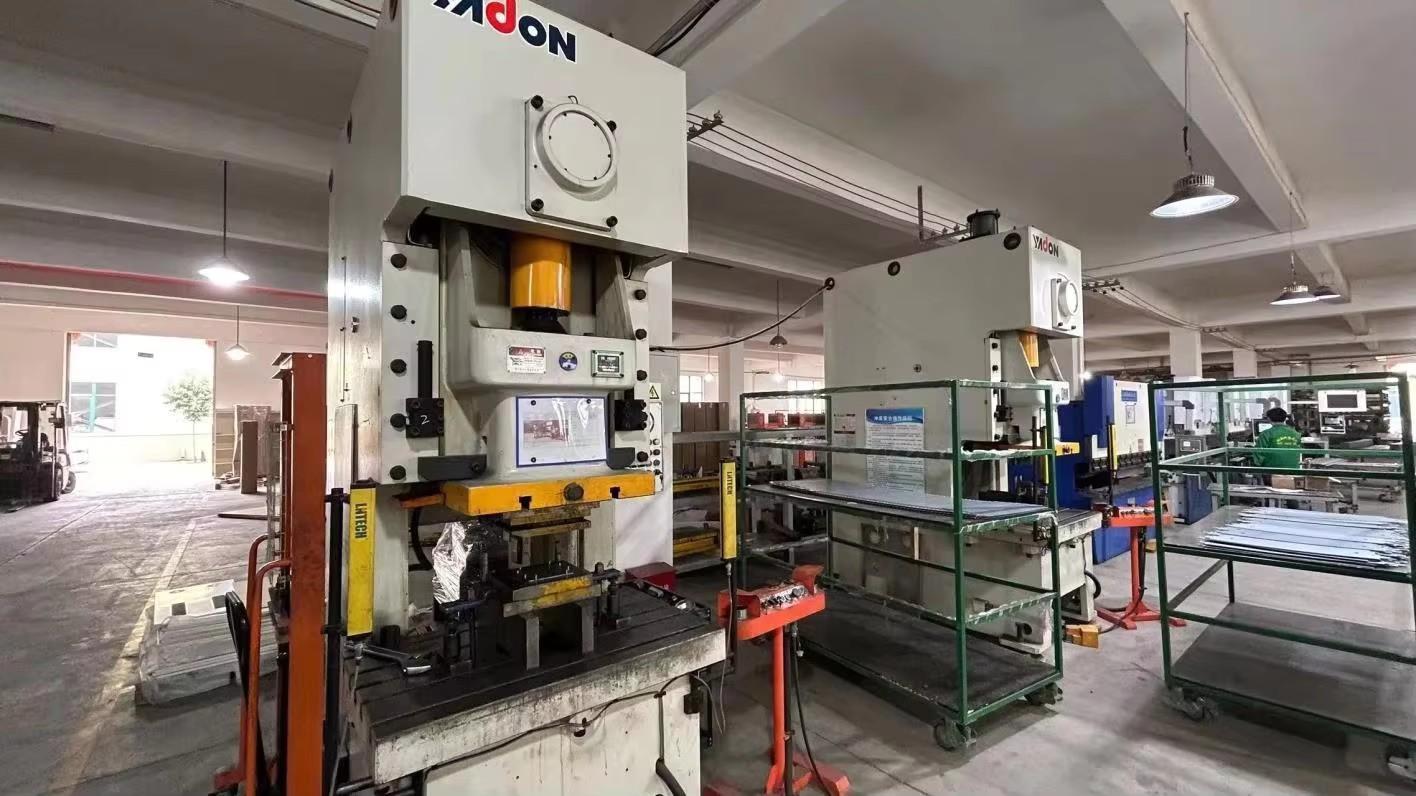
Stamping Machine
Deploying modular configurations designed to lower operational expenditures and secure peak power autonomy.
Decentralized configurations pairing megawatt-scale solar arrays with centralized ESS cabinets. Operates in islanded or grid-interactive modes to maintain operations in remote areas or unstable grid markets.
Advanced battery intelligence monitors load draws, discharging stored battery power during high-rate peak periods to prevent demand-charge spikes and maximize savings.
Zero-export controllers modulate output, adjusting solar generation down to match real-time site consumption. This bypasses regulatory grid hurdles and permits zero-export operational clearance.
Adaptable technology platforms providing commercial and industrial value across diverse climates and operational conditions.
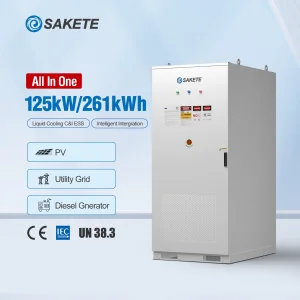
Provides dual redundancy backup power. Custom ESS container modules, like the 215kWh–1MWh LiFePO4 batteries, integrate with ATS (Automatic Transfer Switch) systems to support life-support systems without outage delays.
Addresses high operational baseline cooling loads. Combines rooftop PV panels with 3-phase hybrid inverters to cover daytime load peaks and offset demand spikes from refrigeration compressor cycles.
Replaces diesel generation at remote mine and factory sites. Uses rugged hybrid setups with maximum MPPT tracking capacities to reduce fuel supply reliance and operating costs.
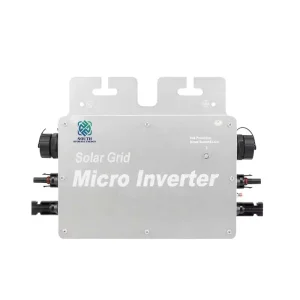
Provides micro-generation setups for urban spaces. Safe balcony microinverters feed generation directly to sub-panels, lowering municipal power draws for light-duty commercial spaces.
Global procurement teams must look beyond standard pricing. Ensuring long-term reliability and return on investment (ROI) requires detailed scrutiny of the supplier's quality and structural standards:
Next-generation innovations reshaping commercial energy planning and utility integrations.
Modern Energy Management Systems use predictive machine learning models to analyze local weather forecasts, historic consumption, and grid tariff rates, scheduling battery usage to optimize economic value.
Next-generation commercial systems act as bidirectional power nodes, allowing parked corporate EV fleets to serve as virtual power plants (VPPs) during grid spikes.
R&D is transitioning to solid-electrolyte cells, aiming to eliminate liquid flammable components to provide safe performance for high-density metropolitan facilities.
Detailed technical answers to help engineering and purchasing teams make informed design choices.
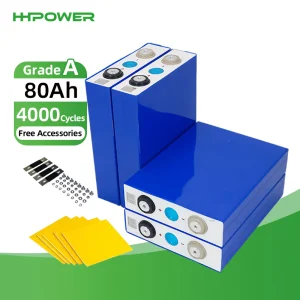
LiFePO4 (Lithium Iron Phosphate) offers major safety and performance advantages for stationary commercial projects compared to NMC (Nickel Manganese Cobalt). LiFePO4 has a thermal runaway temperature of around 270°C, while NMC is around 210°C, lowering fire risks. Additionally, LiFePO4 cells support 5,000 to 8,000 cycles at 80% Depth of Discharge (DoD), compared to NMC's typical 2,000 cycles, yielding a lower cost per cycle over long project lifespans.
High-efficiency N-type TOPCon monocrystalline panels show an initial degradation rate of 1.0% to 1.5% in year one, followed by a linear annual degradation of 0.4% to 0.55% over the remaining life of the panel. Most tier-1 factories guarantee at least 87.4% of initial power output after 30 years of continuous service.
Zero-export systems use smart meters (current transformers) at the utility grid connection point. The meter continuously monitors power flow direction and rate. If generation exceeds local demand, the meter instructs the inverter to reduce its generation, ensuring no excess solar power is fed back into the external grid.
Standard air-cooled BESS containers operate reliably between -20°C and +50°C. For areas with sustained temperatures above 40°C, liquid-cooled solutions are recommended. These maintain uniform cell temperatures, reducing degradation and extending overall system lifespan.
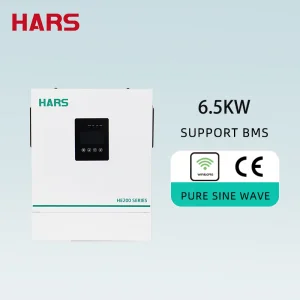
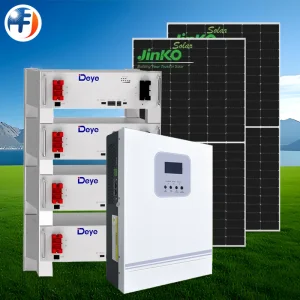
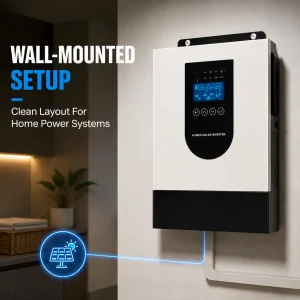
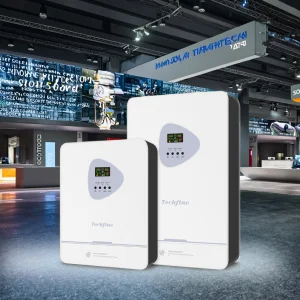
Heavy-duty power conversion systems and high-density modular battery solutions for modern grid integration.
 Luzz Solar