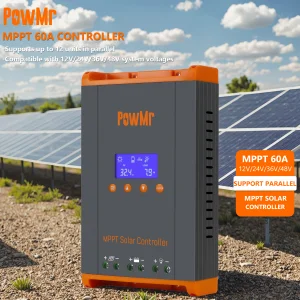
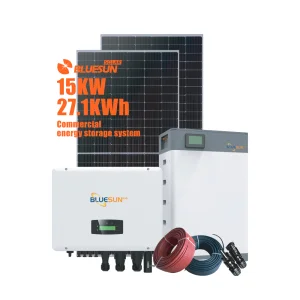
High-efficiency, micro-processor controlled Maximum Power Point Tracking (MPPT) regulators configured for tropical installations.
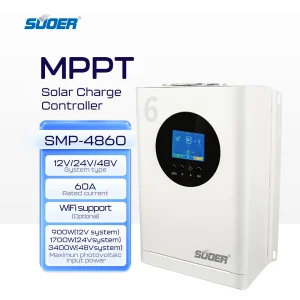
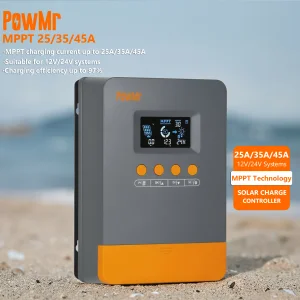
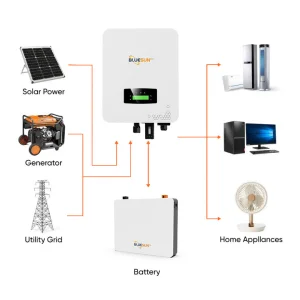
As Bangladesh moves rapidly towards establishing a highly resilient green energy matrix, the role of intelligent photovoltaic regulation hardware has become a key point of strategic focus. In compliance with the national vision to source 40% of its energy requirement from clean sources by 2041, public utility developers, non-governmental organisations (such as IDCOL), and industrial manufacturers are actively restructuring their power distribution grids. At the heart of this grid architecture lies the Maximum Power Point Tracking (MPPT) Solar Charge Controller—a device designed to govern energy transfer and prolong system lifetimes under demanding meteorological variables.
Bangladesh’s sub-tropical climate brings significant variations in temperature and cloud cover, especially during the long monsoon season (June to September). Unlike conventional controllers, modern MPPT algorithms continuously adjust operating parameters to capture the absolute maximum potential of photovoltaic strings even in diffuse, low-light conditions.
By leveraging synchronous rectification technologies and advanced DSP algorithms, our solar charge controllers yield peak conversion efficiencies of up to 99%. In large industrial systems, this directly translates to lower operational costs and a faster return on investment (ROI).
The operational environment of the typical South Asian solar array presents unique engineering hurdles. Under standard ambient temperatures exceeding 38°C (often reaching internal rooftop junction box temperatures of over 65°C), the maximum power output voltage ($V_{mp}$) of standard silicon panels drops significantly. A traditional Pulse Width Modulation (PWM) controller clamps the array voltage to the battery's nominal charging voltage, resulting in lost output potential.
By comparison, a premium MPPT solar charge controller decouples the array voltage from the battery voltage. By executing high-speed buck-converter steps, it transforms excess voltage into charging current, capturing up to 30% more power than PWM options. Additionally, with built-in battery temperature compensation, the controller dynamically modulates its output algorithm to prevent thermal runaway, a critical safety measure in high-temperature regions like Rajshahi and Jessore.
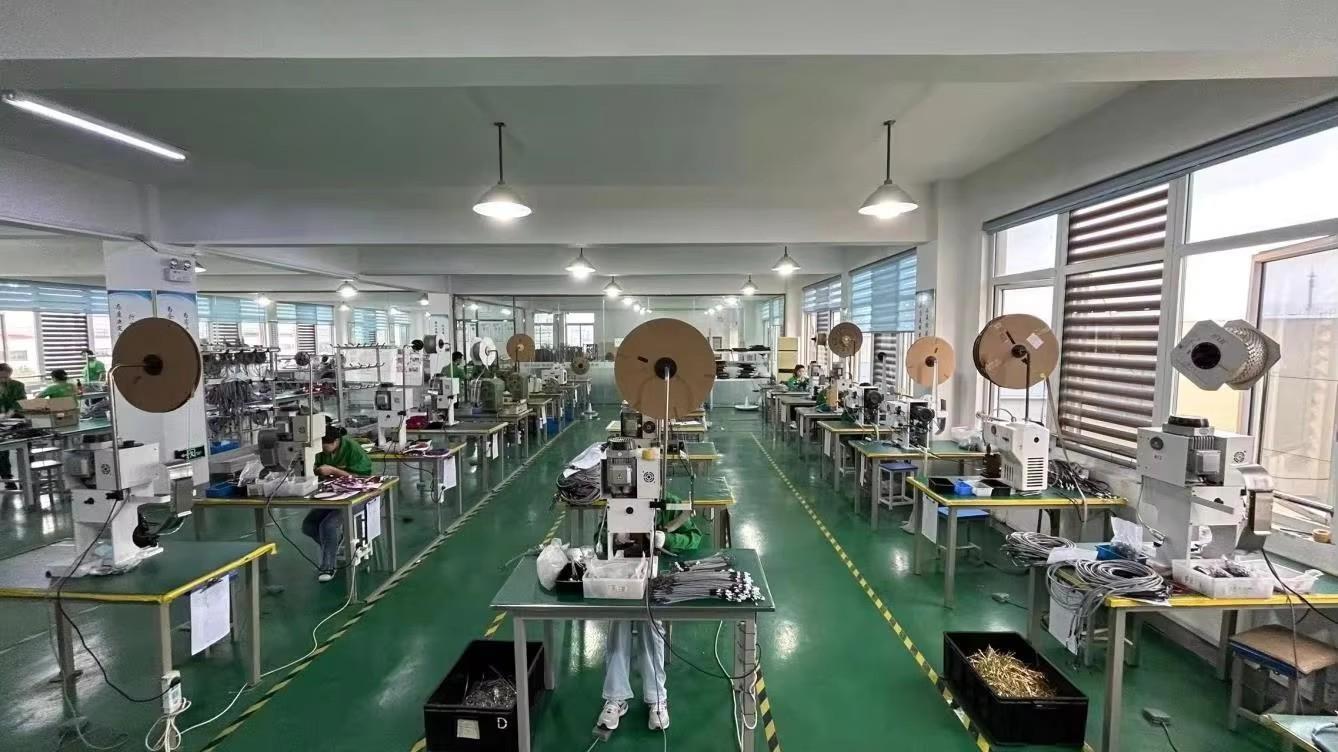
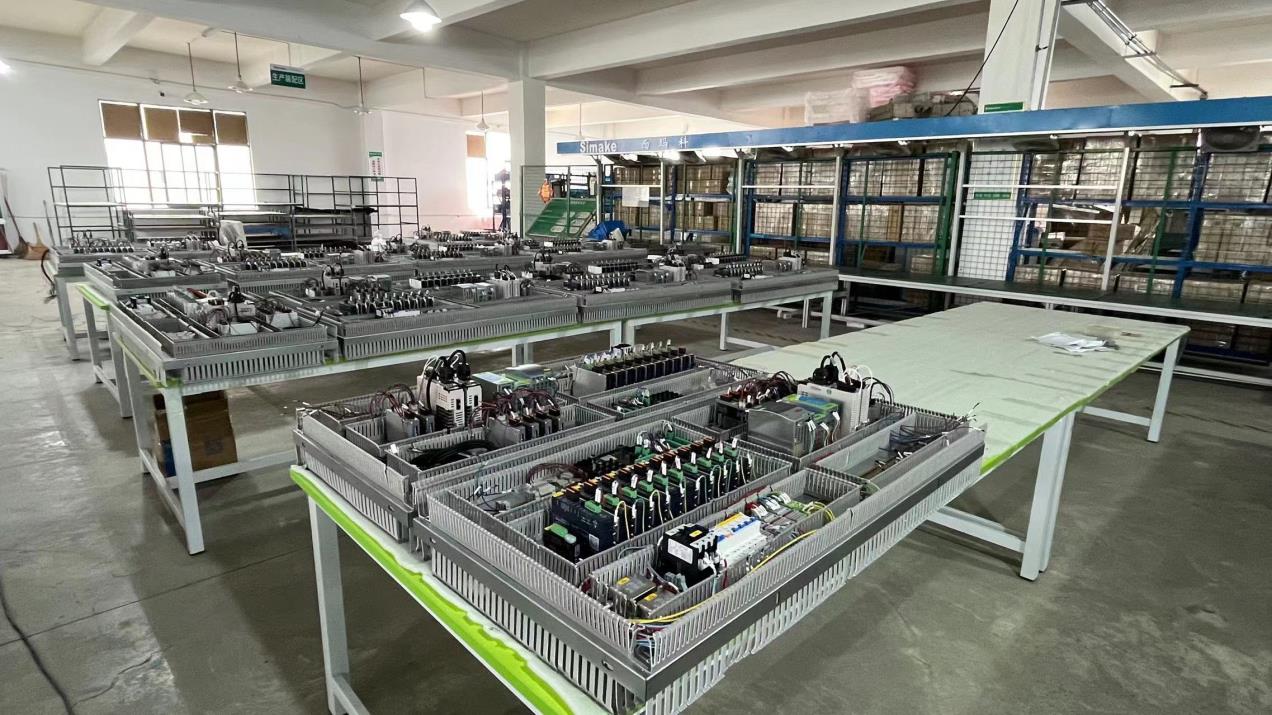
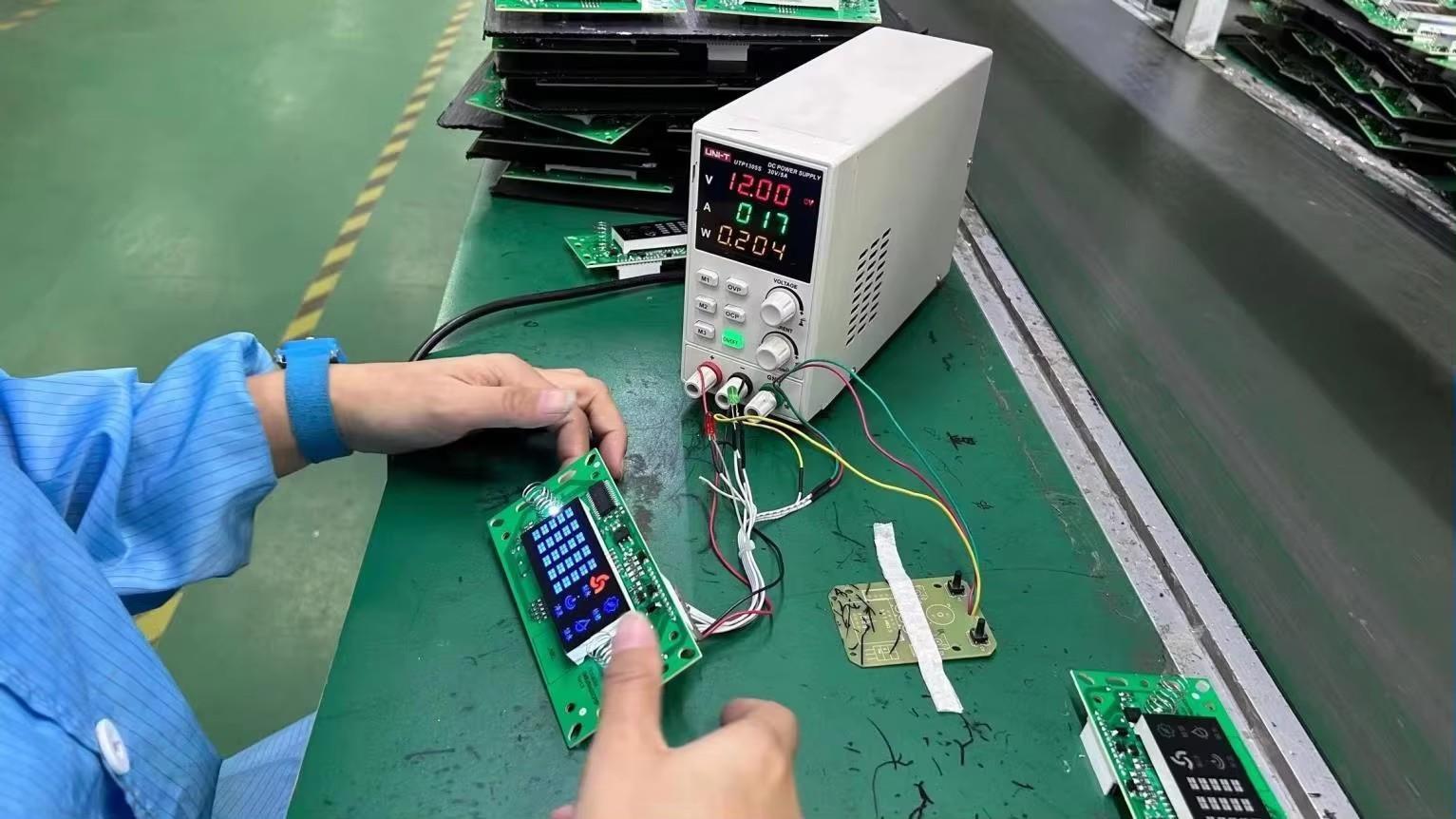
For engineering, procurement, and construction (EPC) companies sourcing components globally, supply chain stability is just as important as device efficiency. To qualify as a tier-1 partner, a manufacturer must offer a mix of structural durability, comprehensive validation testing, and compliance with global standards, including IEC 62109, CE, and RoHS certifications. Modern procurers prioritize suppliers that can guarantee consistent production capacity, high-speed delivery networks, and direct-from-factory technical support.
Qingdao Luzz Solar Co., Ltd. - Integrating advanced manufacturing with global solar supply chains.
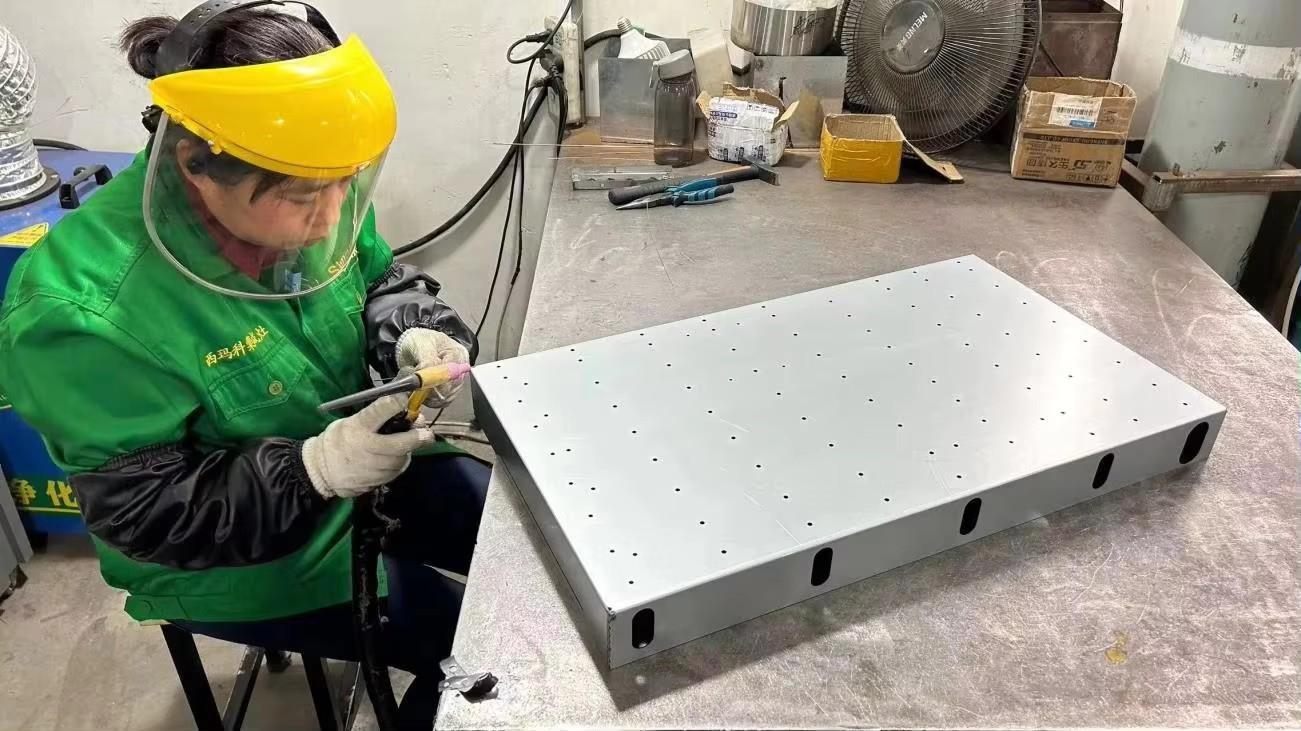
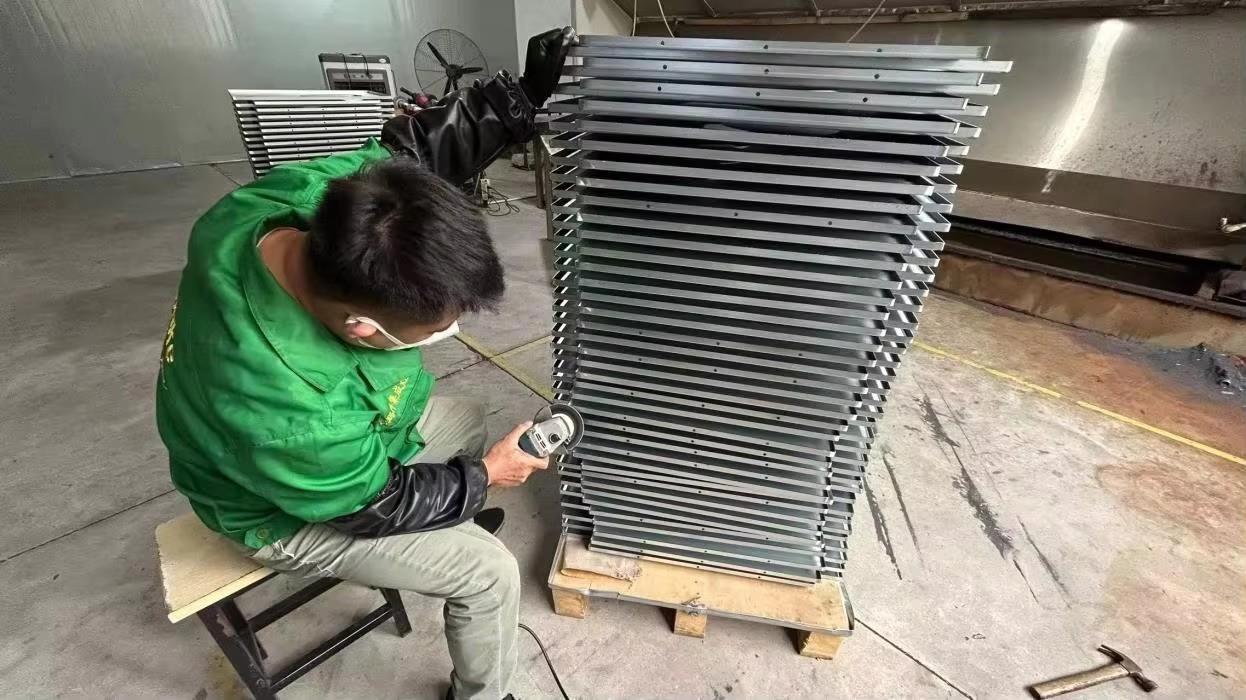
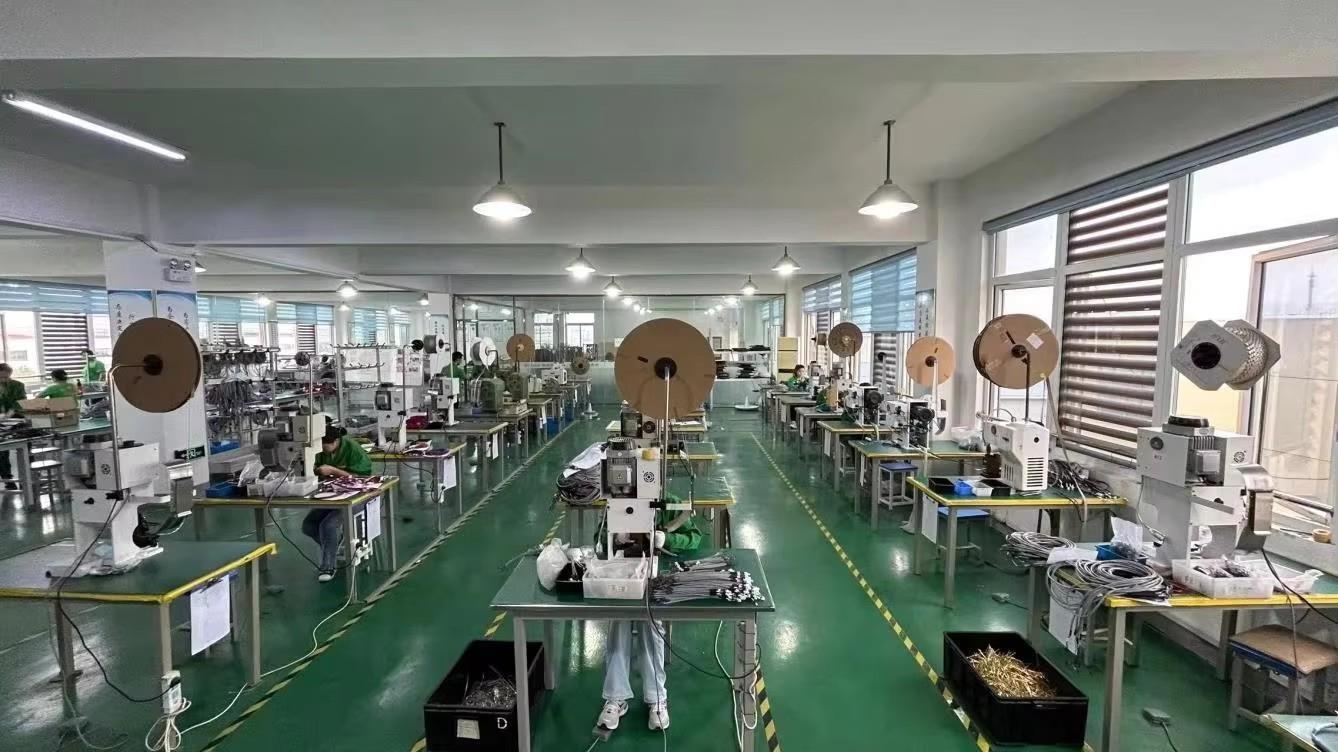
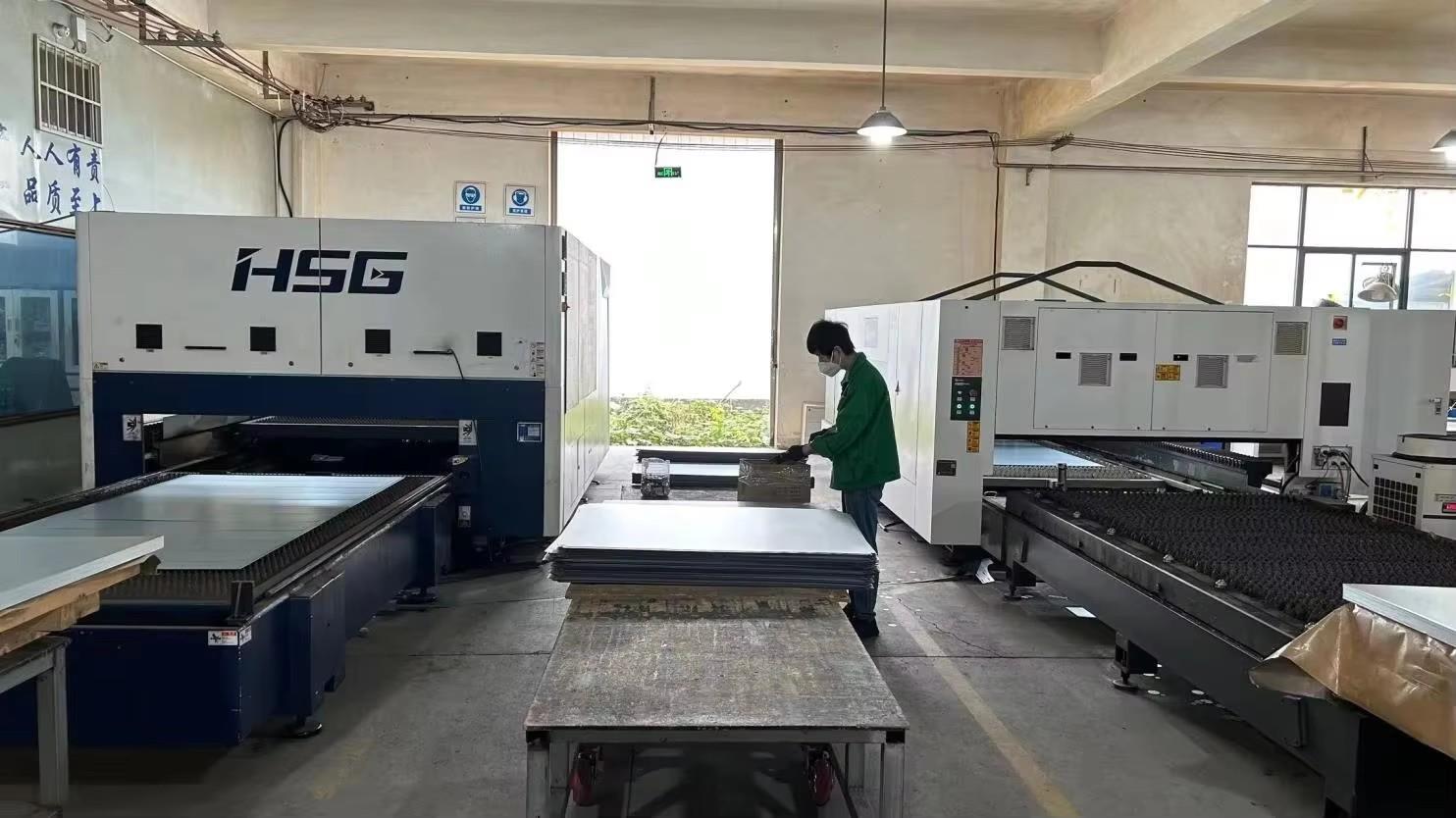
Qingdao Luzz Solar Co., Ltd. is a professional new energy enterprise specializing in the development, manufacturing, and global distribution of photovoltaic (PV) products and integrated energy storage solutions. Located in Qingdao, China, the company benefits from a well-established renewable energy industrial base and advanced manufacturing capabilities.
With the accelerating global transition toward carbon neutrality and sustainable development, Luzz Solar is committed to providing efficient, reliable, and cost-effective clean energy solutions to customers worldwide. Our product portfolio includes high-efficiency solar photovoltaic modules, energy storage systems, and integrated solar application solutions designed for residential, commercial, and utility-scale projects.
Driven by technological innovation and quality excellence, the company continuously invests in R&D and production optimization to improve product performance, energy conversion efficiency, and system reliability. We strictly adhere to international quality standards and implement rigorous quality control throughout the entire production process to ensure stable and long-term product performance.
Qingdao Luzz Solar actively expands its global market presence, with business coverage across Asia, Europe, the Middle East, Africa, and Latin America. By working closely with international partners, we are committed to delivering tailored energy solutions that meet diverse regional needs and support the global energy transition.
Guided by the core values of integrity, innovation, cooperation, and sustainability, Luzz Solar strives to become a trusted global partner in the new energy industry. We are dedicated to advancing solar technology and contributing to a greener, more sustainable future.
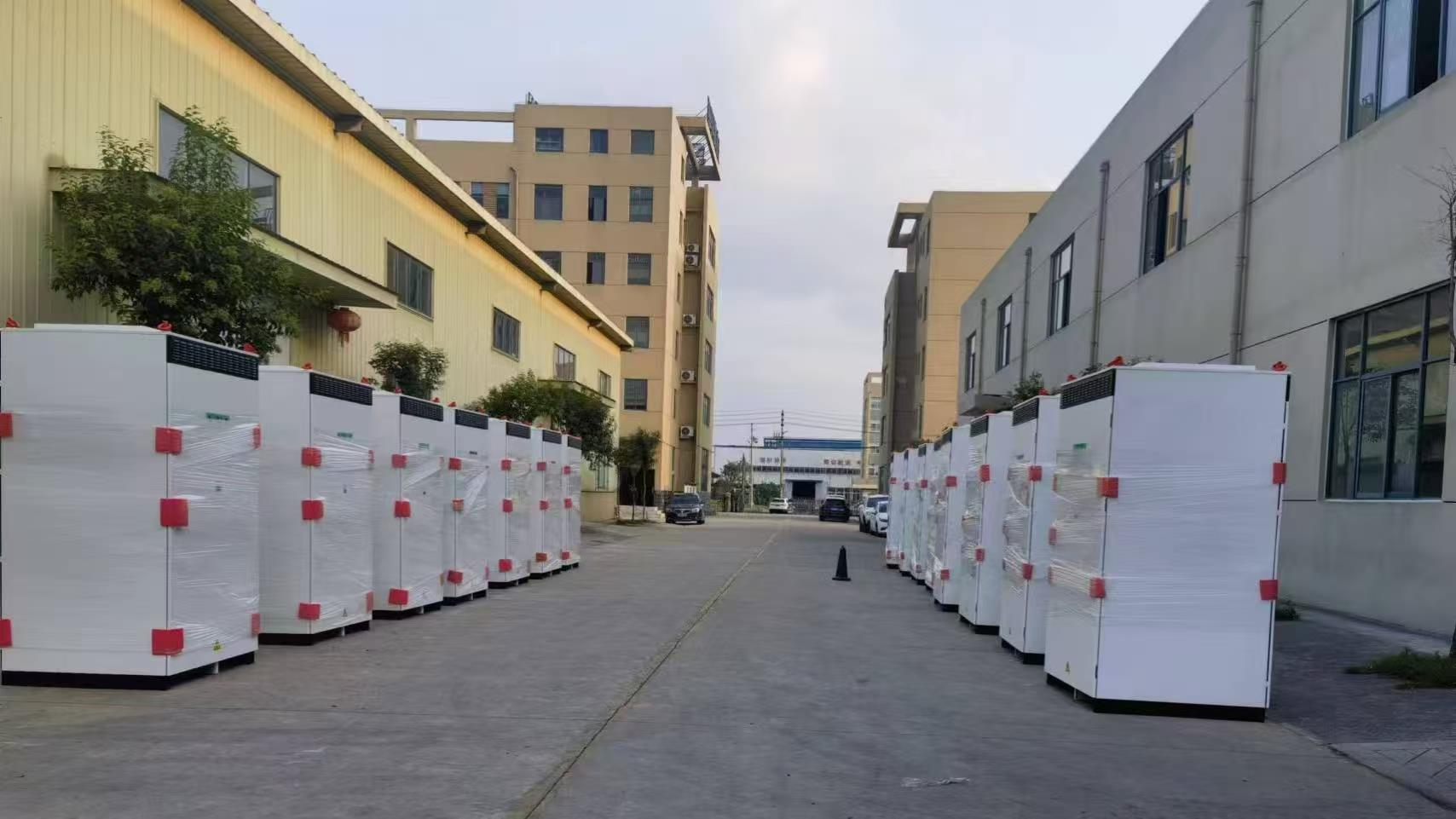
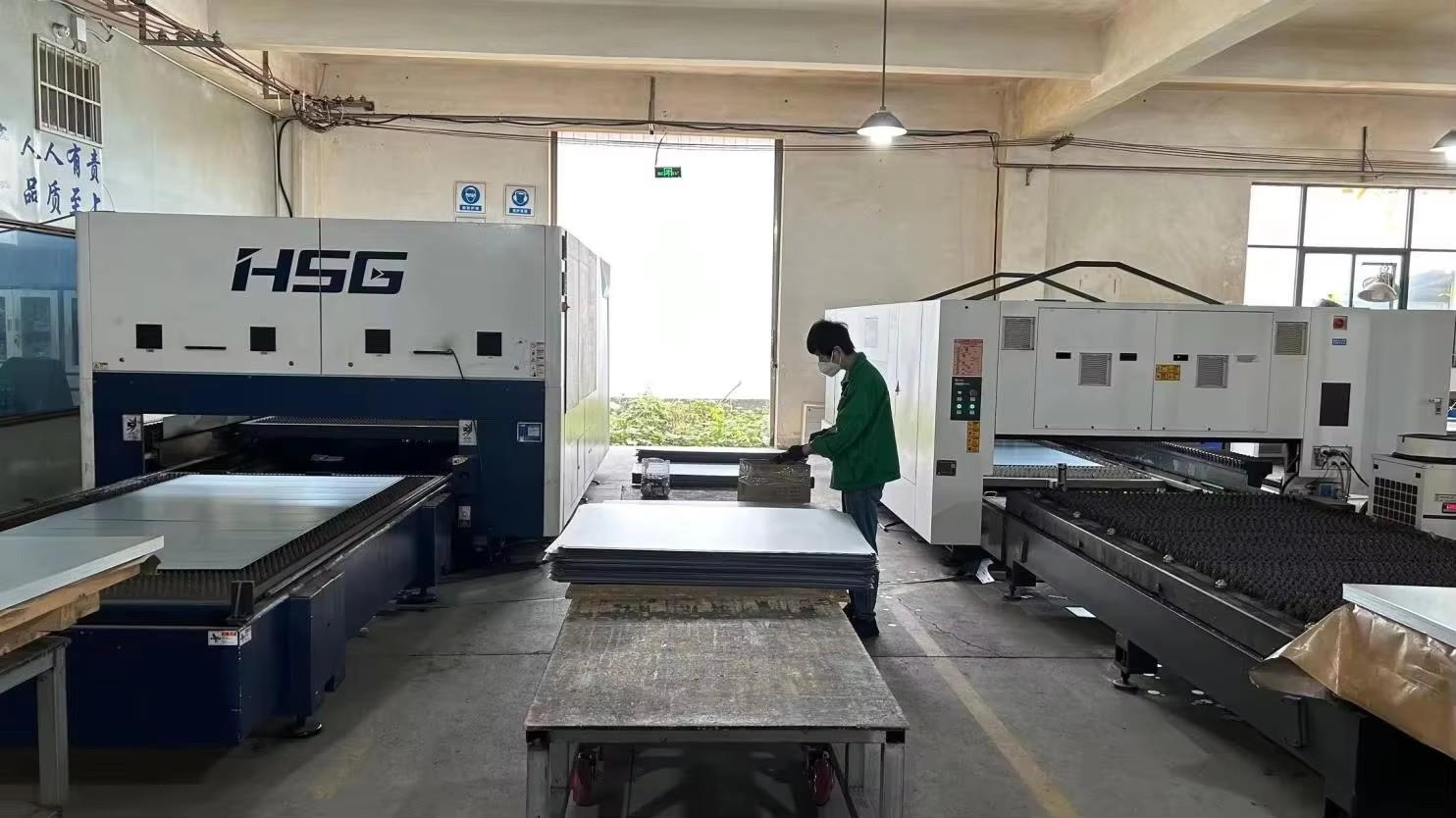
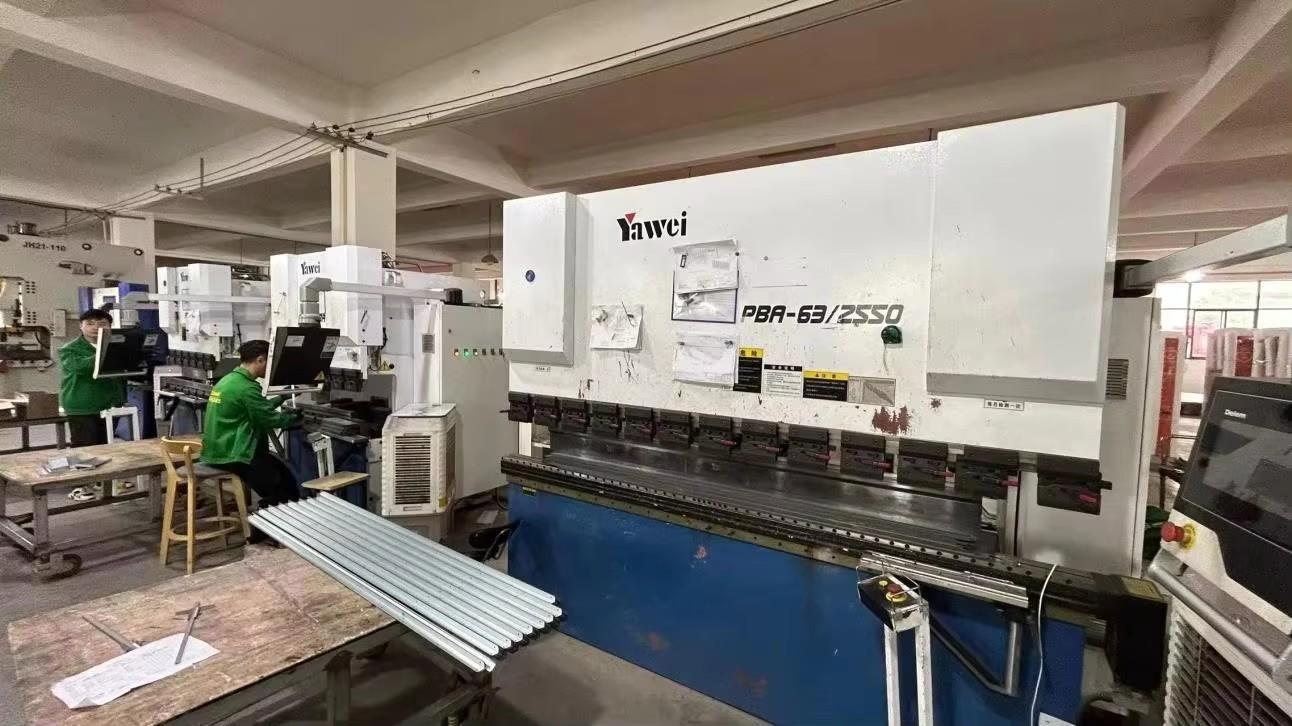
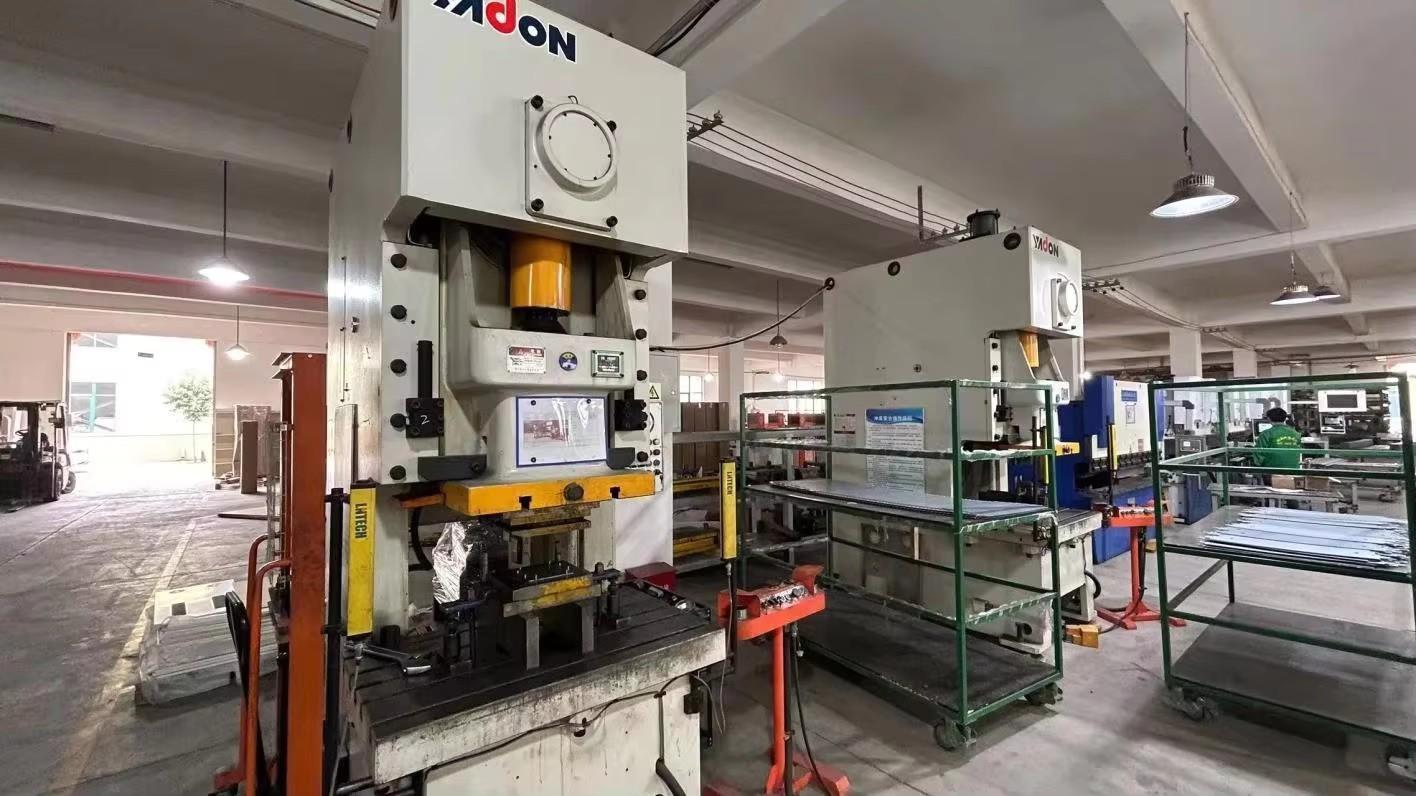
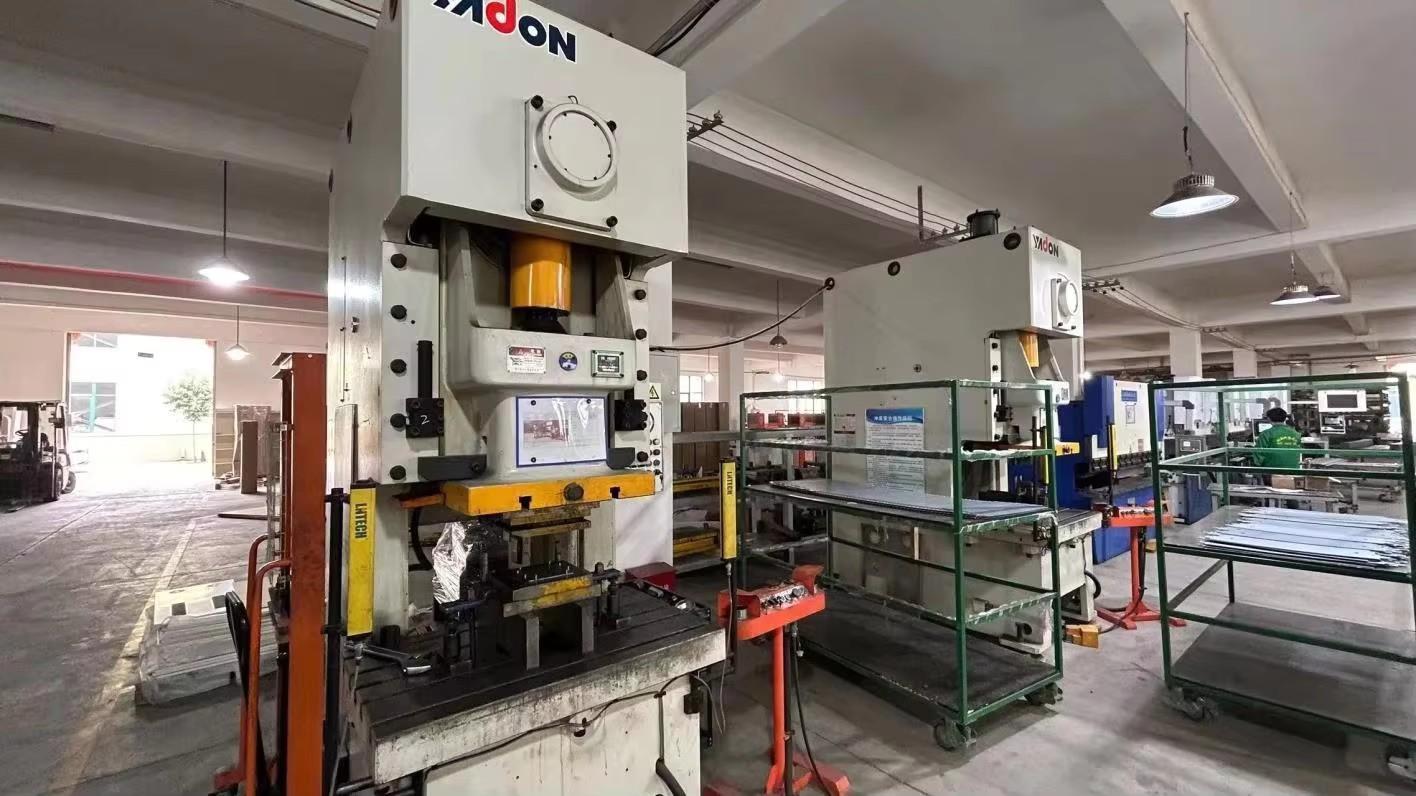
Engineered to handle environmental challenges across regional microgrids and municipal systems.
Delivering stable electricity to off-grid communities. Our low-maintenance MPPT charge controllers prevent overcharging, ensuring reliable operation for solar-powered lights, fans, and televisions in rural households.
Integrating off-grid hybrid power systems with local telecom towers. By combining PV generation with backup diesel, these controllers help minimize fuel consumption and maintain network uptime.
Optimizing solar water pump performance in rural farming areas. The integrated MPPT tracking ensures consistent water output even during periods of partial cloud cover or low seasonal light.
A complete lineup of solar controllers, hybrid inverters, and energy storage systems engineered for high performance.
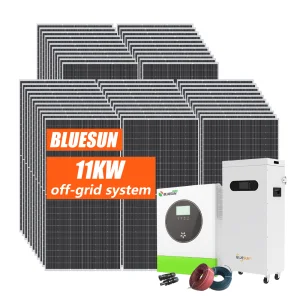
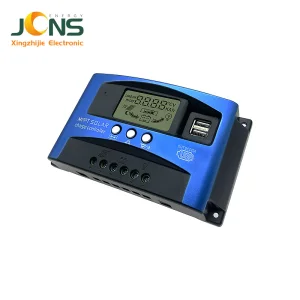
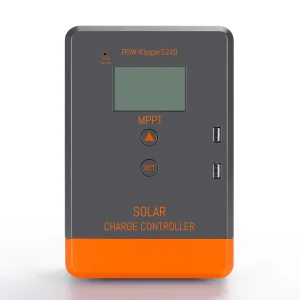
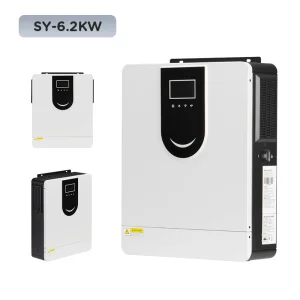
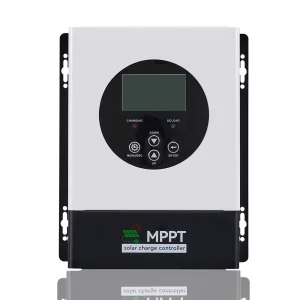
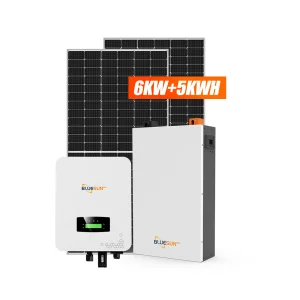
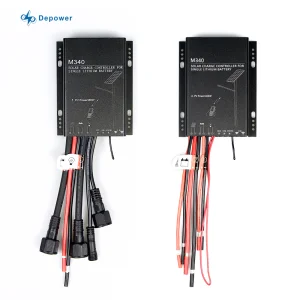
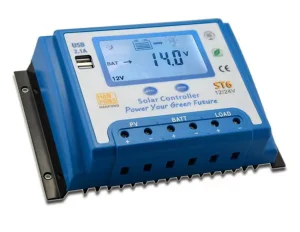
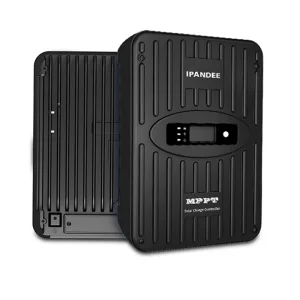
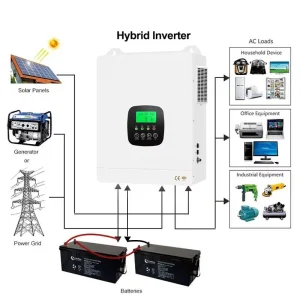
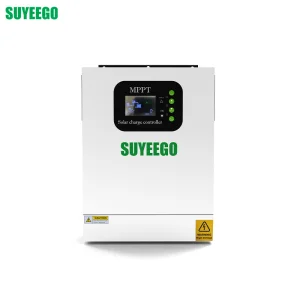
Key considerations for design, integration, and purchasing of solar charge controllers.
Contact our engineering support team for customized systems, bulk pricing, and local technical specifications.
 Luzz Solar