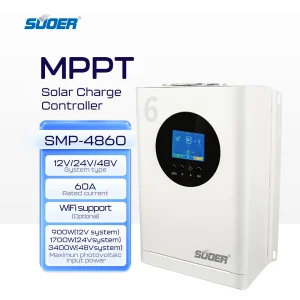
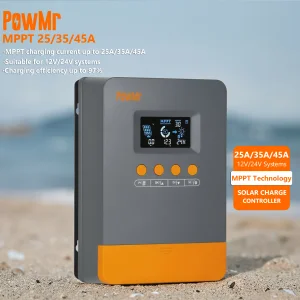
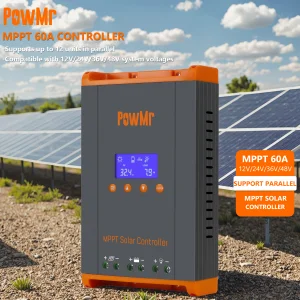
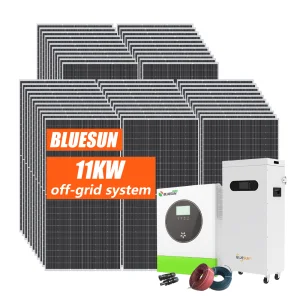
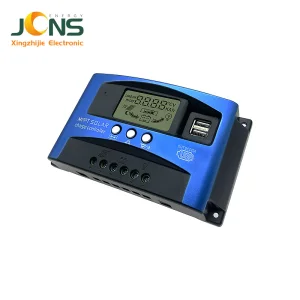
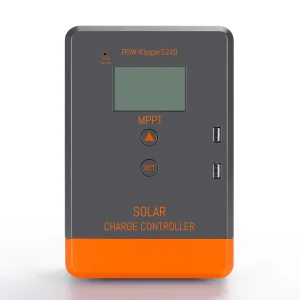
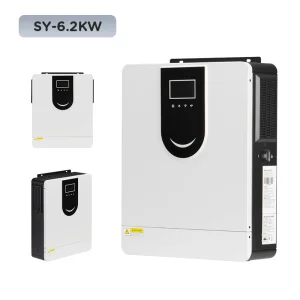
Precision engineered controllers designed to maximize photovoltaic yields in highly shaded urban areas and commercial rooftop arrays.
The Seoul Metropolitan Area is undergoing a structural energy pivot. Driven by South Korea's updated Basic Plan for New and Renewable Energy and the Seoul Metropolitan Government's ambitious "One Less Nuclear Power Plant" and Net-Zero 2050 targets, distributed energy resources (DERs) are transitioning from experimental systems to mandatory industrial infrastructure.
With massive tech hubs like the Gasan Digital Complex (GDG) and industrial clusters across Gyeonggi Province consuming gigawatt-scale electricity, grid stability and self-generation have become strategic requirements. However, Seoul's dense vertical typography limits land access, forcing commercial and industrial (C&I) entities to maximize solar collection on vertical building faces (BIPV), high-angle rooftops, and parking structures. These localized scenarios suffer from severe intermittent shading, variable micro-climates, and dynamic solar incident angles.
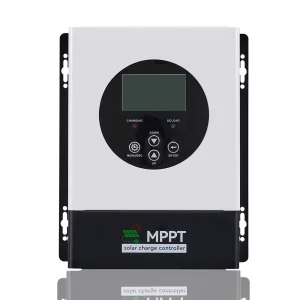
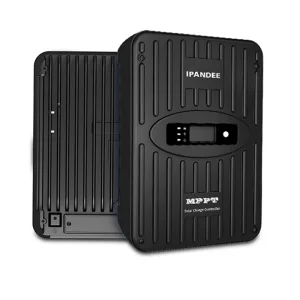
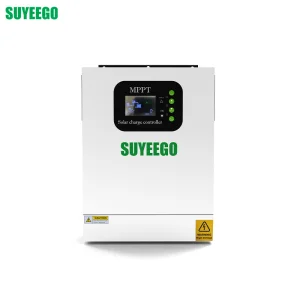
This is where standard PWM controllers fall short. Integrating advanced **Maximum Power Point Tracking (MPPT) Solar Charge Controllers** ensures up to a 30% yield increase compared to legacy configurations. By executing sub-second real-time tracking sweeps, our MPPT controllers calculate the absolute optimum power point (P-V curve) under shifting shadows cast by surrounding skyscrapers, ensuring that maximum solar power is routed into your Energy Storage Systems (ESS).
In South Korea's commercial sectors, industrial operators face escalating peak-demand pricing structures. KEPCO (Korea Electric Power Corporation) imposes steep tariffs during peak summer afternoon hours and freezing winter mornings.
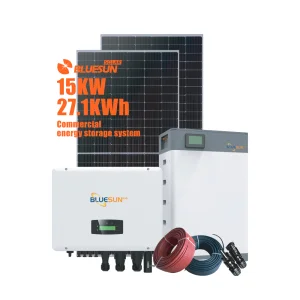
By coupling a high-voltage, high-performance MPPT controller with local battery systems, commercial hubs can engage in peak shaving—storing excess solar power during midday low-rate periods and deploying it to offset factory operations when utility rates spike. Reliability, thermal robustness under sub-zero winters (-15°C) and hot, humid monsoon summers (+35°C), and seamless communications are critical components of a viable energy architecture in the capital region.
Consult Seoul ProjectsDiscover the technical innovation enabling high efficiency conversion rates and rugged adaptability in South Korea's climate zones.
Our advanced controller line integrates MSRT, which dramatically reduces power loss in the conversion circuit. By using high-performance MOSFETs with ultra-low RDS(on) instead of conventional diodes, the peak conversion efficiency is pushed up to 99% (with tracking efficiency exceeding 99.9%). This limits thermal radiation and ensures operation in closed-cabinet ESS units common in downtown Seoul.
Traditional controllers easily get "stuck" in local maxima on the P-V curve when panels are partially shaded by industrial smokestacks or adjacent high-rises. Our algorithm runs complete sweeps in milliseconds, locking onto the true global maximum power point, preventing thermal hotspots on PV panels and maximizing the raw power harvested hourly.
The Seoul market demands robust lithium battery compatibility. Our charge controllers feature preset and custom charging profiles for LiFePO4, Ternary Lithium, and classic Lead-Acid batteries. Fully integrated RS485, CAN bus, and Wi-Fi communication modules allow managers to link system metrics directly to central building automation software.
Our metrics represent real-world testing parameters verified in industrial applications.
Deploying high-efficiency charge management across critical metropolitan applications.
High-density districts like Gangnam, Yeouido, and Mapo present vertical surfaces ideal for Building Integrated Photovoltaics (BIPV). However, vertical configurations receive solar radiation at suboptimal angles and are highly susceptible to shading. Our 100A and 120A MPPT controllers, with wide PV operating voltage windows (up to 500V), allow for longer series strings and significantly reduced wiring costs. This minimizes localized power loss, ensuring optimal output even during low-light winter days.
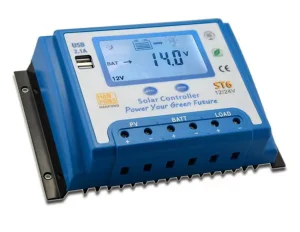
Seoul’s expansive 5G network requires continuous field power. Micro solar units powering edge-computing gateways and telecom towers require highly reliable off-grid systems. Deploying compact, dust-tight, and moisture-protected MPPT controllers guarantees uninterrupted power delivery. Integrated temperature sensors adjust charging parameters based on ambient temperatures, extending the service life of sensitive lithium battery cells deployed in harsh outdoor enclosures.
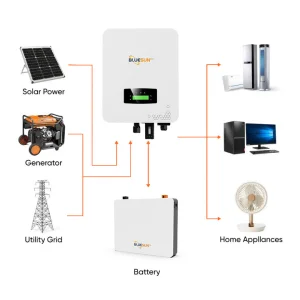
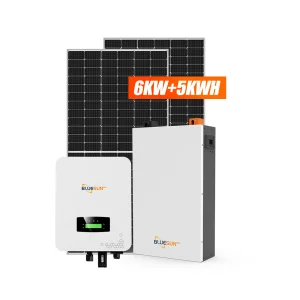
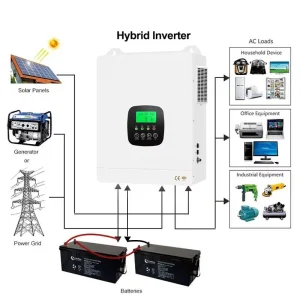
With South Korea rapidly transitioning public transit and passenger fleets to electric vehicles (EVs), municipal charging hubs are integrating solar canopies to offset grid strain. Combining high-capacity MPPT solar controllers with multi-kilowatt hybrid systems ensures peak output from these canopy arrays is directly channeled into local backup battery storage. This configuration mitigates grid demand fees during peak electric vehicle charging hours.
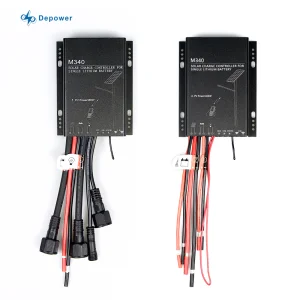
For municipal roadways across Gyeonggi-do and Seoul proper, smart streetlights equipped with built-in PV panels demand autonomous, reliable charging profiles. Specialized low-voltage MPPT regulators with integrated LED drivers handle night/day automated switching, lithium battery health tracking, and adaptive lighting output based on real-time charge states.
In the photovoltaic and energy storage sector, supply chain continuity is paramount. Based in Qingdao, China, **Qingdao Luzz Solar Co., Ltd.** leverages its geographical advantage to offer rapid, cost-effective shipping directly to the Port of Incheon, located adjacent to the Seoul Capital Area.
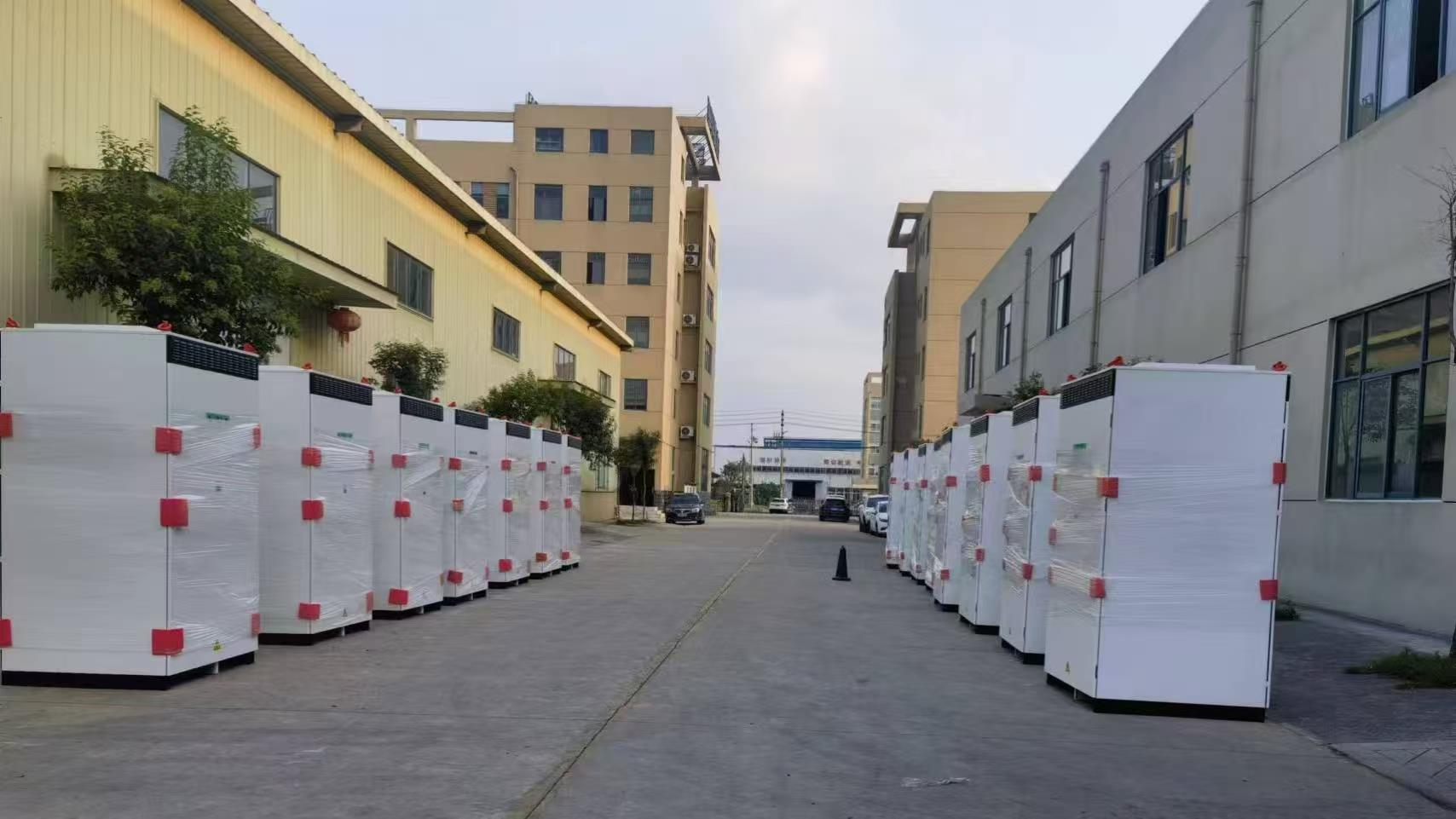
Our proximity to Incheon translates to standard transit times of just 24 to 48 hours for sea freight, significantly faster than shipments originating from southern Chinese ports. This ensures that Seoul distributors, solar system integrators, and industrial installers can maintain lean inventory structures without risking project delays.
Our raw material procurement is fully verticalized, drawing copper components, semiconductors, and precision CNC casings from verified local manufacturing clusters. This insulates our production pipeline from global logistics shocks, allowing us to maintain stable lead times and consistent pricing structures even during periods of market instability.
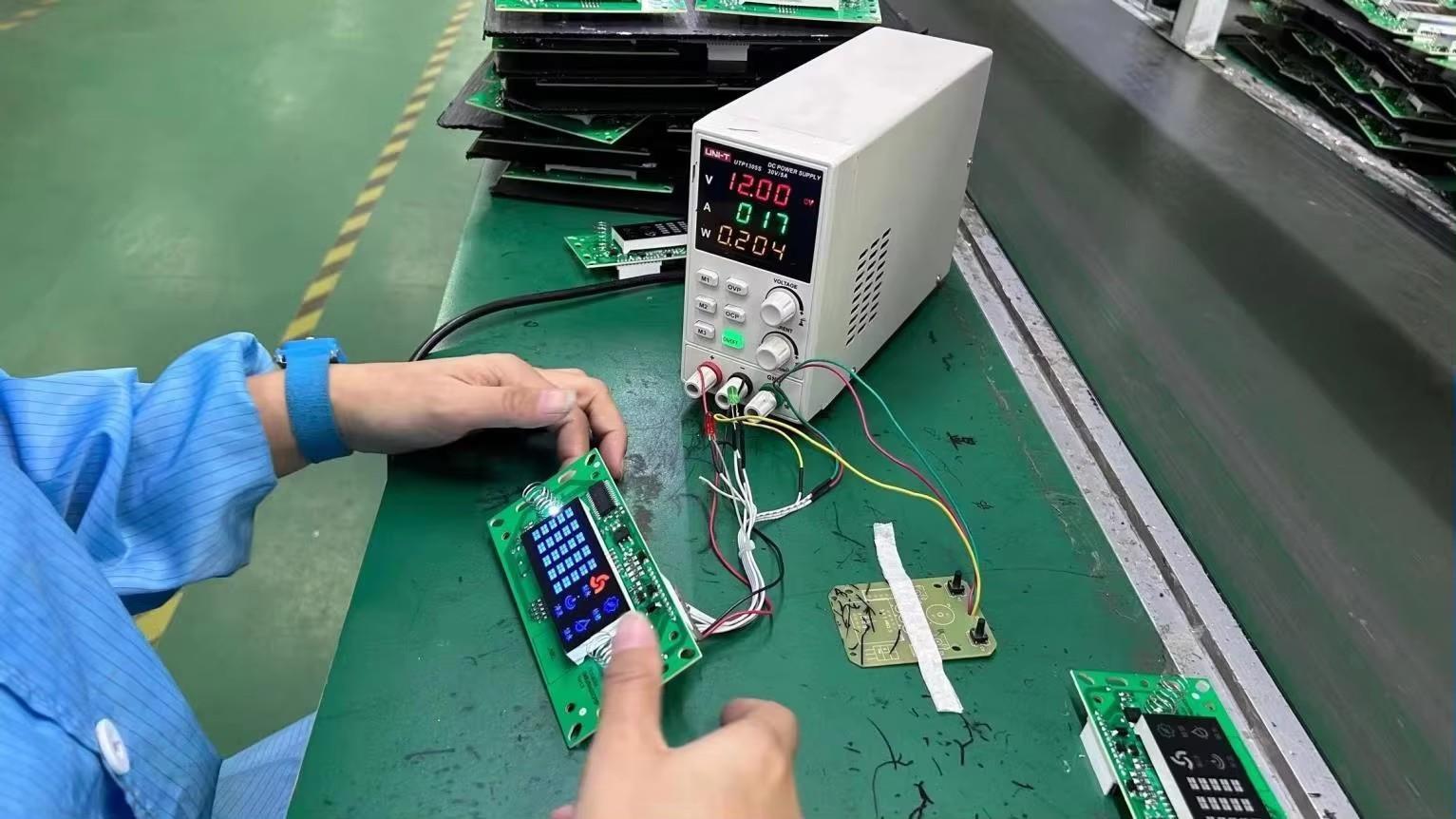
Every controller undergoes multiple stages of automated quality inspection, including high-temperature burn-in testing, load cycle simulations, and electrical safety validation. This rigorous testing minimizes defect rates, ensuring that every shipment is ready for immediate installation in Korean commercial grid systems.
Request Logistics & OEM QuoteExplore our complete range of certified power management devices for off-grid, grid-tied, and hybrid applications.
South Korea enforces strict quality guidelines for energy equipment connected to the public utility grid. Navigating KC (Korea Certification) and KS (Korean Industrial Standards) parameters is crucial for successful commercial deployment.
Our MPPT controllers are designed to comply with standard electromagnetic compatibility (EMC) regulations, over-voltage protection limits, and safety metrics required by KEPCO and the Korea Energy Agency. By maintaining rigorous component selections—such as high-grade internal capacitors, copper busbars, and robust isolation switches—our hardware integrates smoothly into systems seeking local certification.
Additionally, our technical sales engineers provide comprehensive documentation package support, including detailed electrical schematics, thermal test reports, and parameters config lists, expediting your system approval process with South Korean safety bodies.
Deploying distributed generation arrays in industrial centers like Suwon, Incheon, or Seoul requires alignment with the grid protection settings specified by local power system coordinators. This includes:
Our engineering team helps calculate the exact temperature-coefficient compensation for your local layout, ensuring that winter voltages do not exceed the controller’s maximum limit and prevent damage to components.
Review Technical ComplianceA professional new energy enterprise specializing in the development, manufacturing, and global distribution of photovoltaic (PV) products.
Qingdao Luzz Solar Co., Ltd. is a professional new energy enterprise specializing in the development, manufacturing, and global distribution of photovoltaic (PV) products and integrated energy storage solutions. Located in Qingdao, China, the company benefits from a well-established renewable energy industrial base and advanced manufacturing capabilities.
With the accelerating global transition toward carbon neutrality and sustainable development, Luzz Solar is committed to providing efficient, reliable, and cost-effective clean energy solutions to customers worldwide. Our product portfolio includes high-efficiency solar photovoltaic modules, energy storage systems, and integrated solar application solutions designed for residential, commercial, and utility-scale projects.
Driven by technological innovation and quality excellence, the company continuously invests in R&D and production optimization to improve product performance, energy conversion efficiency, and system reliability. We strictly adhere to international quality standards and implement rigorous quality control throughout the entire production process to ensure stable and long-term product performance.
Qingdao Luzz Solar actively expands its global market presence, with business coverage across Asia, Europe, the Middle East, Africa, and Latin America. By working closely with international partners, we are committed to delivering tailored energy solutions that meet diverse regional needs and support the global energy transition.
Guided by the core values of integrity, innovation, cooperation, and sustainability, Luzz Solar strives to become a trusted global partner in the new energy industry. We are dedicated to advancing solar technology and contributing to a greener, more sustainable future.
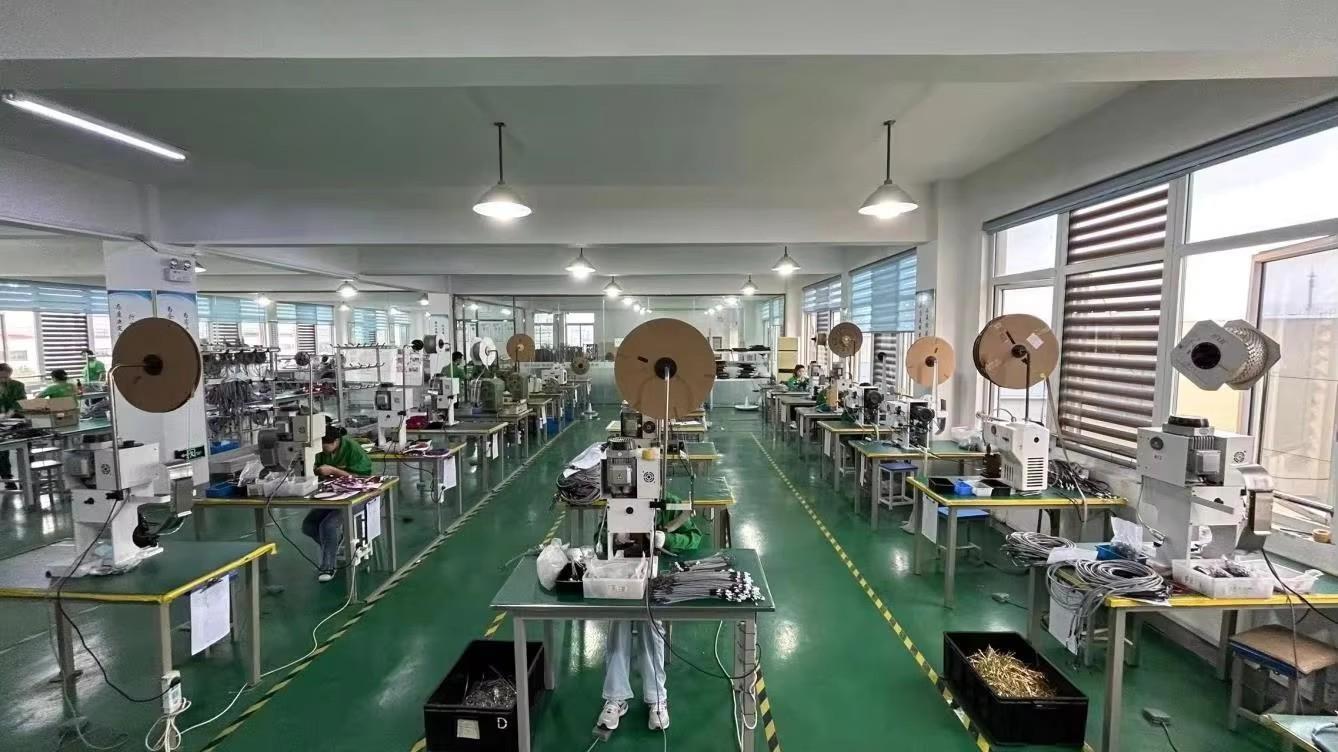
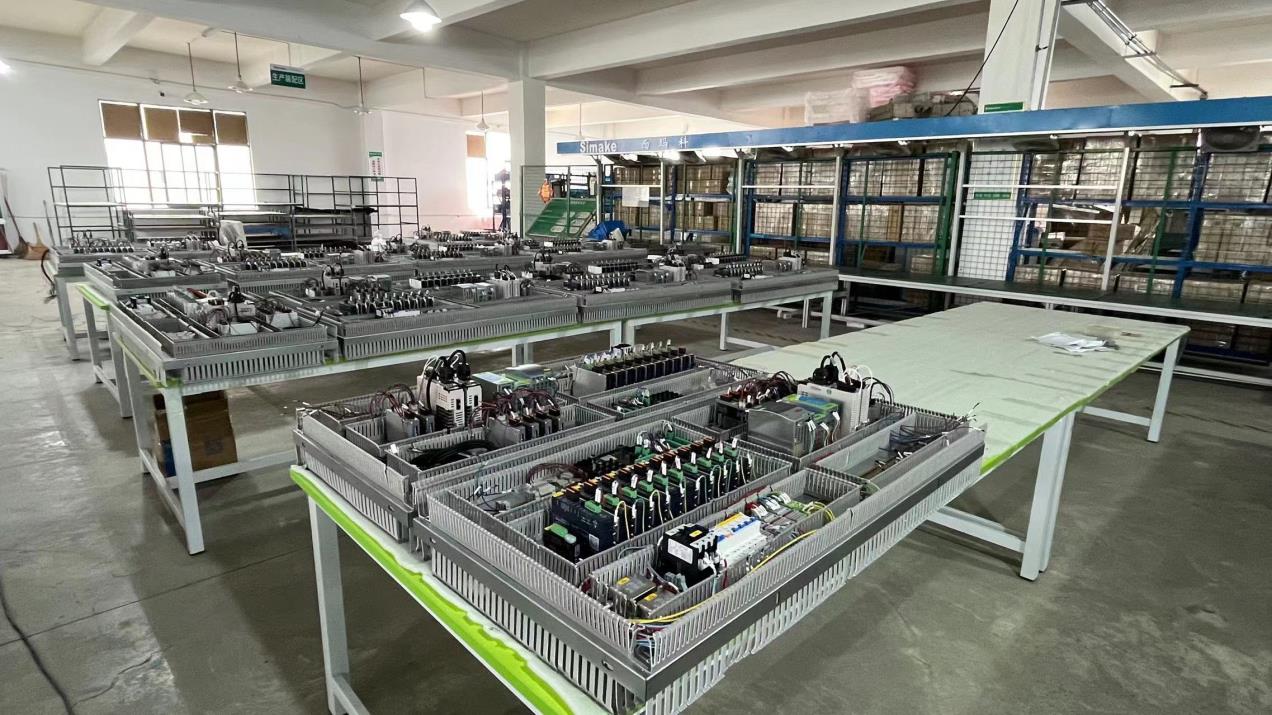
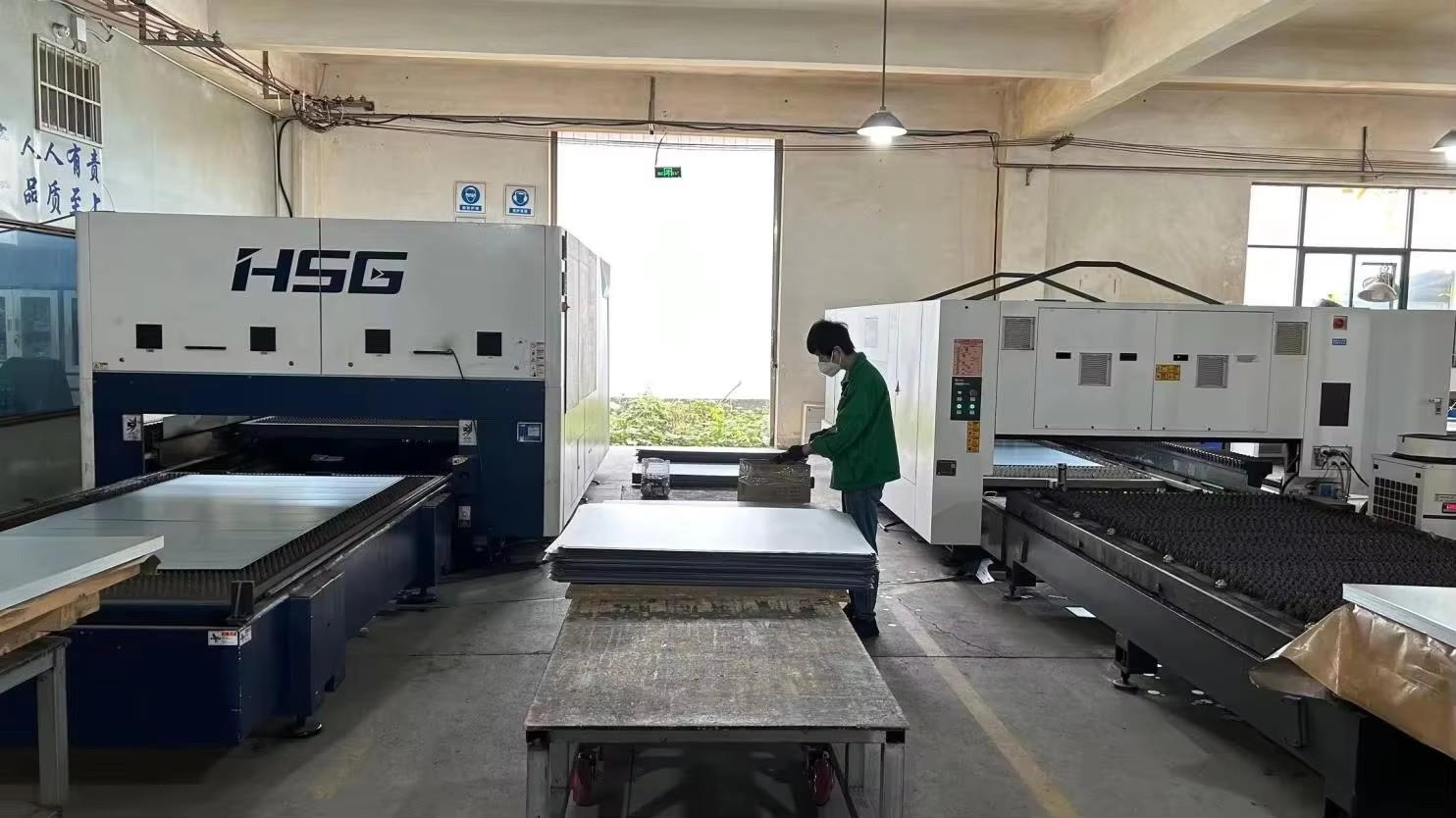
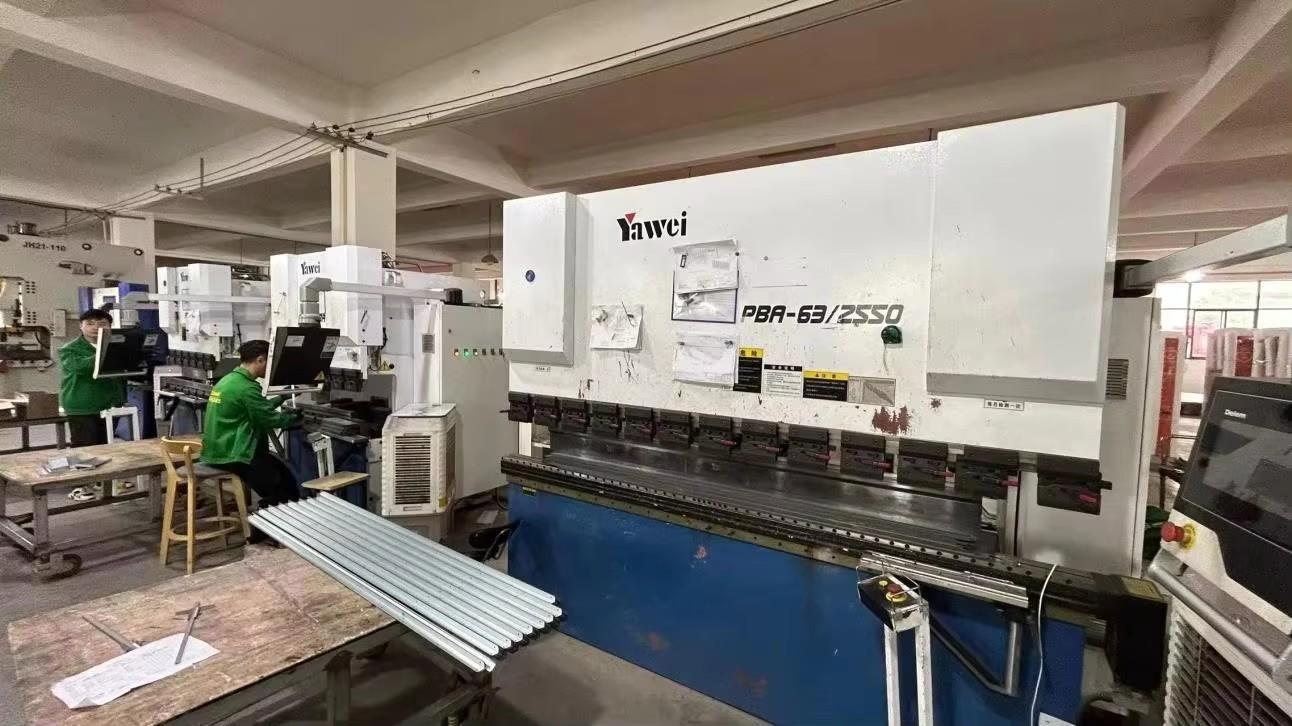
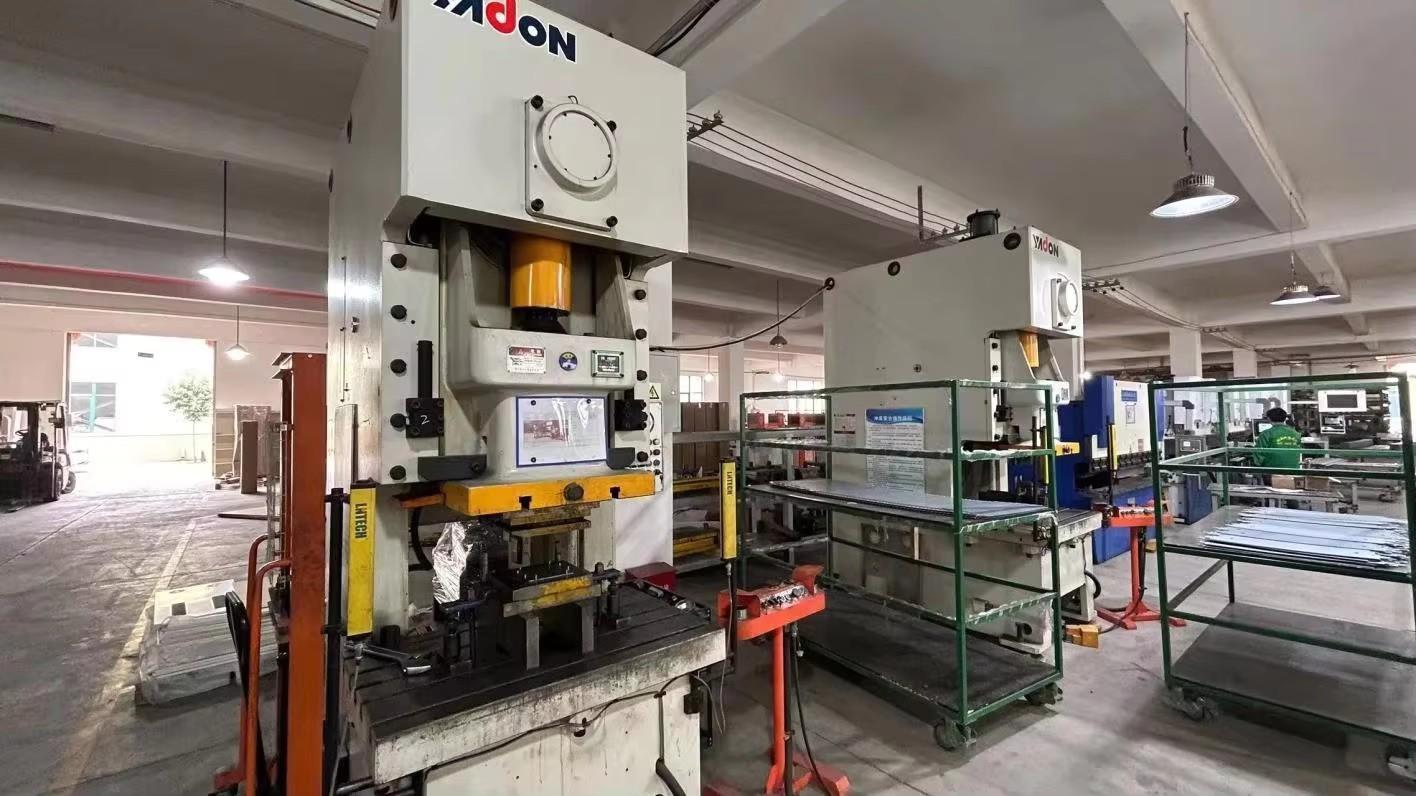
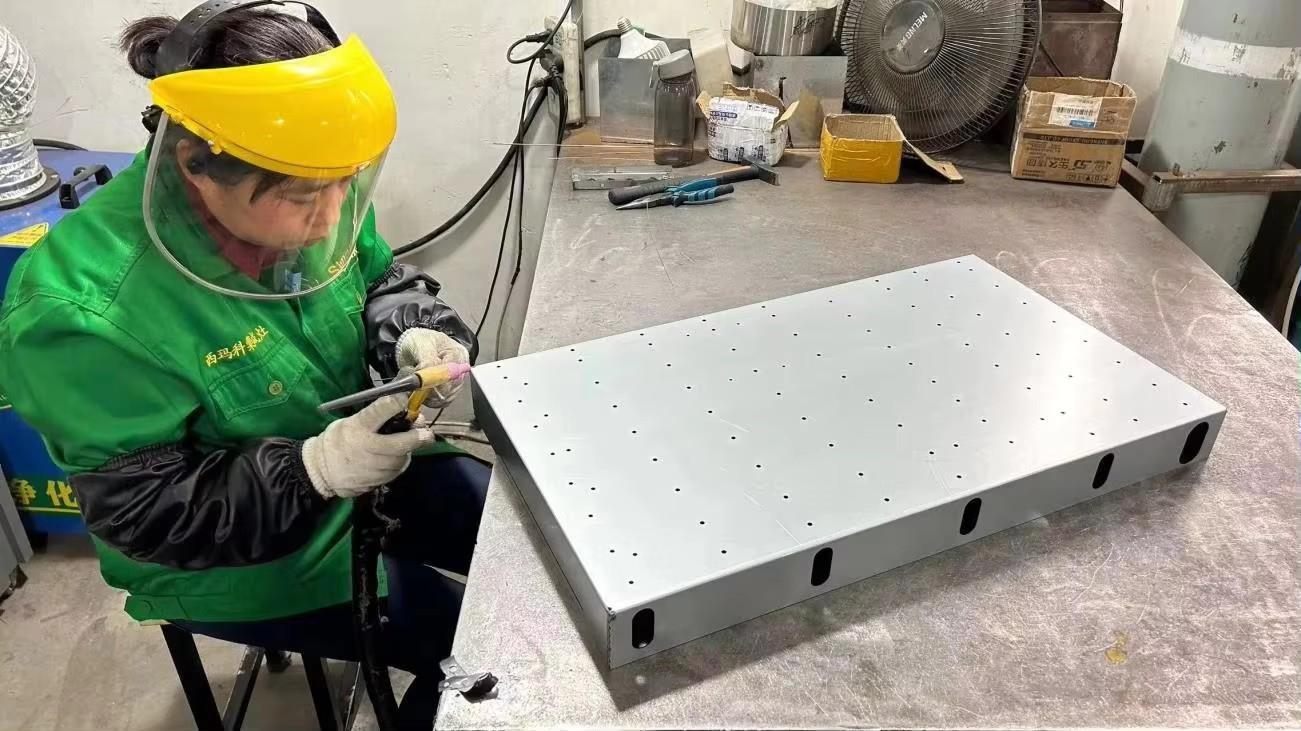
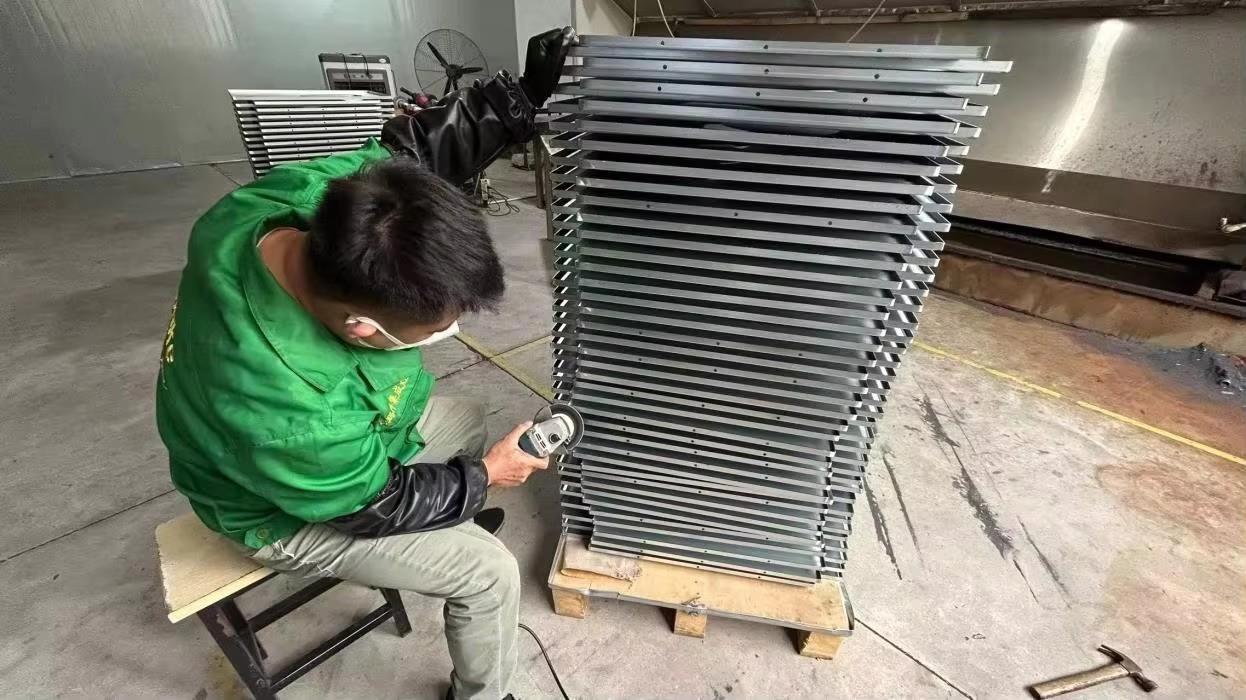
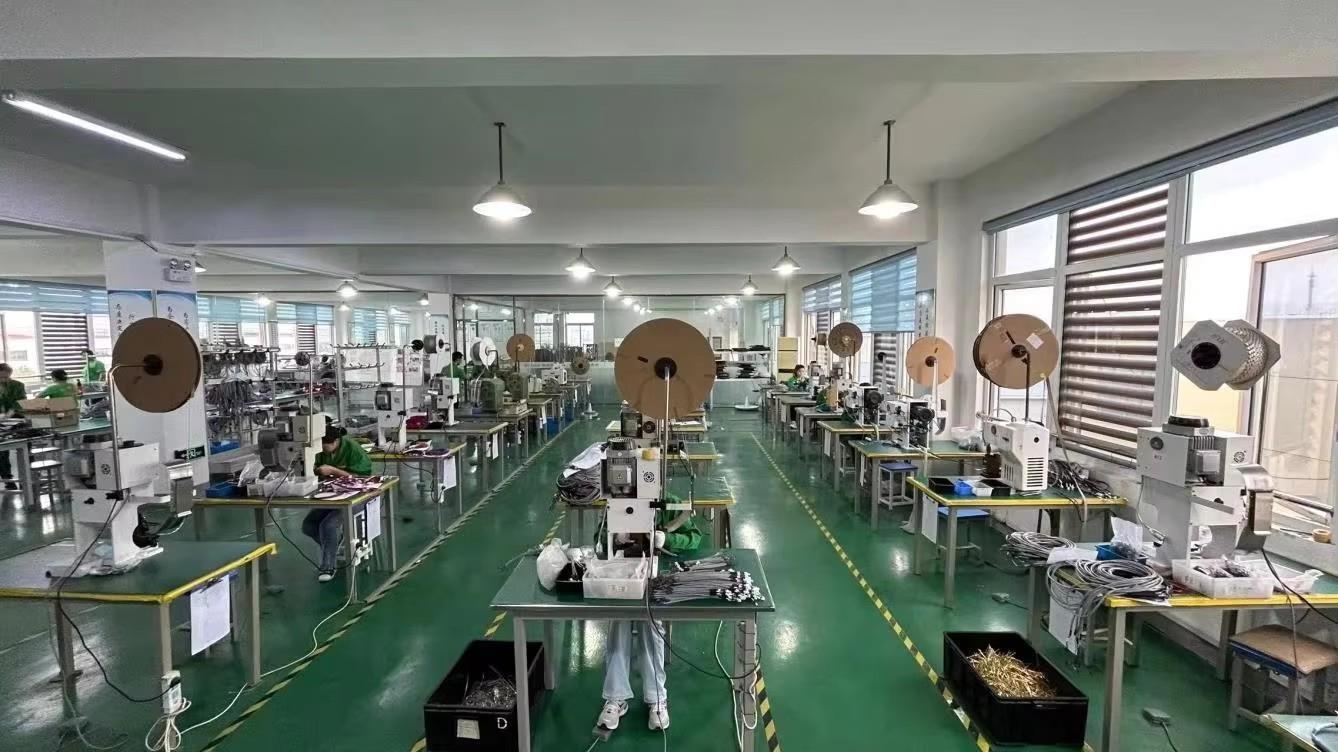
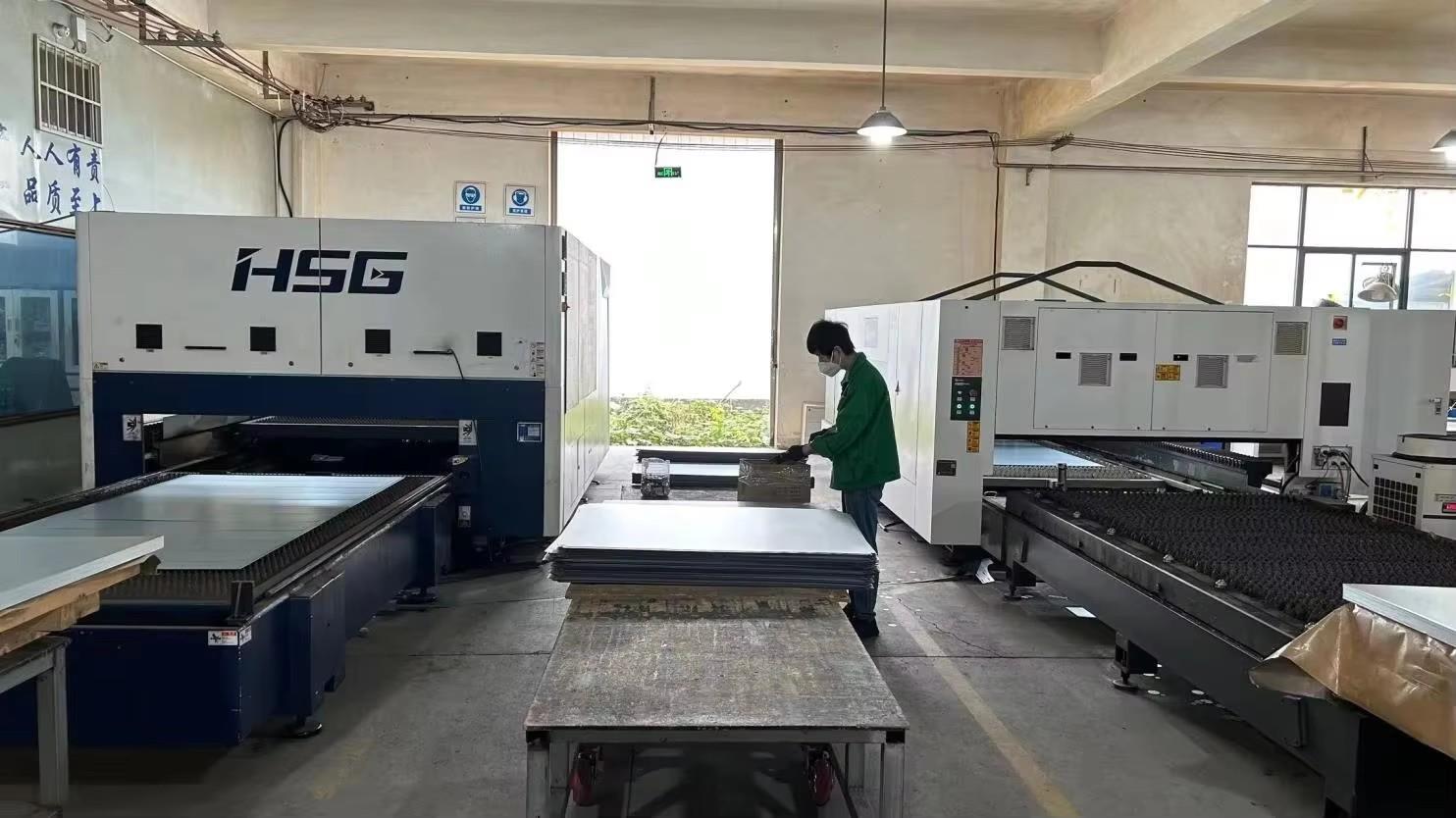
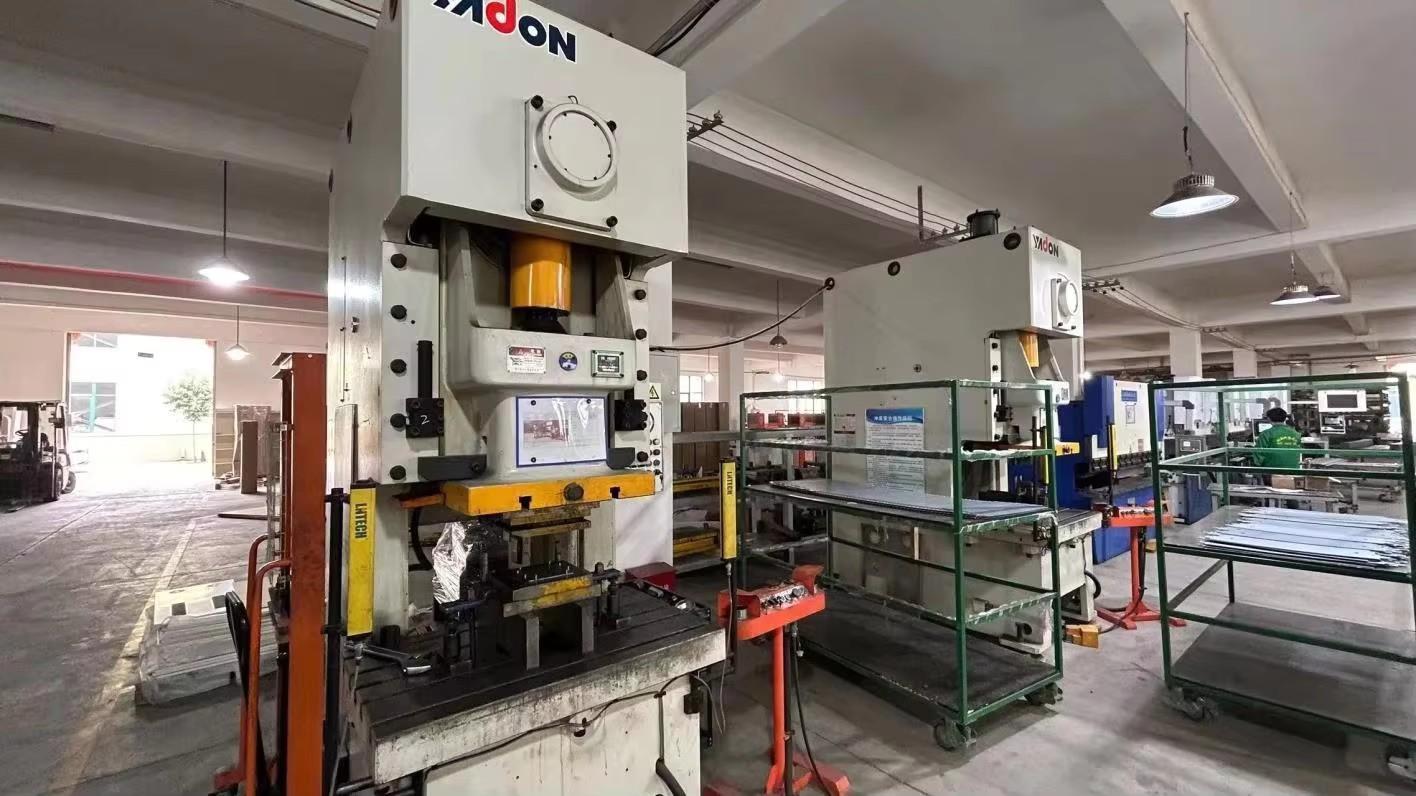
Our vertically integrated facility in China guarantees components built to exact specifications with absolute control over electrical reliability.
Addressing common engineering, logistics, and technical queries from Seoul commercial project developers.
Seoul's urban dense layout is prone to partial shading from adjacent high-rises and telecommunication infrastructure. A Pulse Width Modulation (PWM) controller operates by pulling down panel voltage to match the battery voltage, sacrificing potential output. An MPPT (Maximum Power Point Tracking) controller continuously monitors voltage and current outputs, calculating the optimal voltage matching point. This extracts up to 30% more energy from identical solar arrays, optimizing space constraints in metropolitan areas.
Solar panel open-circuit voltage (Voc) increases in cold temperatures. On clear winter mornings in Seoul, where temperatures can drop below -15°C, arrays generate significant voltage surges. If your MPPT controller is not properly rated for these peak voltages, it could trigger over-voltage shutdowns or damage circuitry. We recommend calculating string sizing with a 1.15 to 1.2 safety multiplier on the panel's Voc, or using our high-voltage 150V/230V/500V controllers to prevent winter voltage damage.
Our full line of controllers supports advanced lithium configurations, specifically Lithium Iron Phosphate (LiFePO4) and Ternary Lithium (NMC) packs, alongside traditional Sealed/Gel lead-acid systems. Users can configure parameters such as absorption, float, and over-voltage disconnect thresholds directly via the controller's digital interface, or through remote PC/app connections using standard Modbus or RS485 communication protocols.
Thanks to the direct maritime corridor between Qingdao and Incheon, standard shipping times by sea range between 24 and 48 hours. From port arrival, standard customs clearance and road freight delivery to sites in Guro, Gasan, or Yeouido takes approximately 2 to 3 working days. This proximity makes Qingdao Luzz Solar a highly responsive partner for South Korean energy projects.
Yes. All of our high-power MPPT controllers and hybrid system inverters come equipped with communication ports (RS485, CAN bus, or Wi-Fi). By utilizing open-source Modbus RTU transmission registers, developers can map live metrics—such as PV generation, battery SOC, daily yields, and fault alerts—into existing industrial SCADA systems or municipal environmental monitoring dashboards.
Contact our technical sales team for comprehensive sizing assistance, customization options, and wholesale shipping quotes.
Send Inquiry Now Luzz Solar